Is an AI Phone System Worth It? Calculating ROI for Small Business Call Handling
TL;DR
- ✓ AI phone systems drastically reduce costs compared to hiring a full-time human receptionist.
- ✓ Missing customer calls creates a hidden tax that significantly drains your business growth.
- ✓ AI offers 24/7 availability to capture leads while your staff focuses on high-value tasks.
- ✓ Modern AI voice technology provides near-human interaction for professional customer service.
Let’s be honest: for the modern small business, an AI phone system isn't just a "nice to have" gadget. It’s the difference between capturing a market and simply bleeding revenue in total silence.
When you sit down and calculate the real cost of a human-only receptionist—factoring in salary, taxes, benefits, training, and the soul-crushing "missed call tax"—the math shifts. AI isn't just a cost-saver; it’s a high-performance engine that pays for itself in weeks, not years. By automating the mind-numbing routine inquiries and ensuring no lead ever hits a dead end, Voksha and similar tools let you stop treating your human talent like glorified switchboard operators. They get to do the high-value work, while the AI guards your revenue 24/7.
The Hidden "Missed Call Tax": What is Your Silence Costing You?
Every time your phone rings and goes to voicemail, you aren't just missing a conversation. You are effectively paying a premium to burn a lead.
The "5-minute rule" in sales isn't some corporate suggestion—it’s a mathematical reality. Research consistently shows that response time is the single greatest predictor of whether you close the deal. The true cost of a missed call is often the entire lifetime value of that customer.
Think about it. When a prospect calls you, they are in a state of high intent. They want a solution now. If they hit your voicemail box, that intent evaporates instantly. They don’t wait for you to call them back between meetings. They just move to the next search result on Google. This "missed call tax" is a silent, creeping drain on your bottom line. It rarely shows up on a P&L statement, yet it accounts for 40-60% of lost growth in most service-based industries.
How Does the Math Stack Up? AI vs. Human Receptionist
The economic argument is stark. A full-time human receptionist, once you tally up payroll, taxes, insurance, and the overhead of desk space and equipment, usually costs a business between $45,000 and $60,000 every single year.
In contrast, a robust AI phone system? You’re looking at a range of $300 to $3,600 per year.
By 2026, the "robotic" stigma is effectively dead. Advancements in natural language processing mean that AI voice latency has reached near-human parity. The AI doesn't get tired. It doesn't take sick days. It doesn't leave for a two-hour lunch. When you compare the two, you aren't just choosing between a person and a machine; you’re choosing between a bottleneck and a scalable infrastructure.
Beyond the Script: How AI Becomes a Workflow Engine
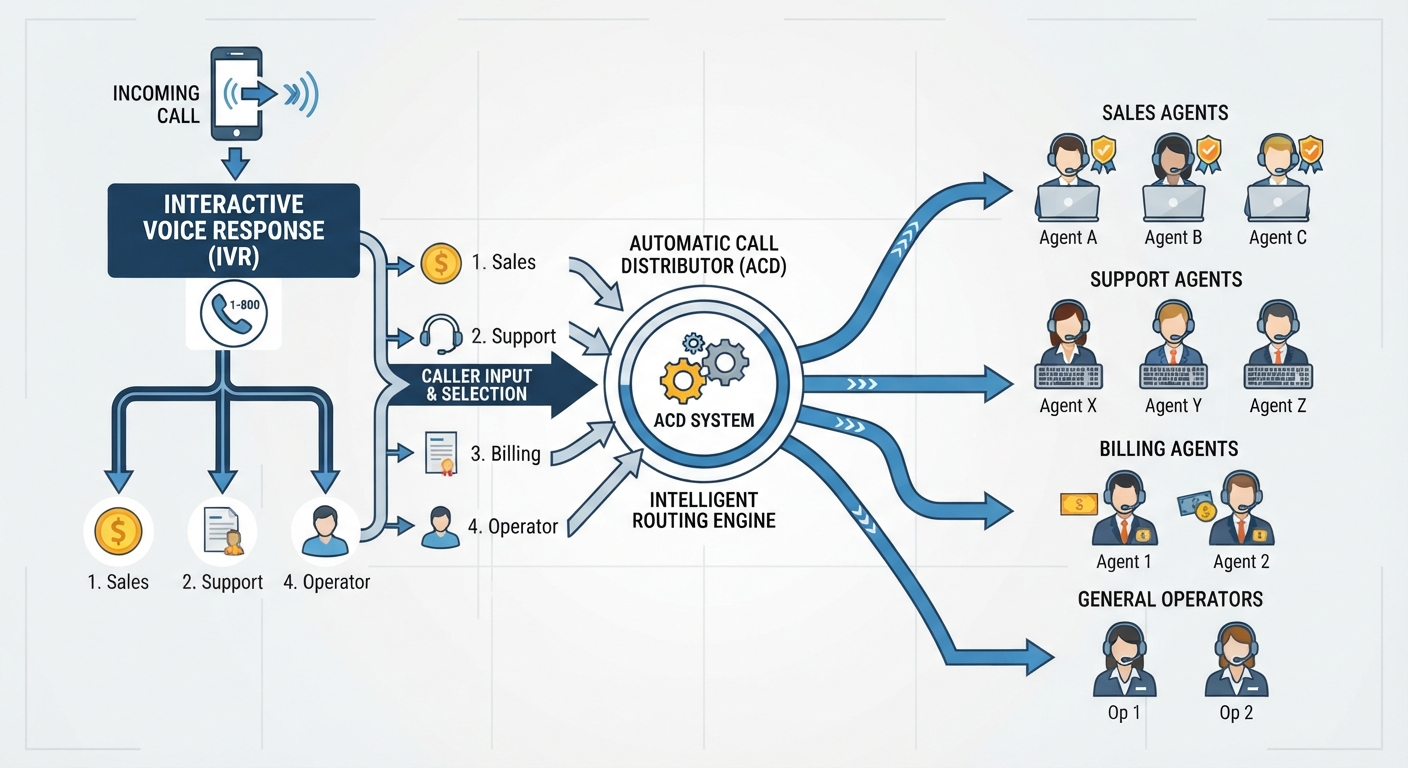
The smartest operators have moved past the idea of an AI as a glorified answering machine. Today, it’s a workflow engine.
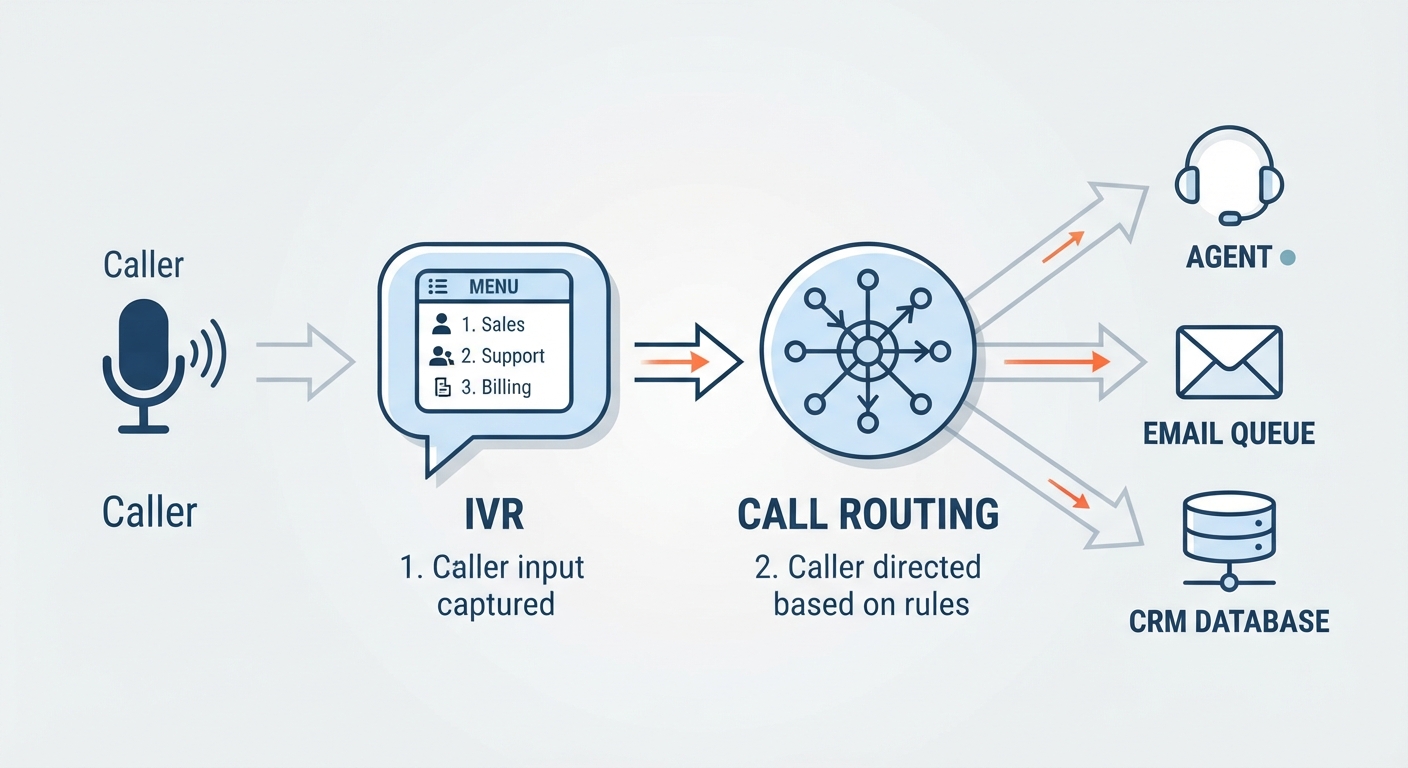
When a call hits your line, the AI doesn't just take a message. It verifies the caller's identity, checks your CRM, updates their status, and pushes an appointment directly into your calendar.
The "Hybrid-First" strategy is the current gold standard. You automate 90% of the routine noise—hours of operation, directions, basic status updates—and use the AI to intelligently escalate only the high-value, emotionally complex, or unique inquiries to your human team. This ensures your staff is only interrupted for tasks that genuinely require a human touch. How Voksha streamlines your business communication is a perfect example of this shift: the machine handles the data, and the human handles the relationship.
The ROI Formula: Calculating Your Break-Even Point
To figure out if AI is worth it for your firm, look at your "Cost of Acquisition" versus your "Value of a Lead."
If your average customer is worth $500, and you close 1 out of every 10 leads, every lead you save is worth $50 in expected value. If your AI system costs $200 a month, you only need to recover four additional leads every 30 days to break even. Everything after that? Pure profit. When you look at industry benchmarks for AI lead conversion, it becomes clear that even a modest bump in capture rate—say, moving from 60% to 90%—can result in thousands of dollars of reclaimed revenue every single month.
Niche-Specific Impact: Who Gains the Most?
The impact of AI isn't uniform, but it’s most profound where the cost of a missed call is highest.
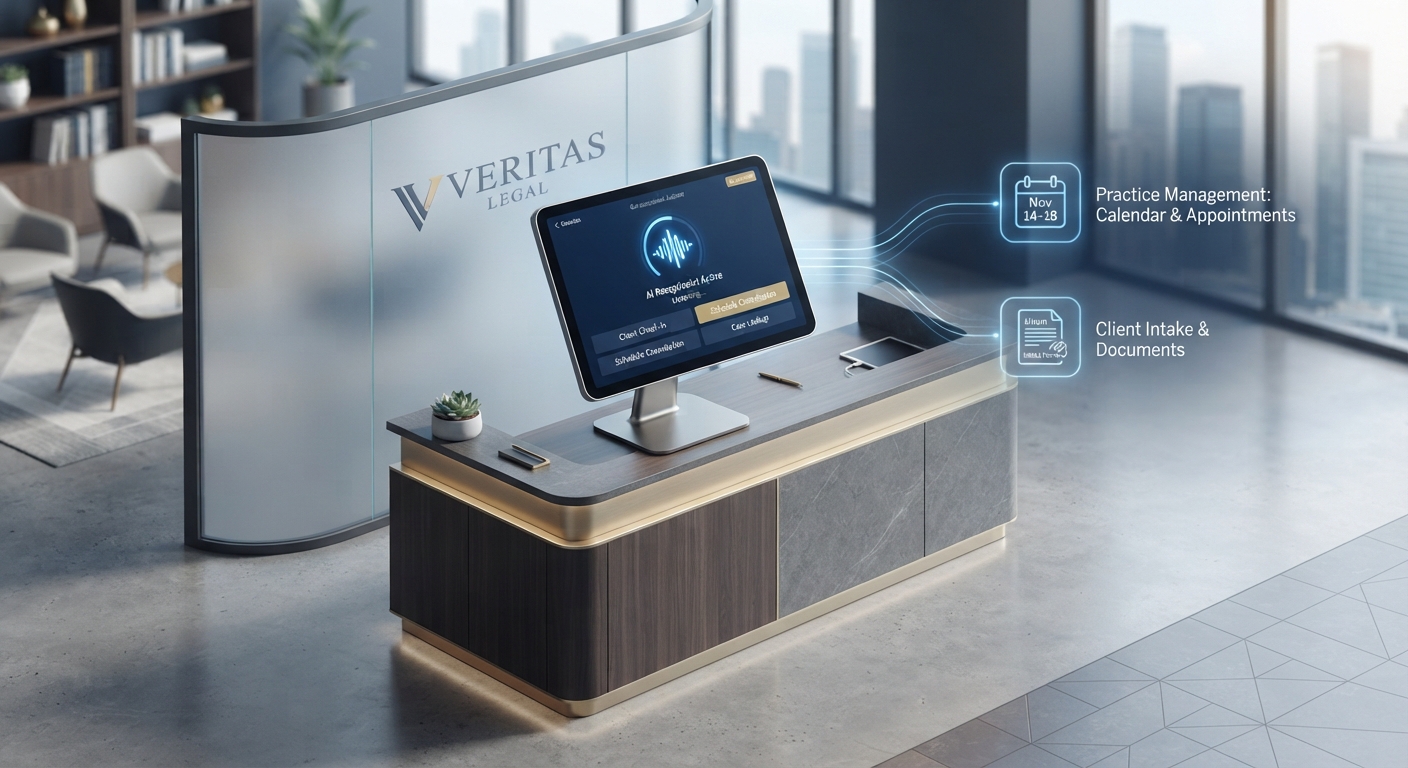
- Medical & Legal: In these fields, trust and compliance are non-negotiable. Modern AI providers now offer "compliance-guaranteed" tiers that handle HIPAA-sensitive data with the same rigor as an office manager, ensuring scheduling is efficient without compromising privacy.
- Home Services: For contractors and plumbers, being in the field is a necessity. AI allows you to handle quotes and book appointments while you are under a sink or on a roof, turning your phone into a 24/7 sales office.
- Professional Services: Accountants and consultants thrive on deep work. AI acts as a shield, managing client intake and filtering calls so that your focus remains on high-leverage client service rather than administrative triage.
Addressing the "Human Touch" Objection: Will Customers Be Frustrated?
The "bot" stigma is largely a relic of the early 2020s. Customers today aren't frustrated by AI; they’re frustrated by waiting on hold. They’re frustrated by "press 1 for sales, press 2 for support." They want immediate resolution.
When you provide a fast, polite, and accurate AI interaction that actually solves their problem, customers report higher satisfaction levels than being placed on a 5-minute hold by an overwhelmed human. To humanize your AI, focus on cadence and empathy triggers. A well-configured system should sound like a member of your team, not a call center script. As noted in this AI vs. human receptionist cost comparison, the primary driver of customer frustration is lack of availability, not the medium of the response.
Implementation Guide: Getting Started in Under 30 Minutes
The era of complex, months-long IT projects is officially over. Today, "no-code" integration is the standard. Getting started is just a matter of auditing your current bottlenecks, selecting your workflow triggers, and testing the agent against your most common call scenarios.
- Identify the Bottleneck: Which calls take up the most time but provide the least value? (e.g., "What are your hours?" or "Are you accepting new patients?")
- Configure the Logic: Set up your AI to handle these specific scripts.
- Integrate: Connect your AI to your CRM and calendar.
- Test: Run a pilot for 48 hours to ensure the tone matches your brand.
For those looking to move beyond basic setups, our approach to AI automation focuses on speed-to-value, getting your system live before the end of the work week.
Frequently Asked Questions
Will customers be annoyed if they talk to an AI instead of a person?
Most customers prefer instant, accurate service over waiting on hold. As long as the AI is fast and can resolve the reason for their call, users generally view it as a convenience rather than a barrier.
How long does it actually take to set up an AI phone system?
With modern no-code platforms, you can have a functional system live in under 30 minutes. The time-intensive part is simply ensuring your knowledge base is accurate.
What happens if the AI doesn't know the answer to a specific question?
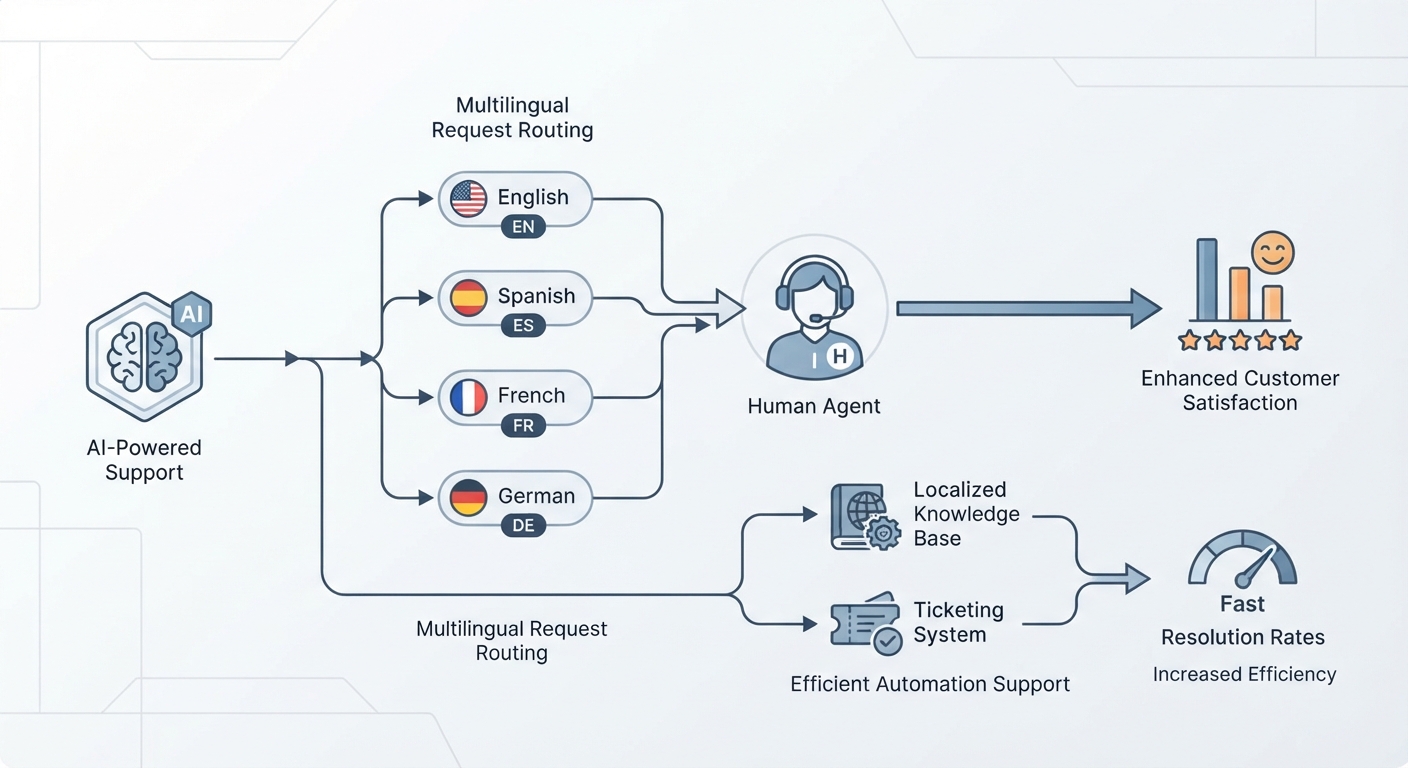
Top-tier systems are designed to fail gracefully. If the AI encounters a question outside of its training, it is programmed to apologize and immediately escalate the call to a human agent, ensuring no conversation is left in a dead end.
Is AI phone answering actually cheaper than a virtual receptionist service?
Yes. Virtual receptionists charge per minute or per call, which scales linearly with your business volume. AI subscriptions are typically flat-fee or low-volume tiered, making them significantly more cost-effective as your call volume increases.
How does AI handle HIPAA compliance for my medical/legal practice?
Many providers offer specific compliance-guaranteed tiers. These providers sign Business Associate Agreements (BAAs) and utilize encrypted, secure data handling to ensure that all patient or client information is managed according to regulatory standards.