AI Receptionist for HVAC Companies: Never Lose an Emergency Call Again
TL;DR
- An AI receptionist for HVAC companies answers, triages, and books every after-hours emergency call 24/7 so you never lose a no-heat job to voicemail.
$126,000 a year is what the average small business loses to missed calls, according to figures compiled by Voksha from BIA/Kelsey and Invoca data. For an HVAC company, the most expensive of those missed calls are the after-hours emergencies: 32% of business calls now arrive outside standard 9-to-5 weekday hours and 23% land on weekends (Voksha After-Hours Economy Report, 2026), and in heating and cooling those late calls are the no-heat nights and dead-AC weekends homeowners will pay premium rates to solve. An AI receptionist answers every one of them on the first ring, asks the same triage questions a trained dispatcher would, and either routes a genuine emergency to your on-call tech or books a standard job straight into your calendar, 24 hours a day.
AI receptionist for HVAC companies: an AI voice agent that answers inbound phone calls for a heating and cooling business around the clock, asks the triage questions a human dispatcher would ask, routes true emergencies to an on-call technician, and books routine service jobs directly into the company calendar, all without a person picking up the phone.
Here is how that stacks up against the three options most HVAC shops fall back on after hours:
| Option | 24/7 Pickup | Emergency Triage | Books Jobs Into Calendar | Typical Monthly Cost |
|---|---|---|---|---|
| Voicemail | No live answer | None | No | Included with phone line |
| Traditional answering service | Yes | Scripted and generic | Rarely | $1 to $2 per call plus retainers |
| In-house receptionist | Business hours only | Yes | Yes | $3,000 to $4,500 per month |
| AI receptionist (Voksha) | Yes | Yes, HVAC-specific | Yes | $14 to $99 per month |
About This Article
- Researched and written: July 2026. Last fact-checked: 2026-09-02.
- Author hands-on experience: partial. Emma has spent over a decade inside field-service operations and dispatch, though not as a licensed HVAC technician.
- AI assistance: used for drafting, reviewed and edited by the named author.
- Conflicts of interest: Voksha publishes this guide and sells the AI receptionist described here.
- Sponsorship: none.
- All pricing and product claims were verified on 2026-09-02 against Voksha's public pricing and documentation.
Key Takeaways
- 32% of business calls arrive outside 9-to-5 weekday hours and 23% land on weekends, so an HVAC line without after-hours coverage misses roughly a quarter of its demand (Voksha After-Hours Economy Report, 2026).
- Roughly 47% of home-service calls come after 5 p.m., on weekends, or on holidays, and emergency HVAC calls skew even later into the night (ServiceTitan data, compiled in Voksha's cost-of-missed-calls analysis).
- The average small business loses about $126,000 a year to missed calls (BIA/Kelsey and Invoca, compiled by Voksha).
- About 85% of callers who reach voicemail hang up without leaving a message, so a missed emergency call is usually a lost job, not a delayed one (Vonage and Invoca data).
- An AI receptionist answers on the first ring 24/7, triages the emergency, and forwards from your existing business number with no number change required.
- Voksha plans start at $14 per month for Starter and $99 per month for Premium, a fraction of a full-time receptionist (Voksha pricing, verified 2026-09-02).
Why Do HVAC Companies Lose the Most Revenue on After-Hours Calls?
HVAC demand spikes at exactly the hours your office is closed, and those after-hours calls are disproportionately high-value emergencies. A missed night or weekend call is usually a missed premium job, not a routine one you can catch up on Monday.
The numbers back this up. Around 47% of home-service calls land after 5 p.m., on weekends, or on holidays, and emergency heating and cooling calls concentrate even more heavily in that window, as shown in Voksha's breakdown of the real cost of missed calls. When one of those calls goes to voicemail, it rarely comes back: about 85% of callers who hit voicemail hang up without leaving a message (Vonage and Invoca data). Speed decides who wins the job, and 78% of customers buy from the first business that responds (InsideSales analysis of more than 100,000 sales calls). The financial drain adds up fast, with the average small business losing roughly $126,000 a year to missed calls (BIA/Kelsey and Invoca).
For a homeowner with a flooded basement or a furnace that quit at 11 p.m., the second company that answers gets the emergency fee, the repair, and often a new maintenance-plan customer for years. That is why after-hours answering is not a nice-to-have for HVAC, it is the difference between capturing peak-priced work and handing it to a competitor.
What Is an AI Receptionist, and How Is It Different From an Answering Service?
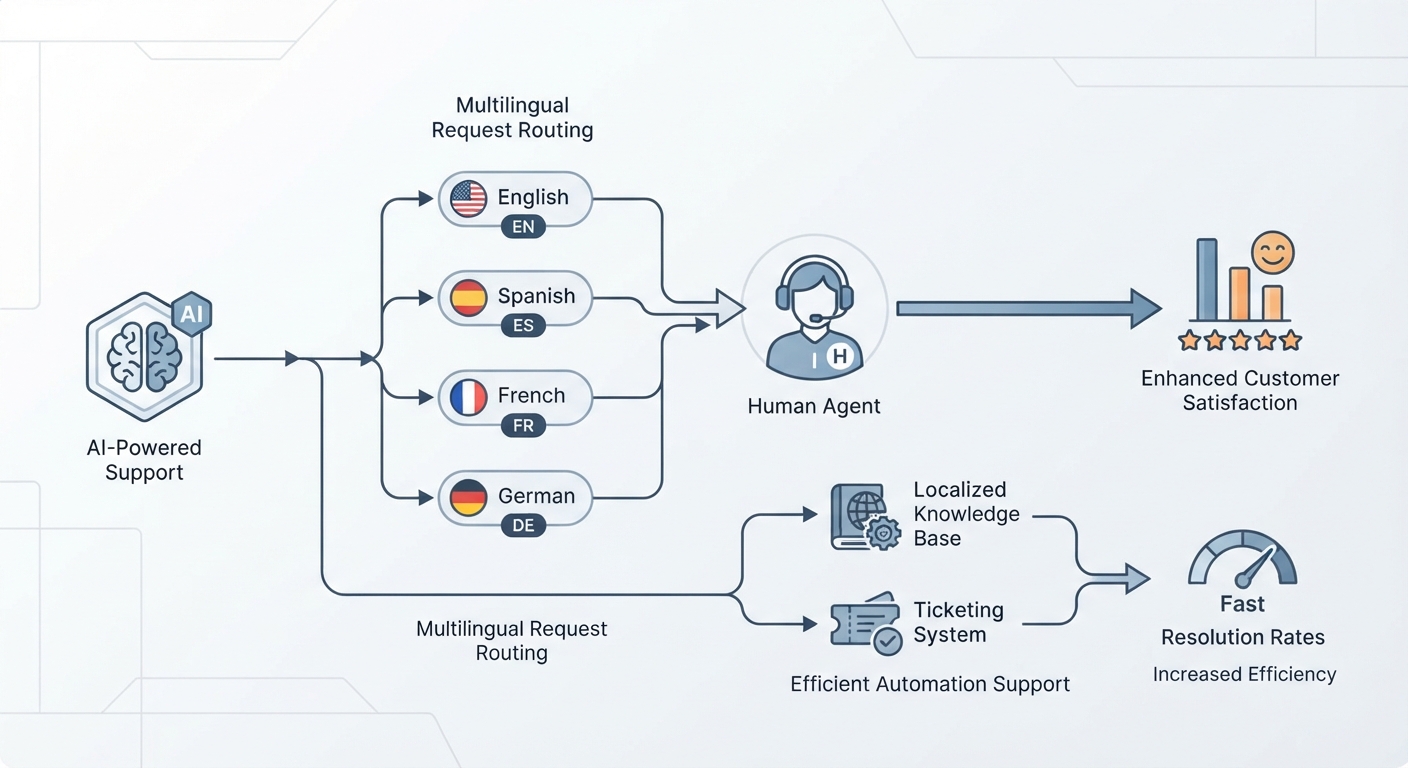
An AI receptionist is a voice agent that understands natural speech, answers in a human-sounding voice, and completes tasks like qualifying a caller and booking a job, rather than reading a fixed script and taking a message. A traditional answering service picks up and relays a note; an AI receptionist actually handles the call.
The practical difference shows up on emergency calls. A generic answering service operator does not know that "my pilot light is out and I smell gas" is an evacuate-and-dispatch-now situation, while "my AC is making a rattling noise" can wait until morning. Voksha's agent is tuned for this kind of triage, answers in under 200 milliseconds, and has handled more than 10,000 calls at 99.9% uptime. If you want the mechanics of how the speech, routing, and booking layers fit together, Voksha's guide on how AI receptionists work walks through the full flow. The point for an owner is simple: callers get a real answer and a real next step, not a "we will have someone call you back" holding pattern.
How Does an AI Receptionist Handle an Emergency HVAC Call?
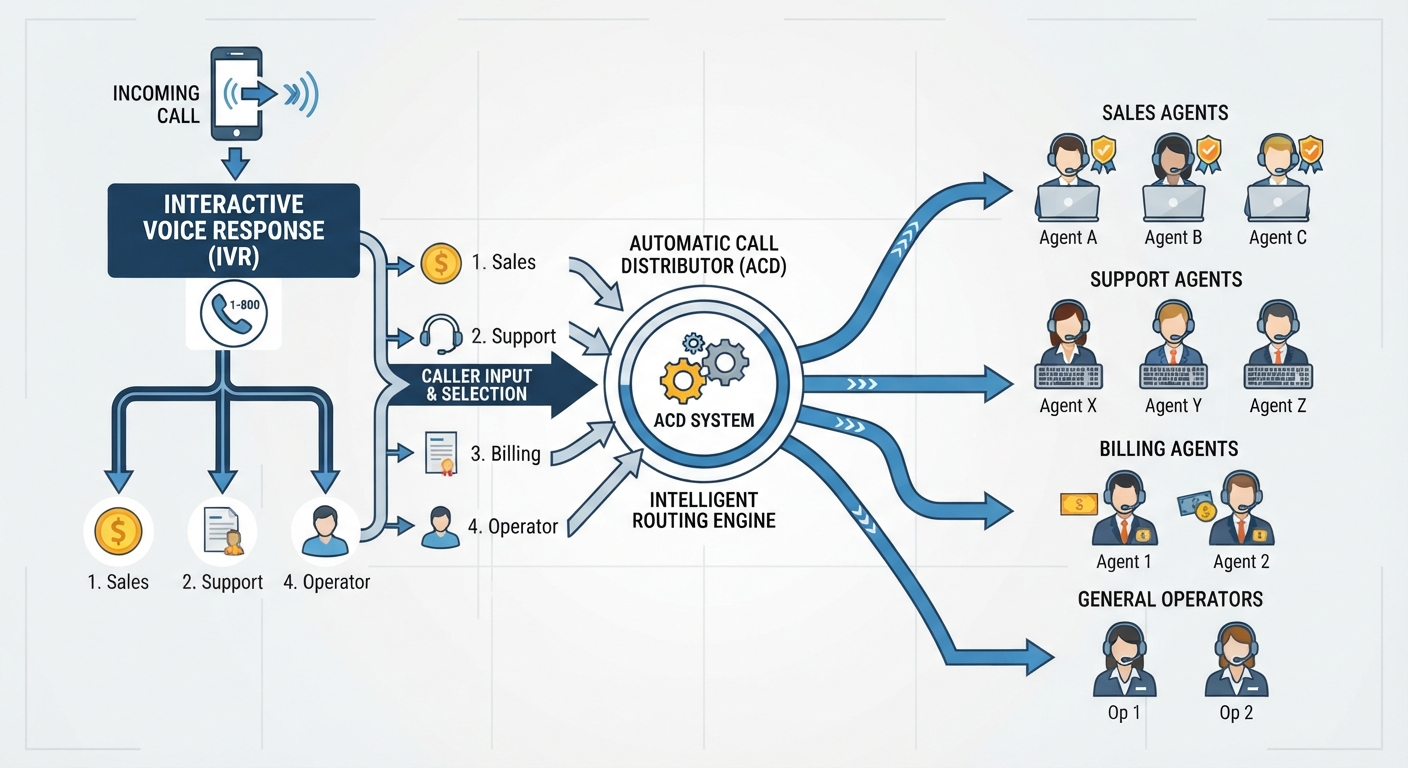
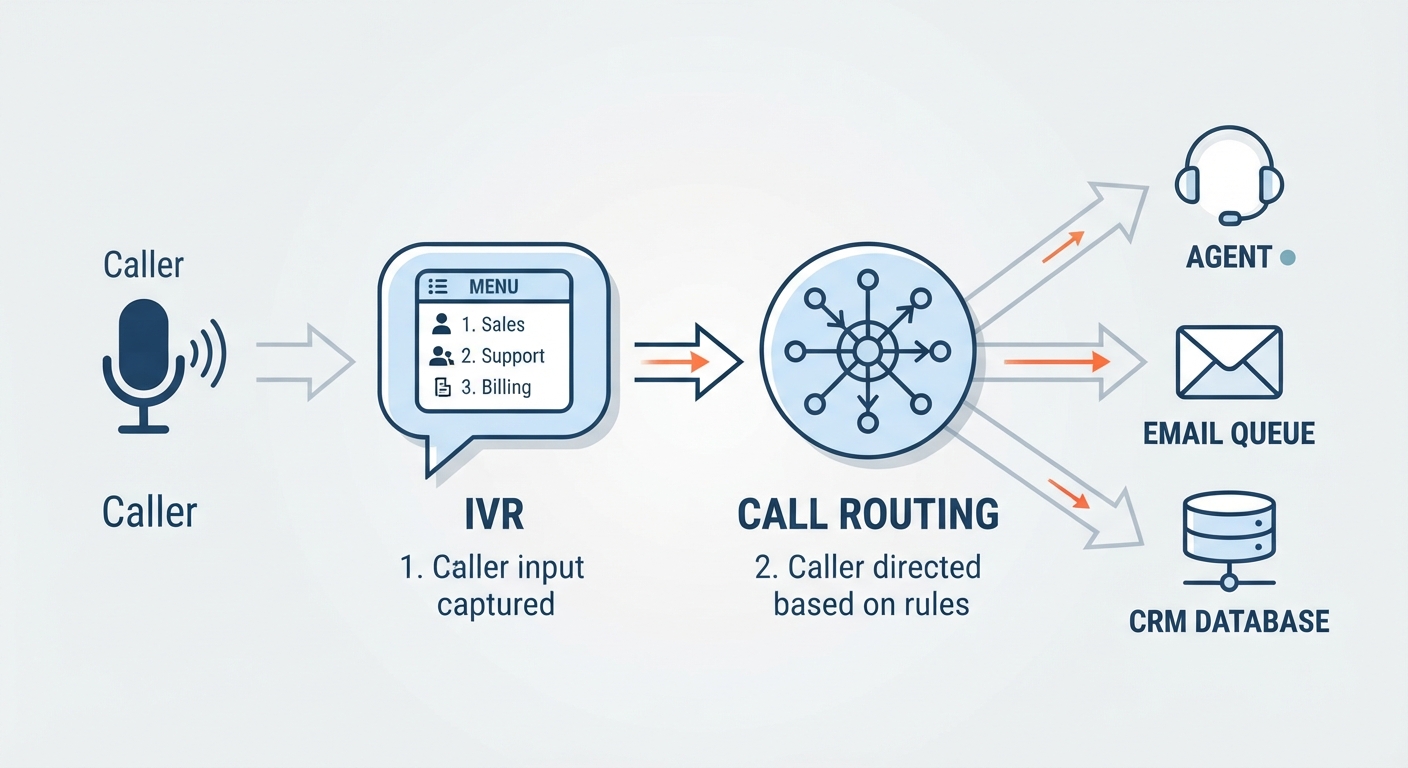
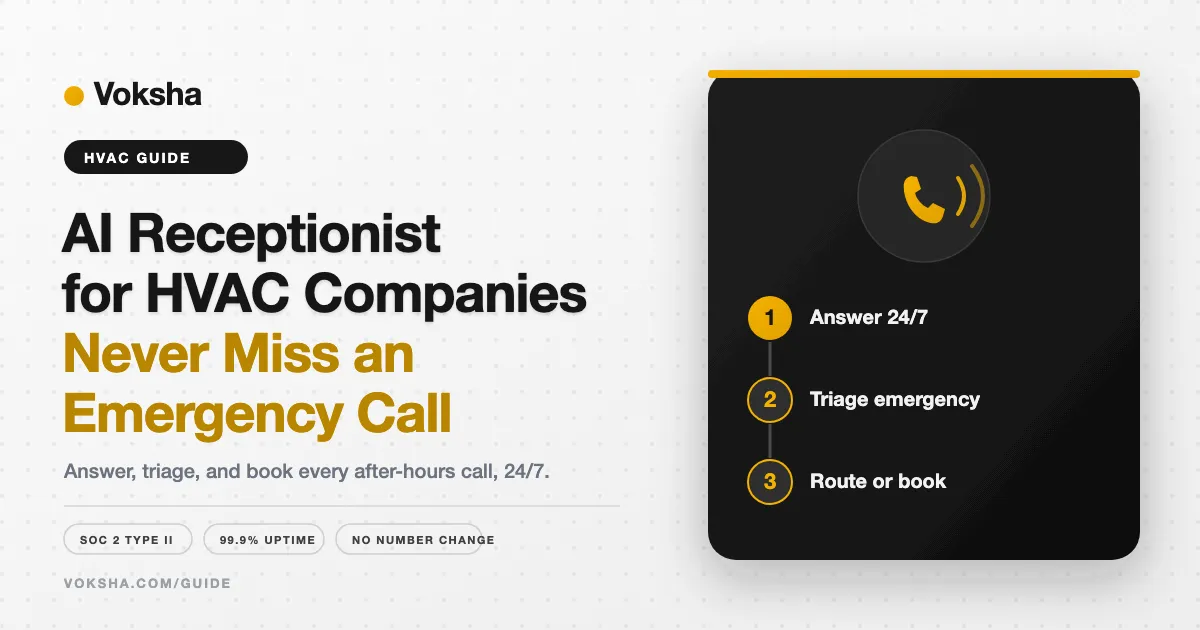
The agent runs the same playbook a great dispatcher would, in five steps, on every call, day or night. Here is what happens from the moment the phone rings.
Step 1: Answer Every Call on the First Ring, 24/7
The AI receptionist picks up instantly, with no hold music and no voicemail, at 2 a.m. on a holiday just as reliably as at 2 p.m. on a Tuesday. Because roughly a quarter of your call volume lands on nights and weekends, first-ring pickup alone recovers jobs that would otherwise vanish into voicemail.
Step 2: Triage Whether It's a Real Emergency
The agent asks the qualifying questions that separate a true emergency from a next-day repair: no heat or no cooling, gas smell, water leak, property type, and system age. This is where smart lead qualification protects both your revenue and your technicians' sleep, because only genuine emergencies trigger a middle-of-the-night dispatch.
Step 3: Route Urgent Calls to Your On-Call Technician
When the answers point to a real emergency, the agent connects or texts your on-call tech immediately with the caller's name, address, and the nature of the problem. Non-emergencies never wake anyone up, which keeps your after-hours labor costs tied to jobs that actually pay emergency rates.
Step 4: Book Non-Urgent Jobs Straight Into Your Calendar
For routine requests like a maintenance tune-up or a quote, the agent offers real open slots and books the job on the spot through appointment booking that syncs with the calendar and field-service software you already run. The caller hangs up with a confirmed time instead of a promise to call back.
Step 5: Log the Call as a Lead With a Full Transcript
Every call is captured as a lead with a transcript and a short summary, so nothing depends on someone remembering a scribbled note. Your team starts each morning with a clean queue of booked jobs, qualified leads, and any emergencies already handled overnight.
How Do You Set It Up Without Changing Your Business Number?
You keep your existing phone number and forward calls to Voksha, so there is nothing to reprint on your trucks, yard signs, or Google listing. Call forwarding means the AI receptionist answers on the same line your customers already know, and you decide whether it covers only after-hours and overflow calls or every call all day.
Setup is a configuration task, not an install. You point your line at Voksha, connect your calendar and CRM, and set your triage rules and greeting. Most HVAC shops start with an after-hours and overflow setup first, then expand to full-day coverage once they see how the HVAC-specific AI receptionist handles their real calls.
Which Field-Service Tools Does an AI Receptionist Connect To?
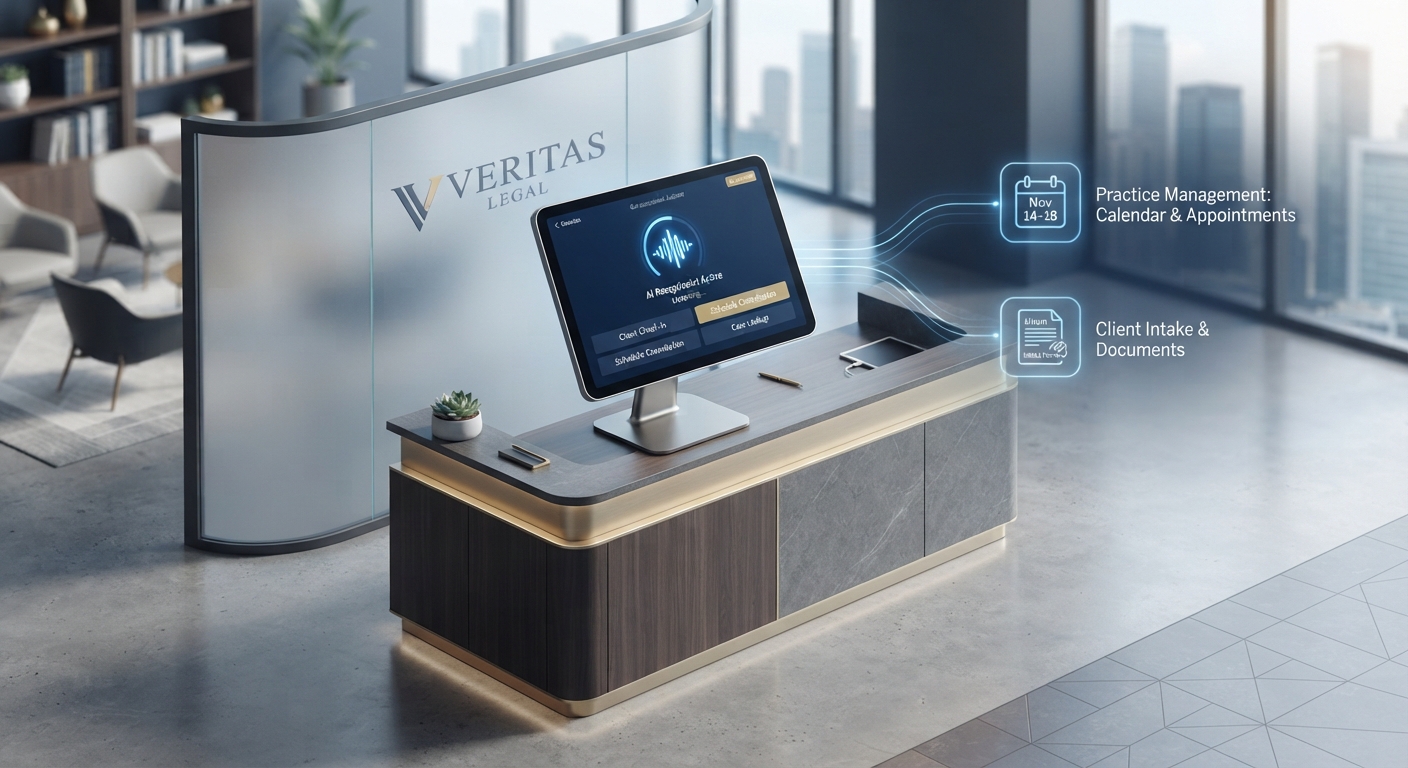
An AI receptionist is only useful if the booked job lands in the software your crew already uses, so integrations matter more than features on paper. Voksha connects with the field-service and scheduling stack common in HVAC, including ServiceTitan, Housecall Pro, Jobber, and Google Calendar, so a job booked by the agent shows up where your dispatchers and techs already look. That means no double entry, no copying details from a message pad, and no lag between a caller booking and a technician seeing it on the schedule.
What Does an AI Receptionist Cost for an HVAC Business?
Voksha starts at $14 per month for the Starter plan and $99 per month for Premium, with a custom Enterprise tier for high-volume multi-location operators (verified against Voksha pricing on 2026-09-02). Compared with $3,000 to $4,500 a month for a full-time in-house receptionist, or per-call charges from a traditional answering service, the math is straightforward for most shops.
Put it against the downside it prevents. If a single captured emergency furnace or AC job is worth several hundred dollars, and after-hours coverage recovers even a handful of those calls a month, the plan pays for itself many times over. That is before counting the maintenance agreements and repeat business that a well-handled emergency call tends to bring.
Frequently Asked Questions
Can an AI receptionist really handle emergency HVAC calls at 2 a.m.?
Yes. The AI receptionist answers 24/7 on the first ring and runs a triage script to identify true emergencies like no heat, no cooling, gas smells, or water leaks. Genuine emergencies get routed to your on-call technician immediately, while non-urgent calls are booked for the next available slot, so your team is only woken for jobs that pay emergency rates.
Will my customers know they're talking to an AI?
Voksha's voice agent is designed to sound human and conversational rather than like a robotic phone menu, and it answers in under 200 milliseconds. Most callers simply experience a receptionist who picks up fast, understands their problem, and books or routes them. You can also configure the greeting so callers are told they are speaking with an AI assistant if you prefer full transparency.
Do I have to change my phone number to use an AI receptionist?
No. Voksha works through call forwarding from your existing business line, so your number stays the same on your trucks, signage, and listings. You choose whether it answers only after-hours and overflow calls or every call during the day too.
How much does an AI receptionist cost for a small HVAC company?
Voksha plans start at $14 per month for Starter and $99 per month for Premium, verified against the Voksha pricing page on 2026-09-02. That is well below the $3,000 to $4,500 monthly cost of a full-time receptionist, and it usually pays for itself by capturing a single after-hours emergency job.
Can an AI receptionist book jobs into ServiceTitan or Housecall Pro?
Yes. Voksha integrates with field-service and scheduling tools common in HVAC, including ServiceTitan, Housecall Pro, Jobber, and Google Calendar. A job the agent books appears directly in your existing system, so dispatchers and technicians see it without any manual re-entry.
Final Thoughts
Missed after-hours calls are the most expensive calls an HVAC company can lose, because they are the emergencies homeowners will pay a premium to solve right now. An AI receptionist closes that gap by answering every call, triaging the real emergencies, and booking the rest, without adding headcount or changing your number. Ready to try? Sign up for Voksha.