What's Actually Included in an Answering Service Plan? (Call Answering, Explained)

TL;DR
- A plain-language breakdown of what an answering service plan includes: call handling, message taking, transfers, scheduling, and escalation, plus honest 2026 pricing.
What's Actually Included in an Answering Service Plan? (Call Answering, Explained)
According to Housecall Pro's 2026 answering service cost guide, many small business answering service plans run $135 to $450 per month, yet two plans at the same price can include wildly different work. One might only greet callers and email you a message; another books the appointment, transfers the urgent caller to your cell, and follows an escalation script when something is truly time sensitive. Before you compare quotes, it helps to know exactly what the phrase "call answering" is supposed to buy you.
The short answer: an answering service plan bundles who picks up the phone, what they do with the call, and how the details reach you. Almost every plan covers the first two layers, greeting and message taking. The difference between a cheap plan and a capable one is everything that happens after "hello": transfers, scheduling, qualifying, and escalation.
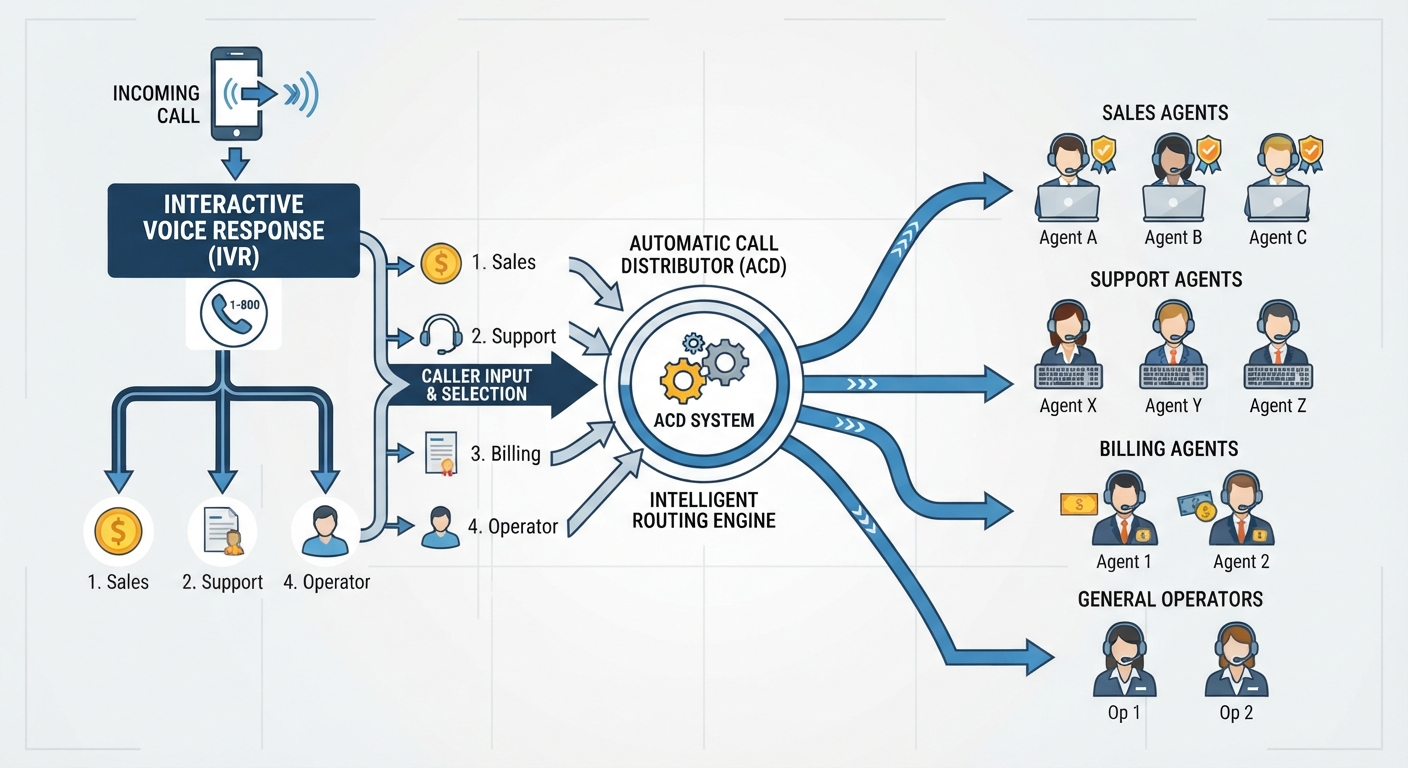
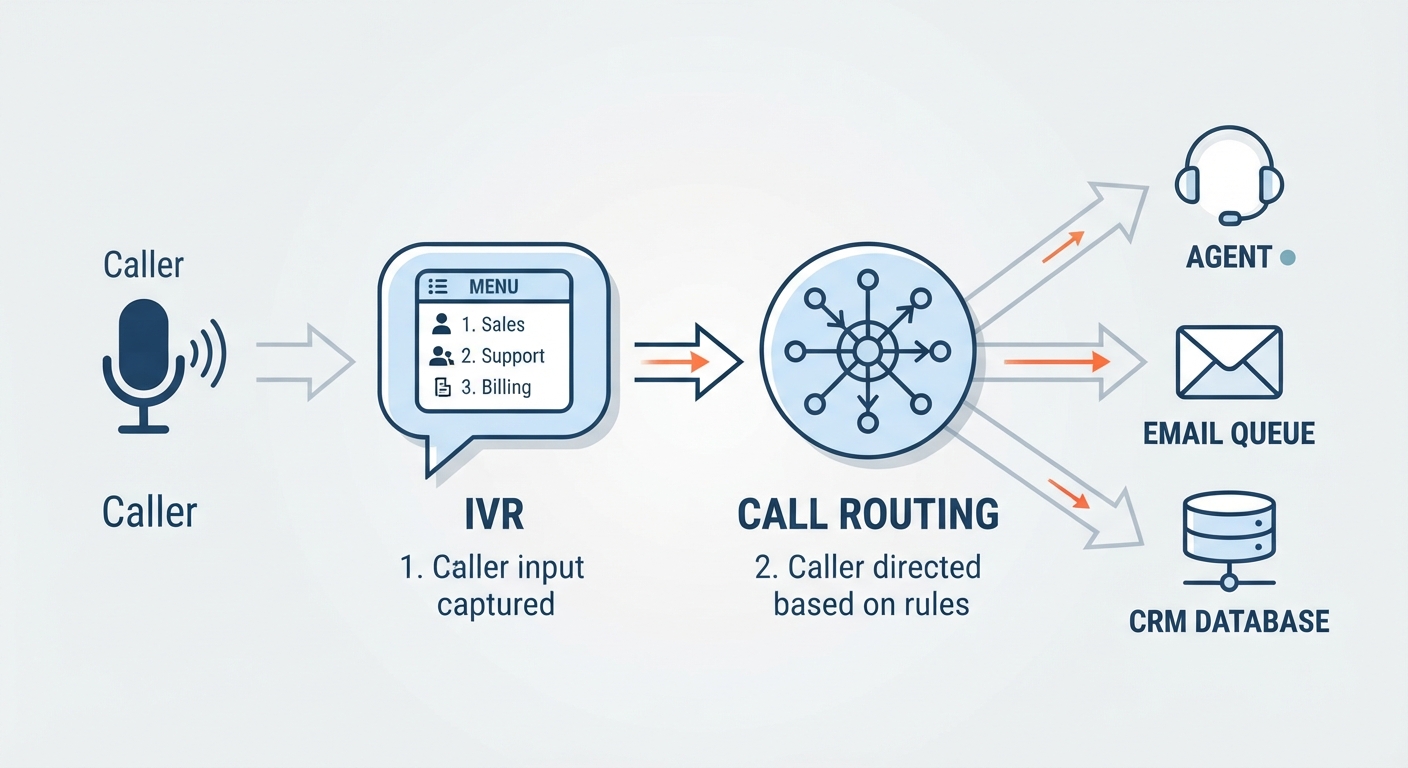
Call answering: the service of having a live agent or an AI voice agent answer a business's inbound phone calls in the company's name, then handle each call according to a set script, which can mean taking a message, transferring the caller, booking an appointment, qualifying a lead, or escalating an urgent issue to the right person. It is the front-desk layer of a phone system, delivered by an outside provider instead of an in-house receptionist.
Here is what the common features mean, and how they usually split across a basic plan versus a premium tier:
| Feature | What It Means | Basic Tier | Premium Tier |
|---|---|---|---|
| Call handling | An agent or AI answers in your business name using your greeting | Yes, business hours | Yes, 24/7 including nights and weekends |
| Message taking | Caller name, number, and reason captured and sent to you | Yes, by email or text | Yes, with full call summaries and transcripts |
| Call transfer | Warm or cold transfer to your team or cell phone | Often billed per transfer | Usually included |
| Appointment scheduling | Booking, rescheduling, and cancellations into your calendar | Rarely included | Yes, synced to your calendar or CRM |
| Escalation and routing | Urgent calls flagged and dispatched by a defined protocol | No | Yes, with custom rules |
About This Article
- Researched and written: July 2026. Last fact-checked: 2026-07-10.
- Author: Voksha Content Team.
- AI assistance: used for drafting, reviewed and edited by the Voksha Content Team.
- Conflicts of interest: This guide is published by Voksha, which offers an AI receptionist; the feature and pricing descriptions reflect the stated criteria and honest market research, not a paid placement.
- Sponsorship: none.
- All pricing figures are researched ranges from public 2026 vendor and roundup sources, not quotes. Verify current pricing directly with any provider before you buy.
Key Takeaways
- Many small business answering service plans run $135 to $450 per month, and entry plans can start near $135 to $149 (Housecall Pro, 2026).
- Live answering plans commonly span $75 to $200 for entry tiers, $200 to $600 for mid tiers, and $600 to $1,000 or more for high-volume 24/7 coverage, while AI plans typically fall between $50 and $500 per month (Nextiva, 2026).
- Basic plans usually cover greeting and message taking only; appointment booking, escalation routing, bilingual support, and 24/7 live coverage sit in higher tiers (Housecall Pro, 2026).
- About 85% of callers who reach voicemail hang up without leaving a message, so what a plan does with a live call matters more than the greeting alone (Voksha cost-of-missed-calls analysis).
- 32% of business calls arrive outside 9-to-5 weekday hours and 23% land on weekends, so after-hours coverage is a real line item, not a nicety (Voksha After-Hours Economy Report, 2026).
- AI answering plans like Voksha use flat monthly pricing (Starter $14, Premium $99) with no per-minute or per-transfer meter (Voksha pricing, verified 2026-09-02).
What Does "Call Handling" Actually Cover?
Call handling is the first thing every plan sells, and it is also the most misunderstood. At its simplest, it means a person or an AI voice agent answers your line in your business name, using a greeting you approve, so the caller never hears a generic operator or a voicemail beep. That baseline is worth more than it sounds, because a live answer is what keeps a caller on the line long enough for anything else to happen.
The reason this matters is speed and stickiness. About 85% of people who hit voicemail hang up without leaving a message, and roughly 62% of unanswered callers simply call a competitor, based on the figures in Voksha's cost-of-missed-calls analysis. A plan that only forwards to voicemail after two rings is not really answering your calls. When you read a plan sheet, look for how the greeting is customized, whether the agent can pull up your business details, and how many rings pass before pickup. Those small mechanics decide whether call handling is a real service or a dressed-up voicemail box.
What Is Message Taking, and How Do Messages Reach You?
Message taking is the classic answering service job: the agent captures the caller's name, number, and reason for calling, then relays it to you. Every plan includes some version of this, but the delivery quality varies a lot. A basic plan emails or texts you a short note. A stronger plan sends a structured message with the caller's intent tagged, plus a call summary and sometimes a full transcript, so you are not decoding a scribbled "call back re: pricing" note hours later.
The delivery method is where plans quietly differ. Ask how messages arrive (email, SMS, app, or pushed into your CRM), how fast they land, and whether urgent messages are flagged differently from routine ones. If your team lives in a CRM, a message that drops straight into your pipeline is worth more than one sitting in a shared inbox. Voksha, for example, logs every call as a lead with a transcript and summary so the detail is searchable later, which is the same idea behind good missed-call recovery: the call is only useful if the details survive it.
Do Answering Service Plans Include Call Transfers?
Sometimes, and this is one of the most common places a "cheap" plan gets expensive. A call transfer means the agent connects the caller to you, a teammate, or an on-call phone instead of just taking a message. There are two flavors: a cold transfer simply routes the call, while a warm transfer means the agent briefs you first ("I have Maria on the line about a burst pipe") so you pick up already knowing the context.
The catch is billing. Many providers list call transfers among the add-on charges rather than bundling them, so every time a call is patched to your cell it can carry a separate fee (Housecall Pro, 2026). If your business runs on live conversations, a plan that meters transfers can cost far more than the sticker suggests. This is also where a plan connects to your existing phone setup. Services that work through call forwarding let the answering layer sit on top of your current business number, so you do not reprint signage or lose your line when a call gets routed back to your team.
What About Appointment Scheduling?
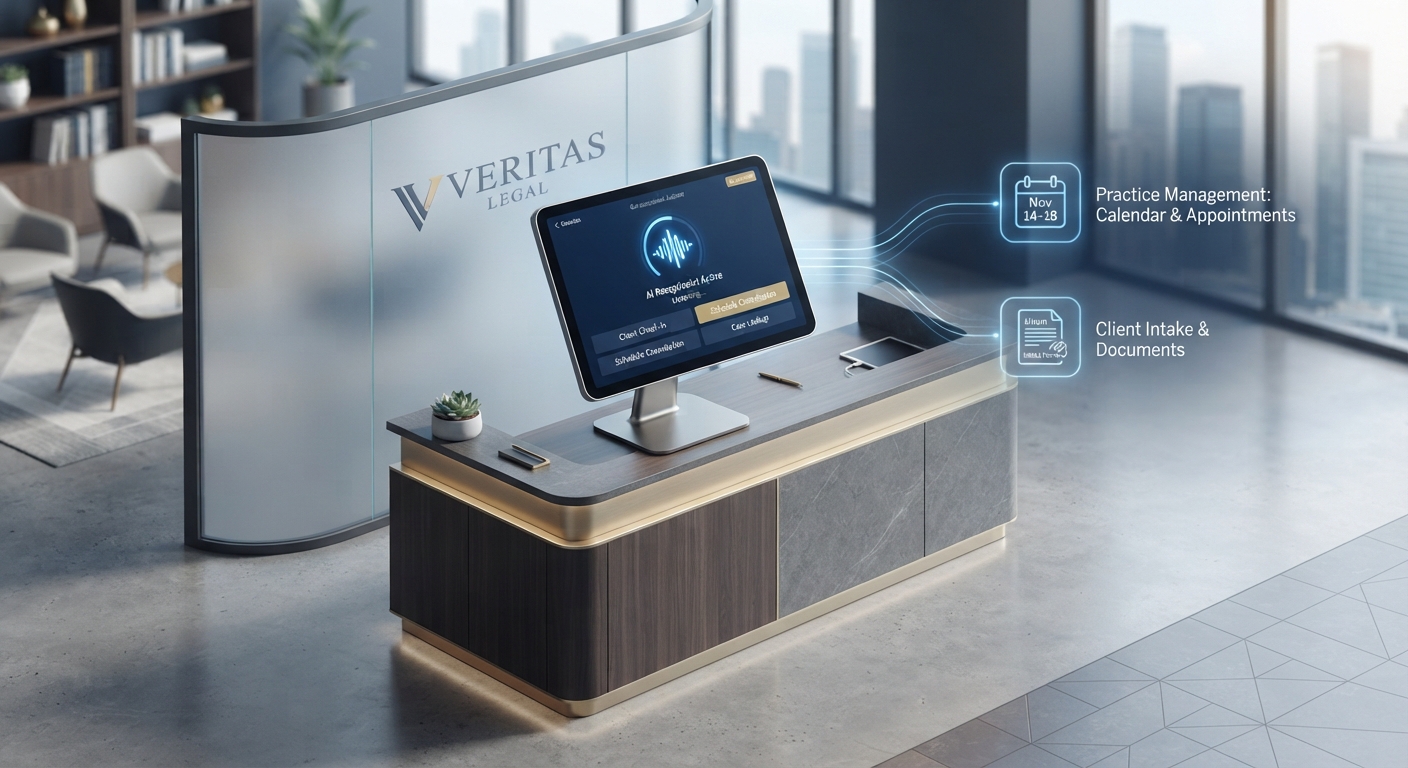
Appointment scheduling is usually the line that separates a basic message-taking plan from a full front-desk plan. Instead of taking a message and letting you play phone tag later, the agent opens your calendar, offers real open slots, and books, reschedules, or cancels on the spot. For a salon, clinic, or home-service business, that single capability turns a phone call into revenue without a callback.
Because scheduling touches your calendar and often your CRM, it tends to live in premium tiers and can carry its own fee on live-agent plans (Housecall Pro, 2026). When you evaluate it, the real questions are integration and accuracy: does the service book into the calendar you already use, does it respect your availability rules and buffers, and does the caller leave with a confirmed time? Voksha handles this through appointment booking that syncs with tools like Google Calendar, Outlook, Calendly, HubSpot, and Salesforce, so a booked slot shows up where your team already looks instead of in a separate portal.
How Do Escalation and Lead Qualification Work?
Escalation is the protocol layer, and it is what makes an answering service feel like a trained team rather than a switchboard. Escalation means the agent recognizes a time-sensitive or high-stakes call and follows your rules for it: dispatch an on-call technician for a no-heat emergency, page the attorney for a specific client, or text the owner when a VIP calls. Good plans let you write these rules so the right people are interrupted only when it counts.
Lead qualification is the close cousin of escalation. Before a call is escalated or booked, the agent asks a few screening questions to sort a serious buyer from a tire-kicker or a wrong number. That protects both your calendar and your after-hours sleep. Voksha builds this in through lead qualification that scores and routes callers by your criteria, so a genuine emergency reaches a human fast while routine requests get booked. If you want the fuller picture of how these layers fit together, the complete answering service guide walks through the whole stack, and the small business answering service guide narrows it to owner-operator budgets.
How Much Does an Answering Service Plan Cost in 2026?
Pricing depends on volume, call length, and how many of the features above you turn on. Live-agent plans commonly land between $75 and $200 per month for entry tiers, $200 to $600 for mid tiers, and $600 to $1,000 or more for heavy 24/7 coverage, while AI-based plans typically run $50 to $500 per month (Nextiva, 2026). Housecall Pro puts many small business plans in the $135 to $450 range and illustrates the billing models with a plumbing example: a flat plan at $149 a month, the same volume at $2.50 per call working out to about $250, or $1.50 per minute reaching roughly $375 (Housecall Pro, 2026).
The billing model matters as much as the headline number. Per-minute and per-call plans reward you on slow months but punish you on busy ones, and overage minutes often bill at two to three times the base rate (Housecall Pro, 2026). Watch for setup fees, holiday surcharges, and separate charges for transfers, bilingual support, and appointment booking (Nextiva, 2026). AI answering services flip that structure toward flat pricing: Voksha runs $14 a month for Starter and $99 for Premium, with a custom Enterprise tier, and no per-transfer meter (verified against Voksha pricing on 2026-07-10). If you want a side-by-side of the two models, the AI answering service versus live answering service comparison breaks down where each one wins.
How Do You Choose the Right Answering Service Plan?
Start from your calls, not the price sheet. Map when your calls actually arrive, because 32% of business calls come outside weekday business hours and 23% land on weekends (Voksha After-Hours Economy Report, 2026); if a big share of yours are nights and weekends, a business-hours-only plan quietly misses your best leads. Then decide which of the five features you truly need. A solo consultant may only need clean message taking, while a busy clinic needs booking and escalation.
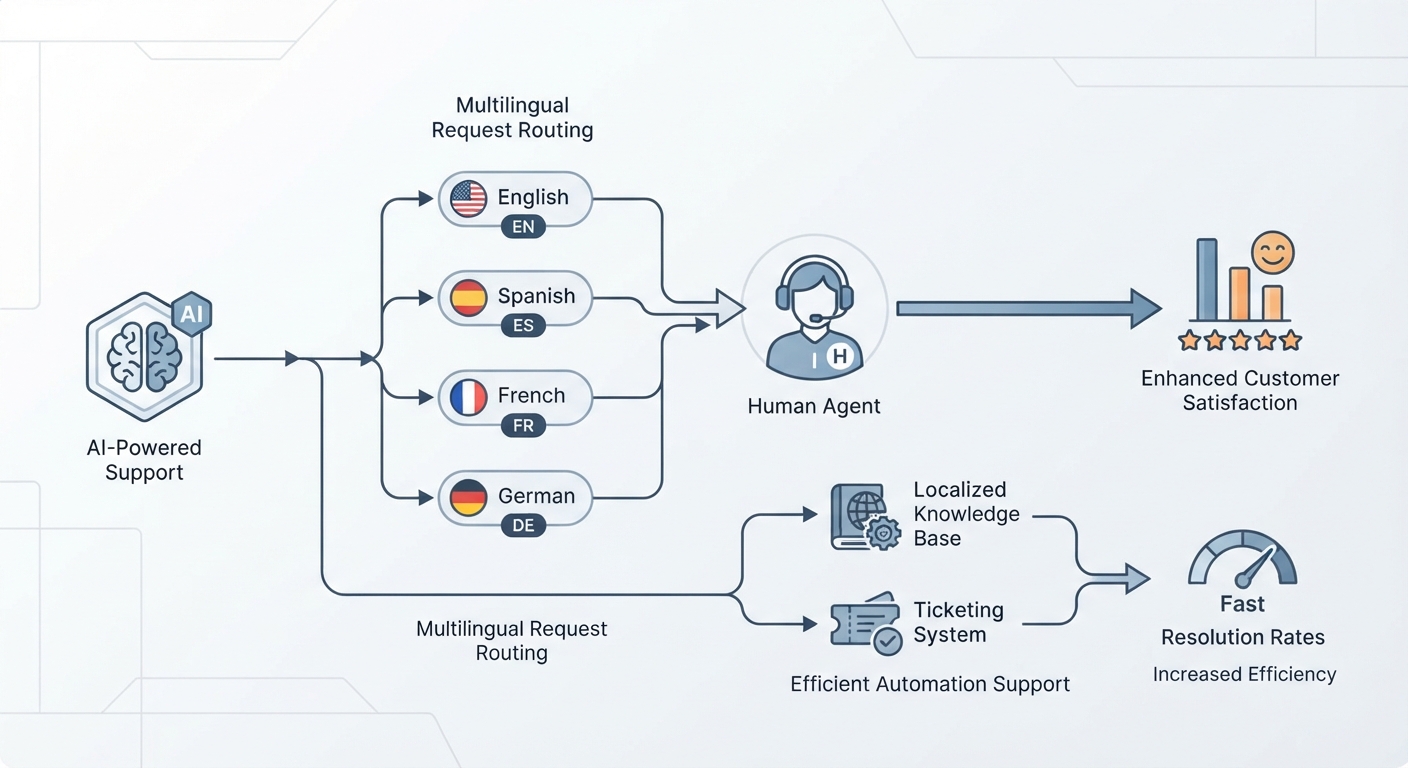
Next, pressure-test the total cost, not the base rate. Add up the add-ons for transfers, scheduling, after-hours, and bilingual coverage, and compare that real number across providers. Finally, check the integrations: a plan that books into your calendar and pushes leads into your CRM saves hours a plan that emails you a note never will. If you handle Spanish-speaking callers, confirm whether multilingual support is included or an upcharge, and if after-hours is your pain point, prioritize a plan built for after-hours answering rather than one that treats it as an extra.
When Does an AI Answering Service Make More Sense?
An AI answering service fits best when you want every call answered the same way, around the clock, at a predictable price. Because it does not staff shifts, it answers on the first ring at 2 a.m. as reliably as at 2 p.m., handles booking and qualification without a per-task fee, and forwards from your existing number with no change to your signage. For volume-heavy or after-hours-heavy businesses, that flat, always-on model usually beats a metered live plan on both cost and consistency.
Human answering services still win in specific cases: highly nuanced conversations, complex judgment calls, or callers who simply prefer a person for sensitive matters. Many businesses end up blending the two, letting AI handle the routine booking and screening while routing edge cases to a human. The honest test is your own call log. If most of your calls are appointments, quotes, and simple routing, an AI receptionist like Voksha covers them at $14 to $99 a month; if your calls demand heavy human judgment, keep a live team in the loop for those.
Frequently Asked Questions
What is included in a basic answering service plan?
A basic plan almost always includes call handling and message taking: a live agent or AI answers in your business name using your greeting, captures the caller's name, number, and reason for calling, and relays that message to you by email or text. Basic plans usually stop there. Appointment booking, call transfers to your cell, escalation routing, bilingual support, and 24/7 coverage typically require a higher tier or carry separate fees, per Housecall Pro's and Nextiva's 2026 pricing breakdowns.
Is call answering the same as a virtual receptionist?
They overlap but are not identical. Call answering is the broad function of having someone answer and handle your calls. A virtual receptionist is the more capable version of that role, usually including transfers, appointment scheduling, and lead qualification rather than just message taking. A bare-bones answering service may only take messages, while a virtual receptionist plan behaves more like a remote front desk.
Do answering service plans charge extra for call transfers?
Often, yes. Many live-agent providers list call transfers among their add-on charges, so each time a call is patched to your phone it can carry a separate fee, according to Housecall Pro's 2026 cost guide. This is one of the biggest reasons a low base price can balloon on a busy month. Flat-rate AI plans like Voksha's do not meter transfers separately, which makes the monthly cost easier to predict.
How much does a call answering service cost per month?
For live-agent services, most small businesses pay somewhere between $135 and $450 per month, with entry plans near $135 to $149 and high-volume 24/7 plans running $600 to $1,000 or more, based on Housecall Pro and Nextiva 2026 figures. AI answering plans typically fall between $50 and $500 per month. Voksha uses flat pricing of $14 for Starter and $99 for Premium, verified on 2026-09-02.
Can an answering service book appointments into my calendar?
Higher-tier plans can. Appointment scheduling means the agent opens your calendar, offers real open slots, and books, reschedules, or cancels on the call, rather than taking a message for you to follow up on. On live-agent services this usually sits in a premium tier or costs extra. Voksha includes appointment booking that syncs with Google Calendar, Outlook, Calendly, HubSpot, and Salesforce so the booked slot lands where your team already works.
Final Thoughts
Reading an answering service plan is really about reading past the greeting. Every plan answers the phone; the value is in what happens next, whether the call becomes a booked appointment, a routed emergency, or just another message you have to chase down later. Map your own call patterns, decide which of the five layers you actually need, and add up the true cost including the add-ons before you sign. If you want every call answered 24/7 at a flat, predictable price with booking and routing built in, Ready to try? Sign up for Voksha.