Proprietary LLM Fine-Tuning for Industry Specific Compliance and HIPAA Standards
TL;DR
- This article covers the technical and practical steps for fine-tuning proprietary language models to meet strict HIPAA and industry compliance standards. It includes a detailed comparison of AI receptionist costs versus traditional hiring, step-by-step setup guides for dental and law offices, and strategies to reduce missed calls and no-shows using secure, automated voice systems.
Why Small Businesses Need Proprietary LLM Fine-Tuning Now
Ever feel like you’re walking a tightrope when you try to use ai for your business? One minute it's saving you hours on emails, and the next you’re worrying if it just blurted out a patient's phone number or a client's private legal strategy to some server in the cloud.
Most small business owners start with basic, "off-the-shelf" models because they are easy. But if you are running a dental office or a law firm, "easy" can get you sued. Generic models are built to be helpful, not necessarily private. (Companies Misusing AI: Why Generic Models Fail - LinkedIn) They’re trained on the whole internet, and without the right guardrails, they can "leak" sensitive info or just make things up when they don't know the answer.
- Data Leakage Risks: Standard bots might store your conversations to "improve" their service. If a receptionist bot takes a message about a medical procedure, that info could technically be used to train the next version of the model.
- Accuracy in the Niche: A generic ai doesn't know the difference between a "root canal" and a "filling" unless it's been taught. This leads to "hallucinations" where the bot promises a price or a service you don't even offer.
- Compliance is a Nightmare: Most basic tools aren't hipaa compliant by default. (7 Myths About HIPAA Compliance in Healthcare Analytics You Need ...) You need a setup where the data is yours and it stays put.
According to research in Fine tuning LLMs for Enterprise: Practical Guidelines and Recommendations, enterprises are moving toward fine-tuning because it allows the model to "imbibe" specific domain knowledge while keeping data on-premise or in secure, private clouds.
We used to think a digital answering machine was enough. But for a modern clinic or service biz, that's a security hole. If someone leaves a detailed message with their ssn or health history on a non-encrypted system, you're technically out of compliance. Proprietary fine-tuning solves this because you train on "scrubbed" data—the model's weights never actually see or "remember" real PII (Personally Identifiable Information), so it can't leak what it never knew.
To make this actually work for a local shop, you need a platform like Voksha ai. Voksha ai is basically a specialized system that lets small businesses deploy these fine-tuned models without needing a degree in data science.
Proprietary fine-tuning means you take a base model—like Llama—and "nudge" its weights using your own specific, cleaned data. This makes the bot actually understand your industry's jargon.

In healthcare, for instance, you can't just feed raw notes into a model. You have to scrub them first. As noted in the industry guidelines from Tonic.ai, the best way to do this is replacing real names and dates with "synthetic" substitutes before the ai ever sees them. This lets the model learn how to handle a medical intake without ever "knowing" who the actual patient is.
It's not just about being fancy with tech. It's about building a system that doesn't lose you your license. When you fine-tune, you’re basically giving your ai a specialized degree in your specific business rules.
Next up, we’ll break down the actual costs of these systems compared to a human hire to see if the math even makes sense.
AI Receptionist Cost vs Hiring Receptionist Breakdown
Ever look at your monthly payroll and wonder why you're paying a full salary for someone to mostly play phone tag with pharmacies or law clerks? It’s a tough pill to swallow when you realize half that time is spent on hold or repeating the same office hours over and over.
By the time we hit 2026, hiring a live human is going to be even more of a luxury for a small clinic or law firm. You aren't just paying a salary; you're paying for "the extras" that add up fast—health insurance, 401k matches, and those pesky payroll taxes that nobody likes to talk about.
If you hire a receptionist at $45,000 a year, they actually cost you closer to $60,000 after benefits. And let’s be real, they aren't working 24/7. They take lunch breaks, they get sick, and they definitely aren't answering the phone at 3 AM when a potential new client has a dental emergency or a legal crisis like getting arrested.
A 2024 report by the Bureau of Labor Statistics suggests that total compensation costs for private industry workers are rising steadily, with benefits making up nearly 30% of that total.
Then there is the "hidden" cost of missed calls. If your receptionist is on the other line and another lead calls, they usually just hang up and call the next person on Google. For a dental office, a missed "new patient" call could be a $2,000 loss in lifetime value.

Training is another money pit. Every time someone quits—and let's face it, receptionist turnover is high—you spend weeks teaching a new person your software and how to pronounce "periodontics" correctly. That’s time you aren't spending growing the biz.
This is where things get interesting with tools like Voksha ai. Instead of a $5,000 monthly overhead, you're looking at starting around $14/mo. It’s kind of a no-brainer when you compare the math.
The big worry people used to have was that ai sounded like a robot from a 1980s movie. But with modern fine-tuning, these systems actually sound human now. They don't get tired, they don't ask for raises, and they definitely don't mind working on Christmas morning.
- 24/7 Coverage: It picks up on the first ring every single time, even at midnight. No more "please leave a message" and hoping they don't call your competitor.
- CRM Sync: It doesn't just take a message; it can actually book the appointment directly into your calendar. No more manual data entry errors.
- hipaa Ready: Since we’re talking about proprietary models, the data doesn't just float off to some random server. It stays locked down and compliant.
For a law firm, this means the ai can screen calls to see if it’s a "personal injury" case or just someone looking for free advice. It handles the boring stuff so your actual staff can focus on the high-level work that actually brings in the big checks.
The roi here isn't just about saving on a salary. It’s about the fact that you stop losing leads. If you're a salon and you're busy cutting hair, you can't always grab the phone. The ai handles the booking while you keep your hands on the shears.

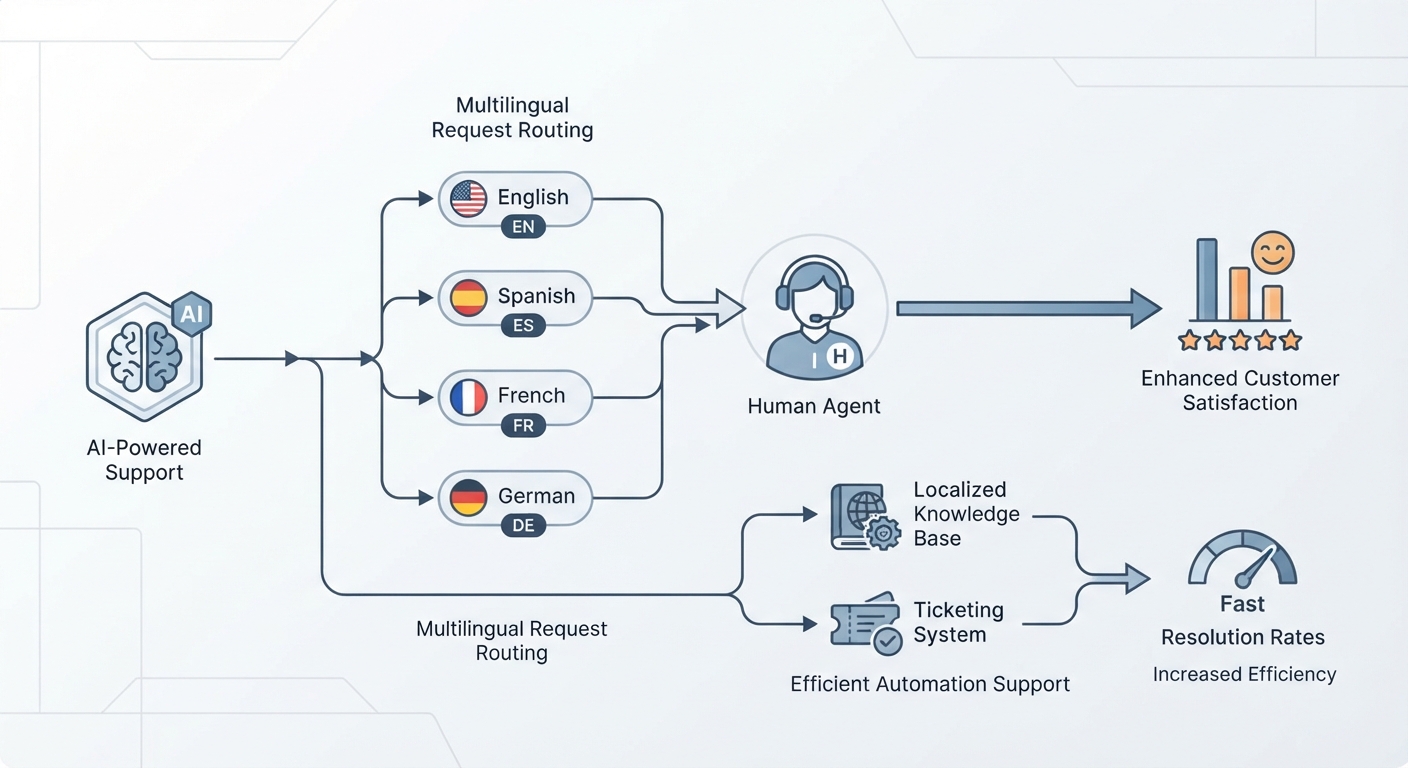
As we discussed earlier, using a fine-tuned model means the bot actually knows your price list and your specific services. It won't hallucinate and tell a patient you do brain surgery when you're actually a chiropractor.
Honestly, the transition feels a bit weird at first. But when you see that first appointment show up in your calendar while you were asleep, it clicks. You realize you've been paying way too much for "standard" phone handling.
Next, we’ll walk through the step-by-step process of getting one of these bots set up for your own office.
How to Set Up AI Receptionist Small Business Step-by-Step
So you've decided to stop letting calls go to voicemail and want to get an ai receptionist actually running. It’s one thing to talk about the math, but getting the tech to "behave" and not hallucinate is where the real work happens.
To get this running without a tech team, follow these high-level steps:
- Data Collection: Gather your office manuals, price lists, and old call transcripts.
- Anonymization: Use a tool or service to scrub out real names/SSNs so the ai only learns the patterns of your business.
- Model Selection: Choose a base model (like Llama 3) and use a platform like Voksha ai to host it privately.
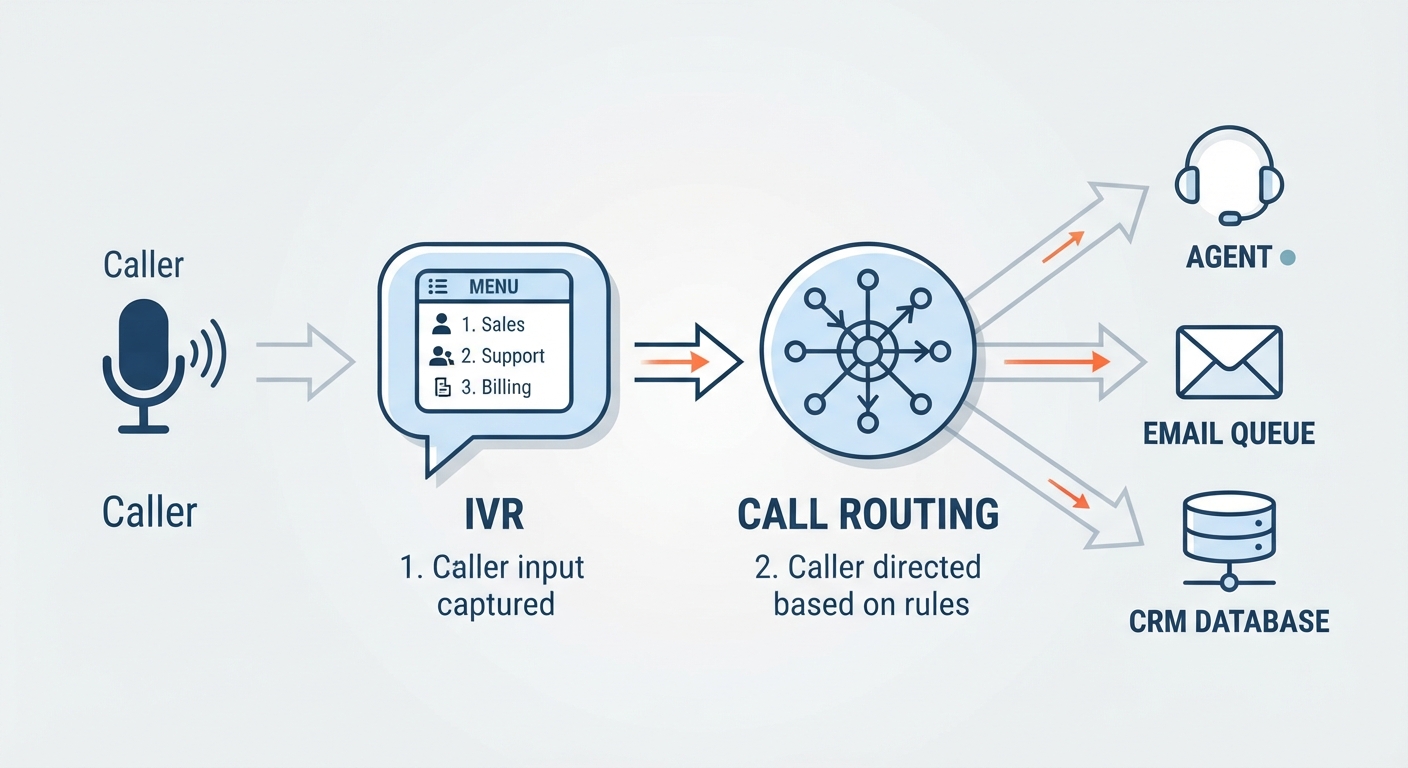
- Integration: Connect the model to your phone line and your calendar (like Google or Clio).
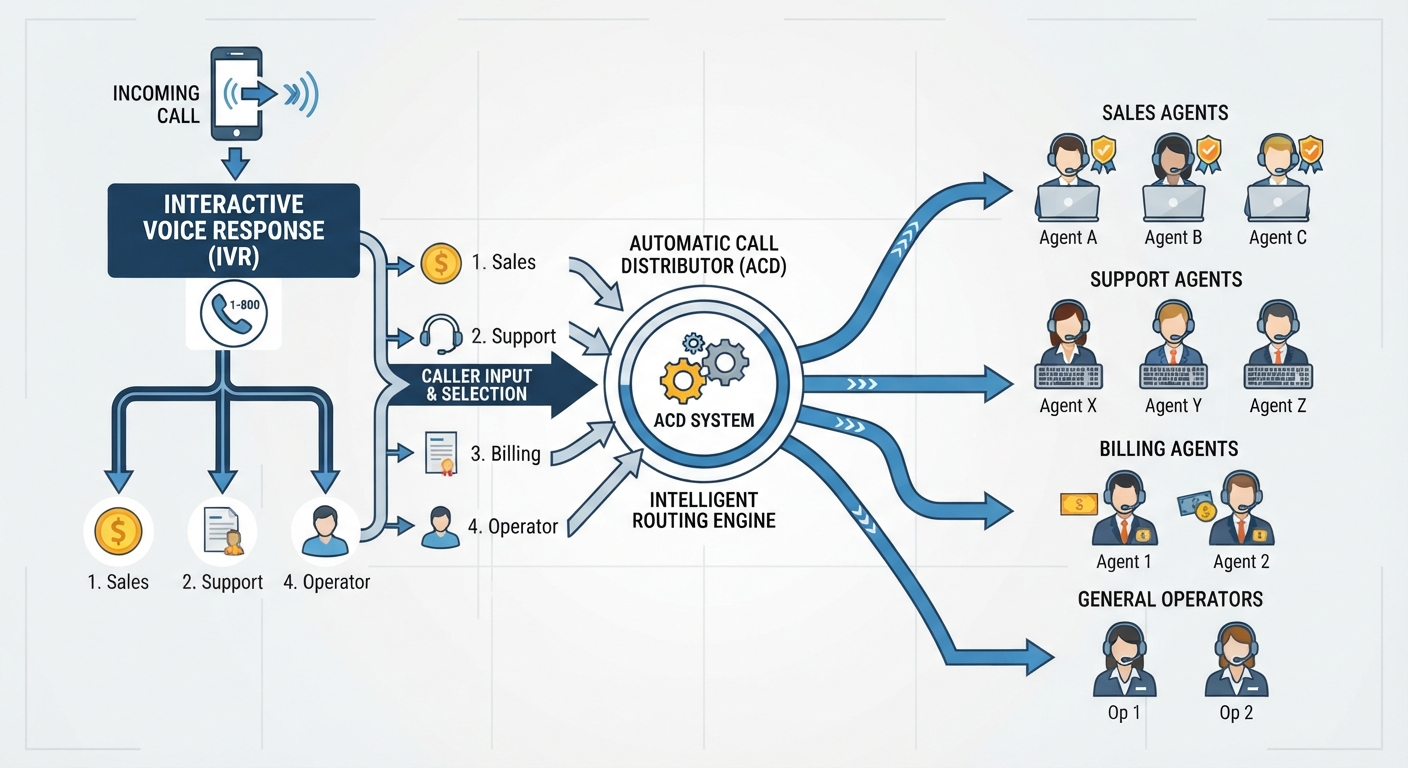
The first thing you gotta do is map out how you want the call to go. If you're a law firm, an intake for a car accident is way different than someone calling about a speeding ticket. You need to visualize the "branches" of the conversation.
- Map the Workflow: Start with the most common questions. "Where are you located?" or "Do you take my insurance?" If the ai can't answer these on day one, it's useless.
- Emergency Routing: You need a "panic button" in the script. If a patient calls a dental office with a bleeding jaw, the ai shouldn't try to book them for next Tuesday—it needs to route that call to a human immediately.
- Software Sync: This is the magic part. You want the ai to talk to your tools, like Clio for lawyers or Google Calendar for everyone else.

Now, here is where we get into the "brain surgery" of the setup. You don't want a generic model; you want one that’s been nudged to understand your world. As noted in the industry guidelines from HCLTech, you can use things like LORA (Low-Rank Adaptation) to train a model without needing a billion-dollar server farm.
Basically, you take a base model—like Llama 3—and you feed it your specific data. This includes your price lists, your bio, and even past (anonymized) transcripts.
training_data = [
    {"instruction": "What do you charge for a balayage?",
     "context": "Our salon pricing starts at $150 for long hair.",
     "response": "For a balayage, we usually start at $150, but it depends on your hair length. Would you like to book a consult?"}
]
Using QLoRA is a great way to keep costs down because it "quantizes" the model. This is just a fancy way of saying it makes the file size smaller so it runs on cheaper hardware while still staying smart.
Before you go live, you have to try and break it. This is the "red teaming" phase. If I tell the bot I have a broken leg, does it try to give me a haircut? In the medical world, this is where hipaa becomes a big deal.
As discussed earlier with the Tonic.ai playbook, you really should use synthetic data for training. You don't want the ai "memorizing" a real patient's name and then blurting it out to a random caller later. It sounds crazy, but "memorization" is a real thing in these models.
- Check the Facts: Make sure it doesn't invent services. I've seen bots try to sell "laser teeth whitening" for a clinic that only does traditional cleanings.
- Tone Check: Does it sound like you? If your law firm is "aggressive and bold," the bot shouldn't sound like a timid librarian.
- Privacy Guardrails: Set "system prompts" that strictly forbid the ai from giving out certain info, like your personal cell number or private office codes.
A 2024 report by HCLTech on enterprise fine-tuning suggests that using a "Heading" or "Summary" method for data preparation leads to much more detailed and accurate responses than just feeding it raw text.
Next up, we’ll look at how these systems actually stop you from losing money through missed calls and no-shows.
Reducing Missed Calls and No-Shows in Salons and Clinics
Ever had that sinking feeling when you're elbow-deep in a hair color treatment and the phone just keeps ringing in the background? You know every ring is a potential $200 balayage walking out the door to the salon down the street because nobody picked up.
Running a clinic or a salon is basically a marathon where the finish line keeps moving. If you aren't at the chair or the exam table, you aren't making money—but if you aren't answering the phone, you won't have anyone to treat tomorrow. It's a nasty paradox that usually ends in "phone fatigue" for your front desk or a lot of missed revenue for you.
The biggest killer of a small biz isn't a bad review; it's the "silent" missed call. Most people won't even leave a voicemail anymore—they just click the next link on their phone. ai receptionists change the game here because they don't just "take a message," they actually engage the person while they're still interested.
- Instant Text-Back: If the ai can't solve a complex request, it can immediately send a text to the caller. "Hey, sorry we're with a client! Click here to see our gallery or book a spot." It keeps them from calling the competitor.
- Killing the Voicemail Gap: Statistics show that voicemail drop-off rates are huge—nearly 80% of first-time callers hang up if they hear a machine. An ai that picks up on the first ring and says "Hi, this is the clinic, how can I help?" keeps that lead alive.
- Stylist Focus: When you're mid-cut, the last thing you want is a distraction. Having a system that handles the "are you open Sunday?" questions means your team stays focused on the craft, not the cordless phone.
No-shows are basically like burning cash in the parking lot. If a client forgets their 2 PM slot, you’ve lost that hour forever. Traditional "confirmation calls" take hours of staff time, and honestly, most people don't even pick up the phone for a random number anymore.
Fine-tuned ai systems handle this by being proactive. They can send a text, and if the client replies "can't make it," the ai doesn't just say "okay." It immediately offers two other slots. This turns a total loss into a simple reschedule without you ever touching a keyboard.

The math on this is pretty wild. If you reduce your no-shows by just 10%, a busy clinic can see thousands of dollars in "found" revenue every single month. It’s not just about the money, though—it’s about the stress. Your staff isn't scrambling to fill gaps at the last minute because the ai already did it for them.
I've seen this work wonders in high-volume settings. For instance, a dental office used a fine-tuned model to handle after-hours emergency triage. Instead of a generic "leave a message," the ai asked specifically about the level of pain and if there was swelling.
As mentioned in the industry guidelines from HCLTech, fine-tuning allows the bot to follow specific "styles" or workflows. Because the ai was taught the office's specific emergency protocols, it could tell the patient exactly what to do—or even patch them through to the dentist's cell if it met the "emergency" criteria they’d set up.
According to the HCLTech research, fine-tuned models are significantly better at following multi-part instructions and maintaining a specific "brand voice" compared to generic, off-the-shelf bots.
Whether you're a salon, a vet, or a lawyer, the goal is the same: stop the leaks. Every call that goes to voicemail is a risk. Every no-show is a loss. By putting a "brain" on your phone line, you’re basically hiring a 24/7 manager who never takes a coffee break.
Next, we’ll look at why law firms and dental offices specifically need these specialized models to stay competitive.
Best AI Phone Answering for Law Firms and Dental Offices
Ever wonder why your most expensive employees—the ones with law degrees or dental licenses—end up spending twenty minutes explaining your parking situation to a random caller? It is a total drain on the bottom line because every minute they spend acting like a directory is a minute they aren't billing for actual expertise.
Lawyers, especially in personal injury or criminal law, live and die by the "speed to lead." If someone calls after a car wreck at 11 PM and hits a voicemail, they're calling the next firm on the list before your coffee is even brewed the next morning.
An ai receptionist doesn't just take a name; it can actually qualify the case. By using fine-tuned models, the bot can ask: "Was anyone injured?" or "When did the incident happen?" This lets you wake up to a dashboard of qualified leads instead of a pile of "please call me back" messages.
- After-Hours Triage: The bot handles the initial emotional "dump" from a client, summarizes the case, and flags it if it meets your specific criteria for an emergency.
- Conflict Checks: While it's tricky to automate fully, a fine-tuned model can cross-reference names against your database to flag potential conflicts before you even pick up the phone.
- Secure Data Handling: Since we use proprietary fine-tuning, the sensitive details of a potential lawsuit aren't being fed back into a public model to train the next version of a generic chatbot.
Dental offices have a different headache: insurance and emergencies. Patients always want to know if you take "Delta Dental" or "Cigna," and if the bot doesn't know your specific contracts, it’s going to frustrate people.
A generic ai might say "we take most insurance," which is a lie that leads to a very angry patient in your lobby. A fine-tuned model, however, has been "nudged" with your actual provider list. It can say, "Yes, we are in-network for Delta Premier, but for Cigna, we are out-of-network but can still file for you."
- Emergency Weekend Routing: If a patient calls Saturday with a "throbbing pain," the ai is trained on your specific triage rules. It knows to ask if there is swelling and can route the call to the on-call doctor’s cell if it sounds like an abscess.
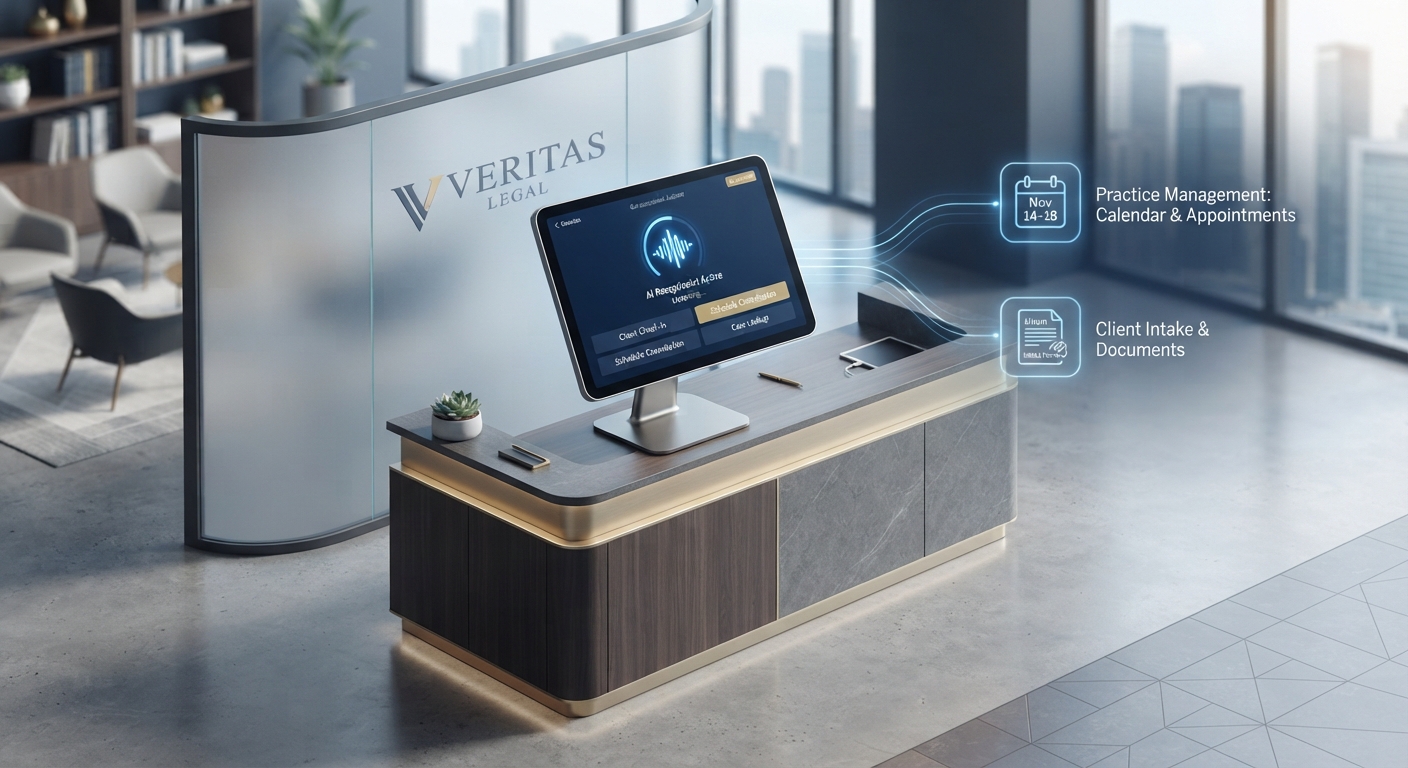
- Software Integration: The real win is when the ai talks to your practice management software. It checks for open chairs in real-time and puts the appointment right on the schedule.
- HIPAA and Privacy: Fine-tuning on scrubbed data means the bot learns how to handle patient intake forms without ever seeing real private history. This keeps you compliant while automating the boring stuff.

I've seen this play out in a few ways that really save a practice. Take a small law firm that specializes in "Lemon Law." They get hundreds of calls from people whose cars just need an oil change.
By fine-tuning their ai on the specific legal requirements of a "lemon" (like number of repair attempts), the bot can politely tell the non-cases where to find a mechanic while booking the actual legal leads for a consult.
In a dental setting, a clinic used the "headings as instruction" method mentioned in the HCLTech research. They fed the model their entire office manual. Now, when a caller asks about their "no-show" policy or how they handle "laughing gas," the ai gives the exact answer from the manual, not some generic guess.
Next, we’ll wrap up by looking at what the future of these answering services looks like as we head toward 2026.
The Future of Answering Services in 2026
Imagine it’s 2026 and your office phone rings at midnight. A few years ago, that was just another missed opportunity or a noisy voicemail you’d have to deal with over coffee—but now, the conversation starts instantly, feels totally human, and actually solves the problem before you even wake up.
The "traditional" way of handling calls is dying out fast. We’re moving away from generic call centers where someone in a different time zone reads a script, and toward systems that actually know your business.
Honestly, the old-school "virtual receptionist" (the live human kind) is becoming a hard sell for most small biz owners. They’re expensive, they have "off" days, and there is always a lag between the phone ringing and them picking up.
- Speed of Light: An ai picks up on the first ring, every time. No hold music, no "please stay on the line." In a world where people hang up after three rings, that's everything.
- Deep Knowledge: Because we can now use proprietary models, the bot isn't just guessing. It’s been trained on your documents. As noted in the industry guidelines from HCLTech, fine-tuning lets the model actually "imbibe" your specific domain jargon.
- Cost Efficiency: You aren't paying for a human's downtime. You're paying for a system that scales. Whether you get 5 calls or 500, the cost doesn't explode.
The big difference in 2026 is that these bots don't sound like robots. They’ve been "nudged" to have your brand's voice. If you run a high-end spa, the bot sounds relaxed and welcoming; if you're a criminal defense lawyer, it sounds professional and urgent.
Let's talk about the "voicemail black hole." Most small businesses lose a staggering amount of money because they think a voicemail greeting is "good enough." It isn't.
If a new patient calls a dentist and hits a machine, there’s a massive chance they just keep scrolling on google. You didn't just miss a call; you missed the lifetime value of a client. For a law firm, that one missed "accident" call could be worth tens of thousands in fees.
A 2024 study by the Bureau of Labor Statistics (mentioned in previous sections) highlighted how rising compensation costs make human-only front desks a massive overhead. But the real cost is the revenue you don't see because the phone wasn't answered by a "brain."

When you switch to an ai system, your "capture rate" goes through the roof. The bot doesn't just take a message—it books the appointment. It checks your real-time calendar and secures the lead while they’re still "hot" and on the phone.
- Zero Lead Decay: By the time you call a lead back 4 hours later, they’ve already talked to two other people. ai stops that decay instantly.
- Lower Operational Stress: Your staff stops feeling like they're drowning in "busy work." They can actually focus on the patients or clients sitting right in front of them.
- Compliance Savings: Using secure, fine-tuned models means you aren't risking those massive hipaa fines. As noted in the Tonic.ai playbook, using synthetic data for training keeps the "real" info locked away while the bot stays smart.
We're reaching a point where "answering the phone" is no longer a manual task. It's an automated workflow. If you aren't using a system that's been specifically fine-tuned for your industry, you're basically leaving your front door unlocked and hoping for the best.
The tech has finally caught up to the needs of the local shop. You don't need a massive api budget or a team of developers. You just need a model that knows your rules, respects your privacy, and never sleeps. It’s a bit of a shift, sure. But when you look at the math, the question isn't "can I afford to switch?" It's "how much am I losing by staying on voicemail?" Honestly, it’s about time.