Context-aware after-hours call handling for high-intent legal and home service leads
TL;DR
- This guide covers how small businesses can use ai to catch lead that call after hours. We look at the cost of hiring vs automation and how to route calls so you never miss a high-value legal or hvac lead again. You'll learn setup steps for context-aware answering that books appointments directly into your calendar while you sleep.
The high cost of missed calls in high-stakes industries
Ever sat in a quiet office at 6:00 PM, just as you're packing up, and the phone rings? You let it go to voicemail thinking you'll just call back tomorrow—but honestly, by then, that lead is already talking to your competitor.
In high-stakes industries like law or home services, callers are usually in a "crisis" mindset. If they don't hear a human voice or get a smart ai response immediately, they just hang up. This is where platforms like Voksha AI come in, providing context-aware responses that actually understand if a caller is reporting a flooded basement or just asking about office hours.
- The 67% Rule: A study by Invoca (2024) shows that about 67% of callers won't even leave a message if they reach a machine; they just drop off.
- Law firm churn: If someone is looking for a personal injury lawyer, they’re usually calling five different firms. The first one to answer wins.
- Home service emergencies: A homeowner with a burst pipe isn't going to wait three hours for a callback while their basement floods.
Missing just one call isn't just a minor "oops." It’s a massive hit to your bottom line when you look at the lifetime value of a client.

Industry data suggests that responsiveness is the top factor for clients picking a firm. If a personal injury lead is worth $10,000 and your hvac repair lead is worth $500, losing even two calls a week is a disaster. (Personal Injury Leads: How Much Should They Cost? - YouTube)
So, how do we actually stop this leak without staying chained to the desk? Next, we'll look at how ai is actually cheaper than a traditional service.
AI receptionist vs virtual receptionist for after hours
Thinking about hiring a live answering service? It sounds like a safe bet until you realize you're basically paying someone to be a glorified voicemail taker who might not even know your business.
Most people don't realize how much a traditional answering service actually eats into your margins. You aren't just paying a flat fee; you're getting hit with "per-minute" billing that adds up fast when a caller is chatty.
- The Salary Gap: Hiring a dedicated in-house night receptionist can easily cost $35,000 to $45,000 a year plus benefits. An ai system usually costs between $100 to $500 a month, which is less than a single monthly utility bill for most offices.
- Hidden Fees: Virtual receptionist companies often charge for "ring time" or "hold time." If they put a lead on hold for three minutes, you're paying for that silence.
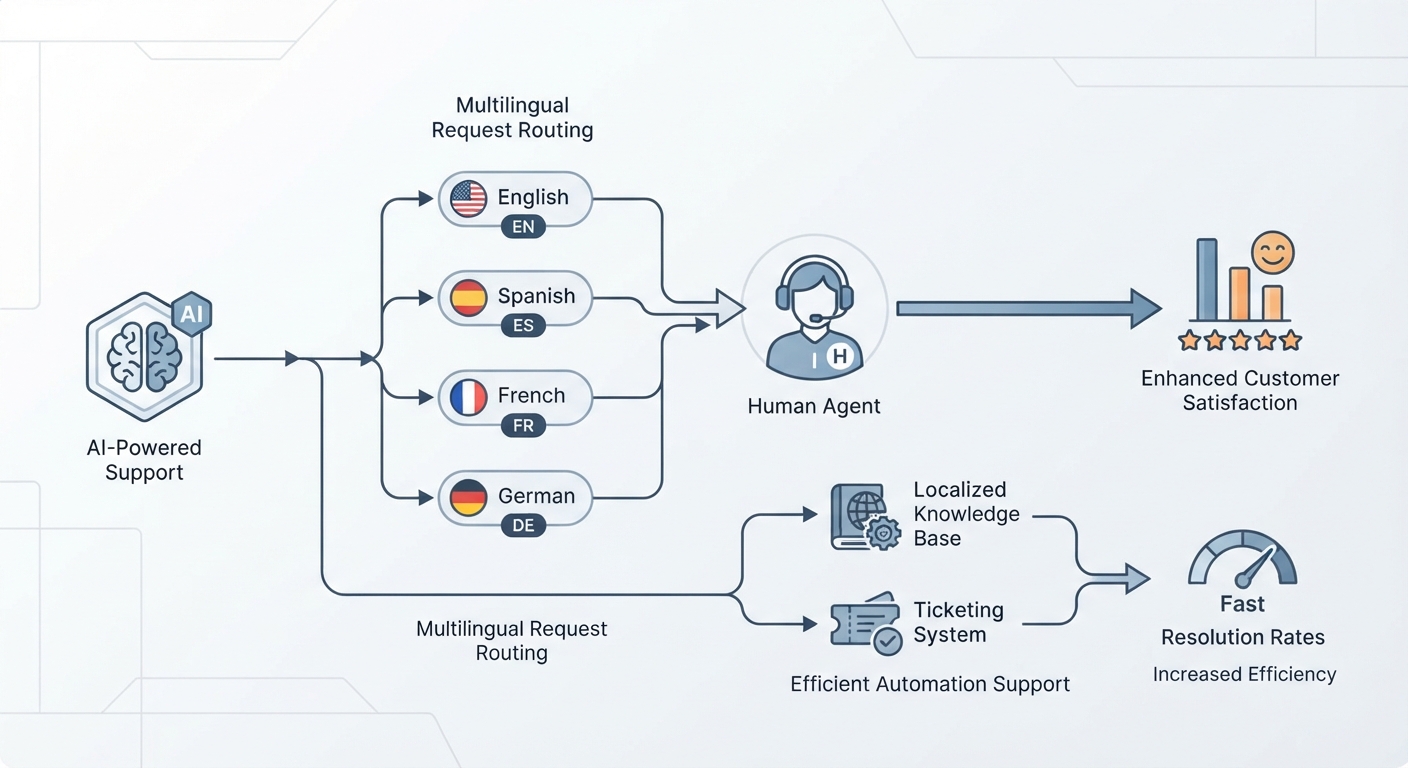
- 24/7 Scaling: To get true 24/7 coverage with humans, you need a team. With ai, it doesn't care if it's 2:00 AM on a Sunday or if ten people call at the exact same time.
According to ZipRecruiter, the average work-from-home receptionist makes about $16 an hour. Do the math on a full year of after-hours coverage—it’s brutal compared to a software subscription.
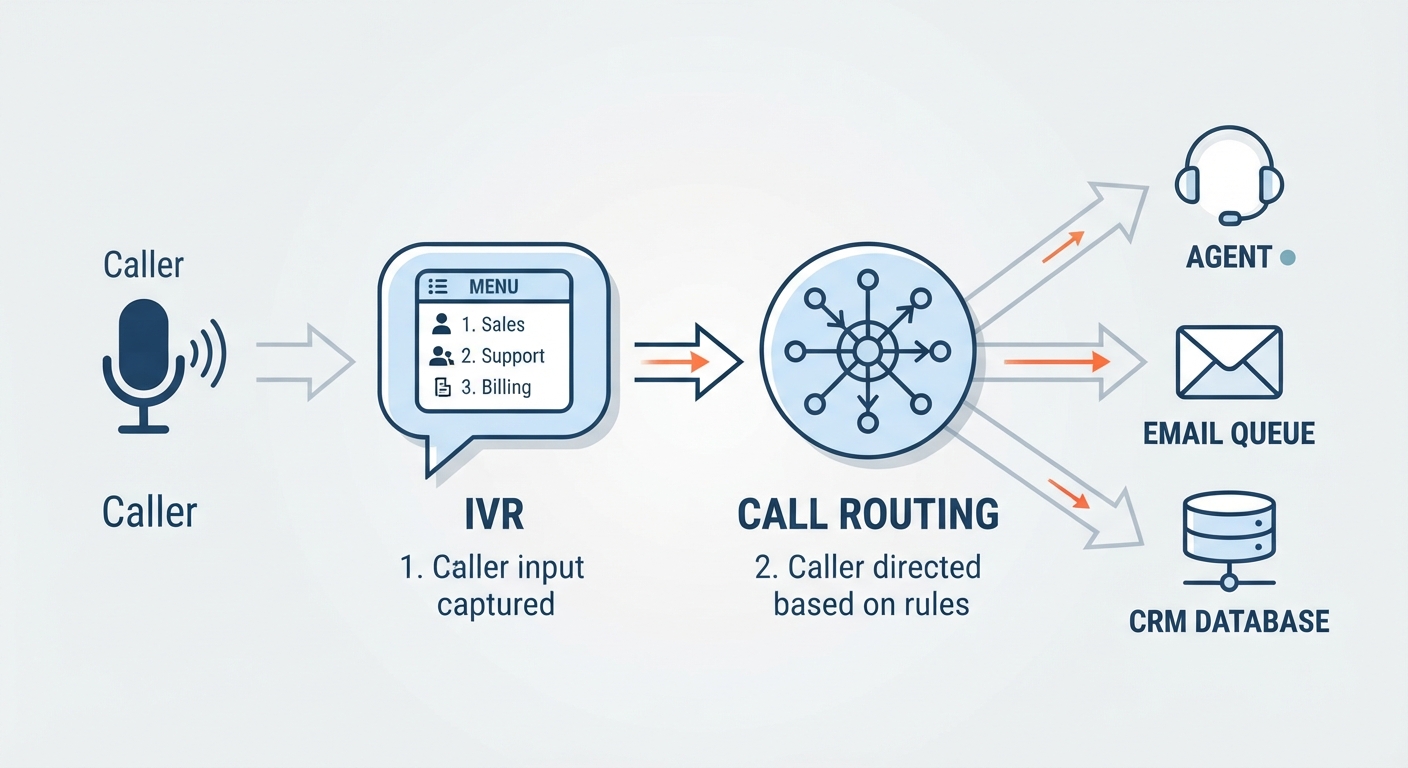
The big difference is that a basic bot just follows a tree, but a context-aware ai like Voksha AI actually understands what the caller needs. If a lead calls a law firm saying "I was just in a car wreck," the ai knows that's a high-priority intake, not just a "general inquiry."
In the trades, context is everything. A caller saying "my heater is making a weird noise" is a different priority than "there is water spraying out of my water heater."

Honestly, the ai is often more consistent than a tired human at 3:00 AM. It never forgets to ask for an email address or a case number.
Next, we'll dive into how you actually get one of these things running without needing a computer science degree.
Setting up your automated lead capture system
Ever feel like you need a degree in engineering just to change your voicemail? Luckily, setting up an ai receptionist isn't actually that scary anymore—you can usually get the basics running in about the time it takes to finish a coffee.
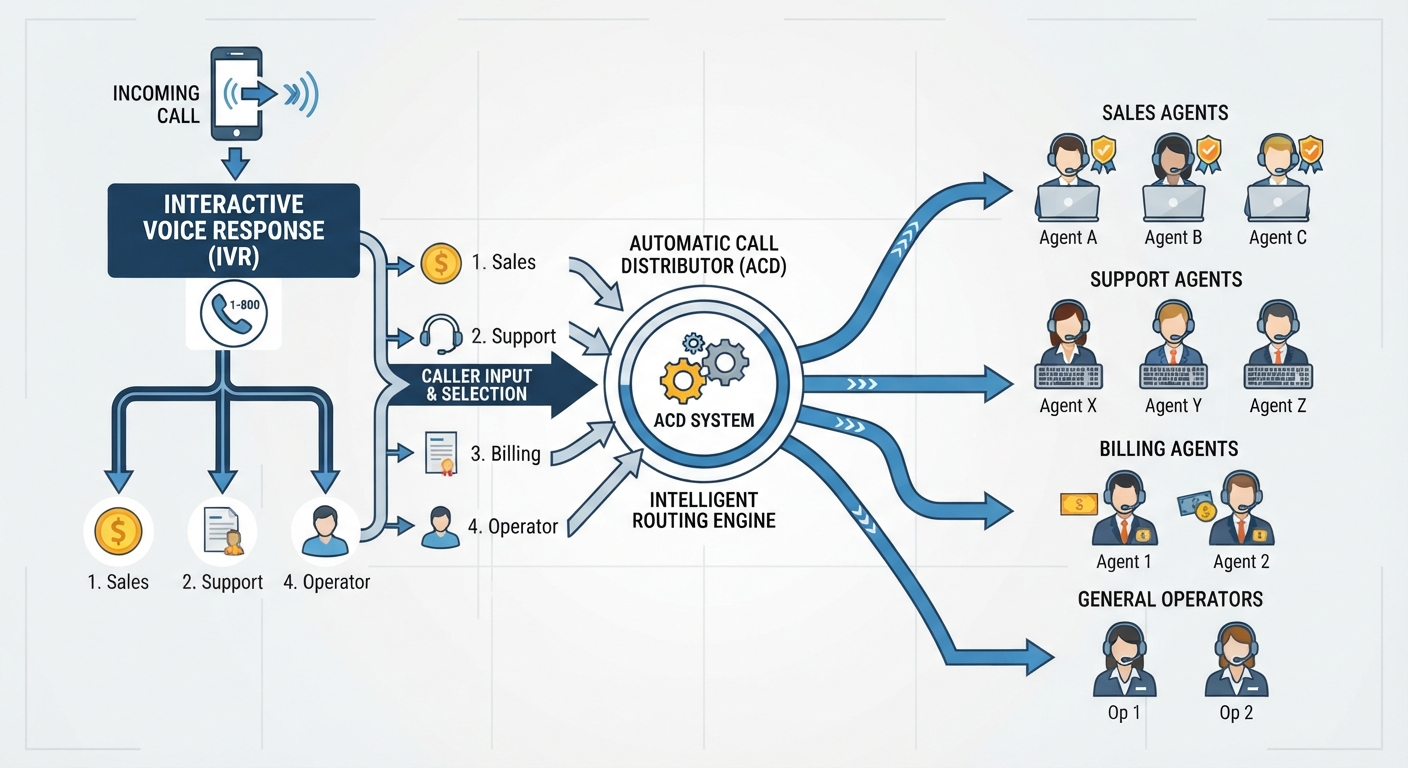
First thing you gotta do is connect your business line. Most people use a "conditional call forwarding" trick where the phone only rings the ai if you don't pick up after three rings or if the line is busy.
- The 5-minute sync: You just plug your existing number into a platform like voksha ai, and it gives you a routing number. It’s way easier than porting your whole phone system over.
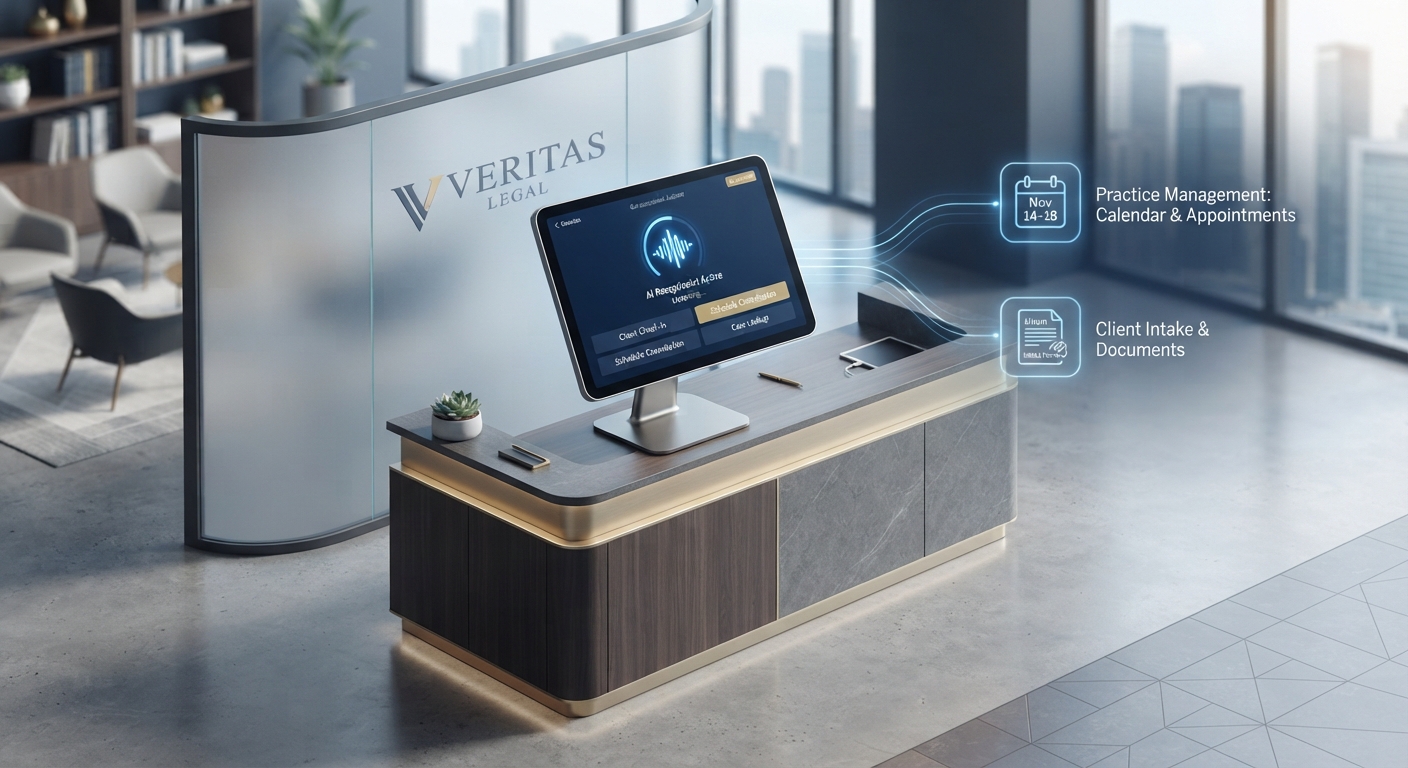
- Connect your tools: If you’re a lawyer, you probably live in Clio; if you’re doing HVAC, it’s all about ServiceTitan. You want the ai to check your actual calendar so it doesn't double-book you for a furnace repair when you're already under a crawlspace.
- Urgency filters: You can set "keywords" so the system knows when to wake you up. If a caller says "flooding" or "jail," the ai can immediately transfer the call to your personal cell. To do this, your ai platform needs "Live Transfer" or "Call Patching" capabilities to bridge the call to your human line.

Honestly, the biggest mistake is making the ai sound too "robotic." You want it to ask the right questions so you don't waste time on tire-kickers.
For those in regulated industries like medical or dental offices, you gotta make sure everything is secure. According to Compliancy Group, a hipaa compliant service must have encrypted messaging and audit controls to protect patient data. Make sure your ai provider actually signs a Business Associate Agreement (BAA) before you start taking patient names over the phone.
- Instant Bookings: Don't just take a message. Let the ai drop a link or put the lead directly into an open slot on your Google Calendar. This reduces no-shows because the lead feels "committed" immediately.
- The "Crisis" Intake: If you're a personal injury firm, have the ai ask "were there any injuries?" right away. It qualifies the lead before you even see the notification.
It's all about making the caller feel heard without you having to be "on" 24/7. Next, we're going to look at how to actually measure if this thing is paying for itself.
Maximizing ROI and conversion rates
So you finally got the ai answering the phone, but is it actually making you money or just acting like a fancy answering machine? Honestly, the real magic happens in how you follow up after that initial call ends.
If someone calls your law firm or plumbing shop and hangs up, you gotta hit them back immediately with a text. It’s way less intrusive than a cold callback and keeps them from clicking the next person on Google.
- The "Instant SMS" nudge: Set your system to fire off a text the second a call ends. Something like "Hey, sorry we missed you! I'm seeing your note about the leaky faucet—want to grab a time for us to come look?"
- Automated next steps: If they booked a consultation, don't just hope they show up. Send a confirmation with a link to a "what to expect" page. It makes you look way more professional than the guy who just scribbles names on a legal pad.
- Drip the value: For high-ticket leads like personal injury cases, have the ai send a quick link to a client testimonial or a "know your rights" PDF while they're still thinking about the conversation.
You need to know if this thing is actually paying for itself or if you're just paying for another subscription you don't use. Look at your "cost per lead" before and after you turned the ai on.
A 2024 report by CallRail points out that nearly 50% of small businesses don't even know which marketing channels are driving their best phone leads. If you track your conversion rates, you'll likely see that the ai pays for itself by catching just one or two "lost" leads a month.

Basically, if your average client is worth $1,000 and the ai costs $150 a month, you only need it to save one person from hanging up every six weeks to break even. Most people find it does way more than that.
Now that the money part makes sense, let's look at how to keep this whole thing ethical and safe for your data.
Future-proofing your business phone system
Data Privacy and Ethics
Before we look ahead, we gotta talk about safety. Using ai means you're handling customer data, so you need to ensure your provider uses end-to-end encryption. Ethically, it's also good practice to have the ai identify itself if asked, so callers know they're talking to an assistant. Keeping your data in a "silo" where it isn't used to train other people's models is a huge deal for privacy.
Honestly, sticking with old-school answering services as we head toward 2026 is like keeping a fax machine—it just slows you down while the world moves on. Looking at current projections for 2026, experts expect ai to handle nearly 80% of initial customer interactions. Customers want answers right now, and if they don't get 'em, they're gone to the next shop.
The shift to ai isn't just about saving a few bucks; it's about being the most responsive biz in town.
- Speed is everything: In retail or finance, waiting for a callback is a dealbreaker. Modern systems handle 100 calls at once without breaking a sweat.
- 24/7 is the new standard: People shop for lawyers and dentists at midnight. If you're "closed," you're losing.
- Data over vibes: Instead of a messy notepad, you get a clean dashboard showing exactly what your leads want.

As mentioned earlier, responsiveness is the top factor for winning clients. Don't let a "we'll get back to you" message kill your growth. It's time to automate the boring stuff so you can focus on the real work. Stay ahead, or get left behind.