Unit economics breakdown of tokens per call versus human hourly wages
TL;DR
- This guide breaks down the math behind switching from human staff to ai for phone answering. We cover the hidden costs of hourly wages like taxes and training compared to the predictable cost of tokens per minute. You'll see exactly how much a law firm or salon saves by automating lead capture and appointment booking without losing that personal touch.
The true cost of a human receptionist in 2026
Ever feel like you're just burning cash every time the phone doesn't ring? I was talking to a buddy who runs a local hvac shop, and he realized he’s paying his front desk person even when they’re just scrolling tiktok between calls.
It sounds harsh, but when you look at the numbers for 2026, the "sticker price" of a receptionist is a total lie. You aren't just paying an hourly wage; you're paying for the space they sit in, the taxes you owe the government, and the time it takes to find a replacement when they inevitably quit for a better gig. By 2026, we're looking at a labor market where the "fight for $15" is ancient history; most states are pushing closer to a $20 or $22 floor for administrative roles just to keep up with inflation. Plus, with the "gig economy" getting even bigger, finding someone who actually wants to sit at a desk for 40 hours a week is getting way harder and more expensive.
When you hire someone for, say, $22 an hour, that’s not your actual cost. You’ve got to factor in the "fully loaded" rate.
- Payroll and Benefits: Between FICA taxes, workers' comp, and health insurance, you’re usually looking at an extra 20-30% on top of the base pay. (When people say that you should ideally be saving 20-30% of your ...)
- The "Dead Air" Tax: In most service businesses like dental offices or law firms, call volume is spikey. You're paying for 8 hours of work even if the phone only rings for 3.
- Turnover Turmoil: Front desk roles have notoriously high burnout. (Front Desk Burnout: Why It Happens and How to Avoid It | Ruby) Replacing a staff member can cost thousands in job postings and "shadowing" time where two people are getting paid to do one job.

A lot of folks try to dodge this by hiring a virtual answering service, but have you seen those bills lately? Labor shortages are hitting call centers hard. According to a report by glassdoor - which tracks real-time wage growth for administrative roles - the cost to keep these places staffed is skyrocketing, and they pass those costs right to you.
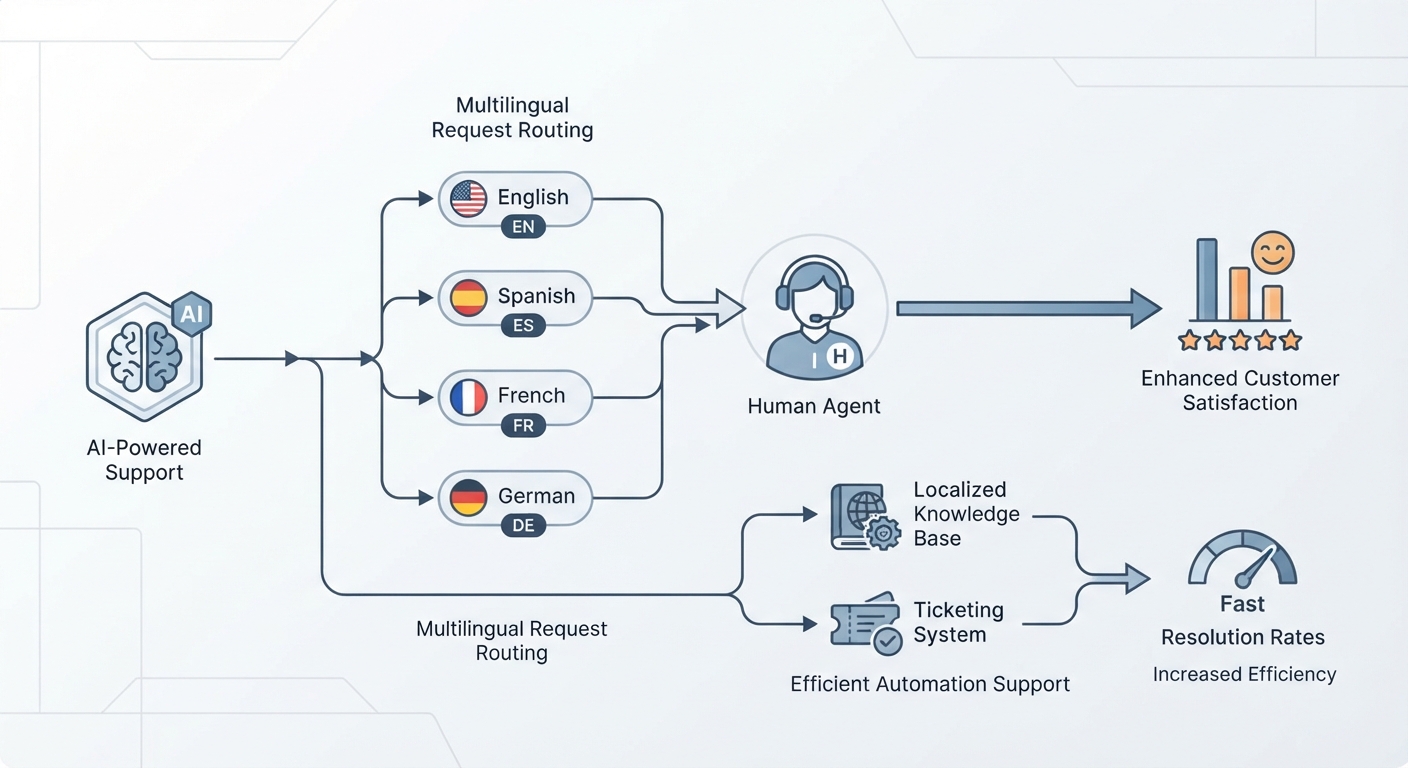
Plus, those "human" services often have a 30-second delay or sound like they're reading from a robotic script anyway. It’s the worst of both worlds: high human prices with none of the personal touch. Modern ai actually sounds better because of "Neural Text-to-Speech" and low-latency processing—it reacts in real-time without that bored, "I hate my job" tone you get from a call center agent in a different time zone.
Next, we're gonna dive into how ai tokens actually work so you can see why the math is starting to shift so fast.
Understanding the token economy for ai phone systems
So, if you're like most business owners, the word "token" probably sounds like something from a video game or a crypto scam. Honestly, it’s just a fancy way ai companies measure how much "brain power" a call uses up.
Think of it like a gas tank. Every word the ai hears and every word it says back burns a little bit of fuel—those are your tokens. In a typical dental office or salon call, you’re looking at around 1,000 to 2,000 tokens per minute because the system has to "think" about the schedule and the caller's intent.
When you're trying to predict your monthly spend, you can't just look at the raw api cost because there's a lot of "overhead" in making the ai sound human. For example, a law firm taking a complex intake call will burn more tokens than a pizza shop taking a pepperoni order.
Let's look at the actual math. A human at $22/hr costs you about $0.36 every single minute, whether they are talking or not. A high-end ai setup (using a smart model like GPT-4o) might use 2,000 tokens a minute. At current rates, plus the costs for the "voice" and the "ears" (stt/tts), you’re looking at roughly $0.12 to $0.18 per minute. That is literally half the cost of a human, and you only pay it when the phone is actually ringing.
- The Processing Fee: Every time the ai "listens," it converts audio to text. That costs tokens.
- The Thinking Phase: The llm (large language model) processes that text to figure out what to say. More tokens.
- The Voice Output: Then it turns text back into a voice that doesn't sound like a 1990s GPS.
Usually, this works out to pennies per minute. Compare that to the $22+ an hour we talked about earlier for a human. Even if your phone is ringing off the hook, the ai doesn't get "tired" or ask for a raise.

According to a 2024 analysis by Juniper Research, businesses using ai for customer interactions can save billions in labor costs because they aren't paying for idle time. It's basically the difference between owning a whole bus and just calling an Uber when you actually need a ride.
Next, we’re gonna look at how this actually plays out when you’re trying to recover those annoying missed calls.
Industry specific ROI breakdown for law firms and clinics
So, let's get real for a sec—if you’re running a law firm or a medical clinic, every missed call isn't just a "bummer," it’s literally thousands of dollars walking out the door. I’ve seen lawyers lose their minds because a $50k personal injury lead went to voicemail while the paralegal was stuck on a 20-minute call explaining where the office parking lot is.
In the legal world, "intake" is everything. If the ai can't handle the pressure, you're toast. But when you look at the unit economics, the math is kind of a no-brainer.
- Lead Capture vs. Billable Hours: Every minute an attorney spends on "is this a good case?" admin work is a minute they aren't billing $300+. ai tokens for a 10-minute intake call cost maybe $1.50, whereas that same time costs the firm $50 in lost billable potential.
- Security is Pricey but Necessary: Unlike a pizza shop, clinics and firms need HIPAA compliant or secure data handling. While these "secure" ai layers add a small premium to the token cost, it’s still pennies compared to the $15,000+ fines you get for a data breach caused by a tired human receptionist.

While law firms focus on capturing high-value leads, appointment-based businesses like salons and dentists face a different financial drain: the empty chair. For my friends in the beauty or dental space, no-shows are the absolute silent killer of margins. You’ve got staff sitting there getting paid while the chair stays empty.
A 2023 report by PatientPop—now part of Tebra—points out that no-shows can cost a single physician up to $150,000 a year. That is insane. Using ai to handle the "boring" stuff like reminders and rescheduling isn't just about saving time; it's about keeping that chair warm.
- Consistent Reminders: Humans forget to call patients. ai doesn't. It can send a text or a quick call to confirm, and if they cancel, the ai can immediately offer that spot to the next person on the waitlist.
- Unit Cost Win: A token-based reminder costs less than a postage stamp or the 5 minutes of labor it takes a receptionist to dial a number and leave a voicemail.
Honestly, the roi here is less about "saving money" and more about "not losing what you already earned." Next, we're gonna talk about how to actually set this stuff up without breaking your brain.
Step by step guide to setting up your ai receptionist
Honestly, I thought setting this up would be a nightmare, but it’s actually easier than setting up a new office printer (which we all know is the worst). You don’t need a cs degree or a server room in the back of your salon—just a few minutes to point your calls in the right direction.
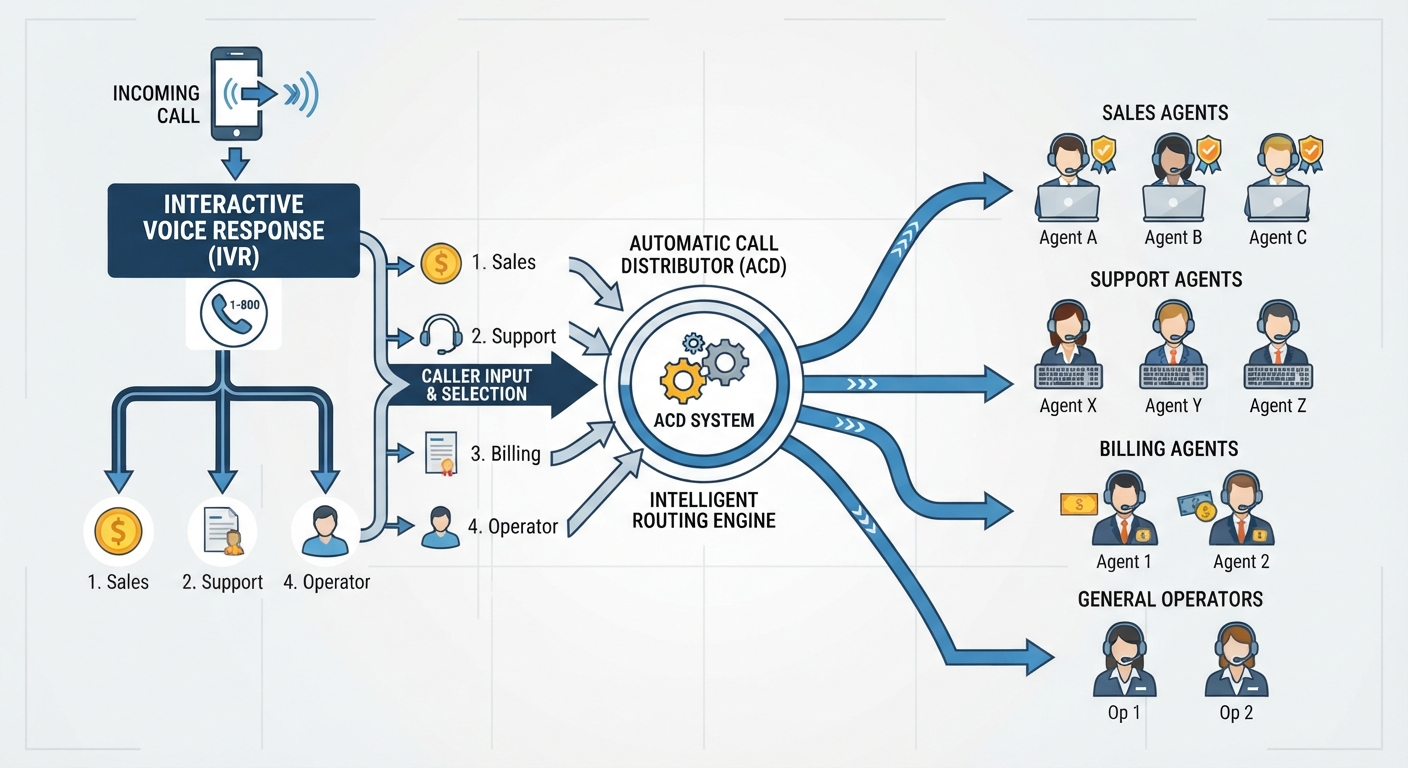
To get started, you need an AI Voice Agent Platform (sometimes called a CPaaS provider). These are companies like Vapi, Retell, or Bland ai. They act as the "bridge" between the phone lines and the ai brain. They give you a phone number and a place to plug in your instructions.
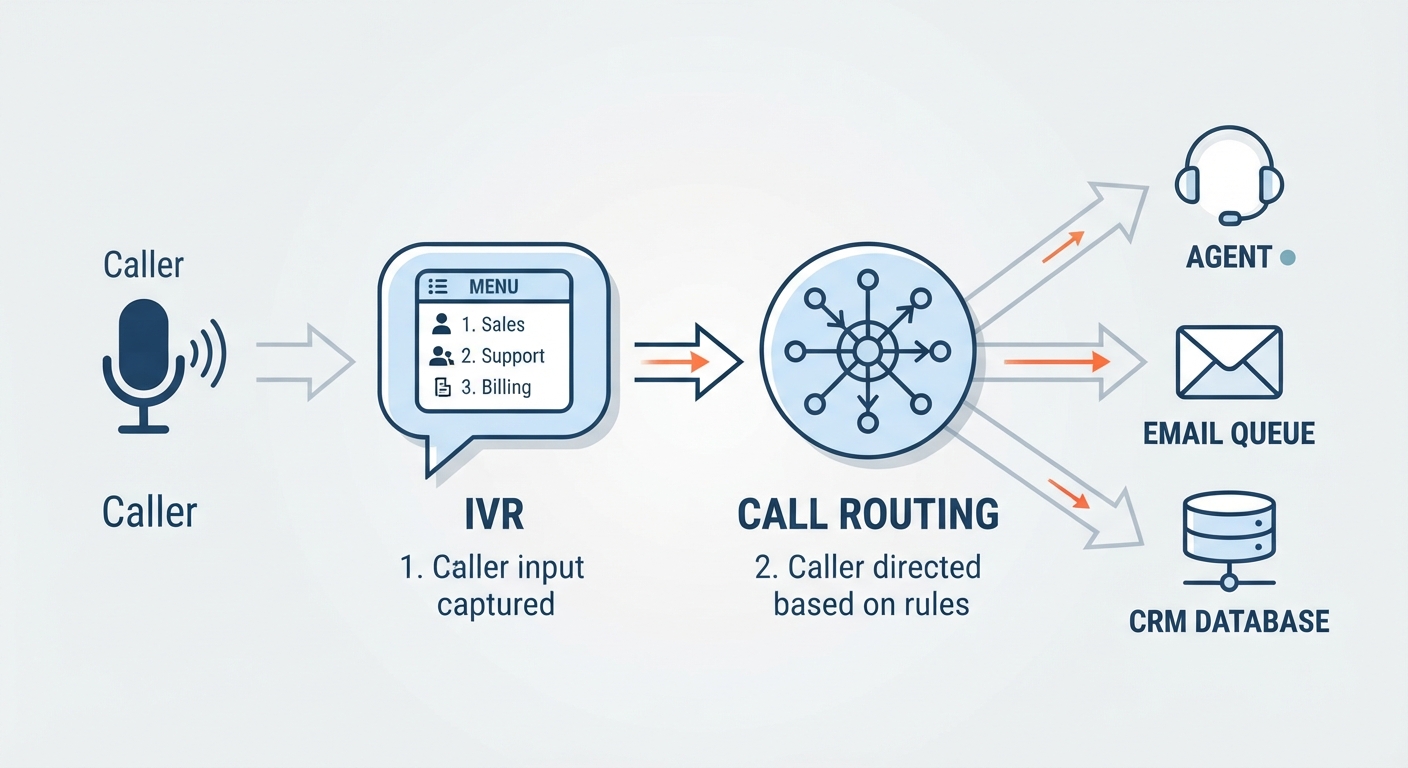
First thing you gotta do is handle the plumbing of your phone lines. Most folks use "Conditional Call Forwarding" so the ai only grabs the call if you don't pick up within three rings or if the line is busy.
- Intelligent Routing: You don't need new hardware. You just go into your carrier settings (like Verizon or at&t) and punch in a forwarding code to your new ai number provided by your platform.
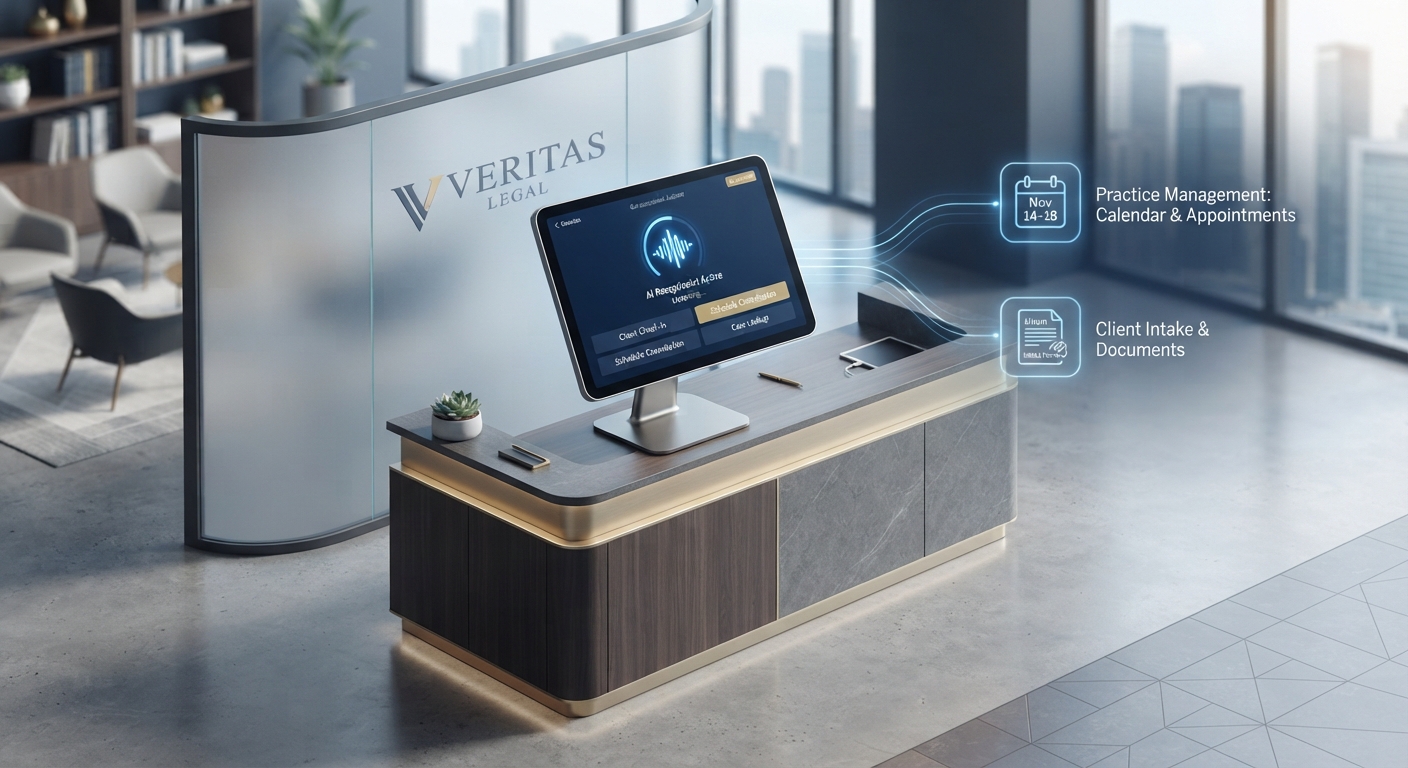
- CRM Handshakes: If you're a lawyer using Clio or a contractor on ServiceTitan, you want the ai to talk to your calendar. This way, when a lead calls, the ai checks your real-time availability and books them right then and there.
- Scripting for Humans: Don't make it sound like a robot. Write your "prompt" like you're training a new hire. Tell it: "You are a helpful assistant for smith law; be professional but kind, and always ask for a callback number first."

One thing to keep in mind is data privacy, especially for my healthcare friends. According to HealthIT.gov, keeping patient info secure is a legal must, so make sure your ai provider signs a BAA (Business Associate Agreement). It’s a small extra step but it keeps you out of legal hot water.
Switching to an ai system isn't about replacing your team; it's about giving them their sanity back. You stop paying for "dead air" and start paying for actual results.
The unit economics just make sense—pennies in tokens vs. twenty-something dollars an hour for a human who might be on lunch when your biggest lead calls. If you're tired of hearing that "you have one new message" voice, it's probably time to make the jump.