Zero-trust architecture for HIPAA compliant LLM phone integration

TL;DR
- This article covers how to build a zero-trust architecture for integrating LLMs into business phone systems while staying hipaa compliant. We look at why old security fails for medical and dental clinics and provide a step-by-step guide on setting up ai receptionists that protect patient data through local hosting and endpoint verification.
Why the old castle-and-moat security fails for ai phone systems
Ever wonder why big hospital breaches happen even when they have fancy firewalls? It’s usually because they're still using that old "castle-and-moat" setup where once you're in the front gate, you can go anywhere. In 2026, trusting everyone just because they’re "inside" the office network is a massive mistake. Your staff are using cloud tools, working from home, or checking schedules on personal phones—the walls are gone.
Think of your ai phone system as the newest gate in the castle wall. If you don't secure it, you're basically leaving a side door unlocked while you're busy staring at the front drawbridge.
- Shadow ai is real: I've seen nurses use personal chatgpt accounts to "clean up" patient notes because the official software is clunky. That's a hipaa disaster waiting to happen.
- Remote mess: When a physical therapist logs in from a coffee shop, your old perimeter security can't tell if it's them or a hacker who stole their laptop.
- Lateral movement: If an attacker gets into a low-level retail system, they shouldn't be able to hop over to your dental records. But in old systems, they can.
The biggest threat isn't some hooded hacker; it's the front desk computer. According to a 2025 article by Gil Vidals, over 50% of healthcare breaches come from insider threats or credential misuse. Shared logins in small clinics are a total nightmare for hipaa. If three people use "FrontDesk1" as a password, you have zero idea who actually accessed the ephi.

Core pillars of zero-trust and keeping data scrambled
Think of zero-trust like a bouncer who doesn't care if you've been to the club every night for ten years—he’s still checking your ID at the door, every single time. For an ai phone system, this means we stop assuming a call is safe just because it’s coming through the "office line."
In a standard setup, once a "session" starts, the system stays open. But joseph Perrin points out that most platforms trust a session until it expires, which is a huge hole. In a busy clinic, someone might leave a tablet logged in, and suddenly a "trusted" device is being used by a stranger.
To fix this, you need to keep the actual data scrambled so even if someone peeks, they just see gibberish. This is where aes-256-gcm comes in.
What this means for you: It’s basically a high-level digital lock (authenticated encryption) that not only hides the data but proves nobody has messed with it while it was sitting on the server. If a hacker steals a file, they can't read it without the "key," and you'll know if the file was tampered with.
- Continuous Validation: You gotta verify the ip address on every single request. If the signal changes mid-call, kill the session immediately.
- Role-Based Access (rbac): If the bot is just booking appointments, it shouldn't be able to see full medical histories.
- Micro-segmentation: This sounds fancy, but for an office manager, it just means putting your phone system in its own digital "room" so a virus on the front desk pc can't spread to your patient records.

Step by step guide to setting up a hipaa compliant ai receptionist
Setting up an ai receptionist isn't just about picking a cool voice; it's about making sure you don't accidentally leak patient data everywhere. I've seen offices jump in without a plan and end up with a mess of "shadow ai" where staff are pasting notes into unsecure bots.
First thing you gotta do is map out exactly where the ephi is hiding in your phone calls. It’s not just names; it's the reason for the visit too. Choosing a provider like Voksha ai makes this a lot easier. Voksha ai is a specialized platform built specifically for healthcare that handles the "handshake" between your phone lines and the ai. They have built-in safeguards like automatic data deletion and bAA agreements that most generic ai bots don't offer.

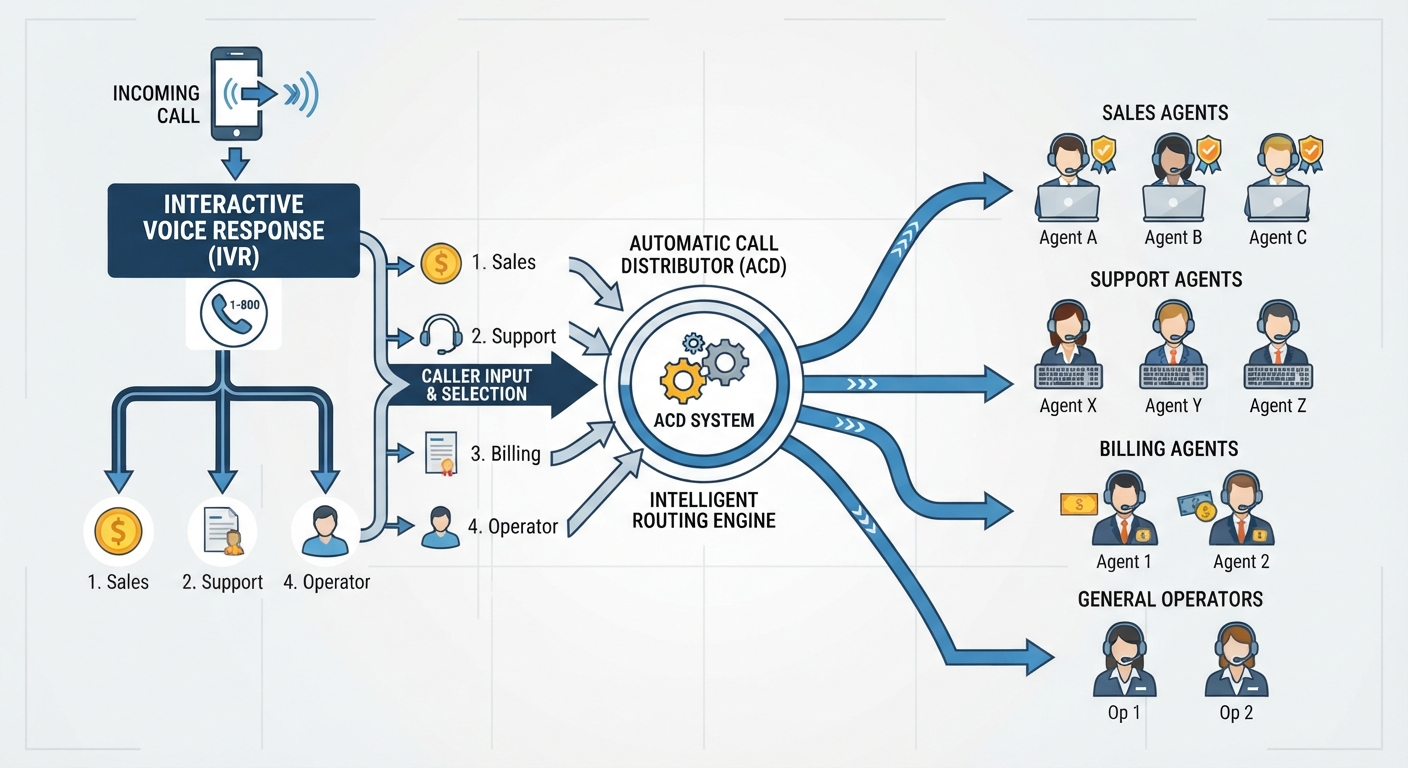
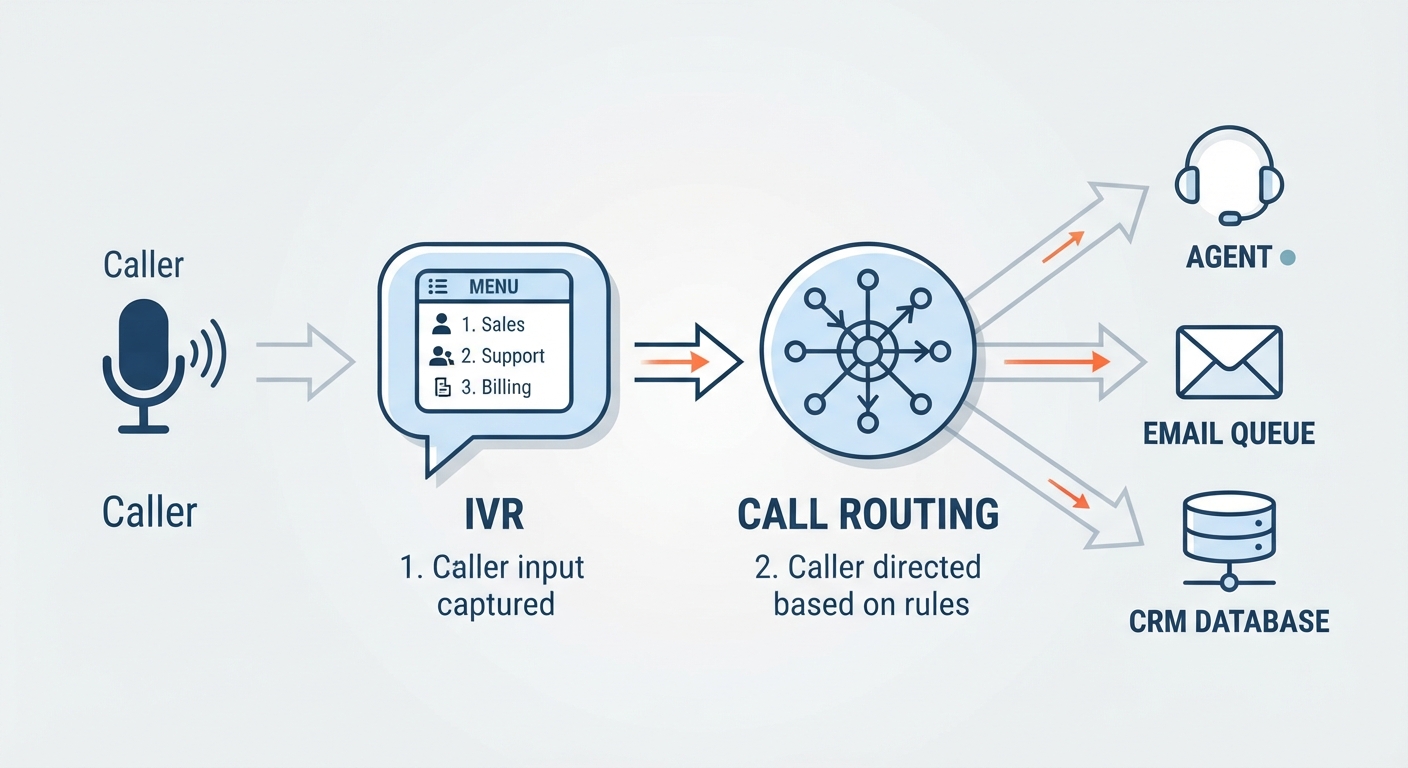
- Map the Data Flow: Visualize how a call moves from the carrier to your llm.
- Lock it Down: Use that aes-256-gcm encryption we talked about for any recordings.
- Private Cloud Hosting: Don't just send everything to a public api. Use private cloud hosting so you aren't dealing with a dozen sub-processors you can't control.
- Auto-Redaction: Set up a script to scrub patient names and ssn numbers before the data even hits the training logs.
A 2026 article by Anatomy IT explains that zero trust isn't a one-time thing; it's an ongoing process of keeping your billing systems and emrs separate from the rest of your network.
Cost breakdown: ai receptionist vs hiring a human
Let's be real—hiring a human to sit at the front desk is getting insanely expensive. By the time you add up salary, health insurance, and that 401k match, you're looking at a huge chunk of your monthly revenue just to have someone say "hello."
When you hire a person for a medical front desk, the "sticker price" is just the start. You've got the cost of hiring ads and the weeks spent training them. Plus, humans need lunch breaks and sleep.
| Feature | Human Receptionist | AI Receptionist (e.g. Patient Protect) |
|---|---|---|
| Monthly Cost | $3,500 - $5,000 (Salary + Benefits) | $39 - $300 (Subscription + api fees) |
| Availability | 40 hours / week | 24/7 / 365 |
| Missed Calls | High (during lunch/busy times) | Zero (handles infinite concurrent calls) |
| Training | 2-4 weeks (Paid) | Instant (after initial setup) |
| Setup Fee | $0 (but high hiring costs) | $500 - $2,000 (One-time) |

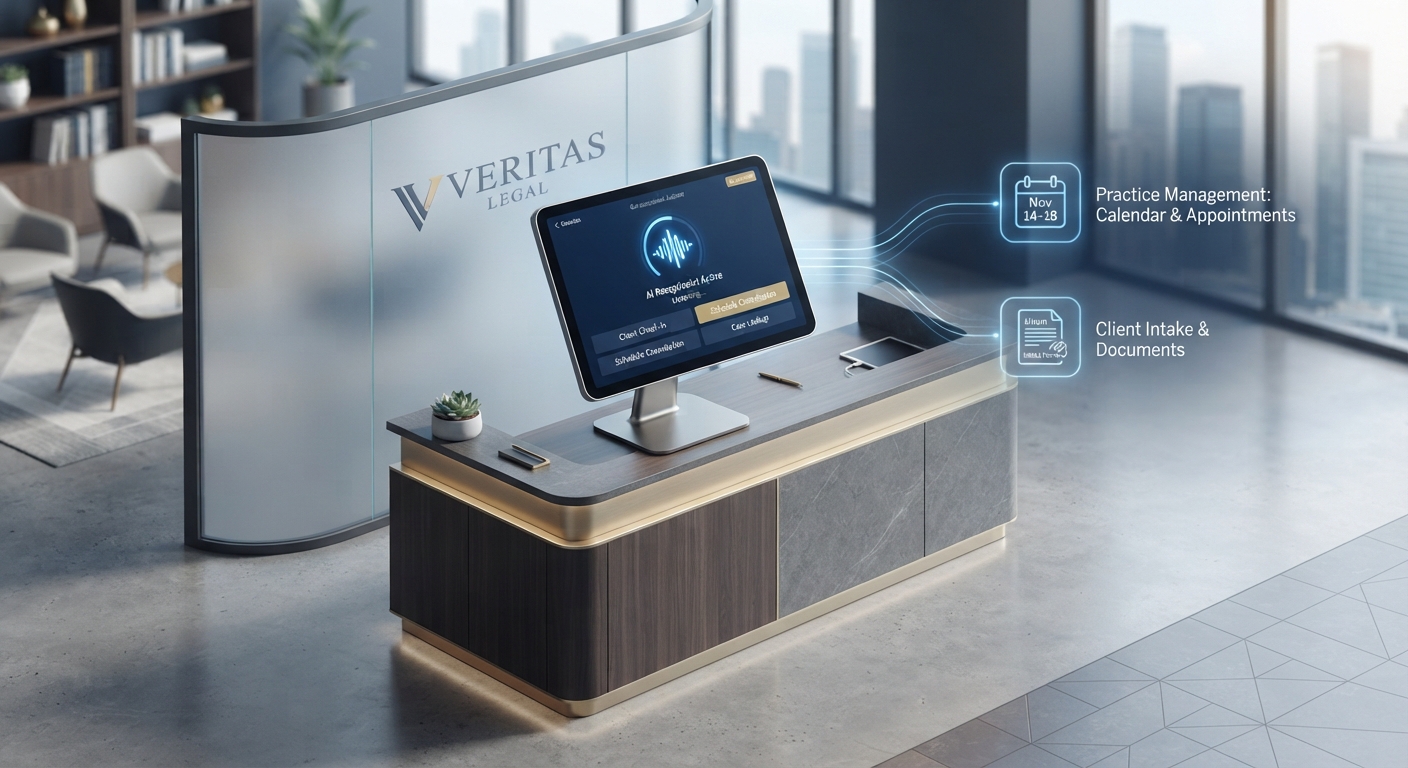
For a small dental office or a solo lawyer, switching to an ai receptionist is a no-brainer for the bottom line. It’s not about firing people; it’s about letting your best staff focus on high-value work instead of answering "where are you located?" for the tenth time today.
Advanced tips for dental and medical office automation
So you've got the tech, but how do you stop your dental or medical office from feeling like a robot factory? It's all about the handoff.
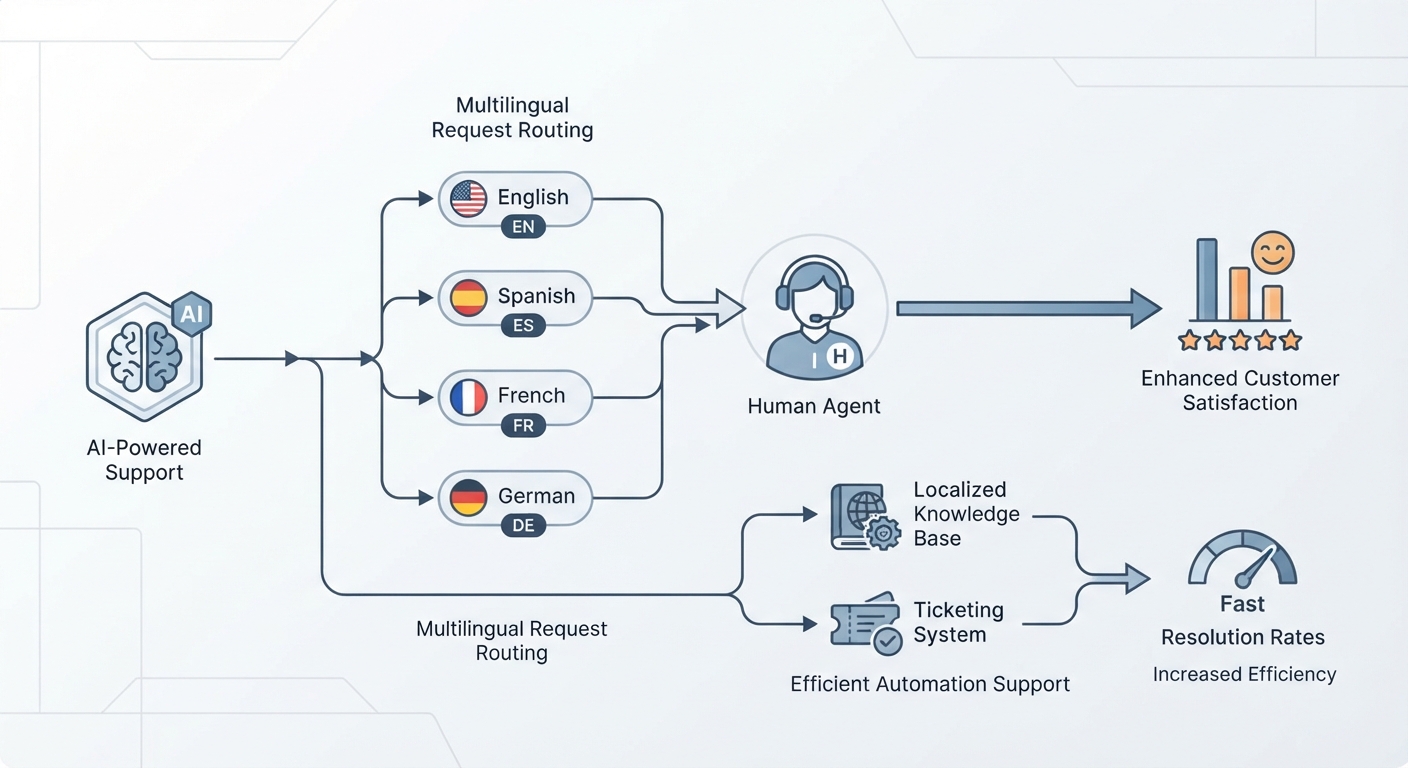
- Smart Routing: If someone calls about a post-op infection, the ai should flag it and ping a doctor immediately—don't let urgent stuff rot in a queue.
- After-Hours Win: Instead of paying for a pricey service, let the bot handle basic faq and booking.
- Missed Call Texts: If a caller drops off before booking, have the system shoot a quick "Hey, sorry we missed you!" text to keep the lead alive.

Honestly, most clinics lose money because they don't follow up fast enough. Tools like Patient Protect help keep things compliant while you automate. Just keep it simple and make sure your encryption is solid from day one.