Economic modeling of AI agent overhead versus traditional human receptionist salary

TL;DR
- This article breaks down the hard numbers comparing full-time receptionist salaries against modern ai agent overhead. We cover hidden costs like benefits and training versus the flat-rate efficiency of automated systems. You will learn how to calculate your own ROI and see why law firms and salons are switching to save thousands every month while never missing a lead.
The true cost of a human receptionist in 2024 and beyond
Ever wonder why that $20 an hour receptionist actually feels like they're costing you double? It’s because they usually are, and most small business owners don't realize it until the bank account looks a bit light at the end of the month.
When you hire a person, you aren't just paying for their time behind the desk. You’ve got payroll taxes, workers comp, and health insurance which adds a massive "burden" to that base hourly rate.
- The Loaded Cost: A 2024 report by the U.S. Bureau of Labor Statistics shows that benefits account for about 31% of total employee compensation. If you pay $40k, you're actually spending over $52k.
- The Turnover Tax: Most front-desk roles in places like dental offices or law firms flip every 12-18 months. (Front desk staff quitting every 6–12 months? That's not a hiring ...) Between job ads and training, you're losing thousands in "sunk time" every single year.
- Thin Margin Math: For a local hvac company or a salon, one slow month makes that fixed salary feel like a lead weight, whereas ai scales down when the phones aren't ringing.

Humans need to eat, sleep, and—heaven forbid—take a bathroom break. But in those 15 minutes, a $5,000 plumbing lead might just hang up and call the next guy on Google because nobody answered.
A study by Salesforce indicates that 74% of customers are likely to switch brands if they find the purchasing process too difficult—like, say, leaving a voicemail that never gets returned.
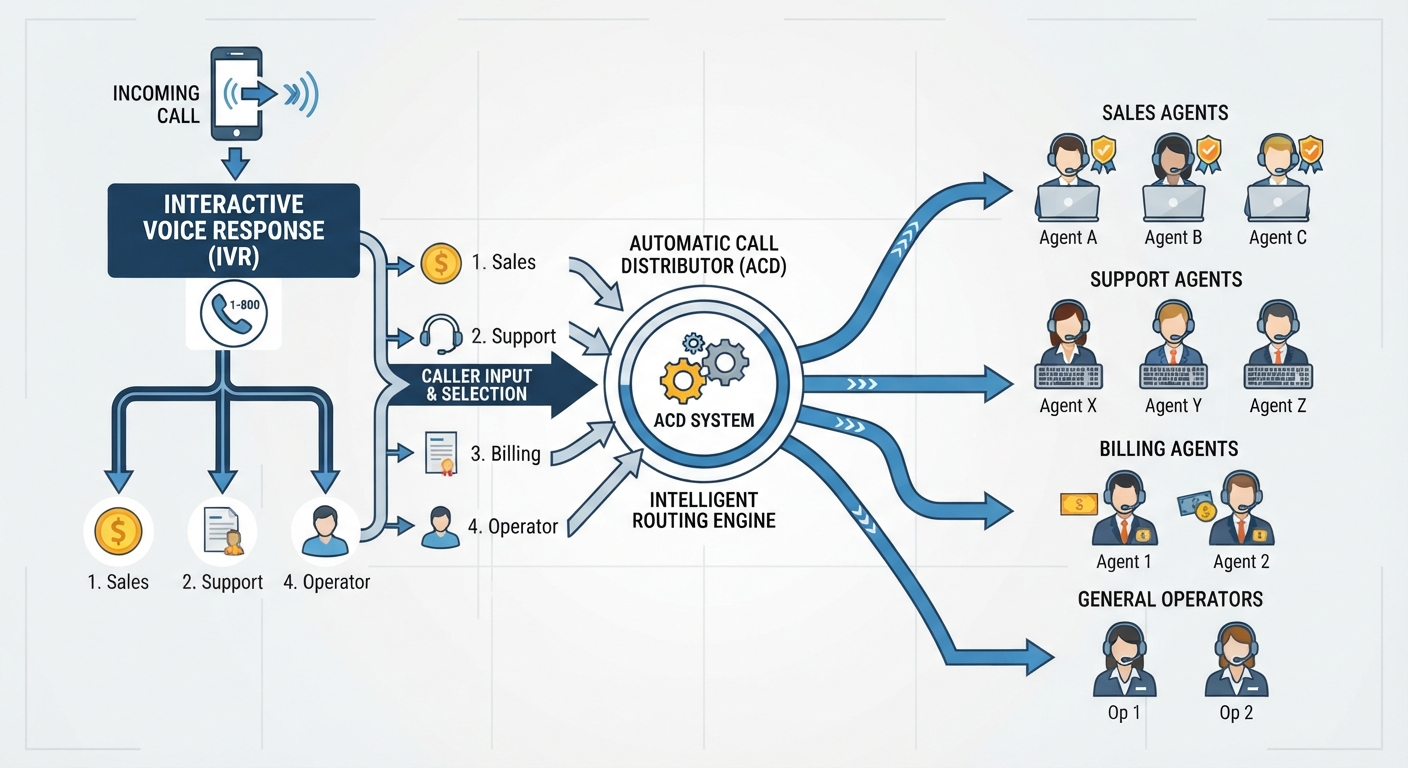
In a busy medical clinic, a receptionist might be handling a check-in while the phone rings off the hook. That "one call at a time" limit is a bottleneck that kills growth. This bottleneck is where the real financial waste starts, because every missed call is basically money you already spent on marketing just disappearing. ai agents don't get overwhelmed; they can handle twenty calls at once without breaking a sweat or sounding grumpy. Plus, these ai agents often handle multi-channel communication including sms follow-ups and outbound texts to keep people engaged.
The Marketing Leak: The math of leads flushed down the toilet
If you're spending money on Google Ads or Facebook, you have a Cost Per Lead (CPL). When the phone rings and nobody picks up, you didn't just miss a call—you literally threw that CPL money in the trash.
| Metric | Traditional Receptionist (1 line) | AI Receptionist (Unlimited lines) |
|---|---|---|
| Monthly Marketing Budget | $2,000 | $2,000 |
| Average Cost Per Lead (CPL) | $50 | $50 |
| Total Leads Generated | 40 | 40 |
| Missed Calls (Busy/After hours) | 25% (10 leads) | 0% (0 leads) |
| Marketing Budget Wasted | $500 | $0 |
| Real Cost Per Acquired Lead | $66.67 | $50.00 |
When you look at it this way, a human receptionist isn't just their salary—they're a leak in your marketing bucket. If you miss just 10 calls a month at a $50 CPL, you're losing $6,000 a year in pure ad spend waste, not even counting the actual revenue from those jobs.
Modeling the ai agent overhead for small business
So, you’ve seen how much a human costs when you add up the taxes and the coffee breaks. Now imagine paying less for a month of service than you'd spend taking a new hire out for a "welcome to the team" lunch.
When we talk about ai agent overhead, we're looking at a totally different math problem. It’s not about salary; it’s about a subscription that doesn't ask for a raise or call in sick because they caught a cold at a concert.
The numbers are honestly kind of wild when you put them side-by-side. While a human receptionist is easily a $3,000 to $4,500 monthly hit to your bank account, specialized platforms like Voksha ai offer entry-level tiers starting at just $14 a month.
- 24/7 Coverage without Overtime: Think about a law firm getting a call at 11 PM from someone who just got into a car wreck. If you don't answer, they call the next firm. ai picks up, takes the details, and books the consult while you're asleep.
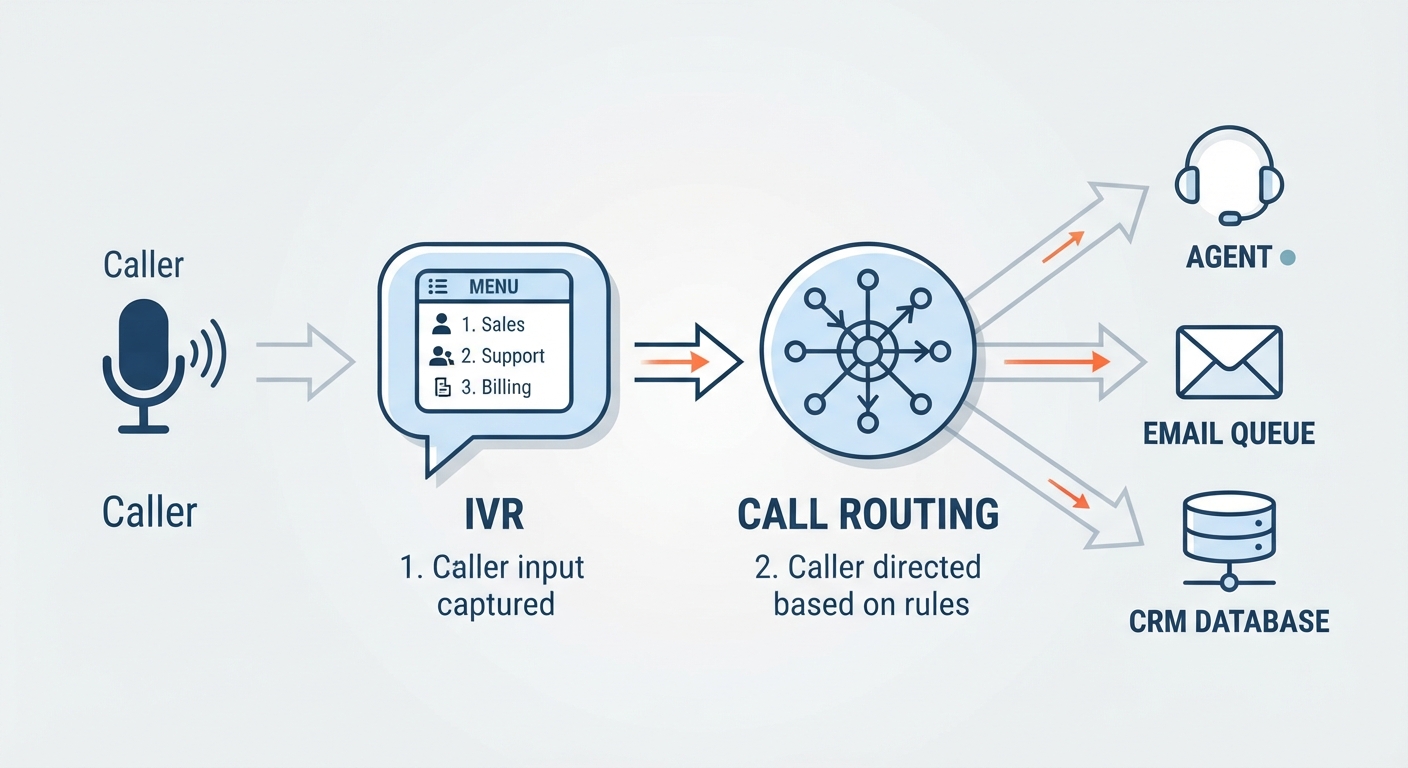
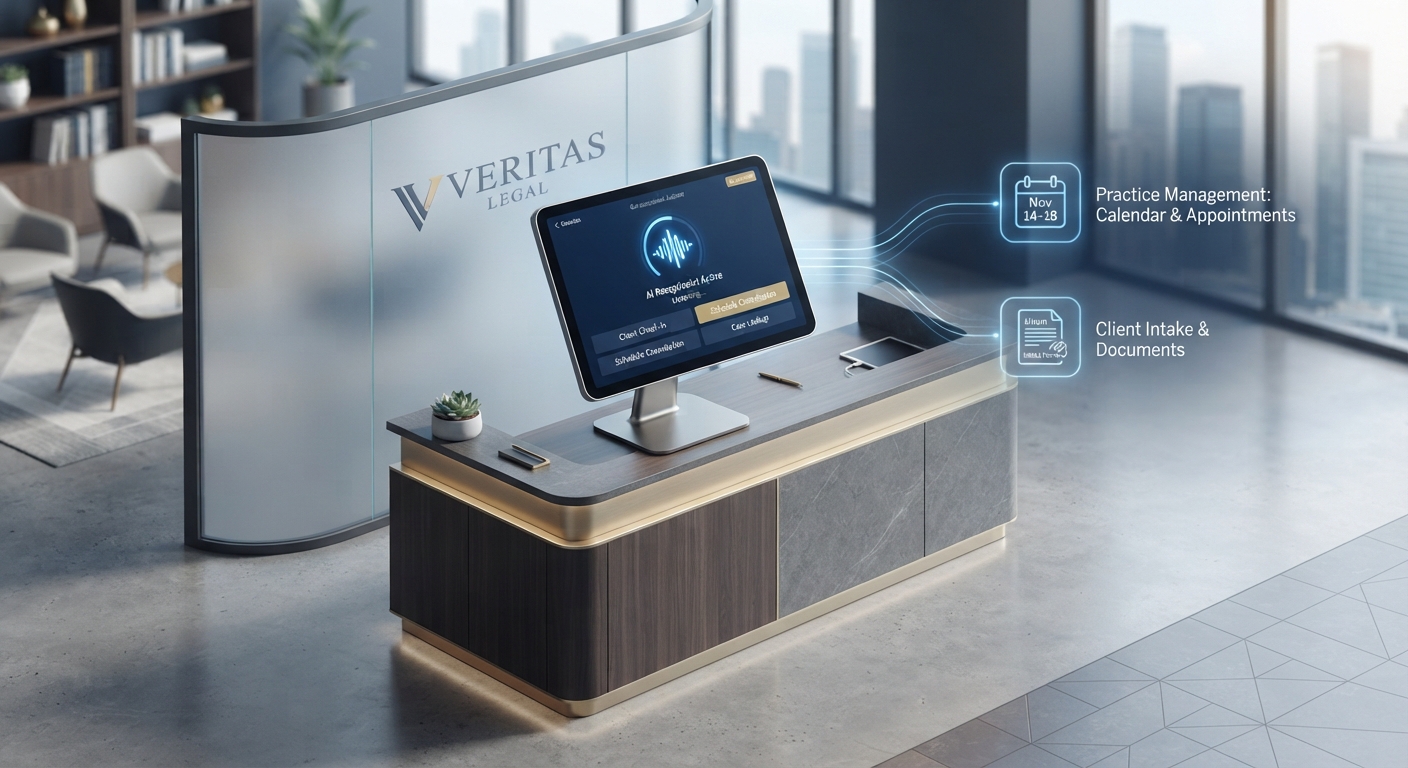
- Workflow that actually works: You can hook these tools into stuff like Clio for legal or ServiceTitan for your hvac biz. The ai doesn't just talk; it puts the data exactly where it needs to go so you don't have to manually type it in later.
- Compliance is baked in: For dental or medical offices, you usually pay a premium for "secure" services. But hipaa compliant voice ai is becoming the standard, meaning you get privacy without the "healthcare tax" added on by traditional answering services.

A 2024 report by Juniper Research suggests that businesses can save billions of hours by using conversational ai for customer interactions. Even if you're just a solo plumber, saving five hours a week of phone tag is huge.
Honestly, the biggest "overhead" with ai is just the ten minutes it takes to tell the system how you want it to greet people. After that, it just runs.
Virtual receptionist vs AI receptionist comparison
Look, I’ve seen plenty of biz owners get stuck in the "answering service" trap. They think they're saving money by hiring a virtual receptionist from some massive call center, but usually, they’re just paying someone to be a middleman who doesn't actually know their business.
Traditional virtual receptionists—the human ones—are honestly struggling to keep up. The biggest issue is the lag time. When a call hits a service, it might bounce around for 30 seconds before a human picks up. In that time, a modern customer has already hung up and clicked the next Google result.
- The "Per Minute" Drain: Most services in 2024 still charge by the minute. If a telemarketer keeps them on the line for five minutes, you're paying for it. ai subscriptions are usually flat-rate, so a chatty caller doesn't hurt your wallet.
- Quality Control Nightmares: We’ve all heard it—the background noise of a busy overseas office or a rep who can't pronounce your street name. It makes your local salon or law firm look unprofessional.
- Data Silos: Humans have to manually type notes into your crm. ai does it instantly via api, so there's no "oops, I forgot to write down the phone number" moments.

According to a 2024 report by Aragon Research, intelligent agents are rapidly replacing basic outsourced tasks because they handle complex workflows—like rescheduling a dental cleaning—without needing a supervisor.
Honestly, the "human touch" argument is dying out. People don't want a long conversation; they want their appointment booked so they can get on with their day.
Industry specific ROI: Law firms, Salons, and Dental clinics
Ever wonder why some dental clinics are always booked solid while others struggle to keep the chairs full? It usually comes down to who answers the phone when a tooth starts aching at 2 AM.
In a salon, your stylists are busy with shears and color. They can't just drop a client's hair to answer a booking question. This is where appointment no-show reduction strategies come in. By using ai to send automated sms reminders, you aren't just naggin' people—you're actually protecting your time.
For dental offices, things get more intense with emergencies. You can set up your ai phone system to recognize keywords like "broken tooth" or "severe pain" and route those calls directly to an on-call doctor. It’s better than a generic voicemail that says "we'll call you Monday."
Law firms have it even tougher. If a lawyer is in court, they can't take a new intake call. A 2024 report by Clio (a leading legal software provider) found that responsiveness is one of the top factors clients use to pick a firm. An ai agent can handle the initial intake questions immediately so the lead doesn't go to a competitor.

If you're in home services, like hvac or plumbing, being the "first to answer" is everything. Most people just call the first three names on Google. If you don't pick up, you've basically just handed your marketing budget to the guy down the street.
A study by InsideSales shows that if you follow up with a lead within 5 minutes, you're 9 times more likely to convert them. ai doesn't wait 5 minutes; it's instant.
When you look at the voicemail drop-off rate, the stats are pretty depressing—most people just hang up. By calculating your ai phone system ROI against the lifetime value of a single new dental patient or a long-term legal client, the subscription pays for itself in about two days. Honestly, the overhead is nothing compared to the cost of a silent phone.
Summary: Calculating your AI ROI
To wrap this up, you can figure out your own ROI with a simple formula: [(Value of a Lead x Missed Call Rate) - Monthly AI Cost] = Your Monthly Profit Leak.
If your average job is worth $500 and you miss 5 calls a week, that’s $10,000 in potential revenue walking out the door every month. Switching to an ai receptionist isn't just about saving on a salary; it's about making sure you actually catch the money you're already spending to make the phone ring. Stop letting your marketing budget bleed out and start answering every single call.