Best AI Receptionists for Dental Practices

TL;DR
- Compare the best AI receptionists for dental practices in 2026 on HIPAA and BAA support, scheduling, insurance questions, and after-hours emergency routing.
Roughly 32 percent of business calls now arrive outside standard 9-to-5 weekday hours and 23 percent land on weekends, according to the Voksha After-Hours Economy Report, 2026, and for a dental office those evening and weekend calls are often the abscess, the cracked molar, and the knocked-out tooth that a patient will book with whoever answers first. The best AI receptionist for a dental practice answers every one of those calls 24/7, books and reschedules routine visits into your calendar, answers common insurance-eligibility questions from a script you control, and routes a genuine dental emergency to your on-call dentist. This guide ranks six options on the criteria that actually matter for a dental front desk: HIPAA and BAA support, appointment scheduling, insurance-question handling, dental software fit, after-hours emergency routing, and pricing transparency.
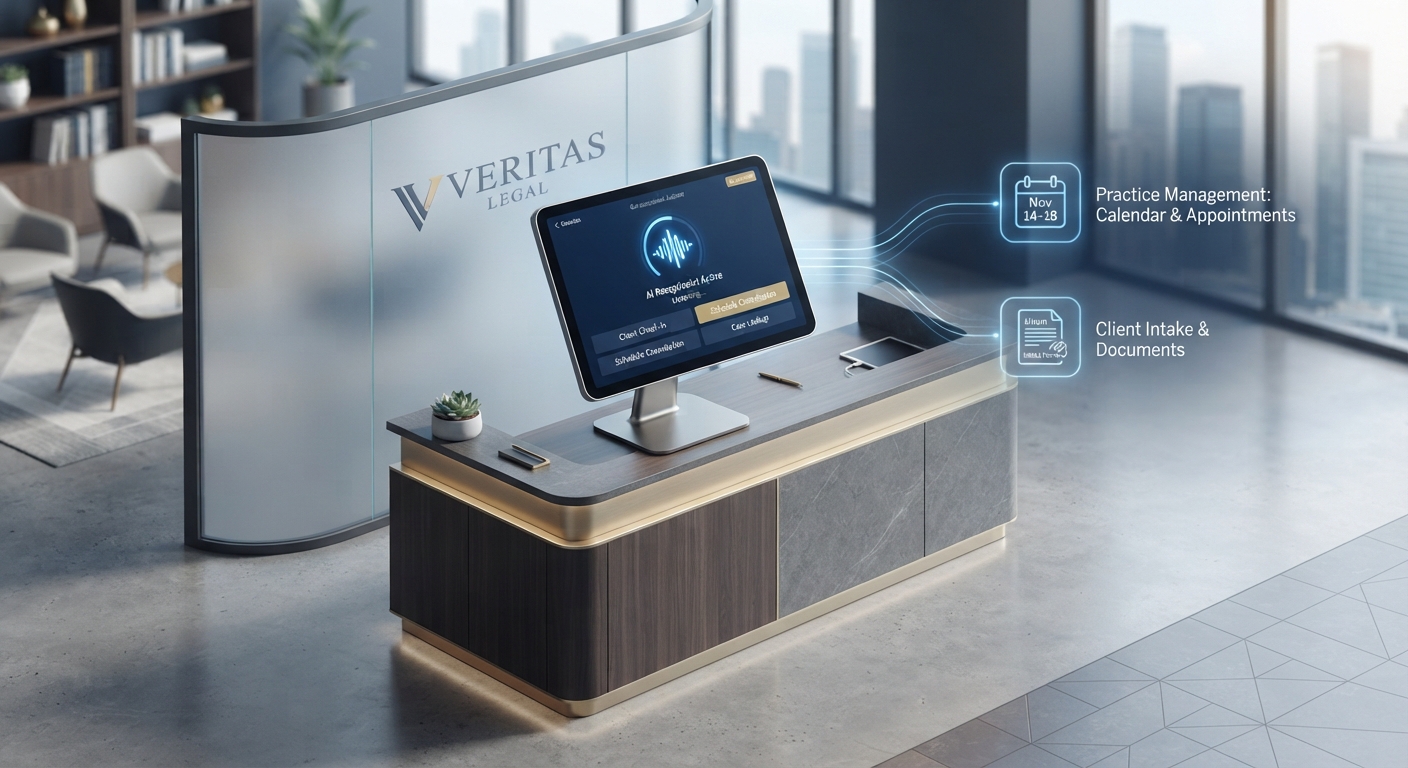
AI receptionist for dental practices: an AI voice agent that answers a dental office's inbound calls around the clock, books and reschedules appointments into a connected calendar, answers routine questions about hours, services, and accepted insurance from a configured knowledge base, and routes urgent dental emergencies to the on-call clinician, without a staff member picking up the phone.
| Tool | Type | Best For | Starting Price | HIPAA / BAA |
|---|---|---|---|---|
| Voksha | AI voice agent | AI-native dental front-desk automation | $14/mo | SOC 2 Type II; confirm BAA with sales |
| Ruby | Human receptionists | Practices that require a signed BAA today | ~$235/mo | Yes, signs BAA |
| Abby Connect | Human + AI | A dedicated dental receptionist team | $99/mo (AI), $329/mo (live) | Yes, dental-trained, HIPAA |
| Smith.ai | Human + AI | Front desks that also want lead capture | ~$97.50/mo (AI) | No standard BAA for AI; verify |
| Goodcall | AI voice agent | A single small practice on a budget | $79/mo | Confirm with vendor |
| PATLive | Human answering | Budget live answering with a human voice | ~$205/mo | No, not HIPAA-certified |
About This Article
- Researched and written: July 2026. Last fact-checked: 2026-07-10.
- Author hands-on experience with these tools: documentation-based. We reviewed public vendor pricing pages, product docs, and healthcare materials on 2026-07-10 rather than running undercover test calls into every vendor.
- AI assistance: used for drafting, reviewed and edited by the Voksha Content Team.
- Conflicts of interest: Voksha publishes this article and is included in the list below at position 1. Rankings are based on the stated criteria, not on who publishes.
- Sponsorship: none. All pricing and compliance claims were verified against vendor materials on 2026-07-10.
Key Takeaways
- Dental practices should confirm a signed Business Associate Agreement (BAA) before any receptionist handles protected health information; among the tools here, Ruby and Abby Connect explicitly sign BAAs, PATLive states it is not HIPAA-certified, and the AI-native tools should be confirmed vendor by vendor (vendor pricing and compliance pages, verified 2026-07-10).
- The average small business loses about $126,000 a year to missed calls, and roughly 85 percent of callers who reach voicemail hang up without leaving a message (figures compiled in Voksha's cost-of-missed-calls analysis, 2026).
- Direct two-way sync with dental practice management software like Dentrix, Open Dental, and Eaglesoft is still rare across general AI receptionists; most, including Voksha, book into a connected calendar such as Google Calendar or Outlook that your front desk mirrors into the PMS.
- AI-native voice agents bill a flat monthly rate - Voksha from $14 and Goodcall from $79, while human and hybrid services (Ruby, Abby Connect, Smith.ai, PATLive) bill per minute or per call and typically start between $97.50 and $329 a month (vendor pricing pages, verified 2026-07-10).
- Voksha answers in under 200 milliseconds at 99.9 percent uptime and has handled more than 10,000 calls, and it forwards from your existing office number with no number change required (Voksha first-party product data, verified 2026-07-10).
How Did We Evaluate These AI Receptionists for Dental Practices?
We ranked each tool against six criteria that decide whether a receptionist actually fits a dental front desk, then weighted the two that carry legal and revenue risk most heavily: HIPAA and BAA support and after-hours emergency routing.
- HIPAA and BAA support (weighted highest). A dental practice handles protected health information on nearly every call, so any vendor that touches patient details needs to sign a Business Associate Agreement. We checked each vendor's public compliance statements and flagged where a BAA is standard, optional, or absent.
- Appointment scheduling and rescheduling. Whether the tool books and reschedules in real time during the call, or only takes a request and relays it to staff.
- Insurance-question handling. Whether the receptionist can answer routine "do you take my plan" and "what are your hours" questions from a configured script, versus taking a message.
- Dental software fit. Direct or indirect connection to the calendar and practice management stack a dental office runs, including Dentrix, Open Dental, and Eaglesoft.
- After-hours emergency routing. Whether the receptionist can triage a real dental emergency and escalate to an on-call clinician instead of leaving a voicemail.
- Pricing transparency. Whether pricing is published plainly or hidden behind a custom quote.
Who evaluated and when: the Voksha Content Team, on 2026-07-10, using public vendor pricing pages, product documentation, and healthcare or dental materials. We did not run undercover test calls into every vendor, so competitor entries are framed on published facts, not hands-on measurement. Where we cite Voksha's own metrics (response time, uptime, call volume), those are first-party figures. Because Voksha publishes this list, we held its placement to the same criteria and defend its position below rather than assuming it.
We considered but did not include:
- My AI Front Desk: capable general AI receptionist, but it does not publish dental-specific HIPAA or BAA materials, so we could not verify healthcare fit for this vertical.
- Dialzara: solid AI answering for small business, but thin public documentation on dental practice management integrations and healthcare compliance as of 2026-07-10.
- Nexa: strong human answering service, but its published focus skews to legal, home services, and IT rather than dental front-desk workflows.
- Rosie and Synthflow: promising AI voice builders, but they read as horizontal platforms you configure yourself rather than turnkey dental receptionists, which raises the compliance burden on the practice.
Which Are the Best AI Receptionists for Dental Practices in 2026?
Here are the six tools, ranked on the criteria above. Voksha leads specifically as the best AI-native pick for dental front-desk automation, not as a blanket "best at everything," and we call out where a human-staffed service is the safer choice.
1. Voksha
Voksha is the strongest AI-native option for a dental office that wants every call answered, booked, and triaged automatically, with published pricing and fast, human-sounding conversation.
Best for: Practices that want 24/7 AI answering, real-time booking, and transparent pricing. Starting price: $14 per month for Starter, $99 per month for Premium, custom Enterprise (Voksha pricing, verified 2026-09-02). Key differentiator: Answers in under 200 milliseconds and books into your existing calendar without changing your office phone number.
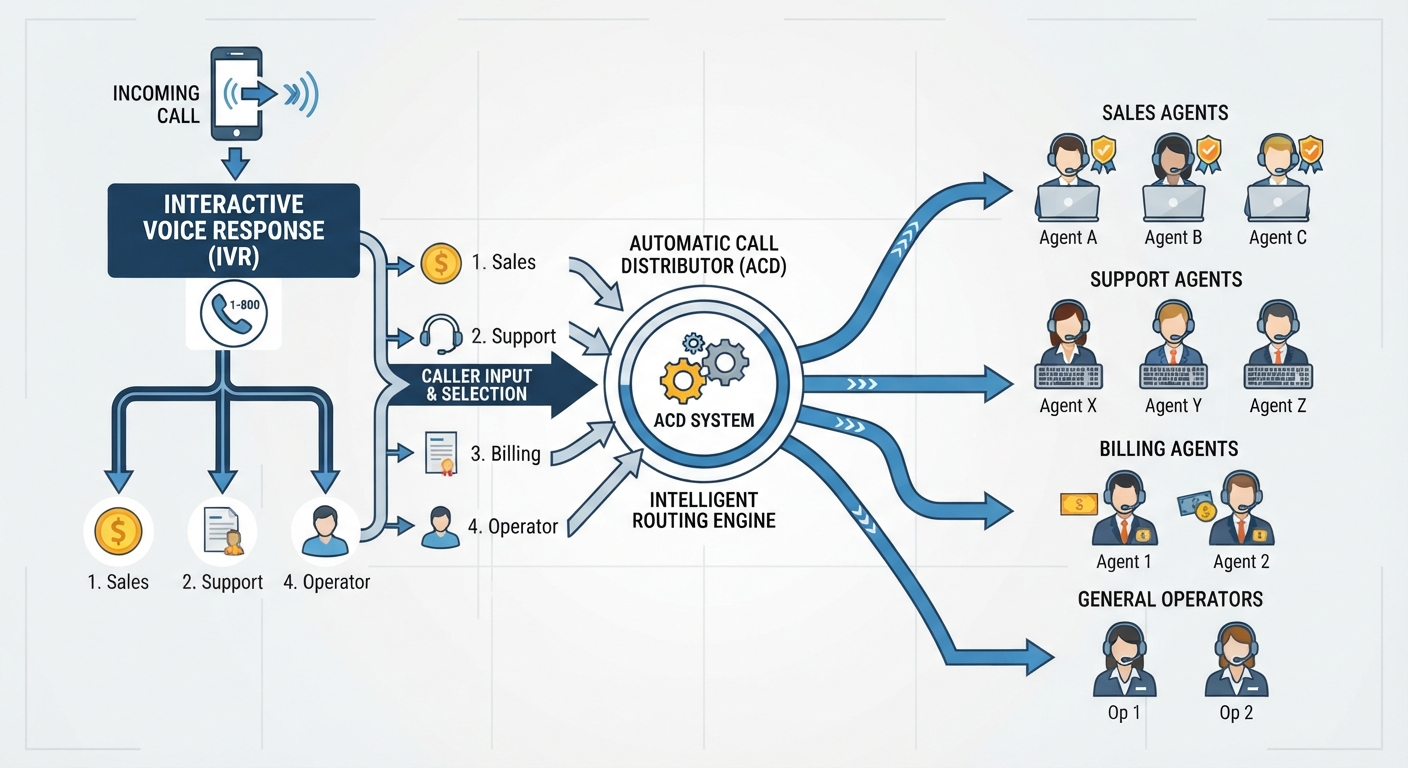
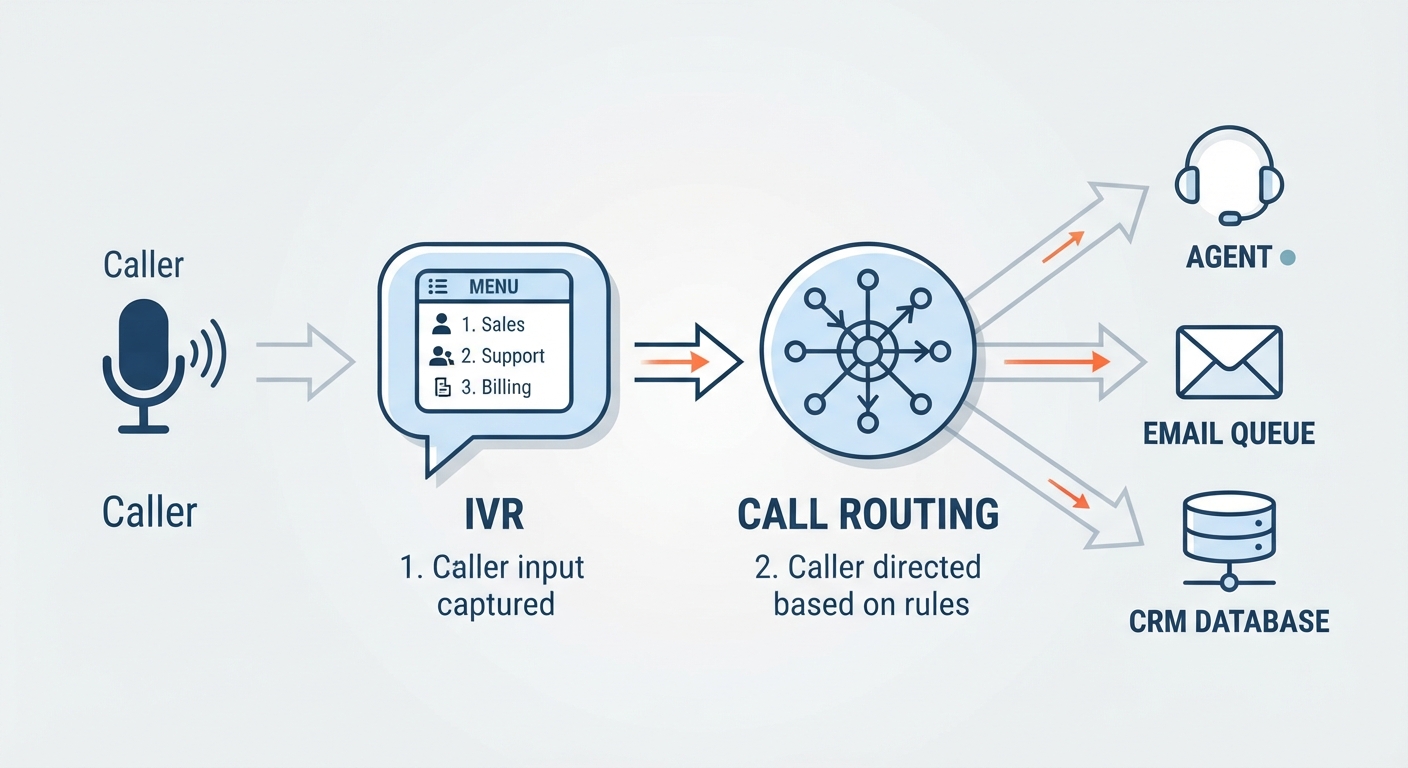
Voksha answers on the first ring 24 hours a day at 99.9 percent uptime, has handled more than 10,000 calls, and carries a 4.9 out of 5 average from 89 reviews (Voksha first-party data, verified 2026-07-10). For a dental front desk it books and reschedules through appointment booking that syncs with Google Calendar, Outlook, and Calendly, answers routine insurance and hours questions from a script you configure, and escalates a real emergency to your on-call dentist through after-hours answering. The dental-specific setup forwards from your current number, so nothing changes on your signage or Google listing. The honest limitation: Voksha carries SOC 2 Type II security and documents its security and privacy protections, but if your practice requires a signed BAA before any PHI is handled, confirm BAA availability with Voksha sales first, and note that Voksha books into a connected calendar rather than syncing natively with Dentrix or Eaglesoft today.
2. Ruby
Ruby is the safest pick for a practice that will not accept anything less than a signed BAA and a human voice on every call.
Best for: Practices that need HIPAA compliance and a live receptionist, not automation. Starting price: Around $235 per month for the entry plan, rising to roughly $1,695 per month for 500 minutes (Ruby plans and pricing, verified 2026-07-10). Key differentiator: US-based human receptionists working from a HIPAA-compliant facility, with a BAA provided to healthcare clients at no extra charge.
Three things stood out about Ruby for dental use:
- It signs a BAA as standard for medical and dental clients and answers from a secure, HIPAA-compliant facility, which removes the compliance guesswork that surrounds AI-only tools.
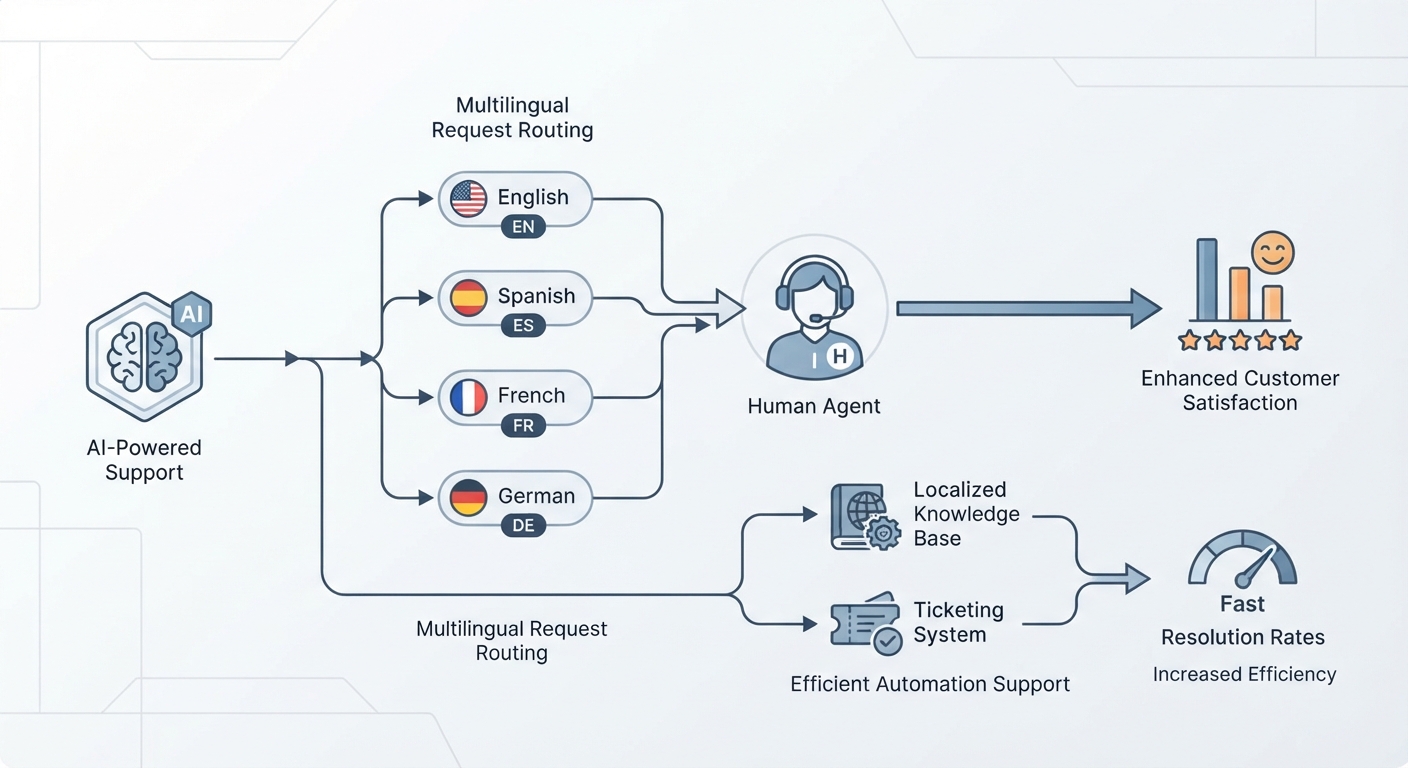
- It answers 24/7, schedules appointments, handles bilingual calls, and can run patient intake, so a small practice can outsource the whole front desk.
- Its per-minute model is the tradeoff: overage runs roughly $4.35 to $5.40 per minute beyond your plan, so a busy week of long insurance calls gets expensive fast.
Ruby is a human service, not an AI voice agent, so it does not scale to unlimited simultaneous calls the way software does, and it is the priciest starting point on this list. If you want the AI-versus-human tradeoff laid out in detail, see the Voksha versus Ruby comparison.
3. Abby Connect
Abby Connect fits a dental practice that wants a small, dedicated team of receptionists who learn the office and can lean on AI overflow when call volume spikes.
Best for: Practices that want a consistent, dental-trained receptionist team plus optional AI. Starting price: $99 per month for the AI receptionist (50 minutes) up to $690 per month for 500 minutes, and $329 per month for the live receptionist team (100 minutes), with additional minutes around $2.99 each (Abby Connect pricing, verified 2026-07-10). Key differentiator: A dedicated receptionist team trained in dental terminology and HIPAA-compliant handling of patient information.
Abby's dental materials describe US-based receptionists trained in dental terminology, patient etiquette, and HIPAA-compliant handling of sensitive information, which is a real advantage over generic call centers. It offers both a live team and an AI tier, so you can start human and add automation. The honest limitation: minute-based billing with $2.99 overage minutes means cost climbs with volume, and you should confirm the specific BAA terms with Abby's sales team before handling PHI, since published materials describe HIPAA-compliant handling more clearly than the BAA paperwork itself.
4. Smith.ai
Smith.ai suits a growth-focused dental group that treats the phone as a lead channel and wants follow-up, not just answering.
Best for: Practices that also want new-patient lead capture and outreach.
When to choose it: You want one vendor to answer calls, qualify new-patient inquiries, book on Calendly or Acuity, and push details into your CRM through Smith.ai's 9,000-plus app integrations. Its AI Receptionist starts around $97.50 per month for 30 calls, and the human virtual receptionist starts near $292.50 per month for 30 calls (Smith.ai pricing, verified 2026-07-10).
When to avoid it: You need a signed BAA before any PHI is handled. Smith.ai does not offer HIPAA-compliant PHI handling or a standard BAA on its AI receptionist, so a dental practice that must protect patient health information should confirm options directly or rule it out for PHI. Per-call overage of $9.75 also means a busy phone month can outrun the plan quickly. The AI-versus-Smith.ai tradeoff is broken down in the Voksha versus Smith.ai comparison.
5. Goodcall
Goodcall is a low-cost AI answering agent that a single small practice can stand up quickly to stop missing daytime overflow and after-hours calls.
Best for: A solo or small dental office that wants inexpensive AI call answering. Starting price: $79 per month per agent, with unlimited minutes and overage at $0.50 per additional unique customer (Goodcall pricing, verified 2026-07-10). Key differentiator: Flat, unlimited-minute AI pricing that stays predictable as call volume grows.
Goodcall answers calls, shares hours and directions, and can be configured to book appointments and field routine questions, which covers the basics a small practice needs. Its unlimited-minute model is genuinely simpler than the per-minute human services. The honest limitation: Goodcall is a general-purpose small-business phone agent rather than a healthcare-first product, and it does not publish standard dental HIPAA or BAA terms, so confirm compliance and any added healthcare fee directly with the vendor before it handles patient details.
6. PATLive
PATLive is a long-running human answering service that gives a small practice a warm, US-based voice without a big commitment.
Best for: Budget-conscious practices that value a human answer over automation and compliance depth.
When to choose it: You want an affordable, contract-free human answering service starting around $205 per month, with scripts for medical and dental intake and a free trial to test it (PATLive pricing, verified 2026-07-10). Its receptionists can take appointment requests, note reschedules, and relay messages to your staff.
When to avoid it: You handle PHI and need compliance. PATLive states it is not HIPAA-certified and does not offer a BAA, which rules it out for protected health information at a dental practice. Its agents also relay appointment requests to staff rather than booking in real time during the call, so patients do not always hang up with a confirmed slot. If real-time booking matters more than a human voice, the Voksha versus PATLive comparison shows the difference.
How Do You Choose the Right AI Receptionist for Your Dental Practice?
Start with the one question that carries legal weight: does the receptionist need to handle protected health information? If yes, your shortlist narrows immediately to vendors that will sign a BAA. Ruby and Abby Connect sign BAAs today, PATLive does not, and the AI-native tools should be confirmed one by one, because a receptionist that discusses a patient's treatment or benefits is touching PHI whether it is a human or a voice agent.
If you want to automate the front desk and keep costs flat, an AI-native agent is the better structural fit. AI voice tools bill a predictable monthly rate and answer unlimited simultaneous calls, so a Monday-morning rush never lands in voicemail. That matters when about 85 percent of callers who reach voicemail hang up without leaving a message (Voksha cost-of-missed-calls analysis, 2026). If you would rather keep a human on every call and accept per-minute pricing, Ruby or Abby Connect give you trained people and a signed BAA.
Then weigh three practical factors. First, scheduling: confirm the tool books and reschedules in the calendar your practice already runs, since most general receptionists sync to Google Calendar or Outlook rather than writing directly into Dentrix or Open Dental. Second, emergency routing: make sure a genuine dental emergency reaches your on-call dentist instead of a next-morning message, which is exactly what after-hours answering and smart lead qualification are for. Third, insurance questions: decide whether you want the receptionist answering "do you take my plan" from a script you control, or simply routing those callers to staff. Practices in adjacent verticals can compare notes in our guides to the best AI receptionists for medical clinics and the best AI receptionists for veterinary clinics, since the compliance and scheduling patterns overlap.
Frequently Asked Questions
Do AI receptionists for dental practices need to be HIPAA compliant?
Yes, if the receptionist handles protected health information such as a patient's name tied to treatment, benefits, or appointment details, it falls under HIPAA and the vendor should sign a Business Associate Agreement. Among the tools here, Ruby and Abby Connect sign BAAs, while PATLive states it is not HIPAA-certified. For AI-native tools like Voksha and Goodcall, confirm BAA availability with the vendor before the agent handles any PHI.
Can an AI receptionist book dental appointments directly into my calendar?
Yes. AI receptionists like Voksha book and reschedule in real time during the call into connected calendars such as Google Calendar, Outlook, and Calendly. Direct two-way sync with dental practice management software like Dentrix, Open Dental, or Eaglesoft is still uncommon, so most practices have the AI book into a calendar that the front desk mirrors into the PMS. Confirm the exact integration path with each vendor.
How do AI receptionists handle dental insurance questions?
An AI receptionist answers routine insurance questions, such as which plans you accept and your office hours, from a knowledge base you configure, then routes anything involving a specific patient's benefits to your staff. This keeps common "do you take my plan" calls off your front desk without the agent quoting sensitive coverage details it should not confirm. Human services like Ruby and Abby Connect instead relay these questions to trained receptionists.
What does an AI receptionist cost for a dental office?
AI-native voice agents are the most affordable, with Goodcall at $79 per month and Voksha at $14 to $99 per month for flat, published pricing. Human and hybrid services bill per minute or per call and typically start higher: Smith.ai's AI receptionist near $97.50 per month, Abby Connect at $99 to $329 per month, PATLive around $205 per month, and Ruby around $235 per month (vendor pricing pages, verified 2026-07-10).
Can an AI receptionist route after-hours dental emergencies to the on-call dentist?
Yes. A capable AI receptionist runs a triage script to separate a true emergency, such as severe swelling, uncontrolled bleeding, or a knocked-out tooth, from a routine issue that can wait until morning. Genuine emergencies get connected or texted to your on-call dentist with the caller's details, while routine requests are booked for the next available slot. This is where 24/7 AI coverage earns its keep, since a large share of dental calls arrive on nights and weekends.
Final Thoughts
For a dental practice, the right AI receptionist depends on one fork in the road: automate the front desk with a fast, flat-priced AI voice agent, or keep human receptionists with a signed BAA and per-minute billing. Voksha is the strongest AI-native pick for practices that want every call answered, booked, and triaged 24/7 without changing their number, while Ruby and Abby Connect remain the safe choices when a signed BAA is non-negotiable today. Whichever you pick, verify HIPAA and BAA terms before any patient information changes hands. Ready to try? Sign up for Voksha.