Best AI Receptionist for Veterinary Clinics

TL;DR
- The best AI receptionists for veterinary clinics in 2026, ranked on after-hours triage, appointment scheduling, PMS fit, pricing transparency, and setup.
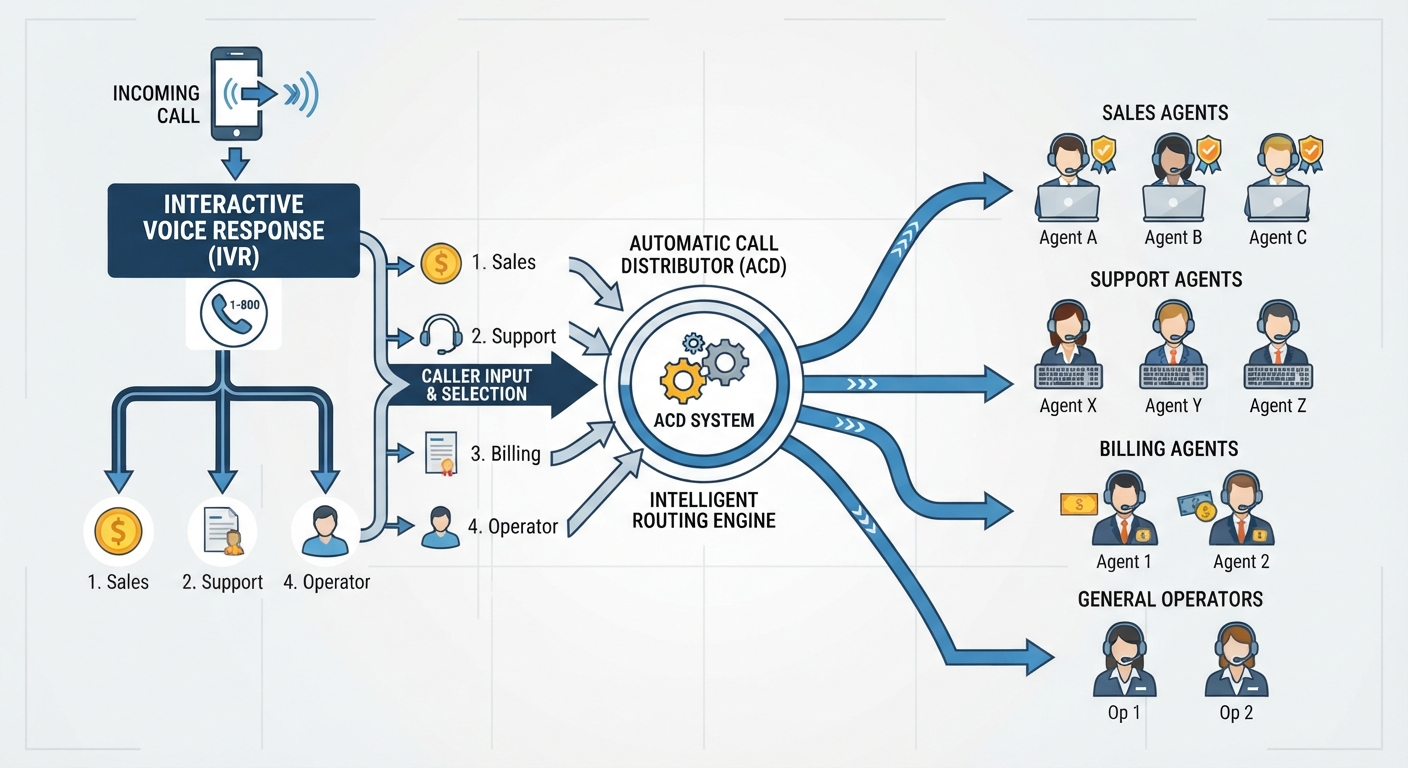
According to the Voksha After-Hours Economy Report, 2026, 32% of business calls arrive outside standard 9-to-5 weekday hours and 23% land on weekends, and for a veterinary clinic those off-hours calls are rarely routine. They are the limping dog at 9 p.m., the cat that stopped eating over the weekend, and the panicked owner who needs to know whether "straining in the litter box" can wait until Monday. An AI receptionist answers every one of those calls on the first ring, runs a structured triage script, routes genuine emergencies to your on-call vet or the nearest emergency hospital, and books the routine visits straight into your schedule.
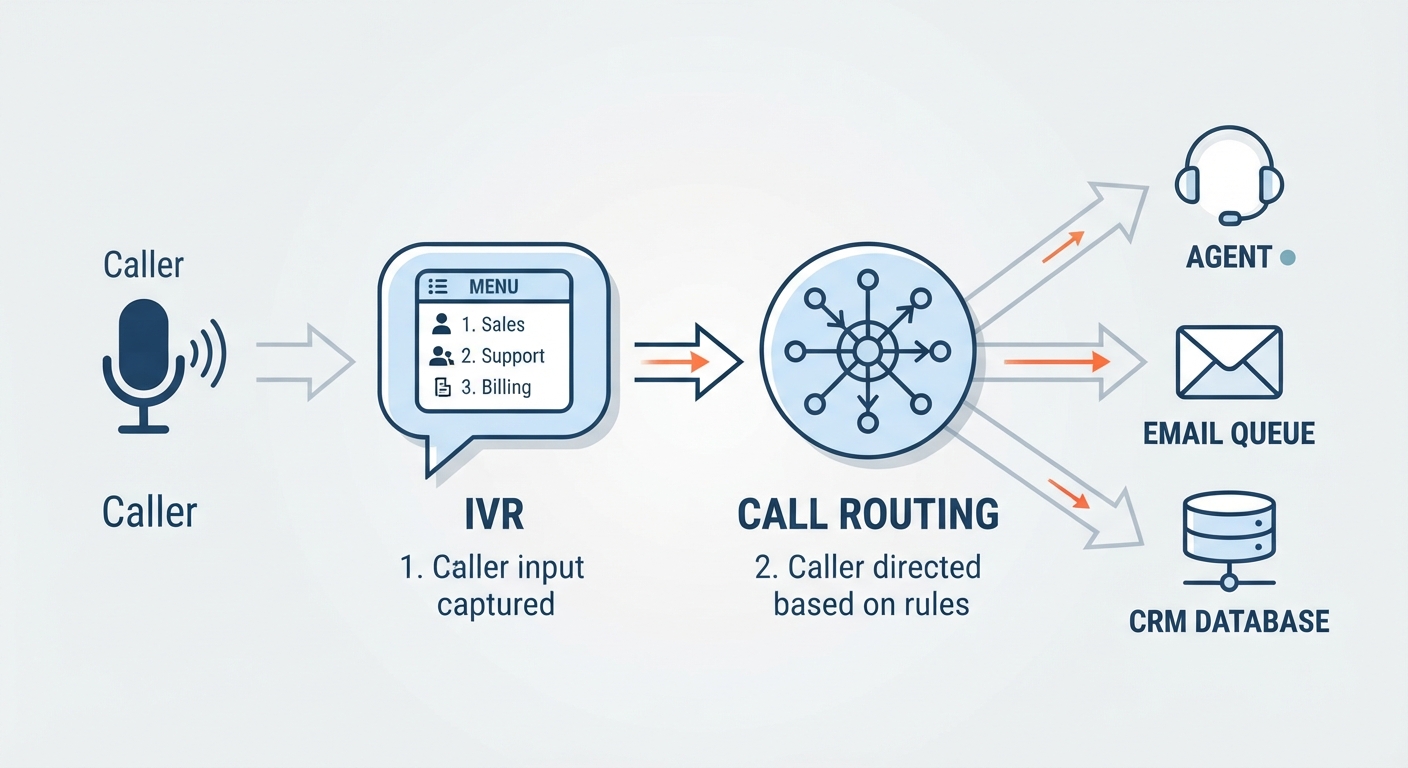
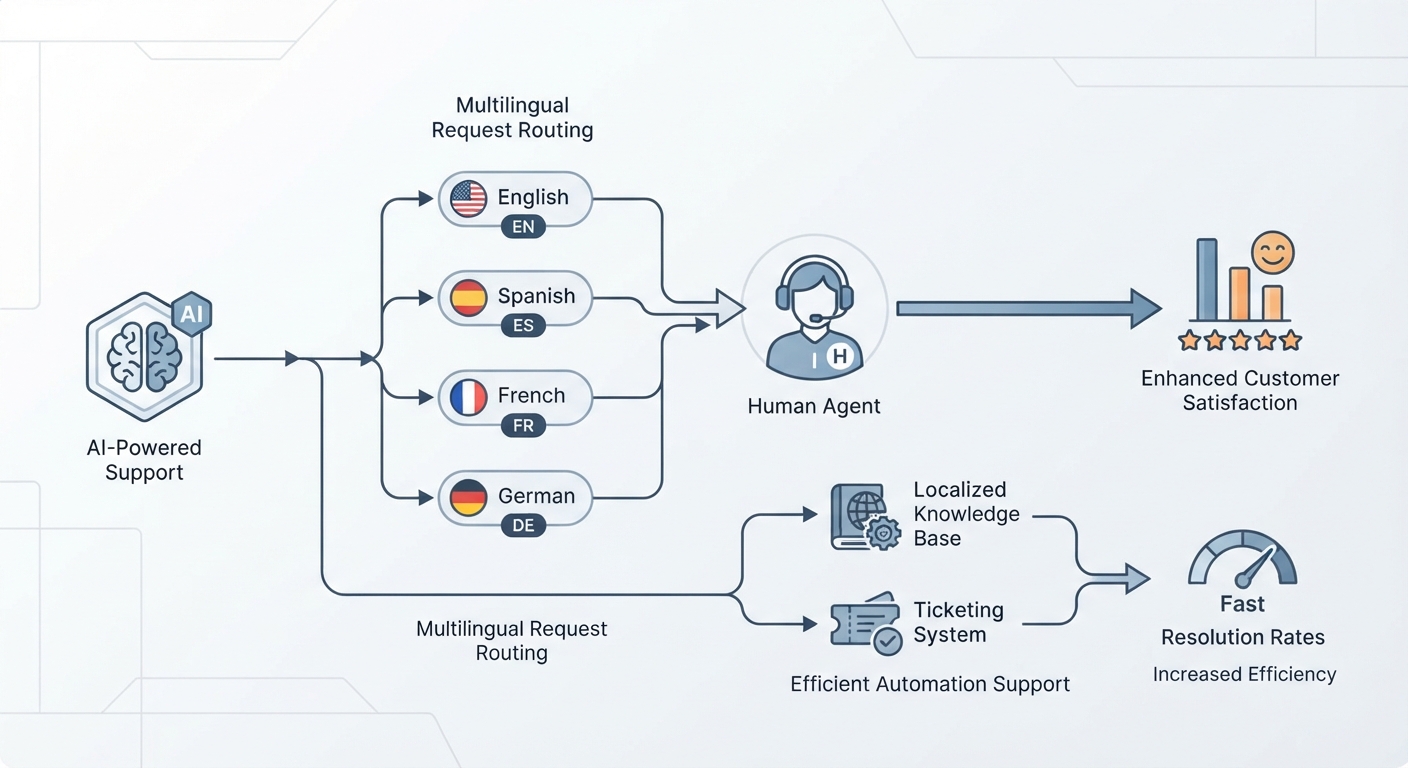
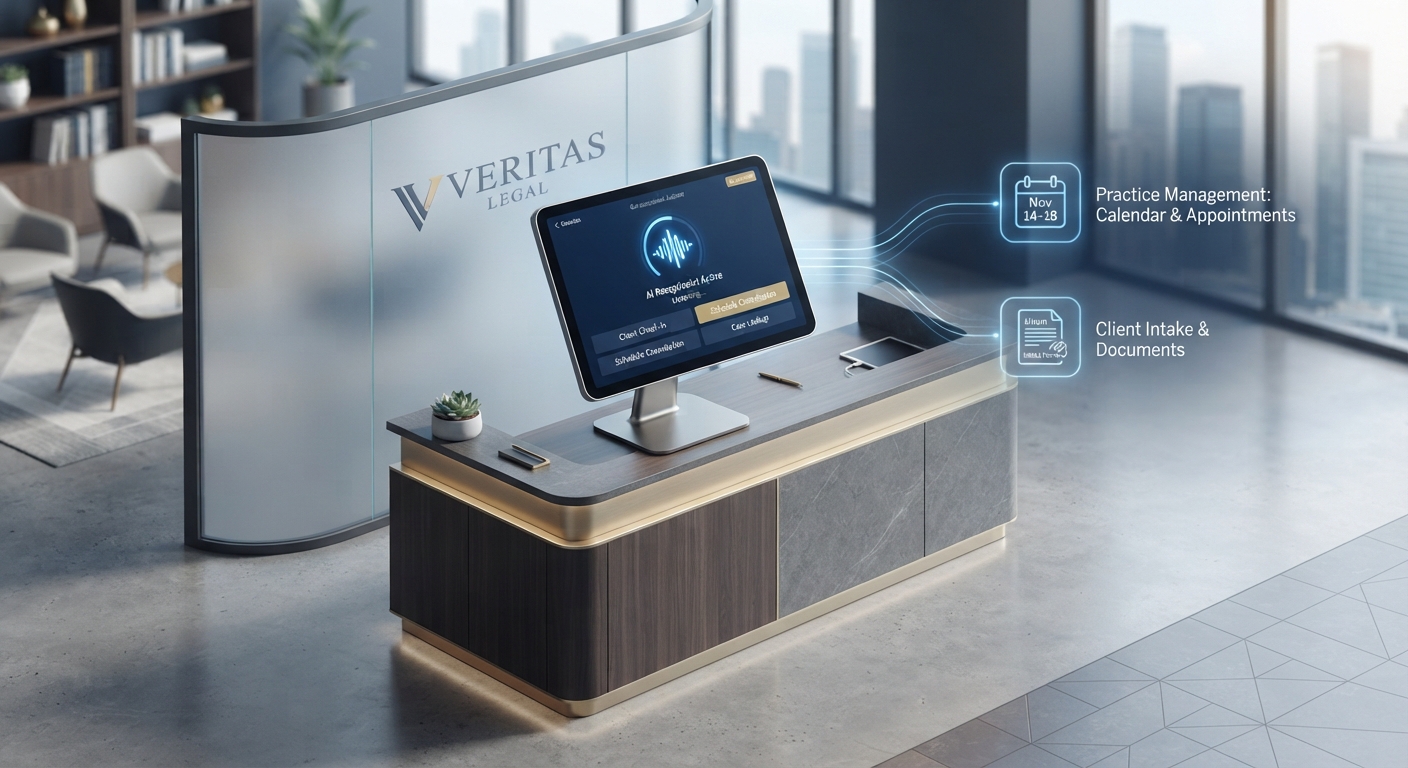
AI receptionist for veterinary clinics: an AI voice agent that answers a practice's inbound phone calls around the clock, asks the triage questions a trained veterinary technician or CSR would ask, directs true emergencies to an on-call clinician or emergency hospital, books routine and wellness appointments into the practice calendar, and logs every call with a transcript, all without a person picking up the phone.
Here is how the tools in this guide compare at a glance. Prices are starting monthly figures verified on 2026-07-10; confirm current tiers with each vendor.
Tool | Type | Best For | Starting Price | Standout |
|---|---|---|---|---|
Voksha | AI voice agent | Best AI-native pick | $14/mo | Transparent pricing, 24/7 triage and booking, fast setup |
Smith.ai | AI + live human | Nuanced client calls | $97.50/mo (AI) | Human agents back up the AI on complex cases |
Goodcall | AI voice agent | Flat-rate AI alternative | $79/mo | Unlimited minutes, configurable skill flows |
Ruby | Live human | All-human warmth | $235/mo | Trained receptionists, no automation feel |
PATLive | Live human | Established live answering | $235/mo | 24/7 US agents with vet experience |
Dialzara | AI voice agent | Budget AI for low volume | $29/mo | Lowest entry price, per-minute transparency |
About This Article
Researched and written: July 2026. Last fact-checked: 2026-07-10.
Evaluation basis: public vendor pricing pages, product documentation, and vendor materials reviewed on 2026-07-10. This is a documentation-based review, not hands-on testing of every competitor.
Conflicts of interest: Voksha publishes this article and is included in the list below. Rankings are based on the stated criteria, not on who publishes.
AI assistance: used for drafting, reviewed and edited by the Voksha Content Team.
Sponsorship: none. No vendor paid for placement.
Key Takeaways
32% of business calls arrive outside 9-to-5 weekday hours and 23% land on weekends, so a clinic phone without after-hours coverage misses roughly a quarter of its demand (Voksha After-Hours Economy Report, 2026).
Emergency calls do not wait for opening hours: 32% of calls arrive outside 9-to-5 and 23% at weekends, per the Voksha After-Hours Economy Report.
Voksha ranks first as the best AI-native pick on transparent pricing, 24/7 triage and booking, and fast setup, starting at $14 per month (Voksha pricing, verified 2026-09-02).
Human and hybrid services like Ruby, PATLive, and Smith.ai start around $235, $235, and $292.50 per month respectively for live coverage, a meaningful step up in cost from AI-native plans (vendor pricing pages, verified 2026-07-10).
None of the general-purpose tools reviewed advertise native connectors for veterinary practice management systems such as Cornerstone, Covetrus Pulse, or Shepherd, so clinics needing deep PMS sync should confirm the integration path with each vendor.
Dialzara offers the lowest entry price at $29 per month, while Goodcall's $79 flat plan includes unlimited call minutes (vendor pricing pages, verified 2026-07-10).
How Did We Evaluate These AI Receptionists for Veterinary Clinics?
The Voksha Content Team assembled this ranking on 2026-07-10 from public pricing pages, product documentation, and vendor feature materials. We did not run hands-on trials of every competitor, so we do not claim measured performance figures for tools other than Voksha's own product. Where a vendor does not publish a specific number, we say so and flag it for you to confirm.
We scored each tool against six criteria that matter most to a working animal practice:
After-hours pet-emergency triage and routing. Can it answer nights and weekends, tell a true emergency from a next-day concern, and route urgent cases to an on-call vet or emergency hospital rather than just taking a message?
Appointment scheduling. Does it book wellness visits, sick visits, and recheck slots directly into a calendar, or only relay a request for staff to enter later?
Veterinary PMS integration. Does it connect to practice management software such as Cornerstone, Covetrus Pulse, ezyVet, or Shepherd, natively or through an API or Zapier bridge?
Client communication and reminders. Does it capture caller and pet details, send confirmations or SMS follow-ups, and log a transcript so nothing depends on a scribbled note?
Pricing transparency. Is the published price easy to model for a clinic's call volume, or does the real bill depend on per-minute or per-call meters that are hard to predict?
Ease of setup. Can a practice go live on its existing number without an IT project or a hardware install?
Why these and not others. We limited the list to established platforms with public pricing and a track record of handling live business calls. We excluded My AI Front Desk despite its veterinary-specific marketing page because its published pricing and vet-PMS depth were harder to verify at review time. We left out Rosie and Synthflow because both are earlier-stage AI voice products with thinner public documentation for a clinical front desk, and we set aside Abby Connect and Nexa because their strongest fit is legal and professional-services intake rather than veterinary triage. Purpose-built veterinary answering tools exist and may suit clinics that want deep PMS-native sync above all else; this guide focuses on the broader receptionist platforms most practices actually shortlist.
What Are the Best AI Receptionists for Veterinary Clinics in 2026?
The six tools below are ranked on the six criteria above, weighted toward after-hours triage, appointment scheduling, and pricing transparency because those are where veterinary clinics lose or capture the most revenue.
1. Voksha
Voksha is the best AI-native pick for a veterinary clinic that wants 24/7 answering, real appointment booking, and a price it can predict from day one.
Best for: Clinics that want an AI voice agent handling after-hours and overflow calls with transparent, flat pricing.
Starting price: $14 per month (Pro), $99 per month (Premium), custom Enterprise (Voksha pricing, verified 2026-09-02).
Key differentiator: Human-sounding voice with under 200 millisecond response and 99.9% uptime across more than 10,000 calls answered, deployed on your existing number with no number change.
Voksha answers every call on the first ring, runs the qualifying questions that separate a true emergency from a next-morning appointment, and books routine visits through appointment booking that syncs with the calendar and CRM tools a clinic already runs, including Google Calendar, Outlook, Calendly, HubSpot, and Salesforce. After-hours coverage is its strongest use case, and its after-hours answering and lead qualification features are built for exactly the night-and-weekend spike veterinary lines see. The honest limitation for a clinic: Voksha does not advertise a native connector for veterinary-specific practice management systems like Cornerstone or Covetrus Pulse, so if you need bookings written straight into your PMS you should confirm the API or automation path first. See the veterinary AI receptionist overview for the vertical setup.
2. Smith.ai
Smith.ai is the strongest choice when a clinic wants an AI agent that can hand off to a trained human on the emotionally charged calls that pet owners often make.
When to choose Smith.ai:
You want a live North American agent to take over when a caller is distressed or the situation is genuinely ambiguous.
You value per-call billing over per-minute, so a long emotional call does not inflate the bill.
You already handle appointment scheduling and want intake plus warm transfers layered on top.
When to avoid it:
Your call volume is high and steady; the live receptionist plans start at $292.50 per month for 30 calls and scale up quickly, with overage around $9.75 to $11 per call (Smith.ai pricing, verified 2026-07-10).
You want a single flat AI price; Smith.ai's AI receptionist plans start around $97.50 per month but layer human transfers on top at additional per-call cost.
Smith.ai's blend of AI and vetted human agents is its real differentiator, and its scheduling and CRM integrations are mature. The trade-off is cost predictability: a busy clinic can see its bill climb fast as call volume grows.
3. Goodcall
Goodcall is a capable flat-rate AI alternative for clinics that like the AI-native model but want unlimited call minutes baked into the price.
Best for: Practices that want configurable call-handling logic and predictable flat pricing with no per-minute meter.
Starting price: $79 per month (Starter), $129 (Growth), $249 (Scale), with a 14-day free trial (Goodcall pricing, verified 2026-07-10).
Key differentiator: Unlimited minutes on every plan, with configurable "skill" flows for qualifying callers, booking, and SMS follow-up.
Goodcall answers 24/7, qualifies callers, and connects to external tools through Zapier and Google integrations, which is how most clinics would bridge it toward a scheduler. The honest limitation is that its plans cap the number of unique callers per month (100 on Starter, 250 on Growth) and charge about $0.50 per unique caller beyond that, so a high-volume clinic should model that overage. Like the other general platforms here, it has no native veterinary PMS connector.
4. Ruby
Ruby is the pick for a clinic that specifically wants the warmth of trained human receptionists rather than any automation at all.
When to choose Ruby:
Your clients skew toward wanting a real person, and a human voice is part of your brand.
You want live bilingual answering and message handling with no robotic feel.
You are comfortable paying a premium for that human experience.
When to avoid it:
You want automated triage logic or direct calendar booking; Ruby's model centers on live receptionists relaying and scheduling, not AI decisioning.
Budget predictability matters and your calls run long; Ruby uses per-minute billing and starts around $235 per month for a modest live-minute allotment, scaling into four figures (Ruby plans and pricing, verified 2026-07-10; confirm current tiers with the vendor).
Ruby's genuine strength is the quality and consistency of its human receptionists, which is why it remains a default for practices that prize a personal touch. It simply solves a different problem than an AI voice agent, at a higher price point.
5. PATLive
PATLive is a well-established live answering service with real experience fielding veterinary calls, making it a solid choice for clinics that want human overflow and after-hours coverage.
Best for: Practices that want 24/7 US-based human agents to answer overflow and after-hours calls and take structured messages.
Starting price: Around $235 per month with per-minute billing of roughly $2.00 to $2.60 per minute, plus a 14-day free trial (PATLive pricing, verified 2026-07-10).
Key differentiator: 24/7/365 live US receptionists with customizable call scripts, including add-ons like Spanish-language support.
PATLive's agents can follow a triage script you provide and pass urgent cases to your on-call line, which is valuable for a practice that wants a human in the loop overnight. The honest limitations are cost and depth: per-minute billing makes long emergency calls expensive to model, and message-taking with scripted scheduling does not match the direct calendar-writing or automated decisioning an AI agent offers. There is no native veterinary PMS sync.
6. Dialzara
Dialzara is the budget AI option, best suited to a small or single-doctor practice with modest call volume that wants after-hours pickup without a large monthly commitment.
Best for: Low-volume clinics that want AI answering at the lowest entry price.
Starting price: $29 per month (Business Lite, 60 minutes) up to $349 per month (Business Elite, 1,000 minutes), with per-minute overage of about $0.35 to $0.48 (Dialzara pricing, verified 2026-07-10).
Key differentiator: The lowest published entry price of the group, with a clearly metered per-minute model that is easy to forecast.
Dialzara sets up quickly, answers calls with a natural voice, and captures messages and caller details. The honest limitation for a growing clinic is the minute caps: a busy practice will move up tiers or into overage fast, and Dialzara's appointment-booking and integration depth is lighter than Voksha's or Goodcall's. As with the others, there is no native veterinary PMS connector.
How Do You Choose the Right AI Receptionist for Your Veterinary Clinic?
Start with the call that costs you the most: the after-hours pet emergency. If a missed night or weekend call means a lost patient and a worried owner calling the emergency hospital instead, prioritize a tool that answers 24/7 and triages rather than one that only takes messages. Of the callbacks Voksha recovers, 86-90% connect and convert, per the Voksha After-Hours Economy Report, so first-ring pickup is the single biggest lever.
Then weigh three practical factors. First, do you want AI, human, or a blend? An AI-native agent like Voksha, Goodcall, or Dialzara gives you 24/7 coverage at a flat, low price; a human service like Ruby or PATLive gives you warmth at a higher, per-minute cost; Smith.ai blends the two. Second, model the real bill against your call volume: flat AI pricing is easiest to predict, while per-minute and per-call meters can surprise a busy clinic. Third, check the scheduling path. If you need bookings written into a veterinary PMS such as Cornerstone, Covetrus Pulse, or Shepherd, confirm the integration route with your shortlist, because most general platforms bridge through a calendar or API rather than a native connector.
Most clinics land on an AI-native agent for after-hours and overflow first, then expand coverage once they see how it handles real calls. If you keep your existing number and use call forwarding, you can pilot one on nights and weekends without touching your daytime front desk. For a broader framing of the category, the virtual receptionist complete guide and the sibling roundups for medical clinics and dental practices walk through how the same criteria shift by vertical.
Frequently Asked Questions
Can an AI receptionist handle a real pet emergency at 2 a.m.?
Yes, within limits. An AI receptionist answers 24/7 on the first ring and runs a structured triage script, asking questions like whether the animal is breathing, whether there is active bleeding, or whether a male cat is straining to urinate. Genuine emergencies get routed to your on-call veterinarian or the nearest emergency hospital, while non-urgent calls are booked for the next available slot. The AI does not provide medical diagnosis; it triages urgency and routes the caller to the right human or the right time.
Do these AI receptionists integrate with veterinary practice management software?
Most general-purpose platforms, including the ones ranked here, do not advertise native connectors for veterinary PMS tools such as Cornerstone, Covetrus Pulse, or Shepherd. They typically bridge to your scheduler through a calendar integration, an API, or an automation tool like Zapier. If native PMS sync is a hard requirement, confirm the exact integration path with each vendor before committing.
How much does an AI receptionist for a veterinary clinic cost?
AI-native plans start low and flat: Dialzara from $29 per month, Voksha from $14 per month, and Goodcall from $79 per month (vendor pricing pages; Voksha verified 2026-09-02, the others 2026-07-10). Human and hybrid services cost more, generally starting around $235 per month for Ruby and PATLive and $292.50 per month for Smith.ai's live receptionist plans, usually with per-minute or per-call billing on top.
Will pet owners know they are talking to an AI?
Modern AI voice agents like Voksha are designed to sound human and conversational rather than like a phone menu, and Voksha answers in under 200 milliseconds. Many callers simply experience a receptionist who picks up fast and handles their request. You can also configure the greeting to disclose that callers are speaking with an AI assistant if you prefer full transparency, which many clinics choose for trust.
Do I have to change my clinic's phone number to use an AI receptionist?
No. AI-native options like Voksha work through call forwarding from your existing line, so your number stays the same on your website, signage, and Google listing. You decide whether the AI answers only after-hours and overflow calls or every call during the day too.
Final Thoughts
For most veterinary clinics, the AI-native agent wins on the calls that matter most: the after-hours emergencies that go to voicemail and never call back. Voksha ranks first here as the best AI-native pick because it pairs 24/7 triage and real appointment booking with pricing you can predict and a setup that runs on your existing number, while human services like Ruby and PATLive remain strong for practices that want a person on every call. Match the tool to your busiest, most expensive call, then confirm the scheduling and PMS path before you commit. Ready to try? Sign up for Voksha.