Answering Service: The Complete 2026 Guide for Small Businesses

TL;DR
- A complete 2026 guide to answering services for small businesses: what they are, how they work, the three main types, honest pricing, and how to choose one.
Nearly 40 percent of inbound leads are lost to missed calls and long hold times (Voksha, verified 2026-07-10), and that is the exact revenue leak an answering service is built to close. If your phone rings while you are on a job site, with a customer, or asleep at 1 a.m., an answering service makes sure a real answer happens instead of a voicemail nobody returns. This guide explains what an answering service is, the three main types you can choose from, what they cost in 2026, and how a small business should pick one.
Answering service: a paid service, staffed by trained live agents, an automated phone system, or an AI voice agent, that answers inbound calls on your behalf, handles routine requests like taking a message, booking an appointment, or qualifying a lead, and passes urgent calls to the right person, so your business never leaves a caller unanswered.
The three types differ most on who or what picks up the phone, and that choice drives both the caller experience and the price:
| Answering Service Type | Availability | Best For | Typical Cost |
|---|---|---|---|
| Live (human) agents | 24/7 available, though staffed hours and coverage vary by plan | Complex intake, empathy-heavy calls, human judgment on nuanced situations | About $135 to $400+ per month, or $0.75 to $2.00 per minute (Nextiva, 2026) |
| Automated (IVR/menu) | 24/7 | Simple routing, phone menus, basic FAQs, high-volume call triage | Low flat fee, often bundled with your phone system |
| AI voice agent | 24/7 | Natural conversations, appointment booking, and lead qualification at a flat monthly cost | Flat plans, commonly $25 to $250 per month (Voksha is $14 to $99, pricing) |
About This Article
- Researched and written: July 2026. Last fact-checked: 2026-07-10.
- Author experience: editorial. The Voksha Content Team researches call handling and answering-service options; this is an educational guide, not a first-hand product test.
- AI assistance: used for drafting, reviewed and edited by the Voksha Content Team.
- Conflicts of interest: this guide is published by Voksha, which offers an AI receptionist; recommendations reflect the stated criteria, and live and automated options are presented fairly for readers who need them.
- Sponsorship: none.
- All pricing and product claims were verified on 2026-07-10 against the linked sources.
Key Takeaways
- An answering service handles inbound calls for you using live agents, an automated system, or an AI voice agent, so callers reach a real answer instead of voicemail.
- Live answering services for small businesses typically run about $135 to $400 per month, or $0.75 to $2.00 per minute of talk time (Nextiva, 2026).
- AI answering services usually charge a flat monthly rate, commonly in the $25 to $250 range, with Voksha at $14 to $99 per month (Voksha pricing, verified 2026-09-02).
- About 32 percent of business calls now arrive outside 9-to-5 weekday hours and 23 percent land on weekends (Voksha After-Hours Economy Report, 2026), so after-hours coverage is where an answering service earns its keep.
- Watch for hidden fees: setup charges, per-minute overages, and holiday surcharges can add 30 to 50 percent to an advertised live-service price (Housecall Pro, 2026).
- The right choice depends on call complexity, volume, budget, and whether you need booking and CRM integration or just message-taking.
What Is an Answering Service and How Does It Work?
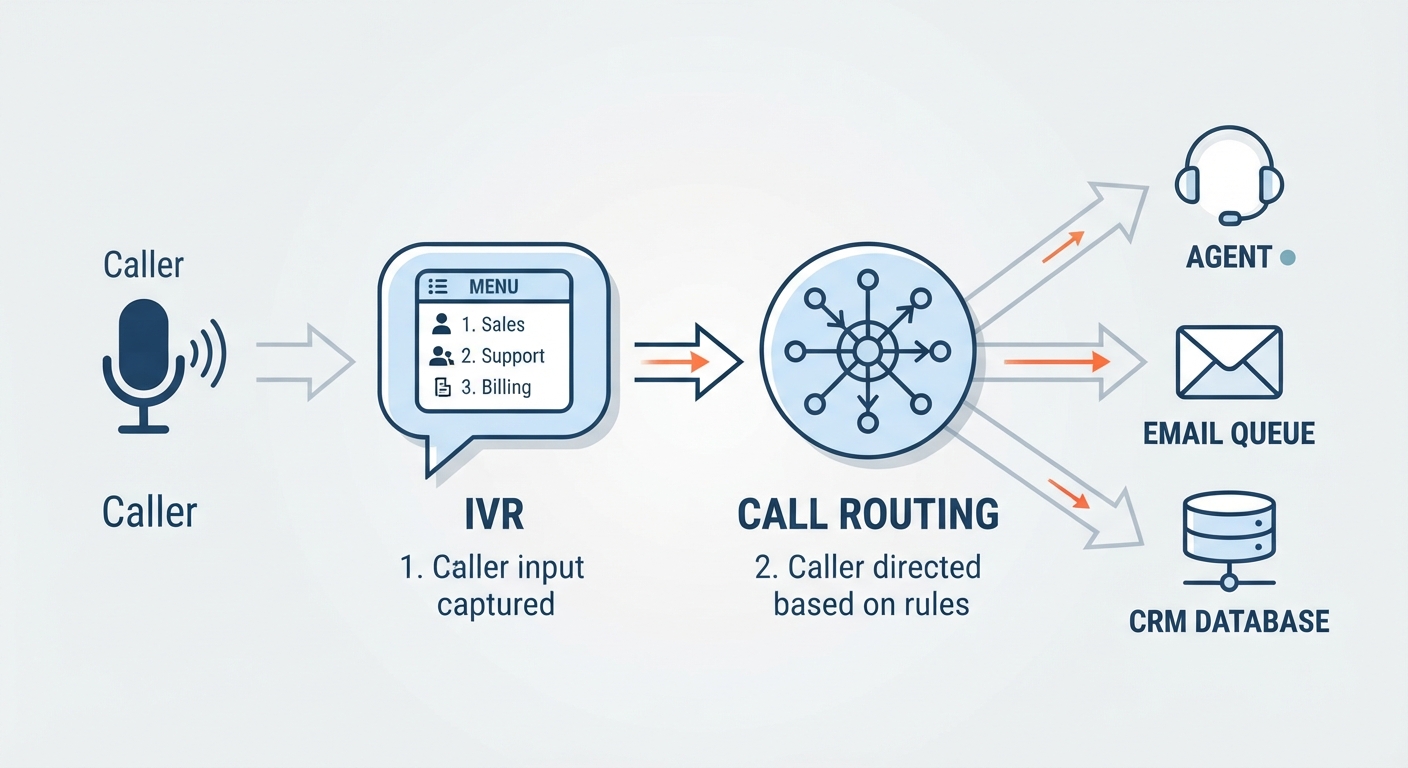
An answering service is a third party that answers your business phone when you cannot, then follows a script you set to handle the call. In practice, you forward your existing business line to the service, either all the time or only when you do not pick up, and the service takes over from there. The caller hears a greeting in your business name, states what they need, and the agent, system, or AI voice agent either resolves the request or routes it to you.
The mechanics are simple. You keep your number, so nothing changes on your website, trucks, or Google listing. Calls that go unanswered ring through to the service after a set number of rings, or during hours you designate. The service captures the caller's name, reason for calling, and contact details, then delivers that information to you by text, email, a shared dashboard, or a direct transfer for anything urgent. Voksha handles this through call forwarding with no number change, which is the same forwarding mechanism traditional services use.
What the service can actually do on the call is where the three types diverge. A basic message-taking setup just records who called and why. A more capable service qualifies the lead, answers common questions, and books the appointment on the spot. If you want the deeper mechanics of how a modern voice agent understands speech and completes tasks, Voksha's guide on how AI receptionists work walks through the full flow, and the broader category is covered in our companion guide to the virtual receptionist.
What Types of Answering Services Can You Choose From?
There are three practical categories, and most small businesses end up comparing them directly. Each answers the phone, but the experience and the economics are different.
Live (human) answering services staff trained agents who pick up in your business name. They shine on emotionally sensitive or complicated calls, like a medical intake or a distressed customer, where a person's judgment matters. The tradeoff is cost and consistency: you pay per minute or per call, quality varies by operator, and 24/7 coverage costs more than business-hours coverage. Our deep dive on the professional answering service option covers when human agents are worth the premium.
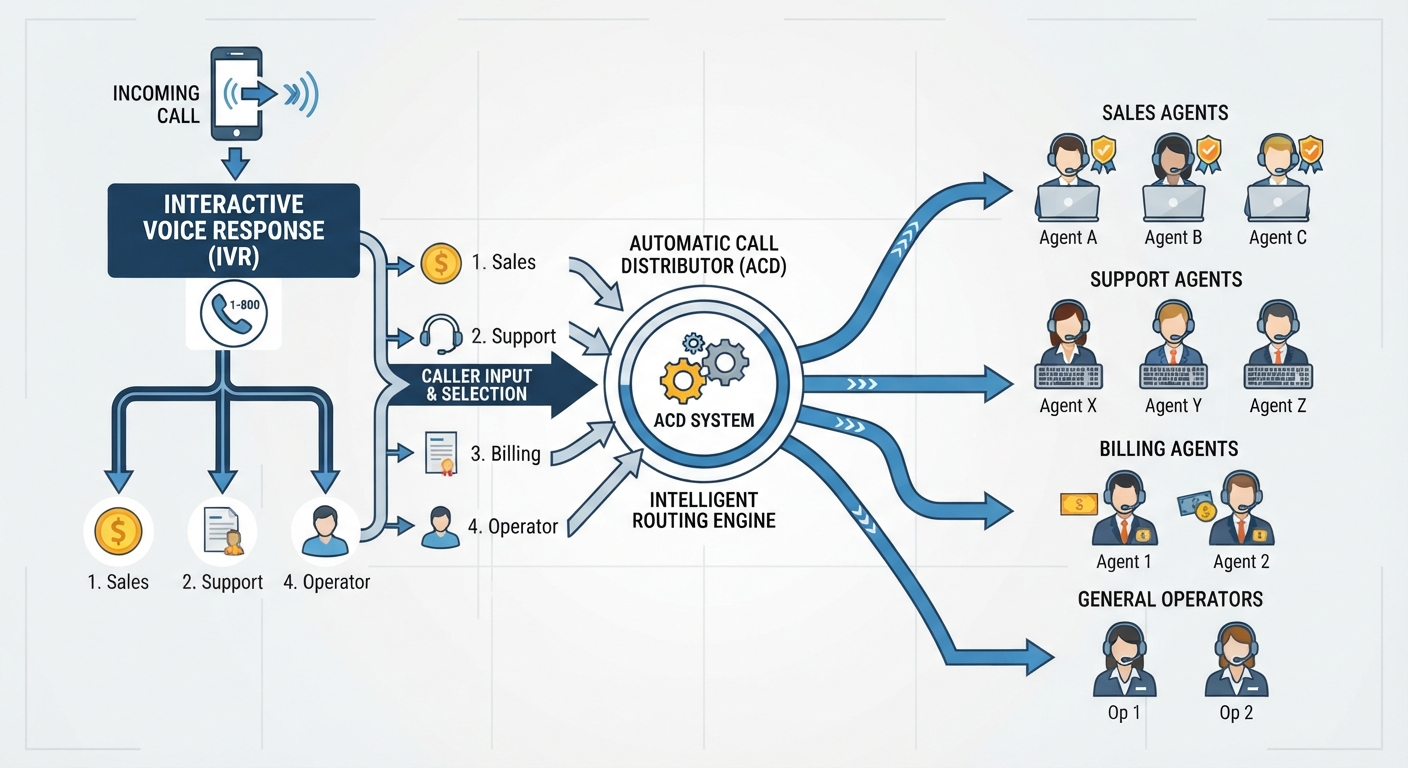
Automated answering services use an interactive voice response (IVR) menu or a recorded system to route calls, share hours and directions, or take a basic message. They are inexpensive and always on, but they cannot hold a real conversation, so callers with an unusual request often hit a dead end and hang up. The automated answering service guide breaks down where menus help and where they frustrate callers.
AI voice agents are the newest category. They answer in a natural, human-sounding voice, understand what the caller wants, and complete tasks like booking a job or qualifying a lead, all at a flat monthly price rather than per minute. The honest comparison between the AI and human approaches, including where each wins, lives in our AI answering service vs live answering service breakdown. For a wider view of how these categories overlap, see Voksha's guide comparing an AI receptionist, a virtual receptionist, and an answering service.
How Much Does an Answering Service Cost in 2026?
Pricing depends on the type, your call volume, and how much the agent does on each call. Here are honest 2026 benchmarks, which you should always confirm with the provider before you sign.
For live human answering, small businesses typically pay about $135 to $400 per month for moderate volume, according to Nextiva's 2026 cost breakdown. Per-minute billing usually falls between $0.75 and $2.00 of talk time, and per-call billing runs roughly $0.75 to $2.50 for basic message-taking, climbing to $3.00 to $7.00 or more when the agent handles scheduling or detailed intake. Higher-touch plans with lead qualification, custom scripting, or CRM updates commonly reach $400 to $800 per month or more.
The catch with per-minute and per-call plans is the fine print. Housecall Pro's 2026 guide notes that setup fees, per-minute overage charges, holiday surcharges, and call-rounding increments can add 30 to 50 percent to an advertised rate, so a plan that looks like $150 can bill closer to $220 in a busy month.
AI answering services price differently. Instead of metering minutes, they charge a flat monthly rate, commonly in the $25 to $250 range depending on features and volume. Voksha sits in that band at $14 per month for the Starter plan and $99 per month for Premium, with a custom Enterprise tier for high-volume or multi-location operators (verified against Voksha pricing on 2026-07-10). Because the price is flat, a spike in call volume does not produce a surprise bill. For a full walkthrough of how to read and compare plans, see the answering service for small business pricing guide and Voksha's pricing guide.
What Is Included in a Typical Answering Service Plan?
Plans vary, but most bundle a predictable set of capabilities, and knowing them helps you compare quotes fairly. At the low end, a plan covers call answering in your business name and basic message-taking with delivery by text or email. Mid-tier plans add call transfer or warm handoff for urgent calls, lead qualification with a few screening questions, and appointment scheduling.
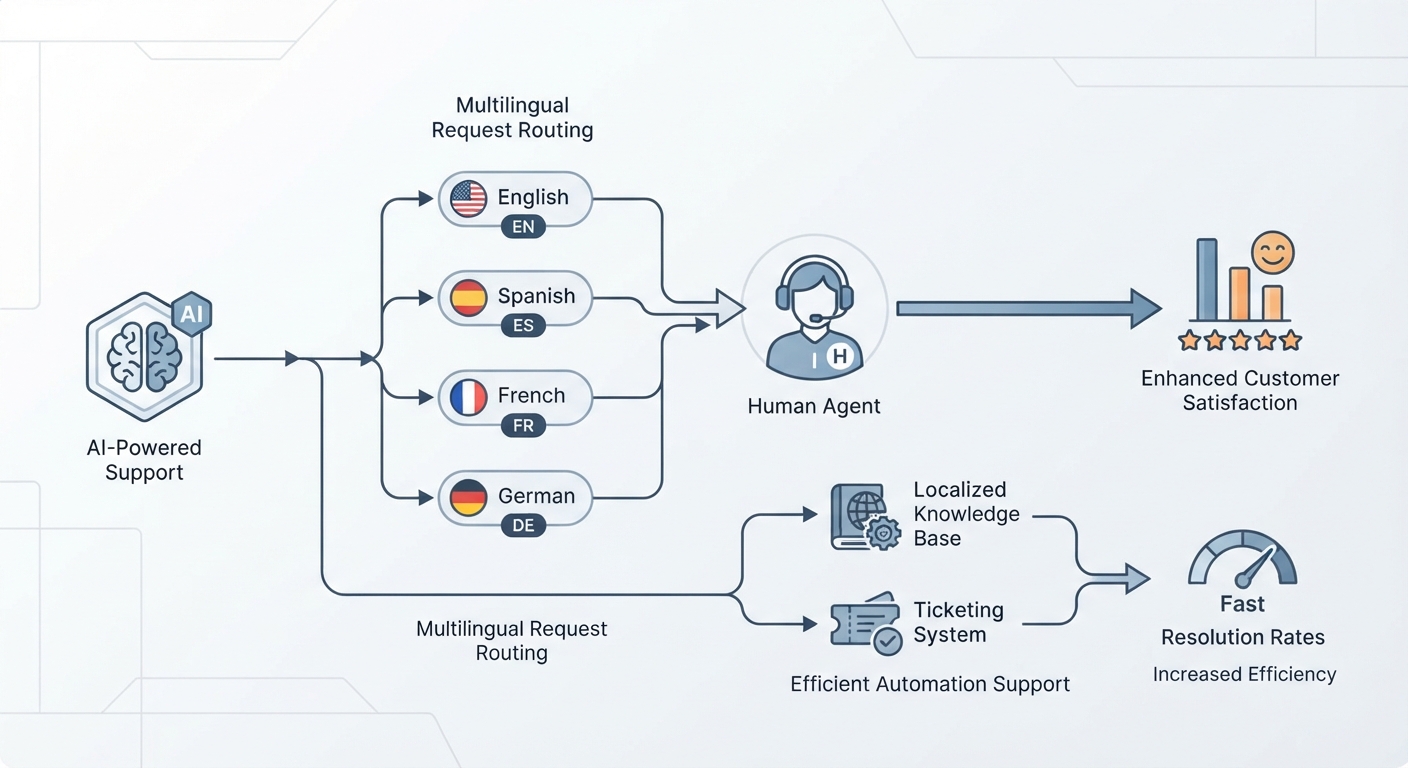
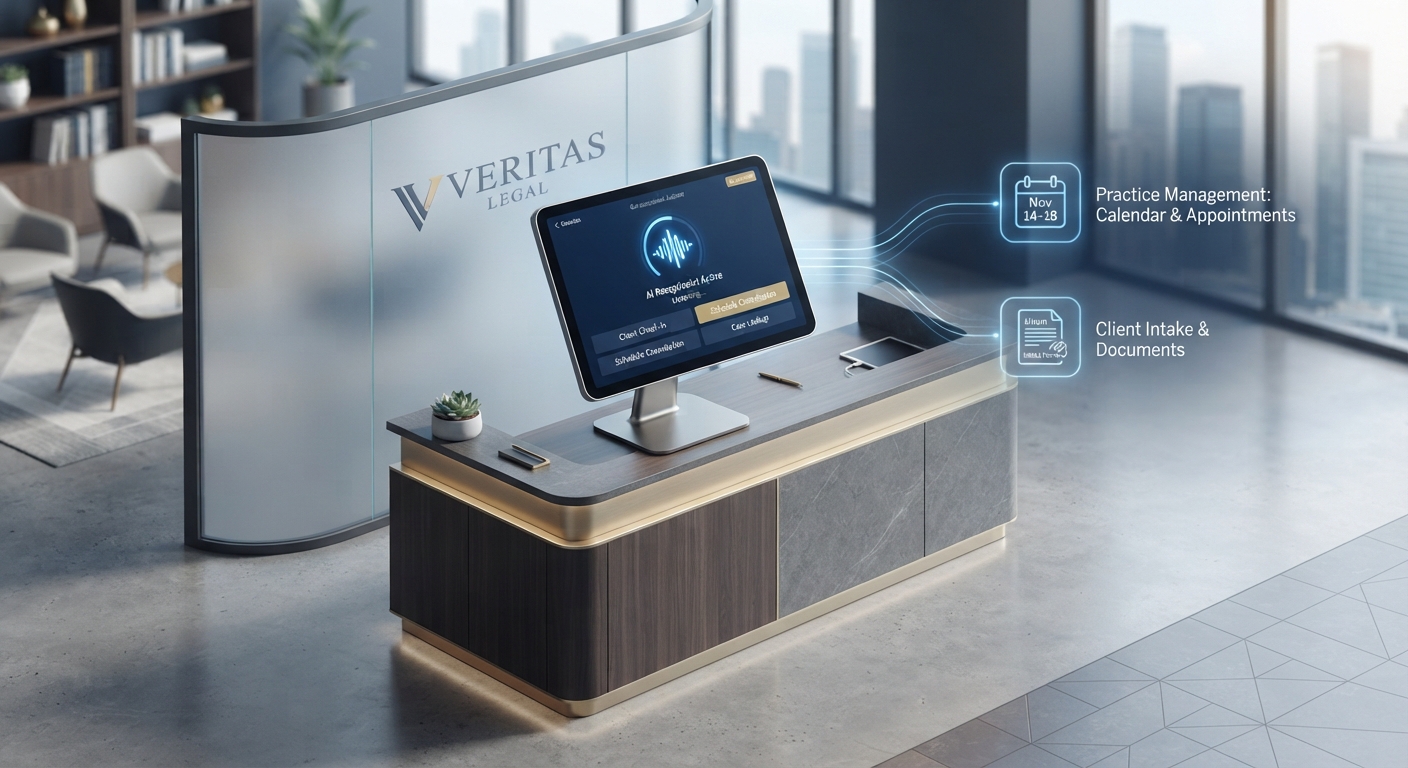
The features that separate a message pad from a genuine front desk are booking and integration. A capable service offers appointment booking that writes directly into your calendar, along with lead capture that logs a transcript and summary rather than a scribbled note. Higher tiers add multilingual support, after-hours and overflow coverage, and connections to the tools you already run, such as Google Calendar, Outlook, HubSpot, or Salesforce. For a line-by-line look at what each tier should include, our what's included in an answering service plan guide lays out the checklist.
One feature deserves special attention: after-hours coverage. Because 32 percent of business calls arrive outside 9-to-5 weekday hours and 23 percent land on weekends (Voksha After-Hours Economy Report, 2026), a plan that only covers business hours leaves roughly a quarter of your demand unanswered. Dedicated after-hours answering is where most of the recovered revenue actually comes from.
How Do You Choose the Right Answering Service for a Small Business?
Start with the calls you are actually losing. If your problem is missed after-hours and weekend calls, prioritize genuine 24/7 coverage over everything else, because business-hours-only plans will not fix it. If your callers need empathy and complex judgment, a live human service may justify its higher per-minute cost. If your calls are mostly routine (booking, hours, qualifying a lead), an AI voice agent captures them at a flat price without waking anyone up.
Then weigh four practical factors. First, budget predictability: flat AI pricing avoids the overage surprises common with per-minute human plans. Second, integration: a booked appointment is only useful if it lands in the calendar and CRM your team already checks, so confirm the service writes into your stack rather than emailing you a note to re-enter. Third, setup friction: the best options forward from your existing number with no number change, so nothing on your marketing has to change. Fourth, call quality: ask for a demo and listen to how the service handles an off-script question, since that is where cheap automated menus fail.
For a broader decision framework, weigh the cost of the calls you are missing. Voksha's analysis of the cost of missed calls compiles figures showing the average small business loses roughly $126,000 a year to unanswered calls, that about 85 percent of voicemail callers hang up without leaving a message, and that 78 percent of customers buy from the first business that responds. Measured against those losses, most answering-service plans pay for themselves by capturing a handful of jobs a month. If you want to see how an AI option stacks up head to head, the Voksha vs a traditional answering service comparison lays out the differences.
When Should a Small Business Use an Answering Service?
Use one the moment a missed call costs you more than the service costs you, which for most service businesses is almost immediately. The clearest triggers are missed after-hours or weekend calls, callers who hang up on voicemail, a receptionist who is overwhelmed at peak times, and seasonal spikes you cannot staff for. Home-service trades, clinics, salons, law firms, and restaurants all fit this pattern, since their customers call to book, ask, or get help in real time and will call a competitor if no one answers.
An answering service is less necessary if your call volume is genuinely tiny, your customers prefer to book online, or your business runs on scheduled inbound rather than spontaneous calls. Even then, an inexpensive flat-rate AI option often pays for itself by catching the occasional high-value call you would otherwise lose. The honest test is simple: if one captured customer is worth more than a month of the plan, the service is worth trying.
Frequently Asked Questions
What is the difference between an answering service and a virtual receptionist?
An answering service traditionally answers calls and takes messages, while a virtual receptionist does more of what an in-house front desk would do, including booking appointments, qualifying leads, and managing your calendar. In 2026 the lines blur, because AI voice agents deliver receptionist-level tasks at answering-service prices. Voksha's guide comparing an AI receptionist, a virtual receptionist, and an answering service explains where each term applies.
How much does an answering service cost for a small business?
Live human answering services typically cost about $135 to $400 per month for moderate volume, or $0.75 to $2.00 per minute (Nextiva, 2026). AI answering services usually charge a flat monthly rate, commonly $25 to $250, with Voksha at $14 to $99 per month. Always confirm setup fees and overage rates before you commit.
Do I have to change my phone number to use an answering service?
No. A well-designed answering service works through call forwarding from your existing business line, so your number stays the same on your website, signage, and listings. Voksha forwards from your current number and lets you choose whether it answers only after-hours and overflow calls or every call during the day.
Can an answering service book appointments, not just take messages?
Yes, if it offers booking. Basic plans only take a message, but capable services and AI voice agents book directly into your calendar and CRM. Confirm the service writes into the tools you already use, such as Google Calendar, Outlook, or HubSpot, so a booked call does not require manual re-entry.
Is an AI answering service as good as a human one?
It depends on the calls. For routine booking, hours, and lead qualification, an AI voice agent answers instantly 24/7 at a flat price and never puts callers on hold. For emotionally complex or highly unusual calls, a human agent still has an edge. Many businesses use AI for the bulk of calls and reserve human handling for exceptions, as detailed in the AI answering service vs live answering service comparison.
Final Thoughts
An answering service exists to make sure a real answer happens every time your phone rings, whether that answer comes from a live agent, an automated system, or an AI voice agent. For most small businesses in 2026, the decision comes down to call complexity, budget predictability, and whether you need genuine 24/7 coverage. If your calls are mostly routine and you want flat, predictable pricing with booking and CRM integration built in, an AI voice agent is the option worth trying first. Ready to try? Sign up for Voksha.