AI Receptionist vs. Human Staff: The Cost-Benefit Breakdown for 2026

TL;DR
- ✓ Human receptionists cost up to 60000 dollars annually when factoring in turnover and benefits.
- ✓ AI receptionists provide 24/7 automated scheduling and intake for a fraction of staff costs.
- ✓ A hybrid model allows humans to handle complex relationships while AI manages routine calls.
- ✓ Selecting specialized, lean automation tools yields a higher ROI than bloated enterprise software.
The front office as we knew it—a desk, a landline, and a clock-watching receptionist—is dead. In 2026, the businesses winning aren't the ones with the largest staff; they’re the ones that have figured out how to stop leaking calls without losing their soul.
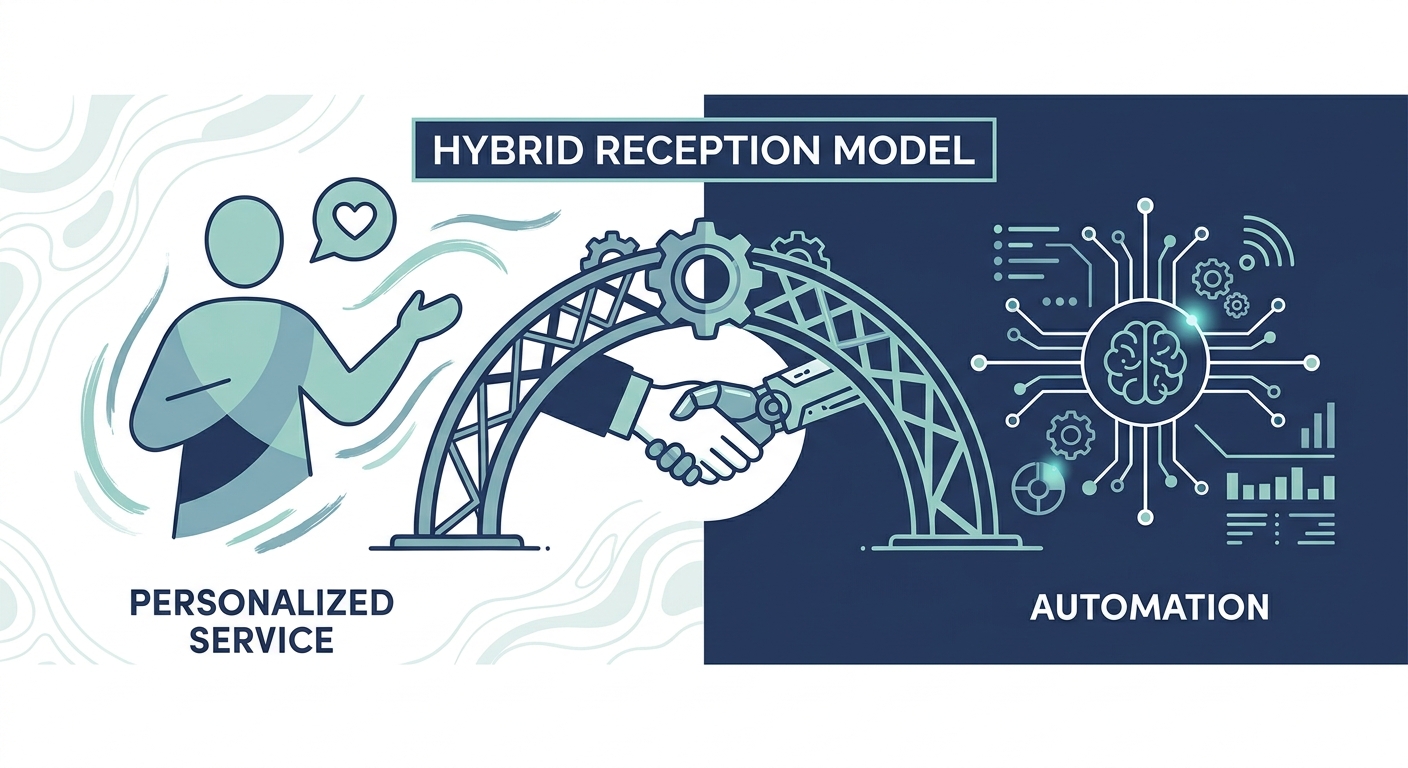
It’s no longer a binary choice between "hiring a person" and "installing software." That’s a dated way to look at growth. The most profitable firms have moved to a hybrid model. They let AI handle the relentless, repetitive intake—the "what are your hours?" and "can I book a slot?"—so their human staff can actually focus on the complex, high-emotion work that builds real relationships.
What is the True Cost of a Human Receptionist in 2026?
Let’s be honest: the salary figure on your payroll spreadsheet is just the tip of the iceberg. By the time you factor in payroll taxes, health benefits, the occasional paid time off, and the endless cycle of training and onboarding, a full-time receptionist in the U.S. is costing you between $45,000 and $60,000 a year.
But that’s not even the real budget killer. It’s the "quiet cost" of turnover. According to data on the hidden costs of employee turnover, replacing a staff member can hit you for 50% to 200% of their annual salary. Recruitment, lost productivity, the chaos of a vacant desk—it adds up fast. When you look at 2026 small business salary trends from the Bureau of Labor Statistics, it’s clear: human labor is a premium asset. Treat it like one. If your best people are spending 70% of their day reciting your address or juggling a calendar, you’re burning cash. You’re paying expert wages for work a script could do in a heartbeat.
The AI Price Floor: Is Automation Finally Affordable?
The "experimental" phase of AI is over. We’re in the era of stabilization. Today, you generally see two tiers of service: a $30/month entry-level tier for basic routing, and a $300/month tier for the heavy-lifting stuff—syncing with your CRM, managing complex schedules, and handling intake.
The trap? Buying into "bloated" enterprise tech. Don't go for the generic models that require a PhD in prompt engineering just to change an office hour. Stick to specialized, lean tools. For a deeper look at the fiscal impact, check out our breakdown of AI receptionist cost vs. hiring a human (2026). When you pick a tool built for your specific lane, the monthly bill stops feeling like an expense and starts looking like a growth engine.
How Does the "Hybrid Model" Actually Work?
It’s all about compartmentalization. You shouldn't be forcing your human staff to field calls at 8:00 PM on a Tuesday, and you definitely shouldn't force a panicked client into a robotic phone tree.
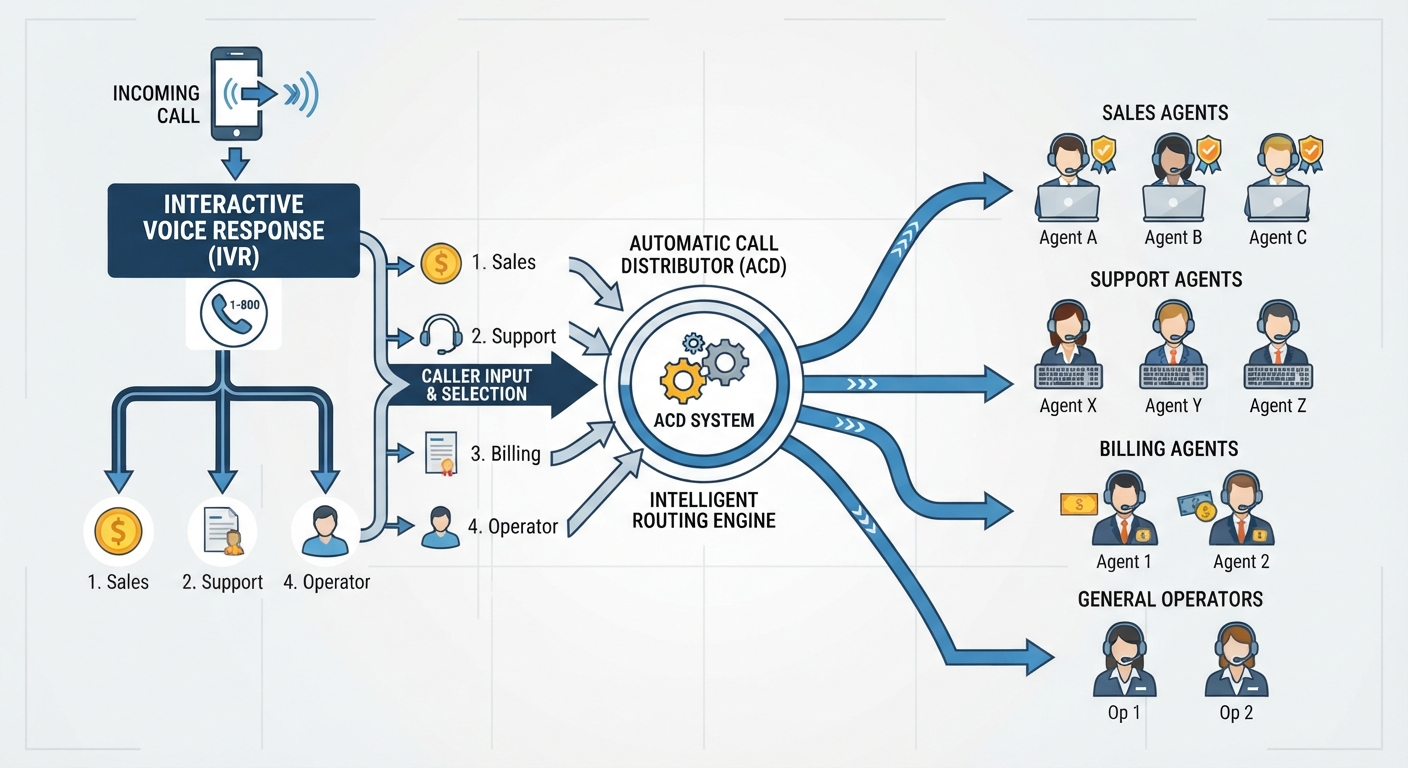
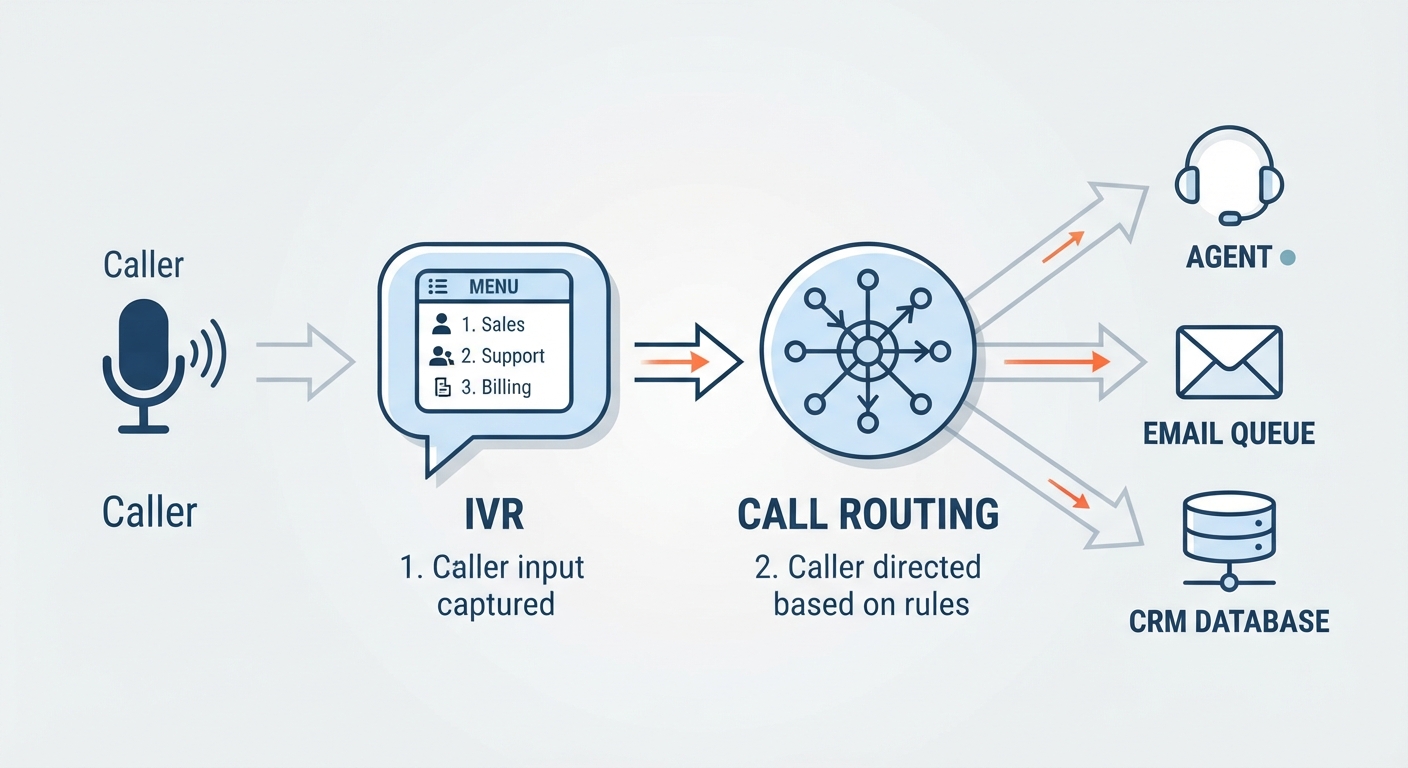
Think of it as a gatekeeper. The AI handles the "noise." When the system flags a call as a VIP inquiry, an angry dispute, or a sensitive matter, it performs a "warm handoff." Your human team gets a heads-up and jumps in only when their expertise is actually needed. No more burnout, no more missed leads.
The Math: Where is Your Break-Even Point?
Let’s talk about "Leaked Revenue." If you miss five calls a week, and your average customer is worth $2,000 over their lifetime, you’re bleeding $10,000 every single week. That’s a massive hole in your boat.
Then there’s the after-hours problem. Studies show that 28.5% of business calls happen outside of 9-to-5. If you're closed, that 28.5% is calling whoever picks up first—your competitor. If a $300/month AI tool captures just one extra client you would have otherwise lost to a voicemail inbox, it has paid for itself ten times over. For most small businesses, the break-even point isn't measured in months. It’s measured in days.
Where Does AI Fail? A Reality Check
I’m not here to sell you a miracle. AI has a glaring "Empathy Gap." If you’re a divorce attorney or a hospice nurse, there are moments where a caller is in crisis. In those seconds, a machine—no matter how advanced—will feel cold.
Also, watch out for the "AI Backlash." Don't sign up for massive, enterprise-grade compute monsters that charge you by the token. You’ll end up paying more than you would for a human. If a tool claims to do your marketing, your accounting, and your front desk, it’s a jack-of-all-trades and master of none. Find a specialist.
Industry-Specific Perspectives: Who Needs What?
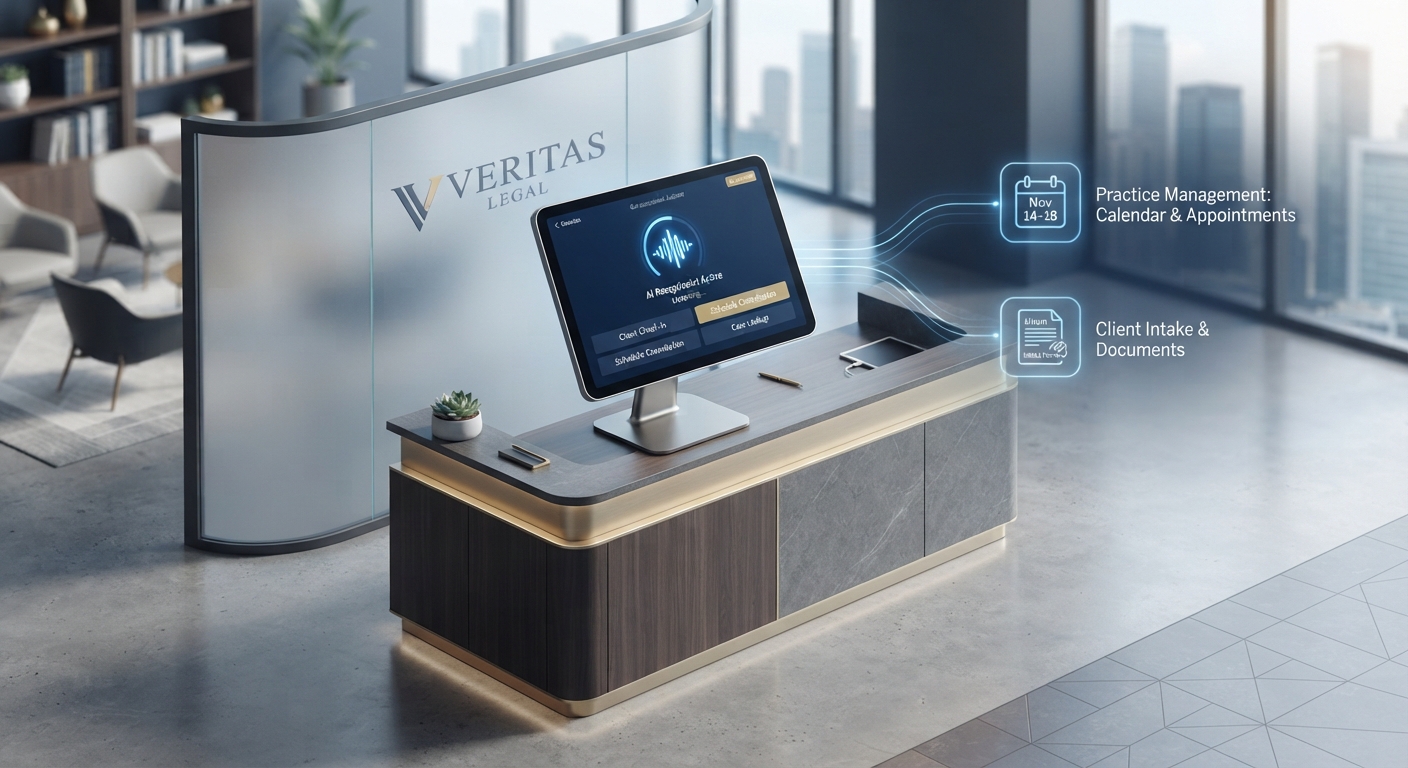
The strategy changes depending on your vertical. If you’re in a Legal or Medical Practice, the hybrid model is your baseline. You need the human touch for intake, but you need the machine to handle the scheduling chores that bog down your day-to-day.
For Trade Services—HVAC, plumbing, landscaping—an AI-first approach is a massive competitive advantage. When a basement floods at 10 PM, that customer isn't leaving a message. They’re booking the first person who answers.
For those interested in the granular fiscal details, you can compare the receptionist salary vs. AI receptionist cost to see how your vertical stacks up. As Gartner suggests on AI implementation ROI, the winners are the ones who automate the transactional and elevate the relational.
Implementation: The 5-Minute Setup Checklist
This shouldn't be a six-month IT project. If it takes longer than a weekend, you’re overthinking it.
- Audit: Track your calls for a week. Where are you losing people?
- Define Triggers: What must a human handle? (e.g., existing clients, emergency intake).
- Integrate: Hook the AI into your CRM so you aren't doing double data entry.
Frequently Asked Questions
Will an AI receptionist sound robotic to my clients?
Not in 2026. The tech has moved past the "C-3PO" phase. Modern speech synthesis uses natural pauses, inflection, and cadence that pass the "is this a person?" test for almost every short-form interaction.
Can an AI receptionist handle HIPAA-compliant data for my medical practice?
Yes, but you have to be careful. You need a provider that offers BAA (Business Associate Agreement) coverage and uses encrypted, secure data protocols. Don't settle for anything less.
What happens if the AI doesn't understand a caller's question?
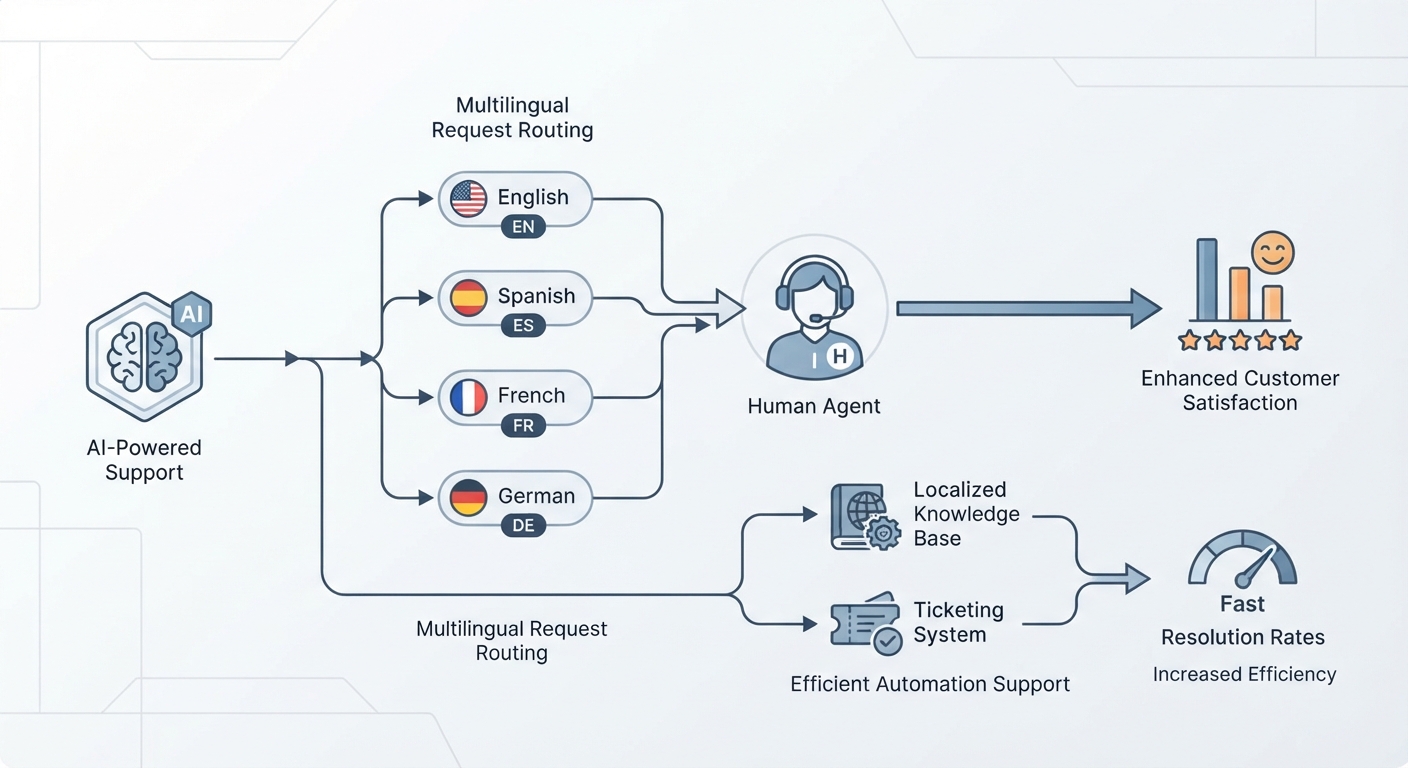
It uses a "fallback" protocol. If the AI gets confused or detects high-sentiment language (like frustration), it immediately routes the call to a live person or offers to take a detailed message for a callback. The client is never left in a loop.
How much time does it actually take to set up an AI receptionist?
For most SMBs, the technical heavy lifting is under an hour. The real work is just defining your "human triggers" and making sure your business knowledge base is accurate.
Is the shift to AI receptionists purely a cost-cutting move or a service upgrade?
It’s both. You’re cutting the overhead of 24/7 staffing, sure. But you’re also offering 24/7 responsiveness that was previously only available to giant corporations. It’s a win-win.