AI Lead Capture & Qualification: Turn Inbound Calls Into Structured Pipeline
TL;DR
- ✓ AI prevents revenue loss by eliminating missed inbound sales calls.
- ✓ Conversational agents qualify leads instantly using real-time RAG data.
- ✓ Automated workflows sync enriched lead data directly into your CRM.
- ✓ Sales teams focus only on high-intent prospects for better conversion.
Every time a prospect calls your business and hears a generic "please leave a message after the tone," you are essentially burning cash. In the high-stakes world of B2B sales, the "Lead Black Hole" is where potential revenue goes to die. Prospects today aren't patient. If they don’t get a response within the 5-minute window, your chances of qualifying that lead plummet by as much as 400%.
AI isn't some futuristic parlor trick anymore. It’s the structural backbone for any high-velocity sales organization that refuses to let potential deals evaporate in a voicemail box.
Why AI Is the New Gold Standard for Qualification
The old-school approach to lead management was a game of brute-force stamina: hire an army of SDRs, hand them a phone list, and pray for a decent dial-to-connect ratio. It was inefficient, expensive, and frankly, demoralizing for everyone involved.
By 2026, the paradigm has shifted. We aren't measuring success by the number of dials made anymore—we're measuring it by the number of high-intent meetings booked. According to recent MQL-to-SQL conversion data, companies that lean into automated qualification see a massive uptick in pipeline health. Why? Because their human closers stop chasing ghosts. They only talk to prospects who have been vetted for budget, authority, and timeline.
Modern conversational AI has moved lightyears beyond the clunky, robotic scripts of the past. Today’s agents handle interruptions, navigate complex objections, and detect emotional nuance with a grace that was unthinkable three years ago. This doesn't replace your sales team; it clears the path for them. By positioning AI as the "first responder," you ensure your top-tier talent isn't wasting hours on unqualified leads. They get to focus on high-value negotiations that actually move the needle.
How Does an AI Qualification Workflow Actually Function?
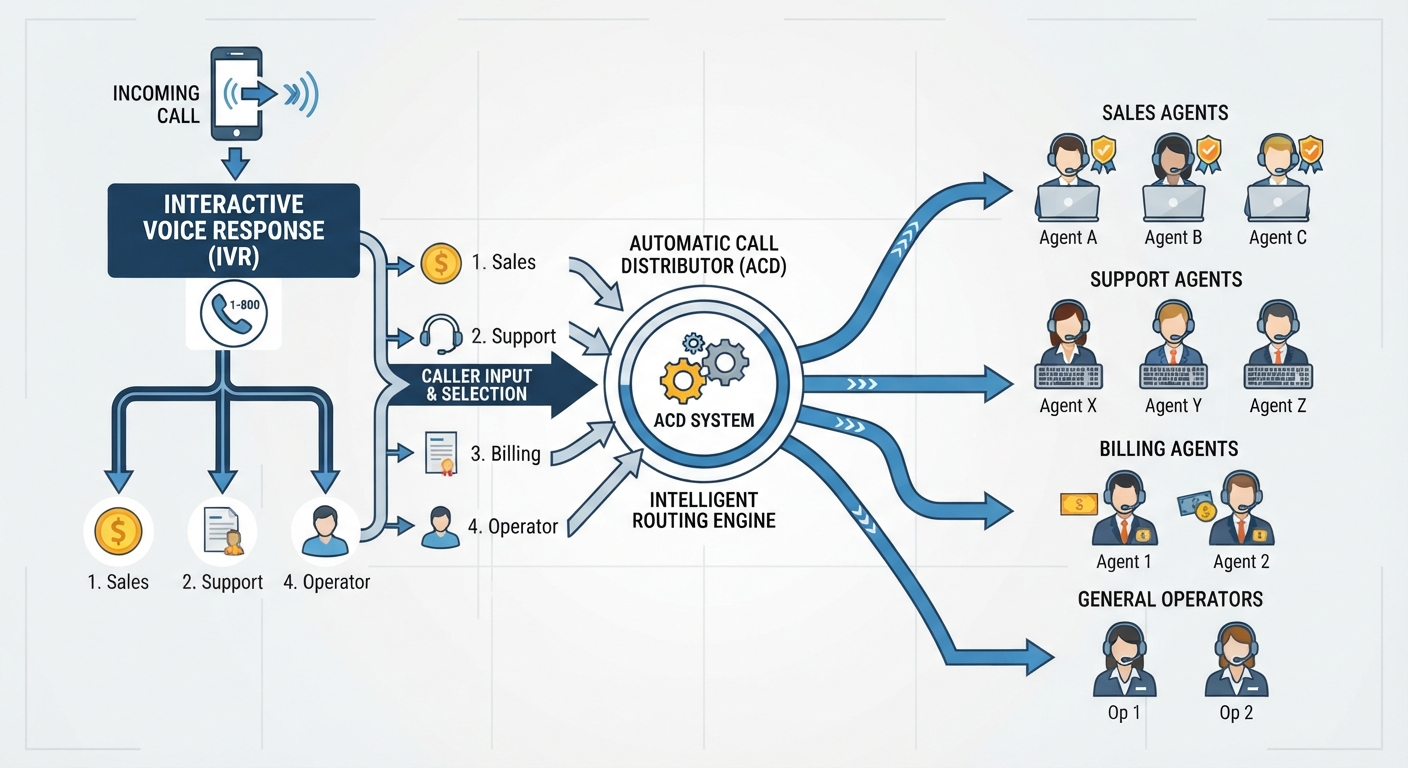
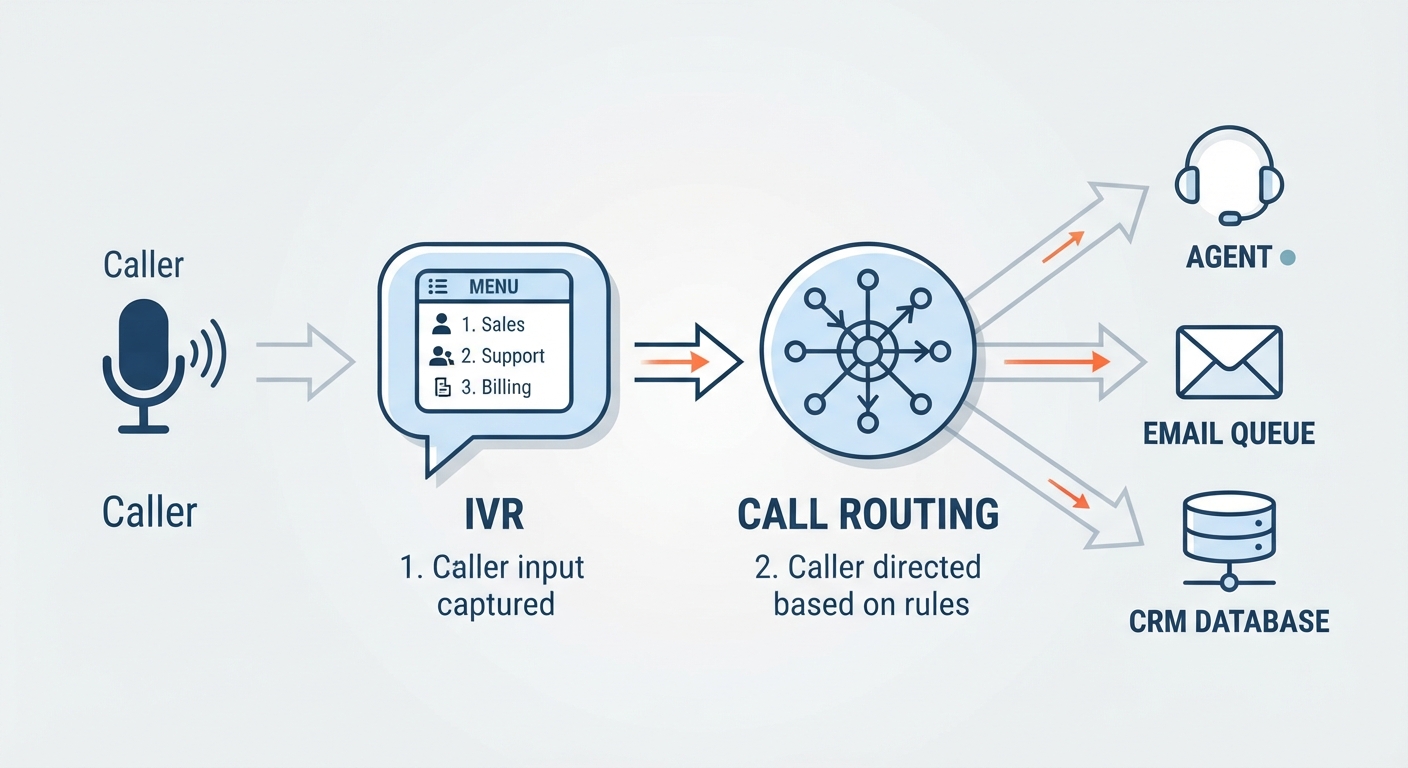
You want a seamless transition from a cold inbound signal to a warm, structured calendar entry. It starts the moment a lead hits your system, whether they dropped a form or dialed your number directly.
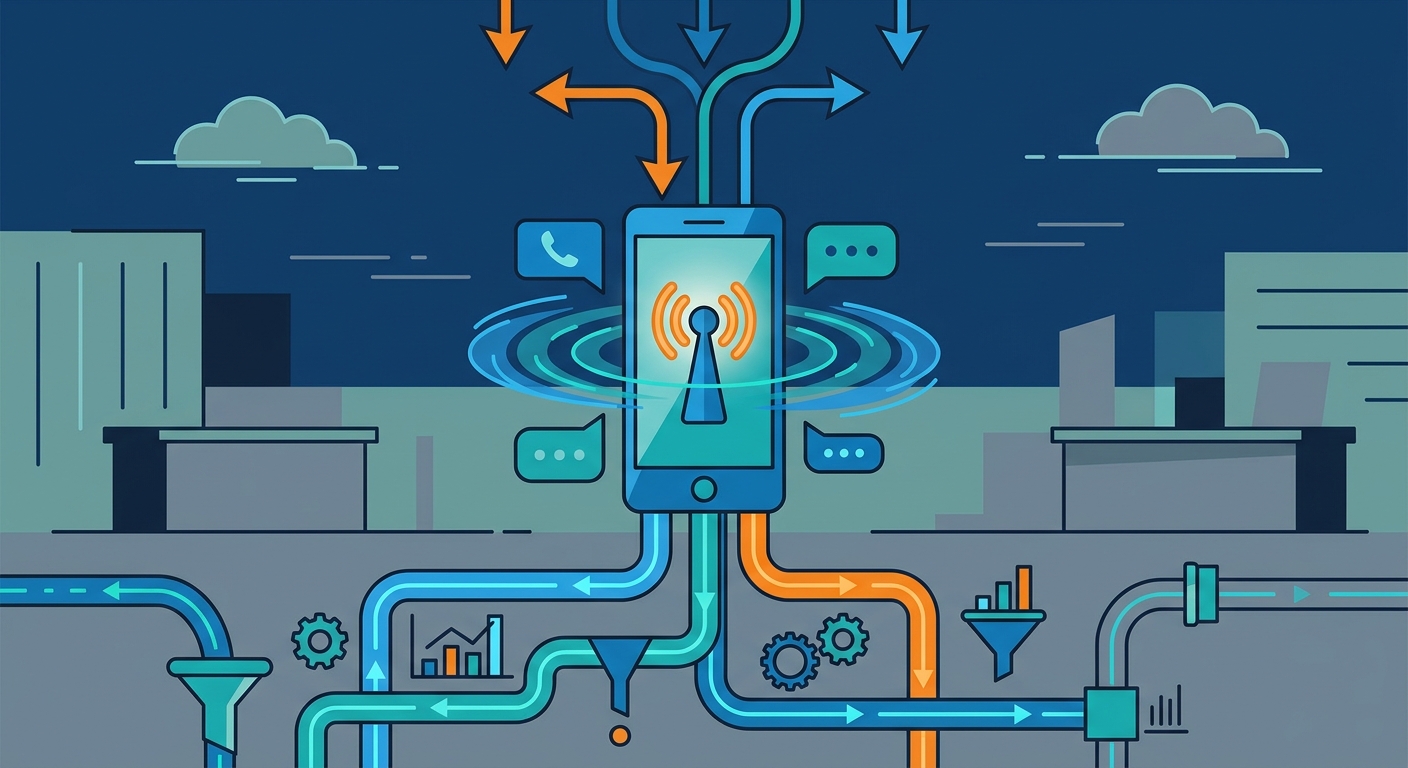
The cycle is elegant. Once the AI picks up, it uses Retrieval-Augmented Generation (RAG) to cross-reference your internal product documentation in the blink of an eye. It doesn't just ask scripted questions; it listens, records, and maps that intent directly into your CRM. By the time the call ends, the lead is qualified, enriched, and sitting on your calendar. All without a human lifting a finger.
The Core Components of an AI Pipeline
You can’t just slap a voice bot on your website and call it a day. You need an ecosystem. First, you need AI Voice Lead Qualification that speaks your industry’s language. A generic bot is worse than no bot at all. You need a solution trained on your brand, your specific tone, and your unique value proposition.
Second, the data has to live where your team lives. Without robust CRM Integration Services, you’re just building another data silo. The AI must push data into your sales stack so your account executives have full visibility into the lead's history before they even dial the follow-up number.
Finally, keep it legal. Automated communication is a minefield. You cannot afford to play fast and loose with the rules. Familiarizing your team with FCC/TCPA compliance requirements is non-negotiable. Modern platforms bake these guardrails into the software now, handling opt-outs and disclosures automatically so your brand stays safe while your agents stay busy.
Overcoming the "Anti-AI" Objections
The most common pushback from leadership? "We'll lose our human touch." They worry an AI agent will sound hollow or tarnish the brand.
In practice, the opposite is true. Human callers get tired. They have bad days. They skip qualifying questions when they’re overwhelmed or burnt out.
Well-trained AI is consistent. It’s always polite, always on-brand, and always follows the script. When you use RAG to train your AI on your product nuances, it navigates complex technical questions that would stump a junior SDR. It doesn't sound like a robot; it sounds like the most prepared, alert version of your team.
Build vs. Buy: Calculating Your ROI
The temptation to build your own infrastructure is high, especially if you have a strong engineering bench. Don't fall for it. The "hidden" costs of building usually bury the benefits. You aren't just building a script; you're building an infrastructure that requires latency management, constant fine-tuning, and a never-ending battle to stay compliant with changing regulations.
The SaaS advantage is simple: you’re paying for a managed, scalable solution that evolves with the tech. You gain immediate deployment, institutional knowledge, and a team dedicated to ensuring your integration doesn't break the second a new API update rolls out.
Implementation Checklist: Your First 60 Days
Transformation shouldn't take a year. If you want to move from "manual" to "automated," follow this roadmap.
Days 0-15 are for housecleaning. Audit your CRM and gather the documentation that will serve as your AI’s "brain." Days 16-30 are for the soft launch—test your AI on low-stakes segments like newsletter sign-ups or basic inquiries. By day 31, you should have enough data to refine your prompts and move to the full-scale rollout, where your AI starts tackling your most valuable inbound traffic.
Frequently Asked Questions
Can AI voice agents really handle complex sales questions?
Yes, modern agents use RAG (Retrieval-Augmented Generation) to access your company's knowledge base, allowing them to answer specific product questions accurately while maintaining a conversational tone.
How do we ensure our AI calls stay compliant with regulations?
Reputable platforms include automated opt-out handling, call disclosures, and time-of-day restrictions to ensure your outbound strategy adheres to current FCC and TCPA guidelines.
Does using AI for lead qualification make our brand feel impersonal?
When implemented correctly, it does the opposite. By responding instantly and asking relevant, personalized questions, you show prospects you value their time, which is often perceived as a higher level of service.
What is the biggest mistake companies make when deploying AI agents?
The primary mistake is failing to integrate the AI with the existing CRM, resulting in "data silos" where the AI qualifies the lead, but the sales team has no visibility into the context of the conversation.