After-Hours Answering Service Alternatives: Why AI is Replacing Traditional Solutions
TL;DR
- ✓ Traditional answering services are slow and costly compared to modern AI solutions.
- ✓ AI provides instant call handling to prevent missed leads and lost revenue.
- ✓ Businesses save significantly on overhead by replacing human agents with AI automation.
- ✓ AI offers native multilingual support and instant CRM integration for better efficiency.
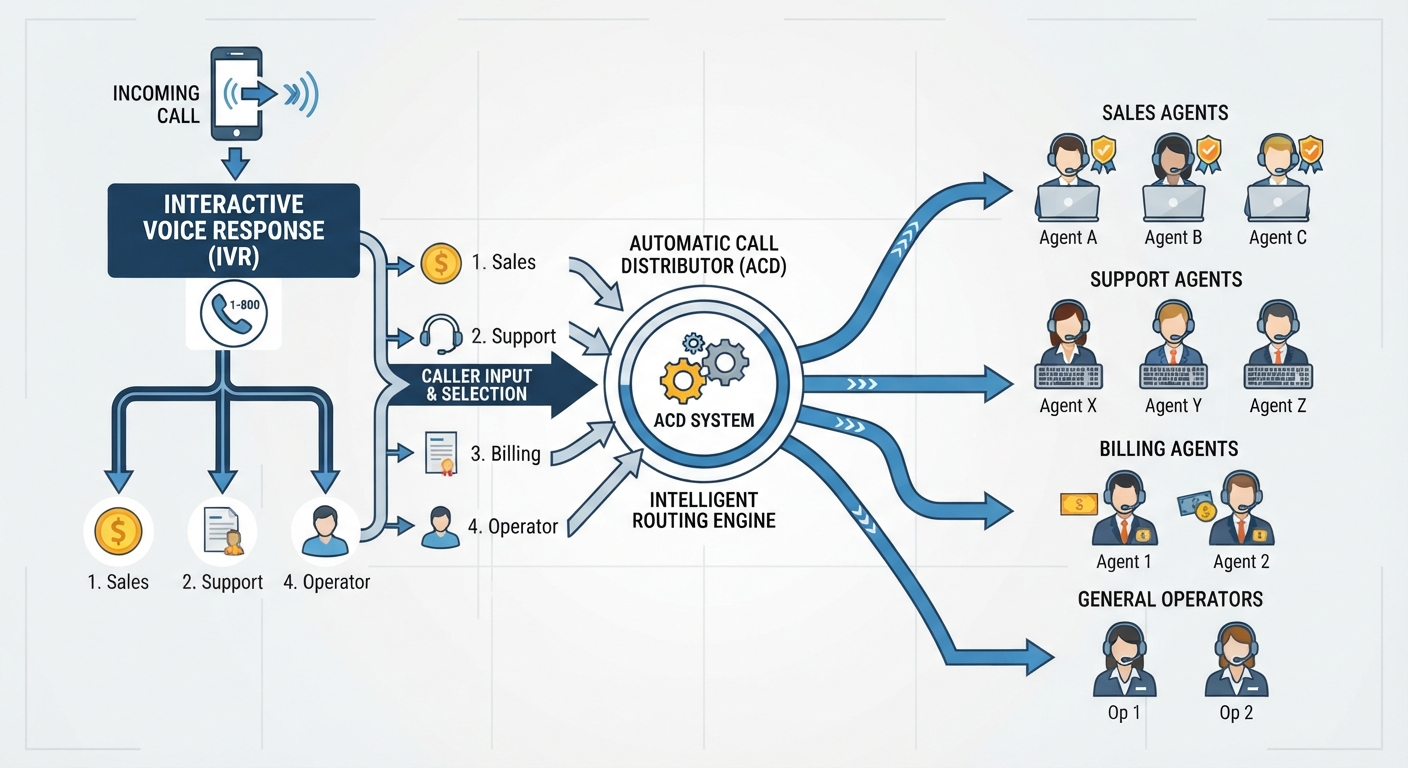
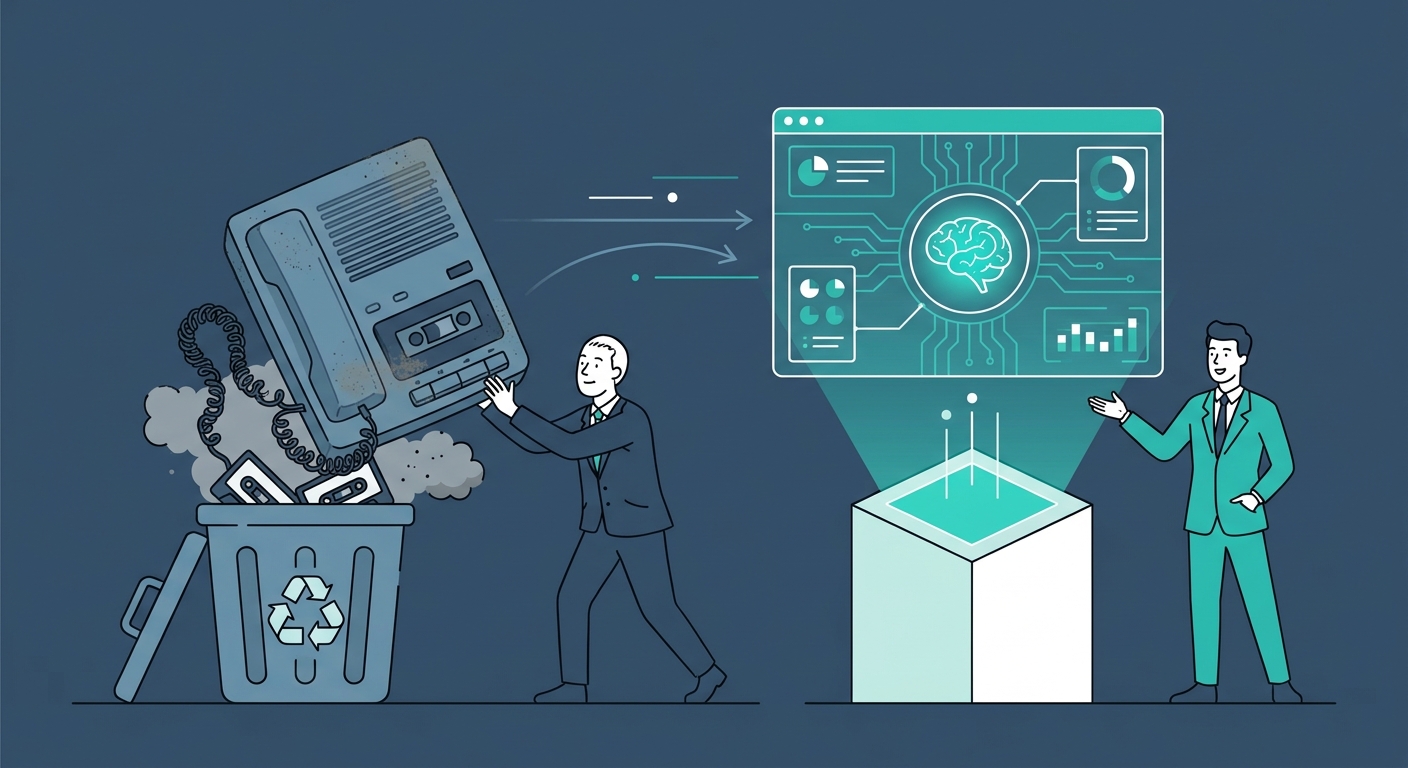
The "after-hours" voicemail is a dinosaur. It belongs in the same museum as fax machines and dial-up internet. For far too long, businesses have accepted a pathetic status quo: when the office lights dim, the phone rolls to a generic machine—or worse, a third-party answering service where a bored temp reads a script with zero context and zero urgency.
That friction isn’t just annoying; it’s a liability. We live in a world where 80% of customers expect immediate engagement. Every second your phone rings without a real answer is a direct hit to your bottom line. AI-powered answering isn't some futuristic experiment anymore; it’s the new baseline for any business that actually cares about speed, accuracy, and turning a 2:00 AM inquiry into a booked appointment without lifting a finger.
Why Traditional Answering Services Are Fading
The old human-based model is built on an overhead structure that makes zero financial sense. When you outsource to a conventional service, you aren't just paying for the person on the other end. You’re paying for their training, their inevitable turnover, their language barriers, and their—let’s be honest—inconsistency.
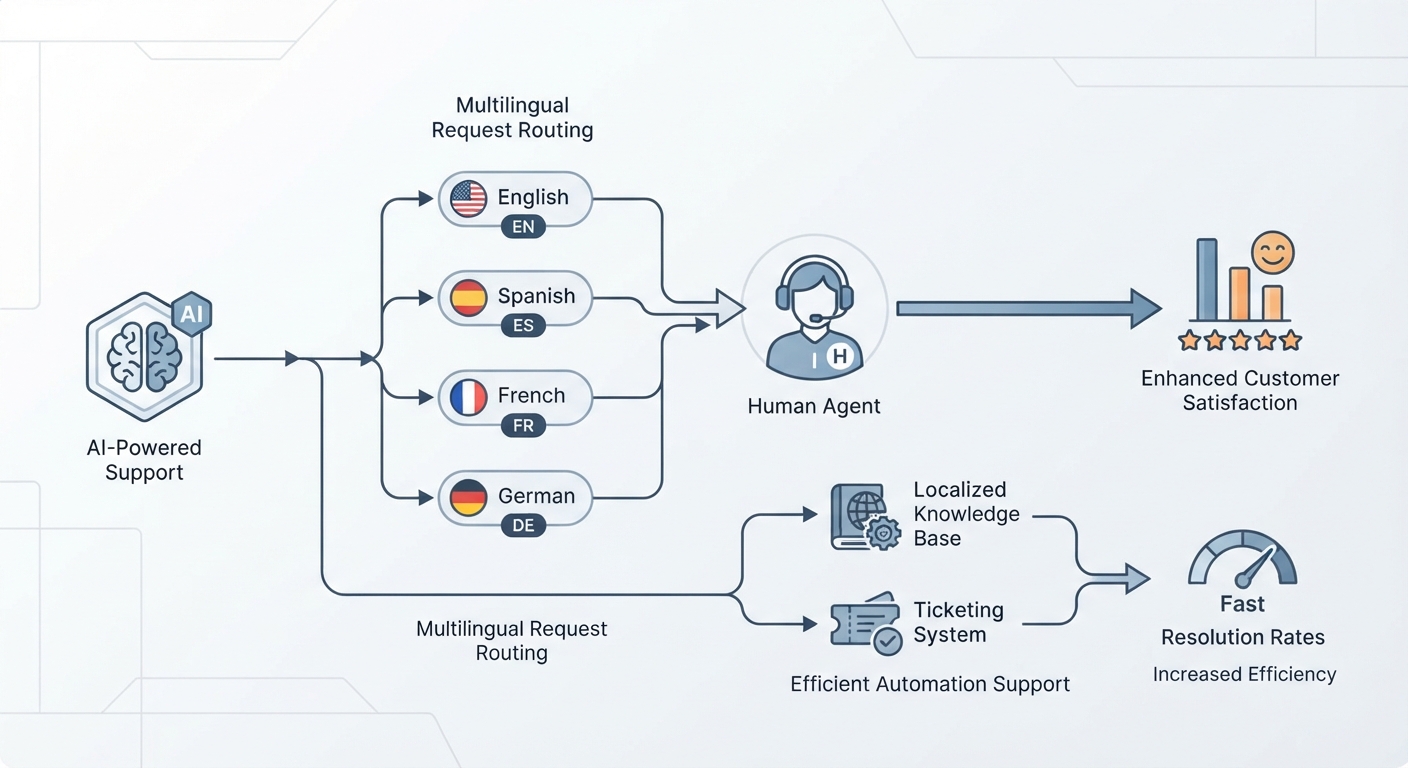
Take the "Bilingual Premium." If you’re in a diverse market, offering support in Spanish and English is table stakes. Human services love to tack on heavy monthly surcharges for this, or they force you to settle for agents who aren't native speakers. AI? It handles multiple languages natively at no extra cost.
Then there’s the "Voicemail Death Sentence." Human agents get tired. They get overwhelmed by call spikes. They misinterpret critical info. But the biggest problem is the customer experience. According to consumer preference data, most callers hang up the second they hit a recorded message. They aren't looking for a pen pal. They want a solution. When you force a customer into a voicemail loop, you aren't "capturing their information"—you’re handing them over to your competitor on a silver platter.
The Great Shift: AI vs. Human Answering
The transition to AI isn't just about saving a few bucks. It’s about a total overhaul of your performance metrics. Look at the raw data:
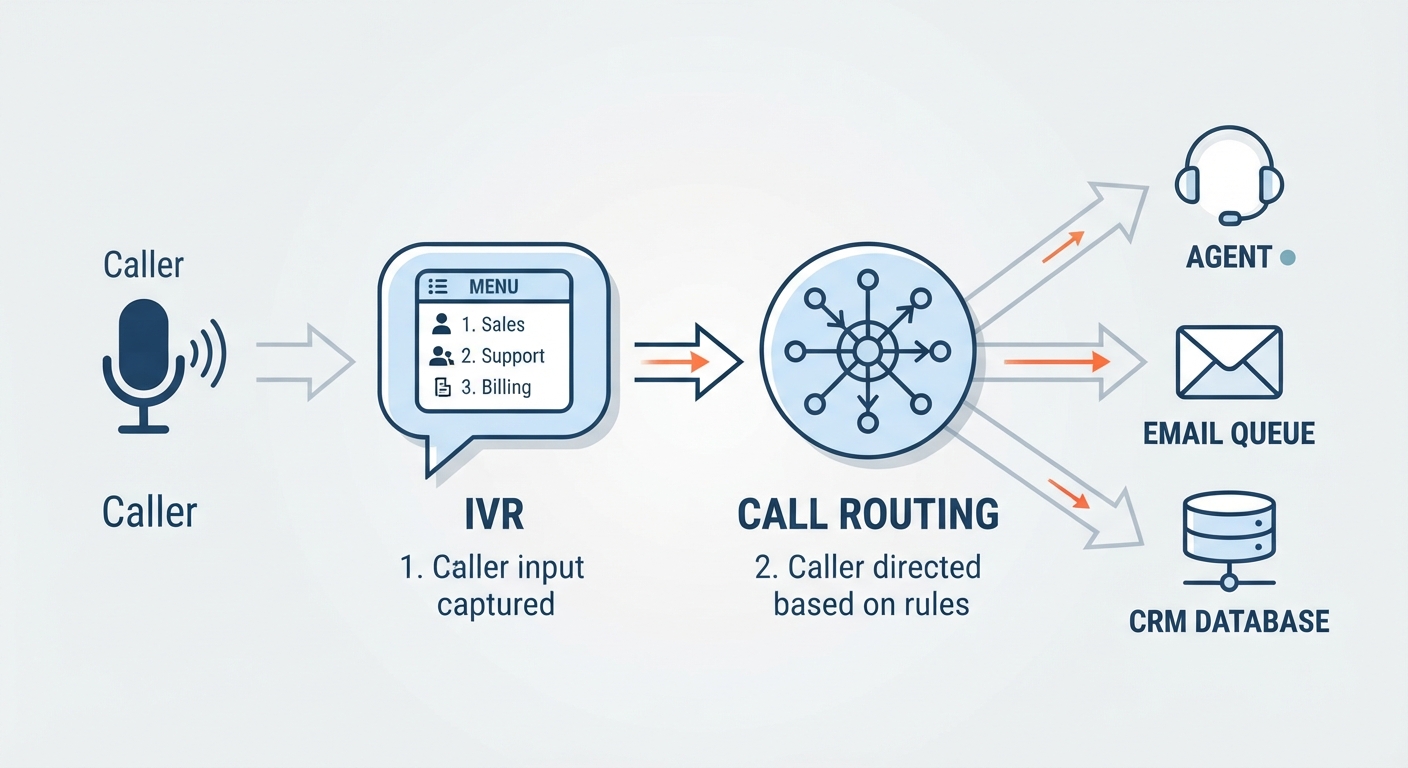
The reality is simple: AI works at the speed of light. While a human agent is still stumbling through their "Thank you for calling" script, an AI has already authenticated the caller, identified what they need, and checked your CRM for booking availability. That’s the difference between a new client and a "missed call" notification sitting in your dashboard gathering dust.
Solving the "Emergency Moment"
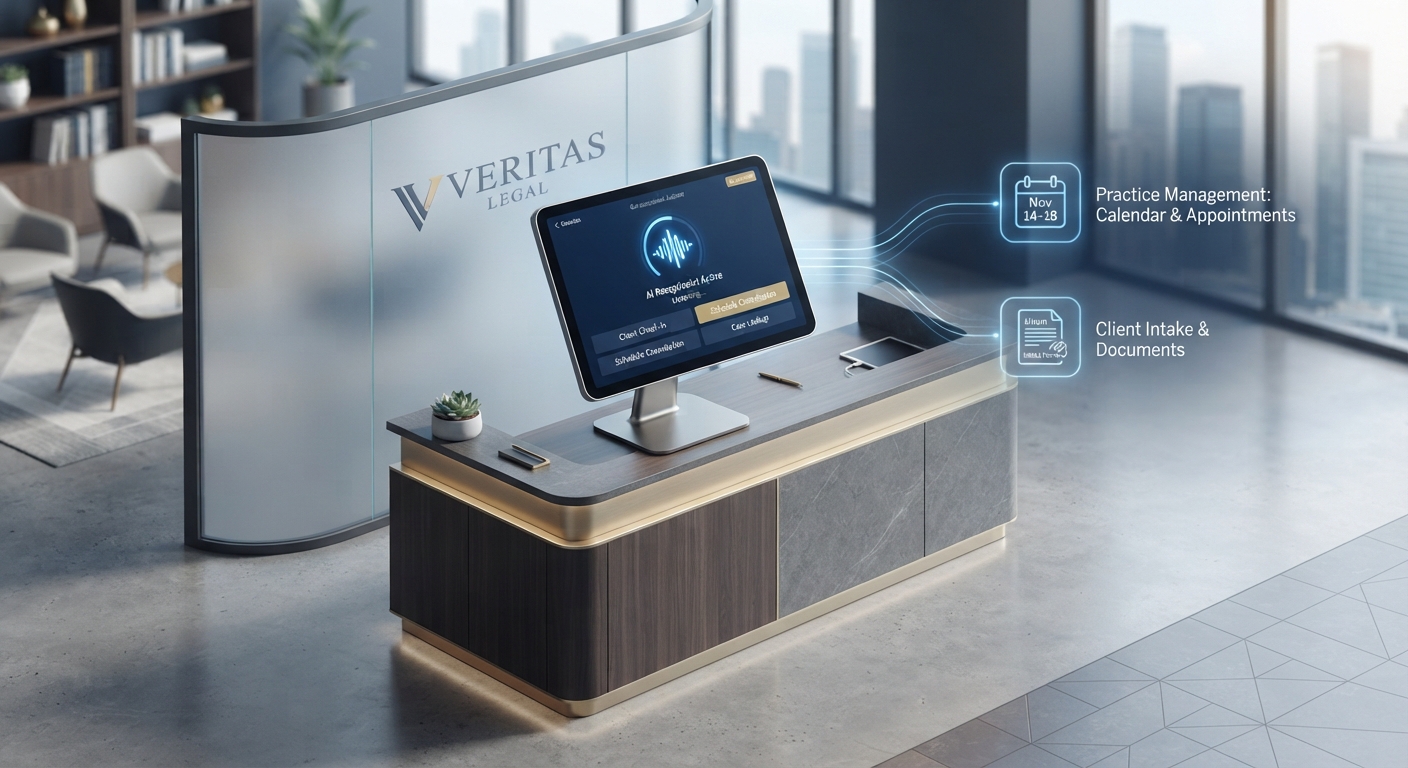
If you’re in HVAC, law, or emergency medicine, the "Micro-Moment" is everything. A pipe bursts at 2:00 AM? That customer isn't looking for a warm, fuzzy chat. They’re looking for a contractor who can be there by sunrise. As research on emergency search and call behavior shows, the first business to pick up the phone wins the job. Period.
AI thrives in these high-stress situations. It doesn't get rattled. It doesn't need a coffee break. It doesn't need to look through a manual. It just collects the address, the nature of the emergency, and the urgency, then dispatches the info instantly. If you want to see which industries are jumping on this fastest, check out the breakdown here.
Can Customers Actually Tell the Difference?
The "Uncanny Valley" used to be the go-to argument against AI receptionists. Critics insisted customers would reject a non-human voice. But the data says otherwise. By 2026, the detection rate for AI voices has plummeted to about 25%. Why? Because the voices are increasingly indistinguishable from real humans—complete with natural pauses, intonations, and polite flow.
More importantly, customers have stopped caring about the "human" aspect when efficiency is on the line. If the AI confirms the appointment immediately, the customer is satisfied. Would you rather wait 30 seconds to speak to a person who might put you on hold, or get a 1-second response from a system that actually solves your problem?
Beyond Answering: The Power of CRM Integration
The secret sauce isn't just the voice; it’s the backend synchronization. Modern AI agents act as a direct extension of your digital infrastructure.
By plugging directly into your CRM, the AI ensures no data is siloed. It doesn't just "take a message"—it updates your lead status, checks your calendar, and triggers an automated SMS confirmation. This is a closed-loop system where the call is just the first step in a fully automated sales pipeline.
The 30-Day ROI Challenge
Let’s run the numbers. You handle 500 calls a month. A traditional service at $3.00/call costs you $1,500. An AI solution at $0.15/call? That’s $75. You’re saving $1,425 every single month.
But the real ROI is in the "Lost Lead" recovery. If you miss 10 calls a month because your human service is overwhelmed, and those leads are worth $200 each, you’re flushing $2,000 down the toilet every month. By deploying an AI that never misses a beat, you’ll pay for your entire annual subscription in less than 30 days. Check out our pricing packages to see how the math works for your volume.
The "Human-in-the-Loop" Hybrid Model
The biggest fear? "What if the AI gets stuck?" What if a caller is in a crisis or has a request that doesn't fit the script? That’s where the "Human-in-the-Loop" model comes in.
You set the triggers. If a caller uses high-emotion keywords or if the AI detects complexity beyond its training, the call is seamlessly routed to a live human. You get AI efficiency for 90% of your calls and the safety net of human empathy for the remaining 10%. It’s the best of both worlds.
Implementation: From Voicemail to AI in 4 Steps
Moving away from legacy services isn't as hard as you think.
- CRM/Scheduling Integration: Hook your calendar and CRM to the AI platform. Let the AI "see" your availability in real-time.
- Scripting for Brand Voice: Train the AI on your brand values, tone, and the FAQs that actually matter.
- HIPAA/Security Check: If you’re in healthcare or law, ensure the platform offers enterprise-grade encryption.
- Testing and Launch: Run a "shadow" test. Let the AI handle a few calls before going full-time. Once the accuracy is dialed in, flip the switch.
Frequently Asked Questions
Can customers tell they are speaking to an AI?
With modern voice synthesis, customers identify AI in only about 25% of interactions. Most callers prioritize the speed of resolution over the identity of the person (or system) resolving their request.
Is AI receptionist software difficult to set up for non-technical teams?
Most modern AI receptionist platforms are designed for plug-and-play usage. If you can sync your calendar and write a script, you can deploy a fully functional AI agent in a matter of hours, not weeks.
What happens if the AI doesn't understand a caller's specific request?
The system is programmed with "smart-handoff" protocols. If the AI detects ambiguity or high-emotion language, it can immediately route the call to a designated human staff member or log the query for a callback.
Is an AI receptionist truly cheaper than hiring a virtual assistant?
Yes. When you account for salaries, benefits, training, and overhead, a human virtual assistant is significantly more expensive. AI offers a flat, predictable monthly cost that scales linearly with your call volume, eliminating the "hidden" costs of human labor.
How does AI handle HIPAA compliance for medical and dental offices?
Leading AI providers offer dedicated, HIPAA-compliant instances that encrypt all personal health information (PHI) at rest and in transit. These systems are specifically architected to meet the strict security requirements of the healthcare sector, ensuring that all patient data remains protected.