Is Your Business Losing Money? How to Reduce Missed Calls with AI Automation

TL;DR
- ✓ Unanswered calls cost small businesses thousands in potential revenue every single year.
- ✓ Modern AI receptionists handle complex inquiries and bookings without human bottlenecks.
- ✓ Conversational AI agents provide instant answers even outside of standard business hours.
- ✓ Automating your front desk significantly increases lead capture and customer satisfaction rates.
If your phone rings and no one’s there to pick up, you’re not just missing a call. You’re handing a paycheck to your competition.
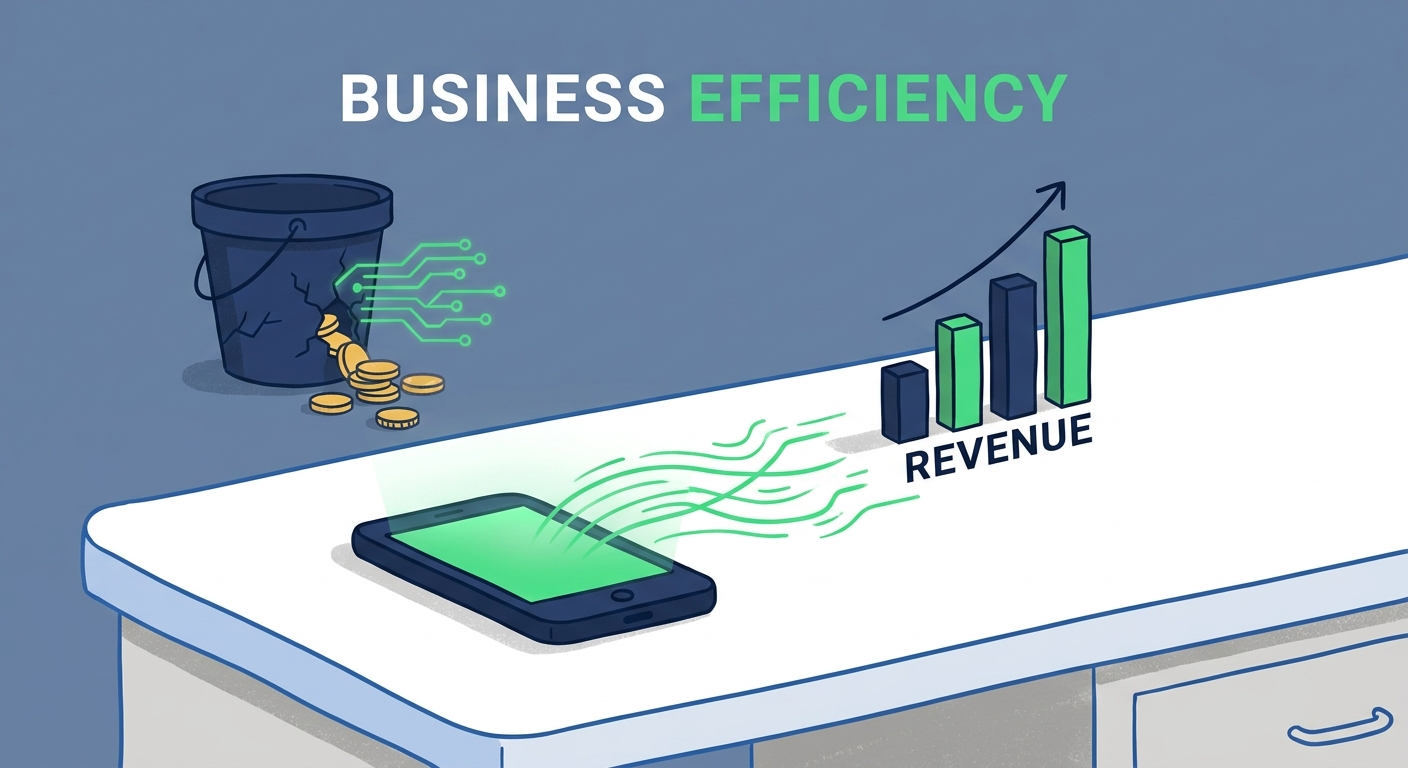
In 2026, the "cost of silence" isn’t some abstract business school theory. It’s a brutal, bank-account-draining reality. The data is clear—and frankly, it’s painful: 62% of small business calls go unanswered. That’s not just a missed "hello." That’s roughly $126,000 in potential annual revenue vanishing into the ether.
Here’s the cold, hard truth: when a prospect hits your voicemail, they aren't going to leave a heartfelt message. They’re going to hang up, tap their screen, and dial the next name on the search results. If you’re still treating call automation like some futuristic science experiment, you’re already behind. It’s no longer a "nice-to-have." It’s the difference between staying open and closing shop. For a closer look at how this is changing the game, check out these Top 7 AI Call Automation Trends.
The Death of the "9-to-5" Receptionist
The era of the traditional receptionist is effectively over. Let’s be honest: modern customers don't have the patience for gatekeepers. They want answers, and they want them now. If a client calls at 7:00 PM on a Tuesday, they don't want the robotic, soul-crushing drone of a generic voicemail box promising a callback "within 24 hours." They want a solution.
Most answering services are just a "Human Bottleneck." When things get busy—and they always do—your staff can only handle one caller at a time. The second person gets put on hold. The third gets sent to voicemail. And the fourth? They’re already browsing your competitor’s website. By sticking to these old-school methods, you’re essentially telling your customers that their time—and their money—isn't worth your immediate attention.
What Does an AI Receptionist Actually Do?
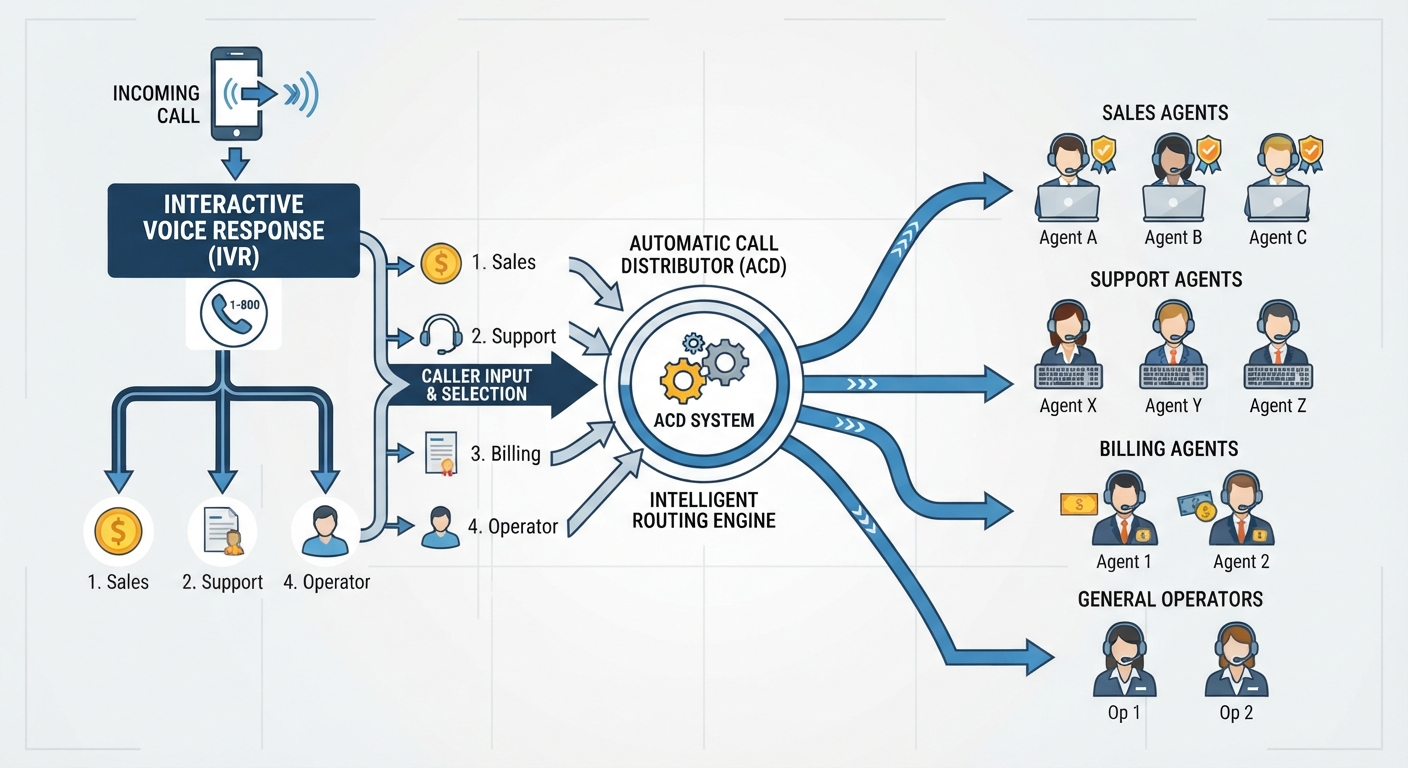
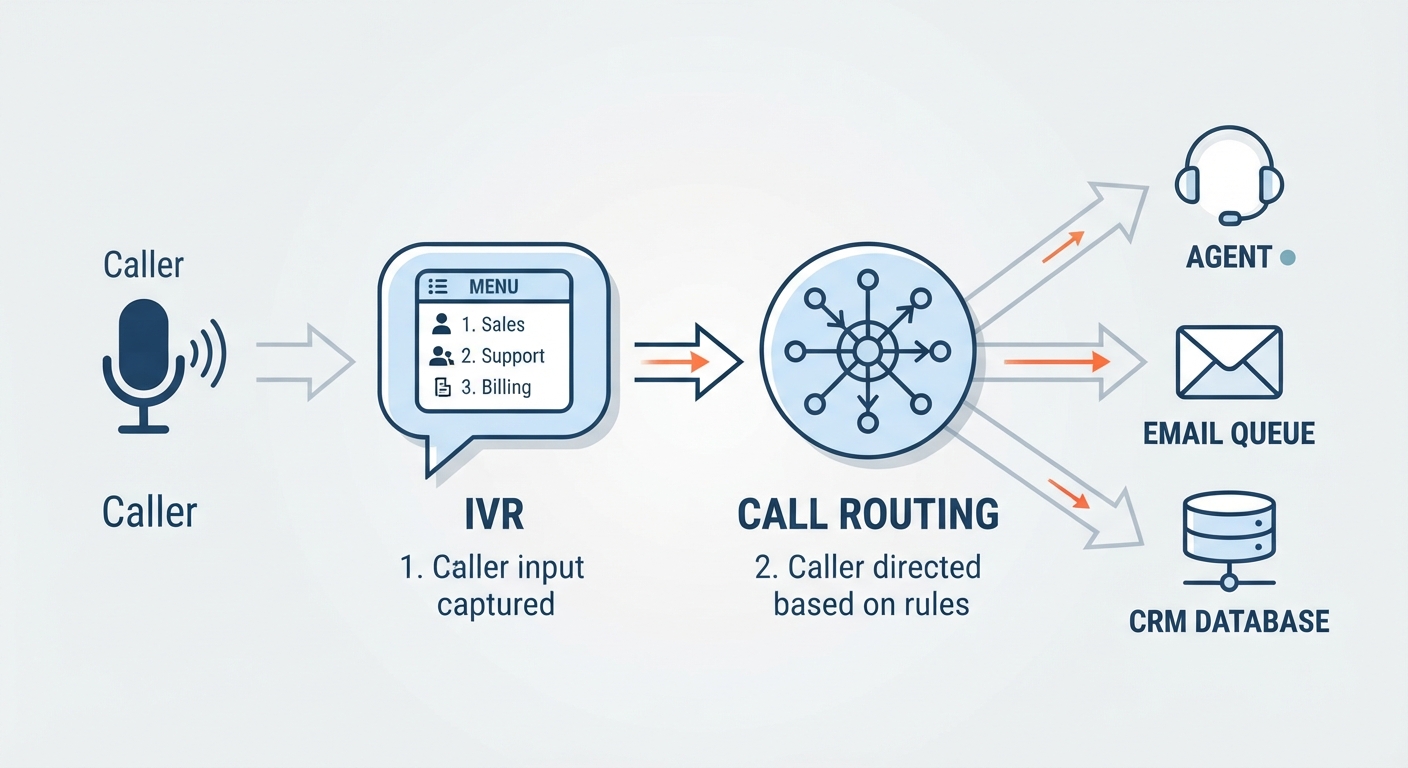
Forget those clunky, outdated phone trees that force people to "press 1 for sales." That’s not what we’re talking about. We’re talking about a conversational agent—a digital powerhouse running on Large Language Models (LLMs) that actually understands what a person is saying, the intent behind the words, and the nuance of the conversation.
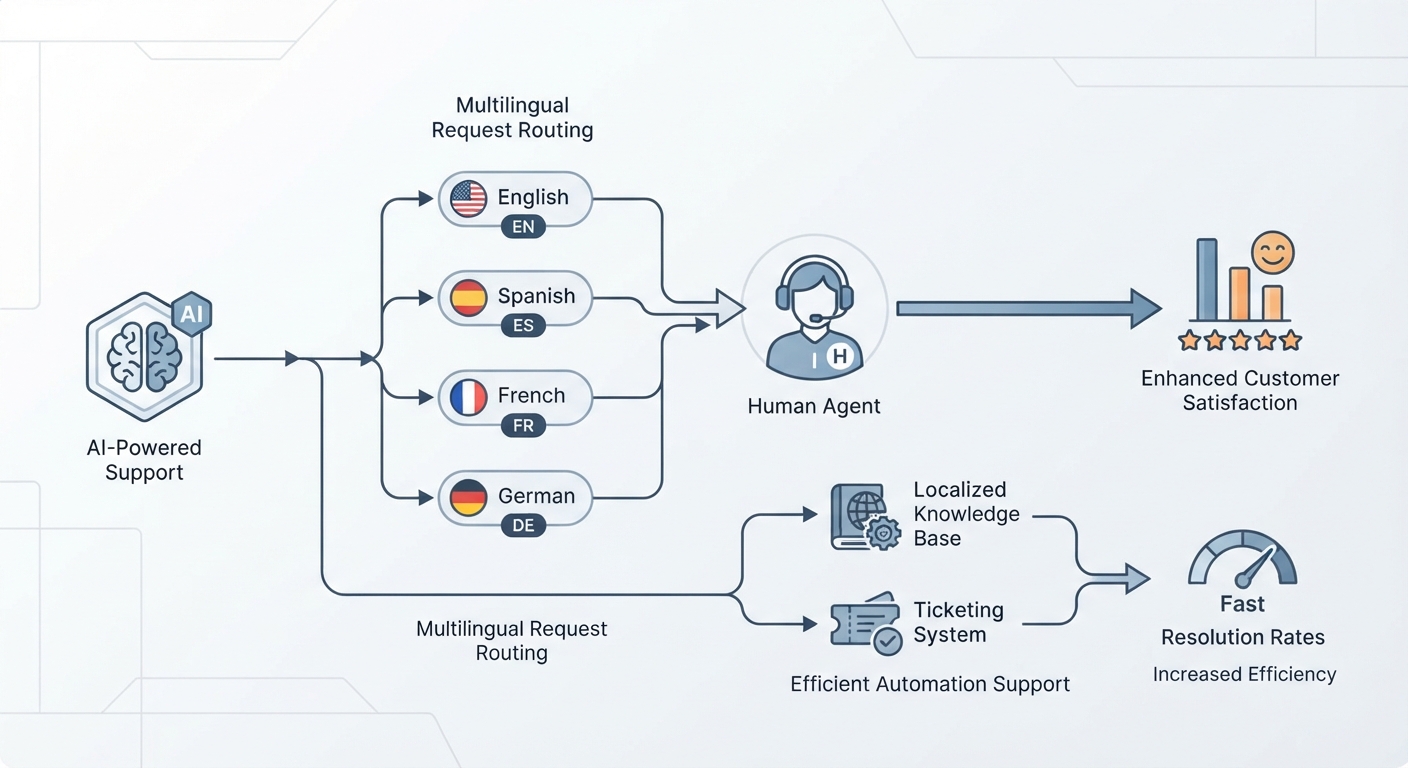
When a call hits your line, the AI doesn't just "listen." It processes the request in the blink of an eye. It checks your CRM, pulls up the relevant info, and takes action. Whether it’s booking an appointment, answering a tricky pricing question, or routing a high-value lead straight to your mobile, it handles the heavy lifting.
This is the bridge between a lost opportunity and a booked client. By plugging automation into your front desk, you’re cutting out the friction that kills conversion rates.
The Cost of Humans vs. AI
Let’s talk numbers. Hiring a full-time human receptionist is expensive. Between salary, benefits, payroll taxes, and the endless cycle of training, you’re looking at a bill anywhere from $56,000 to $227,000 a year.
Now, look at AI. A high-performance model? Usually between $300 and $3,600 annually.
But it’s not just about the cash; it’s about the "5-second rule." No matter how dedicated your staff is, a human cannot pick up every single call instantly during a rush. An AI doesn't need a coffee break. It doesn't get overwhelmed. It operates with zero latency, picking up the moment the caller hits the button. For a deep dive into the math, have a look at this AI Receptionist vs Human Receptionist Cost Breakdown. You aren't just cutting costs—you’re buying back your most precious asset: your time.
The ROI Math: What Is One Missed Call Actually Worth?
If you want to see the urgency, look at the "Lead Leak." Let’s say your average client is worth $500. If you miss just 10 calls a week, that’s $5,000 in revenue down the drain every single week. That’s a quarter-million dollars a year walking out the door. Even if you only converted 20% of those "lost" calls, that’s still $50,000 in found money.
| Missed Calls/Week | Potential Revenue Loss (Annual) | The "AI Solution" Cost |
|---|---|---|
| 5 | $130,000 | ~$1,200 |
| 10 | $260,000 | ~$1,200 |
| 20 | $520,000 | ~$1,200 |
The ROI here isn't just "positive"—it’s, frankly, ridiculous. For a breakdown of how this math works for your specific niche, check out AI Phone System ROI.
Getting Started: A Simple Roadmap
Don't let the tech side scare you off. It’s not rocket science; it’s just optimization.
- Find Your Pain Points: Audit your call logs. When are you missing the most action? Is it lunch? After-hours? During your busiest service times?
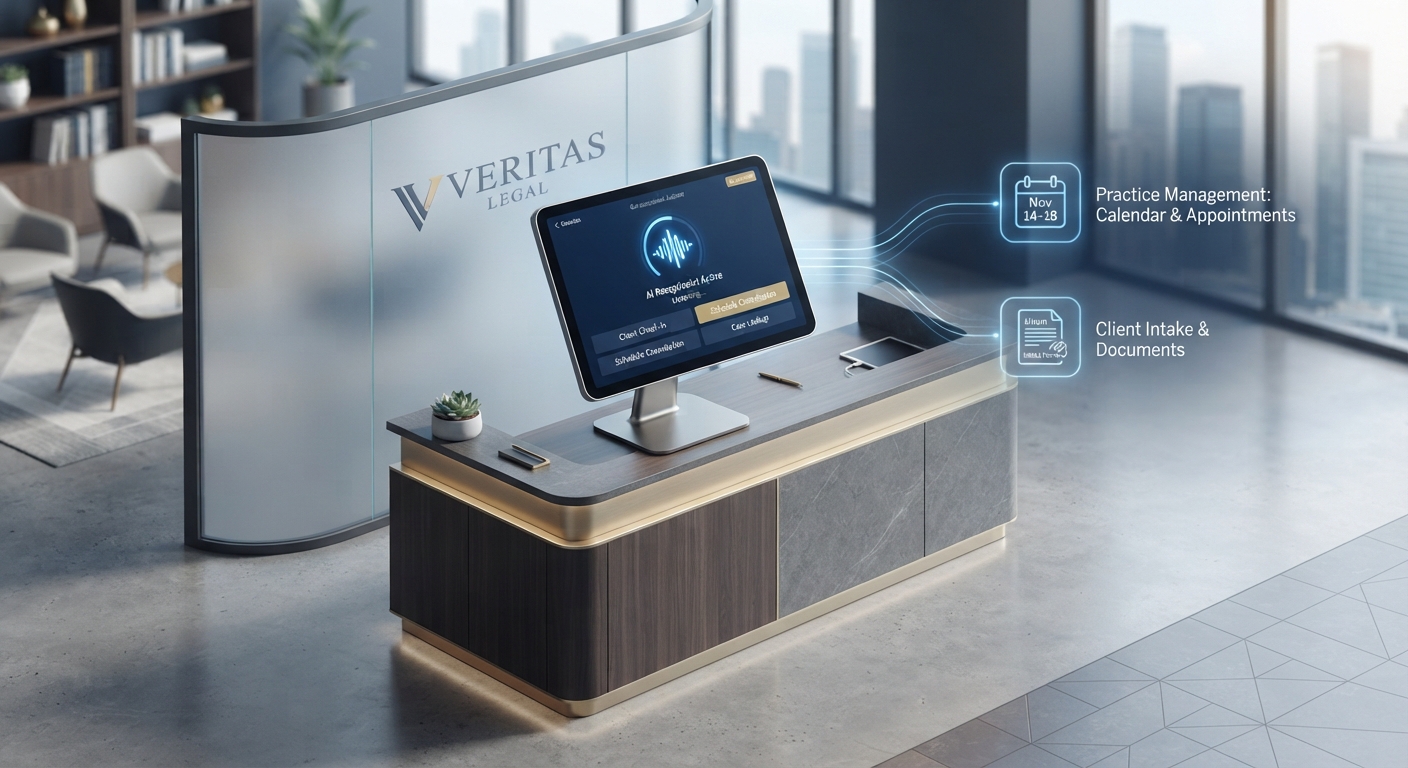
- Go Vertical: Don't buy a "general" AI tool. If you’re a dentist, you need something that knows dental terminology. If you’re a lawyer, you need something that handles intake with legal precision.
- Connect the Dots: Link your AI to your CRM or scheduling software. This is the "magic" step. When the AI books a client, it should show up on your calendar instantly.
For a step-by-step guide on how to pull this off, check out the AI Receptionist: The Complete 2026 Guide.
Debunking the "Robot" Myth
Stop worrying that your clients will think they're talking to a tin man. The "uncanny valley" era is long gone. By 2026, voice synthesis is so smooth it’s genuinely hard to tell the difference. Today’s AI handles interruptions, understands slang, and keeps a consistent brand voice.
And remember: you aren't replacing humans; you’re empowering them. Use the AI to handle the "heavy lifting"—the tedious FAQs and appointment setting—and let your human staff focus on the high-value, complex conversations that actually require the "human touch."
Choosing the Right Partner
Not every automation tool is built the same. The secret sauce is connectivity. If your AI can’t talk to your calendar or your CRM, it’s just an overpriced answering machine. You need a platform that plays nice with Zapier and your existing APIs.
At Voksha Services, we don't just build bots; we build growth engines. We understand that your business has specific needs, and we help you bridge the gap between "I missed that call" and "I just booked a new client."
Frequently Asked Questions
Will an AI receptionist sound robotic to my clients?
Not at all. With the advancements in 2026 voice synthesis, AI now uses natural language variability, cadence, and tone modulation that make it virtually indistinguishable from a human assistant during standard interactions.
How long does it take to set up an AI phone system?
Most modern, vertical-specific platforms are designed for "plug-and-play" deployment. Depending on the complexity of your CRM integration, you can often have a fully functional system live in under an hour.
Can AI handle my specific appointment booking software?
Yes. Through robust API and Zapier integrations, modern AI receptionists can read your availability and write new appointments directly into your existing software in real-time, ensuring no double bookings.
What happens if the AI doesn't understand a complex question?
The system uses "smart routing" protocols. If the AI encounters a query outside its programmed parameters, it immediately triggers a fallback protocol, gracefully escalating the call to a human staff member or taking a detailed message for a follow-up.
Stopping the revenue leak is a choice. You can keep letting 62% of your inquiries disappear into the void, or you can join the winners who have moved to an "always-on" model. If you’re ready to stop losing money and start capturing every lead, explore the solutions at Voksha Services and see what an automated front desk can do for your bottom line.