How Much Do Answering Services Cost in 2026? A Complete Price Comparison
TL;DR
- ✓ Traditional answering services often cost between $0.95 and $1.85 per minute.
- ✓ Modern AI receptionists reduce costs significantly to $0.07 to $0.12 per minute.
- ✓ Legacy services frequently include hidden fees and surcharges that inflate monthly invoices.
- ✓ AI agents provide 24/7 coverage without the need for benefits or staff training.
- ✓ Businesses can achieve higher ROI by switching to outcome-based AI communication models.
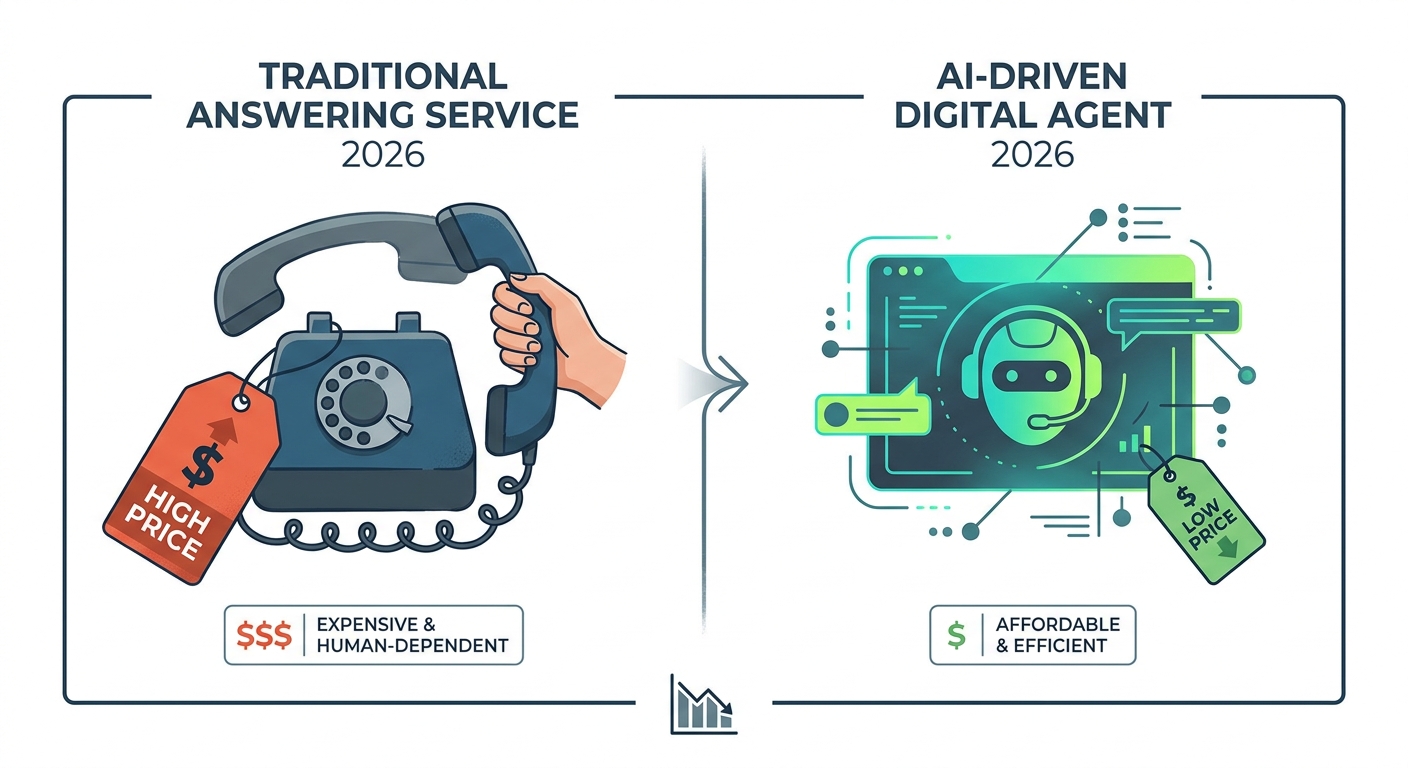
In 2026, the price of an answering service isn't just another line item on your P&L—it’s a stress test for your entire operation. If you’re still shelling out between $0.95 and $1.85 per minute for a traditional human-only service, you’re essentially paying a "human latency tax."
Sure, a human voice sounds nice. But the market has moved on. Today, conversational AI agents handle intake, scheduling, and basic triage for as little as $0.07 to $0.12 per minute. Think about that. The era of paying a receptionist to sit on hold while waiting for your team to pick up is stone-age stuff. Businesses are finally pivoting to an ROI-focused model: you pay for successful outcomes, not for the time someone spends staring at a blinking cursor while your phone rings.
The 2026 Price Comparison: Human vs. AI
Why the massive gap in price? It comes down to physics. Traditional services are built on high-touch, high-cost human payroll. AI models run on scalable, lightning-fast compute power.
| Feature | Traditional Human Service | Modern AI Receptionist |
|---|---|---|
| Base Rate | $150–$500/mo retainer | $14–$150/mo subscription |
| Per-Minute Cost | $0.95 – $1.85 | $0.07 – $0.12 |
| Setup Fees | $100 – $500+ | $0 – $50 |
| Hold Time Billing | Yes (Often full rate) | No |
| Availability | Subject to staffing/shifts | 24/7/365 |
| Integration | Manual/Delayed | Real-time API sync |
The "Sticker Price" Mirage
The quoted price for a legacy answering service is almost always a lie. When you sign up for a "per-minute" plan, you aren't just paying for the conversation. You’re walking into a minefield of junk fees designed to protect the provider's margins.
Most providers use tiered billing packed with hidden costs: holiday surcharges, after-hours premiums, and—the worst of them all—per-message fees. If a receptionist takes a message and shoots you a text, you’re often charged for the talk time plus a fee for the dispatch. According to Small Business Communication Trends, businesses that fail to audit these invoices find them inflated by 30% to 50% above the base contract. When you factor in the lost revenue from calls that go to voicemail because the operator was busy, the "true cost" of a traditional service is staggering.
The AI Receptionist Revolution: What are the Real Costs?
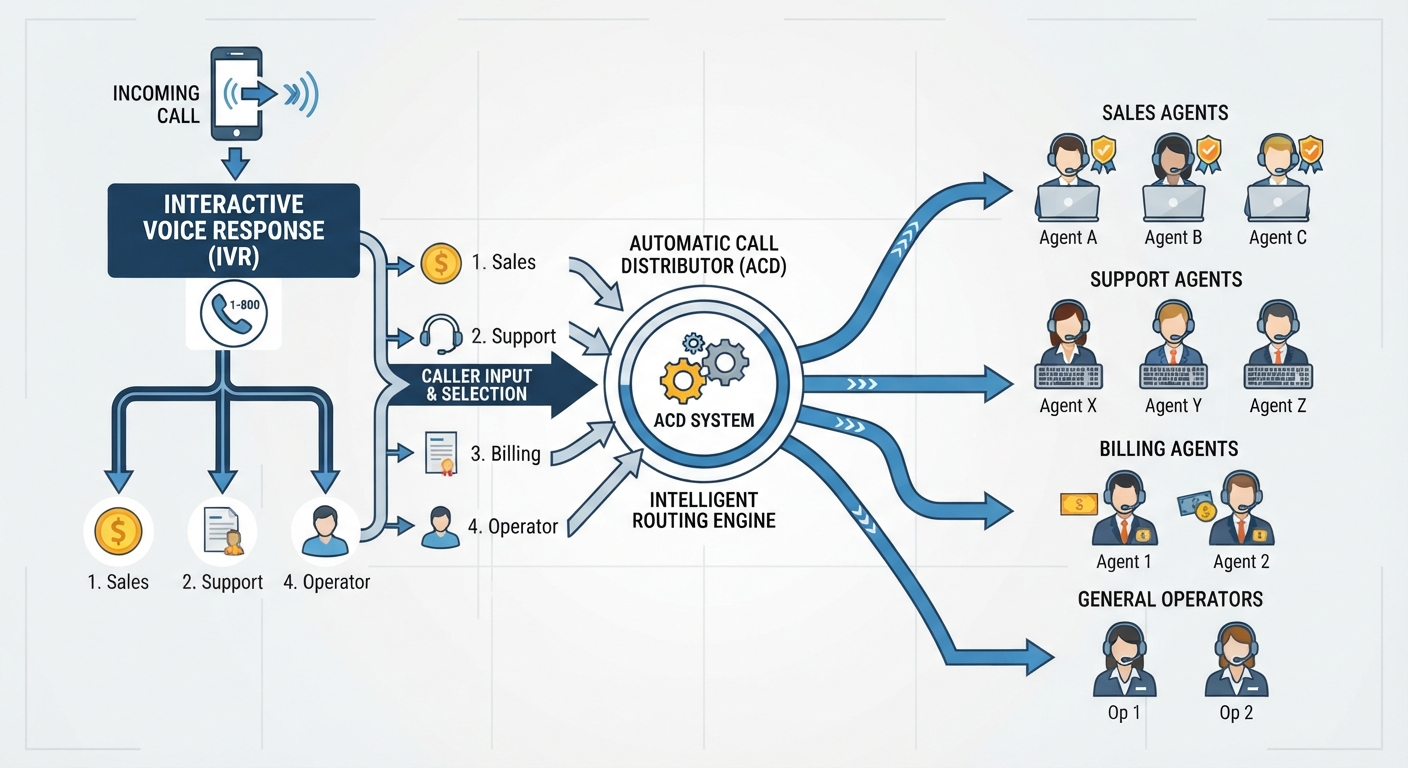
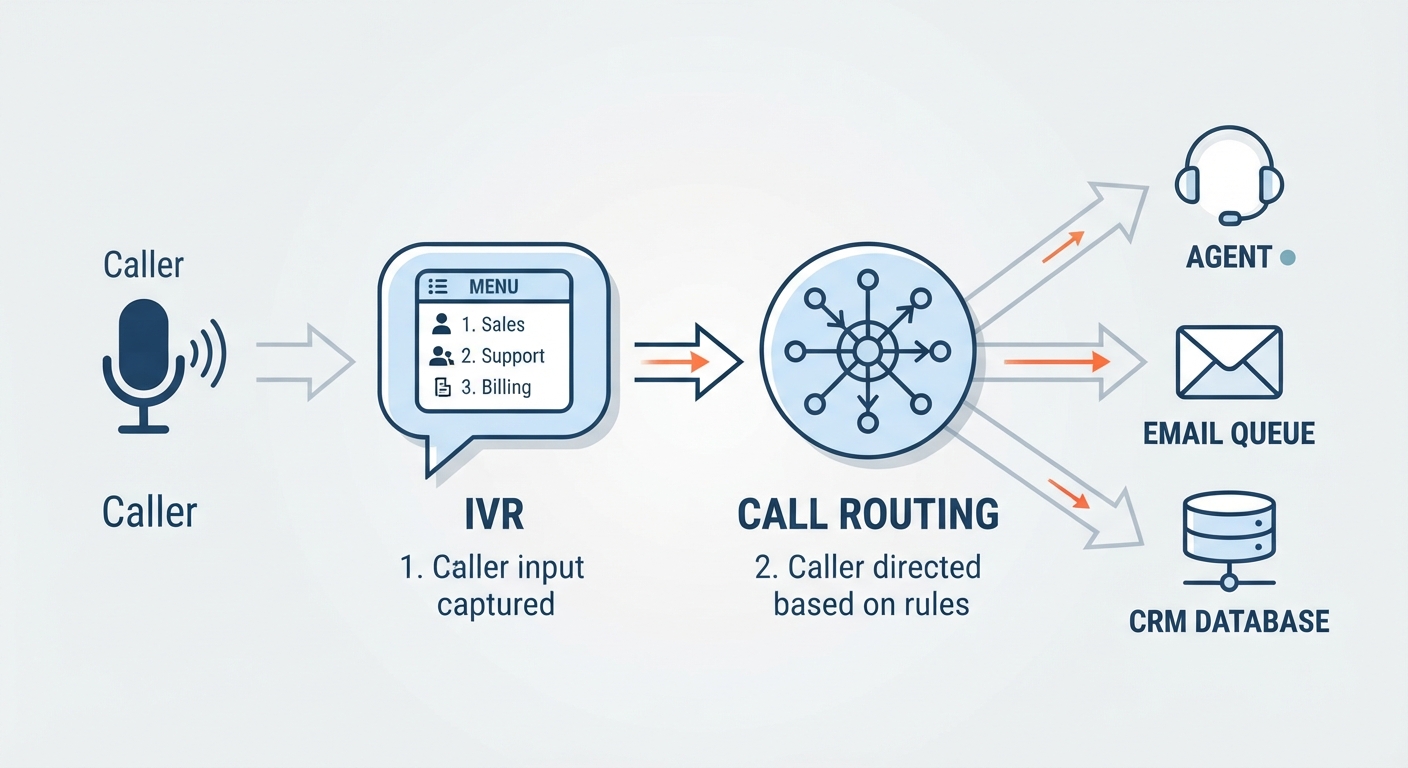
The move to AI isn't just a cost-cutting gimmick; it’s an upgrade. We aren’t talking about those clunky, soul-crushing IVR systems from ten years ago that force callers to press "1 for sales." Modern AI agents understand intent, tone, and context. They don't get tired, they don't take lunch breaks, and they don't have bad days.
Most services now use a flat-rate subscription model, usually between $14 and $150 a month. This covers 24/7 coverage and instant CRM updates. Since these agents don't need benefits or training, your costs remain predictable. Stop getting penalized for high call volume during your peak hours. You can explore our AI Receptionist pricing to see how a flat-rate model actually protects your bottom line.
The "Breakeven Calculator": When Should You Switch?
Not sure if you’re ready to ditch the human service? Look at your volume. If you get fewer than 50 calls a month, those high monthly retainers are eating your lunch. You’re paying for the "availability" of a human who might not even be needed. An AI agent, on the other hand, sits dormant until the phone rings. It costs you exactly zero when it’s not working.
Capability Gap: Beyond Just "Taking a Message"
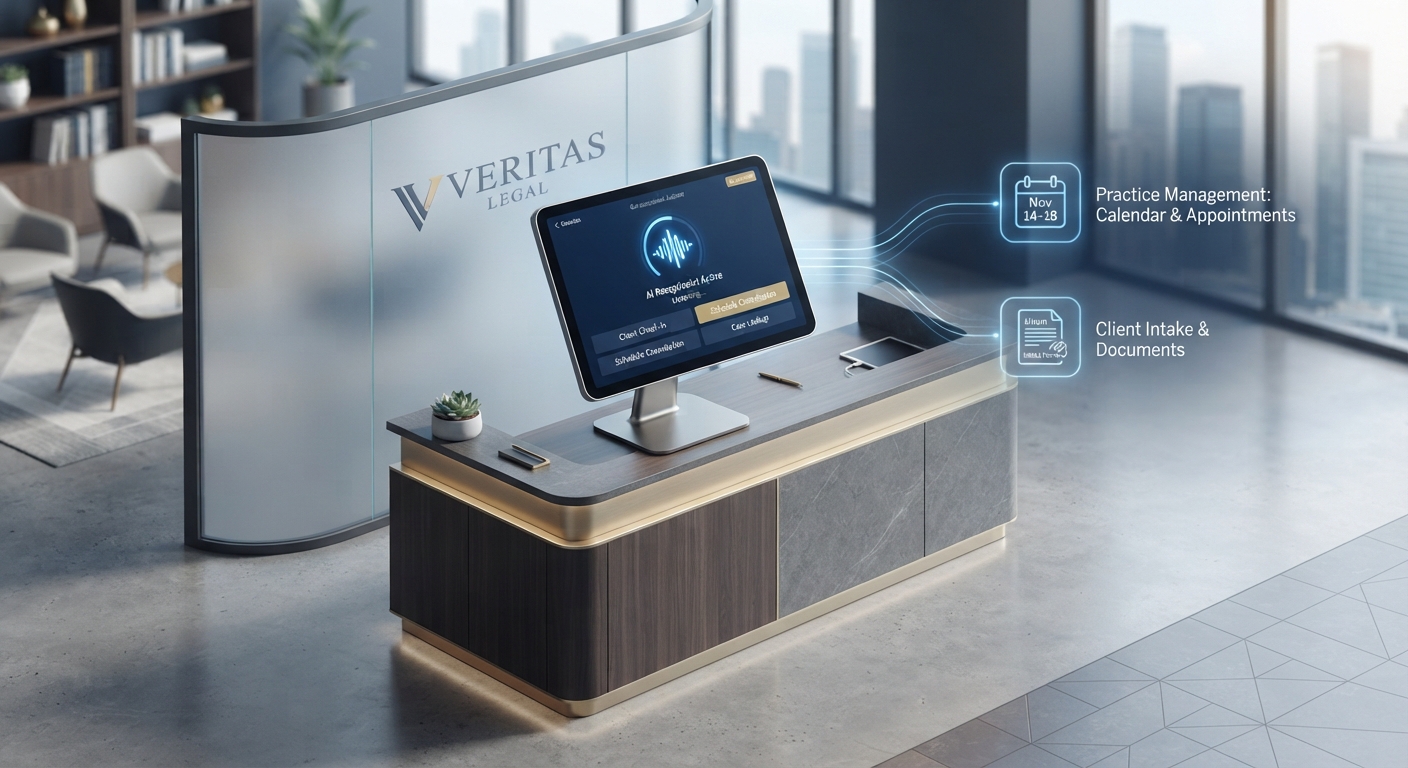
A human receptionist jotting down a message on a sticky note is a bottleneck. In 2026, that shouldn't happen. Modern AI agents sync with your CRM and calendar in real-time. By the time the caller hangs up, the lead is qualified and the appointment is already on your calendar.
And the "Warm Transfer"? It’s a game-changer. Instead of just dumping a call into your lap, the AI summarizes the caller's needs and feeds you the background data before you even say "hello." No more asking, "Who am I speaking with?" or "What was this about again?" You can see how our integration works to get a better sense of how this streamlines your workflow.
Vertical-Specific Cost Analysis: Law, Dental, and Home Services
Every industry has a different "cost of a missed call." For a plumber, a missed call is a lead that goes straight to the guy down the street. For a law firm, it’s a potential client who feels ignored and moves on.
Look at a local plumbing firm that moved from a human service to an automated intake agent. By automating the qualification process—checking the nature of the leak, location, and availability—they boosted their lead conversion by 22% while dropping their monthly answering costs by 40%. As noted in the 2026 AI Receptionist Market Report, businesses that automate the top-of-funnel experience see a massive jump in satisfaction scores because the response is instant. You can read more about how this works in our success stories.
The "No-BS" RFP Checklist
Before you sign on the dotted line, grill your provider. Most will try to hide their costs behind jargon. Use this checklist:
- "Do you bill for hold time?" (If the answer is yes, run.)
- "Is the base rate inclusive of all message delivery?" (Don't let them charge you extra for a text message.)
- "What is the average latency during peak traffic?"
- "Can you provide a breakdown of your 'discretionary' fees?"
- "Is the software HIPAA-compliant or SOC2-certified?" (Mandatory if you handle sensitive data.)
Security & Compliance: Can AI Handle Sensitive Data?
There’s a persistent myth that AI is less secure than humans. That’s just not true. A well-implemented AI agent follows strict, immutable protocols. It doesn't have a bad day and leak data. For medical and dental offices, ensuring your tools meet the HIPAA Compliance Guide for AI Voice Tech is non-negotiable. Modern providers offer end-to-end encryption, meaning patient data stays private and secure.
Conclusion: Making the Migration
Migrating to an AI-powered communication stack isn't about firing your team; it’s about freeing them from the soul-crushing drudgery of answering repetitive FAQs and manual scheduling. Start small. Audit your call logs, find the repetitive tasks, and offload them to an AI. Stop paying for idle time and start paying for efficiency. Your bottom line will thank you.
Frequently Asked Questions
Does an AI receptionist charge for the time it spends listening to hold music or waiting for me to pick up?
No. Unlike human services, which bill for every second an operator is "on the line" (even if they are waiting for you to answer), AI receptionists operate on a subscription or per-transaction model. You are never billed for wait time.
Can AI handle HIPAA-compliant calls for medical and dental offices in 2026?
Yes. Modern AI platforms designed for the healthcare sector are built with HIPAA-compliant protocols, including encrypted data storage and secure, audit-ready logging of all patient interactions.
What happens if the AI doesn't understand the caller—does the customer get stuck in a loop?
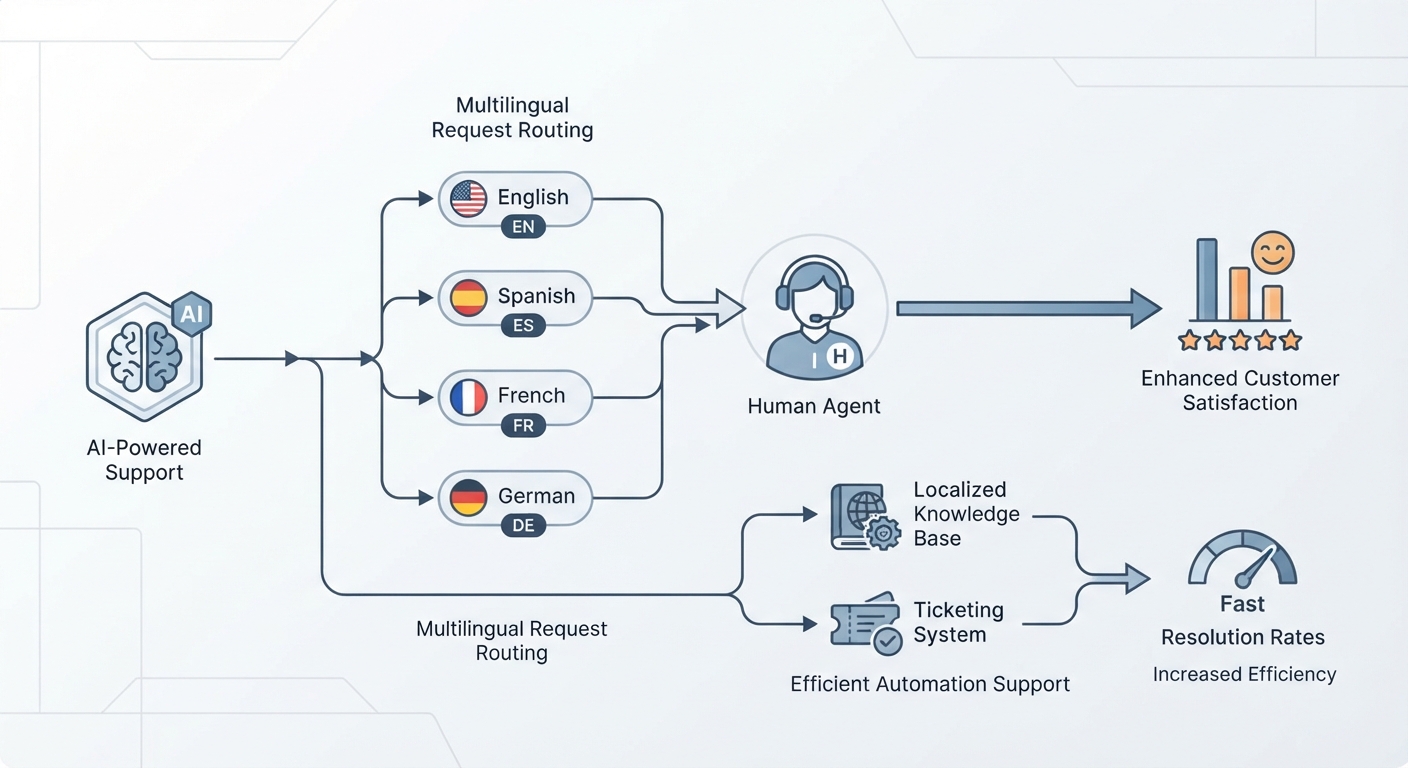
Modern systems utilize intent-based routing. If the AI detects a confidence score below a certain threshold, it immediately triggers a fallback mechanism—such as a warm transfer to a human or an automated request for the caller to leave a detailed voice message—ensuring the customer is never left in a loop.
Is there a setup fee for AI answering services, or is it plug-and-play?
Most modern AI answering services offer a plug-and-play experience. While some highly customized enterprise integrations may require a nominal setup fee, the vast majority of SMB solutions are designed for immediate deployment via a simple phone number forward.
How does the "Warm Transfer" feature impact the total cost of my calls?
The "Warm Transfer" feature actually reduces your total costs. By having the AI qualify and summarize the call before it reaches you, the total duration of the human-to-human portion of the call is significantly shortened, saving you money on airtime or labor costs.