Why Businesses Are Switching From Ruby and Smith.ai to AI-Native Receptionists
TL;DR
- This article covers why traditional virtual receptionists like Ruby and Smith.ai are losing ground to modern ai voice technology. We look at the massive cost difference between human answering services and ai, how to automate appointment booking for salons and law firms, and the exact steps to setup a system that never misses a lead. You'll learn how to save thousands on receptionist salaries while improving your call conversion rates.
The hidden cost of traditional virtual receptionists
Ever get that sinking feeling when you look at your phone bill and realize you paid sixty bucks for a telemarketer to stay on hold? It’s a total gut punch for small business owners trying to stay afloat.
Traditional services like Ruby or Smith.ai are great for having a "human touch," but the math just doesn't add up anymore. You're basically paying for every "um," "ah," and "please hold" while your margins disappear. This is where platforms like Voksha come in. Voksha is an ai-native receptionist platform designed to handle your calls, book appointments, and sync with your tools without the per-minute bloat of old-school call centers.
Most legacy services charge by the minute, which sounds fair until you realize how much time is wasted on "dead air." If a caller gets distracted or your receptionist is slow at typing, you're the one footing the bill.
- The $500 disappearing act: A typical mid-tier plan might only cover 100 minutes. In a busy law firm or dental office, you can blow through that in a week just handling basic intake. (When Minutes Cost Six Figures: The Hidden Revenue Drain in Law ...)
- The "Service" Stigma: According to Invoca’s 2024 Buyer Experience Report, 76% of consumers will stop doing business with a company after just one bad communication experience. When people hear a generic "answering service" voice, they often hang up before the pitch even starts.
- Hold time is money: You’re literally paying for your customers to wait. It's a weird incentive where the slower the receptionist is, the more the service provider makes.

Let's be real—a virtual assistant sitting in a call center doesn't know your HVAC business like you do. They’re juggling twenty different scripts for twenty different companies, and things get messy fast.
I've seen dental offices lose high-value patients because a remote receptionist couldn't explain a basic cleaning vs. a deep scaling. The "training gap" is real, and it's costing you leads that should've been slam dunks.
Next, we're gonna look at how ai actually handles these conversations without the "robot" vibe you’re probably worried about.
AI Receptionist vs Virtual Receptionist: The 2024 breakdown
I was chatting with a law firm owner last week who realized they were paying a human receptionist $45k a year just to play "phone tag" and book basic consultations. It's wild when you think about how much we spend on salaries for tasks a computer can now do better at 3 AM.
The gap between a human hire and an ai system is becoming a canyon. When you hire a person, you aren't just paying that $40k-$50k base salary; you're on the hook for benefits, desk space, and those inevitable "I'm sick" Mondays.
- The 24/7/365 Reality: A human works 40 hours a week. There are 168 hours in a week. If you want coverage for those other 128 hours—nights, weekends, holidays—you'd need to hire three more people or pay for a pricey after-hours service.
- Scaling without the pain: If your marketing campaign goes viral and your calls triple tomorrow, a human receptionist will quit or have a breakdown. An ai system just opens another "thread" and handles 100 calls at once without breaking a sweat.
- Subscription vs Payroll: Most ai systems run on a flat monthly fee. While a high-volume user might spend closer to $250 a month (about $3,000 annually), it’s still a fraction of a $4,000 monthly payroll check.

The real magic isn't just answering the phone—it’s what happens after the "hang up." Most virtual receptionists take a note and email it to you, which usually just ends up buried in your inbox.
According to Zippia’s 2024 data on data entry, the average error rate for manual data entry is around 1%, which sounds low until you realize that's one lost lead for every hundred calls.
Ai-native systems push data directly into your tools like Clio, Salesforce, or ServiceTitan. If a plumber is under a sink and misses a call, the ai can text the customer back instantly with a booking link. That "instant text-back" is the difference between winning a job and losing it to the guy who answered his phone first.
Next, we're gonna dive into how you actually set one of these things up without needing a computer science degree.
Industry specific wins with ai phone answering
Think about the last time you tried to book a haircut or a table for dinner during the lunch rush. You probably got a busy signal or a voicemail that felt like a black hole, right? It's frustrating for the customer and literally costs the business money every time that phone rings without an answer.
I was looking into how clinics handle phones lately, and honestly, the old way is broken. If you're running a dental or medical office, you can't just have anyone answering because of privacy laws. voksha handles hipaa compliant phone answering, which is huge because it means the ai can actually take down patient info without getting you in legal trouble.
- Dental & Medical: Instead of a receptionist spending 10 minutes explaining insurance, the ai handles the "do you take Cigna?" questions and pushes the data into the system.
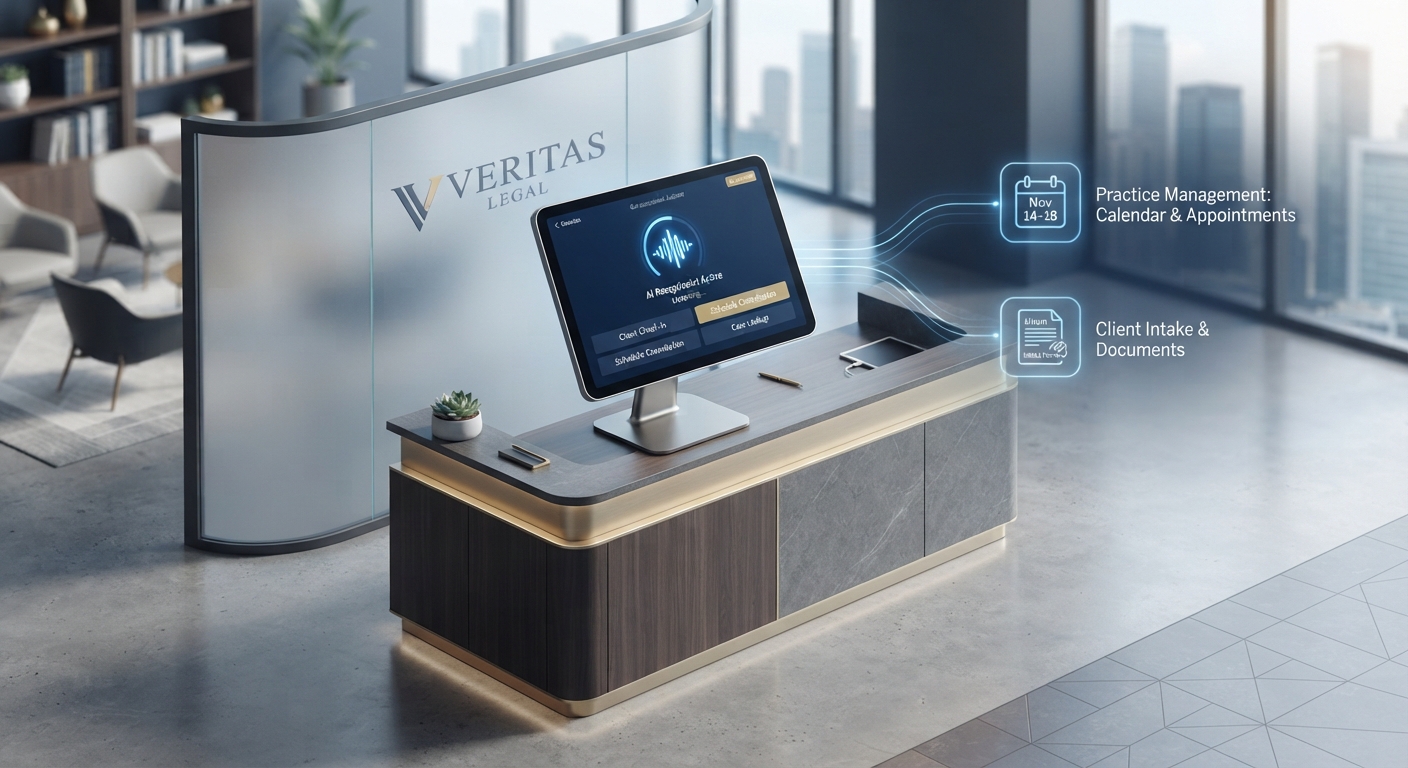
- Law Firms & HVAC: It qualifies leads on the fly. If someone calls a lawyer about a traffic ticket but the firm only does personal injury, the ai politely lets them know instead of wasting a high-paid paralegal's time.
- Speed to Value: You can get a basic setup going in like 5 minutes for a starting fee of about $14/mo, whereas training a virtual assistant at a call center takes weeks and costs way more.
Beyond professional services, retail and beauty businesses see similar gains in efficiency. Salons are notorious for "no-shows"—it’s the silent killer of margins. When an ai answers the phone, it doesn't just book the slot; it sends an immediate text confirmation. This simple automation significantly reduces the appointment no-show rate because people are way more likely to show up if they have a text to look back at.
Restaurants are also ditching those messy manual logs. According to SevenRooms, about 25% of diners will just go somewhere else if they can't get a reservation immediately. Using ai to handle reservations during a peak rush means your host can actually focus on the people standing in front of them instead of ignoring the dining room to answer a ringing phone.

Honestly, it’s just about being where your customers are. If they call at 9 PM and you’re closed, an ai captures that lead while your competitors' voicemails are just collecting dust.
Next up, I'll show you exactly how to get one of these systems live so you can stop losing sleep over missed calls.
How to set up ai receptionist for your small business
Honestly, I used to think setting up a phone system was a weekend-long nightmare involving messy wires and confusing api docs. Turns out, getting an ai receptionist live is actually faster than ordering a pizza if you know the flow.
To get started, you just need to follow these three steps:
- Sign up and Upload: Create your account and upload a PDF of your services, pricing, and FAQs so the ai actually knows what it's talking about.
- Connect your Calendar: Link your Google or Outlook calendar so the system can book appointments in real-time.
- Port or Forward: Either port your existing business number or just set your current phone to forward to the new ai number after three rings.
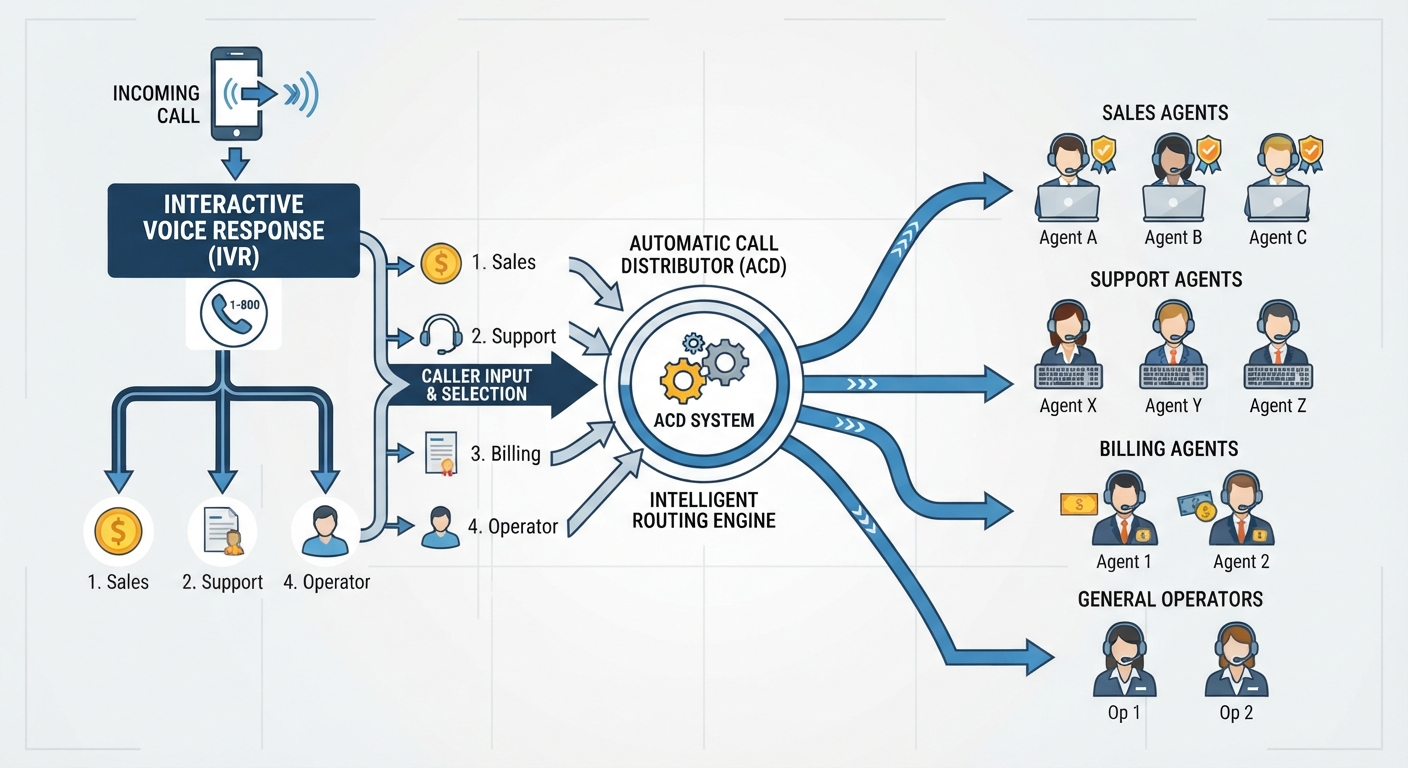
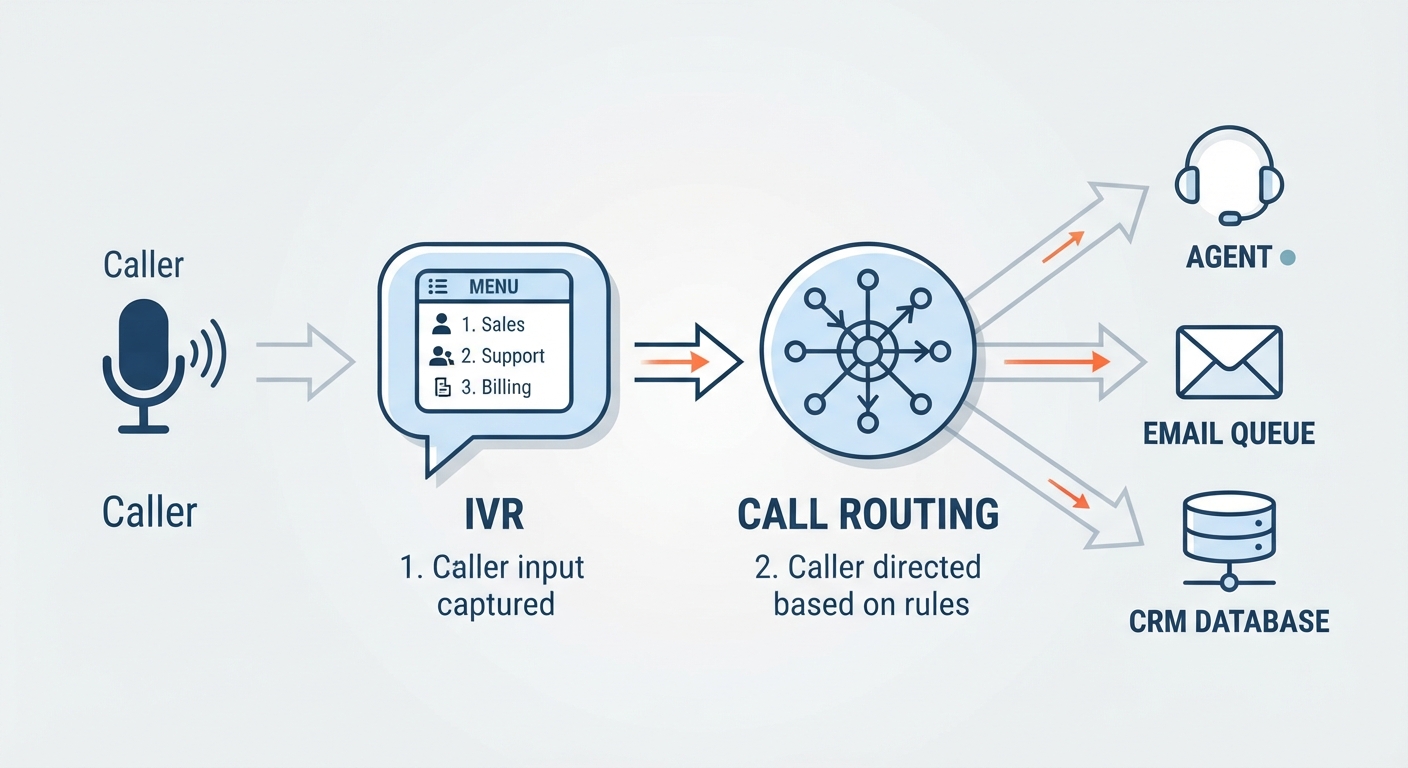
- Map the workflow: Draw a simple path. If a caller wants an appointment, the ai should check your calendar. If they have an emergency, it should route the call to your cell.
- Write natural scripts: Avoid that "press 1 for sales" robot vibe. Use your actual voice—if you say "Hey there!" in person, make the ai say it too.
- Test your routing: Call your own business from a burner or a friend's phone. Make sure the "intelligent forwarding" actually sends urgent leads to the right person and doesn't just loop forever.

The real magic happens when the ai talks to your other apps. You dont want to be manually copying phone numbers into a spreadsheet like it's 1999.
Connecting to your calendar is the biggest win for appointment no-show reduction strategies. A 2024 report by MGMA notes that automated reminders can slash no-shows by up to 50% because people are forgetful.
- Sync the stack: Link the ai to Slack or email so you get a ping the second a high-priority lead hangs up.
- Security check: Make sure you turn on basic social engineering protection. This involves setting "system prompts" or guardrails that tell the ai never to share internal passwords or private employee cell numbers, even if the caller sounds like a manager.
It's all about making the tech work for you, not the other way around. Next, we're gonna talk about how to actually measure if this thing is paying for itself or just a shiny toy.
The ROI of switching to ai-native solutions
So, is it actually worth the jump? If you're tired of seeing your hard-earned cash vanish into "per-minute" fees, the math on ai-native tools is pretty undeniable.
When you look at the total cost over a year, a human receptionist or a service like Ruby can easily run you $5,000 to $50,000. An ai system usually sits under $3,000 annually for most high-volume users. You aren't just saving on payroll; you're stopping the "leaky bucket" where missed calls equal lost jobs.
- Revenue recovery: Answering 100% of calls means you capture leads that usually go to voicemail.
- Zero training overhead: Unlike new hires, the ai doesn't need two weeks of "onboarding" to learn your pricing.
- Scale for free: Whether you get 5 calls or 500, your monthly subscription stays the same.
A 2024 report by MarketResearch.com suggests that businesses using ai for customer engagement see a 25% boost in operational efficiency because staff aren't tethered to phones.
Ultimately, users are migrating because they want a system that actually works while they sleep—without the massive "human" price tag. It's just smarter business.