Predictive Analytics for Peak-Hour Small Business Call Volume Management
TL;DR
- This article covers how small businesses can use data to stop missing calls during their busiest hours. We look at the real cost of hiring more staff versus using ai receptionists, how to predict when your phones will ring most, and specific steps for law firms and salons to capture every lead without breaking the bank.
The hidden cost of missed calls during your busy hours
Ever had that feeling where the phone is ringing off the hook, you got a line of people at the door, and your brain just kind of... freezes? It’s a classic small business nightmare, honestly. This is where a tool like Voksha ai comes in—it's basically an intelligent digital receptionist that answers your phones when you're too busy to grab them.
Most of us think a voicemail is a "safety net," but in reality, it's more like a graveyard for potential revenue. If someone is calling a plumber for a burst pipe or a law firm for an urgent case, they aren't gonna wait around for a callback. They just click the next name on Google.
- The high-ticket hit: In industries like HVAC or legal services, a single missed call can literally cost you thousands in lifetime value.
- Ghosting is real: According to a report by RingCentral, about 85% of people whose calls aren't answered won't call back.
- The "Right Now" Economy: People want answers immediately, and if they get a robot recording from 1998, they're gone.

When things get slammed, your front-desk person is usually trying to check someone out, handle a complaint, and answer the phone all at once. Something is gonna give. Usually, it's the quality of the conversation.
Rushing through a call just to "get it over with" leads to messy data entry or missed follow-ups. I've seen it happen in dental clinics where a receptionist forgets to ask for a ph number because they're staring at three people in the waiting room.
It’s not just about the money, either—it’s the burnout. Your team gets fried trying to be in two places at once. We'll dive into how voksha ai actually fixes this without firing your favorite staffer next.
Using data to predict when your phone will ring
You ever notice how your phone only seems to explode right when you’re in the middle of something important? It’s almost like customers have a secret group chat where they decide to call you all at the same time.
But honestly, it isn't random. If you look at the data—even just a basic call log—patterns start to jump out like a sore thumb.
Most small businesses see "the rush" happen in predictable waves. For a local salon, it’s usually Tuesday mornings when people realize their hair looks rough for the weekend, or right at 5:01 PM when everyone leaves the office.
- The Monday Morning Peak: Healthcare clinics and law firms usually get slammed on Mondays. People stew over their problems all weekend and finally dial in as soon as the doors open.
- Seasonality Stress: If you’re in HVAC, your "peak" isn't a time of day, it's the first day the temp hits 90 degrees. That’s when your phone lines basically melt.
- The Lunch Hour Loop: Retail and food services see a massive spike between 11:30 AM and 1:30 PM. If your receptionist is also taking their lunch then, you’re basically throwing money away.

You don't need a math degree to do this. Just export your call history from your provider and drop it into a spreadsheet. You’ll probably see that your marketing spend is actually what's "breaking" your phone system.
I've seen plenty of owners run a big Facebook ad campaign then get mad when they don't see results. Turns out, the ads worked too well—the calls spiked, nobody answered, and the budget was wasted.
According to a 2024 report by Invoca, roughly 74% of people are likely to choose another business if they don't get a person on the first try. So, if you know a spike is coming because of an ad or a holiday, you gotta have a plan.
Next, we're gonna look at how an ai actually handles these "impossible" surges without you having to hire three new people.
AI Receptionist vs Hiring more staff: The real cost breakdown
Look, I get it. Hiring a new person feels like the "real" way to grow, but then you see the payroll taxes and your stomach drops. I've talked to so many shop owners who are stuck between a rock and a hard place—they need the help, but $3,500 a month for a decent receptionist is a lot of haircuts or oil changes just to break even.
If you look at the math, a human receptionist usually costs around $3k to $4k monthly once you add in benefits. Voksha ai starts at just $14/mo, which is honestly kind of insane when you think about it. It isn't just about the money though; it's about the fact that an ai doesn't get "overwhelmed" when five people call at 9:01 AM.
- Unlimited calls at once: Unlike a human who can only talk to one person, these systems handle dozens of concurrent calls so nobody ever hears a busy signal.
- CRM tight-knitting: It plugs right into things like Salesforce or Clio for law firms, so lead info just appears while you're sleeping.
- 24/7/365: You get after-hours and weekend coverage without paying overtime or "holiday pay."
Now, some people swear by those "virtual receptionist" services where a real person in a call center answers. But here is the thing: those guys usually bill "per minute," and costs can spiral fast if you have a chatty customer. Plus, a 2024 study by Zippia found that the average cost for an answering service is around $1.30 to $1.75 per minute, which adds up way faster than a flat ai subscription.

Human services still have wait times too, especially during peak hours. If the call center is slammed, your customer is still sitting on hold. ai is just... there. It follows the script every single time without catching a cold or having a "bad Monday."
Next, we're gonna walk through some industry-specific strategies to see how this actually looks in the real world.
Industry specific strategies for peak call management
Every industry has its own version of "the rush," and honestly, trying to use a one-size-fits-all phone strategy is how you end up losing leads. What works for a busy bistro on a Friday night would be a total disaster for a law firm dealing with a sensitive car accident case.
Medical & Healthcare In the medical world, the front desk is usually a war zone of insurance papers and ringing phones. If your staff is stuck answering "where are you located?" for the tenth time, they aren't focusing on the patient standing right in front of them.
- Automating the basics: An ai can handle the "low value" calls—directions, hours, or basic prep instructions—freeing up your team for complex patient needs.
- Privacy first: You gotta make sure any tool you use is hipaa compliant. A 2023 report highlights that even phone systems must meet strict data encryption standards to protect patient info.
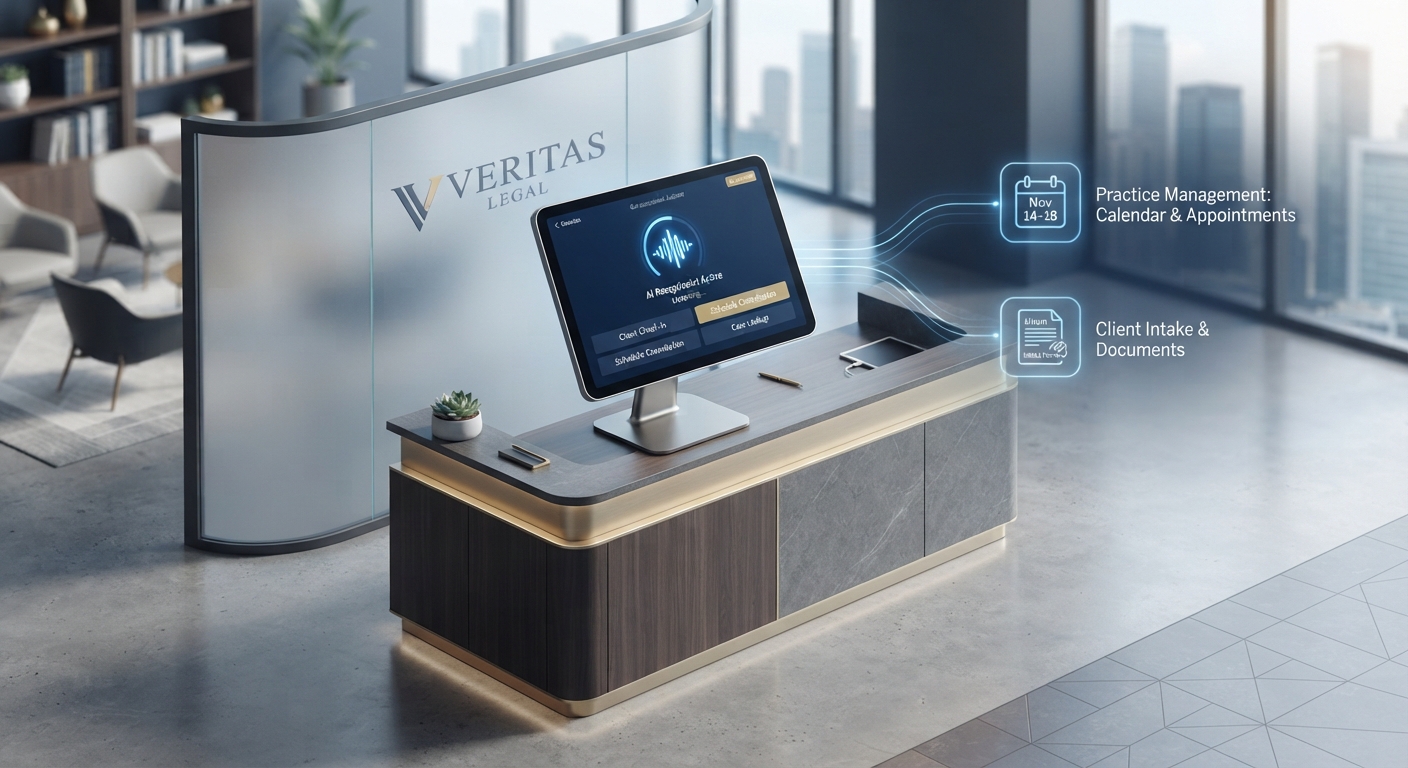
Lawyers & Legal Services For lawyers, the phone is literally a money machine. If a potential client calls about a personal injury and gets a voicemail, they're already clicking the next firm on the list.
- The Speed-to-Lead Game: Most people hire the first firm that actually picks up. According to a study by Clio, 67% of consumers say responsiveness is the top factor when choosing an attorney.
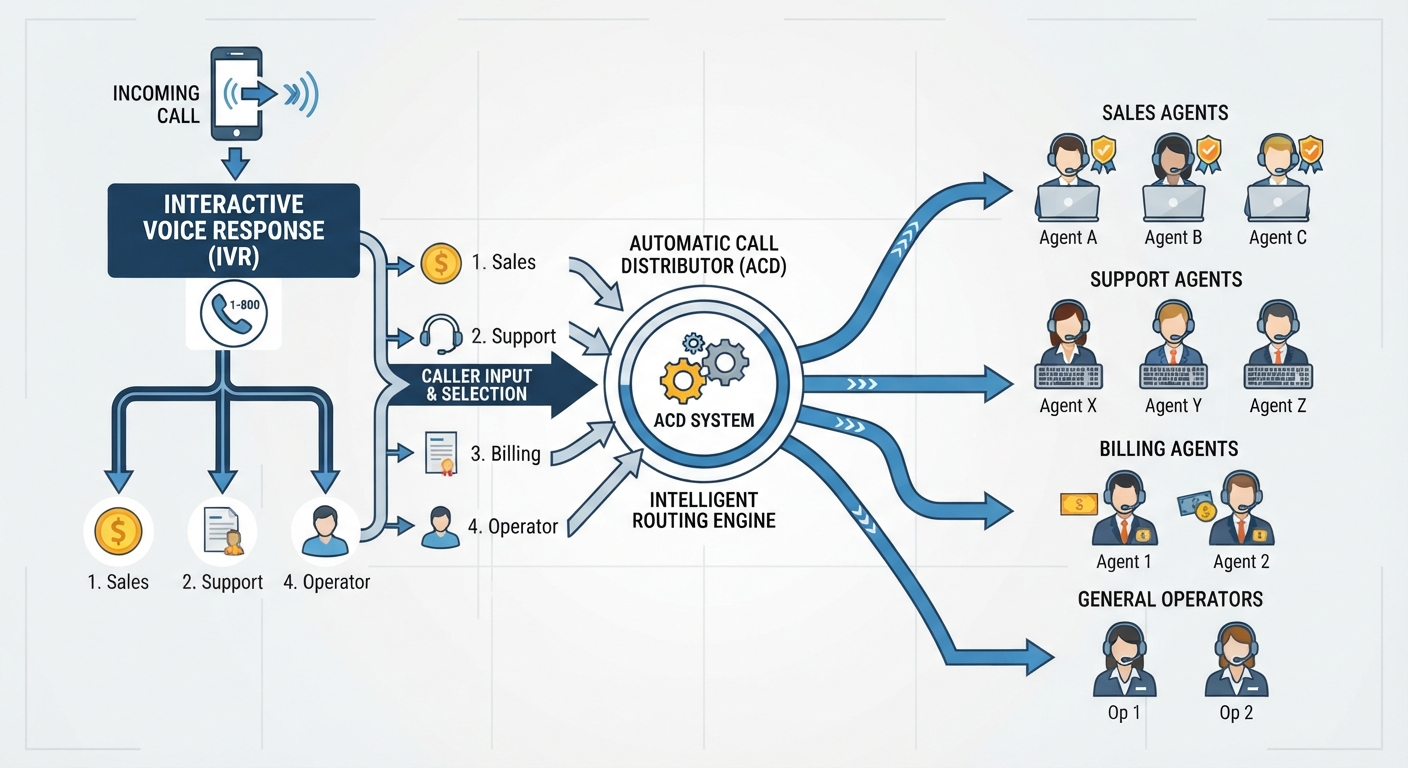
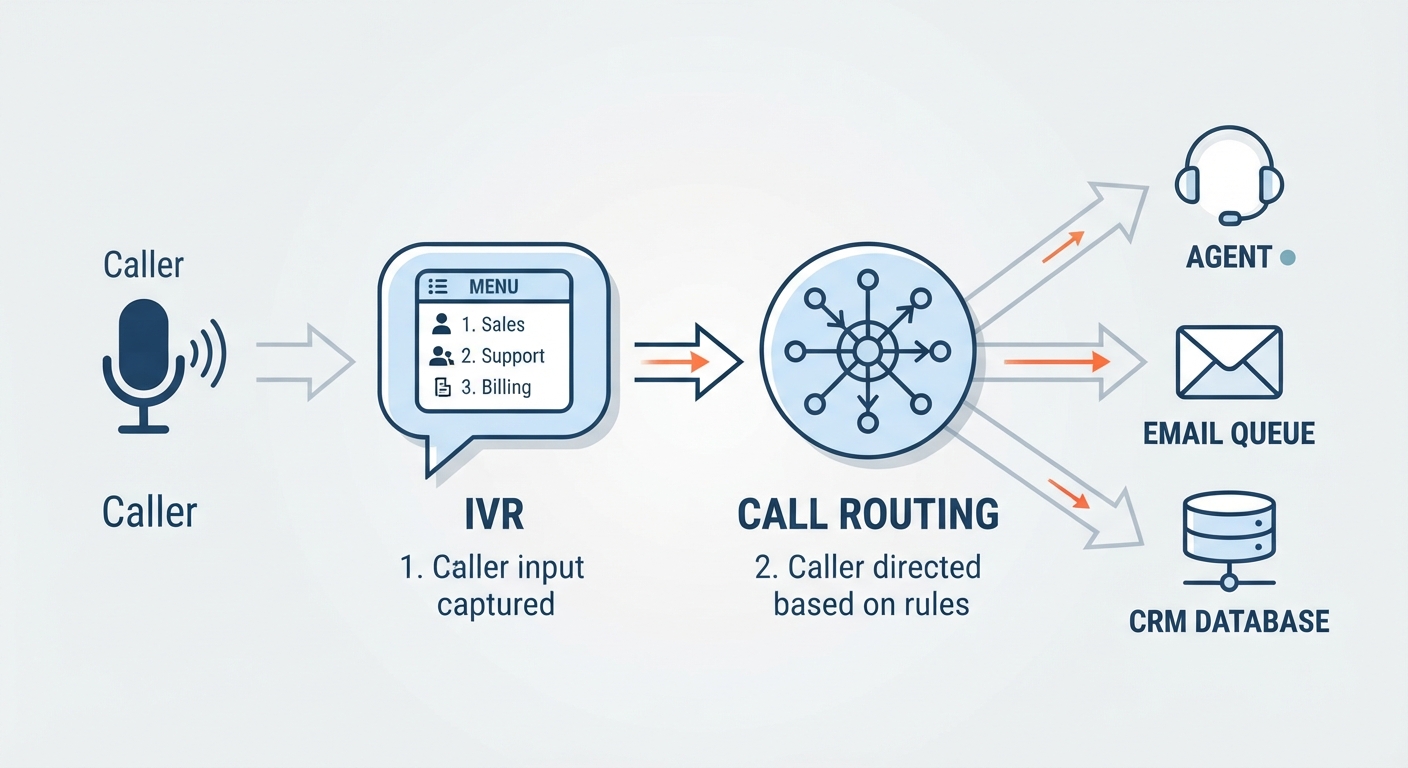
- Smart Routing: You can set up your ai to identify "emergency" keywords. If someone says "jail" or "accident," the ai can instantly patch them through to a partner while handling routine billing questions on its own.
Beauty and Personal Services I’ve seen so many stylists try to balance a blow-dryer in one hand and a phone in the other. It’s messy.
- Link Drops: When someone calls to book, the ai can just say, "Hey, I can help with that, or I can text you our booking link right now." Most people under 40 will jump at the text.
- Handling the "Is there a wait?": Restaurants can use ai to give real-time updates on table availability so the host can actually host.

It’s all about getting the right call to the right place without making the customer feel like they're stuck in a loop. Next up, we’ll look at the actual step-by-step of getting this tech running in your own office so it doesn't sound like a 1980s movie robot.
Step-by-step guide to setting up your AI phone system
Setting up an ai receptionist isn't some weekend-long project, honestly, you can get it running before your coffee gets cold. Most people overthink the tech part but it's really just about telling the bot how you want it to talk to your customers.
First, you gotta deal with your phone number. You don't need to change your business line or anything annoying like that. You just set up conditional call forwarding—so if you don't pick up within two rings, the ai grabs it. Or, you can just port the number if you want the bot to handle everything 24/7.
Next, you "train" the bot. This isn't coding; it’s just typing. You give it your "vibe"—maybe you're a high-end law firm that needs to be formal, or a casual burger joint. You upload your FAQ, like "yes, we have gluten-free buns" or "the parking garage is behind the building."
Then, hook up your calendar. If you use tools like Calendly or Google Calendar, the ai can literally book appointments while you're busy with another client. It’s like having a teammate that never sleeps and doesn't need a lunch break.
Finally—and this is the big one—you gotta test the voice. You call the system yourself and talk to it. If it sounds too stiff or misses a detail, you just tweak the instructions in the dashboard. This is how you make sure it sounds like a helpful human and not some glitchy robot from a sci-fi flick.

According to a report by vcita, about 69% of consumers prefer to book appointments online or via automated tools rather than waiting on hold. So, by letting the ai handle the "boring" stuff, you're actually giving people what they want. Just make sure you're clear that it’s an ai—people appreciate the honesty and the speed.
Managing peak hours doesn't have to mean losing your mind or your money. By using Voksha ai to catch those surges, you keep your customers happy and your staff sane. Stop letting those leads go to voicemail and start growing your business today.