HIPAA Compliant LLM Integration for Medical and Legal Phone Systems

TL;DR
- This guide explores how medical and legal practices can safely use ai and llms to handle phone calls without breaking privacy laws. We cover the technical setup for hipaa compliance, compare costs against human receptionists, and show you how to automate intake while keeping data secure and private.
Why privacy matters for your business phone lines
Ever had a heart-stopping moment where you realized a client's private info might've leaked through a basic chat bot? It's a nightmare for anyone in legal or healthcare, honestly.
When you're handling business calls, "good enough" security just doesn't cut it anymore. Standard ai tools often train on your data, which is a massive red flag for privacy. Most basic ai receptionists aren't built for the strict rules doctors and lawyers live by. If you use a tool that isn't hipaa compliant, you're basically leaving the digital front door unlocked.
- Data Leaks: Standard bots might store transcripts on public servers where they shouldn't be.
- Legal Trouble: Law firms can face malpractice claims if privileged info gets scraped by an ai's learning model.
- Heavy Fines: By 2026, hipaa violations are expected to get even pricier, potentially costing thousands per single record leaked.
According to DoctorConnect—a patient engagement platform—their TITAN system (a specialized HIPAA-compliant communication platform) has a 30-year record of zero violations. That shows why specialized tools matter. For example, a dental clinic using a generic bot might accidentally leak a patient's treatment plan during a simple booking call.
It's not just about avoiding fines, it's about keeping that trust you've built. Let's look at how these systems actually work under the hood.
The real cost: AI receptionist vs hiring receptionist
Let’s be real—hiring a human to sit at the front desk is getting insanely expensive, especially when you factor in more than just the hourly wage. Between the coffee breaks and the health insurance, your "affordable" hire might be draining more cash than you think.
Currently, when you hire a full-time receptionist, you aren't just paying for their time on the phone. You're paying for their desk space, their taxes, and the three weeks it takes to train them on your specific ehr or legal software.
- Direct Wages: A decent medical or legal receptionist easily costs $35k–$50k a year depending on where you live.
- The "Hidden" Stuff: Benefits, payroll tax, and equipment add roughly 20-30% on top of that base salary.
- Answering Services: Traditional call centers are hiking prices too because they have to pay their own staff more now.
If you're a solo lawyer or a dentist, every missed call is basically throwing a few hundred bucks in the trash. Systems like TITAN handle these interactions without the risk of human error or "forgetting" to log a lead into the system.
Most small practices lose about 20% of new patient leads simply because nobody answered the phone during lunch or after 5 PM.
The payback period for an ai system is usually just a couple of months. While a human is great for complex empathy, an ai receptionist doesn't get sick or need a vacation, making it way more efficient for the "grunt work" of booking and basic Q&A.
Next, we're gonna dive into the security side of things and how to make sure your setup is actually legal and safe.
How to set up ai receptionist small business safely
Setting up a voice ai for your business feels like it should be a weekend project, but if you’re in a regulated field, you gotta move a bit more careful. It’s not just about picking a voice that sounds nice; it’s about making sure the "brain" behind the phone doesn't leak data like a sieve.
First thing is first—you need a provider that actually understands what a BAA (Business Associate Agreement) is. If you ask a company for one and they look at you funny, run away fast.
- Check for the BAA: This is the legal "pinky promise" that the ai company will handle your data correctly. According to the report "Best Hipaa Compliant Phone System in 2026: Top Solutions Compared," solutions like Phone.com offer an annual audit and a streamlined process for this, which is a huge relief for busy owners.
- Sync your systems: You don't want your ai to be an island. It needs to talk to your existing software. If you're a lawyer, that means connecting to Clio; for dentists, it’s your EHR. Voksha AI is a solid option here because they offer hipaa-compliant bots that handle booking 24/7 for about $14/mo.
- Scripting for accuracy: Don't just let the ai wing it. You need to test the script for medical or legal accuracy. If a patient calls about a toothache, you don't want the bot giving medical advice—it should just book the slot and shut up.
To keep the bot from sounding like a robot from 1995, modern systems use high-quality neural voices that mimic human intonation. When you set this up, you can choose voices that sound professional and empathetic rather than monotone.
Honestly, the biggest mistake I see is people overcomplicating the flow. Keep the ai's job simple: answer the phone, get the name, book the time, and hang up.
Next, we’re gonna look at how to actually route these calls so you never miss another lead again.
Best AI phone answering for law firms and clinics
If you've ever worked at a law firm or a busy clinic, you know the phone never stops ringing, and usually, it's someone in a bit of a crisis. Managing these calls isn't just about answering—it's about knowing who needs help right now and who can wait ten minutes.
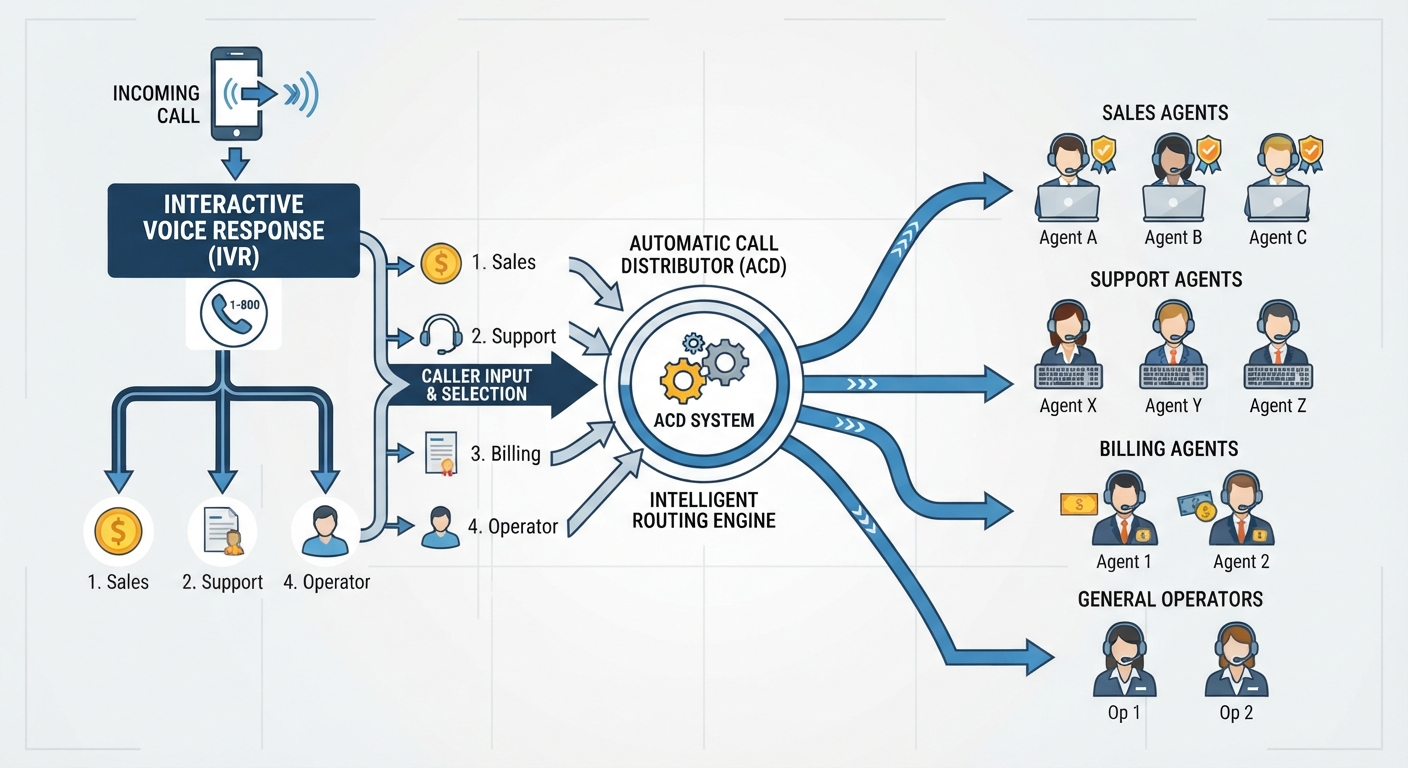
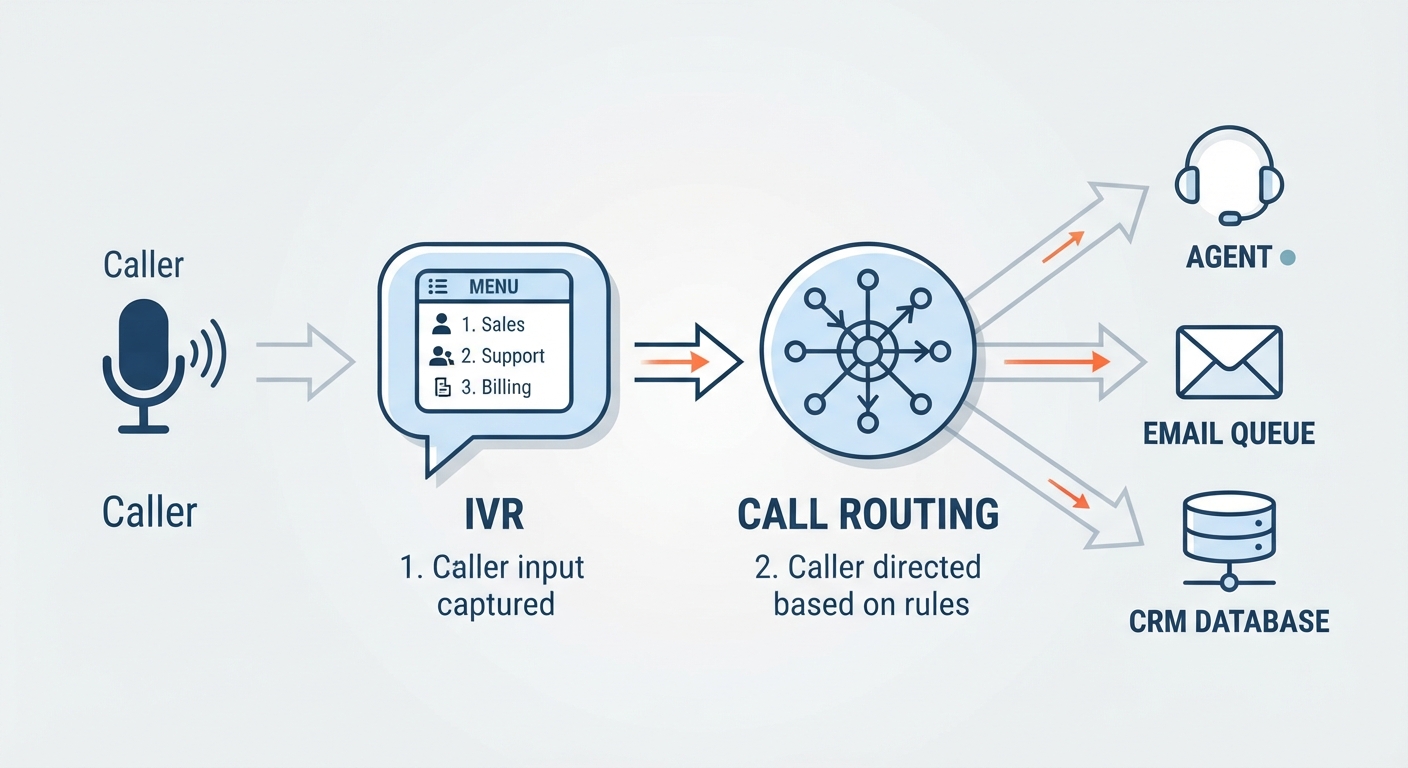
To actually route these calls, you use "Intelligent IVR" or conditional logic. For example, tools like Smith.ai or Dialpad allow you to set rules based on what the caller says.
- Intelligent routing: You can set rules so the ai identifies keywords like "emergency" or "court date" and pushes those straight to your cell, while routine billing questions go to voicemail or a text link.
- Automated follow-ups: If a lead hangs up, the system can instantly shoot over a text. This alone reduces no-shows and lost business by keeping the conversation going on their phone.
- Triage vs Intake: In a clinic, the bot can ask "is this a new pain?" to prioritize the schedule, whereas for a lawyer, it might ask "has another attorney already filed this?" to save everyone time.
As mentioned earlier, some systems have been doing this for decades without a single hipaa slip-up. It's all about making sure the bot knows its place—handling the "grunt work" so you can focus on the actual case or patient.
Technical integration of LLMs with phone systems
Honestly, getting an llm to actually talk to your phone lines is where the rubber meets the road. It sounds like sci-fi but it's really just about bridging the gap between your voip provider and the ai's brain using some clever api work.
To make this work without lag, you usually use webhooks and Voice Activity Detection (VAD). VAD is the tech that lets the ai know exactly when you've stopped talking so it can respond instantly. Without good VAD and low latency, you get that awkward "robot pause" that ruins the experience.
- Real-time data: Using webhooks ensures the ai knows exactly when a caller stops for a breath so it doesn't interrupt like an annoying robot.
- Encryption at rest: Since we’re dealing with sensitive stuff, your voice data has to be encrypted both while it's moving and when it's sitting on a server.
- Lead capture: You can set up the system to automatically grab phone numbers and names, then push them straight into your crm—even if the caller hangs up half-way through.
As noted earlier, sticking with a platform like Phone.com makes this way easier because they already handle the heavy lifting for annual hipaa audits. While even a plumber could use this tech to stay organized, for surgeons and lawyers, that BAA and high uptime is non-negotiable.
Just keep it simple—start with one task, like after-hours booking, and grow from there. It's a game changer for any small biz.