Technical ROI Analysis of AI Receptionist vs Human Salary 2026

TL;DR
- This article breaks down the total cost of ownership for human receptionists versus AI systems in 2026. It covers hidden employment taxes, recruitment overhead, and missed call revenue recovery statistics. Readers will learn how to calculate their specific ROI and implement a hybrid model that saves over $50,000 annually while improving customer experience.
The 2026 Front Desk Reality: Why Salary is a Lie
Ever look at your monthly payroll and wonder why the bank account feels lighter than it should based on just salaries? Most small business owners think a $40k receptionist costs $40k, but honestly, that's just the tip of the iceberg—the real number is usually a gut punch.
When you hire someone to sit at the front desk, you aren't just paying for their time; you're paying for their "existence" in your business. According to Vitel Global, a human receptionist actually runs you between $3,500 and $5,000 every single month once you add in the extras.
- The 30% Benefits Tax: You’ve got FICA, health insurance, and workers' comp that usually add about 30% on top of the base pay. A $39,000 salary actually costs the company about $50,700 before they even answer their first phone call.
- The Turnover Trap: People leave, especially in admin roles. The Bureau of Labor Statistics notes that the median wage is rising, but turnover in these spots is often 30-40%—meaning you’re constantly paying for job ads and training.
- The Coverage Gap: Humans need lunch, sleep, and vacations. In fact, a single employee only covers about 22% of the total hours in a year, leaving huge gaps where calls just... die in voicemail.

I’ve seen dental offices and law firms lose thousands because a receptionist was on a coffee break when a high-value lead called. As Ringlyn points out, missing just one $250 lead a day can evaporate $45,000 in revenue over a month.
"Labor costs are among the largest fixed expenses for small businesses." — Small Business Administration
But hey, it’s not just about the money; it’s about the fact that ai doesn't get "burned out" at 4 PM on a Friday. Next, we're gonna look at how these bots actually handle your calls without sounding like a 1990s movie.
AI Receptionist Cost Structure and Tiers in 2026
So, you've realized that paying $60k for a human to answer phones is a bit like buying a Ferrari just to drive to the mailbox. But what does the bill actually look like when you switch to an ai? In 2026, the pricing isn't just "cheaper"—it's structured totally different than the old-school per-minute answering services that used to nickel and dime you for every "um" and "ah."
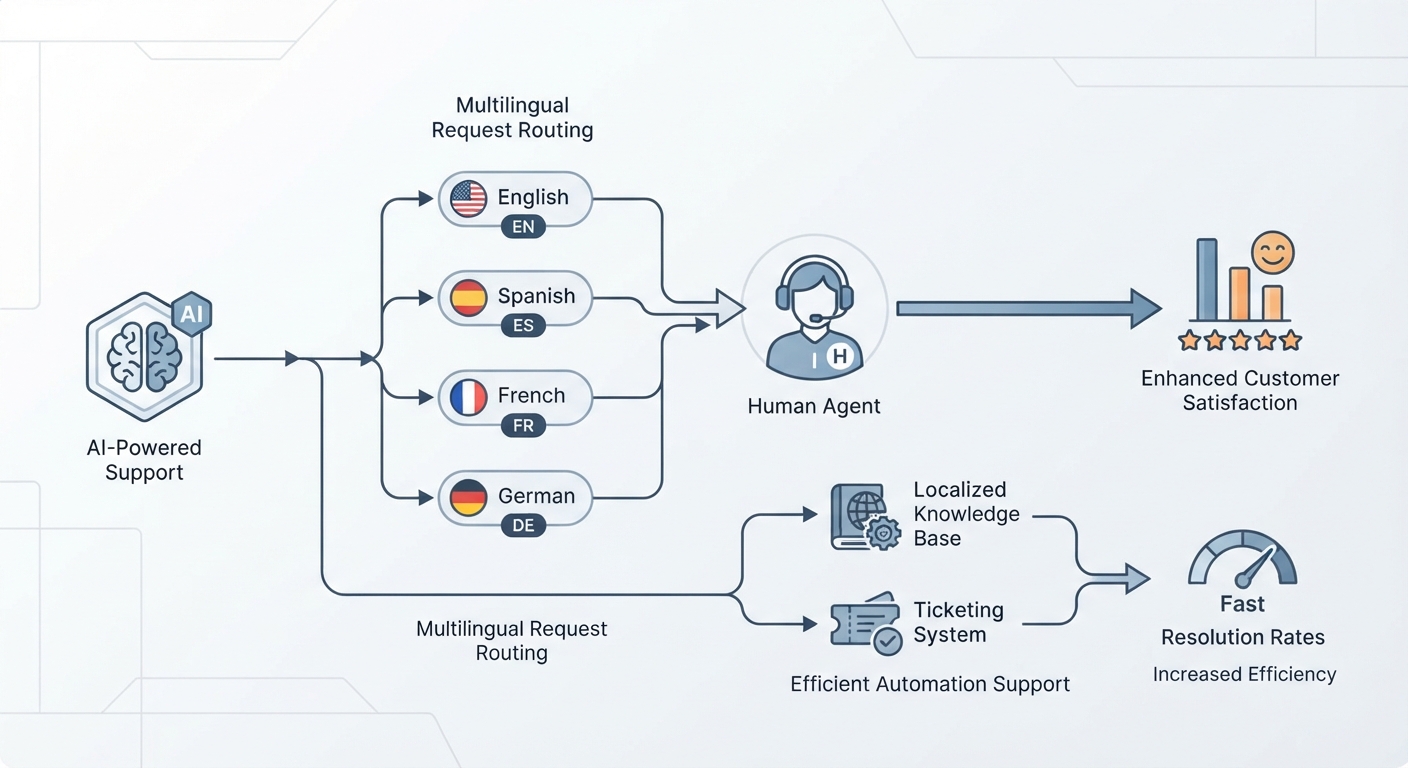
Most platforms have settled into three main buckets. You’ve got your Entry-level ($30-$80/mo) which is basically for the solo plumber or a stylist who just needs a bot to book into their calendar while they’re working. Then there’s the Professional tier ($80-$250/mo)—this is the sweet spot for a law firm or dental office. It usually includes things like crm syncing and multiple languages.
Finally, you have Enterprise ($250+). This sounds fancy, but it's really just for businesses with ten locations or hipaa requirements. The crazy part? Even at the top tier, you’re paying less for a year of 24/7 service than you’d pay a human for two weeks of work.
Remember those old answering services? They’d charge you like $1.50 a minute. If a caller was chatty, you’d lose five bucks just hearing about their day. ai has flipped this. Because the "labor" is just server space, most 2026 providers offer flat-rate unlimited calls for the ai itself.
Wait, there is a catch though. While the ai handling is flat-rate, if you set it up to route calls to a human for "VIP" issues, you're still paying those traditional "existence" costs for that person. The ai saves you money on the bulk of the work, but human intervention still has that high marginal cost we talked about in section 1.

It’s not just the salary. When you move to an ai, you suddenly don't need that massive front desk taking up 100 square feet of prime real estate. According to AInora, switching to a digital admin can save over €20,000 a year just by cutting out things like recruitment, training, and workspace gear.
I’ve seen offices turn their old reception area into an extra exam room or a private office, which actually makes them money instead of just being a cost center. Plus, you aren't buying $2,000 ergonomic chairs every time someone quits.
Anyway, it's pretty clear the math works out. But how do these bots actually sound? Next, we're diving into the "uncanny valley" to see if your clients can even tell the difference anymore.
The Uncanny Valley: Making AI Sound Human
The biggest fear most owners have is that their ai will sound like a glitchy GPS. We’ve all been there—shouting "representative!" into a phone while a robot ignores us. But in 2026, natural language processing (nlp) has mostly solved this.
The "Uncanny Valley" is that weird feeling you get when something sounds almost human but just off enough to be creepy. To beat this, modern ai uses "latency management." Instead of a dead silence while the bot thinks, it might use a subtle "uh-huh" or a breathing sound to keep the flow natural.
- Voice Quality: We’re way past the robotic monotone. You can now choose voices with regional accents or specific tones—like a "warm and empathetic" voice for a clinic or a "sharp and professional" one for a law firm.
- Context Awareness: The ai doesn't just listen for keywords; it understands the intent. If a caller says "my basement is a swimming pool," the ai knows that means an emergency plumbing repair, not a request for pool maintenance.
The goal isn't necessarily to trick people into thinking the ai is a person, but to make the conversation so smooth that they just don't care. When the bot is helpful and fast, the "creep factor" disappears.
How to set up AI receptionist small business: A Step-by-Step Guide
Setting up an ai receptionist isn’t just about flipping a switch and hoping for the best. It’s actually a lot like training a new hire, except this one doesn't need a lunch break or a 401k.
You gotta start by teaching the system who you are, what you sell, and how you want to sound to your customers. If you rush this part, your bot will sound like a generic robot from a bad sci-fi flick, and nobody wants that.
First thing you need to do is gather all your "tribal knowledge." This is the stuff your current staff just knows by heart but isn't written down anywhere. Think about the top 20 questions people ask when they call your salon or law firm.
- Services and Pricing: Don't just list "haircut." Specify "Men's fade," "Balayage," or "Consultation fee."
- Business Personality: Do you want to sound "Corporate Professional" or "Neighborhood Friendly"?
- Specific FAQs: Can I bring my dog? Where do I park? Do you take blue cross insurance?
According to AInora, this knowledge gathering usually takes about a week. You’re basically feeding your business's brain into the ai so it can answer within one ring, every single time.
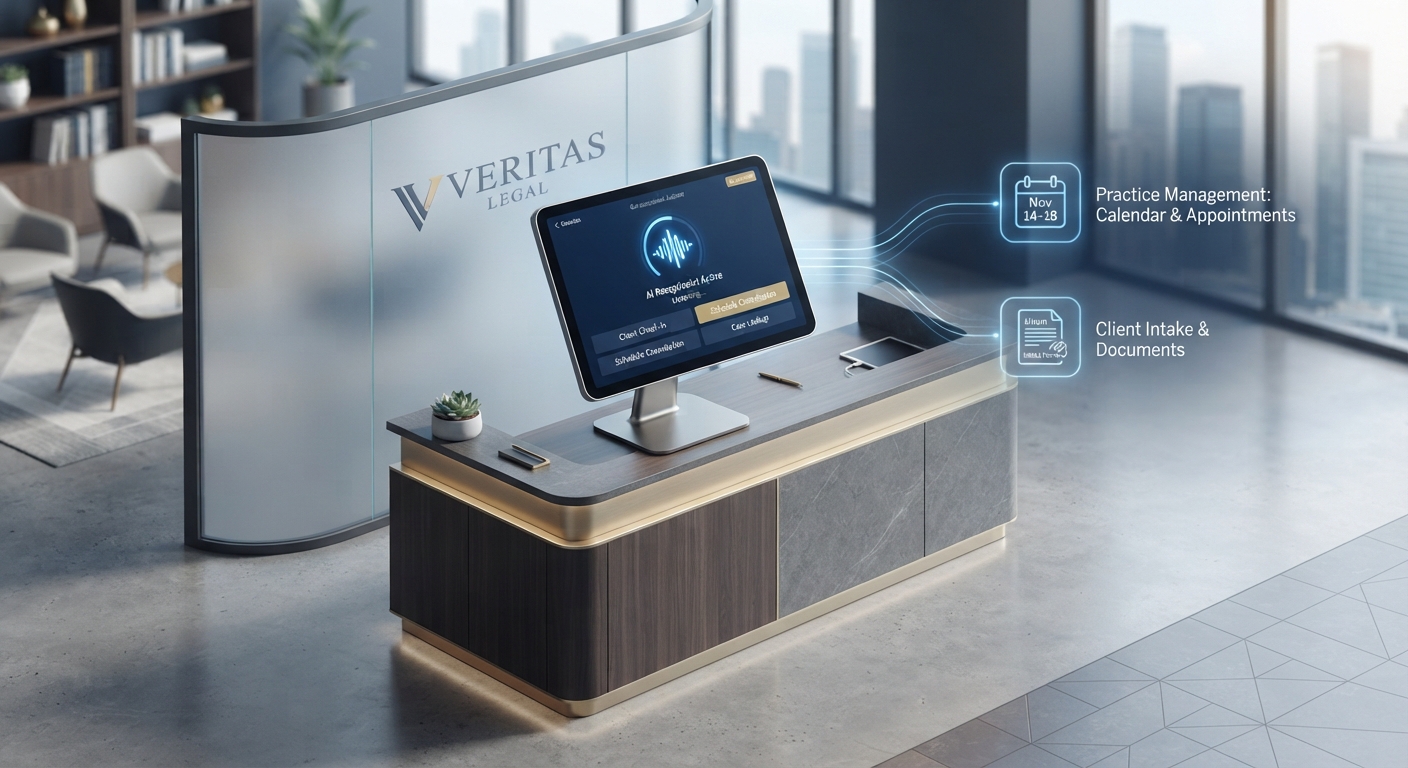
An ai that can't book an appointment is just a fancy voicemail. You need to plug it into the tools you already use, like ServiceTitan for HVAC or Clio for legal work. This is where the magic happens because the ai can check your real-time availability.

If you're a restaurant using Toast, the ai can handle reservations while your hosts focus on the people actually standing in the lobby. It stops that awkward "hold on a second" while the phone rings off the hook during the dinner rush.
Not every call should be handled by a bot. You need "escalation triggers" for when things get complicated or emotional. As previously discussed, humans are still way better at handling a crying patient or a high-stakes legal crisis.
- Sentiment Triggers: If the ai detects the caller is getting frustrated or angry, it should instantly route the call to a manager.
- Topic Triggers: Set it up so any call about "emergency repairs" or "lawsuit" goes straight to a human.
- VIP Routing: If a top-tier client calls, the crm recognizes their number and skips the ai entirely.
Honestly, the goal is a hybrid model. You let the ai handle the "what are your hours" calls so your best people can handle the "I have a flood in my basement" calls.
- Testing and Launch: Before you go live, you gotta call the bot yourself. Try to trip it up. Ask it weird questions. Once it handles your "test" calls without breaking, you flip the switch and let it take over the main line.
Now that the setup is done, let's look at how this actually impacts your bottom line by recovering lost revenue.
Revenue Recovery: The Math of Missed Calls
Ever wonder why your phone rings, nobody picks up, and then that potential customer just... vanishes into thin air? It’s because we’re living in an "instant gratification" world, and if you don't answer, the guy across the street definitely will.
Most of us think voicemail is a safety net, but honestly, it's more like a graveyard for leads. A 2026 report by BrightLocal and Invoca found that a massive 62% of callers won't even bother leaving a message if they hit a machine—they just hang up and call your competitor instead.
When someone calls a plumber at 9 PM because their basement is flooding, they aren't looking to leave a "hey, call me back" message. They need help now. If you’re a salon owner and a new client calls for a $300 balayage while you’re mid-shampoo, that's a huge chunk of change walking out the door.
- The Bounce Effect: When a lead hits voicemail, the "mental momentum" stops. They feel ignored, and their next move is almost always back to Google search.
- Lifetime Value (LTV) Loss: Missing one call isn't just losing $100 today. If that dental patient would’ve stayed for five years, you just lost thousands in LTV.
- After-Hours Goldmine: As mentioned earlier, about 35-40% of bookings happen when you’re actually closed. If you aren't "open" on the phone 24/7, you're basically giving away 1/3 of your business.

Let's look at a quick example for a law firm. Say your average new case is worth $2,000. If you miss just 5 calls a week (one a day!), and only half of those would’ve converted, you’re flushing $5,000 a month down the toilet.
The ai doesn't just "take a message"—it qualifies them. It asks what happened, checks your Clio or litify calendar, and books the consult right then. You wake up with a full calendar instead of a blinking red light on your desk phone.
Anyway, capturing these "lost" leads is basically found money. Next, we're gonna talk about how this tech performs across different industries.
Industry Performance: Best AI Phone Answering for Law Firms, Clinics, and Small Businesses
Ever feel like your front desk is a high-stakes game of Tetris? One minute it's quiet, the next you've got three people at the window and two lines ringing.
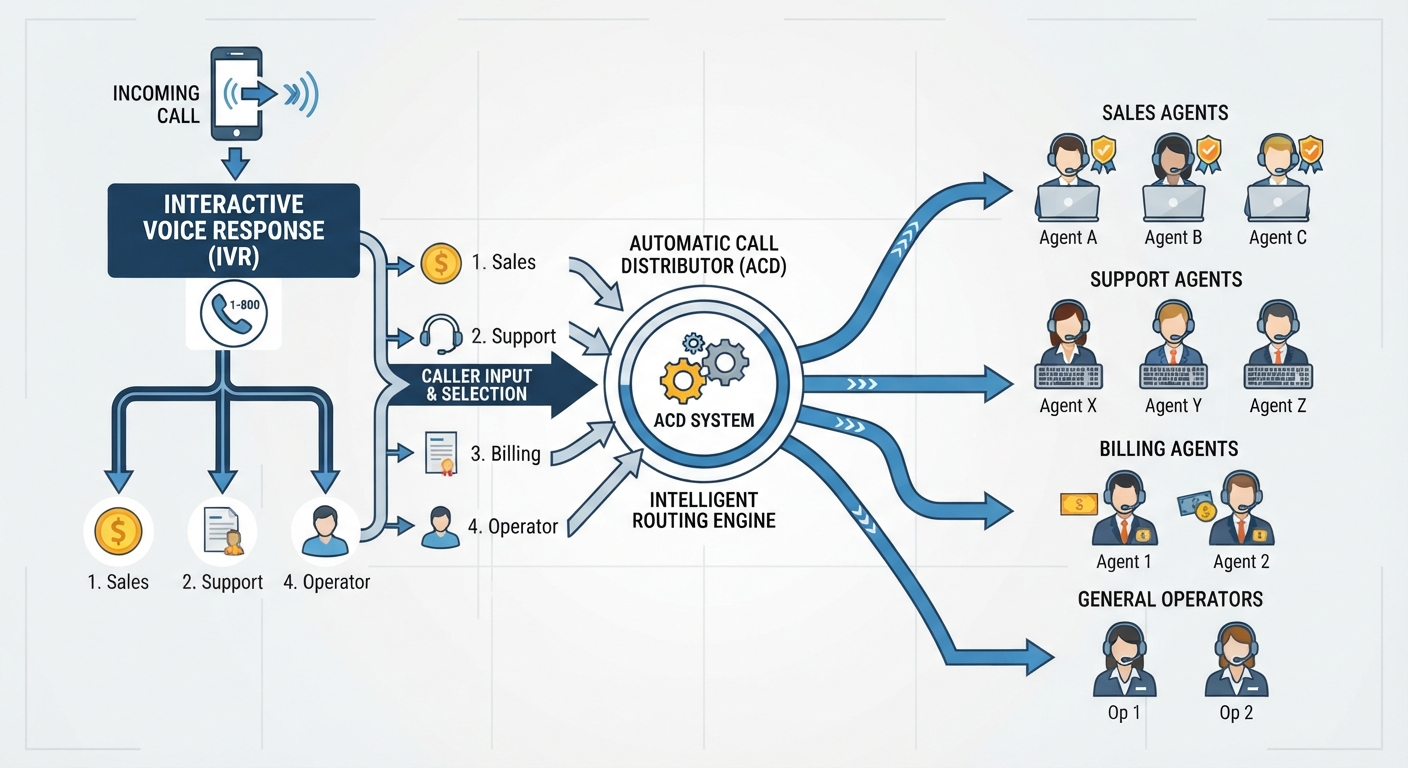
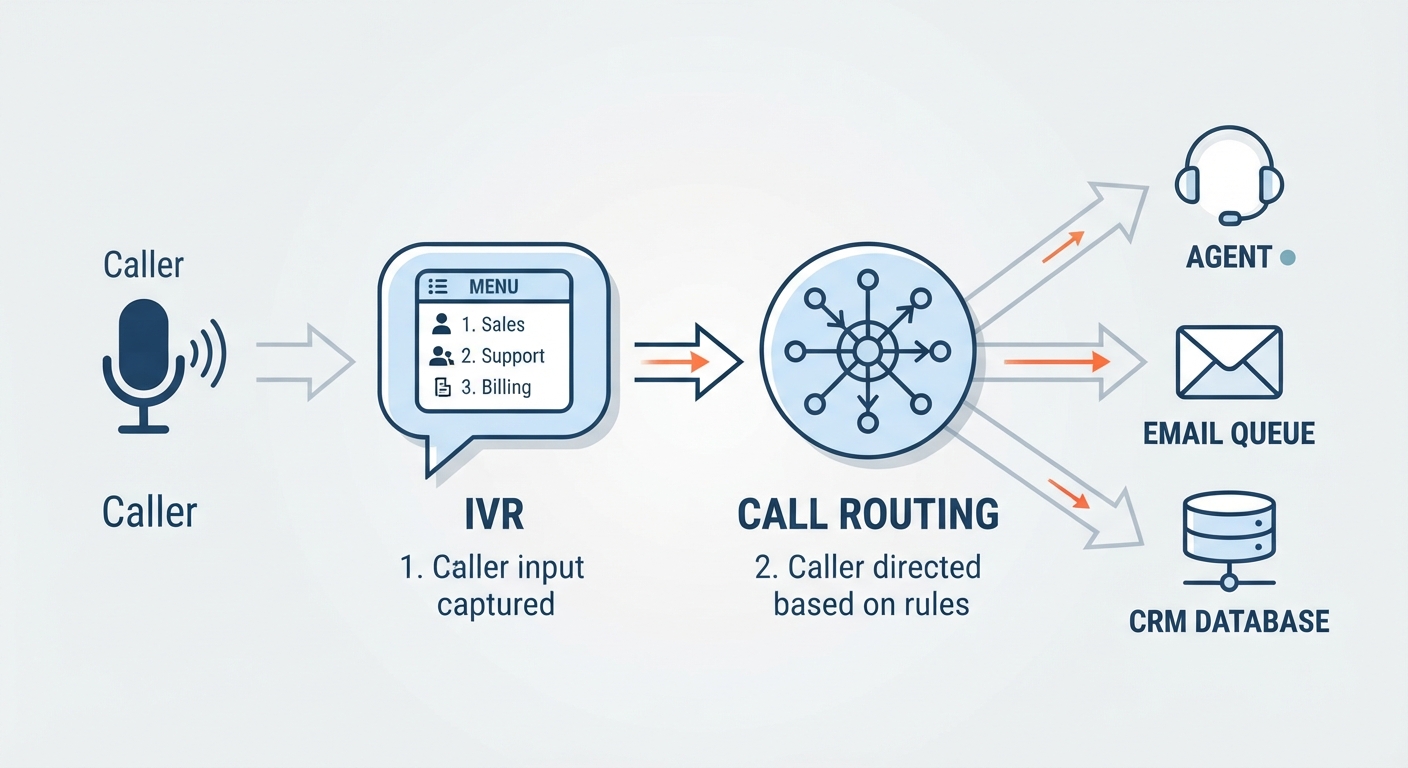
In industries like law and dental, where every call could be a $5,000 case or a full mouth of veneers, that "please hold" button is basically a money-shredder. But 2026 tech has finally moved past those annoying "press 1 for sales" menus.
Dental offices are a weird beast because you're balancing heavy scheduling with strict privacy rules. You can't just have any old bot blabbing patient names.
- Automated Booking: Modern ai doesn't just take a message; it looks at your actual practice management software. It sees that 2 PM opening on Tuesday and grabs it before the caller hangs up.
- No-Show Killers: Instead of your staff spending hours on "reminder calls," the ai handles the back-and-forth. It can text a confirmation and, if they cancel, instantly offer that spot to someone on the waitlist.
- The hipaa Factor: You gotta make sure your provider signs a Business Associate Agreement (BAA). As previously discussed, enterprise tiers usually handle the encrypted data part so you don't get slapped with a massive fine.
I've talked to office managers who say their stress levels dropped 50% once the "is my insurance covered?" calls stopped hitting their desk. The ai knows the answer because it’s plugged into the knowledge base.
Law firms are different. You don't always want a bot booking a consult for a case you might not even want. The best setup here is "Intelligent Triage." The ai answers, asks what the legal issue is, and checks if it's even a practice area you handle. If it’s a personal injury lead—which is high value—it can instantly route that to an attorney's cell.

I saw a salon recently that was losing about 10 bookings a week because they were closed on Mondays. They put in a professional-tier ai, and suddenly those "Monday morning" callers were booked by noon without a human lifting a finger. This is why small service businesses are seeing the fastest roi right now.
According to a 2026 industry use case analysis by Vitel Global, clinics using ai for after-hours support saw a massive jump in patient retention because people felt "heard" immediately.
"In healthcare, reducing missed calls improves patient retention." — as noted earlier in industry comparisons.
It’s about being "always open" without actually having to stay in the office until 9 PM. Now, let's look at how you can keep your best staff while still using this tech.
The Hybrid Model: Best of Both Worlds
Look, I’m not saying you should fire your favorite front desk person. That would be a disaster for office morale and honestly, ai still can't hand a nervous patient a glass of water or sign for a UPS package.
But let’s be real—having a human spend four hours a day answering "where are you located?" is a waste of their talent and your money. The smartest move in 2026 isn't choosing between a bot and a person; it’s a hybrid model where they work together.
Even with all the fancy upgrades, there are things an ai just shouldn't handle. You want a real person for:
- High-stakes empathy: If a client calls a law firm in a total panic after a car wreck, they need a human voice, not a perfectly phrased script.
- Physical hospitality: Greeting people at the door, making coffee, and reading body language in the waiting room is strictly human territory.
- Complex problem solving: When a schedule is a mess and someone needs a "special favor" to fit in on a Tuesday, a human can make that judgment call.
The goal is to let the ai be the "shield" for your staff. It handles the 80% of calls that are boring and repetitive so your receptionist can actually focus on the people standing right in front of them.

I've seen this work great in dental clinics. The ai handles the "do you take my insurance?" stuff, and the office manager finally has time to follow up on big treatment plans that actually bring in the revenue.
As mentioned earlier in the cost analysis, this setup actually makes your staff happier. Nobody likes being interrupted by a ringing phone every three minutes while they're trying to help a real person.
Honestly, it’s about making the job more "human" by removing the robotic tasks. Next, we're gonna wrap this all up with a final look at the 5-year roi so you can see the big picture.
5-Year Cost Projection Comparison
So, we’ve crunched the numbers on salaries and missed leads, but looking at a five-year horizon is where the math really starts to get wild. If you’re still on the fence, just imagine where that extra $200k could go—maybe a new office wing or finally upgrading those ancient dental chairs?
When you look at a human receptionist, you aren't just buying their time today; you're betting against inflation and a tightening labor market. According to Vitel Global, a typical human setup costs about $265,000 over five years, while an ai service stays flat at roughly $37,000 for the same period.
- Wage Inflation: Receptionist pay isn't staying still; the median wage is climbing every year, meaning your "fixed" cost is actually a moving target.
- The Compound Savings: That $228,000 difference isn't just "saved" money—it's capital you can reallocate to marketing or r&d to actually grow the business.
- Zero-Cost Scaling: If your law firm goes from 100 calls to 1,000 calls a month, the human model requires a second hire, but the ai just keeps humming along for the same monthly fee.
Honestly, it's about shifting from "defensive spending" (just trying to answer the phone) to "offensive growth." I've seen hvac owners take the money they saved on a front-desk person and dump it into Google Ads, which ended up doubling their fleet in eighteen months.
It’s a bit of a gut-check, right? You aren't just "replacing" a person; you're choosing to invest in the future of your company instead of just maintaining the status quo.
Anyway, the tech in 2026 has finally made this a no-brainer for most clinics and firms. Whether you go full ai or keep a hybrid team, the goal is the same: stop letting your budget bleed out through the phone lines. It’s time to put that cash back where it belongs—into your pocket or your growth.