What Is an AI Receptionist and How Does It Work for Small Businesses
TL;DR
- This guide covers how ai receptionists replace old-school voicemail with 24/7 automated answering. We look at the tech behind natural voice conversations, cost comparisons against hiring staff, and industry-specific setups for law firms, salons, and dental offices. You'll learn how these systems book appointments and capture leads so you never lose revenue to a missed call again.
The hidden cost of the missed call problem
Ever wonder how many thousands of dollars are just sitting in your voicemail box right now? (There's a Million Dollars Sitting in Your Text Messages - YouTube) It’s a pretty painful thought, but for most small biz owners, the "missed call problem" is the biggest leak in their bucket.
Most of us think a voicemail is a "lead," but the reality is way harsher. In today's world, if you don't answer, the caller just clicks the next link on Google. They want answers now, not a beep and a promise that you'll call back "at your earliest convenience."
- The 62% failure rate: According to research cited by Invoca, a staggering 62% of calls to home services businesses go completely unanswered. That is more than half your marketing budget basically being set on fire. (For Real? Which Half of My Marketing Budget Is Wasted? - CMS Wire)
- The Speed Expectation: A study by HubSpot shows that 82% of customers expect an immediate response when they have a question. If you’re under a sink or in a meeting, you physically can’t give that—but they don't care.
- The Math of One Missed Job: For a retail shop or a local cafe, missing a bulk order or a large reservation doesn't just lose that fee. It loses the lifetime value of that client. (Seller's Credit towards old but working central AC : r/RealEstate)
"I didn't even know I was missing that many calls until I saw the data. I just thought business was slow." — Quote from a business owner via NextPhone.

It isn't just about the immediate money, either. When a dental office or a salon lets the phone ring off the hook, it sends a signal that you're disorganized.
Even if you do call back two hours later, that person has likely already booked with the shop down the street. You're now playing "phone tag," which Trillet notes causes businesses to lose 20-30% of potential appointments.
So, how do we actually fix this without spending $40k a year on a full-time staffer? That’s where the tech comes in. Let’s look at how an ai receptionist actually functions.
What is an ai receptionist exactly
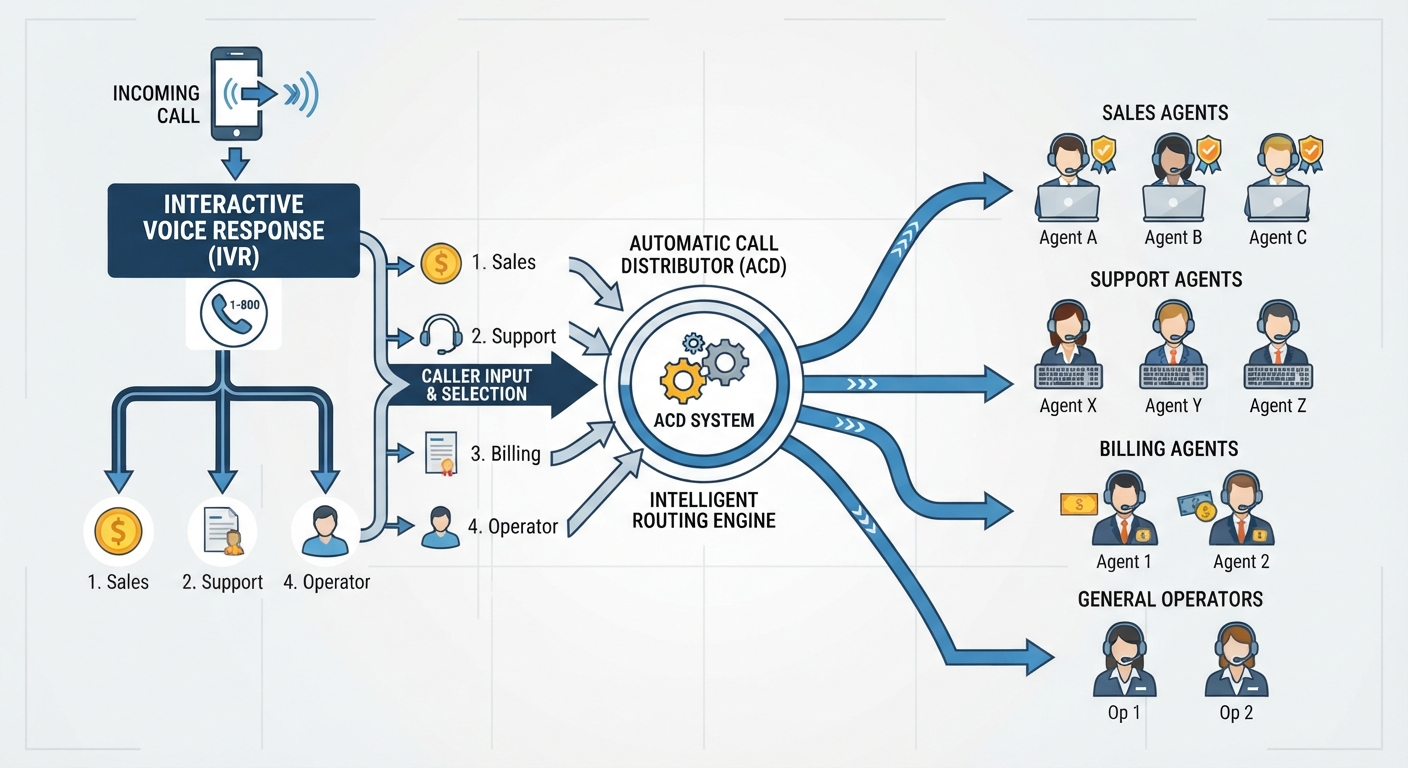
So, what exactly is an ai receptionist? If you’re thinking of those annoying "press 1 for sales" menus from the 90s, you can toss that idea right out the window.
Modern ai receptionists are basically digital team members that actually listen and talk back like a person. They don't just "route" calls; they handle the whole conversation from start to finish.
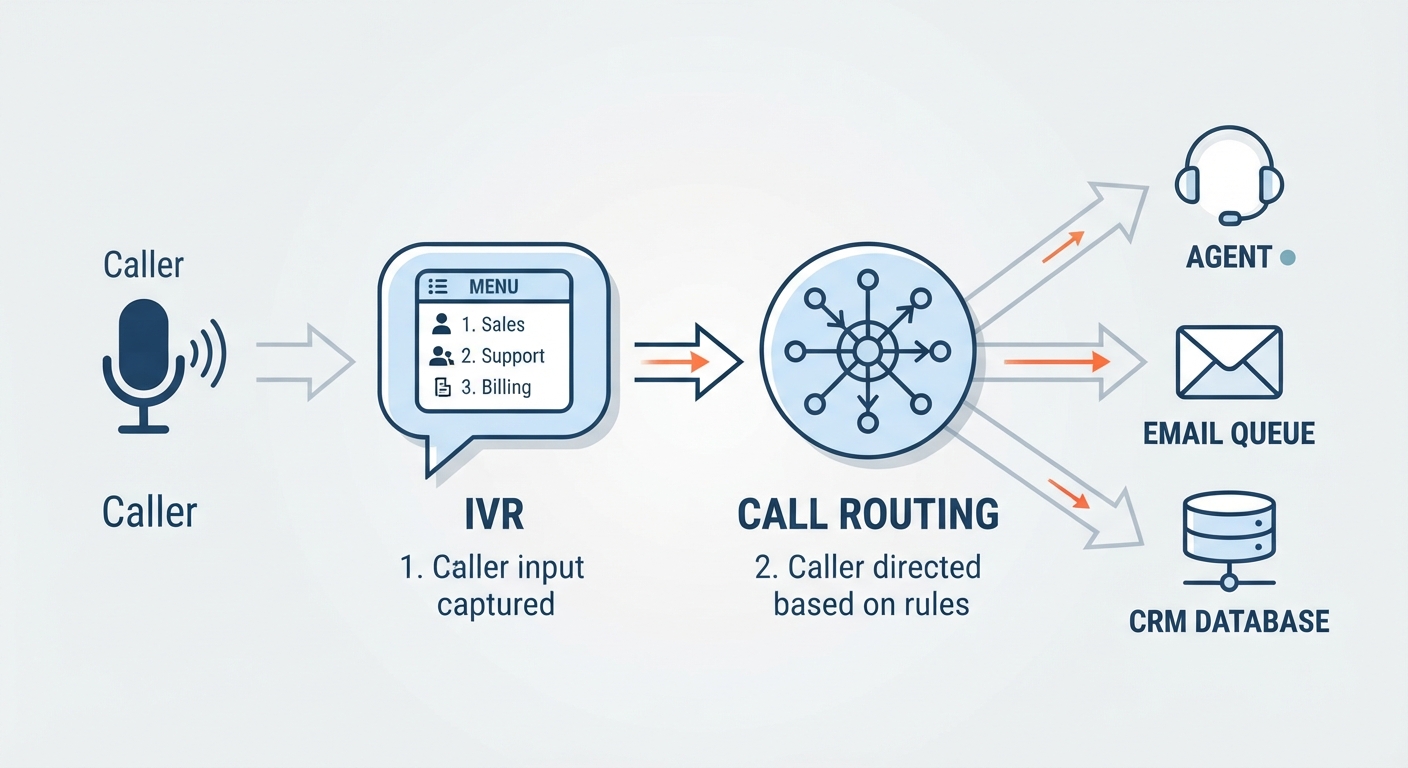
Old systems used IVR (Interactive Voice Response), which was basically a rigid decision tree. If you didn't say the exact right word, it broke. Today, we use Natural Language Processing (nlp). This means the ai understands intent.
If a customer calls a dental office and says, "My tooth is killing me, can I come in today?" the ai doesn't just look for the word "appointment." It recognizes the urgency. It knows that "killing me" equals an emergency and "today" means a priority slot.
Latency is the big secret here too. To sound human, the ai needs to respond in under two seconds. As noted by Trillet, keeping response times low is what prevents that awkward "robot pause" that makes people want to hang up.

A lot of people mix up "virtual receptionists" with "ai receptionists." A virtual receptionist is usually a live human working in a call center. They’re great, but they’re expensive because you're paying for their time, often by the minute.
According to a 2024 analysis by Wing Assistant, a traditional receptionist can cost over $50,000 a year with benefits. An ai version usually runs between $65 and $200 a month. Plus, the ai doesn't take lunch breaks or get "the flu" during your busiest week of the year.
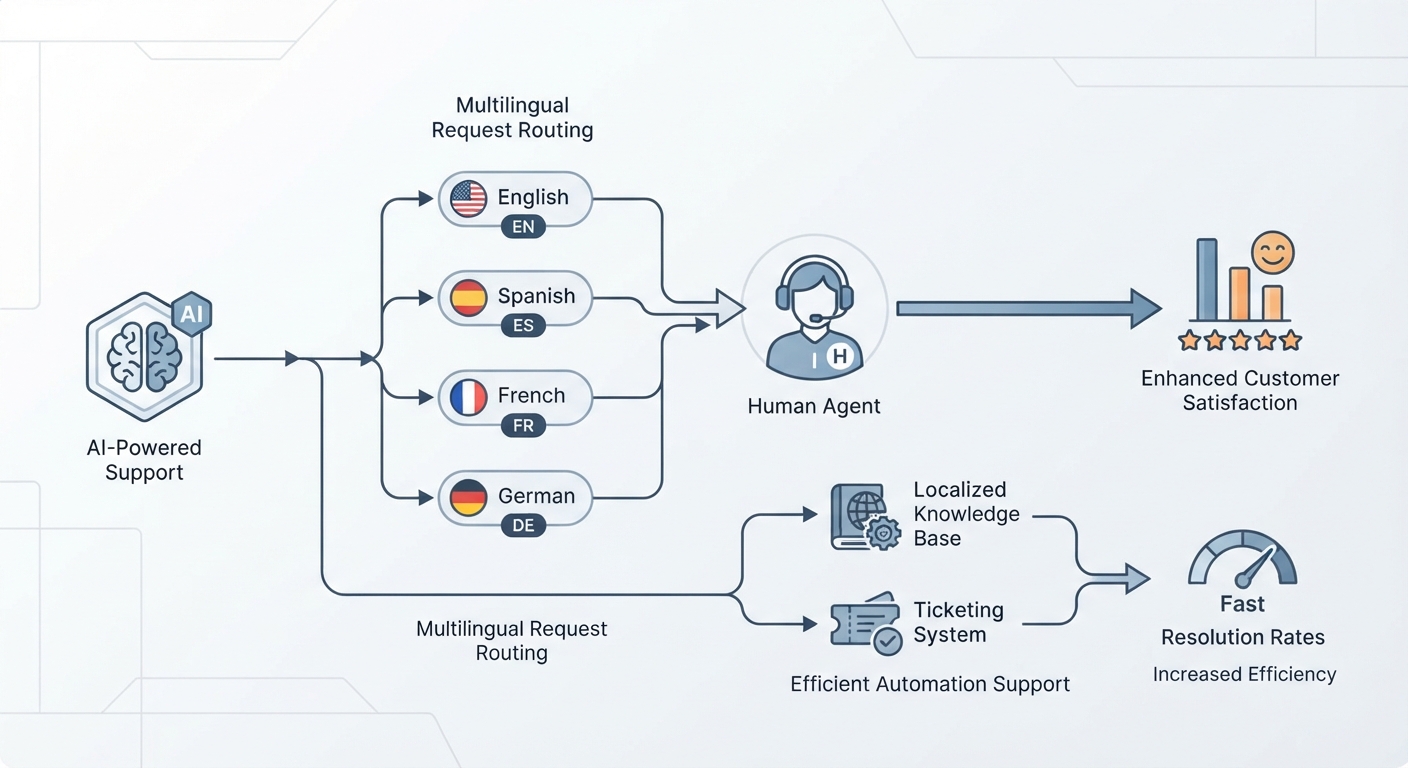
The "Hybrid" model is actually what I see working best for law firms or medical clinics. The ai handles the boring stuff—like "where are you located?" or "do you take my insurance?"—and then passes the complex, emotional cases over to a real person.
- Simultaneous Calls: ai can talk to 10 people at once. A human can only talk to one.
- 24/7/365: It answers at 3 AM on Christmas Eve without charging you overtime.
- Data Sync: It logs every detail directly into your crm or calendar without typos.
Honestly, the goal isn't to replace humans entirely. It’s to stop your expensive staff from wasting three hours a day giving out driving directions.
How it works for your specific business
Ever feel like you’re finally winning at business, but your phone is actually the thing holding you back? It’s a weird paradox—you want more customers, but every time the phone rings while you’re mid-consultation or elbow-deep in a project, it feels like a distraction you can't afford.
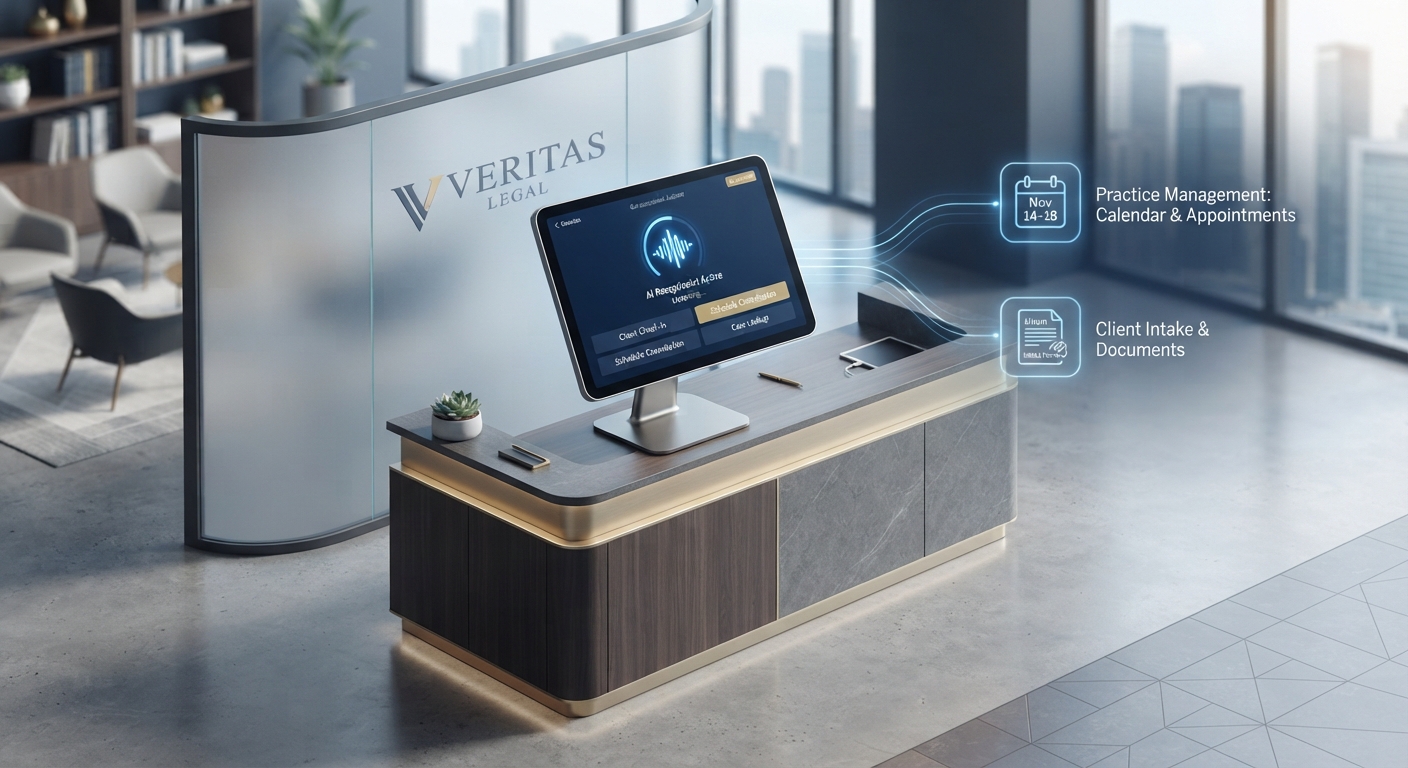
If you're running a law firm or a medical office, the stakes are way higher than just missing a "booking." You're dealing with sensitive info and people who are often stressed out.
For clinics, dental offices, or any healthcare setup, you can’t just use any random bot. You need something like Voksha ai—which is a specialized tool that offers hipaa-compliant solutions. This ensures patient data stays encrypted and secure, which is basically non-negotiable in 2024.
Law firms can use these tools for automated intake. Instead of a lawyer wasting twenty minutes on a call only to find out the person doesn't even have a valid case, the ai qualifies them first. It asks about the incident date, the type of injury, or the "lawsuit" details before it ever hits your desk.
The cool part is how you can route business calls intelligently. You can set the system to listen for "urgency keywords." If someone says "emergency," "malpractice," or "arrested," the ai knows to bypass the standard FAQ and ping your cell phone immediately.
According to a 2024 report by Trillet, these systems can be live in about 5 minutes by just pasting your website URL so the ai can "learn" your specific services and reviews.

Now, if you’re in the beauty or food industry, your "emergency" is usually a Friday night rush where the phone won't stop ringing while you're trying to seat a party of ten.
One of the best appointment no-show reduction strategies is letting the ai handle the "boring" stuff. When a client calls a salon to book, the ai checks the calendar, grabs the slot, and then—this is the key—sends an automated text reminder.
For restaurants, there’s always that friction between phone reservations vs online booking. Some people just refuse to use an app. An ai receptionist bridges that gap by taking the phone call but plugging the data directly into your digital reservation system.
It handles high volume during lunch or weekend rushes without you needing to hire an extra body for $15 an hour plus tips. You get to keep your staff focused on the customers actually standing in front of them.
Advanced strategies for lead capture
Look, we’ve all been there—you finally sit down for dinner and the phone rings. You let it go to voicemail, thinking you'll call back in the morning, but by 8 AM that lead has already booked with the guy down the street. It’s frustrating, right?
Capturing leads isn't just about answering the phone; it's about what happens the second that call ends. If you want to stop the "leaky bucket" in your business, you need a strategy that goes beyond just saying hello.
One of the best ways to save a lead who hangs up early is the immediate text back. Most people hang up the moment they hear a voicemail greeting. But if their phone pings ten seconds later with a message saying, "Hey, sorry I missed you! I'm on a job right now—how can I help?", you’ve suddenly frozen them from calling the next competitor.
As mentioned earlier regarding 24/7 coverage, nearly 25% of callers explicitly ask for a callback, yet a massive chunk of those never get returned. An automated text bridges that gap. It keeps the conversation alive on a platform (SMS) where people actually respond faster than they do to a random phone call.
Not every phone call is a "good" call. If you're a lawyer, you don't want to spend thirty minutes talking to someone who actually needs a different kind of firm. You can set your ai to ask specific "deal-breaker" questions before it ever pings your cell.
- The "Tire Kicker" Filter: Have the ai ask about budget or project timelines right away.
- Service Area Check: If you're a plumber who doesn't travel more than 20 miles, the ai can politely let the caller know before you waste time on a quote.
- Urgency Detection: A 2024 report by NextPhone found that about 15.9% of calls use "urgency" language like "emergency" or "ASAP." You want those calls routed differently than someone asking about your holiday hours.
For hvac and plumbing shops, the "speed to lead" is everything. If you can't book them, you lose them. A great strategy is letting the ai offer a "tentative" slot. Even if it’s just a placeholder, getting a customer to commit to a time—even via a bot—increases the chance they’ll stop shopping around.
According to Entrepreneur, more than 40% of small businesses are losing at least $500 every single month just from missed calls. That's a lot of "lost" steak dinners.

Honestly, the goal is to make the customer feel "taken care of" the moment they reach out. When you combine fast responses with smart qualification, your conversion rates naturally climb because you're only talking to the people who are ready to buy.
The real cost breakdown for 2024
Let’s be real—hiring a person to sit at a desk and answer phones is getting insanely expensive, and for most small shops, it’s just not sustainable anymore. If you're looking at your bank statement and wondering where all the cash is going, the "front desk" is usually a massive line item that doesn't even cover your after-hours leads.
When you look at the raw numbers, the gap is pretty wild. According to a 2024 report by NextPhone, the median wage for a traditional receptionist is about $37,230 a year. But once you add in health insurance, payroll taxes, and training, you’re easily blowing past $50,000.
Compare that to an ai system. You can get a solid setup like Trillet for around $49 a month, or a more robust, unlimited plan from NextPhone for $199. Even if you go for the "premium" stuff, you're spending less in a year than a human costs in a single month. Plus, the ai doesn't need a lunch break or a 401k.
- Human Cost: $3,100–$4,300 per month (9-to-5 only).
- AI Cost: $14–$199 per month (24/7/365 coverage).
- Answering Services: These usually charge $500+ and hit you with "overage fees" the second you get busy.

I always tell business owners to stop looking at this as a "cost" and start looking at the math of a missed call. If you’re a boutique shop and a $500 order goes to voicemail at 8 PM, that caller is already dialing your competitor. You didn't just save money by not having a receptionist; you lost five hundred bucks.
Capturing just two extra leads a month—calls that would've normally sat in your voicemail till Monday morning—completely pays for the ai for the entire year. Honestly, for high-ticket industries like roofing or law, the roi is just ridiculous. You’re basically spending $200 to protect $20,000 in potential revenue.
Traditional answering services are famous for "gotcha" pricing. They’ll hook you with a low base rate, but then they charge you per-minute or per-call. If a caller puts them on hold? You pay. If it’s Christmas Day? You pay a "holiday premium."
With ai, there aren't any hidden "human" variables. As noted by Wing Assistant, ai scales instantly. If you get 50 calls on a Tuesday because of a marketing push, the ai handles all of them at once without charging you extra for "surge capacity."

It’s not just about saving on salary, it’s about the peace of mind knowing the "leaky bucket" is finally plugged. While the cost is low, the setup is also surprisingly non-technical. Let’s walk through the actual steps.
Step by step ai receptionist setup guide
Honestly, I used to think setting up any kind of phone system would involve a week of headaches and a guy in a van showing up to drill holes in my wall. But with ai, it's mostly just plugging in the "brain" of your business into the software you already use every day.
The first thing you gotta do is make sure the ai knows when you're actually free. Most of these platforms play nice with Google Calendar or Outlook, but if you're in the trades, you probably live in ServiceTitan or Jobber. You just authorize the connection—usually through a "Connect" button in the settings—and the ai starts seeing your real-time availability.
Writing the script is where people overthink it. Don't try to make it sound like a Shakespearean actor; just keep it simple. If you're a salon, have it say, "Hey, thanks for calling, we can definitely get you in for a cut—want to see what's open this Friday?" According to Trillet, the best way to keep it human is to avoid those long, robotic pauses by keeping the ai's response time under two seconds.
Once the "talk" part is ready, you need to handle the plumbing of the phone line. You don't have to get a new number. You just set up "conditional call forwarding" on your existing landline or voip. Note: You'll likely need to contact your phone provider (Verizon, AT&T, etc.) to enable this feature on your account. This tells your phone: "If I don't pick up in three rings, send this caller to my ai assistant." It's a lifesaver when you're elbow-deep in a project.
- Google/Outlook Sync: Prevents double-booking by checking your personal and work life in one go.
- Scripting tip: Use natural contractions like "we'll" and "can't" so it doesn't sound like a 1980s movie robot.
- Forwarding: Keep your old number so you don't have to reprint all your business cards.
Now you gotta feed the machine. Most systems let you just upload a PDF of your pricing sheet or a link to your FAQ page. If you're a dental office, upload your insurance list so the ai can tell patients, "Yes, we take Delta Dental," without bothering your busy hygienicist.
You also need to set some "ground rules" or escalation rules. This is basically the ai's escape hatch. If a caller uses words like "emergency," "leaking," or "lawsuit," you can tell the system to bypass the chat and ping your cell phone immediately. It’s about routing business calls intelligently so you only deal with the fires.
Before you go live, you have to play "difficult customer." Call the system from your personal phone and ask it weird stuff. "Do you guys have parking?" or "What's the cancellation fee for a Tuesday?" If it trips up, you just go back into the dashboard and add that answer to its knowledge base.
A 2024 report by NextPhone suggests that contractors miss up to 80% of calls because they're on-site; training the ai to handle the "boring" 80% of questions lets you focus on the 20% that actually pay the bills.

It’s crazy how fast this goes—you can basically have a "staff member" trained and answering calls by the time you finish your lunch.
Summary and final thoughts
So, you've seen the math and the way the tech actually works—now the question is just whether you’re going to keep letting those calls hit a dead-end voicemail. Honestly, it’s one of those things where once you see the "leaky bucket" in your own business, you can't really un-see it.
Look, nobody is saying you have to fire your favorite front-desk person tomorrow. But if you’re a solo contractor or a growing clinic, you probably realize that being "available" 24/7 is basically a requirement now, not a luxury.
- Coverage that never sleeps: You get 24/7 answering without the "holiday pay" or the 3 AM grogginess. As mentioned earlier regarding 24/7 coverage, capturing just one or two of those late-night emergency leads can literally pay for the entire year of service.
- Data you can actually use: Instead of scribbled notes on a post-it, you get clean logs synced to your crm. You start seeing patterns—like if everyone is calling about a service you don't even list on your site yet.
- Cost vs. sanity: Moving from a $45k salary to a $199 monthly flat rate isn't just a budget win. It’s a "stop-stressing-during-dinner" win.
Waiting to automate is basically just handing market share over to the bigger guys who already have call centers. Most small biz owners I talk to start small—they use an ai receptionist as an "after hours" backup first.
Once they see it booking appointments while they’re asleep, they usually move it to the "front line" pretty fast. According to a 2024 report by Trillet, most users are live in about 5 minutes just by letting the ai "read" their website.
There’s always a bit of worry about losing that "personal feel," but let’s be real: a fast, helpful ai is a lot more "personal" than a busy signal or a voicemail box that’s full.
If you’re in a high-stakes field like law or medicine, the hybrid model is your best friend. Let the ai handle the "where are you located?" stuff, and save your energy for the complex cases that actually need a human brain.
"The goal isn't to sound like a robot; it's to make sure no customer ever feels ignored." — A sentiment shared across the industry as more businesses ditch traditional answering services.
At the end of the day, your phone is either a tool for growth or a source of stress. Switching to an ai receptionist is probably the easiest way to make sure it’s the former. If you can save ten hours a week and stop losing thousands in missed leads, it’s kind of a no-brainer.