Voice AI Technology Explained: How Modern AI Receptionists Actually Work

TL;DR
- This guide breaks down the actual tech stack behind voice ai receptionists, moving past the hype to explain how they handle calls, book appointments, and sync with your crm. We compare the real-world costs of hiring a human versus using ai, provide a step-by-step setup guide for small businesses, and share industry-specific strategies for law firms, dental offices, and salons to stop losing leads to voicemail.
The Simple Logic Behind the Magic: How Voice AI Actually Processes a Call
Ever wonder why some "automated" phone menus make you want to throw your phone across the room while others actually feel like you're talking to a person? It’s not magic—it is just a very fast loop of four specific technologies working together in under two seconds. (Feel the raw power of engineering in motion 4* In just 2 seconds ...)
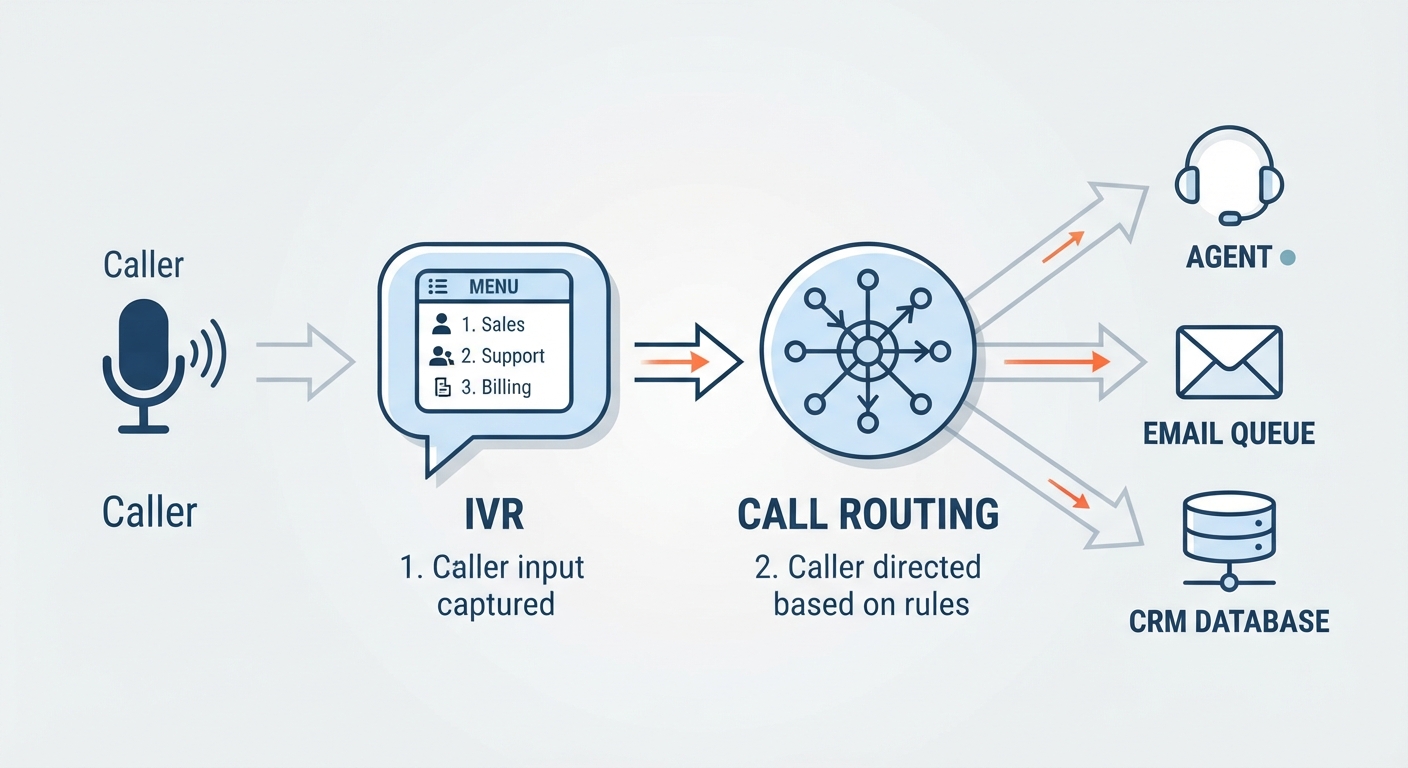
When a customer calls your shop or clinic, the ai doesn't just "hear" them like we do. It has to chop that audio up into data it can actually read. According to How AI Receptionists Actually Work 🤖📞, the process is a simple cycle: Your voice → Text → AI thinks → Text → Voice.
- Voice-to-Text (STT): This is the "ears." It takes the sound waves from a caller—maybe a patient asking for a dental cleaning—and turns it into written words instantly.
- Natural Language Understanding (NLU): This is where the ai figures out intent. It distinguishes between someone asking for "pricing" versus someone wanting to "book an appointment."
- The Brain (LLM): Large Language Models like GPT-4 decide what to say back based on your business's specific instructions. If a law firm caller asks about consultation fees, the brain finds that answer in your uploaded docs.
- Text-to-Speech (TTS): Finally, the answer is converted back into audio. Modern tools like 11 labs create voices with natural breaths and pauses so it doesn't sound like a 1990s computer.

The real secret sauce is latency. If there is a three-second delay, the "illusion" breaks and the caller gets frustrated. Modern ai receptionists aim for millisecond response times to mimic the "speed of thought" we have in normal chats.
As noted by Daniel Satchkov on Rixtrema, these systems are now so fast they can confirm appointments and answer service questions in real-time, often indistinguishable from a human.
Because the tech stack—usually involving tools like VAPI or Twilio—is so optimized now, you don't get those "please wait while I process" silences anymore. It just flows.
Next, we'll look at the actual dollars and cents of replacing a human desk with this tech.
AI Receptionist vs Hiring a Human: The 2026 Cost Breakdown
Honestly, looking at the payroll for a full-time receptionist in 2026 is enough to give any small business owner a headache. Between the base salary, health insurance, 401k matching, and those sneaky payroll taxes, you’re easily looking at $45,000 to $60,000 a year just to keep the front desk manned. And that’s if they never get sick or quit.
Compare that to an ai receptionist. Most of these services, like My AI Front Desk, start around $49 to $150 a month. Even if you go for a high-end setup with all the bells and whistles, you're still spending less in a year than a human costs in two weeks. It's wild when you actually sit down and do the math on the ROI.
Hiring a person isn't just about the hourly wage. You’ve got the "hidden" costs—training takes weeks, and if they leave after six months (which happens way too much in retail or medical offices), you start from zero. With ai, the setup takes about five minutes. You just upload your business info and it's ready to go.
- Human Cost: $3,500–$5,000/mo (Salary + Benefits + Taxes).
- AI Cost: $50–$250/mo (Flat subscription).
- Availability: Humans work 40 hours; ai works 168 hours a week without asking for a coffee break.
If you're running a dental clinic or a law firm, every missed call is literally burning money. A 2025 report from My AI Front Desk mentions that "centralization" is becoming the standard. Basically, this means funneling all your different branch or location calls into one single ai logic system so you don't have five different people answering five different ways. It keeps things consistent.
A lot of people think, "I'll just use a traditional answering service." But those "virtual receptionists" usually charge per minute. If a caller gets chatty or asks a lot of questions, your bill skyrockets. Plus, those operators are often handling ten different companies at once—they don't know your business like an ai trained on your specific data does.

The "voicemail drop-off" is the real killer. Most people today—especially Gen Z and Millennials—will just hang up if they don't get a live person. They won't leave a message; they'll just call the next salon or plumber on Google. AI fixes this because it always picks up on the first ring.
Next, we'll look at how this cost-saving tech is applied across different professional fields.
Industry Solutions: How Different Businesses Use Voice AI
If you’ve ever tried to run a dental office or a law firm, you know the "phone tag" struggle is real. It’s not just annoying—it’s expensive when a $500 consultation walks away because you didn't pick up.
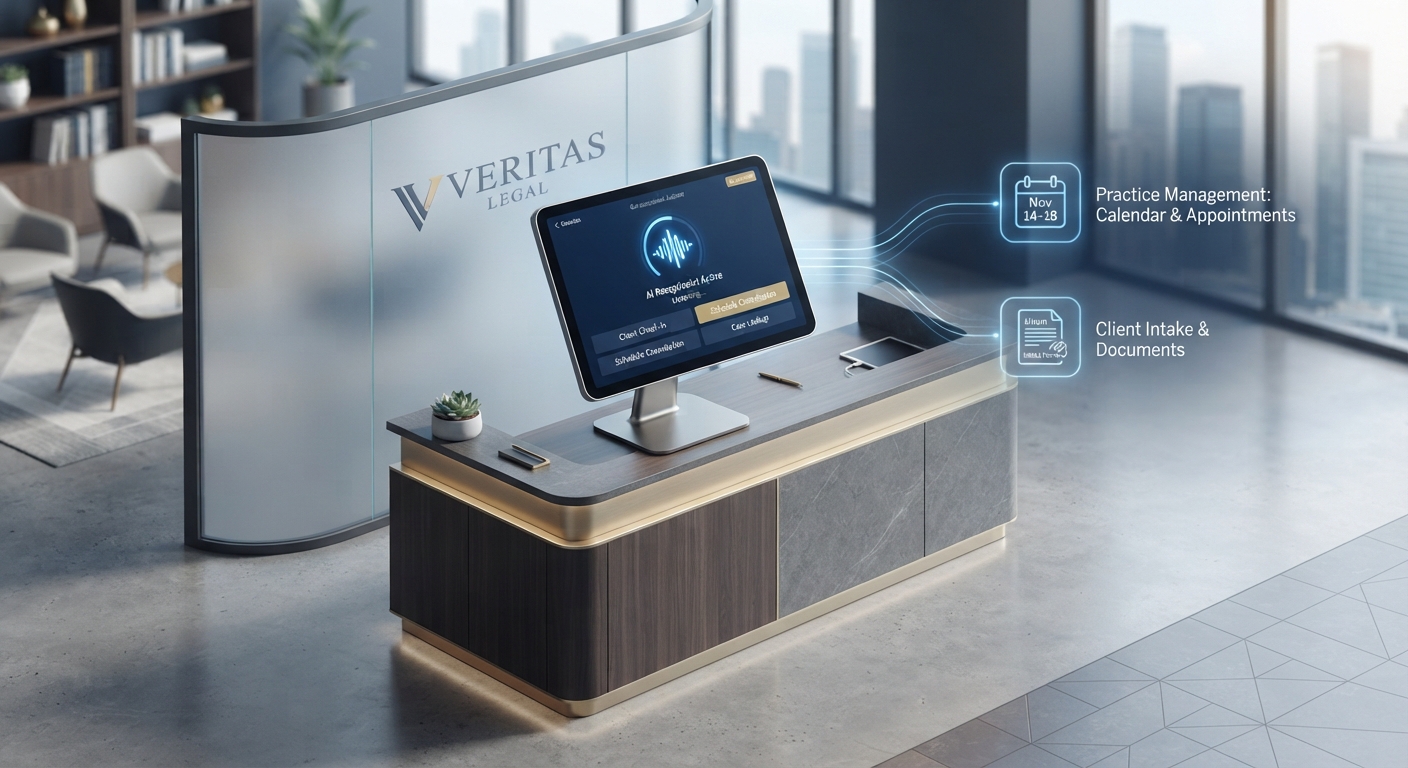
For law firms, that first call is everything. If a potential client is calling about a personal injury case, they aren't going to leave a voicemail; they're calling the next firm on the list. ai receptionists act as a 24/7 intake team that actually qualifies the lead right then.
- Intake Automation: The ai can ask the "deal-breaker" questions. For a law firm, it might ask "When did the incident happen?" or "Do you already have an attorney?"
- No-Show Killers: Dental offices lose thousands to missed cleanings. Modern systems send automated reminders and let patients reschedule over the phone without talking to a human.
- HIPAA and Syncing: It’s not just a bot. Tools like Voksha AI are building HIPAA-compliant paths that sync directly with Clio for lawyers or Google Calendar for dentists.

The data from that 2026 centralization report shows that law and dental offices are the fastest adopters. By centralizing their phones, a law firm with three locations can have one ai "brain" handle every intake, ensuring no lead falls through the cracks regardless of which office they called.
In a busy salon, the phone is basically a distraction. You’re mid-highlight on a client and the phone rings—do you stop and wipe your hands, or let it go? Most let it go.
- Reducing Missed Calls: An ai receptionist handles the "How much for a balayage?" or "Do you have openings Friday?" questions while you keep working.
- Reservation ROI: Restaurants are tired of paying 10% commissions to booking apps. Having an ai take phone reservations directly saves that fee and keeps the "human" feel of a phone call.
According to Exploring the Best AI Virtual Receptionist Voice Technology for Your Business, these systems are a "continuous improvement project," meaning they get better at answering your specific shop's weird questions the more they're used.
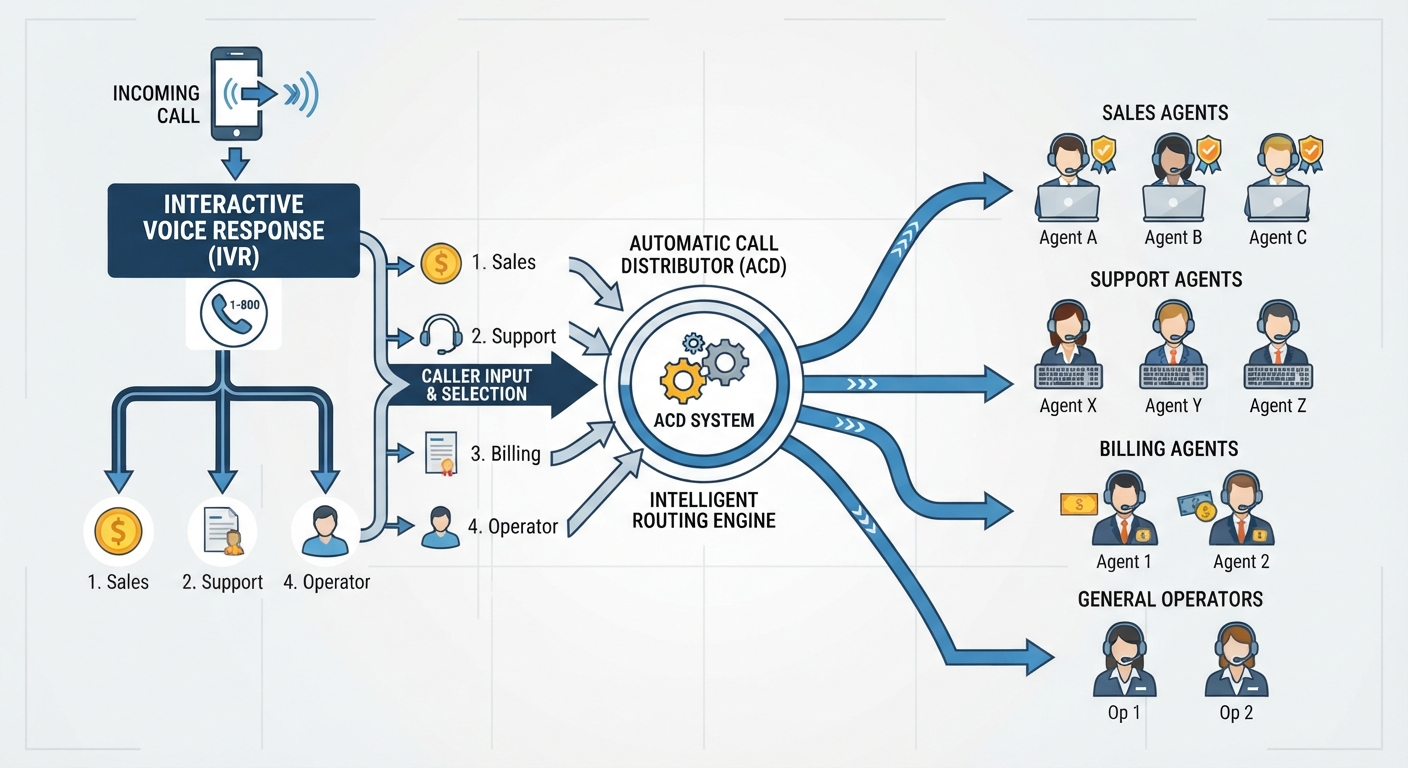
It’s kind of wild how fast this is moving. You go from a "press 1 for sales" menu to a bot that actually knows your pricing. Next, we’re going to look at the setup—how you actually get one of these things running in under an hour.
Step-by-Step Guide: How to Set Up Your AI Receptionist
Setting up an ai receptionist is honestly way easier than most people think—you don't need to be some silicon valley whiz to get it running. If you can fill out a Facebook profile, you can probably handle this in about 20 minutes.
Step 1: Training the Brain First thing you gotta do is give the bot a "brain." Most platforms let you just paste your website URL, and the ai will scrape it for your pricing, hours, and services. If you’re a law firm, you’ll want to upload your intake forms so it knows what questions to ask a new lead. Don't just rely on the scrape; manually add the "weird" questions customers ask, like "do you have parking in the back?" or "is there a late fee?"
Step 2: Intelligent Routing You need to tell the ai when to stop talking and transfer the call. For a plumbing biz, an "emergency" (like a burst pipe) should route straight to your cell, while a quote request stays with the bot.

Step 3: Connecting the Stack This is where the magic happens because the ai starts actually doing work instead of just talking. You’ll want to connect it to your calendar (like Google or Outlook) so it can book appointments without double-booking you. Use an api or built-in tools to link the ai to Salesforce, HubSpot, or even ServiceTitan if you’re in home services. This ensures every call is logged as a lead automatically.
Step 4: Budget Controls To keep things from getting out of hand, set "max receptionist minutes." It’s basically a safety net so you don't get a surprise bill if a bot gets stuck in a loop with a telemarketer.
According to Daniel Satchkov on Rixtrema, as mentioned earlier, you can build a fully functional assistant using tools like VAPI and Twilio in under 20 minutes with no-code.
Now that you've got the bot "trained" and connected, we need to talk about the actual conversation—specifically, how it handles those awkward moments when a caller won't stop talking or there's a dog barking in the background.
Advanced Features You Didn't Know You Needed
You’d think an ai receptionist is just for answering the phone, but the real "aha" moment happens when you realize it can actually do the grunt work. It’s like hiring a multi-lingual assistant who never sleeps and has a perfect memory for every single customer detail.
- Barge-in and VAD: This is how the bot handles "messy" talk. Using Voice Activity Detection (VAD), the ai knows when you've started talking and will instantly stop its own speech. This "barge-in" tech makes it feel like a real conversation instead of a recording that just talks over you.
- Background Noise Filtering: Modern bots use noise-canceling logic to ignore that barking dog or the traffic sounds, focusing only on the caller's words so the "brain" doesn't get confused.
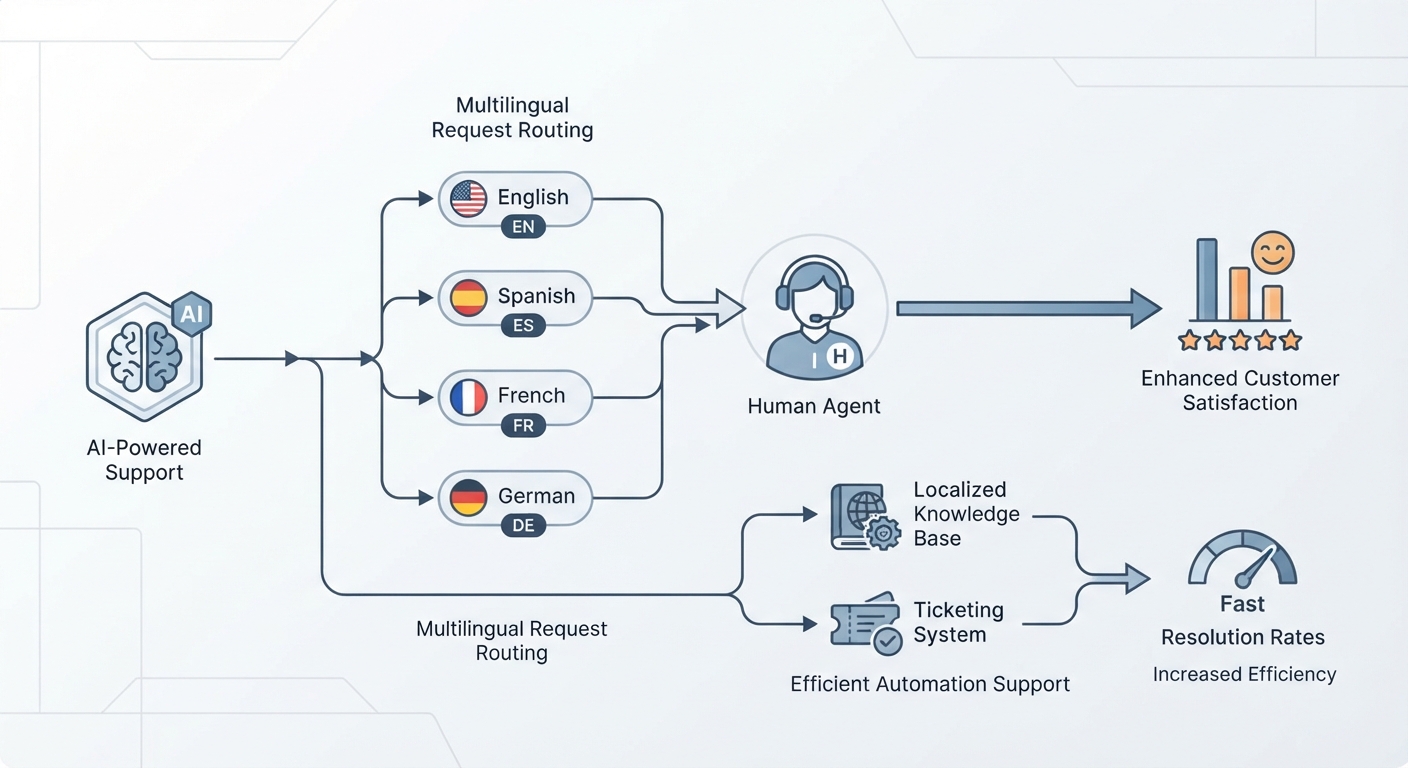
- Fluent Switching: The ai detects the language being spoken and switches instantly without a weird "press 2 for Spanish" menu. It can handle over 25 languages—meaning a landscaping biz can take a booking in Spanish while the owner is busy on a mower.
- Custom Pronunciation: You can actually give the bot a "cheat sheet" so it doesn't butcher your brand name or complex medical terms like orthodontics.

Ever wish you could just "see" what happened on a call without listening to a 10-minute recording? Most platforms now give you a dashboard that feels more like a sales tool than a phone log. As we saw earlier with the 2026 centralization report, having this data in one spot is huge. You get a shareable link for every call that includes a text transcript and a summary of what the person actually wanted. It’s a game changer for law firms where a paralegal needs to review a lead’s info before calling them back.
Next, we’re going to wrap everything up and look at how this tech actually changes your bottom line.
The ROI of Never Missing a Call Again
Honestly, if you're still letting calls go to voicemail in 2026, you're basically handing your competitors a check. It sounds harsh, but when a homeowner has a leaky pipe at 3 AM or a new client needs a lawyer now, they aren't waiting for a callback.
Think about your average lead value. If one hvac install is worth $5,000 and you miss just two calls a month because the front desk was busy, that is $120,000 in "invisible" losses every year.
- 24/7 Standard: Customers now expect instant booking, even on Sundays.
- Zero Drop-off: as mentioned earlier, ai ensures every single person gets a live response, which kills the "google-next-biz" habit.
- Staff Relief: Your team stops playing phone tag and actually focuses on the work in front of them.

It's about stopping the leak. One missed legal consultation could pay for years of ai service. Honestly, the roi is just common sense at this point.