How AI Receptionist Software Works for Modern Businesses
Introduction
Imagine this: it's late at night, a potential customer calls your business after seeing your ad and nobody picks up. They move on, call your competitor, and you never even knew they existed. This isn't a rare scenario; studies show that over 62% of calls to small businesses go unanswered, and every single one of those is a lead walking straight out the door. Customers today expect instant responses, not voicemails. They expect availability, not "please call back during business hours." The way businesses handle phone communication is broken and AI receptionist software is fixing it.
AI receptionist software is a voice-powered virtual assistant that answers your calls automatically, understands what callers need, books appointments, captures leads, and routes inquiries all without a human involved. It combines speech recognition, natural language processing, and smart automation to deliver a seamless caller experience 24 hours a day, 7 days a week. It's not a phone tree. It's not a chatbot. It's a genuinely intelligent system that works like a trained receptionist who never sleeps, never calls in sick, and costs a fraction of a full-time hire. In this guide, we'll break down exactly how it works and why modern businesses can't afford to ignore it.
What Is AI Receptionist Software?
AI receptionist software is a virtual assistant that answers your business phone calls automatically intelligently. It's not a basic voicemail. It's not a clunky phone tree. It's a voice-powered AI that understands what callers say, responds naturally, books appointments, captures leads, and routes calls all without a human lifting a finger.
Think of it as hiring a receptionist who works 24 hours a day, 7 days a week, never takes a sick day, and costs a fraction of a full-time hire.
Why Modern Businesses Need It
Here's a stat that should make any business owner nervous: 62% of calls to small businesses go unanswered. Every missed call is a potential customer walking out the door.
Beyond missed calls, here's what's pushing businesses toward AI receptionists:
Customers expect instant responses. Nobody wants to leave a voicemail and wait 24 hours for a callback. They'll just call someone else.
Staffing is expensive and unreliable. A full-time receptionist costs $35,000–$50,000 per year in the US before benefits. And they can only work so many hours.
Business doesn't stop at 5 PM. Inquiries, appointment requests, and emergencies don't follow business hours. AI does.
Manual processes slow everything down. From call routing to appointment booking, humans make mistakes. AI doesn't forget, doesn't double-book, and doesn't put the wrong caller on hold for 15 minutes.
How AI Receptionist Software Works Step by Step
This is where it gets interesting. Here's the full journey of a call handled by an AI receptionist:
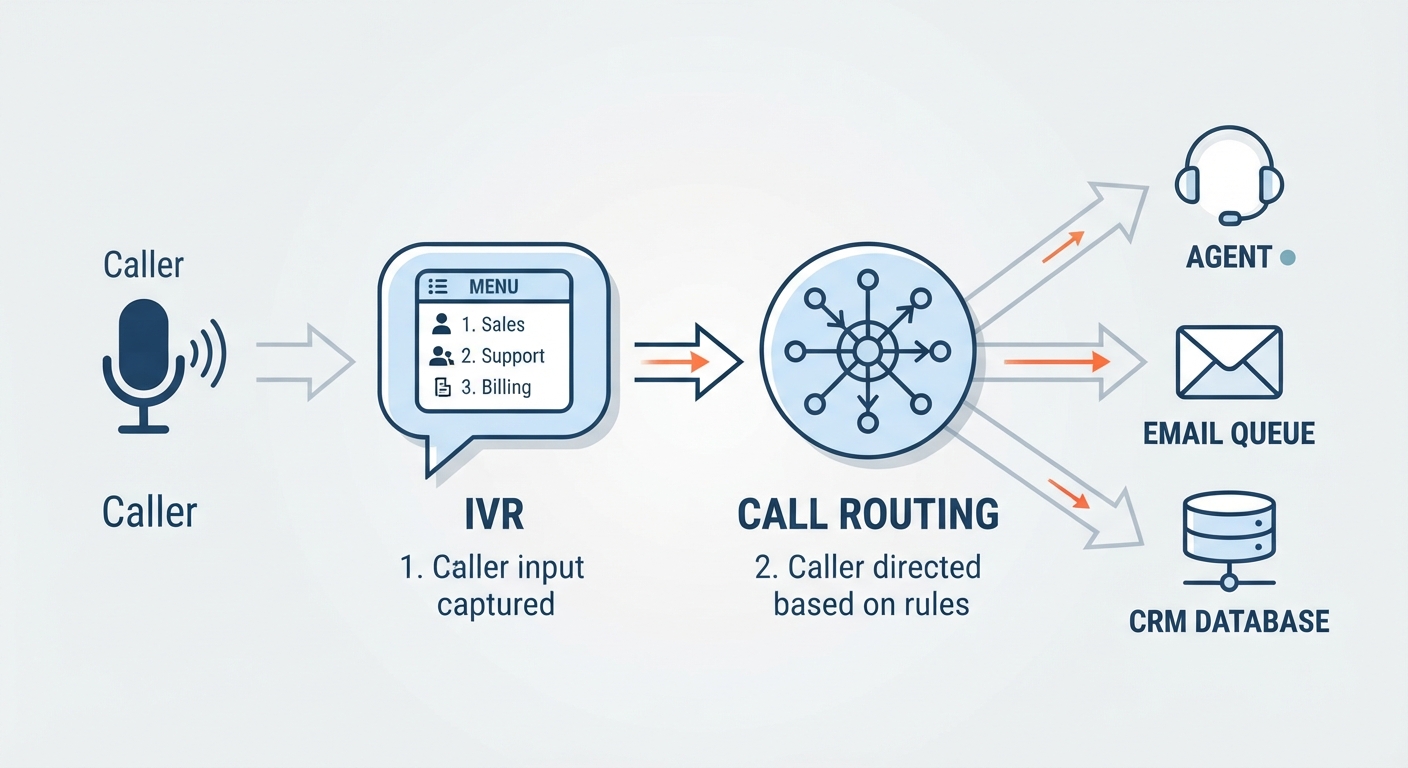
Step 1 The Call Comes In
A customer dials your business number. Instead of ringing endlessly or hitting voicemail, the call connects to your AI receptionist through cloud telephony instantly, every time.
Step 2 Speech Recognition Kicks In (ASR)
The moment the caller starts speaking, Automatic Speech Recognition (ASR) converts their voice into text in real time. It's the same technology powering Siri and Google Assistant but trained specifically for business conversations.
"Hi, I'd like to book an appointment for next Thursday afternoon."
That sentence is now text the AI can work with.
Step 3 The AI Actually Understands What Was Said (NLP)
Converting speech to text is one thing. Understanding what it means is another.
This is where Natural Language Processing (NLP) comes in. The AI doesn't just read the words it grasps the intent. Is the caller trying to book? Cancel? Get pricing? Ask a question? NLP figures that out even when people speak casually, use slang, or aren't perfectly clear.
Step 4 The AI Decision Engine Takes Over
Now the AI "thinks." Based on the caller's intent, it determines the right next step:
Should it check the calendar and offer time slots?
Should it route the call to a specific team member?
Should it answer a FAQ and wrap up the call?
Should it collect lead information and send a follow-up?
This decision engine is powered by pre-built workflows you define when setting up the software customized to your specific business.
Step 5 CRM and Calendar Integration
If the caller wants to book an appointment, the AI checks your calendar in real time, offers available slots, and confirms the booking all automatically. It also updates your CRM with the caller's name, number, inquiry details, and any other captured information.
No spreadsheet. No sticky note. No manual entry. Done.
Step 6 The AI Responds in a Human-Like Voice
Text-to-Speech (TTS) technology converts the AI's response back into natural-sounding speech. Modern TTS is remarkably realistic callers often can't tell they're speaking to an AI until they're told.
The AI continues the conversation back and forth, asking follow-up questions, confirming details, and wrapping up just like a trained human receptionist would.
Step 7 - Call Summary, Transcription & Analytics
After the call ends, the AI generates a full transcript, a lead summary, and logs everything to your dashboard. You can see call volume, peak hours, common questions, conversion rates, and more - all in one place.
Your team wakes up in the morning to a tidy summary of every call that came in overnight. No voicemails to decipher. No missed context.
The Core Technologies Making It All Possible
Behind every AI receptionist is a stack of powerful technologies working together:
Artificial Intelligence (AI) - The brain of the system. It learns, adapts, and improves over time.
Natural Language Processing (NLP) - Helps the AI understand human conversation in all its messy, unstructured glory.
Automatic Speech Recognition (ASR) - Converts spoken words to text, handling accents, pacing, and background noise.
Text-to-Speech (TTS) - Turns text back into natural-sounding voice responses.
Machine Learning - Allows the AI to get smarter with every call it handles.
Cloud Telephony - Routes calls over the internet instead of traditional phone lines, enabling instant scalability and remote access.
API Integrations - Connects the AI to your CRM, calendar, helpdesk, or any other business tool you use.
Features You Should Expect from Modern AI Receptionist Software
Not all platforms are built equal. Here's what a solid AI receptionist should offer:
24/7 call answering - no gaps, ever
Appointment scheduling - with real-time calendar sync
Lead qualification - so your team only talks to serious prospects
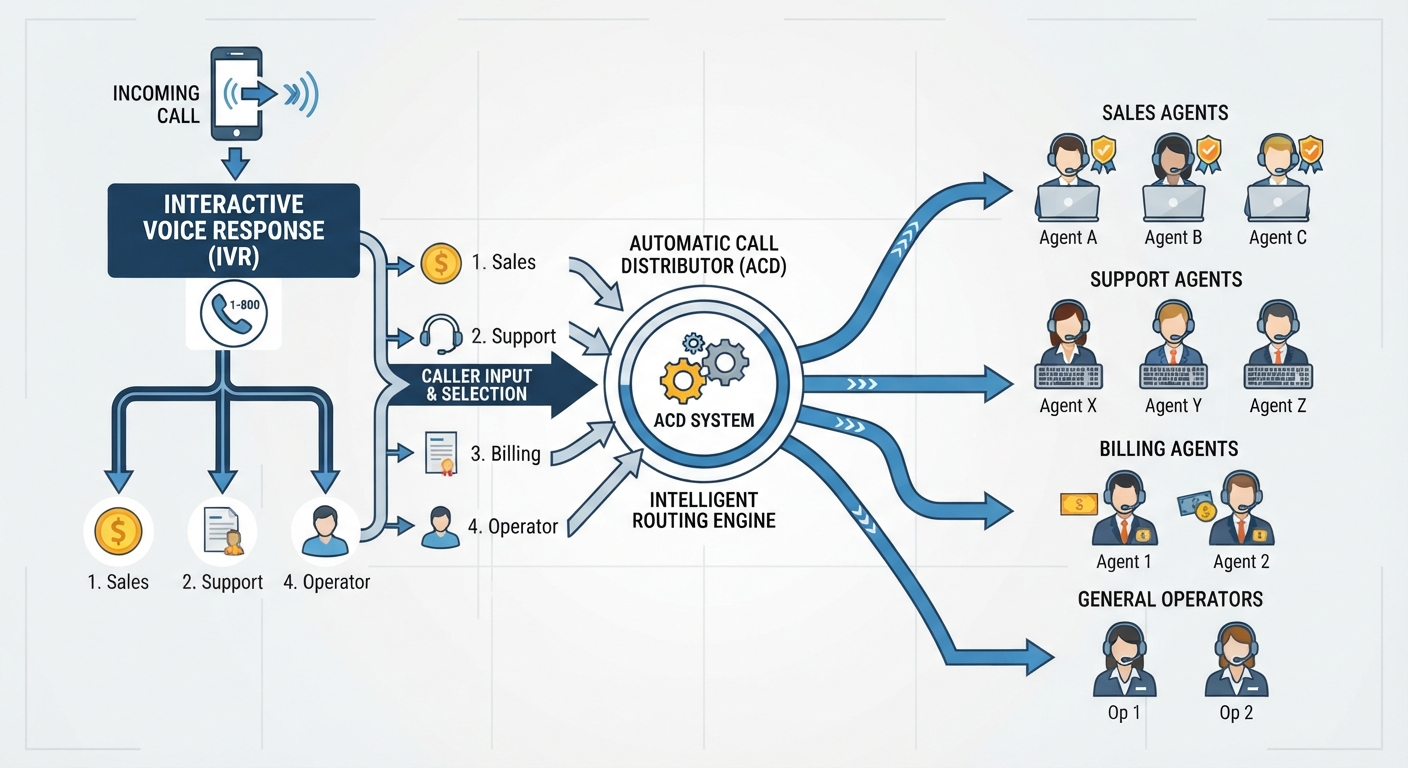
Smart call routing - send the right caller to the right person
CRM integration - auto-capture and log lead data
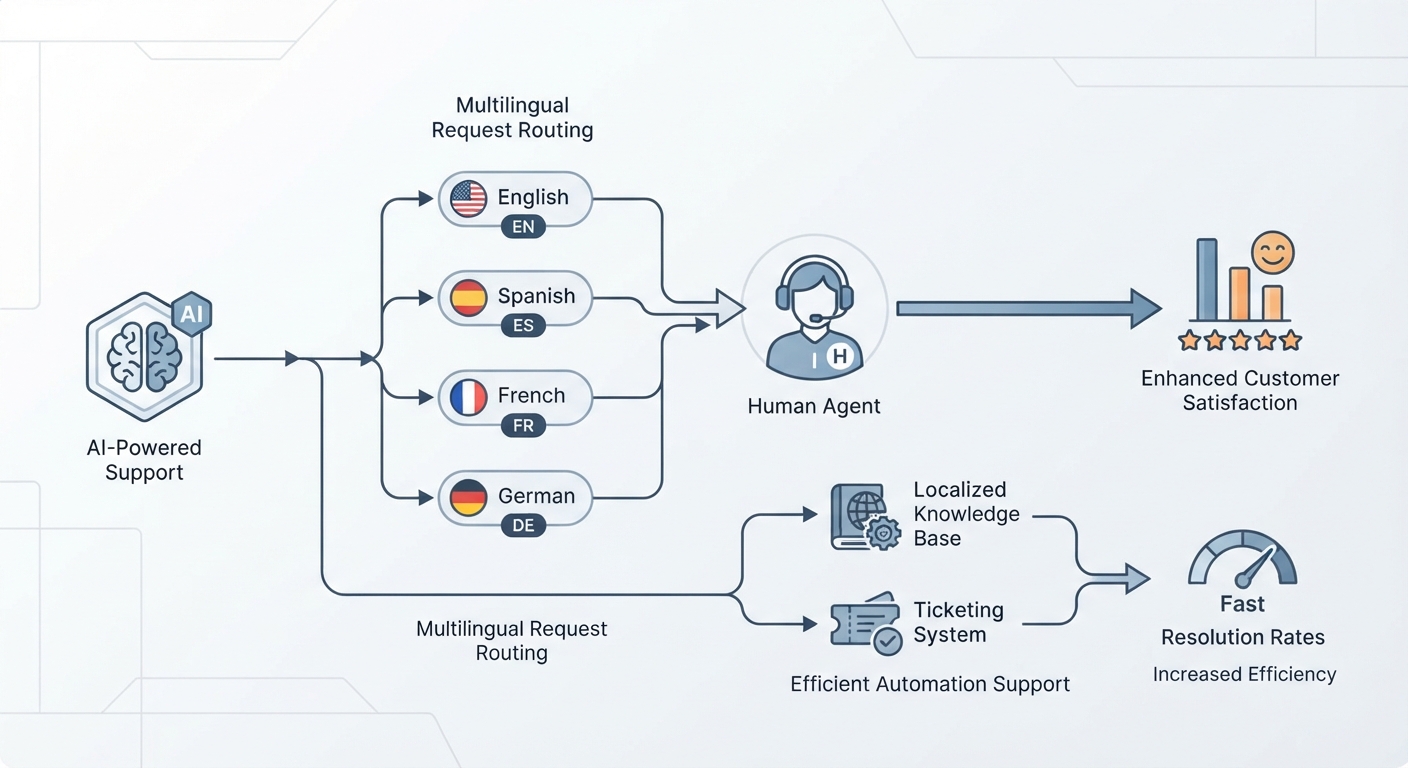
Multilingual support - serve customers in their preferred language
SMS follow-ups - send booking confirmations or callbacks automatically
Spam call filtering - block robocalls before they waste anyone's time
Call analytics & transcripts - track performance and spot trends
Custom workflows - tailored to your specific business logic
Voicemail handling - with transcription and instant notification
Which Industries Are Using AI Receptionists Right Now?
AI receptionist software isn't just for tech companies. It's being used across industries where missed calls mean lost revenue:
Healthcare clinics - Book patient appointments, handle after-hours inquiries, and send reminders automatically.
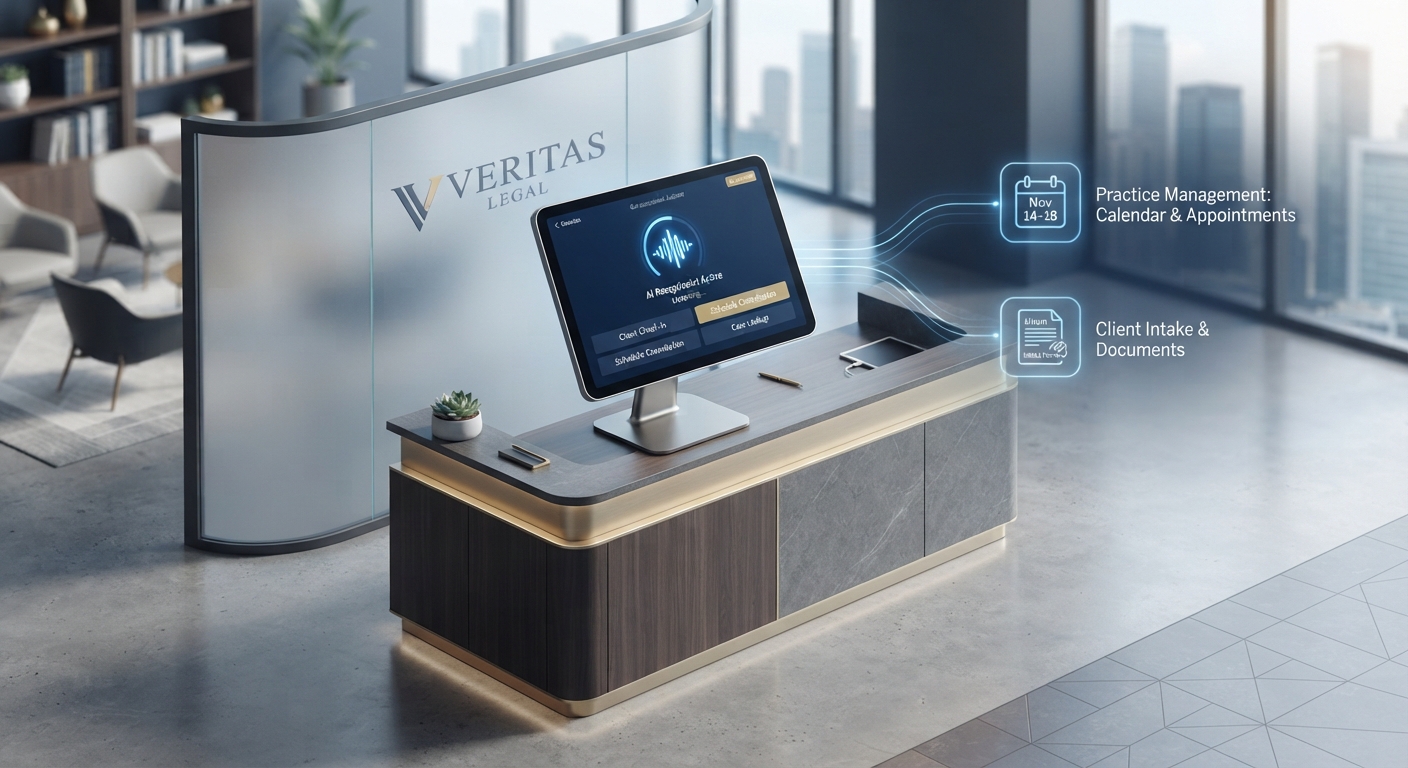
Law firms - Capture new client inquiries 24/7 without paying a paralegal to answer phones on weekends.
Real estate agencies - Qualify buyer and seller leads instantly before they go cold.
HVAC & home services - Book emergency service calls at 2 AM without a dispatcher on call.
Salons & spas - Fill empty appointment slots automatically and reduce no-shows.
Restaurants - Handle reservation requests, delivery inquiries, and hours questions without tying up staff.
Financial services - Pre-qualify leads and route serious inquiries to advisors.
AI Receptionist vs. Human Receptionist - A Honest Comparison
AI Receptionist | Human Receptionist | |
|---|---|---|
Cost | $50–$500/month | $3,000–$5,000/month |
Availability | 24/7/365 | Business hours only |
Scalability | Unlimited simultaneous calls | One call at a time |
Response time | Instant | Variable |
Training required | Initial setup only | Ongoing |
Human connection | Good, but not perfect | Yes |
Consistency | Always consistent | Can vary |
The verdict: For routine calls - bookings, FAQs, lead capture, routing - AI wins on every metric. For complex, emotionally sensitive conversations, a human still has the edge. Smart businesses use AI to handle the volume and humans to handle the nuance.
Common Limitations (Let's Be Honest)
AI receptionists are impressive - but they're not magic. Here's where they still have room to grow:
Highly complex conversations - If a caller goes off-script in unexpected ways, the AI may struggle to keep up.
Heavy accents or poor audio quality - Speech recognition has improved dramatically, but it's not perfect in noisy environments.
Building caller trust - Some customers still prefer speaking to a human. Transparency about AI use matters.
Integration complexity - Setting up connections to legacy CRM systems or custom tools can take time.
Data privacy compliance - Businesses in regulated industries (healthcare, finance, legal) need to ensure their AI vendor meets compliance standards like HIPAA or GDPR.
The good news? These limitations are shrinking fast as the technology matures.
The Future of AI Receptionist Software
This technology is evolving at a remarkable pace. Here's what's coming:
Emotion detection - AI that can sense caller frustration or urgency and respond accordingly, or escalate to a human agent at the right moment.
Hyper-personalized conversations - AI that knows the caller's history and tailors every interaction based on past behavior and preferences.
Predictive support - Systems that anticipate why a customer is calling before they even explain, based on recent activity.
AI sales assistants - Moving beyond receptionist duties into active lead nurturing and pipeline management.
Multimodal AI - Handling voice, text, and chat from a single unified system.
The AI receptionist of 2026 is already far more capable than most people realize. The one in 2028 will be nearly indistinguishable from a skilled human agent.
Final Thoughts
AI receptionist software has moved well past the "emerging technology" phase it's a practical, proven tool that businesses of every size are using right now to stop losing leads, reduce operating costs, and deliver a better customer experience around the clock. Whether you run a medical clinic, a law firm, a real estate agency, or a local home services business, the math is simple: missed calls cost money, and AI makes sure you never miss one again. The technology handles the volume, the repetition, and the after-hours load so your team can focus on the work that actually needs a human touch.
The businesses winning in 2026 aren't the ones with the biggest teams they're the ones with the smartest systems. AI receptionist software is one of the most accessible, high-impact automation tools available today, and getting started doesn't require a massive budget or a technical background. The setup is simple, the ROI shows up fast, and the competitive advantage is real. If your phone is still going unanswered after hours, the only question left is: how many more leads can you afford to lose before you do something about it?
Frequently Asked Questions
What is AI receptionist software? It's a voice AI system that answers your business phone calls automatically, handles appointments, qualifies leads, routes calls, and integrates with your CRM without any human involvement.
How does AI receptionist software work? It uses speech recognition to understand callers, natural language processing to interpret intent, and automated workflows to respond, book, route, or capture information then delivers a human-like voice response in real time.
Can AI receptionists book appointments? Yes. Most platforms integrate directly with Google Calendar, Outlook, or your practice management software to check availability and confirm bookings in real time during the call.
Is AI receptionist software better than a human receptionist? For high-volume, routine tasks like bookings, lead capture, FAQs, and after-hours coverage yes, it's faster, cheaper, and more consistent. For emotionally complex conversations, human receptionists still shine.
Which businesses benefit most from AI receptionist software? Any business that relies on inbound calls: medical clinics, law firms, real estate agencies, home service companies, salons, restaurants, and SaaS businesses with support needs.
Does AI receptionist software integrate with CRMs? Yes. Most platforms integrate with popular CRMs like Salesforce, HubSpot, Zoho, and others to automatically log call data and lead information.
How much does AI receptionist software cost? Pricing typically ranges from $50 to $500 per month depending on call volume, features, and provider. That's a fraction of the cost of a full-time receptionist.
Can AI answer calls 24/7? Absolutely that's one of its biggest advantages. AI receptionists never sleep, take breaks, or call in sick.