After-Hours Answering Service: Why 35% of Bookings Happen When You're Closed
TL;DR
- ✓ Over 35 percent of customer bookings occur outside standard business hours.
- ✓ Missing calls causes significant revenue loss and damages your professional reputation.
- ✓ Modern hybrid answering services combine AI efficiency with human personalized support.
- ✓ Automated routing ensures high-value leads are handled immediately by professional agents.
You walk into the office on Monday morning. Coffee in hand, you’re ready to crush the week. You glance at your phone. A red notification bubble stares back: seven missed calls. Your stomach drops.
You listen to the voicemails. Three potential clients sound annoyed. The others? They didn't even bother to leave a message. By the time you hit "call back," they’ve already moved on. According to research from Invoca, 62% of small businesses miss calls regularly. In this economy, that silence isn't just an inconvenience—it’s a slow leak in your revenue stream.
The "35% Rule" is the brutal reality of modern business: over one-third of all booking attempts happen outside the standard 9-to-5. While you’re sleeping, commuting, or finally sitting down for dinner, your leads are hunting for solutions. If they hit a voicemail greeting, they don't wait for your callback. They hit the back button and click the next Google result. In 2026, "voicemail culture" is a relic. It’s a primary driver of business failure.
Why You Are Bleeding Leads to Your Competitors
The modern caller is unforgiving. We live in an on-demand world where patience has all but evaporated. When a prospect calls, they’re working within a "60-Minute Window." If you don't answer, they don't leave a message—they just keep scrolling. By the time you return that call four hours later, they’ve already booked with the guy who answered on the second ring.
The financial hit is real. Let’s do the math. Say you miss 10 calls a week. If you convert 20% of those and your average ticket is $200, you’re flushing $20,800 down the drain every single year. That isn't just "missing a few calls." That’s a twenty-thousand-dollar hole in your profit margin. Research on the impact of missed calls on revenue shows the damage goes deeper than cash; it ruins your reputation. Prospects view your lack of availability as a lack of professional reliability.
How Modern Answering Technology Works
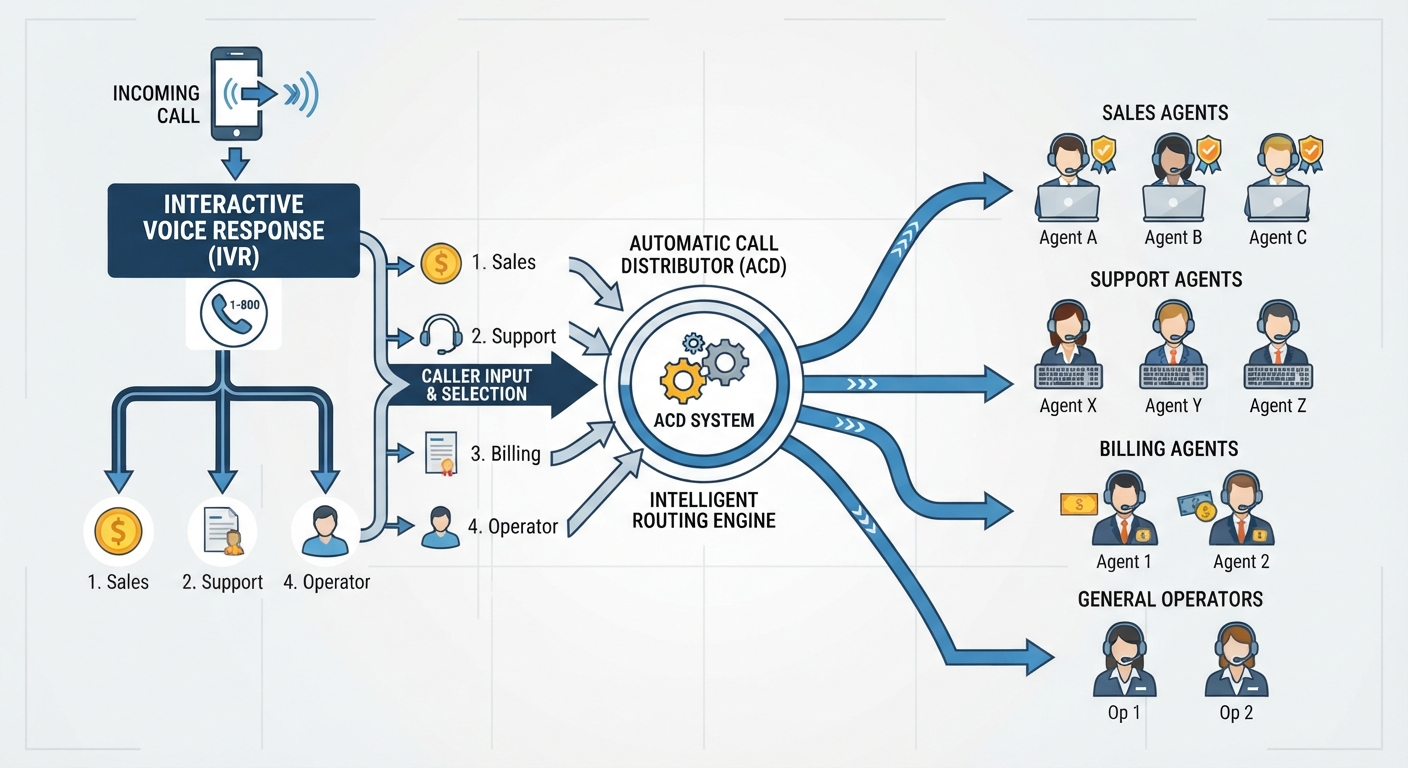
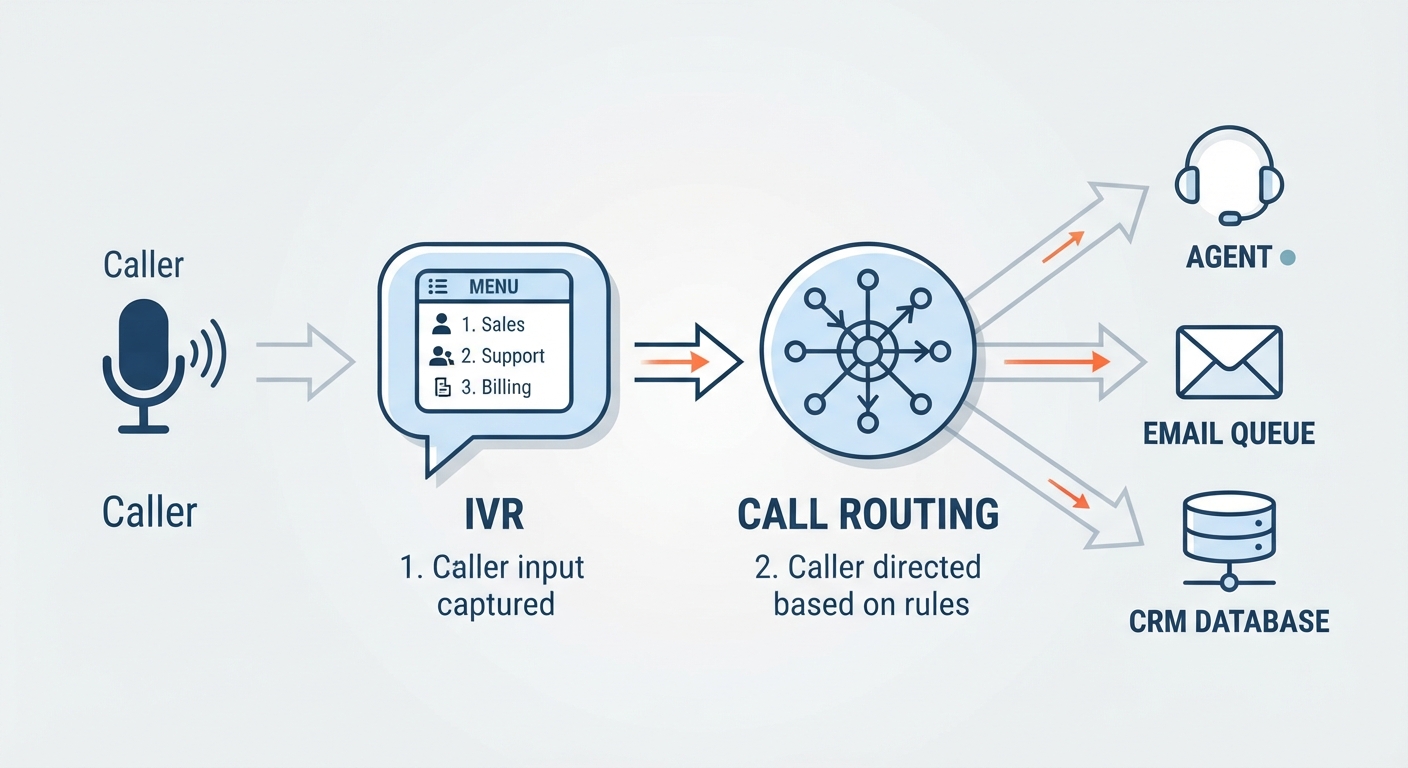
To fix this, we have to stop choosing between "hiring an expensive secretary" or "letting it ring into the void." The tech has evolved into a smart routing system that keeps the lights on, even when you aren't there. Modern systems use a decision tree—a digital gatekeeper that knows exactly what to do.
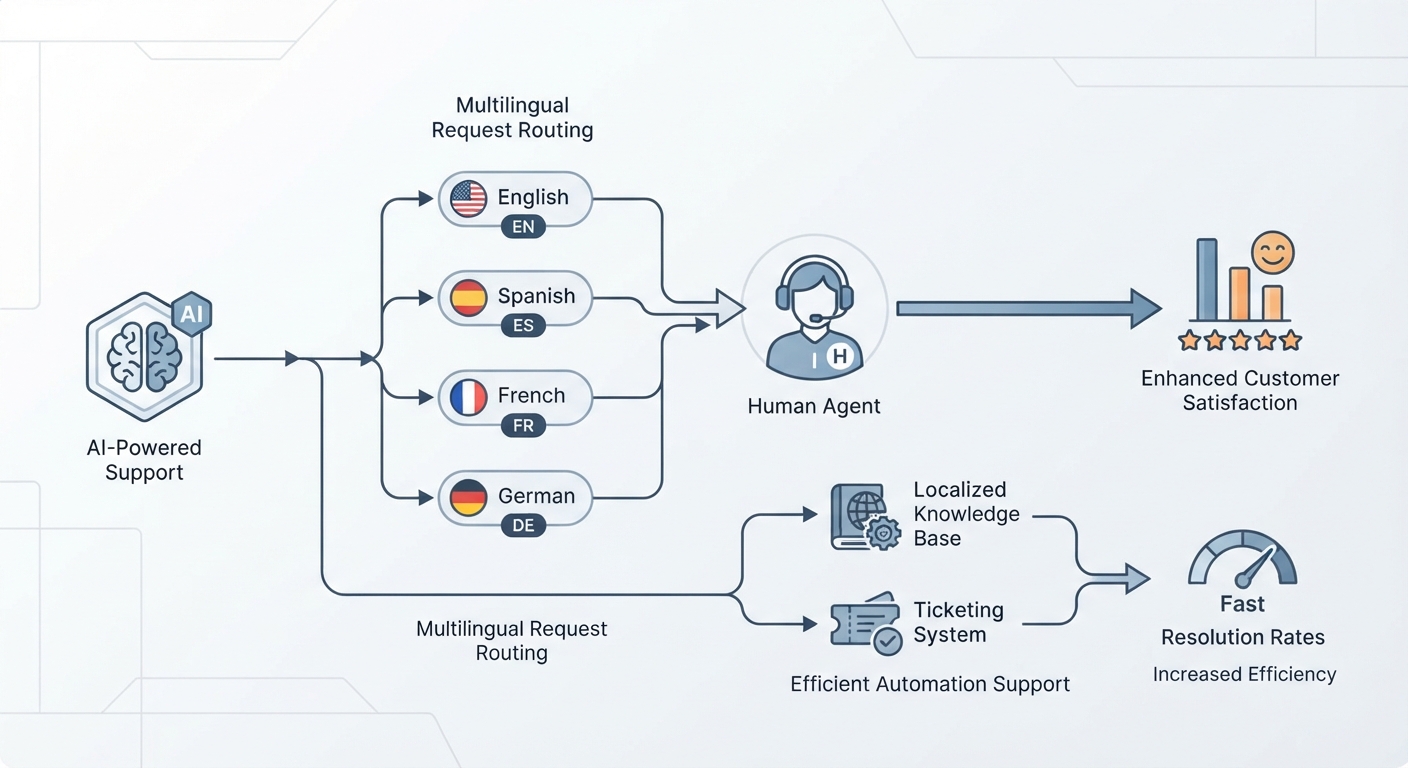
This flow is a game-changer. Routine questions—office hours, directions, basic pricing—are handled instantly by AI. High-stakes, complex inquiries get bumped to a human agent. You get the efficiency of automation without losing the human touch.
The Hybrid Answering Advantage
For years, small business owners steered clear of automated services because they were terrified of the "robotic" stigma. But in 2026, that stigma is dead. High-end Natural Language Processing (NLP) allows AI to handle conversations with the kind of empathy, timing, and nuance that makes it almost impossible to tell you're talking to a machine.
The real win here is economic. Traditional live answering services can cost anywhere from $200 to $1,500 a month. That’s a heavy lift for a small business. Modern AI models, however, start as low as $25 to $300 a month. By adopting a "Hybrid Answering" model—letting AI handle the intake and looping in humans only when necessary—you get the speed of automation with the premium feel of a dedicated office manager. If you want to balance your budget with 24/7 availability, you can explore our 24/7 answering solutions to see how this fits your workflow.
Is Your Industry High-Intent?
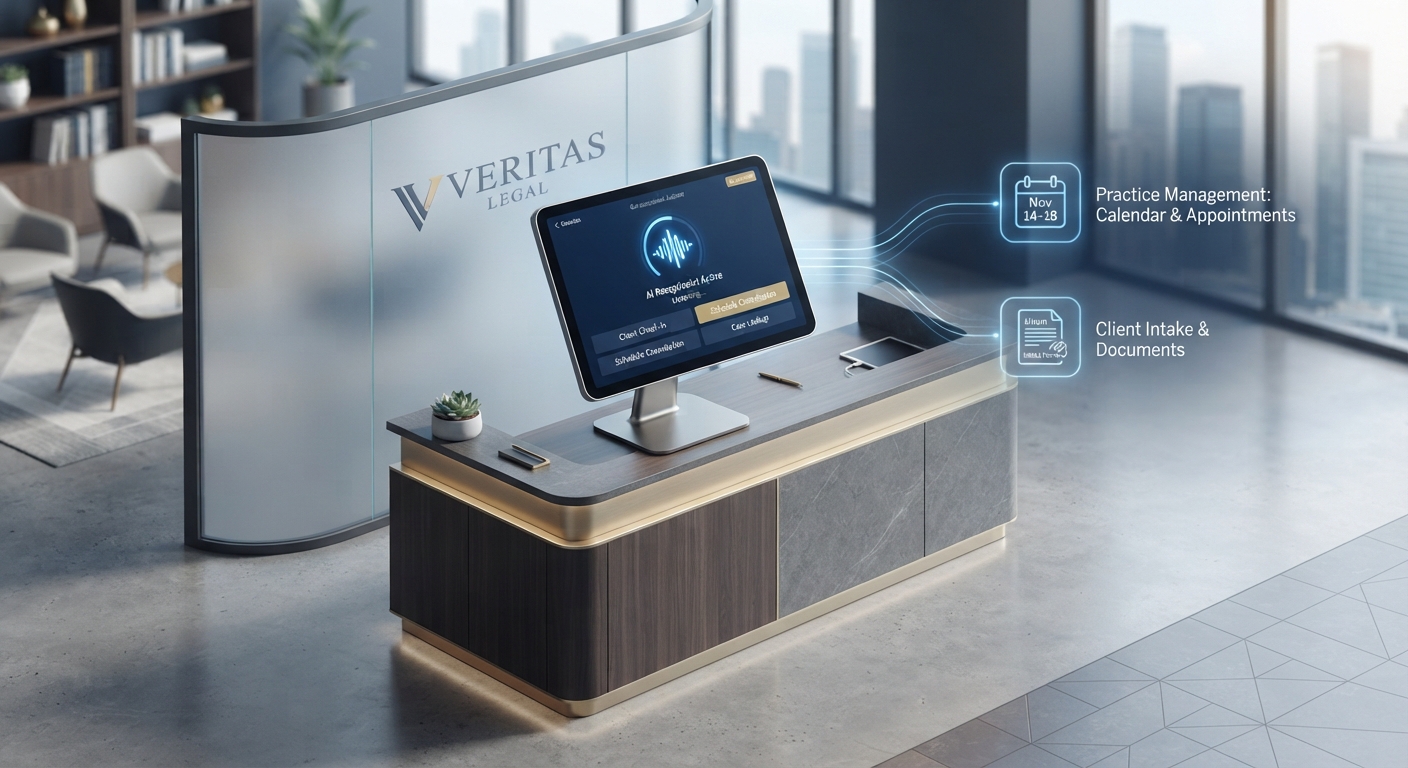
Not every business faces the same pressure, but in high-intent industries, the "after-hours" period is actually prime time. If you run an HVAC repair company, a dental practice, or a law firm, your clients aren't calling because they’re bored. They’re calling because they have a fire that needs putting out—right now.
Take an HVAC emergency on a Sunday night. If a client calls and hears, "We are closed, please leave a message," they’re calling your competitor before the beep ends. But if they reach an AI agent that verifies their address, logs the emergency, and promises a technician by 8 AM? You just secured a high-value client.
For those trying to navigate the messy landscape of modern support, this guide on choosing a virtual receptionist for 2026 offers a deep dive into how different industries are reinventing their communication.
Decision Matrix: How to Choose the Right Service
Picking the right path depends on your volume and how complex your interactions are.
| Model | Best For | Complexity | Cost |
|---|---|---|---|
| AI-Only | Routine FAQs, appointment setting | Low to Medium | $25–$300/mo |
| Hybrid | Mixed volume, urgent needs | Medium to High | $200–$800/mo |
| Live Human | VIP clients, complex legal/medical | High | $800–$1,500+/mo |
For most service-based businesses, the Hybrid model is the sweet spot. It provides a safety net that captures every lead while keeping your monthly costs predictable and manageable.
Taking Control of Your Growth
Capturing that missing 35% of your bookings isn't just about answering the phone—it’s the fastest way to scale. It shifts your business from reactive (apologizing for missed calls) to proactive (filling your calendar while you sleep). The goal is to build an ecosystem where your business never "closes," even when the doors are locked.
Ready to stop bleeding leads? Contact our team for a consultation. We’ll audit your missed call rate and help you find the model that turns those lost opportunities into your next best customers.
Frequently Asked Questions
Does an after-hours answering service sound robotic?
Modern AI receptionists use advanced natural language processing to sound conversational and natural, often indistinguishable from human staff.
How much does an after-hours service actually cost?
It depends on the model. AI-only services can cost as little as $25/mo, while live human services typically range from $200–$1,500/mo depending on call volume.
Will an answering service replace my front desk?
Not necessarily. Most businesses use them as a "safety net" to capture calls after hours, during lunch, or when staff are busy with other tasks.
What is the biggest mistake businesses make with after-hours calls?
Allowing calls to go to voicemail. Statistics show that the vast majority of callers will not leave a message and will simply call the next business on their list.