Virtual Receptionist vs. AI Receptionist: Choosing the Right Call Handling Workflow
TL;DR
- ✓ AI handles routine tasks while humans manage complex, high-emotion client interactions effectively.
- ✓ Hybrid workflows offer the best balance of 24/7 responsiveness and high-touch customer service.
- ✓ AI receptionist solutions significantly reduce overhead costs compared to hiring full-time staff.
- ✓ Use call volume and conversation complexity to determine your optimal answering strategy.
In today's market, missing a call isn't just an annoyance; it’s a direct hit to your bottom line. Every unanswered ring is a lost lead, and every lost lead is a chunk of your lifetime customer value vanishing into thin air.
For years, business owners felt they had to choose: the warmth of a human voice or the efficiency of automation. That binary choice is dead. The smart play for 2026 isn't picking one or the other—it’s blending them. You need the instant, 24/7 responsiveness of AI for the grunt work and the high-level empathy of a human for the moments that actually matter. If you’re tired of burning cash on inefficient staffing while losing leads to voicemail, you should compare costs and ROI in our deep-dive guide to see how the math actually works.
What’s the Real Difference?
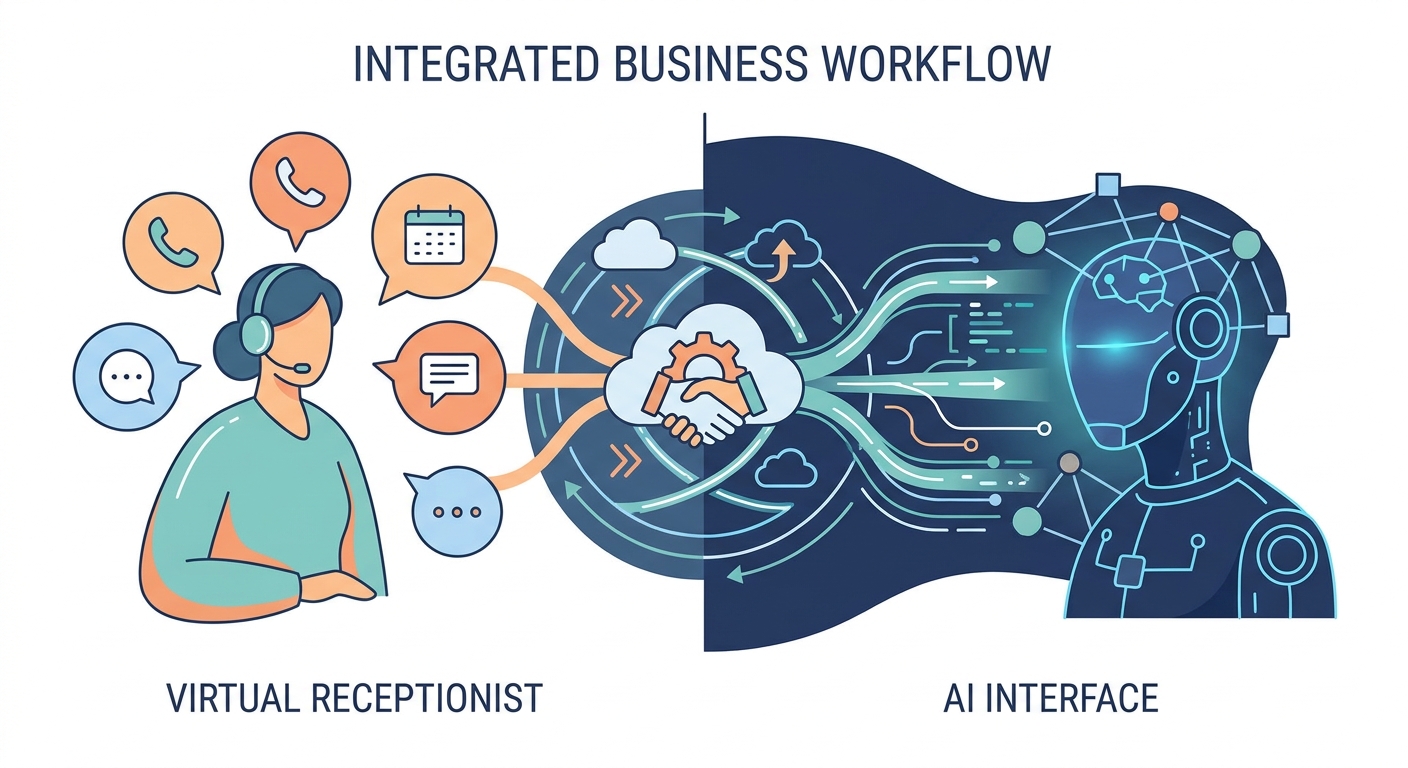
Think of a virtual receptionist as your "high-touch" insurance policy. These are real people—remote assistants—who excel at the messy, complicated stuff. They can read a room, de-escalate an angry client, and build rapport in ways a machine simply can’t. They are the gold standard for high-stakes conversations.
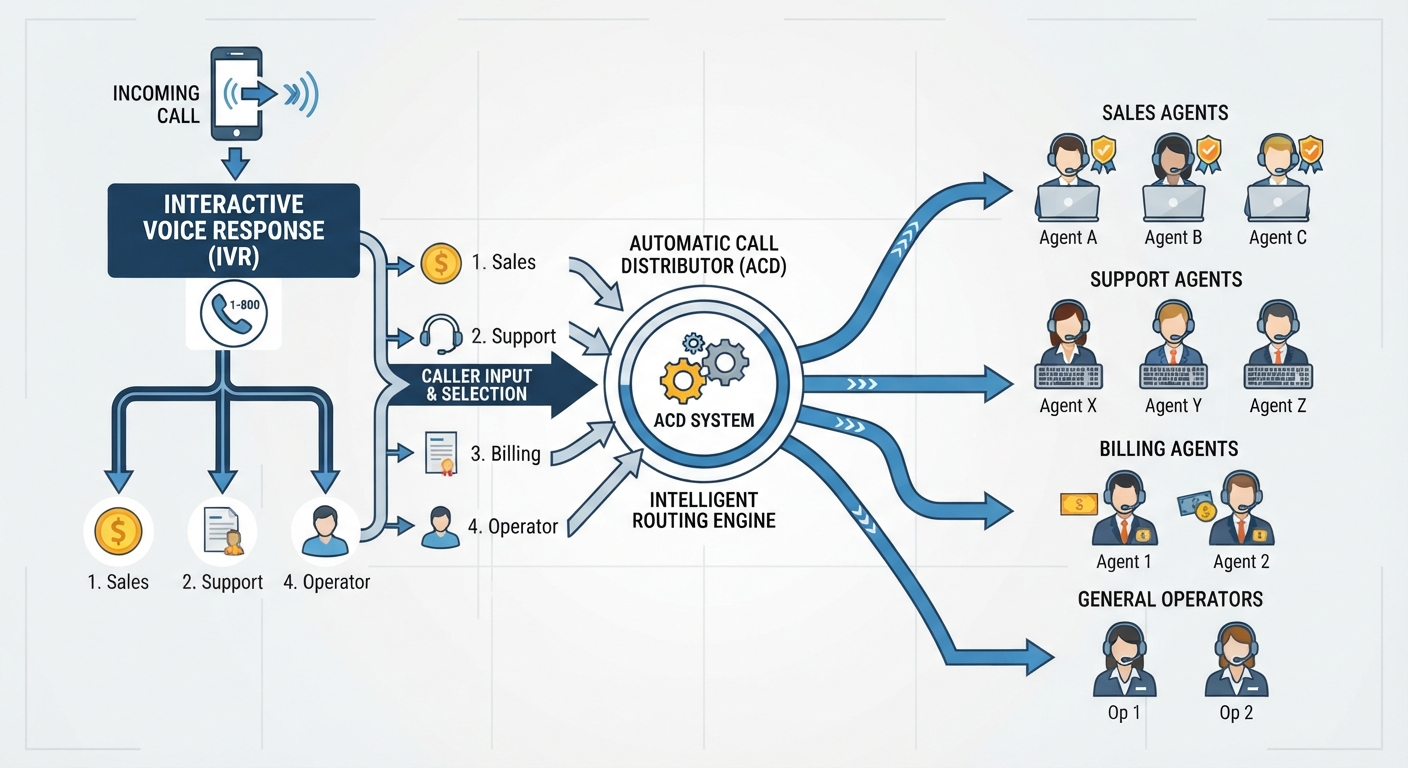
An AI receptionist, on the other hand, is your workhorse. It doesn’t sleep, it doesn’t take coffee breaks, and it never has a "bad day." It’s a logic engine designed for speed. It handles scheduling, FAQs, and basic lead qualification in the blink of an eye. If you want to dive into the tech behind the curtain, this resource on modern AI phone systems breaks down how these systems are evolving beyond simple chatbots.
How Do You Choose the Right Workflow?
Don’t overcomplicate it. Look at three things: your volume, your complexity, and your bank account. If your phone barely rings but every call is a complex, high-emotion legal case, keep your human team. But if your staff is drowning in "what are your hours?" and "can I reschedule?", you’re wasting expensive talent on cheap tasks.
The Case for AI: Why Speed is Everything
We live in an "I want it now" world. If a lead calls and gets an automated system that books their appointment in 30 seconds, they’re staying. If they sit on hold for five minutes listening to elevator music, they’re gone.
Financially, the gap is massive. A full-time, in-house receptionist can easily cost $50,000+ a year once you factor in benefits and overhead. An AI subscription? Usually a few hundred bucks a month. The data-backed cost-benefit analysis proves that AI pays for itself by capturing leads you were previously missing. It’s not about cutting corners; it’s about freeing your people to do work that actually generates revenue.
When Do You Need a Human?
Automation is great, but it’s not a panacea. If a client calls in the middle of a crisis, a sensitive medical emergency, or a high-ticket negotiation, they need a person. Period. Using a bot in those moments feels cold—and that’s a quick way to lose a brand's reputation.
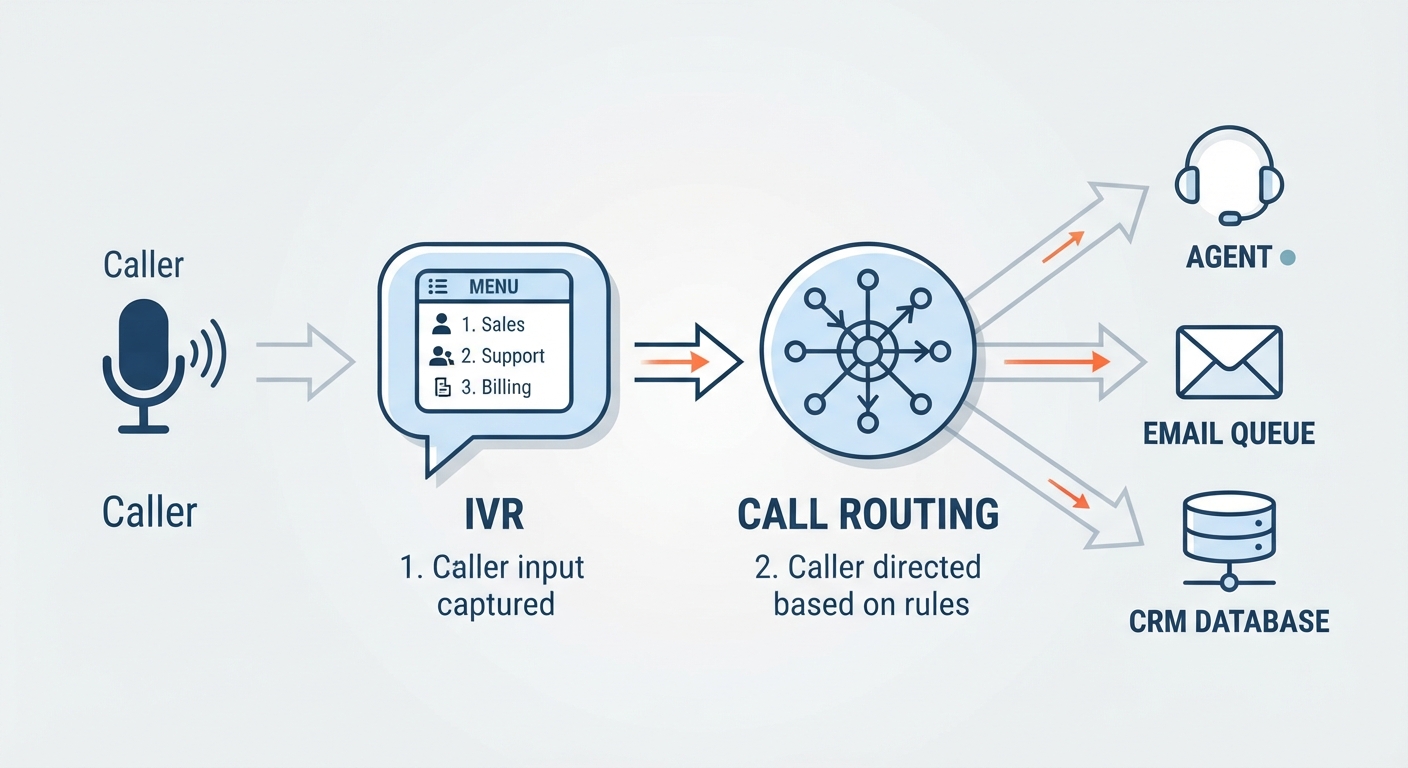
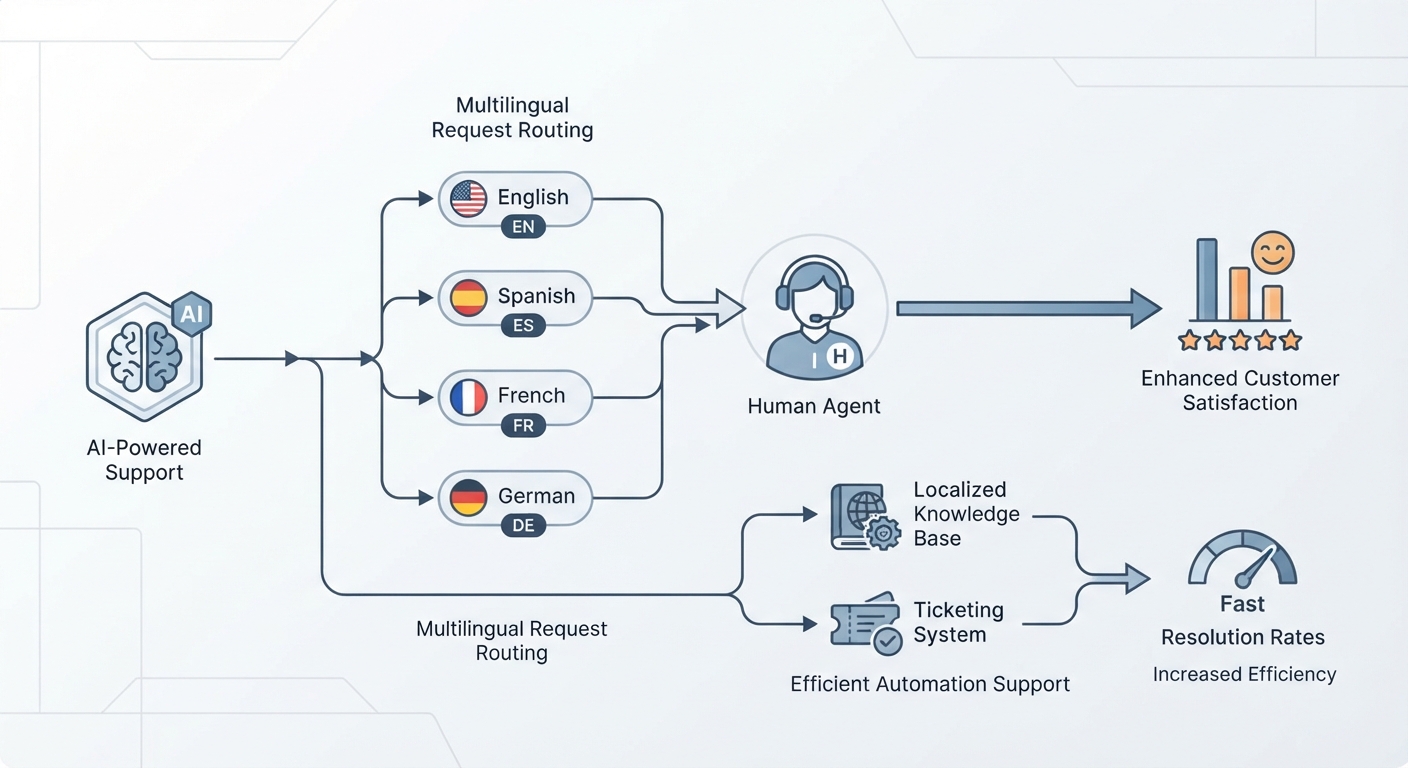
This is where the "Human-in-the-Loop" standard comes in. The AI acts as the filter. It handles the trivial, repetitive stuff. If it hits a snag or senses a high-value, complex situation, it initiates a "Warm Transfer." Your human staff only steps in when they are truly needed.
The Hybrid Model: The Future of Business
The hybrid model is the ultimate endgame. The AI is your gatekeeper; the human is your closer.
When a call comes in, the AI does the heavy lifting: it grabs the name, the intent, and the urgency. If the call needs a human touch, the AI patches them through and—crucially—hands off all that data to the human. No more "Can I get your name and why are you calling?" for the tenth time that day. Your staff picks up the phone already knowing exactly what’s going on.
Industry Breakdown: Where Does AI Shine?
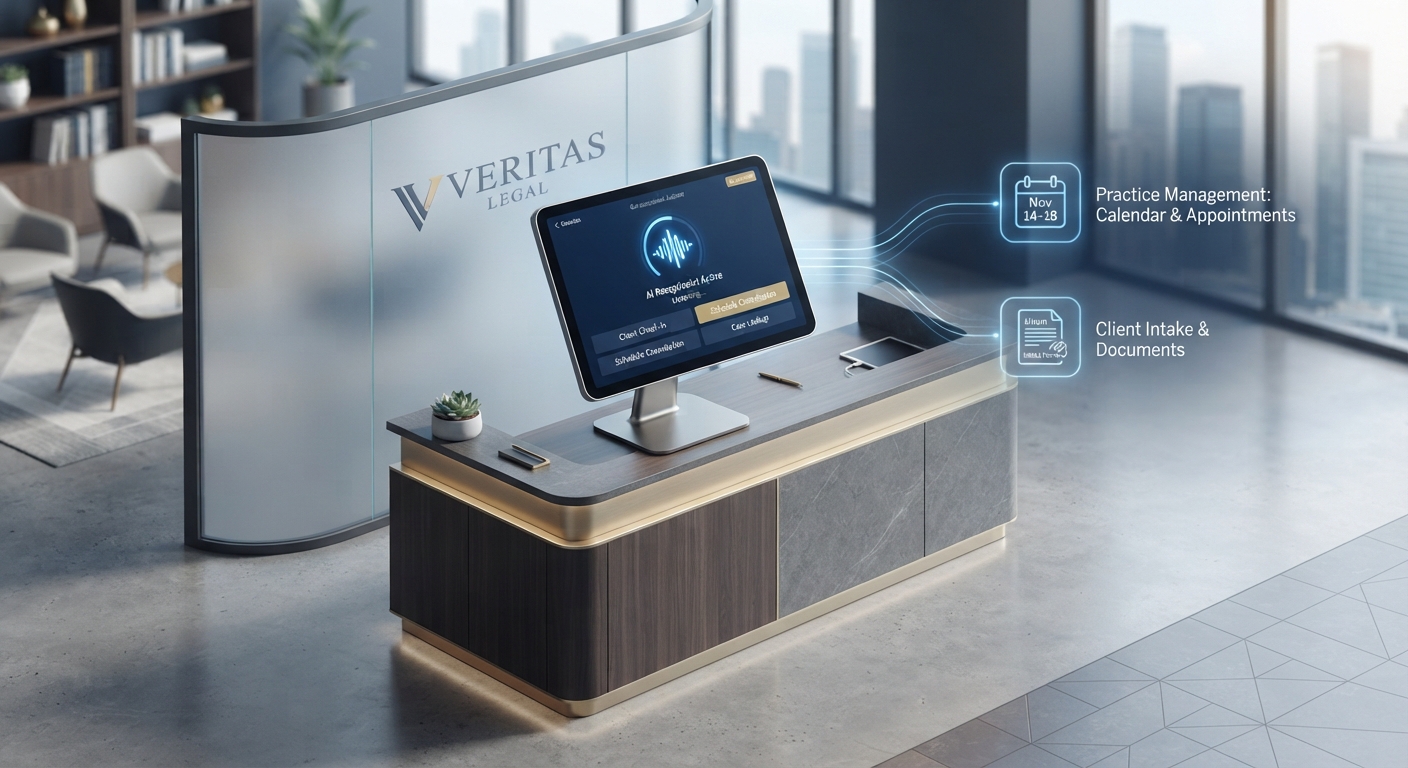
- Law Firms: Your time is money. AI screens for qualified leads and filters out the tire-kickers. No more wasting an attorney’s hour on a case that isn’t a good fit.
- Medical & Dental: It’s all about the paperwork. AI handles HIPAA-compliant scheduling and insurance data collection so your front desk can focus on the patients standing right in front of them.
- Home Services: When a pipe bursts, the customer wants a service window, not a life story. AI dispatches the crew instantly. Speed wins the contract.
Calculating Your ROI
Ask yourself: What’s your cost per lead? If you’re paying a human $25 an hour to answer questions that a bot could handle for pennies, you’re bleeding money. Check out this 2026 pricing guide for AI receptionists to run your own numbers. Your goal isn't to fire people; it’s to stop paying them to be glorified secretaries.
Does AI Sound Like a Robot?
Let’s put that 2022 fear to rest. Modern AI uses neural voice cloning. It pauses, it breathes, it has cadence. It sounds like a person. If you pick the right provider, you can even train it on your company's specific jargon. It’s not a robotic voice; it’s a professional extension of your brand.
Getting Started: Don’t Overhaul, Just Optimize
You don’t need to flip your whole business upside down overnight. Start small. Identify the 20% of calls that take up 80% of your staff's time—usually intake and scheduling. Start there. Once you see the hold times drop and the booking rate climb, you’ll wonder why you didn't do it sooner. If you need a hand getting this set up, Voksha optimizes your call workflow to make this transition seamless.
Frequently Asked Questions
Does an AI receptionist sound like a robot?
Modern AI voice agents utilize advanced neural networks and voice cloning, allowing them to mimic natural speech patterns, cadence, and empathy, making them indistinguishable from human agents for most standard inquiries.
Is an AI receptionist secure and HIPAA compliant?
Yes, many enterprise-grade AI receptionists are built with high-level encryption and data handling protocols specifically designed to meet HIPAA and GDPR standards for medical and legal practices.
Can I use both an AI and a human receptionist?
Absolutely. This is the "Hybrid Model." The AI serves as a 24/7 front-line filter to handle routine tasks, while human staff are alerted or patched in only when the conversation requires complex emotional intelligence or high-level problem solving.
How long does it take to set up an AI receptionist?
Unlike hiring and training a new employee, which can take weeks, most AI receptionist solutions are "plug-and-play," allowing businesses to be fully operational within 24–48 hours by integrating with existing CRM and scheduling software.