Virtual Receptionist Service: What's Included and What It Really Costs

TL;DR
- A virtual receptionist service answers, screens, and books your calls. See what's included as standard and the real 2026 cost ranges across live and AI providers.
Virtual Receptionist Service: What's Included and What It Really Costs
According to Ruby's published 2026 plans, a live virtual receptionist service starts at roughly $235 a month for only 50 receptionist minutes, and premium human plans run past $1,900 a month at higher call volume (Ruby and Smith.ai, 2026). The strange part is that almost every provider, from a $14 AI plan to a $2,000 human one, bundles the same core tasks: answer the call, greet the caller, screen and route them, take a message, and book an appointment. What you actually pay for is the staffing model behind those tasks and the way you are billed, not a longer feature list.
Virtual receptionist service: a remote call-answering service, staffed by human agents, an AI voice agent, or a blend of both, that greets inbound callers, screens and routes them, answers routine questions, books appointments into your calendar, and captures messages and leads, so a business never drops a live caller to voicemail and never has to hire a full-time front-desk employee to avoid it.
Here is how the three common approaches compare on cost and standard inclusions before we break each one down:
| Service type | Typical monthly cost | Billing model | 24/7 coverage | Books appointments |
|---|---|---|---|---|
| Traditional answering service | $100 to $300+ | Per call or per minute | Often, as an add-on | Rarely |
| Live virtual receptionist | $235 to $1,950+ | Per minute or per call | Add-on or business hours | Yes, usually an add-on |
| AI virtual receptionist (Voksha) | $14 to $99 | Flat monthly | Yes, included | Yes, included |
About This Article
- Researched and written: July 2026. Last fact-checked: 2026-07-10.
- Author hands-on experience: not applicable. This is an educational cluster guide compiled from public provider pricing pages and Voksha research, not a hands-on review.
- AI assistance: used for drafting, reviewed and edited by the Voksha Content Team.
- Conflicts of interest: this guide is published by Voksha, which offers an AI receptionist; recommendations reflect the stated criteria and Voksha competes with the services described here.
- Sponsorship: none.
- All pricing figures were verified against the cited provider pages on 2026-07-10 and are ranges, so confirm current numbers with each provider before you buy.
Key Takeaways
- A live virtual receptionist service typically starts around $235 to $300 a month for a small block of minutes or calls and can exceed $1,900 a month at higher volume (Ruby and Smith.ai published plans, 2026).
- AI virtual receptionist services usually run $25 to $300 a month, often 80 percent or more below a comparable live-agent plan (Alice Receptionist 2026 cost guide).
- Nearly every provider includes the same core inclusions: call answering, a custom greeting, caller screening and routing, message taking, and appointment booking; the price gap comes from staffing and billing, not features.
- Per-minute overage is the hidden cost of live plans, commonly $1.25 to $3.00 a minute beyond your allowance (Alice Receptionist, 2026); Ruby lists $2.79 a minute.
- Voksha's AI receptionist uses flat pricing at $14 a month for Starter and $99 a month for Premium, with a custom Enterprise tier (Voksha pricing, verified 2026-09-02).
- About 85 percent of callers who reach voicemail hang up without leaving a message, so an unanswered call is usually lost revenue rather than delayed revenue (Voksha cost-of-missed-calls analysis).
What Is a Virtual Receptionist Service?
A virtual receptionist service handles your inbound calls from somewhere other than your office, so callers reach a professional greeting and a real next step instead of a ringing phone or voicemail. The word "virtual" only means the person or system answering is not sitting at your front desk. Everything a good in-house receptionist does on the phone, greeting, screening, routing, scheduling, and taking messages, still happens; it just happens remotely and on a subscription instead of a salary.
There are three flavors. A live virtual receptionist service uses trained human agents who answer under your business name. An AI virtual receptionist uses a voice agent that understands natural speech, holds a real conversation, and completes tasks like booking a slot. A hybrid service blends the two, letting AI handle routine calls and escalating the rest to a human. If you want the full landscape, staffing models, use cases, and setup, the virtual receptionist complete guide is the pillar this page sits under. It is also worth separating a receptionist service from a plain answering service, which historically just takes a message; the difference is covered in the guide to an answering service for small business.
What's Included in a Standard Virtual Receptionist Service?
This is the part that surprises most buyers: the standard inclusion list barely changes across providers or price points. When a $14 AI plan and a $700 human plan both promise "call answering and appointment scheduling," the words are doing the same job; the agents behind them are not. Here is what nearly every reputable virtual receptionist service includes as its baseline.
- Live call answering with a custom greeting. Every call is answered under your business name with a script you approve, so callers never guess whether they reached the right place.
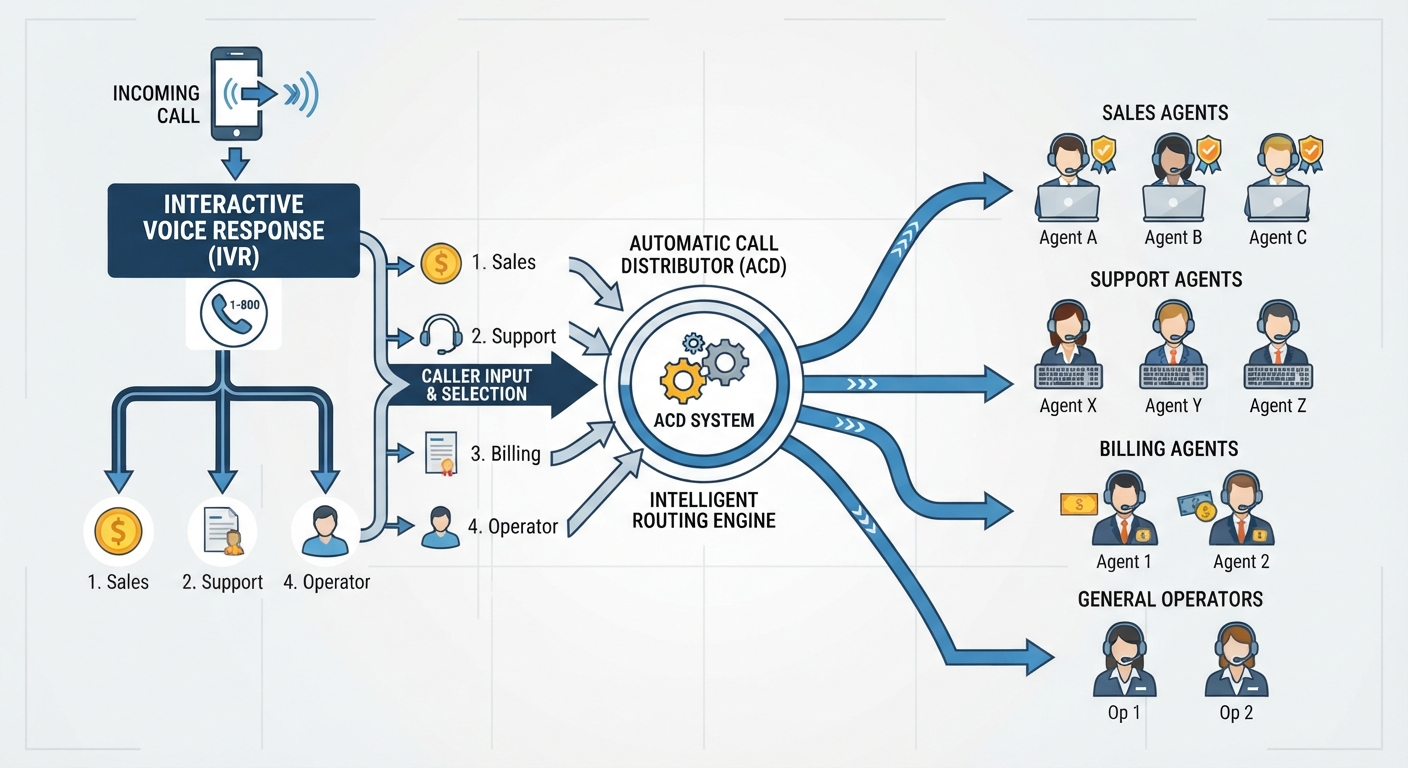
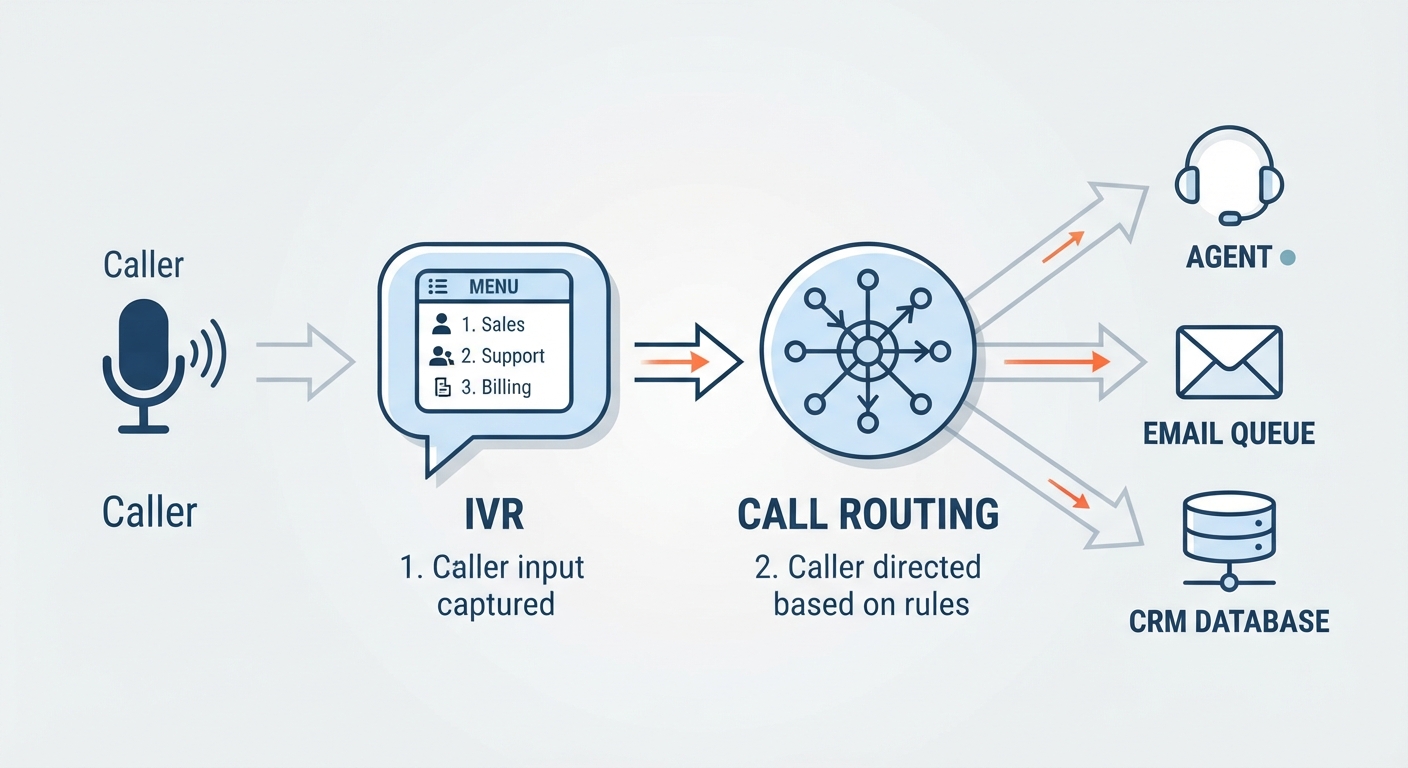
- Caller screening and routing. The receptionist asks who is calling and why, then transfers, forwards, or takes a message based on rules you set.
- Message taking and delivery. Details are captured and sent to you by email, text, or a portal, usually with a short summary.
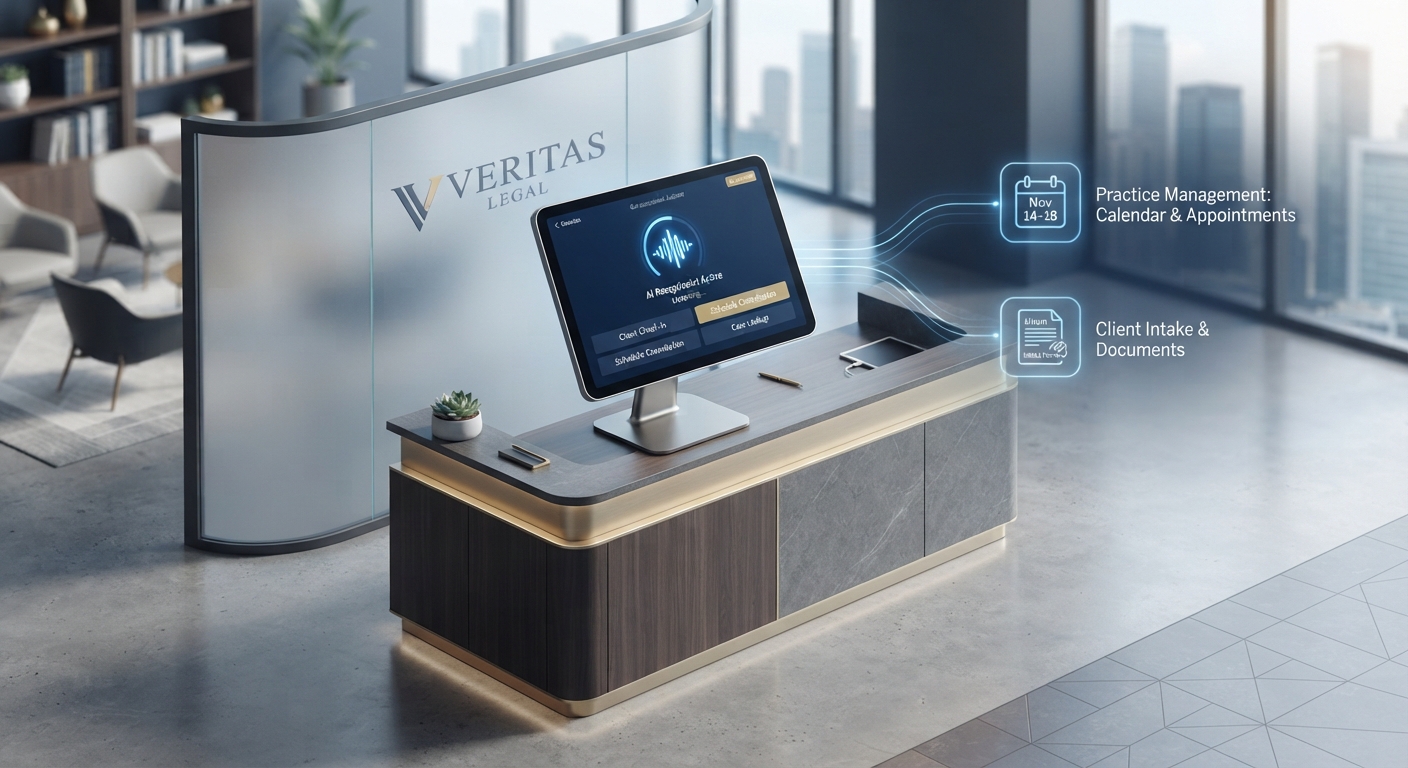
- Appointment booking. The receptionist offers open times and schedules callers directly, which is why calendar and CRM sync through appointment booking is a core inclusion rather than a luxury.
- Lead capture and qualification. New callers are logged as leads, and lead qualification questions separate a ready buyer from a tire kicker before the call ever reaches your team.
- Basic call routing to a person. Urgent calls get forwarded to the right individual instead of a generic queue.
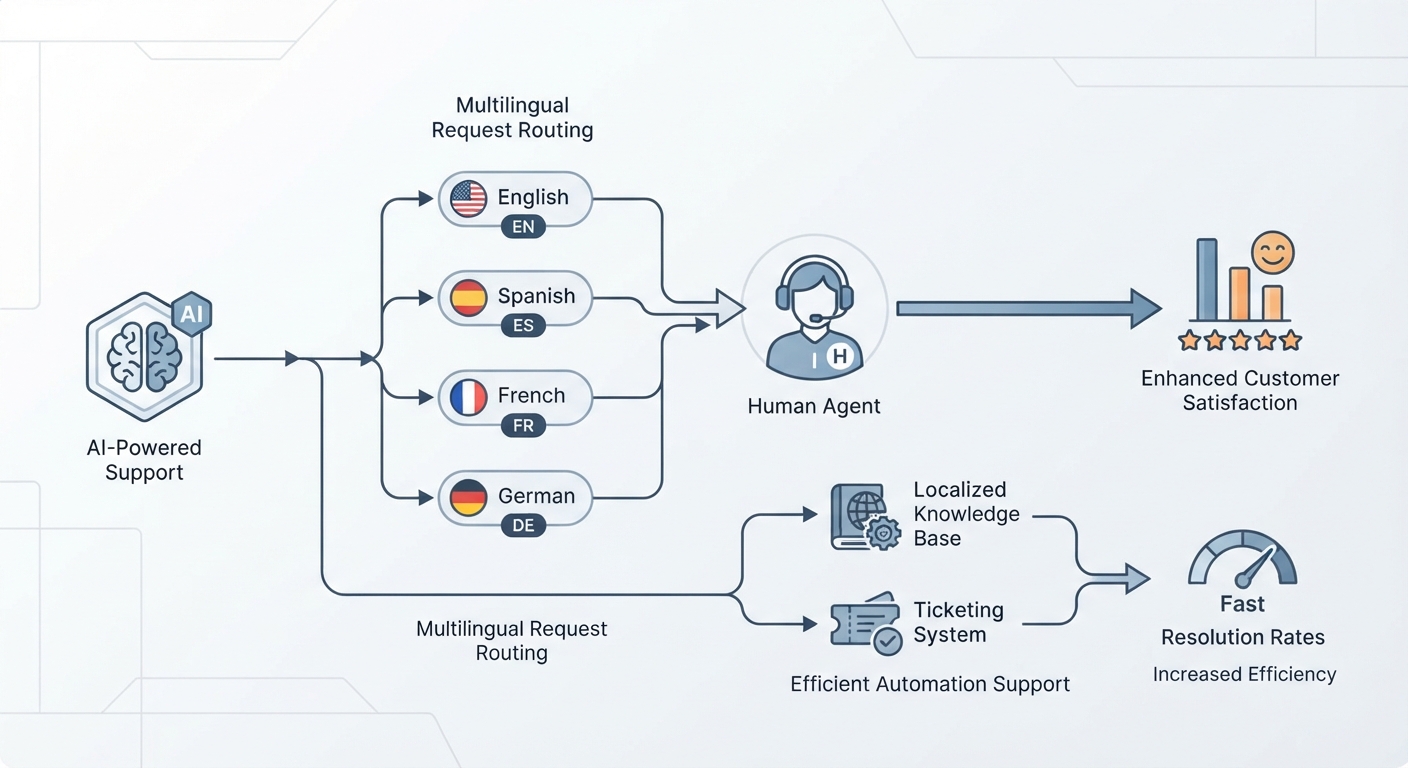
Beyond that baseline, providers differentiate on the edges: 24/7 and after-hours coverage, bilingual or multilingual answering, CRM integrations, spam filtering, outbound follow-up, and detailed call analytics. Those extras are exactly where a live provider tends to charge more and where an AI provider tends to bundle them into a flat plan, which is the real reason two quotes for "the same service" can differ by hundreds of dollars.
How Much Does a Virtual Receptionist Service Really Cost?
Cost tracks the billing model more than the brand, so it helps to price each model on its own terms. Three models dominate the market.
Per-minute billing is the classic live-receptionist structure. You buy a monthly block of receptionist minutes, and every minute an agent spends on your calls counts against it. Ruby, one of the best-known providers, starts around $235 to $245 a month for roughly 50 receptionist minutes and scales to $705 for 200 minutes, with overage billed at $2.79 a minute once you pass your allowance (Ruby, 2026). Across the market, human per-minute rates commonly fall between $1.00 and $3.50 a minute, and overage can climb higher (Alice Receptionist, 2026).
Per-call billing charges a flat amount for each answered call regardless of length, which makes budgeting easier if your calls run long. Smith.ai builds its human plans this way: a Starter plan around $292.50 a month covers about 30 calls (roughly $9.75 a call), and higher tiers reach $1,950 a month for 300 calls, with per-call overage in the $9.75 to $10.50 range (Smith.ai, 2026). Per-call pricing across the industry often starts near $9 a call inside plans that begin a few hundred dollars a month.
Flat monthly billing is the model AI virtual receptionists use. You pay one predictable price and the agent answers as many calls as your plan allows without a per-minute meter running. AI-only services generally run $25 to $300 a month (Alice Receptionist, 2026). Voksha sits in this band at $14 a month for the Starter plan and $99 a month for Premium, with a custom Enterprise tier for high-volume and multi-location operators (Voksha pricing, verified 2026-09-02). For a deeper side-by-side on where each model wins, the guide on a live versus AI virtual receptionist walks through the tradeoffs call by call.
Why Do Two Virtual Receptionist Quotes Differ by Hundreds of Dollars?
If the inclusion lists match, the price gap comes from six drivers worth checking on any quote before you sign.
The first is the staffing model. Human agents are the single biggest cost line in any live service, and every minute of their time is billed. AI agents remove that variable cost, which is why flat AI plans undercut comparable human plans by 80 percent or more. The second is call volume. Both per-minute and per-call plans are priced in tiers, so a business with 300 calls a month pays several times what a business with 30 calls pays on the same provider. The third is overage, the most underestimated line on the bill. A plan that looks affordable at its base rate can balloon once you pass your minute or call allowance at $2 to $3 a minute or nearly $10 a call.
The fourth driver is add-ons: bilingual answering, CRM and calendar integrations, outbound calling, appointment reminders, and lead qualification are sometimes bundled and sometimes billed separately. The fifth is coverage hours. Around-the-clock and weekend answering can be an upcharge on a business-hours plan, which matters because a large share of calls arrive outside 9 to 5; unanswered ones rarely come back, since about 85 percent of voicemail callers hang up without leaving a message (Voksha cost-of-missed-calls analysis). The sixth is setup and onboarding fees, which some providers waive and others charge up front. Ask for the all-in monthly number at your expected volume, not the headline starting price.
How Do You Choose a Virtual Receptionist Service?
Start with your real call pattern, not a provider's pitch. Pull a month of call logs and note three numbers: total inbound calls, average call length, and how many arrive after hours or on weekends. Those three figures decide which billing model is cheapest for you. High call counts with short calls favor per-minute or flat pricing; fewer but longer calls favor per-call or flat pricing; heavy after-hours volume favors a service with 24/7 coverage baked in rather than added on through after-hours answering.
Next, match inclusions to the outcomes you actually need. If most callers want to book, prioritize genuine calendar and CRM booking over message taking. If you lose revenue to missed calls, quantify it first; the math in the cost-of-missed-calls analysis shows the average small business loses about $126,000 a year to unanswered calls, so even a modest recovery rate usually clears the price of any plan. Finally, get the total monthly cost at your projected volume in writing, including overage and setup, then compare that all-in figure across two or three providers. A quote that is honest about overage is often a better deal than a lower headline price that hides it.
When Should You Pick a Live Agent, an AI Agent, or Both?
Choose a live virtual receptionist when calls are emotionally sensitive, highly variable, or require judgment a script cannot capture, and your volume is low enough that per-call human rates stay reasonable. Live agents remain the strongest fit for complex intake, delicate client conversations, and industries where a human voice is part of the brand promise, provided you can absorb the per-minute or per-call cost.
Choose an AI virtual receptionist when you want consistent 24/7 coverage, fast answering, and predictable flat pricing, especially if your calls are repetitive: scheduling, qualifying, answering common questions, and routing. Voksha answers in under 200 milliseconds, has handled more than 10,000 calls at 99.9 percent uptime, and forwards from your existing business line so there is no number to change. A hybrid setup, AI for routine calls and a human for the rest, gives you both, and many businesses land there once they see how much of their volume is genuinely routine. Whichever way you lean, price it at your real volume and confirm the inclusions you depend on are in the base plan, not an upgrade.
Frequently Asked Questions
What is included in a basic virtual receptionist service?
A basic virtual receptionist service includes live call answering with a custom greeting, caller screening and routing, message taking and delivery, appointment booking, and basic lead capture. Nearly every reputable provider includes this same core set. Extras like 24/7 coverage, bilingual answering, CRM integrations, and detailed analytics vary by plan and are where providers differ most on price.
How much does a virtual receptionist cost per month?
It depends on the staffing model. Live virtual receptionist services typically start around $235 to $300 a month for a small block of minutes or calls and can exceed $1,900 a month at higher volume, based on Ruby and Smith.ai published 2026 plans. AI virtual receptionist services usually run $25 to $300 a month; Voksha charges $14 for Starter and $99 for Premium, verified on 2026-09-02.
Is an AI virtual receptionist cheaper than a live one?
Usually, yes, and by a wide margin. Because AI removes the per-minute cost of human agents, flat AI plans often run 80 percent or more below a comparable live-agent plan, according to Alice Receptionist's 2026 cost guide. The tradeoff is that live agents still handle complex, sensitive, or highly unusual calls with human judgment, which is why some businesses use a hybrid of both.
Do virtual receptionist services charge for setup or overage?
Many do, and these are the fees to ask about first. Live plans commonly bill overage at $1.25 to $3.00 a minute or about $9 to $10 a call once you pass your allowance, and some providers add a one-time setup or onboarding fee. Flat AI plans like Voksha avoid per-minute overage, which makes the monthly bill predictable. Always request the all-in cost at your expected call volume.
Can a virtual receptionist book appointments into my calendar?
Yes. Appointment booking is a standard inclusion for most virtual receptionist services, and the better ones sync directly with the calendar and CRM you already use rather than emailing you a request to enter manually. Voksha books into tools like Google Calendar, Outlook, Calendly, HubSpot, and Salesforce through its appointment booking, so a confirmed slot appears where your team already looks.
Final Thoughts
A virtual receptionist service is worth buying because the standard inclusions, answering, screening, booking, and message taking, reliably recover revenue you would otherwise lose to voicemail. The decision is really about staffing and billing: a live service buys human judgment at a per-minute or per-call price, while an AI service buys 24/7 consistency at a flat rate. Price it at your true call volume, confirm the inclusions you need are in the base plan, and watch the overage line. If predictable pricing and always-on coverage matter most, Voksha's AI receptionist starts at $14 a month and forwards from your existing number. Ready to try? Sign up for Voksha.