Prompt engineering strategies for legal intake and conflict check automation

TL;DR
- This article covers the shift from basic phone answering to advanced ai prompt engineering for law firms. We explore how to structure instructions so your virtual receptionist handles complex legal intake and conflict checks without errors. You'll learn specific scaffolds for better data capture and how these strategies compare to the high cost of hiring a full-time human receptionist in 2026.
Moving from basic answering to ai prompt engineering 2.0
Ever feel like your law firm’s phone system is just a leaky bucket? You spend a fortune on ads, but if the "receptionist" is just a basic voicemail or a rigid script, you're basically throwing money away when a lead calls after 5 PM. While these principles work for any professional service—like dental clinics or salons—law firms have the highest stakes when it comes to missing a call.
The old way of doing things—what some call prompt engineering 1.0—is just too brittle for the legal world. If a caller deviates even a little from the script, the ai gets confused or gives a generic "we'll call you back" response that doesn't help anyone.
According to Khayyam H. on Medium, 1.0 prompts were basically "clever hacks" that lacked safety guardrails and broke easily when things got complex. In 2024, clients expect a lot more than a digital answering machine.
- Brittleness is the enemy: Small changes in how a person talks shouldn't break your intake flow.
- Context is king: Your system needs to know if it's talking to a new personal injury lead or a returning divorce client.
- Structured hints: Instead of hoping the ai knows what to do, we give it "scaffolds" to follow.

Moving to 2.0 means treating your prompts like software code. You don't just toss words in a box; you build a "scaffold" that includes the system role, safety rules, and specific output formats.
For a law firm, this looks like an ai that doesn't just take a message but actually checks for conflicts or schedules a consult based on the specific "state" of your firm's current caseload. It’s about being reliable every single time, not just when the caller follows the rules.
Next, we'll look at how to actually build these "scaffolds" so your intake is bulletproof.
The cost breakdown ai receptionist vs hiring a human
Let's be real—hiring a person is expensive, and I’m not just talking about the hourly wage you see on a job posting. When you factor in the "hidden" stuff like health insurance, payroll taxes, and the weeks it takes to train someone on your specific intake flow, that $20-an-hour receptionist actually costs you closer to $35.
For a small law firm or even other service businesses like a busy dental clinic, those numbers add up fast, especially when the phone only rings a few times an hour. You’re essentially paying for someone to sit there and wait for the "ping" of a new lead.
In 2024, the gap between a human salary and an ai subscription is becoming a canyon. A full-time receptionist might run you $45,000 to $60,000 a year. (Receptionist $50000 jobs in Brooklyn, NY - Indeed) Meanwhile, a high-end ai system that handles unlimited calls, never takes a lunch break, and stays up all night costs a fraction of that.
- Training and Turnover: Every time a human leaves, you lose weeks of productivity. An ai "learns" your conflict check rules once and never forgets.
- After-Hours Coverage: Hiring an answering service for nights and weekends usually adds another $200–$500 a month, often with per-minute fees that punish you for being successful.
- Scalability: If you run a big marketing campaign for a personal injury case, a human gets overwhelmed by 50 calls. The ai handles them all simultaneously without breaking a sweat.

If you're a solo lawyer, every missed call is a missed retainer. A 2024 study by K2view notes that using advanced techniques like chain-of-thought helps ai reason through complex tasks—like identifying if a caller actually has a case—which used to require a human brain.
Switching to an automated intake system can save small firms over 15 hours a week in manual data entry and "tire-kicker" screening.
Honestly, the best setup isn't always firing everyone. It's using ai to handle the boring stuff—booking, basic intake, and after-hours—so your best people can focus on the high-value work that actually moves the needle.
Prompt scaffolds for automated legal intake
First thing you gotta do is pin down the system role. In the old days (prompting 1.0), you’d just say "You are a receptionist." Now, we get specific. You tell the ai it's a "Legal Intake Specialist" for a personal injury firm who cannot give legal opinions. This acts like a class definition in code, setting the boundaries before the phone even rings.
- JSON is your best friend: Don't let the ai just spit out a paragraph of notes. Force it to output JSON so it plugs right into clio or salesforce without you having to copy-paste like a madman.
- Safety guardrails: You need to explicitly tell the system to escalate to a human if a caller asks for a "guaranteed win" or specific case values. This keeps you out of hot water with the bar association.
- State management: The ai needs to know the "state" of your firm—like which attorneys are taking new cases this week—so it doesn't book a consult for a practice area you've paused.

As mentioned earlier in the Khayyam H. piece, 2.0 prompts treat these instructions like modular software. If your conflict check rules change, you just update that specific block in the scaffold rather than rewriting the whole bot.
According to Learn Prompting, a 2024 guide on generative ai, using a "motivating example" in your prompt—like showing the ai exactly how a successful intake looks—massively reduces those weird hallucinations where the bot makes up laws.
Here is how you might structure the output instruction in your prompt so your crm actually understands it:
{
  "caller_name": "string",
  "practice_area": "family | criminal | civil",
  "conflict_check_status": "clear | flag",
  "next_step": "schedule_consult | refer_out"
}
Honestly, once you have these scaffolds in place, the ai stops being a "robot" and starts feeling like a team member who just happens to never sleep. Next, we're gonna talk about how to connect these prompts to your actual database so the ai can make real-time decisions.
Automating conflict checks with tool orchestration
Ever wondered why your intake team spends half their day googling names or digging through old spreadsheets just to see if you've talked to a caller before? It's a massive time suck that honestly shouldn't happen in 2024.
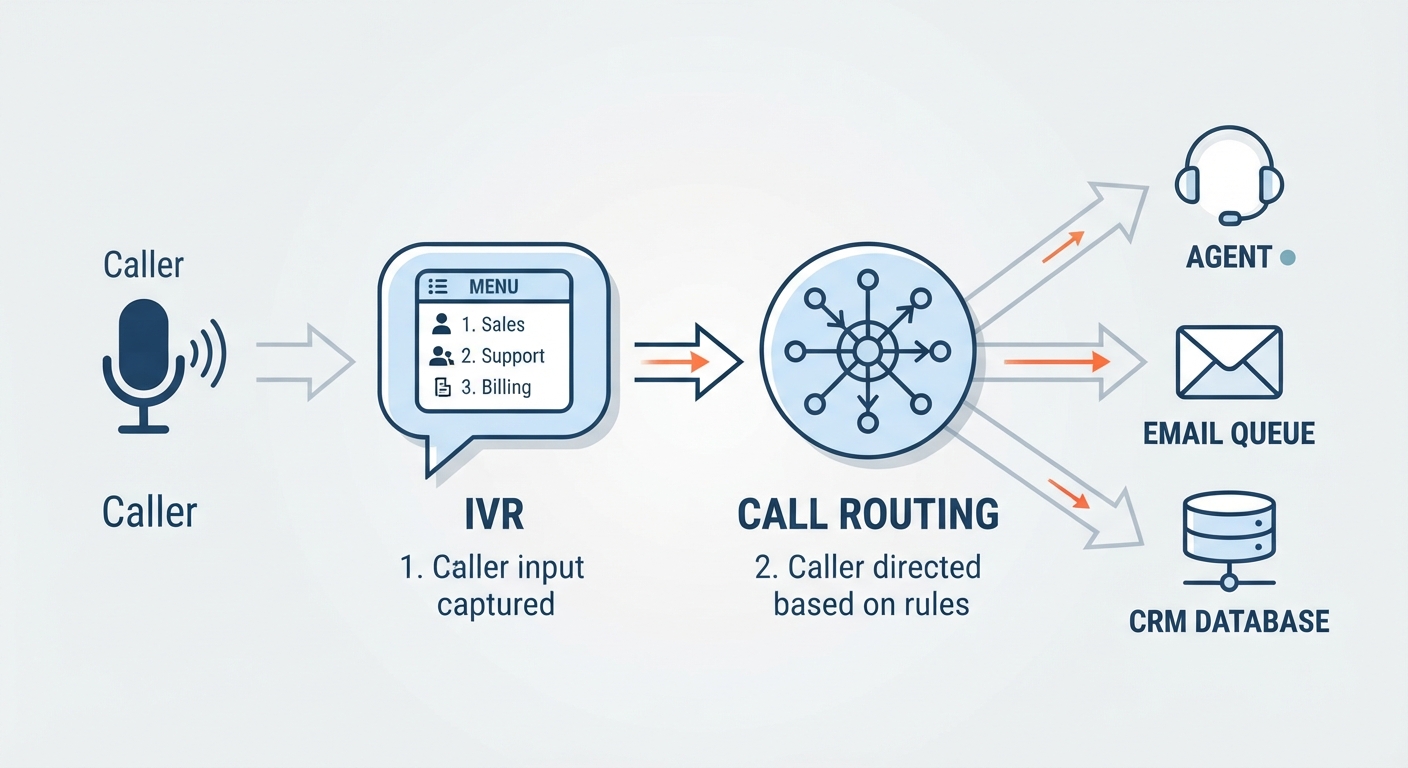
The real magic happens when you stop treating your ai like a standalone toy and start treating it like a bridge to your data. By using tool orchestration, your phone system doesn't just "talk"—it actually reaches out to your crm via an api to do the heavy lifting while the caller is still on the line.
- Automated API Lookups: The second a call comes in, the ai can ping your database to check for existing conflicts or "blacklisted" entities. No more awkward pauses while a paralegal frantically types.
- Reducing Onboarding Friction: If the ai finds a match, it can instantly route the call to the specific attorney handling that file or flag a conflict for the intake lead.
- Compliance is Non-Negotiable: When you're moving data between a voice ai and your database, you gotta ensure everything is hipaa or soc2 compliant. This means encrypted api calls and zero-retention policies for sensitive voice data.

As noted earlier, moving to ai 2.0 means these systems act as controllers. They don't just guess; they use "tool use" functions to get exact facts. For example, a dental office might have the ai check a real-time schedule before offering a slot, rather than just taking a message and hoping for the best.
Honestly, the goal is to make the "robot" part invisible. When the system works this well, your team only sees the high-value leads that are already vetted and cleared. Next, we’ll talk about how to actually wire this up so it handles those "I need a lawyer NOW" 2 AM panic calls.
Step by step guide to setup your ai phone system
Setting up your own ai phone system isnt as scary as it sounds, honestly. You just need to stop thinking of it as a "bot" and start treating it like a new hire who needs a clear desk and a handbook.
- The Tech Stack: You need a bridge between the phone line and your brainy ai. Most people use Retell AI or Vapi for the voice part, and then use Make.com or Zapier as the "glue" to connect it to your api and crm.
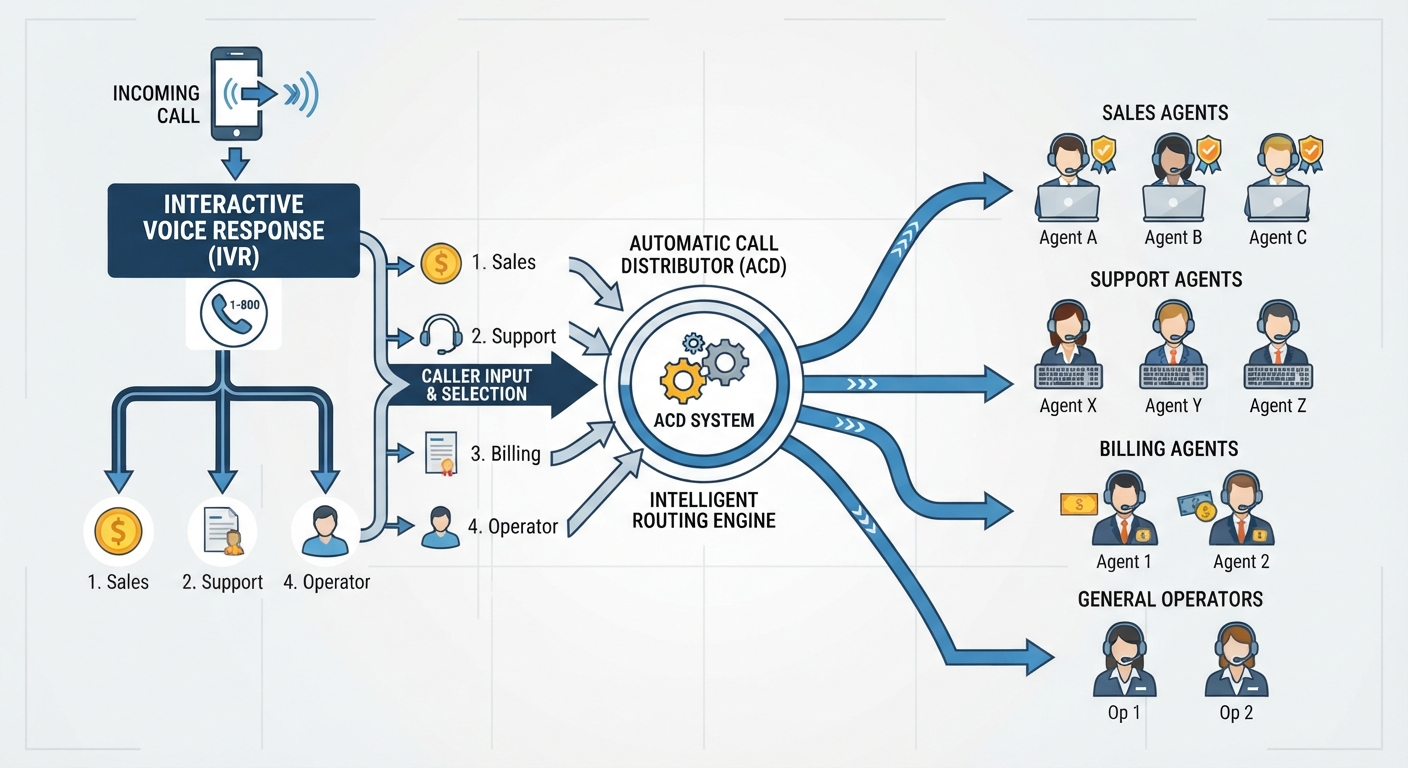
- Map the intent: Decide where calls go. A salon might route "hair color" to a specialist, while a law firm sends "new case" to the intake scaffold we talked about earlier.
- Sync the calendar: Hook the ai into your booking tool (like Calendly or Acuity) using an api key. This lets the bot see your real-time availability so it can actually close the deal without you.
- Follow-up fast: Set an automation in Zapier to text the caller immediately if they hang up. This keeps the lead warm while you're sleeping.

Just remember, keep your prompts modular like the 2024 Learn Prompting guide suggests. If you change your prices next month, you shouldn't have to rebuild the whole thing from scratch. Just update the "state" block and you're good. It's about working smarter, not harder.