Professional Answering Service: What "Professional" Should Actually Mean

TL;DR
- A professional answering service is defined by training, scripting, brand voice, accuracy, and reliability, not just picking up. Here is how to judge one.
Professional Answering Service: What "Professional" Should Actually Mean
According to CloudTalk's 2026 call center benchmarks, strong phone teams answer in roughly 28 seconds and resolve 70 to 74 percent of calls on first contact, while top performers push first-call resolution toward 80 percent. Most services will happily call themselves "professional," but the word only means something if it maps to measurable things: how agents are trained, whether they follow a real script, whether they sound like your brand, whether the details they capture are accurate, and whether the line is actually covered when customers call. A service that just picks up and takes a message clears none of those bars.
Professional answering service: a call-answering service, staffed by trained human agents, an AI voice agent, or a blend of both, that answers inbound calls in your business's name using a defined script and brand voice, captures accurate caller details, follows your routing and escalation rules, and delivers consistent coverage and reliability rather than simply taking messages when someone is free.
Here is how the everyday quality signals differ between a generic message-taking line and a genuinely professional one:
| Quality signal | Generic service | Professional service |
|---|---|---|
| Agent training and scripting | Read-off-a-card, minimal onboarding | Role-played, script-driven, business-specific |
| Brand voice | "Answering service, please hold" | Answers in your business name and tone |
| Accuracy of captured details | Loose message notes | Verified name, number, reason, next step |
| Reliability and coverage | Business hours, overflow gaps | 24/7 with defined escalation and uptime |
| Cost transparency | Per-minute plus overage surprises | Clear plan, predictable monthly cost |
About This Article
- Researched and written: July 2026. Last fact-checked: 2026-07-10.
- Author hands-on experience: editorial. Drawn from vendor pricing pages, published call-center benchmarks, and Voksha product documentation, not first-hand testing of every provider.
- AI assistance: used for drafting, reviewed and edited by the Voksha Content Team.
- This guide is published by Voksha, which offers an AI receptionist; recommendations reflect the stated criteria.
- Sponsorship: none. All pricing and product claims were verified on 2026-07-10 against public sources.
Key Takeaways
- Professional call quality is measurable: CloudTalk's 2026 benchmarks put a healthy average speed of answer near 28 seconds and first-call resolution at 70 to 74 percent, with top teams around 80 percent (CloudTalk, 2026).
- The word "professional" should map to five things: agent training and scripting, brand voice, accuracy, reliability, and transparent pricing.
- Human answering services commonly bill $1 to $2 per minute and land between $100 and $1,000 per month for most businesses, with premium providers charging more (Nextiva, 2026).
- Roughly 85 percent of callers who reach voicemail hang up without leaving a message, so a service that lets calls slip to voicemail is not professional by any real definition (Voksha cost-of-missed-calls analysis).
- 32 percent of business calls now arrive outside 9-to-5 weekday hours and 23 percent land on weekends, so "professional" now has to include after-hours coverage (Voksha After-Hours Economy Report, 2026).
- Voksha offers an AI-native option with flat pricing at $14 per month for Starter and $99 per month for Premium (Voksha pricing, verified 2026-09-02).
What Makes an Answering Service "Professional"?
A professional answering service is defined by what happens on the call, not by the label on the marketing page. Picking up the phone is table stakes. The difference shows up in five places: how agents are trained, whether they follow a real script, whether they represent your brand, whether the information they capture is accurate, and whether the line is reliably covered.
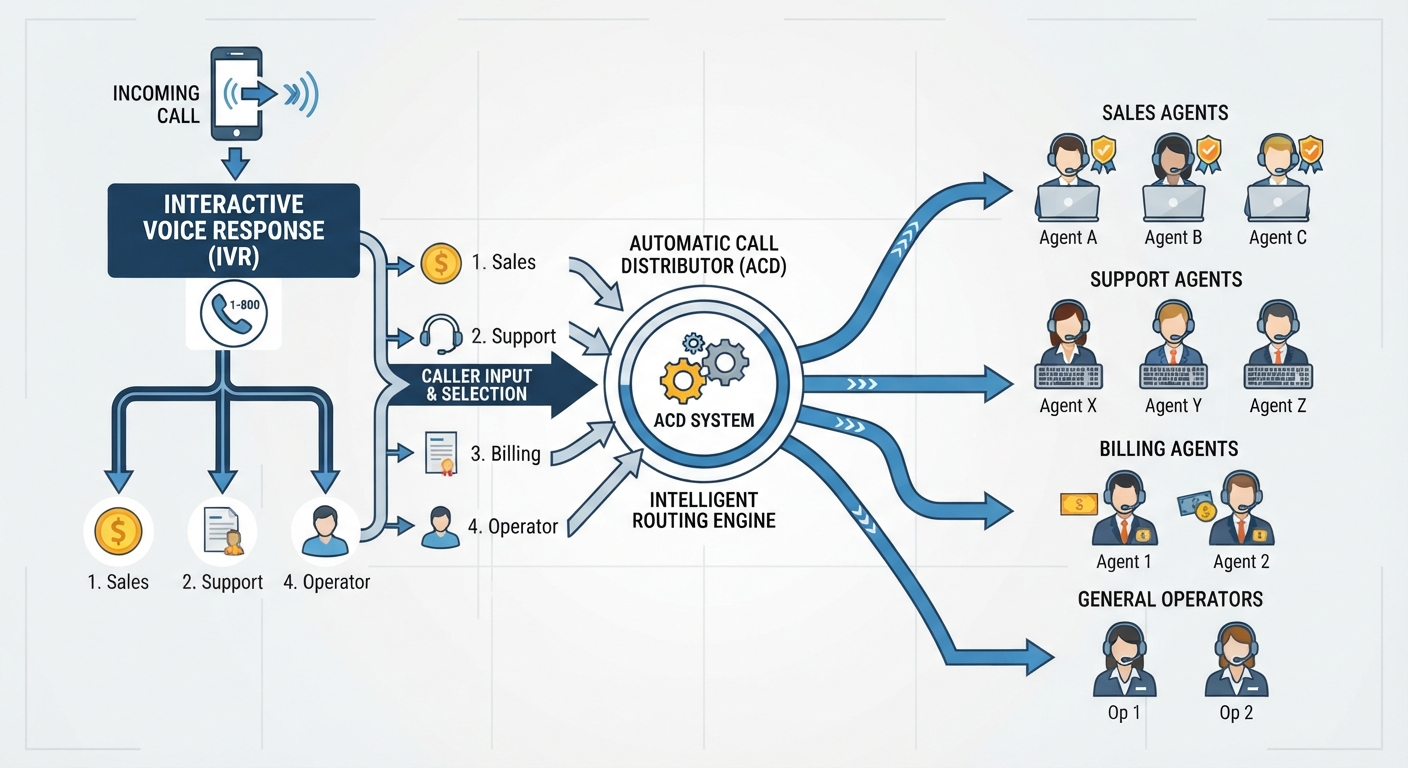
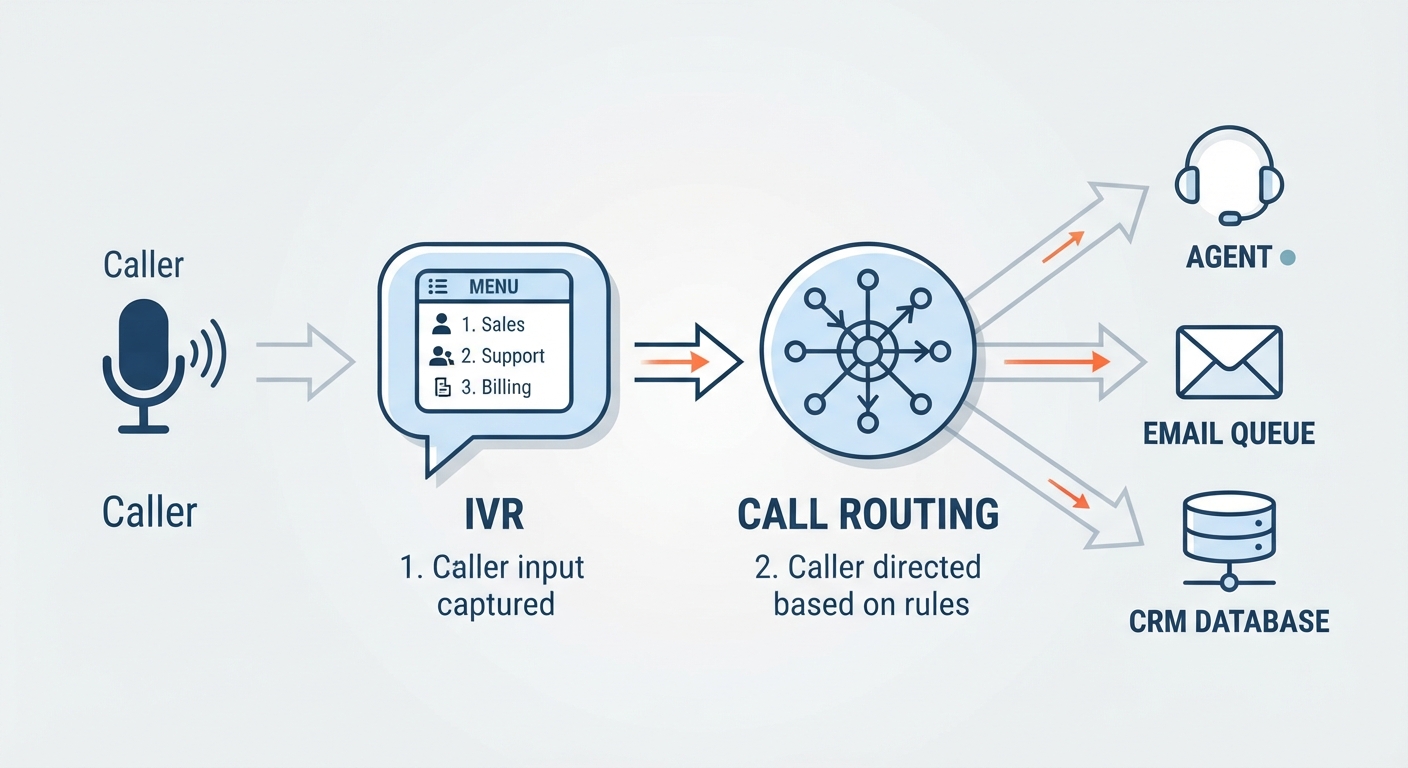
Strip those away and you have a message-taking line. A caller reaches a stranger who does not know your business, reads a generic greeting, jots a rough note, and passes it along hours later. That experience often feels worse to the customer than voicemail, because it sets an expectation of service that the follow-through does not meet. A professional service, by contrast, makes the caller feel like they reached your front desk. This distinction sits at the center of the broader answering service complete guide, which covers how these services are structured, and it is the single most useful lens for a business owner comparing options.
How Do Agent Training and Scripting Affect Call Quality?
Training and scripting are where professionalism is built or lost. A defined script does more than keep agents on message. It standardizes intake so every caller is asked the same qualifying questions, it speeds up onboarding so new agents are useful faster, and it keeps the service compliant when regulated information is involved. Role-playing common scenarios, from a routine booking to an upset customer, is one of the most effective ways to prepare agents to handle real calls without freezing or going off-brand.
The payoff is consistency. When intake follows a script, the details that reach your team are complete and structured rather than a loose paraphrase of what someone thought they heard. That is why a professional service treats the script as a living document tuned to your business, not a one-size greeting. An AI voice agent takes this further, because it never has an off day, never skips a question when the queue is busy, and asks the same qualifying sequence on call one and call ten thousand. Voksha's agent has handled more than 10,000 calls at 99.9 percent uptime and answers in under 200 milliseconds, so the script runs the same way every time.
Why Does Brand Voice Matter on Every Call?
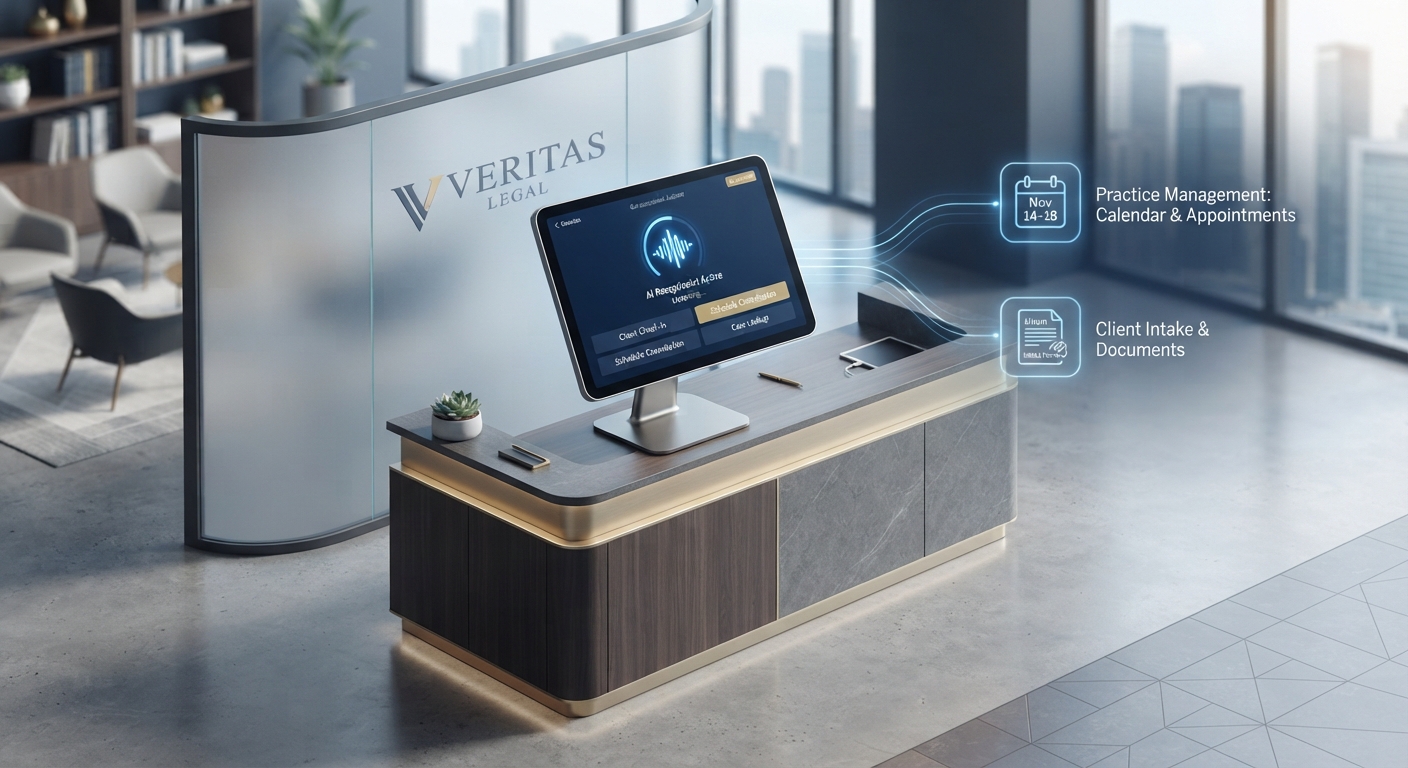
Brand voice is the difference between "answering service, please hold" and a greeting in your business's name that sounds like a colleague. Callers form an impression in the first few seconds, and a generic greeting quietly tells them they reached an outsourced call pool rather than the company they meant to call. For a law firm, a dental practice, or a premium home-services brand, that first impression is part of the product.
A professional service answers as an extension of your team, using your business name, your tone, and language your customers expect. It knows the difference between a formal practice and a friendly neighborhood shop, and it adapts. This is harder than it sounds for a shared human call center juggling dozens of accounts, which is one reason brand voice degrades under load. A dedicated AI receptionist is configured once with your greeting, your terminology, and your escalation rules, then holds that voice on every call regardless of volume or time of day. If you are weighing this against a traditional message service, the differences are laid out in answering service vs virtual receptionist vs AI, and the foundational concept is covered in what is an AI receptionist.
How Accurate and Reliable Does a Professional Service Have to Be?
Accuracy and reliability are the unglamorous signals that separate professional from adequate. Accuracy means the captured name, number, reason for calling, and next step are correct and verified, because a transposed phone number or a garbled address turns a won lead into a dead one. Reliability means the line is answered when customers actually call, including the nights and weekends when a large share of demand now lands.
The stakes are concrete. About 85 percent of callers who reach voicemail hang up without leaving a message, and roughly 62 percent of unanswered callers simply call a competitor, according to figures compiled in the Voksha cost-of-missed-calls analysis. Coverage is no longer a nine-to-five problem either: 32 percent of business calls arrive outside standard weekday hours and 23 percent on weekends, per the Voksha After-Hours Economy Report, 2026. A service that only covers business hours or drops overflow calls fails the reliability test by definition, which is why genuine after-hours answering is part of what "professional" should mean in 2026. Reliability also extends to how data is handled: a professional service protects caller information under a clear privacy posture, which Voksha documents in its security and privacy protection overview.
How Much Does a Professional Answering Service Cost?
Human answering services are usually billed by the minute or by the call, and pricing scales with volume. Independent 2026 roundups put common human rates at $1 to $2 per minute, with most businesses paying between $100 and $1,000 per month and small businesses at moderate volume often landing in the $150 to $400 range (Nextiva, 2026; HouseCall Pro, 2026). Premium human providers can charge well above that, effectively several dollars per minute once retainers and overages are counted, so verify the all-in rate rather than the headline.
The trade-off with per-minute billing is that a busy month or a spike in long calls produces a bill you did not plan for. AI answering services change the shape of the cost: they typically run a flat monthly plan, and 2026 roundups peg AI per-minute economics at a fraction of human rates. Voksha uses flat pricing at $14 per month for Starter and $99 per month for Premium, with a custom Enterprise tier, verified against Voksha pricing on 2026-07-10. For a business comparing options at a small scale, the sibling guide on an answering service for small business walks through how to match a plan to real call volume without overpaying.
How Do You Choose a Professional Answering Service?
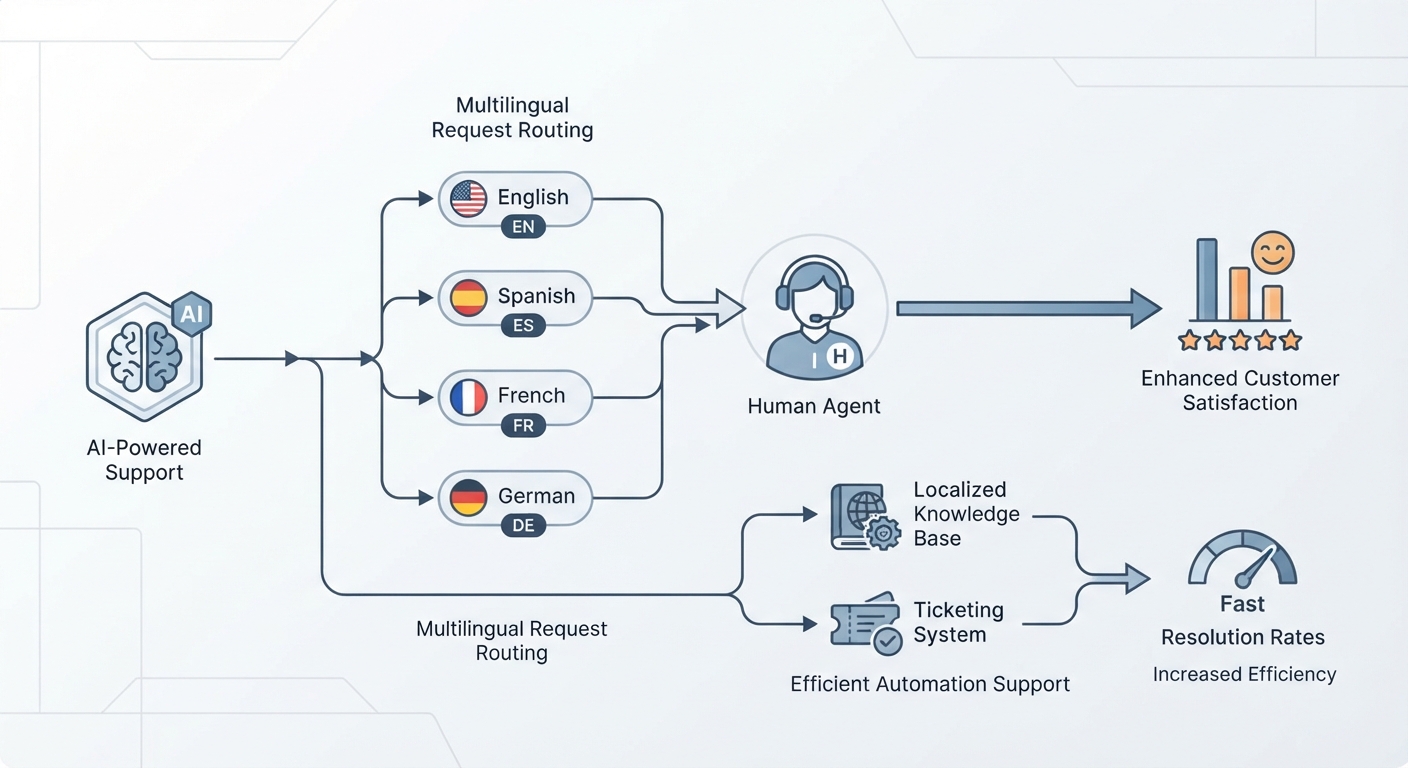
Score any provider against the five signals in the table above, then weigh whether you need human agents, an AI voice agent, or a blend. Human teams still shine for emotionally complex or highly bespoke conversations. An AI receptionist wins on consistency, 24/7 coverage, instant pickup, and predictable pricing, and it never puts a caller on hold to juggle another account.
Ask pointed questions before you sign. Does the service script intake to your business or read a generic greeting? Can it answer in your brand name and tone? What is its measured speed of answer and first-call resolution against the CloudTalk benchmarks above? Does it cover nights, weekends, and holidays, and what is its uptime commitment? Is pricing a flat, predictable plan or a per-minute meter with overage risk? How does it protect caller data? A provider that answers those clearly, and can show the numbers, is professional in the way that matters. One that leans on the word alone is not.
Frequently Asked Questions
What is the difference between a professional answering service and a regular one?
A professional answering service answers in your business's name using a defined script and brand voice, captures verified caller details, follows your routing rules, and delivers reliable 24/7 coverage. A regular or generic service typically picks up with a shared greeting, takes a loose message, and relays it later. The gap shows up in training, accuracy, and reliability, not in the marketing label.
How much should a professional answering service cost?
Human services commonly bill $1 to $2 per minute and land between $100 and $1,000 per month for most businesses, with premium providers charging more, according to 2026 pricing roundups. AI answering services usually run a flat monthly plan instead. Voksha is $14 per month for Starter and $99 per month for Premium, verified on 2026-09-02. Always confirm the all-in rate, including setup fees and overages.
Can an AI answering service really sound professional?
Yes, when it is configured for your brand. A quality AI voice agent answers in your business name and tone, follows your script on every call, and holds that consistency regardless of call volume or time of day. Voksha's agent answers in under 200 milliseconds and has handled more than 10,000 calls at 99.9 percent uptime, so callers experience fast, on-brand pickup rather than a robotic phone menu.
What questions should I ask before choosing an answering service?
Ask whether intake is scripted to your business, whether agents answer in your brand voice, what the measured speed of answer and first-call resolution are, whether coverage includes nights and weekends, what the uptime commitment is, how caller data is protected, and whether pricing is a flat plan or a per-minute meter. Clear, numbers-backed answers signal a professional operation.
Do professional answering services cover after-hours and weekend calls?
The best ones do, and in 2026 they have to. Voksha's research found that 32 percent of business calls arrive outside weekday hours and 23 percent on weekends, so a service that only covers business hours misses a large share of demand. Confirm that any provider you consider offers genuine 24/7 coverage rather than routing after-hours calls to voicemail.
Final Thoughts
"Professional" is only worth paying for if it maps to something real: trained, scripted agents, a consistent brand voice, accurate details, dependable coverage, and pricing you can predict. Judge every provider against those five signals and ask for the numbers behind them. Voksha delivers all five as an AI-native receptionist that answers in your brand voice around the clock, at flat and transparent pricing. Ready to try? Sign up for Voksha.