Low Latency Speech-to-Text Architecture for Real-Time Call Processing
TL;DR
- This guide covers the technical architecture behind low latency speech-to-text systems and how they solve real-world business problems like missed calls and high receptionist salaries. We explore the shift from offline models to streaming-native architectures like Voxtral and Moonshine, providing a step-by-step roadmap for small businesses to implement high-performance ai call handling that books appointments and captures leads without the lag.
The problem with lag in business calls
Ever tried talking to a customer and there is that weird, three-second pause after you speak? It's like you're talking to someone on the moon and honestly, it just makes people want to hang up.
If you run a dental office or a busy salon, you know that a ringing phone is usually money on the line. But here is the thing: if you don't answer, or if your "automated assistant" takes forever to process what the caller said, they are gone.
- Voicemail is basically a graveyard. People don't leave passive messages anymore; they just go back to google and click the next business in the list. However, they will talk to an interactive ai that actually answers their questions in real-time.
- Immediate gratification is the new standard. Whether it's a legal emergency or a last-minute haircut, customers want an answer now.
- Receptionists need breaks. A human can't be at the desk 24/7, but a bad ai that lags is almost worse than no answer at all because it feels "broken."
Most old-school systems wait for a long silence before they even start transcribing. This leads to that awkward "double talking" where both the human and the computer start blabbing at the same time. To feel like a real conversation, the processing needs to happen in under 500ms. (How Fast is Real-Time? Human Perception and Technology - Medium)
According to the RealtimeSTT project on GitHub, modern libraries are now using things like "Faster_Whisper" and "SileroVAD" to detect voice activity instantly. This means the ai starts "thinking" the moment you breathe, not five seconds after you finish your sentence.

If the stt (speech-to-text) is slow, the whole flow falls apart. You end up with frustrated clients who think you're not listening.
Next, we'll look at how the actual tech handles these audio "chunks" without breaking a sweat.
Modern STT architecture for real-time response
Think of the old whisper models like a digital tape recorder—it has to listen to the whole clip before it can tell you what was said. That’s why your old ai assistant felt so clunky and slow.
Most businesses today are still "retrofitting" whisper for live calls. They take the audio, chop it into little chunks, and hope the ai can stitch it together fast enough. But as explained by Alberto González on Medium, this "chunking" method is basically a workaround for an offline architecture.
- Voxtral and Moonshine v2 are changing the game for small offices. These are "streaming-native," meaning they emit words as they happen.
- Causal audio encoders allow the system to predict and transcribe without waiting for a full sentence to end.
- Edge device support means you can run these on a local server or a tablet in your shop, keepin data private and reducing lag from the cloud.
Handling the crowd: Concurrency and Scaling
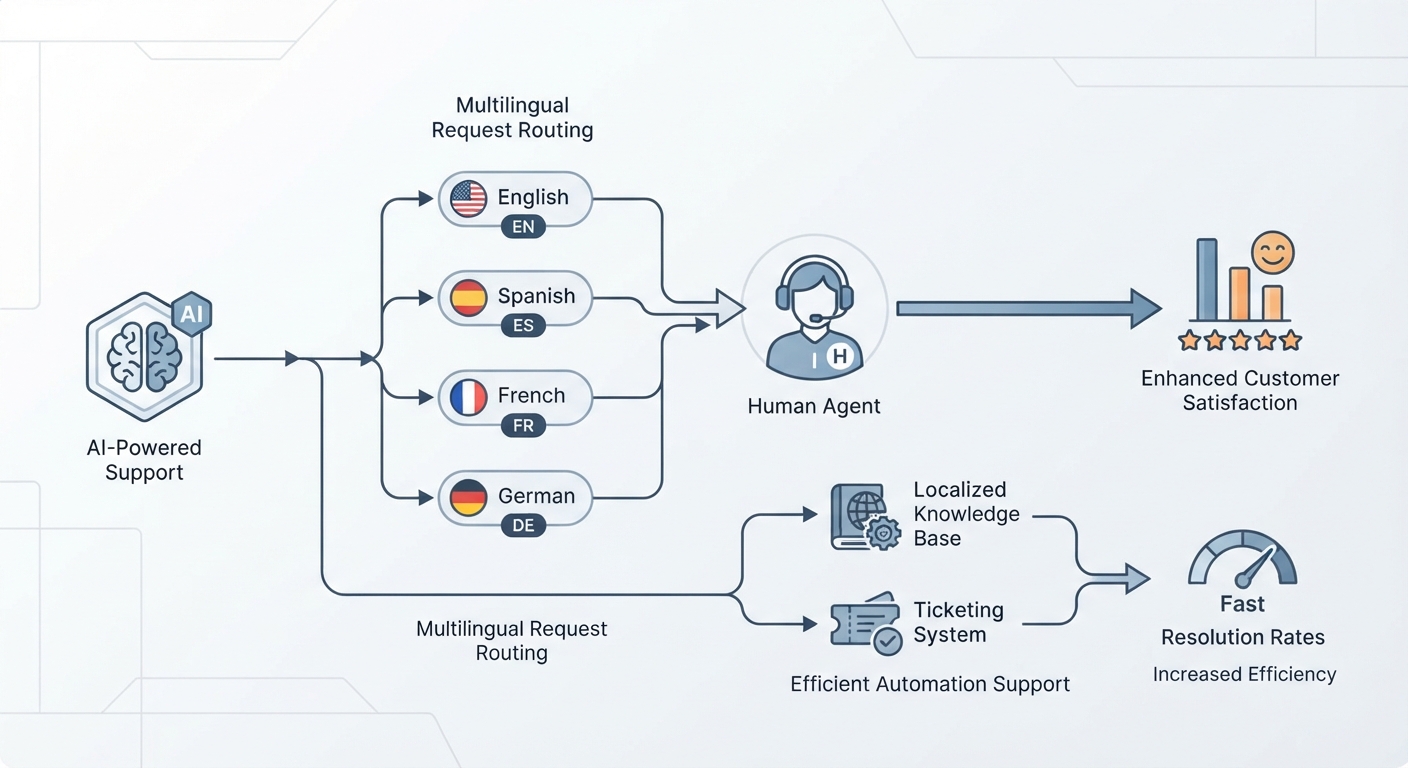
Building these pipelines so they don't crash when three people call at once is the real trick. If you're running this on a single cpu, the second caller will experience massive lag because the processor is still "chewing" on the first person's words. To fix this, modern setups use Load Balancers that distribute incoming calls across a cluster of workers.
For high-volume offices, you usually need GPU scaling. Instead of one brain trying to do everything, you use a graphics card (like an NVIDIA T4) that can handle dozens of stt streams at the same time. If you're using a cloud provider, they handle this "auto-scaling" for you, spinning up new virtual servers the moment your fourth or fifth line rings. This ensures that the first caller and the tenth caller both get that sub-500ms response time.

If you're in a busy dental office, there is always background noise—drills, people chatting at the front desk, or music. You don't want your ai trying to transcribe the radio. This is where SileroVAD comes in, which as mentioned earlier, helps the system ignore everything that isn't a human voice.
- webrtcvad is like a fast filter that tosses out non-human sounds in milliseconds.
- Wake words (like "Hey Assistant") are great for privacy, but many salons prefer "always-on" so the ai can catch a customer saying "actually, make that a 2 PM" mid-sentence.
The goal is to move away from those "turn-based" systems that feel like a walkie-talkie. We want a flow where the ai is thinking with the customer.
Next, we'll dive into the costs of running these systems compared to a traditional front-desk setup.
AI receptionist cost vs hiring receptionist
Let’s be real—hiring a human for the front desk in the next few years is getting crazy expensive, and finding someone who won't quit after three months is even harder. You're not just paying a salary; you're paying for health insurance, dental, pto, and the inevitable "I’m sick" text at 8 AM on a Monday.
When you look at the numbers, a mid-level receptionist costs way more than what’s on their paycheck. Between payroll taxes and training time, you’re easily looking at $4,000–$6,000 a month for one person.
Compare that to modern ai platforms. You have a range of options:
DIY Open Source: Basically free for the software, but you pay for server hosting (maybe $50-$200/mo).
Enterprise Tools: High-end systems can run $500+ a month but handle everything.
Voksha ai: A middle-ground example of a modern platform that starts around $14/mo. That is basically the price of a decent lunch for the whole office, but it never takes a vacation.
ROI is instant. If an ai tool recovers just two missed leads a month for a law firm or an hvac company, it’s already paid for itself ten times over.
No more drama. ai doesn't get burnt out or have "off days" where it's rude to your best clients.
24/7 coverage. Most small businesses lose money because they don't answer calls after 5 PM. ai stays awake so you don't have to.

A lot of people think a "virtual receptionist" is the same as ai, but it's usually just a call center with people who don't know your business. They get overwhelmed during peak hours, leading to—you guessed it—more hold times and lag.
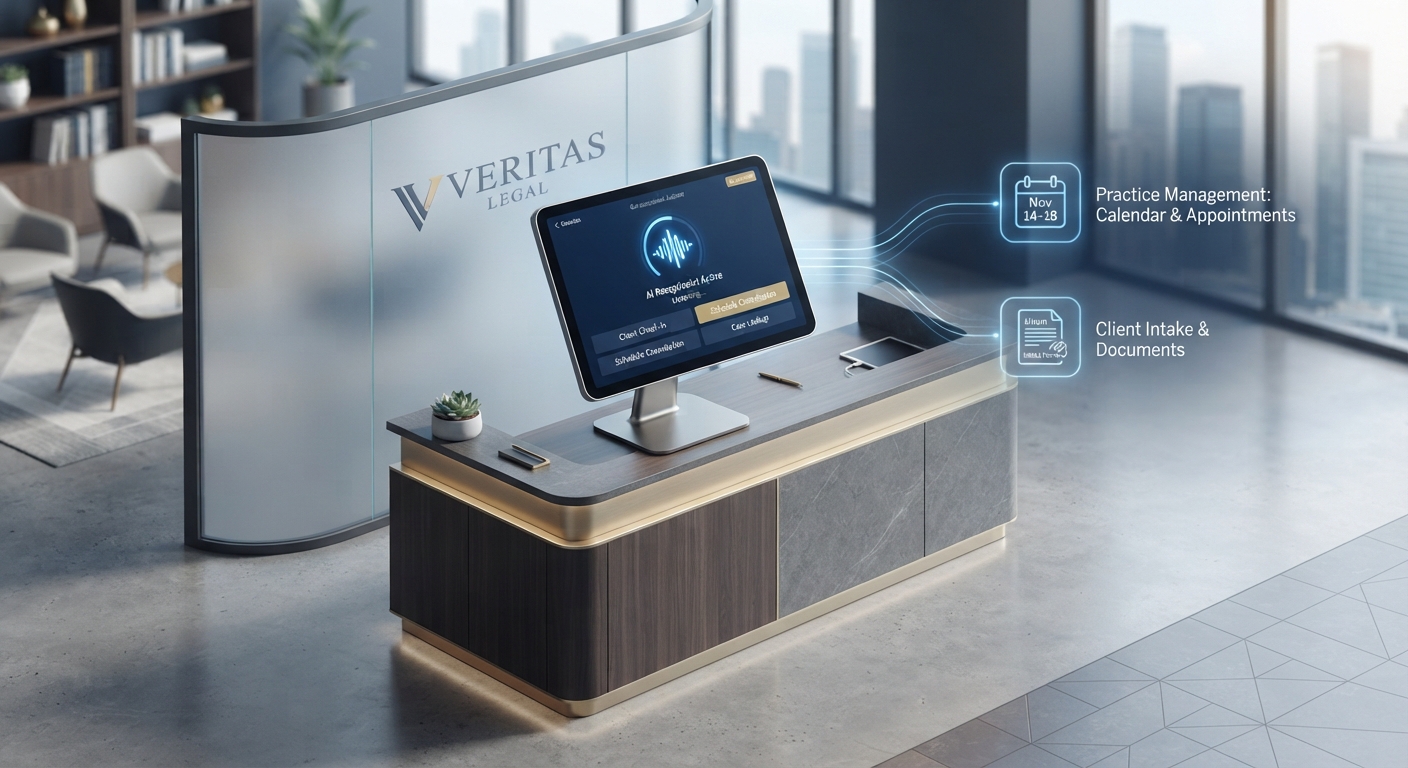
ai handles unlimited concurrent calls. Whether one person calls or fifty people call at the exact same time, nobody gets a busy signal. Plus, modern systems plug right into crms like Clio or ServiceTitan, so your data entry happens instantly without typos.
Next, we are gonna look at how to actually set this stuff up without needing a computer science degree.
Step-by-step AI receptionist setup guide
Setting up an ai receptionist isn't nearly as scary as it sounds, but you gotta get the plumbing right or you'll just end up with a very expensive way to drop calls. Honestly, the hardest part is usually just deciding which button to click in your phone provider's dashboard.
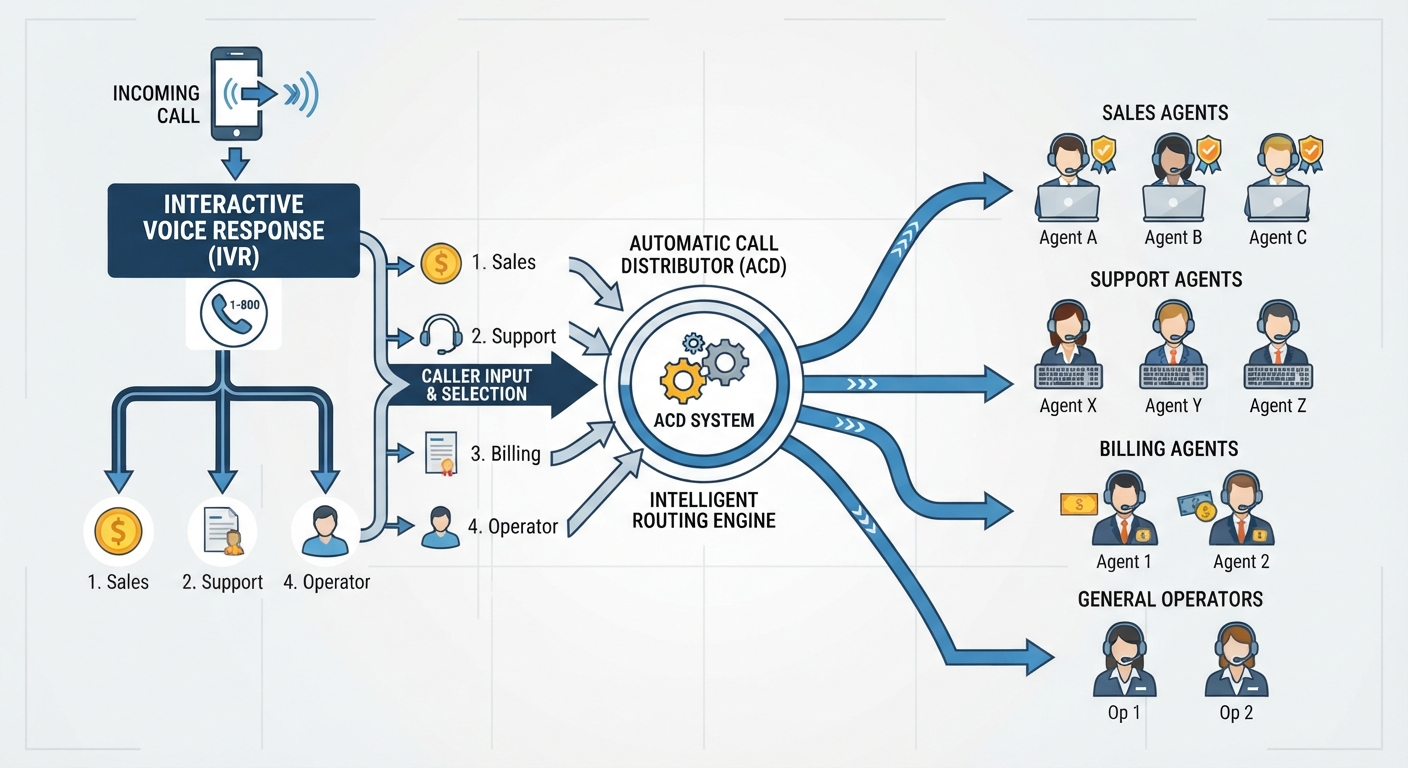
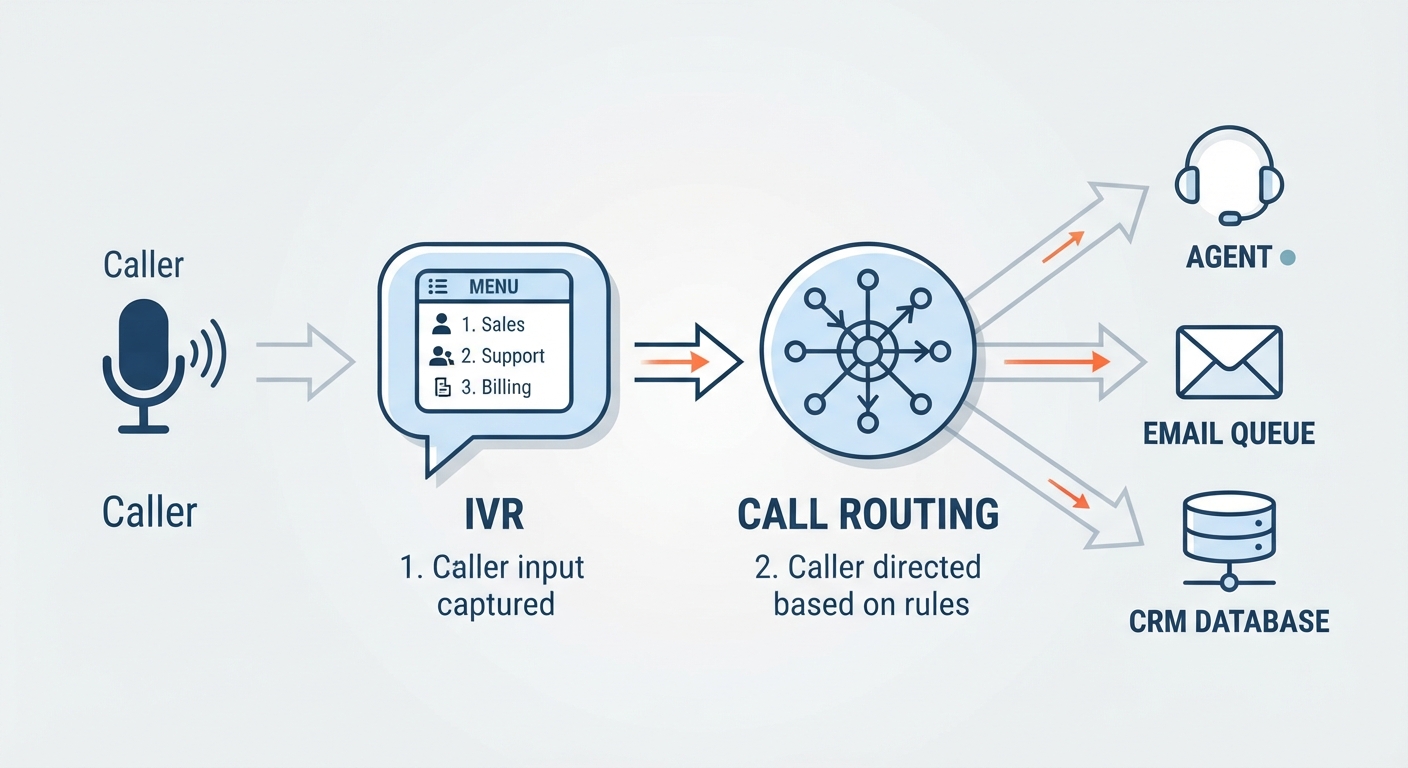
First thing you need is to get your calls from your current carrier (like Comcast or Verizon) over to the ai gateway. Most people use "Conditional Call Forwarding." This is great because it only sends the call to the ai if you don't pick up within 3 rings or if the line is busy.
- The Gateway Connection: You'll get a unique sip address or a private phone number from your ai provider. You just tell your office phone to forward there.
- After-Hours Logic: You can set a schedule so every call after 5 PM goes straight to the ai bot. No more "we are currently closed" recordings that make people hang up.
- Latency Testing: This is huge. Before you go live, call the system from your cell phone. If there's a lag, you might need to adjust "buffer" or "turn-detection" settings. If you're using a no-code platform, these are usually sliders in your dashboard. If you're building your own, you'll need a developer to tweak the api parameters in the code.

You don't want your bot sounding like a robot from a 70s movie. You gotta give it "knowledge base" docs. For a dental office, upload your insurance list and pricing for cleanings. For an hvac shop, give it the emergency dispatch rates.
- Industry Templates: Most platforms have presets. A law firm needs the bot to ask "is this a new matter?" while a salon just needs to know if they want a blowout or a cut.
- hipaa and Privacy: If you're in healthcare, make sure your ai provider signs a BAA (Business Associate Agreement). This is a legal contract that says they'll keep patient data safe. You can't have patient names floating around unencrypted.
- The "Human" Escape: Always build in a "talk to a person" phrase. If someone is screaming because their pipe burst, the ai should know to instantly route that to your personal cell.
As noted earlier, using the right stt library makes these conversations feel snappy. Next, we'll wrap things up by looking at how this tech actually turns into more money and better lead retention.
Reducing no-shows and capturing more leads
At the end of the day, it doesn't matter how fast your ai is if it doesn't actually help you make more money or keep your sanity. The whole point of this low-latency tech is to stop the "leaky bucket" problem where potential clients slip through the cracks because you were busy helping someone else.
No-shows are a total silent killer for salons and dental offices. You've got the staff ready, the lights on, and then... nothing. It's frustrating as heck.
- Automated text nudges: The moment your ai assistant finishes a booking, it should trigger a confirmation text. But the real magic happens with 24-hour reminders that actually allow the person to reschedule by just replying.
- Hands-off rescheduling: If a client calls at 9 PM to say they can't make it, the ai can handle the "no problem, let's find a new time" dance without you ever touching your phone.
- Why restaurants are ditching old phones: Many spots now prefer ai over human reservations because it’s more accurate. A 2024 report by Phonexa notes that about 85% of people whose calls aren't answered won't call back, so having an ai "safety net" is basically mandatory now.

If the ai can't answer a specific question, you still gotta be fast. Speed to lead is everything in industries like hvac or law where the first person to answer usually gets the job.
- Immediate text-back: If a call drops or the ai can't help, a "Sorry we missed you, how can we help?" text should go out in under 30 seconds.
- Qualification on the fly: Use those first 30 seconds to let the ai ask "Is this an emergency?" or "Are you a new client?" This lets you prioritize who to call back first.
- Transcript coaching: Since you have real-time transcripts (as we talked about with the stt tech earlier), you can actually read what callers are asking for and tweak your marketing.
Honestly, setting this up feels like a chore at first, but once it's running, it's like having a clone of your best employee who never sleeps. Just make sure you're keeping an eye on your data privacy and giving people an easy way to reach a human if things get complicated. It’s about balance, not just replacing everyone with robots.