Latency optimization strategies for Voice over IP conversion
TL;DR
- This article covers technical and operational methods for reducing voice lag in modern phone systems. You'll learn how latency impacts customer trust, why AI receptionists need faster speeds than humans, and specific ways to optimize your network for clear calls. We include cost comparisons for hiring vs automation and a setup guide to help small businesses capture every lead without the awkward pauses of old voip tech.
The hidden cost of lag in small business phone calls
Ever been on a call where you and the other person keep talking over each other because of a weird delay? It’s not just annoying—for a small business, it’s actually a silent "deal killer" that makes you look like you’re running a backyard operation instead of a professional firm.
The human brain is incredibly sensitive to timing during a conversation. We expect a reply almost instantly. (Average Text Response Time by Relationship Type (Research Data)) According to Resemble AI, industry forecasts for 2026 suggest that for a voice application to feel "real," the delay needs to stay under 150 milliseconds.
Once you cross that tiny threshold, things get weird. In a law firm, if a potential client is pouring their heart out about a sensitive case and there’s a lag, they don't think "oh, it's a voip issue." They think you aren't listening or that you're hesitant. It erodes trust before you’ve even quoted a retainer.
For a busy hair salon, lag means double-booking nightmares. If your ai receptionist takes too long to process a "yes" to an appointment slot, the customer might repeat themselves, causing the system to glitch or misinterpret the date. It's a mess.
People have zero patience these days. If a caller hears that "robotic" jitter or a long pause after they say hello, they’re gone. A study cited by Bland AI notes that about 33% of customers consider switching brands after just one bad service experience. Technical lag is often viewed as a "brand failure" rather than a simple glitch.
"When delays stem from infrastructure problems rather than agent mistakes, customers conclude that the company's systems don't work." — Bland AI

Imagine a dental office using a virtual assistant to handle after-hours emergencies. If the latency is high, the caller might hang up thinking the line is dead. This isn't just a "tech problem"—it's a lost patient worth thousands in lifetime value.
Reducing lag involves choosing the right codecs and routing calls through "edge" servers closer to your city. It’s the difference between a stilted, robotic chat and a fluid conversation that actually closes the sale.
Next, we’re gonna look at how to pick the right tech and models to keep these delays from ruining your bottom line.
Technical breakdown of latency in ai phone answering
If you've ever tried to talk to a voice bot and felt like you were shouting into a canyon just to get a "hello" back, you’ve felt the "latency stack" in action. It’s not just one thing slowing it down; it is a whole relay race of tech steps that have to happen before the ai can even open its mouth.
When a customer calls your clinic or law firm, the audio doesn't just "arrive." It gets chopped into tiny digital bits called frames. If these frames are too big, the system waits too long to start listening; if they're too small, the processor gets overwhelmed and starts tripping over itself.
First, we have Speech Recognition (asr). This is the part where the ai turns sound waves into text. As noted earlier by experts in the field, this adds a chunk of time because the system often wants to "hear" the end of a sentence to make sure it got the words right. This "lookahead" is a silent killer for real-time feel.
Then comes the real bottleneck: Intent Detection. This is the "brain" part, usually handled by a Large Language Model (LLM). You gotta pick the right model here—using a massive model like GPT-4 might make the ai "smarter," but it adds seconds of lag. For phones, you want smaller, "distilled" models that respond in milliseconds even if they aren't quite as good at writing poetry.
Finally, there is Text-to-Speech (tts). Generating a voice that doesn't sound like a 1980s microwave takes a lot of math. Modern systems try to "stream" the audio, starting the first syllable before the whole sentence is even finished being "written" by the brain.

You can have the fastest ai in the world, but if your office wifi is fighting with a guest watching Netflix in the waiting room, the call is going to sound like a garbled mess. This is where we talk about Jitter—which is basically when your data packets arrive out of order, making the ai sound like it’s underwater.
Industry projections for 2026 (as mentioned earlier) highlights that staying under 150ms is the gold standard, but jitter makes that number bounce around wildly. In a busy restaurant, if the "yes" packet arrives after the "no" packet, the reservation is toast.
According to Bland AI, using low-latency codecs like G.711 instead of heavy compression can save up to 15ms of processing time, which is huge when you're fighting for a natural flow.
- Prioritize Voice Traffic: Set up "Quality of Service" (qos) on your router to put business calls at the front of the line.
- Ditch the WiFi for your Hardware: If you use IP phones or a local gateway in your office to connect to the cloud ai, plug them into the wall with an ethernet cable. It sounds old school, but it cuts out the "jitter" that kills voice quality between your office and the cloud.
- Edge is Better: Pick a provider that has servers in your region. If you're in New York and the "brain" is in London, you're adding 70ms just for the data to cross the ocean.
Honestly, the goal isn't just speed—it is consistency. A constant 100ms delay is something a human can get used to, but a lag that jumps from 50ms to 500ms makes the conversation impossible.
In the next part, we're going to dive into how to actually pick the right "brain" for your phone system without breaking the bank.
AI receptionist vs virtual receptionist: a latency and cost comparison
So, you’re looking at your phone bill and then at your payroll, and you’re wondering why on earth it costs thousands of dollars just to have someone say "hello" and book a haircut. It’s a fair question, honestly.
When you're trying to decide between a human virtual receptionist and an ai system, it usually comes down to two big things: how much it costs and whether the caller actually stays on the line. Most people think humans are "better" because they’re real, but if that real person is distracted or the call routing is slow, you're losing money anyway.
I was looking at how voksha handles this, and it’s pretty wild. They use what’s called edge computing—basically, they put the "brain" of the ai as close to your physical location as possible.
If you’re a law firm in Chicago, you don't want your data traveling to a server in Singapore just to figure out what the client said. That "round trip" is what causes that annoying lag we talked about earlier. By keeping it local, voksha keeps the conversation feeling snappy, like you're actually talking to someone in the room.
The cost difference is where it gets really crazy, though.
- Virtual Receptionist (Human): You're looking at maybe $2,000 to $3,500 a month for a full-time person, or a service that charges you $3 per minute.
- Voksha AI: Starts around $14 a month.
For a small salon or a dental clinic, that’s the difference between being profitable or just breaking even. Plus, the ai doesn't take lunch breaks or get "the Mondays." It’s ready to book a root canal at 3 AM without sounding grumpy.
Let's talk about the actual return on investment (roi). If you hire a human, they might miss a call because they’re on the other line. In a medical clinic, a missed call is a missed patient, which could be worth $500 or more in lifetime value.
According to industry forecasts for 2026 (which we mentioned before), keeping that delay under 150ms is what keeps people from hanging up. If your virtual assistant service has a "delay" because they have to transfer the call to a human in a different time zone, you've already lost the lead.

If you’re in healthcare or law, you're probably worried about privacy. Humans gossip. They leave notes on desks. They forget to shred things.
Automated systems are actually way easier to keep secure. You can set them up to be hipaa compliant right out of the box. The data is encrypted, and there's a digital trail for every single word said. It’s a lot harder for an api to "accidentally" tell the neighbor about your legal troubles than it is for a bored receptionist.
One of the best ways to use this tech is for appointment reminders. A human has to sit there and call 20 people, leaving voicemails that nobody checks. An ai can text or call, wait for the "yes," and instantly update your calendar.
"Production systems fail on delay, not accuracy." — Resemble AI (as previously discussed).
If the ai is fast enough to handle the "can I move my 2 PM to 4 PM?" question without a 5-second pause, your no-show rate drops like a stone. You're saving the $14/mo fee just by saving one single appointment from falling through the cracks.
Honestly, setting this up takes like five minutes. You don't need a degree in computer science; you just need to know what you want the bot to say. It’s much easier than training a new hire who might quit in three months anyway.
Next up, we’re going to look at how to actually piece this whole tech stack together so it doesn't break when you get ten calls at once.
Step by step guide to optimizing your office voip setup
Setting up your office phones shouldn't feel like you're trying to land a rover on Mars, but if you get the basics wrong, your ai receptionist is gonna sound like it’s talking from the bottom of a well. Honestly, most small businesses just plug things in and hope for the best, which is why calls drop or lag.
The first thing you gotta do is look at your router. Most off-the-shelf routers treat all data the same—whether it’s a massive windows update or a critical phone call from a new client. You need to enable Quality of Service (qos). This basically tells your internet "hey, give the phone calls the front-row seats and make the netflix streaming wait in the back."
Another big mistake is relying on wifi for your desk phones or the local voip gateway. I know, wires are ugly, but wifi is prone to "jitter"—those tiny micro-stutters that make a voice sound robotic.
- Use Cat6 Ethernet cables: Plug your phones directly into the wall or the router. It’s a $10 fix that solves 80% of audio issues.
- Check your Bandwidth: As mentioned earlier, conversational ai needs about 100 kbps per call. If you have five people on the phone and someone is uploading a huge legal brief, your ai is gonna choke.
- Update Firmware: Seriously, just check for updates on your router once in a while. Manufacturers patch security and performance bugs that actually affect how packets move.
Then there is the "codec" talk. Think of a codec like a digital suitcase for your voice. If the suitcase is too big (G.711), it sounds great but takes up lots of room. If it’s tiny (G.729), it saves space but adds "processing time" to squish the voice down.
According to the previously discussed findings from Bland AI, using G.711 only adds about 0.125ms of delay, while G.729 can add up to 15ms. If your internet isn't from the stone age, stick with G.711 or Opus to keep things snappy.
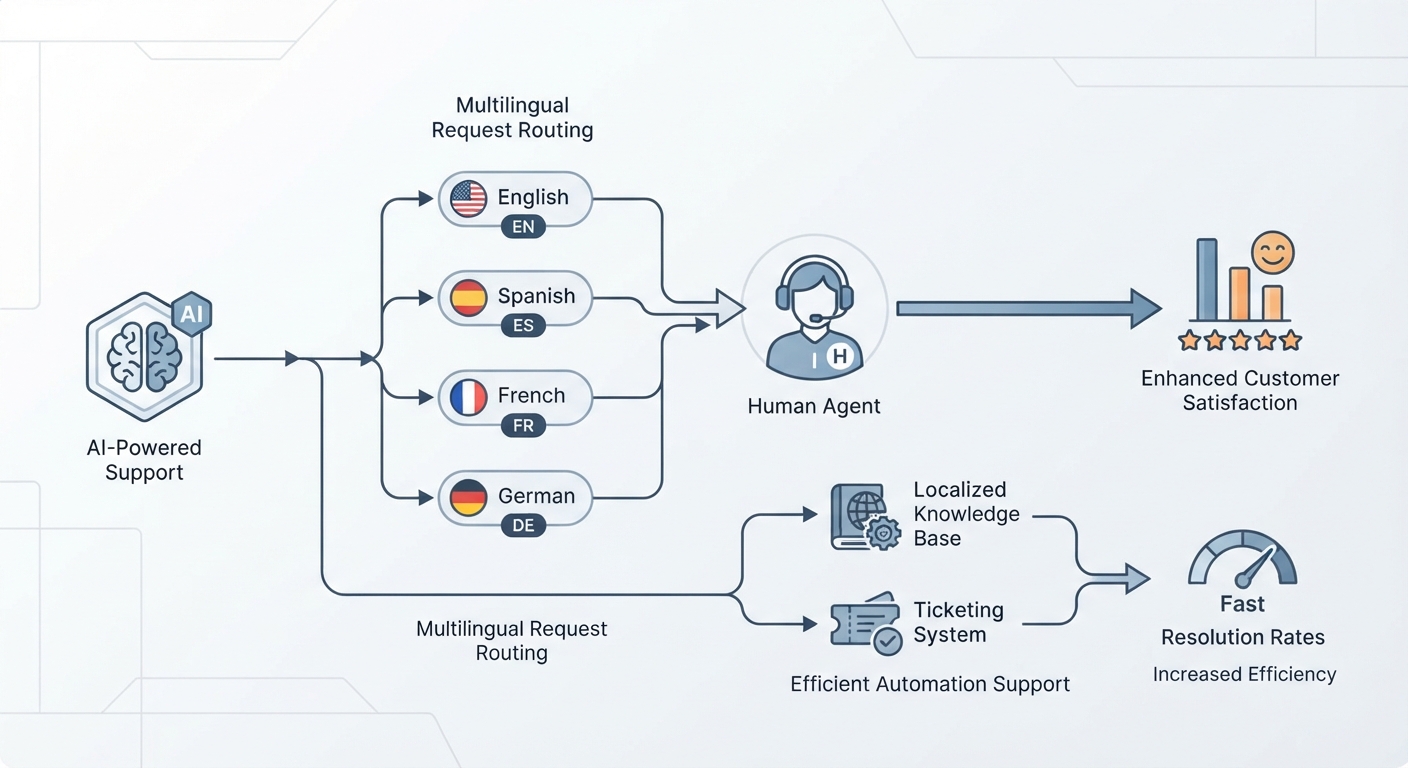
Geography is a silent killer for ai speed. If your dental office is in Miami but your voip provider routes everything through a server in Seattle before sending it to the ai "brain," you're adding massive delay just because of the physical distance.
You want to use regional servers. This is sometimes called "edge computing." Basically, you want the computer doing the thinking to be in the same neighborhood (or at least the same time zone) as your office.
- Pick a Local PoP: Most voip providers let you choose a "Point of Presence." Pick the one closest to your city.
- Minimize Hops: Every time a call jumps from one server to another, it adds a few milliseconds. Try to keep your voip provider and your ai receptionist on the same network or in the same data center region if possible.
- Automated Forwarding: If you're a law firm using after-hours forwarding, don't forward to a cell phone and then to an ai. That "double hop" is a latency nightmare. Route directly from the main line to the ai api.

For something like a dental office, phone automation needs to be invisible. If a patient calls with a toothache at 2 AM, they don't want to wait 2 seconds after every sentence for the ai to respond. By using regional routing, that "round trip" time stays low enough that the patient feels like they're talking to a real human on call.
I've seen hvac companies lose thousands in emergency calls because their "smart" routing was actually just a series of slow redirects. If you're using an api to handle these, make sure your code isn't waiting for the whole audio file to finish before it starts processing. You want to "stream" the data.
# This snippet shows how to stream audio for lower latency
def handle_incoming_audio(stream):
    for chunk in stream:
        # asr stands for Automatic Speech Recognition
        # ai_brain represents the LLM processing the text
        # don't wait for the end!
        # process small bits (frames) immediately
        text_fragment = asr.process(chunk)
        if text_fragment:
            ai_brain.think(text_fragment)
Honestly, the goal here is to make the tech get out of the way. If you set up qos, use a wired connection, and pick a provider with a server near you, you're already ahead of 90% of your competitors who are still wondering why their calls sound like a laggy zoom meeting from 2020.
Next, we’re gonna look at some industry-specific strategies for law and dental firms to make sure your implementation actually works for your specific clients.
Industry specific strategies for reducing missed calls
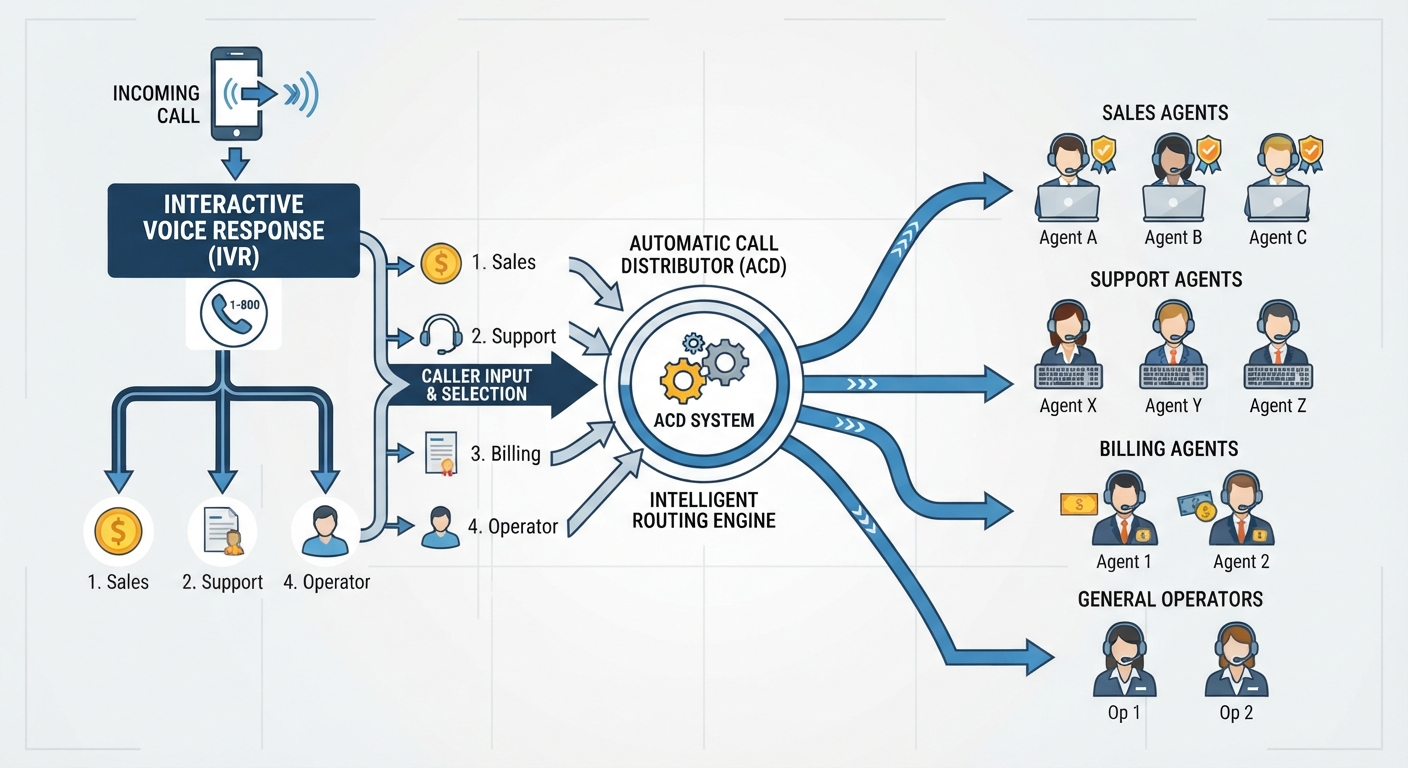
If you've ever called a law firm or a doctor’s office and gotten stuck in a "press 1 for this" loop that takes forever, you know exactly why people hang up. For a small business, a missed call isn't just a notification—it is literally money walking out the door and calling your competitor instead.
Legal leads are some of the most impatient callers on the planet. If someone is calling a personal injury lawyer or a criminal defense firm, they're usually in a state of high stress. They won't wait for a voicemail or a slow-to-load virtual receptionist.
A 2024 study by HubSpot found that 90% of customers rate an "immediate" response as important or very important. In the legal world, "immediate" means before they hit the back button on Google. If your phone system has even a 200ms lag, the ai might miss the first few words of their "emergency," making you look disorganized.
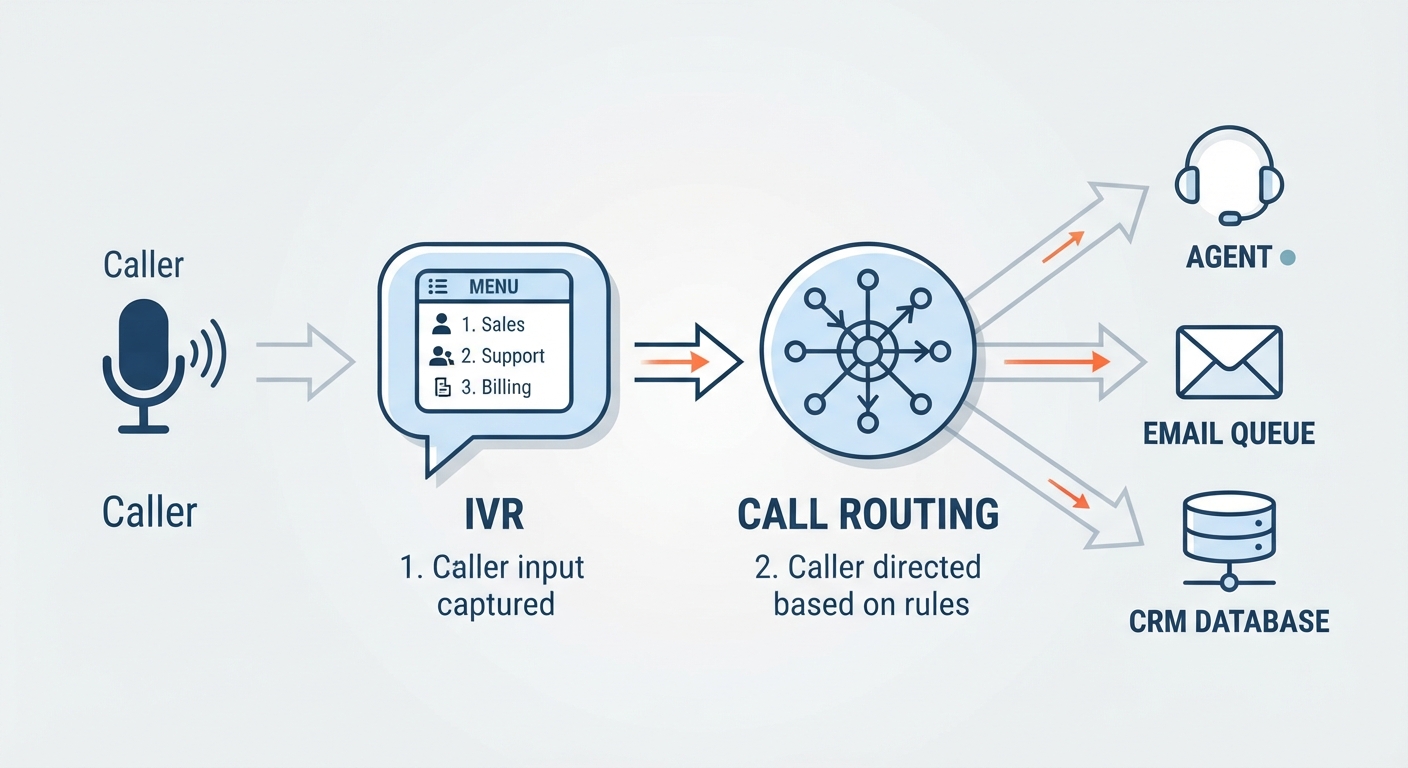
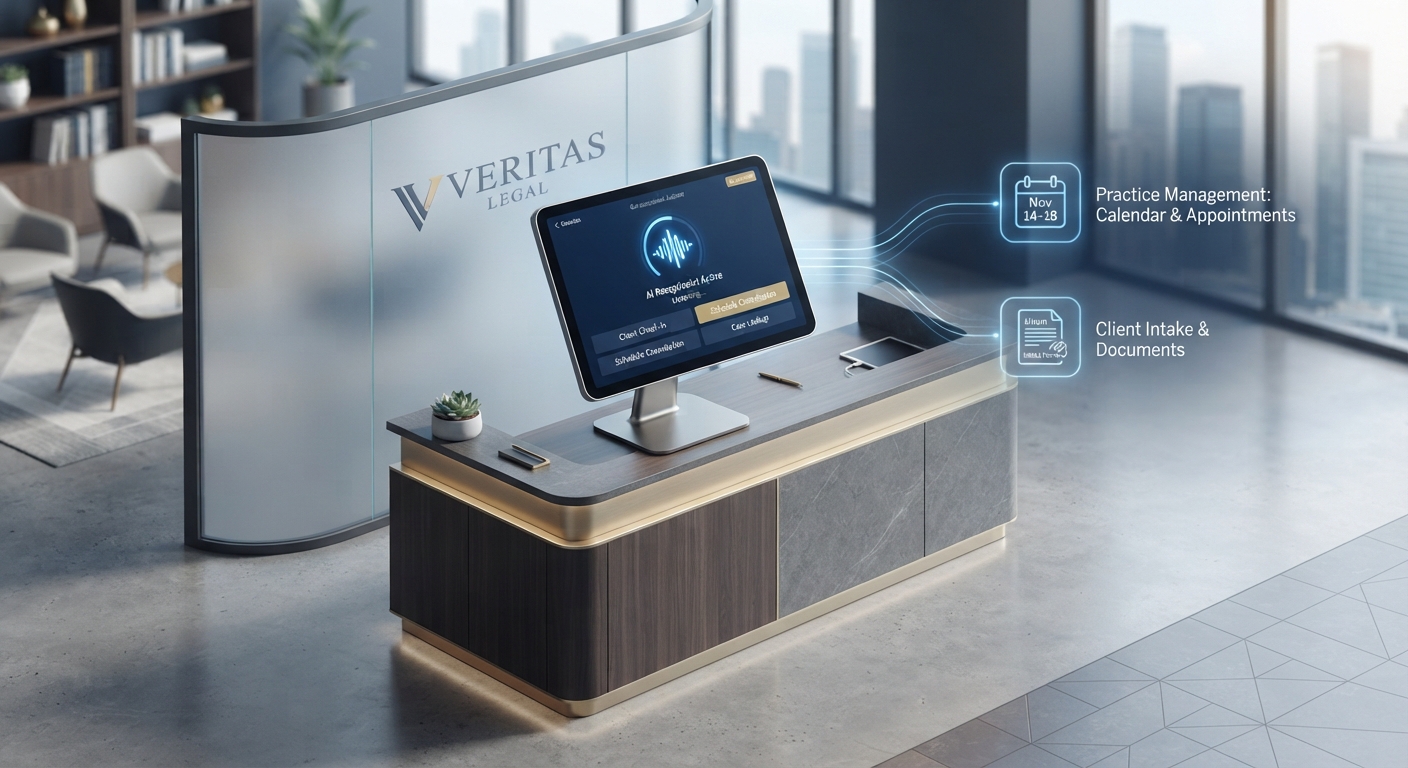
To fix this, you should integrate your phone ai directly with your crm, like Clio or Salesforce. Instead of just taking a message, the ai can ask qualifying questions—like "do you have a police report?"—and push that data into your file before you even pick up the phone.
- Instant Qualification: Have the ai ask the three big questions that determine if a case is worth your time.
- Direct Scheduling: If it is a high-value lead, let the ai drop a meeting link right into their text messages while they’re still on the line.
- Zero-Latency Routing: Use regional servers so the caller doesn't feel that "robotic pause" when explaining their situation.
In a dental clinic or a medical office, the stakes are different. You aren't just fighting for leads; you're fighting no-shows and protecting sensitive data. If your ai receptionist isn't hipaa compliant, you're looking at massive fines, which is why you can't just use any random api you find online.
As previously discussed, systems like those from voksha allow for secure handling of patient info while keeping costs way lower than a human answering service. The big win for clinics is automated calendar syncing. If a patient calls at 2 AM with a toothache, the ai should be able to see your real-time availability and book them for the 8 AM emergency slot.

Handling after-hours calls this way reduces the load on your front desk staff when they arrive in the morning. They don't have to listen to 20 voicemails; they just look at a full schedule. But you gotta make sure the "barge-in" detection is sharp. Barge-in is the AI's ability to stop talking the second it hears the human interrupt. If a patient starts coughing or says "Wait, actually Tuesday is bad," the system needs to cut its own audio immediately. To optimize this, you need a high-speed VAD (Voice Activity Detection) layer that runs locally or on a very fast edge server so the AI doesn't keep blabbing for two seconds after being interrupted.
According to the previously mentioned research from Bland AI, 33% of customers will consider switching companies after just one bad service experience. In healthcare, that "bad experience" is usually just feeling like the system isn't listening to your pain.
Honestly, the goal for any service business is making the tech feel invisible. Whether you're a plumber or a surgeon, if the phone answers fast and the "brain" on the other end knows your schedule, you've already won.
Next, we're going to wrap all this up with a look at how these latency-optimized systems actually impact your long-term roi.
The future of voice ai and 2026 cost trends
So, looking ahead to 2026, the question isn't if you'll use an ai receptionist, but how much you're gonna save when you finally pull the trigger. Honestly, the gap between human answering services and automated ones is about to become a literal canyon.
Right now, hiring a human virtual receptionist feels like a safe bet, but the math is getting ugly for small shops. By 2026, human-based services are expected to keep climbing in price because of labor costs, likely hitting $3.50 or $4.00 per minute. Meanwhile, ai is scaling down.
- Human Receptionists: You're paying for breaks, training, and the occasional bad mood. Plus, they can only handle one call at a time.
- AI Receptionists: As mentioned earlier, providers like voksha are already down to $14 a month. In two years, that same $14 will probably get you even more "brain power" and better api integrations.
- The Latency Differentiator: Future pricing won't just be about minutes. It’ll be about speed. Premium tiers will likely offer "ultra-low latency" (under 100ms) for high-stakes industries like finance or emergency hvac.
If you're running a dental clinic or a law firm, you don't need to be a coder to win. You just need to pick systems that don't lock you into old tech. Look for platforms that use "streaming-first" architectures.
As previously discussed, the industry forecasts for 2026 suggest staying under 150ms is the only way to keep customers from hanging up. If your current provider can't promise that, they’re already obsolete.

The future is basically "speed equals trust." A study mentioned earlier from HubSpot reminds us that 90% of folks want an immediate answer.
By 2026, "immediate" won't just mean picking up the phone; it'll mean the ai understands the caller's frustration before they even finish their sentence. If you optimize your latency now, you aren't just saving money—you're actually building a business that's ready for the next decade.
Anyway, just make sure you plug in that ethernet cable to your voip hardware. It’s the cheapest way to make your fancy ai sound like a pro.