How HVAC Companies Use AI to Book Emergency Service Calls Instantly
TL;DR
- This guide covers how hvac businesses use ai voice agents to handle high-stakes emergency calls after hours without hiring expensive night staff. We explore the cost difference between ai and human receptionists while showing you exactly how to automate dispatch and booking for 24/7 coverage. You will find practical steps to stop losing thousands in missed revenue to your competitors' voicemail.
The high cost of a missed emergency call at 2 AM
Imagine waking up at 2 AM to a freezing house because your furnace quit—you aren't leaving a voicemail, you're calling the next guy on Google. For hvac owners, every missed call is literally burning cash.
- The "Next Guy" Syndrome: Customers in a crisis have zero patience. If you don't answer, they click the next search result immediately.
- Deadly stats: Industry data shows that about 80% of callers just hang up if they hit a voicemail. They want a human—or at least a voice—right now. While some contractors claim to pull in an extra $15K over a single weekend using ai to catch midnight calls, the real win is just not losing the lead to the guy down the street.
- Poor First Impressions: A robotic "leave a message" says you're too small to handle the job.

Honestly, it's just about being "open" when your competitors are snoring. Next, let's look at why these bots are actually cheaper and faster than hiring a traditional answering service.
AI receptionist vs virtual receptionist for home services
So you're looking at hiring a "virtual" service versus just letting an ai handle it? It's a classic debate for hvac owners who are tired of their phone blowing up at dinner time.
Honestly, the price gap is getting kind of wild. A traditional answering service usually charges by the minute or a fat monthly retainer, often hitting $300 to $1,000 once you add up all those "patching fees." On the flip side, tools like voksha ai are starting around $14/mo. It's basically the cost of a couple pizzas to have a bot that never calls in sick or sounds grumpy because it's 3 AM.
- Speed is everything: Humans take 20-60 seconds to answer and "process" a caller. ai picks up on the first ring, every single time.
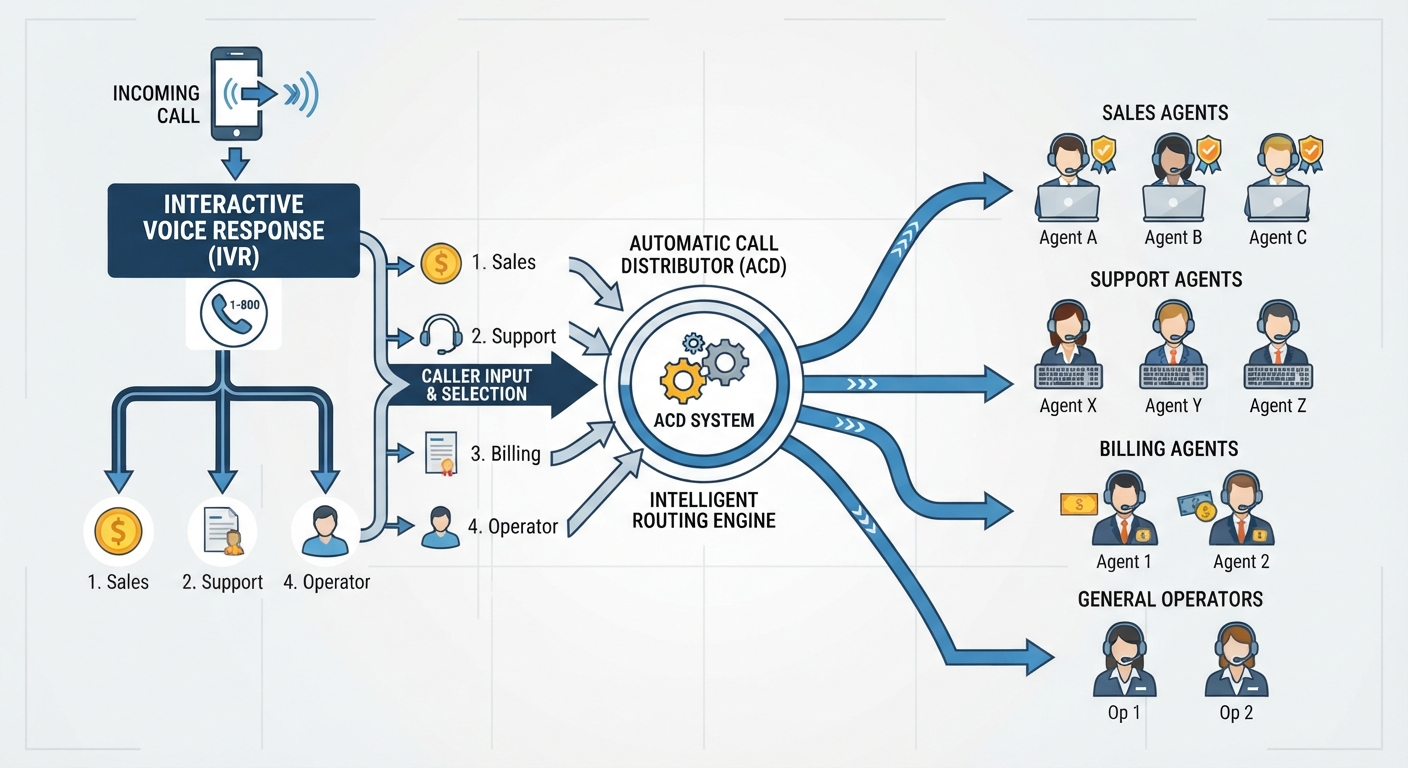
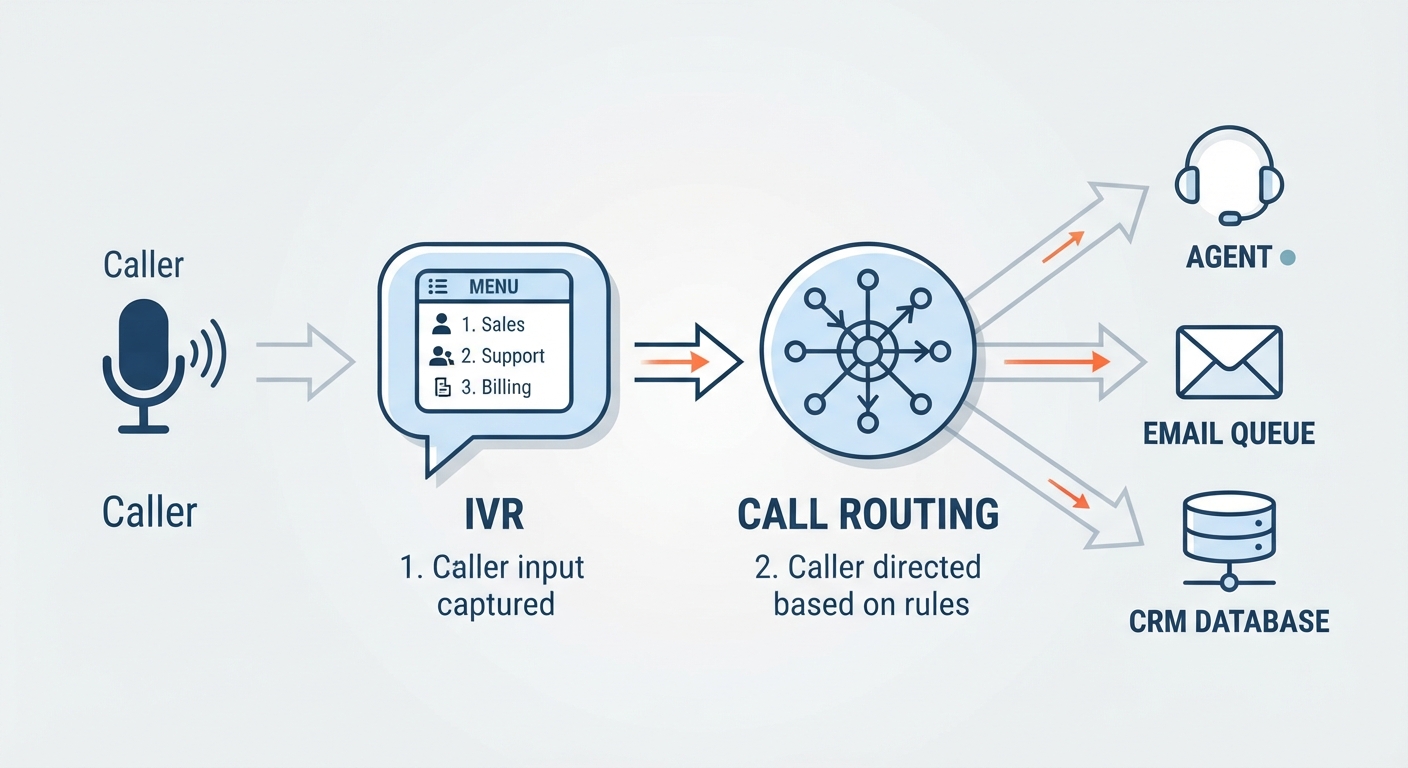
- Direct Booking & Routing: Instead of taking a "message" that sits in your inbox, these systems plug right into ServiceTitan or Housecall Pro. They put the job on your calendar while the customer is still on the line. You can even set rules so the ai only pings your personal cell for a "no heat" emergency, but handles routine maintenance questions on its own.
- Data Grab: It pulls the address and equipment type into your crm, so you aren't squinting at chicken-scratch notes later. If someone hangs up, the system triggers an auto-text like, "Sorry we missed you! Need an emergency tech?" to stop them from calling the next guy.

As we mentioned earlier regarding those midnight furnace fails, customers won't wait. If a human service puts them on hold for three minutes, they're gone. Next, let's dig into how you actually get one of these bots talking to your customers without it sounding like a 1990s movie robot.
How to set up ai receptionist small business for hvac
Setting up an ai receptionist isn't as techy as it sounds, honestly. You don't need a computer science degree—just a clear idea of how your shop actually runs on a Tuesday morning.
First, you gotta pick a platform that plays nice with your existing tools. Look for something that connects to your dispatch software so you aren't manually copying notes like it's 1995.
- The Script: Write how you actually talk. If your techs say "Hey, this is Mike," don't make the ai say "Greetings, valued patron." Keep it local and friendly. This is how the bot actually handles those grumpy, cold customers—by sounding like a normal person who wants to help.
- The logic: Tell the bot exactly what counts as an emergency. A leaking water heater at 10 PM gets a tech paged; a filter change request just gets a calendar link for Monday.
- Testing: Call the number yourself. Pretend you're a grumpy homeowner with a frozen pipe and see if the ai stays calm or gets confused.

Once the integration is set, you just toggle it on. It’s way easier than training a new office hire who might quit in three weeks.
Keeping things legal: Privacy and Data
You can't just record people and store their info without being careful. There is some "boring" legal stuff you gotta check off to make sure you're protected.
- Consent: Most states require you to tell people they're being recorded. Your ai should have a quick "this call is recorded for quality" line at the start.
- Data Security: Make sure the tool you use is hipaa compliant if you handle any sensitive info, though for hvac it's mostly about keeping credit card numbers and addresses safe.
- GDPR and CCPA: Even if you're a local shop, following these privacy standards means you won't get hit with weird fines later if your state passes new laws.
Next, let’s look at where this tech is heading beyond just answering phones.
The future of hvac office automation
By 2026, hvac shops not using ai will probably feel like those businesses still using fax machines in 2010. It’s about more than just answering the phone; it’s about the tech getting smarter.
- Predictive Maintenance: Soon, ai won't just book the call; it'll look at the customer's history and tell the tech exactly what part is likely broken before they even leave the shop.
- AI Diagnostics: Imagine a customer holding their phone up to a noisy AC unit and the ai identifying a bad capacitor just by the sound. That's where we're headed.
- Voice Cloning: You'll be able to train the ai to sound exactly like your best office manager, so the transition from bot to human is totally seamless.
Honestly, the goal is staying competitive in a market that never sleeps. If you're not booking at 2 AM, someone else is.