How Veterinary Clinics Use AI to Manage Appointment Overload and Emergencies
TL;DR
- This article covers how modern vet clinics are using ai to handle the chaos of constant phone calls and urgent medical cases. We look at the cost of hiring vs ai receptionists, how to set up automated screening for emergencies, and strategies for reducing missed calls so your staff can focus on the animals instead of the phone.
The Daily Struggle of the Veterinary Front Desk
Ever feel like your vet clinic's front desk is more like a chaotic emergency room than a professional office? I've seen receptionists trying to check in a Great Dane while three lines are ringing off the hook, and honestly, it's a miracle anyone stays sane.
The reality is that veterinary clinics face a unique set of pressures that other small businesses don't. When the phone rings, it isn't always just someone asking for a price check—it could be a literal life-or-death situation.
- The Morning Rush: Many pet owners tend to call right when you open, often between 8:00 AM and 10:00 AM. If your staff is busy with drop-offs, those calls go to voicemail, and most people just won't leave one. They'll just hang up and try the next place.
- Triage Risks: If a dog has eaten chocolate or a cat is struggling to breathe, every second counts. As noted by Vetstoria, failing to screen these urgent medical cases immediately can lead to tragic outcomes. This isn't just admin work; it's clinical safety.
- The Cost of Silence: High voicemail drop-off rates mean lost revenue. Some practice managers report losing up to 20% of potential new clients simply because they can't answer the phone fast enough. If you don't answer, the owner is just going to call the next clinic down the street.

It's a huge leak in the bucket. Next, let's look at how ai actually steps in to catch these calls before they slip away.
How AI Receptionists Handle the Triage Process
So, how does a computer actually know if a dog eating a sock is a "right now" problem or a "can wait until Tuesday" thing? It’s all about how you set up the triage logic in the backend.
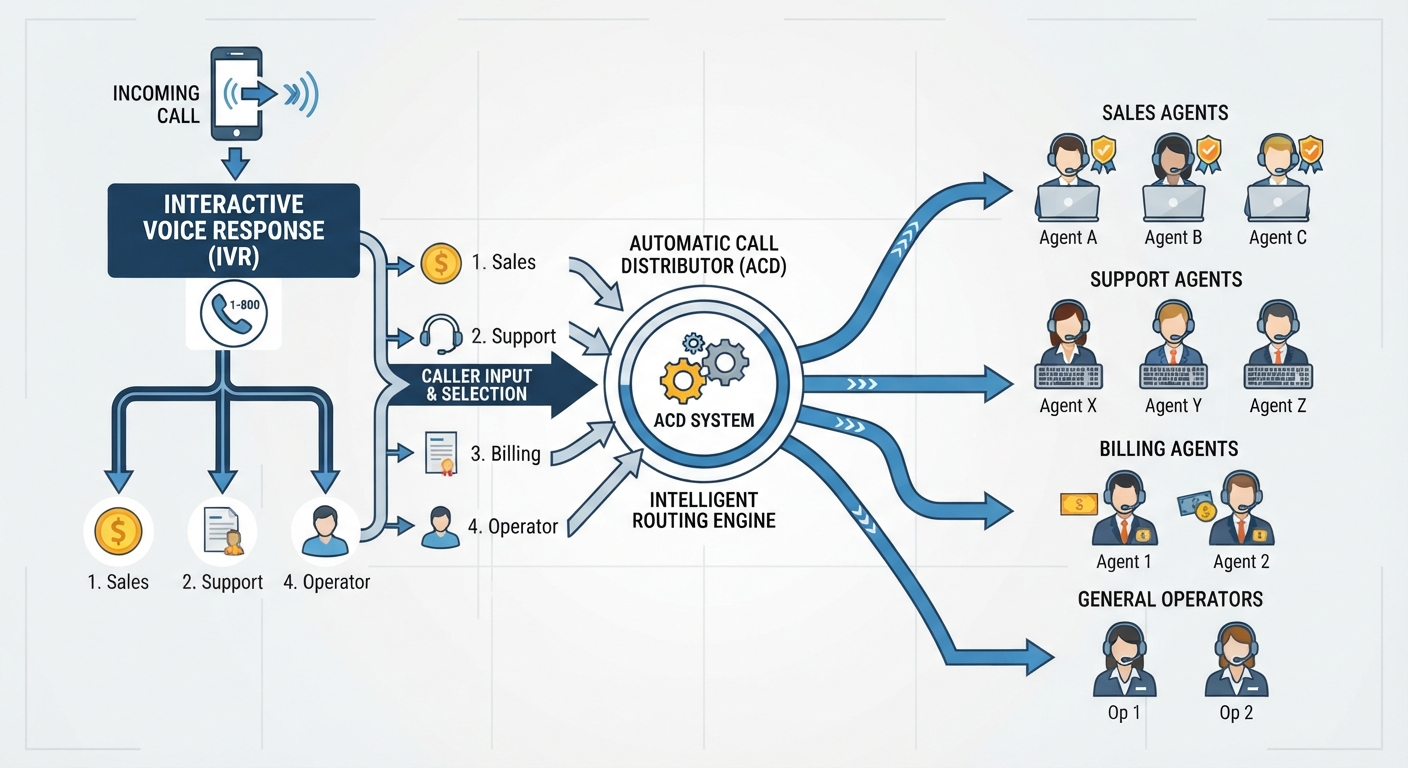
Most ai systems for vets use two main paths to keep the lobby from turning into a disorganized mess. First is preventive screening. This is where the ai listens for "red flag" keywords like seizure, bloody, or hit by car.
If it hears those, it doesn't just book a slot; it stops the process and tells the owner to get to the clinic immediately or calls a human staff member to take over. As mentioned earlier by Vetstoria, this keeps life-threatening cases from getting buried in a digital calendar. It's about identifying critical emergencies before they become a statistic.
Then you got informative screening. This is more about prep. If someone books a surgery, the ai can automatically tell them, "hey, don't feed your cat after midnight." It saves your staff from repeating the same fasting instructions fifty times a day.

"Appointment screening lets practices automatically triage as pet owners make them, saving huge time for front-desk teams," according to Vetstoria in their guide on managing online emergencies.
Honestly, it’s about making sure the "worried well" don't take up the space needed for actual emergencies. Next, we’ll talk about what this actually does for your bottom line.
Comparing Costs: AI vs Hiring a Full-Time Receptionist
Let’s be real—hiring a human is expensive. Between the salary, health insurance, and that inevitable moment they leave for a better gig, the "true cost" of a receptionist is way higher than what’s on the paycheck.
When you look at the numbers, a full-time receptionist usually runs $35k to $45k a year plus benefits. An ai receptionist—like the voice-based systems from SoundHound AI or Vapi—can start as low as $14/mo depending on your call volume. It’s not even a fair fight on paper.
- Zero Turnover: You don’t have to retrain an ai every six months when a staffer burns out from the phone stress.
- No Overtime: Pets don't stop having emergencies at 5 PM, but ai doesn't charge time-and-a-half for after-hours calls.
- Instant Scaling: ai can handle ten calls at once; your best human can handle maybe two before things get messy.

According to Vetstoria, using an online booking ROI calculator helps clinics see exactly how much they save by automating these touches. It's about shifting your humans to high-value tasks—like actually comforting a pet owner in the lobby—while the tech handles the "when are you open" questions.
Next, we’re gonna dive into how you actually get this stuff running without breaking your brain.
Step-by-Step Guide to Setting Up Your AI Receptionist
Setting up an ai receptionist isn't as scary as it sounds, honestly. I’ve seen folks get it running over a lunch break without needing a degree in computer science.
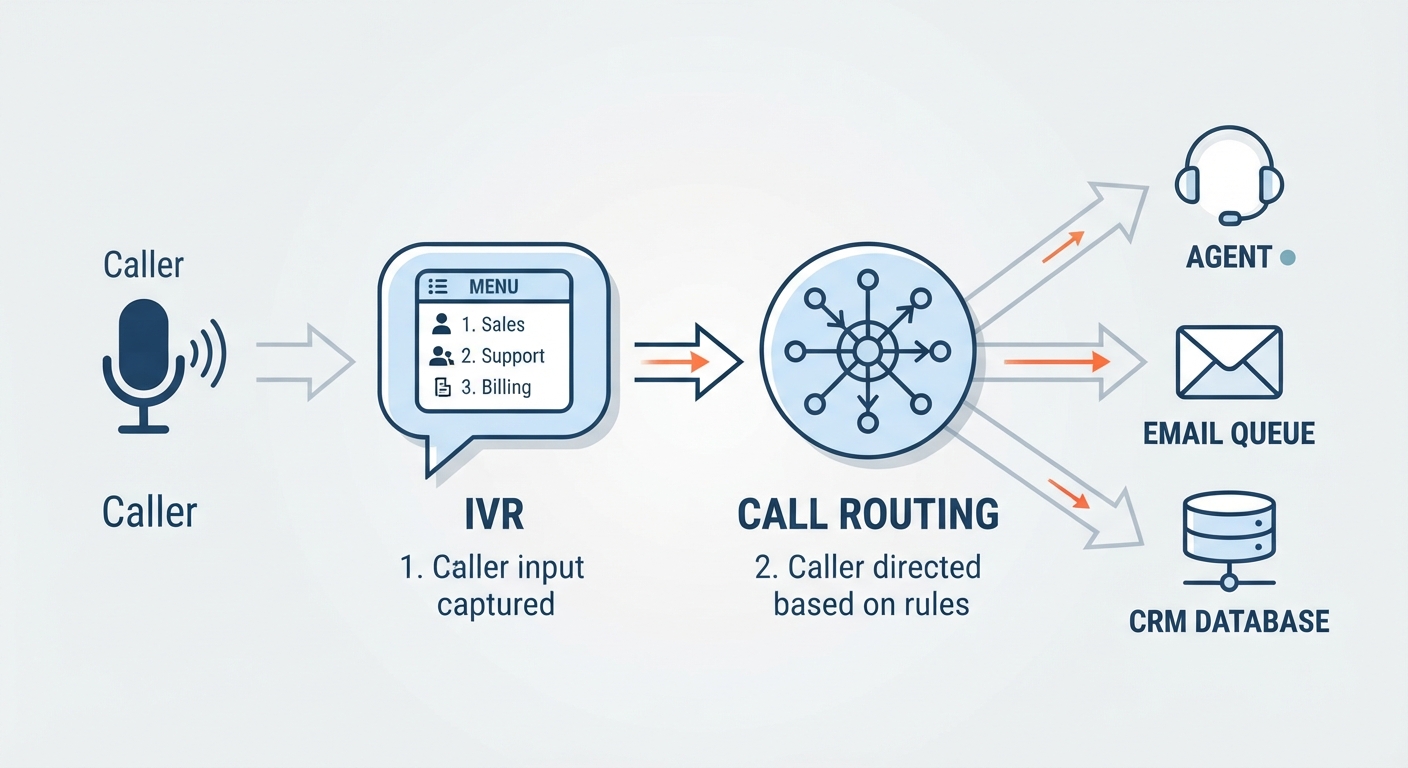
It's important to distinguish between Voice AI (which answers your phones via call forwarding) and Web Booking tools like Vetstoria (which live on your website). Most modern clinics use an integrated suite where the phone ai can send a booking link directly to the callers phone.
- Sync your software: Most ai tools plug right into your pims (Practice Management Information System). They usually have native integrations for Avimark, Cornerstone, IDEXX Neo, or Pulse (formerly eVetPractice) so it knows when you're actually free.
- Set the "Red Flags": You need to tell the ai which words mean "emergency." As discussed earlier, keywords like seizure or bleeding should trigger an immediate human alert.
- Write your script: Don't overthink this part. Just type out how you usually answer the phone—like "Hey, thanks for calling the clinic"—and the ai handles the rest.

I've noticed that clinics who spend just twenty minutes refining their "informative" messages—like telling owners to bring a stool sample—save hours of back-and-forth later.
Next up, we’ll look at the long-term benefits for clinics that actually pulled the trigger on this tech.
The Long-Term Benefits: No-Shows and Retention
Look, the worst part of a vet's day is seeing a "no-show" when the waiting room is actually packed. It's like throwing money in the trash while people are begging to give it to you. Clinics using automated reminders often see a 15-20% drop in no-shows within the first three months.
- Auto-Reminders: The ai shoots a text right after booking. It's way harder to forget an appointment when it's sitting in your messages.
- Instant Recovery: If someone calls and you're busy, the system texts them back immediately. This stops them from calling the clinic down the street.
- Client Trust: People feel cared for when they get a fast response, even if it's from a bot.

At the end of the day, it's about finding that balance between human empathy and ai efficiency. You want your staff focused on the animals in front of them, not stuck behind a ringing phone. If you're tired of the front-desk burnout, it might be time to audit your front desk and see where the gaps are.
Ready to see how much time you could save? Book a demo with a veterinary AI specialist today and get your lobby back under control.