How to Integrate AI Phone Answering With Your CRM in Minutes
TL;DR
- This guide covers how to connect your phone system to your database so you never lose a lead again. We show you the exact steps to sync ai callers with tools like HubSpot or Clio, helping you stop missed calls and reduce no-shows. You'll learn why this setup beats hiring a human receptionist and how it saves you thousands every year.
Why your business needs ai and crm talking to each other
Ever wonder how many customers you lose just because you're busy fixing a leaky pipe or mid-root canal? It's a lot more than most of us want to admit, honestly.
When the phone rings and nobody picks up, that caller isn't waiting around. They are clicking the next link on Google. Across more than 1,000,000 Voksha calls, 32% arrive outside 9-to-5 weekday hours and 23% at weekends (Voksha After-Hours Economy Report) - the windows where an unanswered call is most likely. That is a massive chunk of change just vanishing because you were busy.
To fix this, we're looking at using Voksha—it's an ai platform that acts like a digital receptionist and plugs right into the tools you already use.
- Voicemail is where leads go to die: Most callers today won't even bother leaving a message; they just hang up.
- Manual entry is a mess: Trying to scribble notes on a napkin while talking to a client leads to typos in your crm and missed follow-ups.
- The Cost Gap: Hiring a full-time person can run you $35k+ a year, while an ai receptionist handles the same volume for the price of a coffee habit. (Seeking travel companion for worldwide adventures with flexibility)

In a law firm or a dental clinic, every call is a high-value lead. If your ai and crm are talking, the bot doesn't just answer; it qualifies the lead and drops them right into your workflow.
"A missed call isn't just a missed conversation, it's a missed revenue opportunity that your competitor is happy to take."
I've seen salons reduce no-shows by 30% just by having an automated system that texts the client back immediately to confirm a spot. (I automated a barber's entire booking system and no-shows ... - Reddit) It's about being "always on" without actually being awake at 2 AM.
Next, we're gonna look at the actual steps to get these two systems shaking hands using Voksha.
Step-by-step guide to connect your ai receptionist
Getting your ai receptionist to actually talk to your crm sounds like a tech headache, but honestly, it’s mostly just clicking a few buttons. If you can set up a Netflix account, you can probably handle this.
First thing you gotta do is pick a "brain" for your bot. Voksha has these pre-built industry scripts—so if you're running a dental clinic, you aren't starting from scratch. You just select the dental template, and it already knows to ask about tooth pain or cleanings.
- Pick your industry script: Whether it's law, dental, or a hair salon, these templates have the right "vibe" and terminology built-in.
- Connecting the dots: You just head to the integrations tab and sign into your google calendar or your favorite crm like HubSpot or Clio.
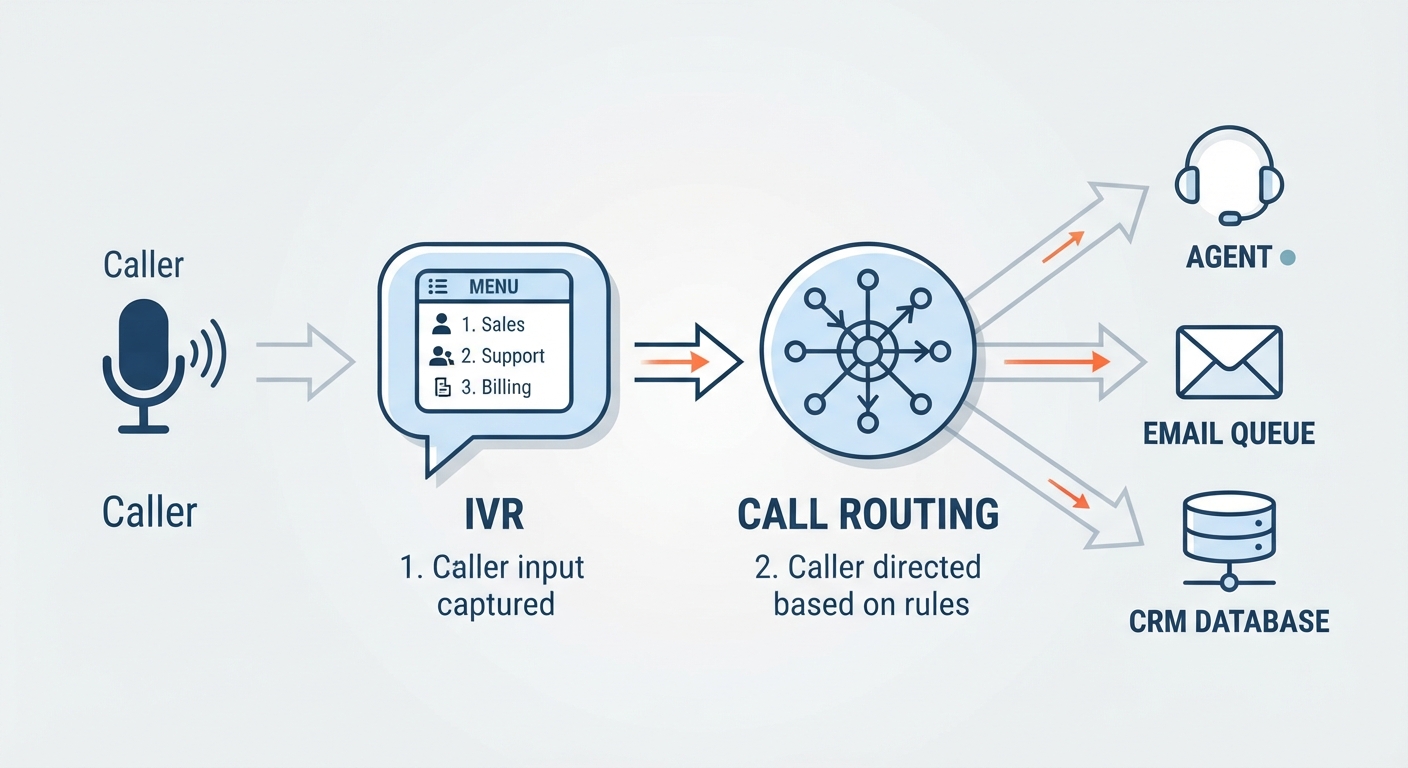
- Lead qualification: The cool part is the ai doesn't just pass every junk call through. It asks questions first—like "is this an emergency?"—and only syncs the lead once it knows they're legit.

Once the connection is live, you have to tell the system where to put the info. You don't want a caller's phone number ending up in the "Notes" section by mistake.
- Map the fields: Match "Caller Name" to "Contact Name" and "Reason for Call" to "Deal Description."
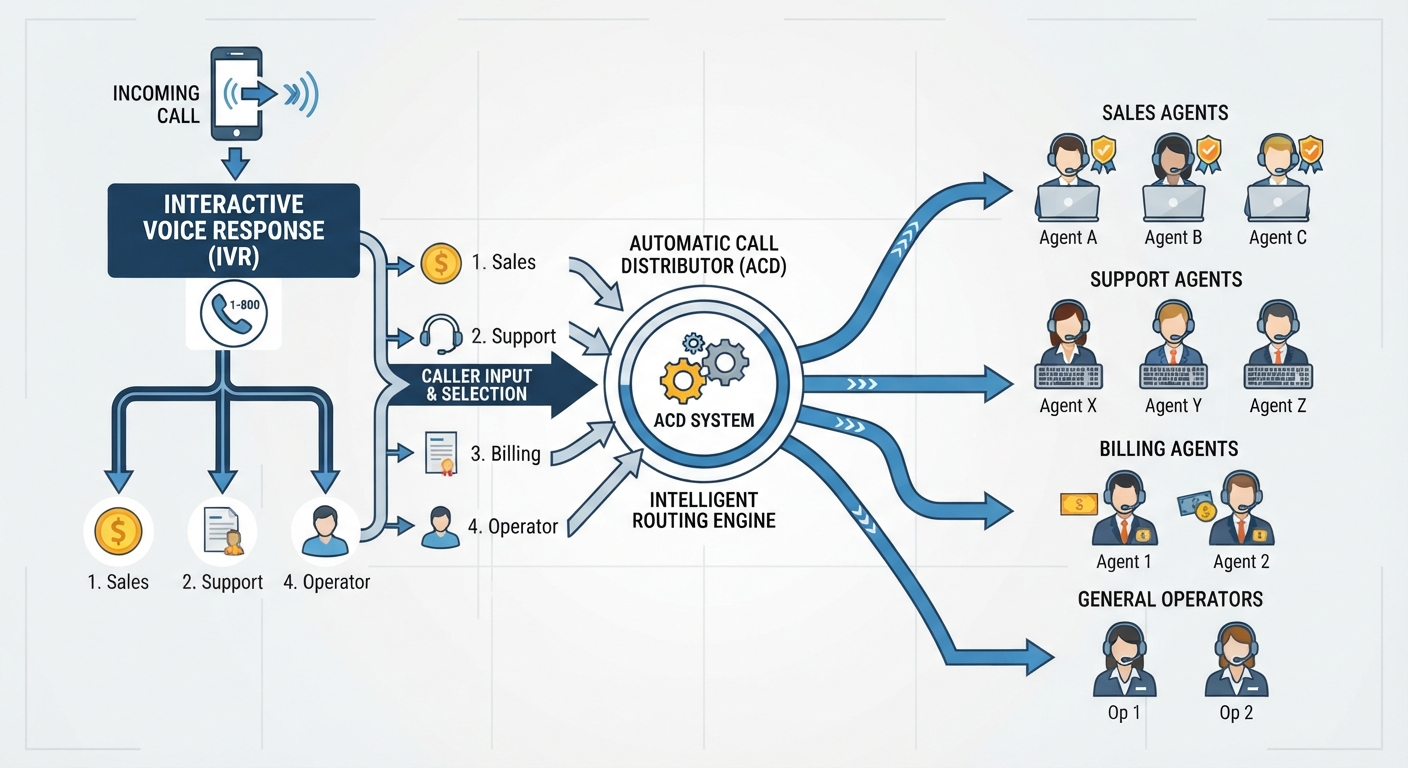
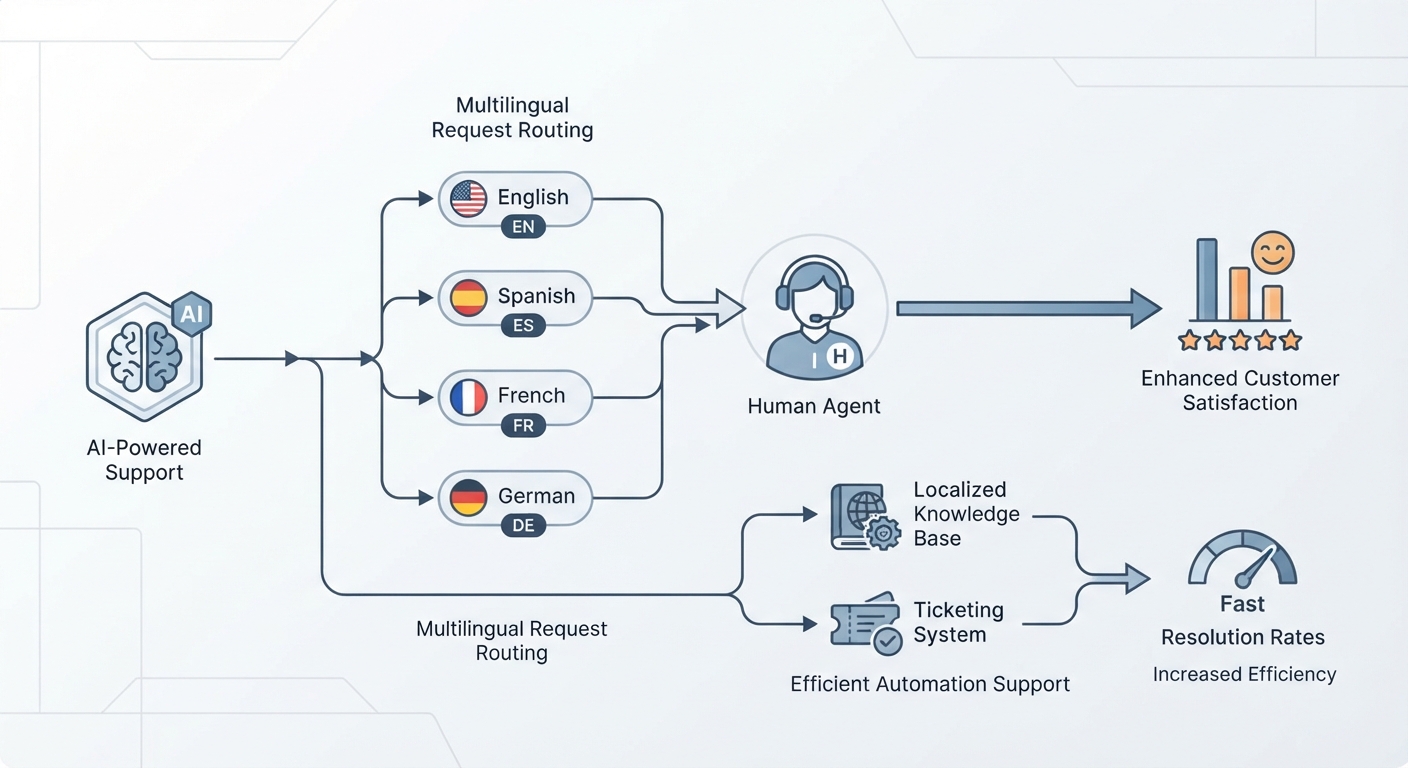
- Set Intent Triggers: If someone says "cancel," the ai can route that differently than if they say "new booking."
- The Test Run: Always, always do a live test call from your personal cell. If the lead shows up in your dashboard in under 30 seconds, you're golden.
How to train your AI for a natural voice
Nobody likes talking to a toaster. If your ai sounds like a robot from a 1980s movie, people are gonna hang up before they even say hello. Here is how you make it sound human.
First, you gotta play with the tone settings. In Voksha, you can slide the "stability" and "clarity" bars. If you want it to sound more excited, you lower the stability a bit so the voice has some natural ups and downs.
Then there is the phonetic spelling trick. If your business name is "Phyx" but the ai says "Fix-ee," you gotta type it out phonetically in the script—like "Ficks"—so it says it right every time. This is huge for people with names that are hard to pronounce too.
Lastly, check the latency adjustments. If the ai waits three seconds to answer, it feels awkward. You want that response time under 800ms so it feels like a real back-and-forth conversation. If it's too fast, it interrupts; if it's too slow, it's boring. Find that sweet spot.
Industry specific workflows for better efficiency
Let’s be real, a law firm handling a personal injury case has way different needs than a local bistro trying to book a table for six. If your ai is just a generic answering machine, you're doing it wrong.
Medical and Dental Offices Dental offices have a different headache: the endless "I need a cleaning" calls that clog up the front desk. You can set up the ai to recognize existing patients and drop them right into your scheduling software. Plus, it helps with those annoying no-shows.
How you route business calls intelligently depends on what the caller wants. For a medical office, this is huge for staying compliant. According to Compliancy Group (2024), any service handling protected health info must follow strict privacy rules. Voksha handles this by ensuring data is encrypted before it ever hits your crm. (How to make sure your CRM data is secure - NetHunt CRM)
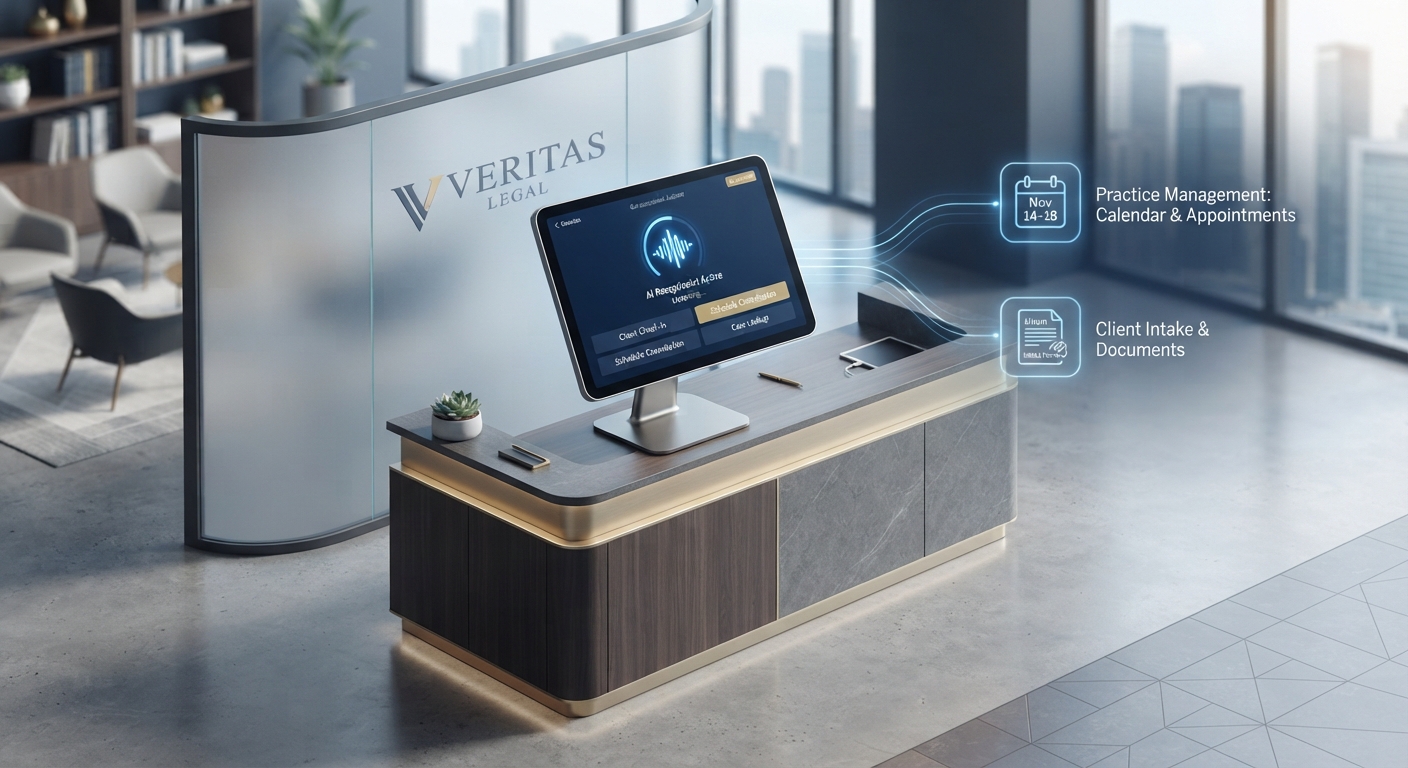
Law Firms For lawyers, every call is potentially a five or six-figure retainer. By integrating your ai receptionist with Clio, the bot can actually check your calendar and ask specific qualifying questions like "was there a police report?" before it even thinks about booking a consultation.
Salons and Restaurants Salons are basically a juggling act. An ai receptionist fixes this by taking the booking while you've got gloves on, especially if you're integrating with Boulevard or similar salon software. For restaurants, integrating with Toast or OpenTable means the ai can handle the "do you have a table for four?" question without your host having to leave the floor during a rush.

It’s all about making sure the tech fits the "vibe" of your shop. A law firm needs to sound professional and serious, while a salon can be more upbeat and casual.
Comparing the math: AI vs virtual vs human
Let’s be real for a second—hiring a person to sit at a desk just to answer phones is getting crazy expensive. Between the salary, benefits, and the fact that they (rightfully) need to eat and sleep, the math just doesn't add up for a lot of us anymore.
If you hire a full-time human receptionist in 2024, you're looking at at least $3,000 to $4,500 a month once you factor in taxes and insurance. Even a virtual receptionist service, where a real person at a call center answers, usually charges by the minute. Those "low" monthly plans vanish the second you have a busy week.
- Human Receptionist: Great for high-touch empathy, but expensive, prone to sick days, and can only handle one call at a time.
- Virtual Receptionist: Better cost than a full-timer, but they often lack deep knowledge of your specific business and can get "scripty" or slow.
- ai Receptionist: Zero wait times, works 24/7, and costs about 90% less than a human hire. Plus, it never forgets to log a lead in your crm.

For a small hvac company or a solo law practice, saving $30k a year isn't just "nice"—it’s the difference between scaling or just staying afloat. Honestly, the speed of ai is what kills the competition; it answers on the first ring every single time.
Maintenance and Best Practices
So, you've got the tech ready, but don't just "set and forget" it. I've seen too many owners skip the final polish and wonder why their crm looks like a junk drawer. Treating your ai like a new hire—checking in on it—makes all the difference.
Monthly Audit Checklist:
- Review Call Logs: Listen to at least 5 random calls to see if the ai is getting tripped up by new questions.
- Check Integration Health: Make sure the api hasn't disconnected and leads are still flowing to your crm.
- Update Your Calendar: If you're taking a vacation, make sure the ai knows you aren't booking appointments for those dates.
- Refresh the Script: If you have a new seasonal offer, add it to the bot's "knowledge base" so it can talk about it.
General Best Practices:
- Keep scripts simple: Don't make the ai ask twenty questions; stick to the basics like name and intent.
- Human backup: Always give callers a way to reach a real person for actual emergencies.

Stick to these basics and you're golden. Your customers gets an answer immediately, and you get to actually do your job without the phone ringing in your ear every five minutes.