How to Choose the Best AI Receptionist for Your Business: A Buyer's Guide

TL;DR
- This article covers everything you need to know about switching from old-school voicemail to smart ai phone answering. We dive into cost comparisons between human staff and automation, industry-specific features for law firms and salons, and a step-by-step setup guide. You'll learn how to stop missing business calls, reduce appointment no-shows, and choose a hipaa compliant solution that actually grows your revenue without the high salary costs of a traditional front desk.
Why Your Small Business Needs an ai Receptionist Now
Ever feel like your phone is a tiny, vibrating monster that only screams when you're actually busy? You finally sit down to eat or start a deep-focus task, and ring—it's a lead you can't afford to lose, but you also can’t exactly pick up with a mouth full of sandwich.
Honestly, missing a call isn't just a minor "oops" anymore. It’s basically handing your paycheck to the guy down the street. Most people today don't leave voicemails; they just hang up and click the next business on google.
A study by Forbes highlights that 80% of callers won't even bother leaving a message if they hit a machine—they just move on to a competitor.
In industries like plumbing or hvac, the "first to answer wins" rule is real. If a basement is flooding, the customer isn't waiting for a call back at 9 AM tomorrow. They need a human (or something that sounds like one) right now. Plus, there is some evidence that google tracks how often you answer. If you're constantly missing calls, your local seo ranking might take a hit because you aren't "reliable" in their eyes.
I was looking at some numbers for 2024, and hiring a real person for the front desk is getting crazy expensive for small shops. Between the base salary, health insurance, and those random "wellness days," you're looking at a huge chunk of change.
- Human Receptionist: Average salary is pushing $35,000 to $45,000 a year, not including the desk, computer, and training time.
- ai Receptionist: Most systems start around $50 to $150 a month. That’s like... the cost of two decent pizzas to cover your phones 24/7.

The math is pretty simple. An ai doesn't get "burnout" or need a lunch break. According to the Step-by-Step Guide: How to Create an AI Receptionist for Your Business, these systems can handle things like booking and faqs without the $40k price tag.
Think about a salon on a Saturday. The stylists are mid-color, the owner is doing a cut, and the phone is ringing. Instead of a busy signal, the ai picks up, explains the pricing for a balayage, and sends a booking link. No one had to stop working, and the customer didn't feel ignored.
It’s not just about saving money, it’s about not losing the money you're already working for. Anyway, once you realize you need one, the next big hurdle is deciding between a human service or an automated platform so you don't end up with a glitchy mess.
Next, we're gonna dive into the specific features you should actually care about so you don't get distracted by shiny stuff you'll never use.
Comparing Your Options: Virtual Receptionist vs AI Receptionist
So you're looking at your options and wondering if you should stick with a traditional answering service or go full robot with an ai. It’s a tough call because, on one hand, humans are great at empathy, but on the other hand, they’re expensive and sometimes—let’s be real—they put people on hold for way too long.
One such platform is Voksha, an ai-driven communication tool that handles calls using natural language. Instead of a room full of people, you have a natural voice ai that sounds remarkably human. It doesn't get tired, and it doesn't need a script taped to a monitor.
Most small businesses start with a virtual receptionist or an after-hours answering service. You know the vibe: a call center somewhere with people answering for fifty different companies at once. The biggest headache here is usually the "per-minute" billing.
If a caller gets chatty about their day before booking a dental cleaning, you're paying for every second of that small talk. Plus, these services often have "lag" because they aren't deeply tied into your actual software. They might take a message, but then they have to email you, and you have to call the person back anyway.
Also, let's talk about hold times. According to a 2024 report by Arise, nearly two-thirds of customers are only willing to wait on hold for two minutes or less. In a busy call center, your customers are definitely waiting longer than that.
Tools like Voksha can actually do things. For a law firm, it can qualify a lead by asking if they were in a car accident or just need a will. For a salon, it can check your actual calendar and book the 2 PM slot for a haircut without you touching a button.

Honestly, the cost difference is the real kicker. While answering services might bill you $300 to $500 a month depending on volume, something like Voksha starts around $14/mo. It’s a flat rate, so it doesn't matter if you get ten calls or a thousand.
If you're running a medical or dental clinic, you probably have "HIPAA" tattooed on your brain. You can't just use any random bot. You need something secure. Modern ai systems are now built to be HIPAA ready and SOC2 compliant, so patient data doesn't just leak into the void.
I saw a case where a local clinic was losing about 15 calls a week after 5 PM. They switched from a legacy answering service to an ai. Not only did they stop missing calls, but the ai started pre-filling patient intake forms via sms links. That’s a lot of admin work just... gone.
You might think setting this up takes weeks. It doesn't. Most of these platforms have a 5-minute setup. You basically upload your faq list, link your google calendar, and you're live. No long-term contracts either, which is nice if you're just wanting to test the waters.
And hey, if the ai gets stuck? It just transfers the call to your cell. It knows its limits. It’s not about replacing humans entirely, it’s about making sure the "boring" stuff like "What are your hours?" doesn't eat up your whole day.
Anyway, once you decide to go the ai route, you need to make sure the thing actually sounds good and doesn't glitch out. Next up, we’re going to look at the specific features that actually move the needle for your bottom line.
Industry Specific Solutions: From Law Firms to Dental Offices
Every business is different, so why do most phone systems treat a law firm exactly like a pizza shop? It’s kind of frustrating when you realize a "one size fits all" bot is actually losing you money because it doesn't understand your specific industry's lingo or rules.
Whether you're juggling court dates, hair appointments, or emergency root canals, the way your ai handles that first "hello" matters. Here is how this actually looks when you tailor the tech to your specific sandbox.
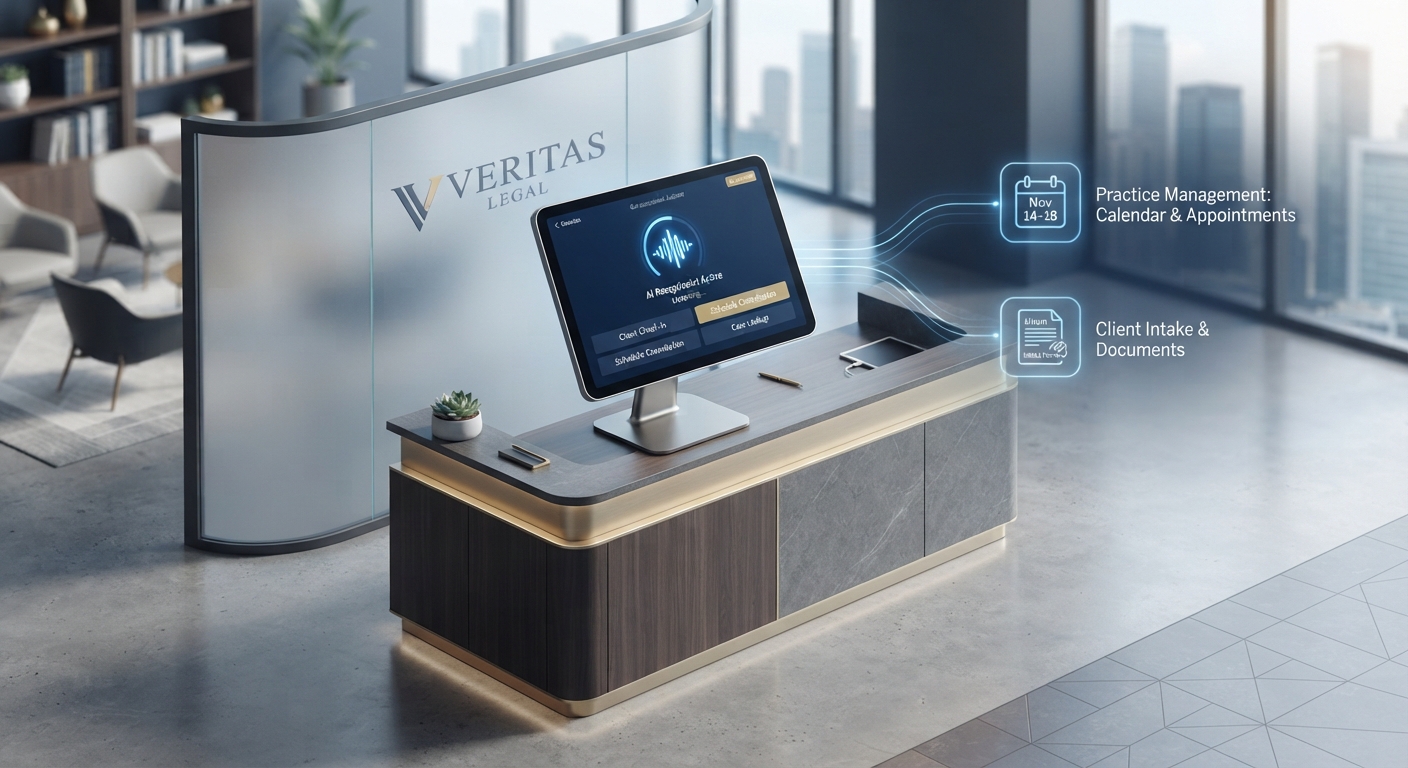
In the legal world, a missed call isn't just a missed call—it’s a lost case that probably went to the firm across the street. Most lawyers I know are terrified of their intake process being a mess. ai receptionists are changing this by acting as a first-line filter.
- Automated Screening: instead of you or your paralegal spending twenty minutes on a "dud" lead, the ai can ask, "was this a car accident?" or "do you already have an attorney?"
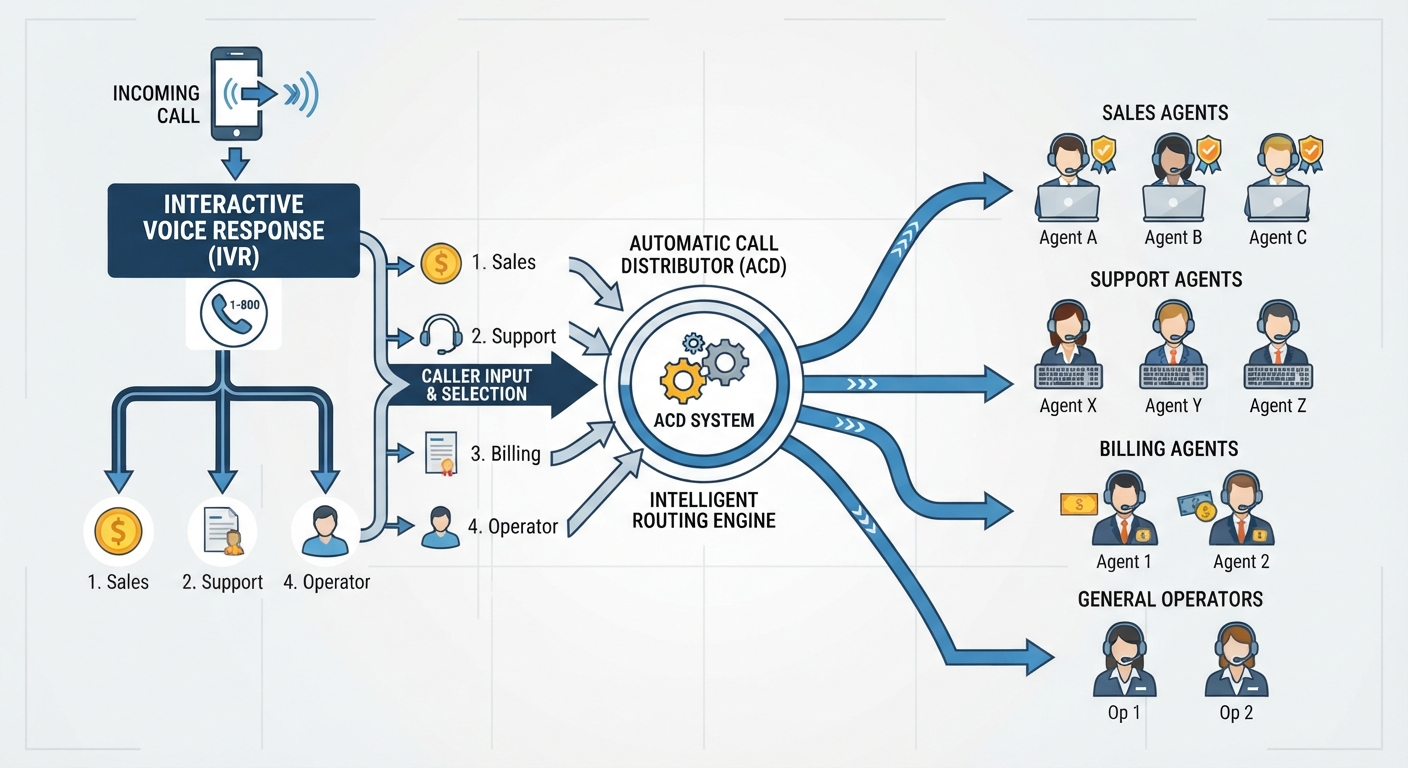
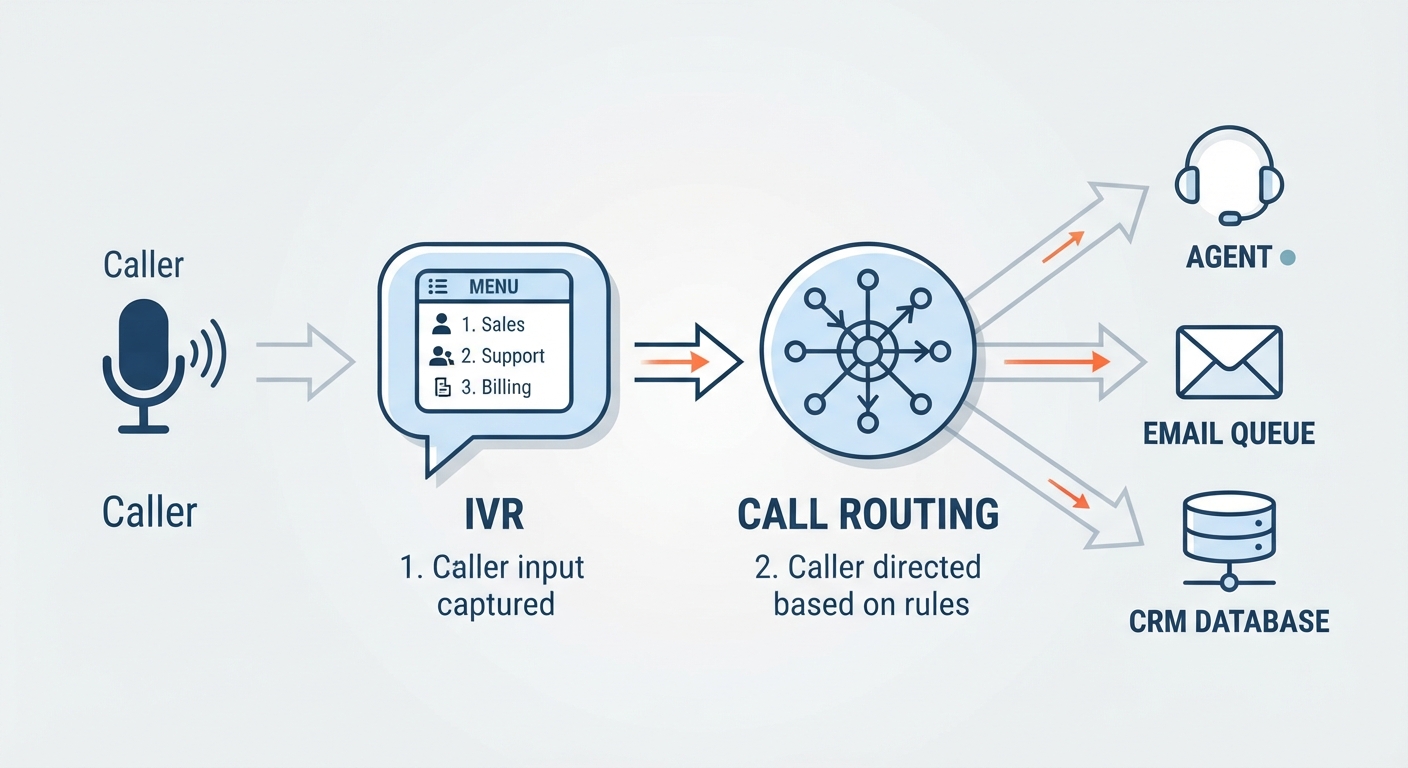
- Urgent Routing: if someone calls from a police station or a hospital, you don't want that sitting in a voicemail box. You can set rules so the ai recognizes words like "arrest" or "jail" and immediately transfers the call to your cell.
- CRM Harmony: these systems can push data directly into your legal software. If you use Clio or something similar, the ai can create a new contact record before you even pick up the phone.
Salons are probably the busiest places on earth on a Saturday morning. If your receptionist is also doing a blowout, the phone is going to ring off the hook. This is where the ai really earns its keep by handling the "low value" stuff that eats your time.
- Price & Availability: most callers just want to know "how much for a full highlight?" or "do you have anything at 3 PM?" The ai checks your actual schedule and answers based on your current price list.
- No-Show Killers: when someone books via the ai, it sends an immediate sms confirmation. You can even set it to send a follow-up text 24 hours before the appointment, which is vital for keeping customer satisfaction high.
- Stylist Preferences: you can train the ai to know that "Sarah doesn't do perms" or "Marcus is the only one who takes new color clients." It prevents those awkward "oh wait, we can't actually do that" phone calls later.

Medical and dental offices have it the toughest because of privacy laws. You can't just have any old bot blabbing about patient records. You need a system that is built for security, and honestly, most modern ai providers are now hitting those hipaa and soc2 marks.
- After-Hours Emergencies: if a patient calls at midnight with a broken tooth, the ai can triage it. It can ask for a photo via a secure link or give them the emergency "on-call" number only if it's a real crisis.
- Syncing with the Big Guys: many offices use Open Dental or Dentrix. The goal is to have the ai "read" your chair availability so it doesn't double-book you.
- Intake Automation: instead of handing a clipboard to a new patient, the ai can text them a link to a digital intake form as soon as the appointment is set. This saves about 10 minutes of "waiting room time" per patient.
Honestly, the biggest win for a dental office is just getting the phones to stop ringing while the front desk is trying to check out a patient. It makes the whole office feel way less chaotic.
Here is how you might actually program some of these "if/then" rules in your system. Note for non-techies: While this looks like code, most platforms let you set this up with simple dropdown menus or text boxes. This is just the "logic" the brain follows:
def handle_incoming_call(caller_intent):
    if "emergency" in caller_intent or "leaking" in caller_intent:
        return "Transfer to On-Call Plumber"
    elif "quote" in caller_intent:
        return "Send SMS link to Booking Calendar"
    else:
        return "Answer FAQ from Knowledge Base"
It’s all about making sure the ai knows its limits. If a restaurant gets a call for a party of 20, the ai shouldn't just say "sure!"—it should know that anything over 8 needs a manager's approval and route the call accordingly.
Anyway, once you've got your industry-specific rules mapped out, you’re going to want to make sure the thing actually sounds like a person and not a 1990s microwave. Next, we’re going to get into the nitty-gritty of the setup process so you can get this live in under an hour.
The Step-by-Step AI Receptionist Setup Guide
So you've decided to pull the trigger on an ai receptionist. Honestly, that’s the hardest part—just making the choice to stop living in 2005 with a clunky voicemail box. Now you actually have to build the thing, which sounds like it involves a lot of "coding" or "tech wizardry," but it’s actually more like filling out a profile for a new hire who just happens to be made of software.
Before you touch any settings, you gotta look at how your phone actually rings right now. Like, do you have a front desk person who answers until 5 PM, then it goes to your cell? Or does it just ring into the void? You need to map this out so the ai knows when to step in and when to back off.
- The "Safety Net" Flow: You answer if you're free, but if the phone rings more than three times, the ai grabs it. This is great for solo practitioners who hate missing leads while they’re with a client.
- The "After-Hours Hero": Your office staff handles the 9-to-5, but at 5:01 PM, the ai takes over to handle bookings and faqs so you can actually eat dinner in peace.
- The "Front-Line Filter": The ai answers every single call first. It filters out the spam and the "what are your hours?" callers, only transferring the "I have an emergency" or high-value leads to you.

I’ve heard ai that sounds like a 1980s robot and it’s painful. When you’re setting up your ai script, write it like you’re talking. Instead of "Your call is important to us," try "Hey, thanks for calling [Business Name]! I'm an ai assistant here to help you book an appointment or answer questions. How can I help you today?"
As noted earlier in the guide from the my ai front desk team, you don't need to be a tech genius. You just need to give the ai a "knowledge base." Think of this as a cheat sheet. If you’re a hvac company, list your service call fee, the areas you cover, and that you don't do window units. If the info is there, the ai won't have to guess and make stuff up.
This is the "plumbing" part of the setup. You usually do this through your carrier (like Verizon or AT&T) or your VoIP provider. You’re basically telling the network: "If I don't answer, send this call to this specific ai number."
- No-Answer Forwarding: This is the most common. It only sends calls to the ai if you're busy or away from the desk.
- Busy Forwarding: If you're already on a call, the second caller gets the ai instead of a busy signal or a generic "leave a message."
- Direct Integration: Some platforms let you port your number directly so the ai is the "brain" of the whole system from the jump.
You don't want an ai trying to "chat" with someone whose house is currently flooding or a client calling from a jail cell. You need "escalation rules." This is basically telling the ai: "If you hear these specific words, stop talking and get me on the line immediately."
def route_call(transcript):
urgent_keywords = ["emergency", "jail", "flood", "leaking", "court"]
<span class="hljs-keyword">if</span> <span class="hljs-built_in">any</span>(word <span class="hljs-keyword">in</span> transcript.lower() <span class="hljs-keyword">for</span> word <span class="hljs-keyword">in</span> urgent_keywords):
<span class="hljs-keyword">return</span> <span class="hljs-string">"Transfer to Cell Phone"</span>
<span class="hljs-keyword">elif</span> <span class="hljs-string">"book"</span> <span class="hljs-keyword">in</span> transcript.lower() <span class="hljs-keyword">or</span> <span class="hljs-string">"appointment"</span> <span class="hljs-keyword">in</span> transcript.lower():
<span class="hljs-keyword">return</span> <span class="hljs-string">"Send Booking Link via SMS"</span>
<span class="hljs-keyword">else</span>:
<span class="hljs-keyword">return</span> <span class="hljs-string">"Search Knowledge Base"</span>
Honestly, the best way to see if this works is to call it yourself. Use a different phone and try to act like a difficult customer. Ask it something weird like "Do you guys have parking for a monster truck?" or "Can I bring my cat to the legal consultation?" If the ai handles it well (or at least politely fails), you're ready to go live.
Anyway, once the "plumbing" is done and the script is written, you gotta make sure the ai is actually talking to your other apps. If it books a meeting but doesn't tell your Google Calendar, you’re gonna have a bad time. Next, we’ll look at how to evaluate the final ROI and make sure you're picking the right provider.
Maximizing ROI: How to Capture More Leads from Phone Calls
Look, we’ve all been there—you’re elbow-deep in a project or mid-meeting, and your phone starts buzzing like a frantic beehive. You ignore it, thinking you'll call back in ten minutes, but by the time you do, that person has already booked with the guy across town.
Capturing leads isn't just about answering the phone anymore; it's about what happens in those first few seconds and the minutes that follow. If you aren't hitting that "speed to lead" sweet spot, you're basically burning your marketing budget for warmth.
There is this thing called the "5-minute rule" that sales nerds always talk about. Basically, your chances of actually closing a lead drop by like 10x if you wait longer than five minutes to respond.
When you have an ai receptionist, you aren't just "answering" the call. You’re stopping the leak. If the ai can't solve the problem right then—maybe it's a super complex legal intake or a specific medical question—it should immediately trigger an outbound sms.
According to a 2024 report by My AI Front Desk, businesses that use automated outbound sms follow-ups see a 40% increase in lead retention compared to those relying on voicemail.
Think of it like this: the caller hangs up, but before they can even go back to google to find a competitor, they get a text. "Hey, this is [Your Name]! My assistant just told me you called about a leaking pipe. I'm finishing a job but can call you in 15 mins. Sound good?" That text stops the search.
Most leads happen when you’re actually trying to live your life—dinner, sleep, or that one hour at the gym. If a lead calls at 8 PM, they don't expect you to pick up, but they do expect a path forward.
- Instant Qualification: The ai asks, "Are you a new or returning client?" If they're new, it grabs their email and what they need.
- The "Text-to-Book" Bridge: Instead of saying "call back tomorrow," the ai says "I'll text you a link to our booking calendar right now so you can grab a spot."
- Nurture via SMS: If they don't book immediately, the system can send a nudge the next morning. It feels personal, even if it’s totally automated.
If your phone calls are just sitting in a call log on your iphone, you're losing money. You need those transcripts and lead details to fly directly into your CRM (Customer Relationship Management system)—whether that's Salesforce, HubSpot, or even just a Google Sheet.
When the ai finishes a call, it shouldn't just send you an email saying "someone called." It should tag the lead. For a dental office, it might tag them as "Emergency - Broken Crown" vs "General - Cleaning." This lets you prioritize who to call back first when you get into the office.
def tag_lead_by_intent(transcript):
    if "pain" in transcript or "emergency" in transcript:
        return "High Priority - Immediate Follow-up"
    elif "price" in transcript or "how much" in transcript:
        return "Price Shopper - Send Info Packet"
    else:
        return "General Inquiry"
Tracking your conversion rate is the only way to know if your marketing is actually working. If you’re spending $1,000 on google ads but only 5% of those callers actually book, you have a phone problem, not an ad problem. ai tools give you a dashboard to see exactly where people are hanging up.
I saw a local hvac company that was losing about 30% of their weekend calls because their answering service was just "taking messages." They switched to an ai that could actually check the emergency tech's schedule.
By letting the ai book the diagnostic fee right there on the phone, their weekend revenue jumped by nearly $4,000 in the first month. They didn't spend more on ads; they just stopped letting the leads they already had walk away.
Anyway, once you've got your lead capture dialed in, you need to make sure you aren't getting buried in the "tech debt" of it all. Next, we're going to talk about the actual ROI and how to break down the costs so you can show your accountant that this thing basically pays for itself.
Final Checklist: Choosing Your AI Receptionist Provider
So, you’re at the finish line. Deciding on an ai receptionist feels like a big deal because, well, it is—it’s the voice of your business when you aren't there.
But honestly? Don't overthink it to the point of paralysis. Most of these systems are designed to be flexible, so you aren't exactly signing a blood oath. You just need to make sure the "guts" of the tech are solid enough to handle your specific chaos.
By the time 2025 rolls around, the "standard" for what a bot should do is going to be way higher. You don't just want a fancy voicemail; you want a system that actually understands context.
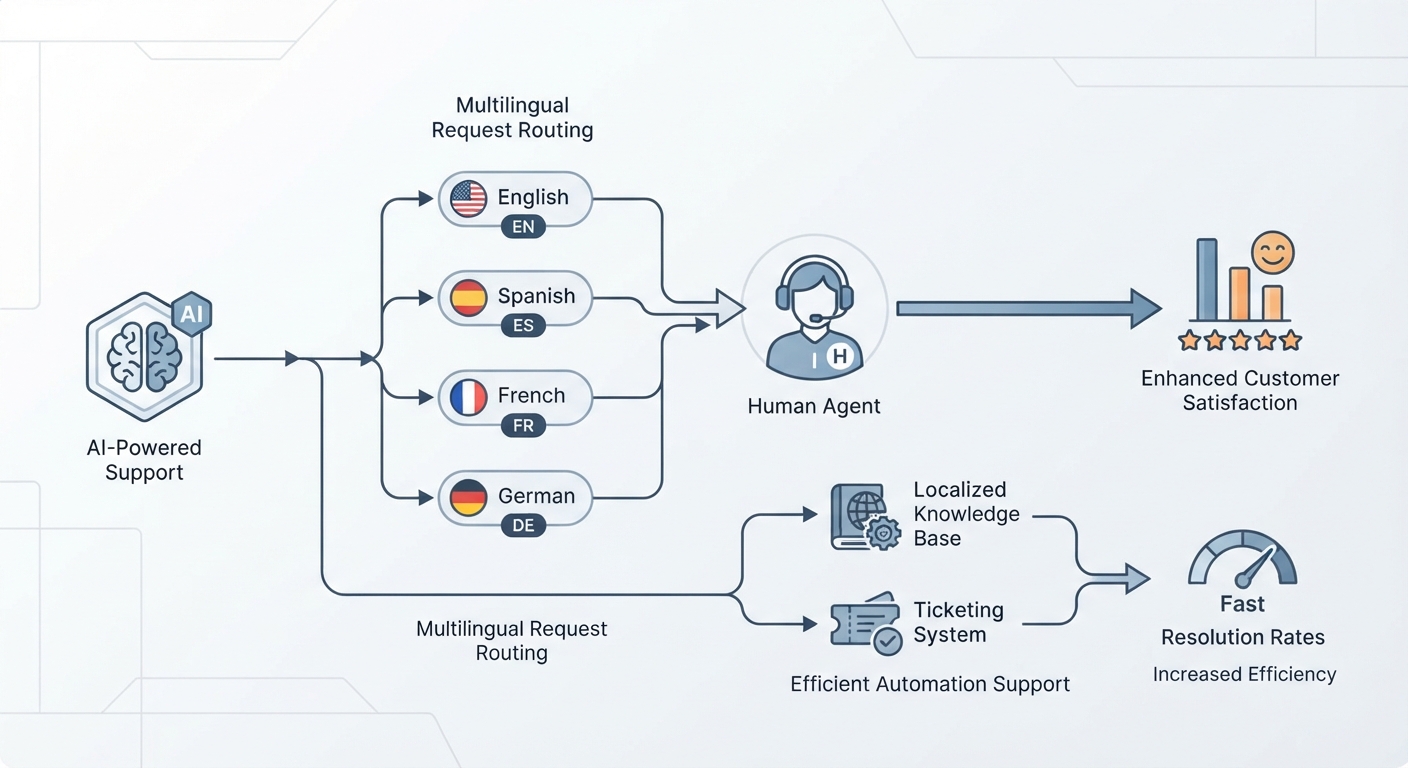
- Multi-language support: If you’re in a diverse city, having an ai that can swap from English to Spanish or Mandarin on the fly is a game changer. It’s not just about being polite; it’s about not losing the 20% of your market that prefers their native tongue.
- Natural Voice & Low Latency: We’ve all dealt with those bots where you say something, then there’s a three-second pause while the robot "thinks." It’s awkward. You need a provider that promises sub-second latency so the conversation feels like a real human chat.
- Security & Compliance: This is the boring stuff that keeps you out of court. If you’re in healthcare, it has to be HIPAA ready. For everyone else, look for SOC2 compliance. You don't want customer data leaking because the api wasn't encrypted.
As noted earlier in the guide, these systems should be able to handle hundreds of calls at once. If your business goes viral on tiktok or you have a massive pipe burst in a storm, your phone shouldn't just "die."
The old way of paying $2.00 per minute to a call center in another timezone is dying. It’s just too expensive and the quality is... hit or miss.
In 2024, we’re seeing a massive shift toward flat-rate subscriptions. Most ai services are landing in that $50 to $150 a month range. When you compare that to a traditional answering service that might bill you $400 for a busy month, the math starts looking real good for your bank account.
The ROI is pretty easy to track. If your average service call is worth $200 and the ai saves just one appointment a month that would’ve gone to a competitor, the system has already paid for itself twice over.
Before you put in your credit card info, run through this quick list to make sure you aren't getting a lemon.
- Does it have a trial? Never buy a phone system you haven't called yourself.
- Can it transfer? If the ai gets stuck, it should be able to ring your cell immediately.
- Is the setup actually "no-code"? You’re a business owner, not a software engineer. If you have to look at an api doc just to change your hours, run away.
- Does it send texts? As previously discussed, an ai that doesn't send a follow-up sms is only doing half the job.
- Does it sync with your tools? Make sure it can talk to your Google Calendar or CRM so you don't have to manually copy-paste data.
Honestly, the "perfect" time to automate your phones was probably six months ago, but today is the second best time. Whether you choose a platform like My AI Front Desk or something else, the goal is simple: stop letting your leads die in a voicemail box.
The tech is finally at a point where it doesn't sound like a 1990s microwave, and the costs are lower than they've ever been. Start small, test it out with a few "dummy" calls, and watch how much more peaceful your office feels when the phone isn't screaming at you every five minutes. You've got this.