How Restaurants Use AI to Handle Reservations and Takeout Orders by Phone
TL;DR
- This guide covers how modern restaurants are ditching old-school voicemail for smart ai phone systems that sync with Toast and Google Calendar. You'll learn about reducing missed takeout revenue, automated reservation booking, and a cost breakdown comparing ai to hiring a full-time host. We also show how to get started with a 5-minute setup to capture every hungry lead.
The problem with the old school phone at the host stand
Ever tried calling a popular bistro on a Friday night just to get a busy signal or a voicemail box that's full? It's honestly the fastest way to lose a customer to the pizza place down the street.
Most restaurant owners think a missed call is just a minor annoyance, but the math is pretty brutal. If your host is busy seating a party of six, that phone just rings into the void.
- The 3-Ring Rule: Research shows most callers hang up if no one picks up by the third ring. (A recent study shows that 42% of people never answer phone calls ...) They aren't leaving messages; they're clicking the next result on Google.
- Task Saturation: Your staff shouldn't have to choose between greeting a guest at the door and answering a takeout order. Usually, the person standing in front of them wins, and the "invisible" caller gets ignored.
- The "Next" Mentality: According to a report by BrightLocal, 60% of consumers will move to a competitor if they can't reach a business quickly.

Hiring a dedicated "phone person" sounds great until you look at the payroll. Between wages, training, and the fact that a human can only handle one call at a time, the roi just doesn't stay positive for most small spots.
"A typical receptionist salary can run $30k-$40k a year, while an ai system handles unlimited concurrent calls for a fraction of that," notes Forbes regarding automation trends in 2024.
Plus, humans get sick or stuck in traffic. An api-driven phone assistant (basically a software connection that links your phone to your digital calendar) doesn't need a smoke break right when the pre-theater rush hits. It handles five calls at once without breaking a sweat.
Next, let's look at how these systems actually talk to your customers without sounding like a robot from a 90s movie.
How ai actually handles a hungry customer
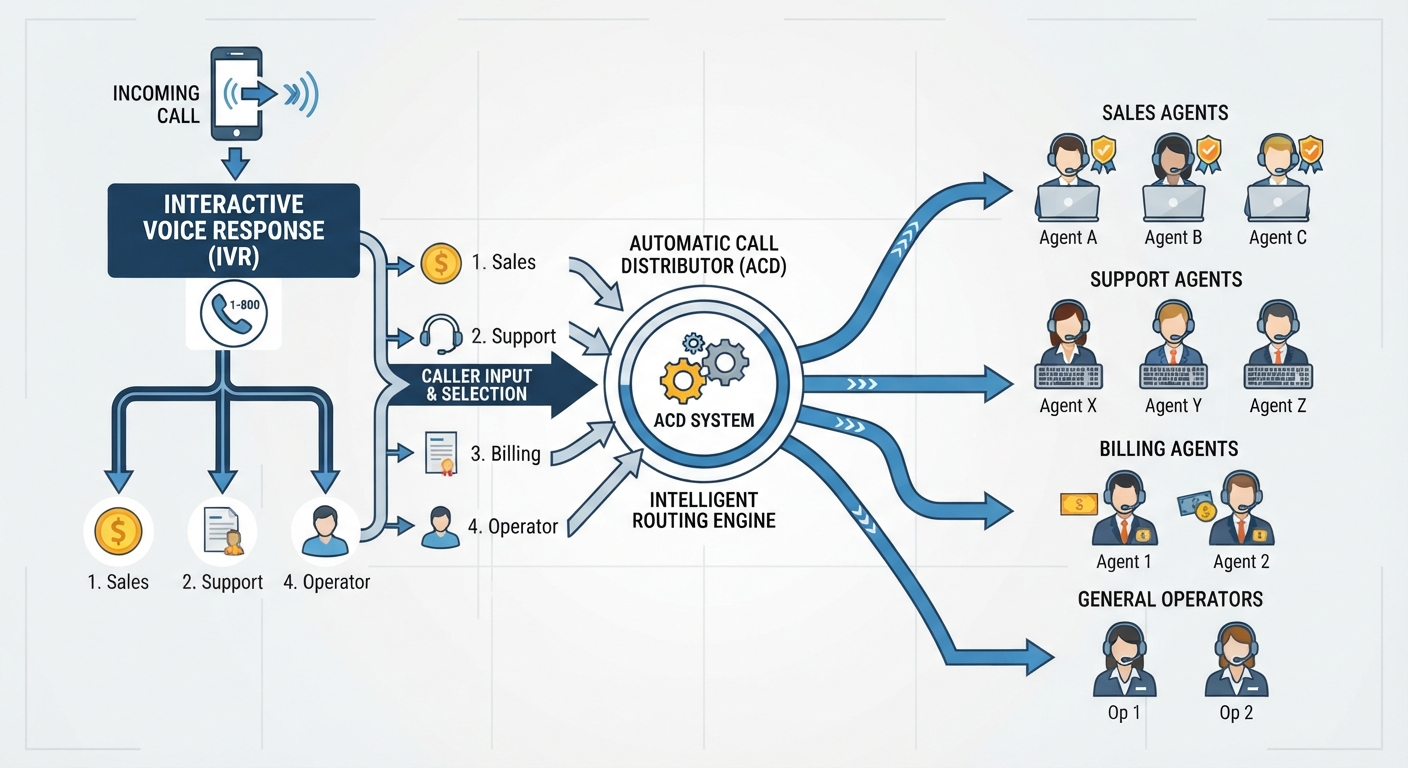
It's one thing to hear a robot voice say "press one for reservations," but it’s a whole different ballgame when a caller actually feels like they’re talking to a human who knows the menu. Modern ai doesn't just "answer" the phone; it actually listens to the intent behind the hunger.
The cool thing about tools like Voksha AI is that they don't just sit there. They actually talk to your existing tech stack. If a customer calls at 7 PM on a Tuesday wanting a booth for four, the ai checks your real-time availability instead of just taking a message that you'll probably lose under a stack of napkins.
- 24/7 Gatekeeper: It picks up at 3 AM when someone remembers they need a table for brunch. You get the booking while you're literally asleep.
- Deep Integrations: It talks directly to platforms like Toast or Google Calendar. No double bookings, no "oh wait, we're actually full" awkward callbacks.
- Human-ish Interaction: These systems use natural language processing. If a customer says "actually, make that five people," the ai adjusts the search instantly without getting confused.
- Fast Setup: Most restaurant owners get their ai receptionist running in under 5 minutes by just syncing their calendar and hitting 'go'. (Human Receptionists Make Errors… AI Doesn't Forget - - YouTube)

People always have questions, right? "Is there parking?" or "Do you have gluten-free crust?" Usually, your host has to answer these same five questions fifty times a night. The ai handles this stuff easily by pulling from your website info.
If things get too weird—like a customer asking for a very specific allergy accommodation—the system is smart enough to do an intelligent call forward. It’ll ping the manager's phone so a human can step in only when it actually matters.
According to a 2024 report by National Restaurant Association, about 1 in 4 operators say using technology to fill gaps in labor is a top priority this year. It makes sense because you're basically giving your staff their time back to focus on the people actually sitting in the dining room.
Next up, we’re going to look at the actual dollars and cents of how this compares to a traditional answering service.
The math behind switching to ai phone answering
Let’s be real—hiring a human to just sit by a phone is getting insanely expensive. By the time you cover hourly wages, workers' comp, and those "oops I’m late" mornings, you’re looking at a massive hole in your P&L statement.
If you look at where things are heading, traditional answering services are hiking prices because their own labor costs are spiking. Most mid-range services are already charging per minute, which feels like a tax on your own success.
- The Wage Gap: A decent in-house receptionist in 2024 will likely cost you $18–$25 an hour. An ai setup usually starts around $50 a month and doesn't ask for a 401k match.
- Hidden Fees: Answering services often have "patching fees" or holiday surcharges. With ai, the cost is predictable, whether it’s a random Tuesday or Christmas Eve.
- ROI Calculation: If your average guest spends $60, missing just two calls a day costs you $3,600 a month. That’s money literally evaporating.

It’s not just about picking up the phone, though. It’s about making sure the person actually walks through the door. I’ve seen cafes and pizzerias lose 20% of their revenue just because people "forgot" they booked a spot.
The ai doesn't just take the booking; it handles the follow-up via text. If someone calls and you can't talk, the system can instantly send a "Sorry we missed you, click here to book" link. This kind of missed call follow-up is basically free marketing.
And hey, we gotta talk about privacy. When you're using these tools, you need to ensure the software connection is secure. Most top-tier ai providers now build in encryption so you aren't accidentally leaking customer data or reservation details while trying to save a buck.
Next, we’ll dive into the actual steps for getting this whole thing live without losing your mind.
Setting up your restaurant for success
Setting up an ai receptionist isn't as scary as it sounds, honestly. You don't need to be a coder or hire some expensive consultant; you just need a clear idea of how you want your phone to behave when you're elbow-deep in a dinner rush.
First, you gotta map out your workflow. Think about the top five reasons people call—reservations, takeout, "are you open?", or asking about the daily special. Once you know those, you can build the logic.
- Drafting the persona: Write a script that actually sounds like your restaurant. If you're a dive bar, don't make the ai sound like a butler. Use your actual menu names and staff nicknames so it feels authentic.
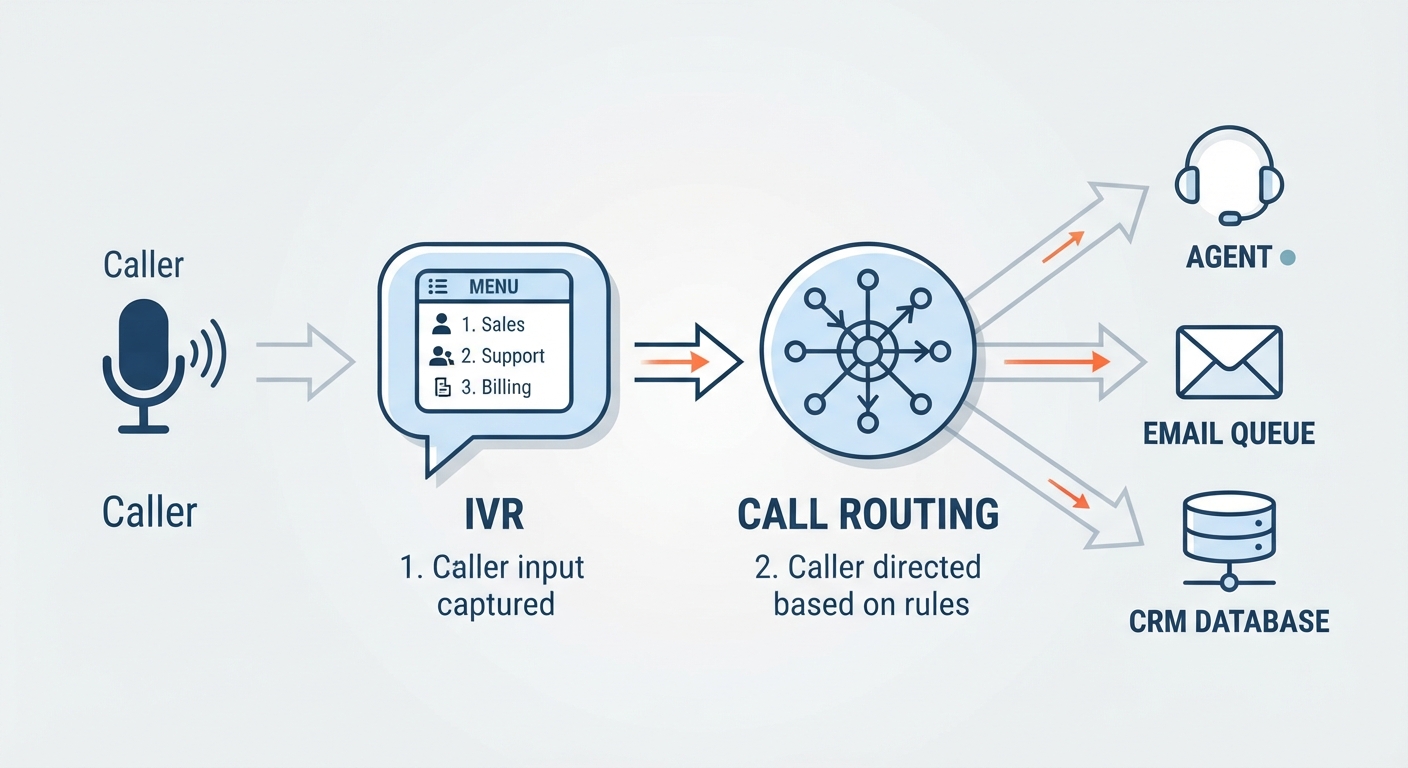
- Syncing the "brain": Connect the system to your crm or booking software. Whether you use OpenTable or a simple Google Calendar, the api (that software connection we talked about) needs to see your real-time availability to avoid those nightmare double-bookings.
- The "Human" escape hatch: Always set up a routing rule where the ai can transfer to a manager's cell if someone has a complex question, like a severe nut allergy or a private event inquiry.

You're probably paying a fortune for an after hours answering service that just takes vague messages. An ai system is a much better alternative because it actually solves the caller's problem at 2 AM.
Instead of a "we'll call you back" note, the ai can process a takeout order or book a brunch table for the next morning while you're still asleep. It captures leads that would've normally just hung up.
According to Zendesk, 70% of consumers expect a company to have a self-service portal or automation for simple tasks, which shows people actually prefer the speed of ai over waiting on hold.
By routing calls intelligently based on the time of day, you ensure your staff only picks up when it's absolutely necessary. This keeps the kitchen focused and the dining room happy.
Choosing the right platform
When you're looking at which ai to use, keep these three things in mind:
- Latency: How fast does it talk back? If there's a 5-second delay, the customer will hang up. Look for "low latency" systems.
- Integrations: Does it actually plug into toast or opentable? If it doesn't talk to your existing tech, it's just a fancy voicemail.
- Pricing: Some charge per minute, others have a flat monthly fee. For a busy restaurant, flat fees are usually way better for your budget.
Final thoughts on the future of restaurant phones
So, are people gonna hate talking to a bot? Honestly, probably not if it actually works. Most folks just want their table booked without waiting on hold for ten minutes while a busy host ignores the phone.
- Speed over small talk: Customers usually prefer a fast answer from an ai over a long hold time with a human who sounds stressed out.
- Blending systems: You don't have to go 100% robot. Use the ai for the easy stuff like "are you open?" and let your staff handle the big party requests.
- Better vibes: When the phone stops ringing off the hook, the energy in the dining room actually gets better for the people already there.

As the data shows from zendesk mentioned above, people are getting way more comfortable with automation. It's about making things easy, not just techy. Catch you later!