How Medical Clinics Use AI Receptionists to Reduce Hold Times by 80%
TL;DR
- This article covers how modern clinics are ditching the old school hold music for smart ai answering. You'll learn the step-by-step setup to slash wait times, a real cost comparison between hiring and automation, and ways to handle appointments without ever losing a patient to voicemail again. It is a practical guide for any practice manager tired of the phone ringing off the hook.
The silent killer of clinic growth: The dreaded 'Please Hold'
Ever tried calling your doctor because of a weird rash or a fever, only to get stuck listening to that fuzzy elevator music for ten minutes? It's honestly the worst feeling when you're sick and just need a human to help you out.
Most clinics don't even realize they're losing people this way. Here is why patients end up hanging up:
- The 30-Second Rule: If nobody picks up within half a minute, most people just bail and call the next clinic on google. (Our dental clinic cut no-shows by like half after we stopped relying ...)
- Machine Fatigue: We all hate those "press 1 for billing" menus; they feel cold and impersonal when you're worried about your health.
- Burned out staff: Receptionists are usually juggling three lines and a person standing right in front of them, so things slip through the cracks.
According to a blog post by Brainforge, doctors and nurses actually spend about 40% of their time on paperwork. Now, an ai receptionist doesn't pick up a stethoscope, but it handles the constant phone interruptions. This lets your admin staff actually help the doctors with that mountain of paperwork instead of being stuck on the phone all day.
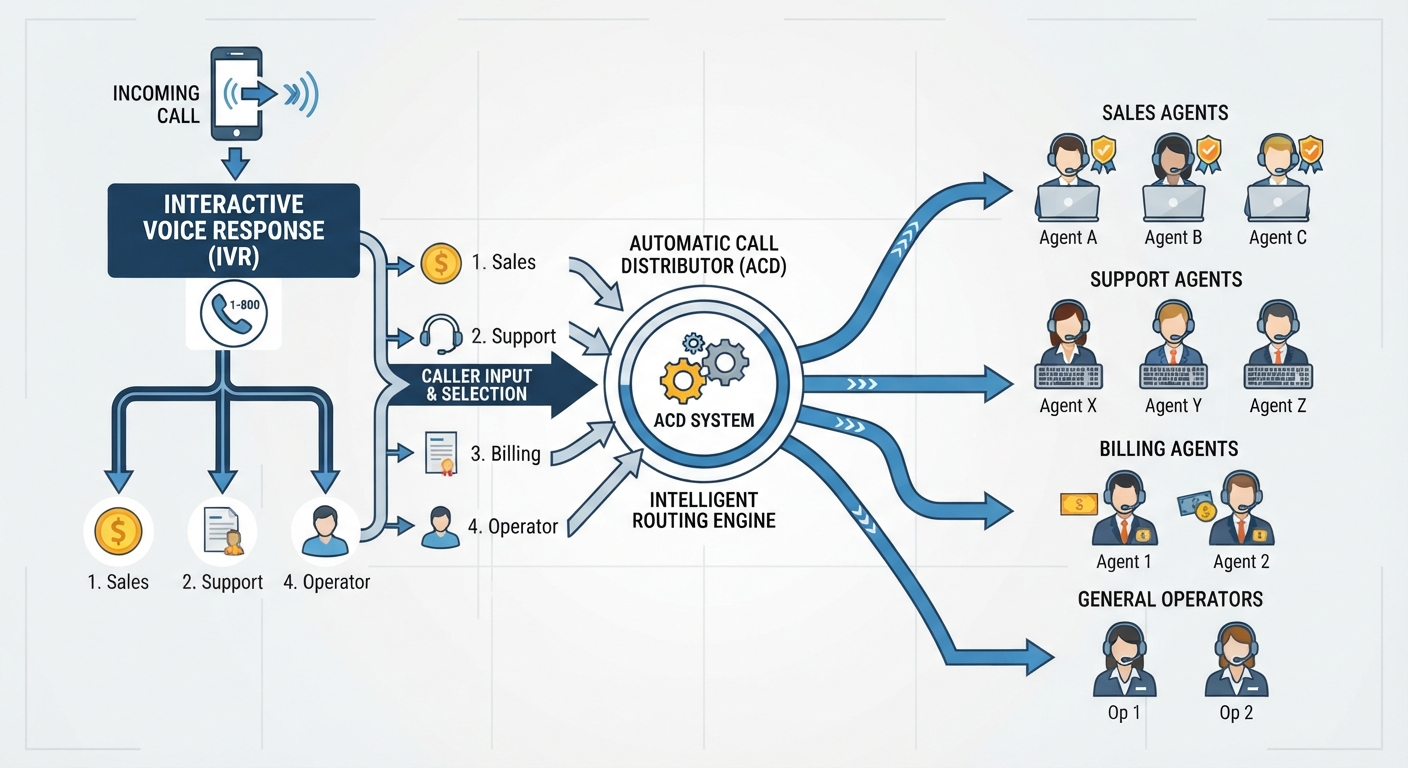
As shown in Diagram 1 below, the workflow shift allows staff to move from "phone answering" to "clinical support," which is where they're actually needed.

It's not just about being "annoying" either. Every missed call is basically a pile of cash walking out the door. We're gonna look at how ai fixes this mess next.
How ai technology actually answers the phone
So, how does a computer actually "talk" to your patients without sounding like a broken microwave? It’s not just a fancy voicemail; it is a mix of speech recognition and smart routing that works in the background.
Basically, when someone calls, the ai listens to the audio and turns it into text instantly. Then it looks at your connected tools—like Jane, Athenahealth, or Epic—to see when you're actually free. It’s pretty wild because it can handle the back-and-forth of "No, Tuesday doesn't work, how about Wednesday?" without a human ever touching the phone.
- Natural Voice: It uses advanced tech so it doesnt sound like a robot from the 90s.
- Deep Integration: It hooks into your medical ehr or calendar so it knows your real schedule.
- SMS Text-Back: If the ai can't solve a complex issue, it can instantly send the patient a text message with a link or a follow-up question so they don't feel ignored.
- Cheap Setup: You can get a clinic running in a few steps for about $14/mo, which is way less than a temp. (What is the Difference between a walk in clinic and urgent care? - CVS)
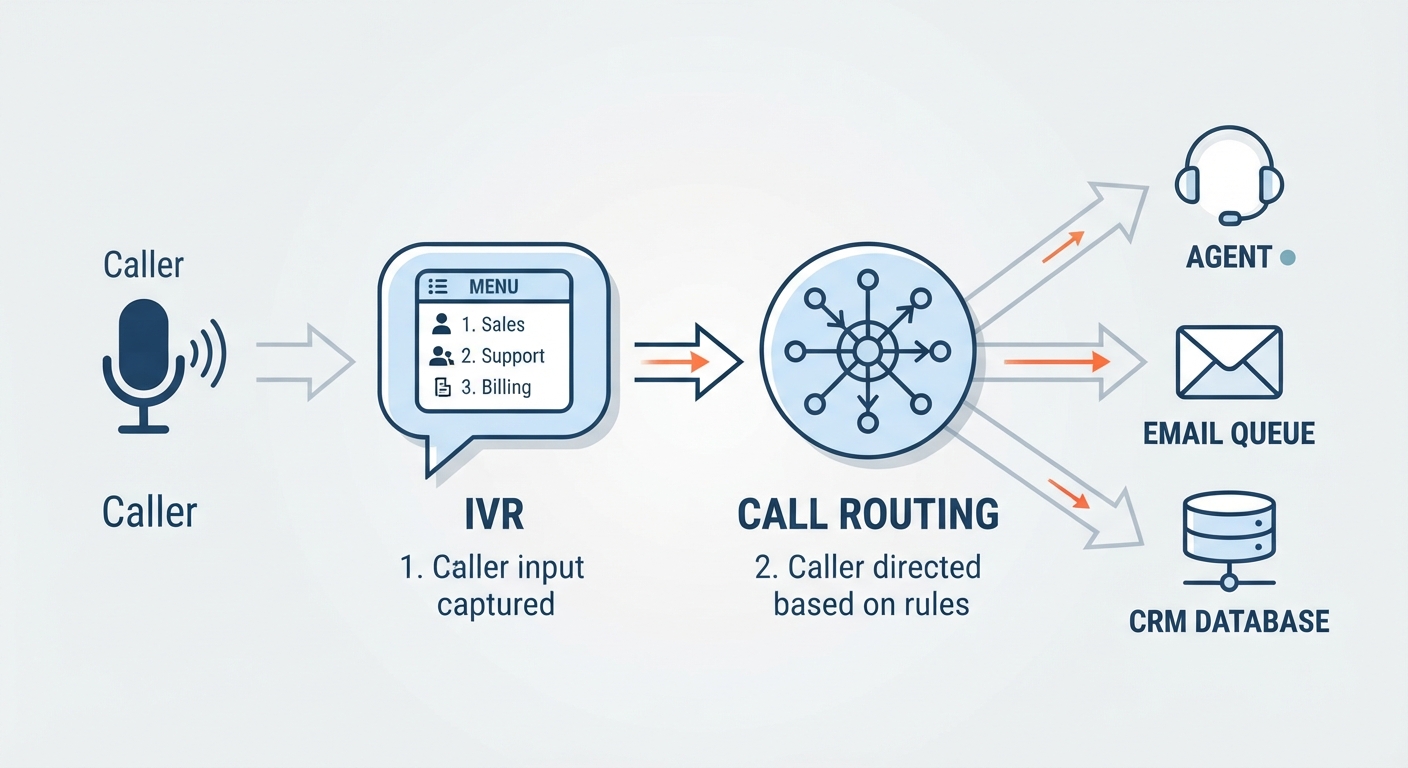
Diagram 2 illustrates the technical path a call takes from the moment the patient dials to the appointment being booked in your system.

Since we are talking about medical stuff, security is a big deal. You can't just have patient names floating around on some random server. According to Medtech Intelligence, these virtual assistants are changing care management by keeping things secure while staying helpful.
Most good systems use soc2 and hipaa standards to make sure data is encrypted. This secure automation is the bridge clinics need; it handles the data-heavy tasks safely so your human staff can focus on high-level patient care without risking a data breach. Because the ai handles the "grunt work" securely, the administrative burden on the whole office drops significantly.
Next, we’ll look at what this actually costs compared to hiring a real person.
Comparing the math: AI receptionist cost vs hiring receptionist
Let's be real for a second—hiring a person to sit at the front desk is expensive as heck. Between the salary, the health insurance, and those random dental plans, you're looking at a massive bill before they even answer their first call.
When you hire a receptionist, you aren't just paying an hourly wage. You've got to think about the "burdened" cost. This includes payroll taxes, workers comp, and the weeks it takes to train them on your specific software. If they quit—and let's face it, front desk burnout is real—you have to start the whole cycle over again.
- The Salary Gap: A decent medical receptionist averages $35k–$45k a year plus benefits. An ai system is usually a tiny fraction of that, often starting around $50 to $150 a month.
- 24/7 Coverage: If you want someone answering phones at 9 PM on a Sunday, you’re paying overtime or hiring a second person. The ai doesn't sleep or ask for holidays off.
- Training and Churn: Every time a staff member leaves, you lose about 20% of their annual salary just in "recruitment and retraining" costs.
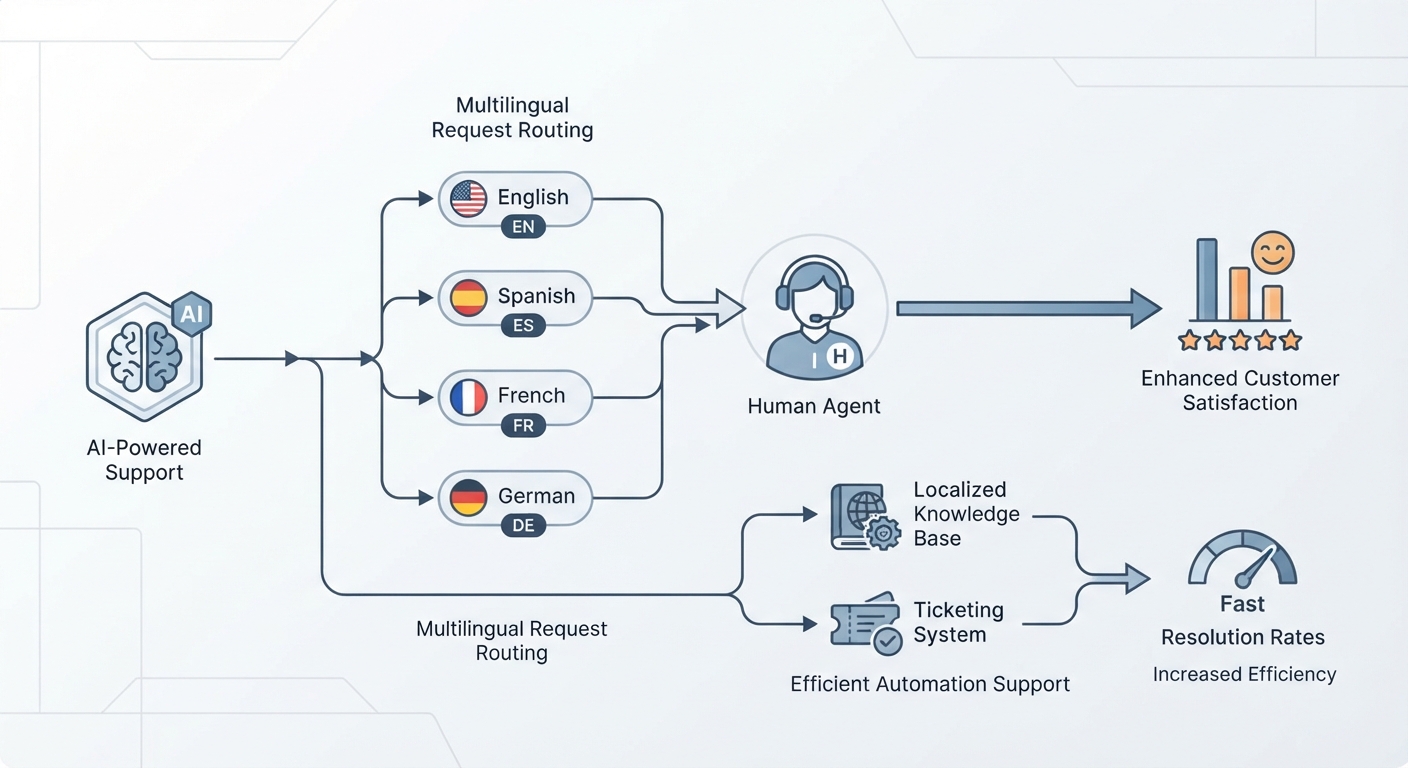
In Diagram 3, you can see the cost-benefit analysis comparing a human salary versus the monthly subscription of an automated system.

As mentioned earlier, the clinic as a whole is bogged down by admin tasks. If you're paying a human $25 an hour to play phone tag for a 10 AM cleaning, you're basically burning money. By 2026, the cost of traditional answering services is expected to climb even higher due to labor shortages, making ai the only way to keep margins healthy.
Next, we're gonna walk through how you actually set one of these things up without breaking your brain.
Step-by-step: Your AI receptionist setup guide
Setting up an ai receptionist isn't nearly as scary as it sounds, honestly. You don't need to be some silicon valley coder to get this running; most of the time, you can go from "missed calls" to "automated booking" in a single afternoon.
Follow these steps to get your office automated:
- Audit your calls: Write down the top 5 questions your staff hears every single day. Are they booking a teeth cleaning, asking about insurance, or just trying to find your front door?
- Map the logic: Decide what happens when the ai can't answer something—does it send a text-back or ping a human?
- Integrate your tools: Hook the ai into your existing calendar or ehr system like Jane or Athenahealth so it sees real-time availability.
- Pick your "Vibe": Choose a voice and tone that fits your brand, whether that's "super professional" or "friendly neighbor."
- Test and Launch: Call the number yourself a few times to make sure there's always a "talk to a person" option so nobody gets stuck in a loop.
Diagram 4 shows the simple integration flow between the phone line and your clinic's database.

As mentioned earlier, starting small with basic scheduling is the best way to avoid "machine fatigue" for your patients. Once the basics are solid, you can add stuff like prescription refills or insurance verification.
Beyond the medical office: AI for salons and law firms
It's funny how we think ai is just for doctors or big tech, but honestly, your local hair stylist or the lawyer down the street needs this just as much. If you're running a salon, a missed call isn't just a "ping"—it's a $150 balayage walking over to the shop three blocks away.
Law firms have it even tougher because if a new client calls about a car accident and gets voicemail, they aren't leaving a message; they’re calling the next "attorney near me" on their phone. ai doesn't just take a name; it can do basic intake, checking if a case is even a fit for your firm by checking against your Clio or MyCase software.
- No-show killers: Salons lose tons of money when people forget appointments. As noted earlier, smart scheduling can send automated texts that actually get a "yes" or "no" back, filling gaps in the calendar instantly.
- Client intake: Law firms use these tools to route urgent "i just got arrested" calls to a partner while handling "where is the office" questions automatically.
- Retail & Home services: Whether it is a plumber or a boutique, if you aren't answering by the third ring, you're losing.
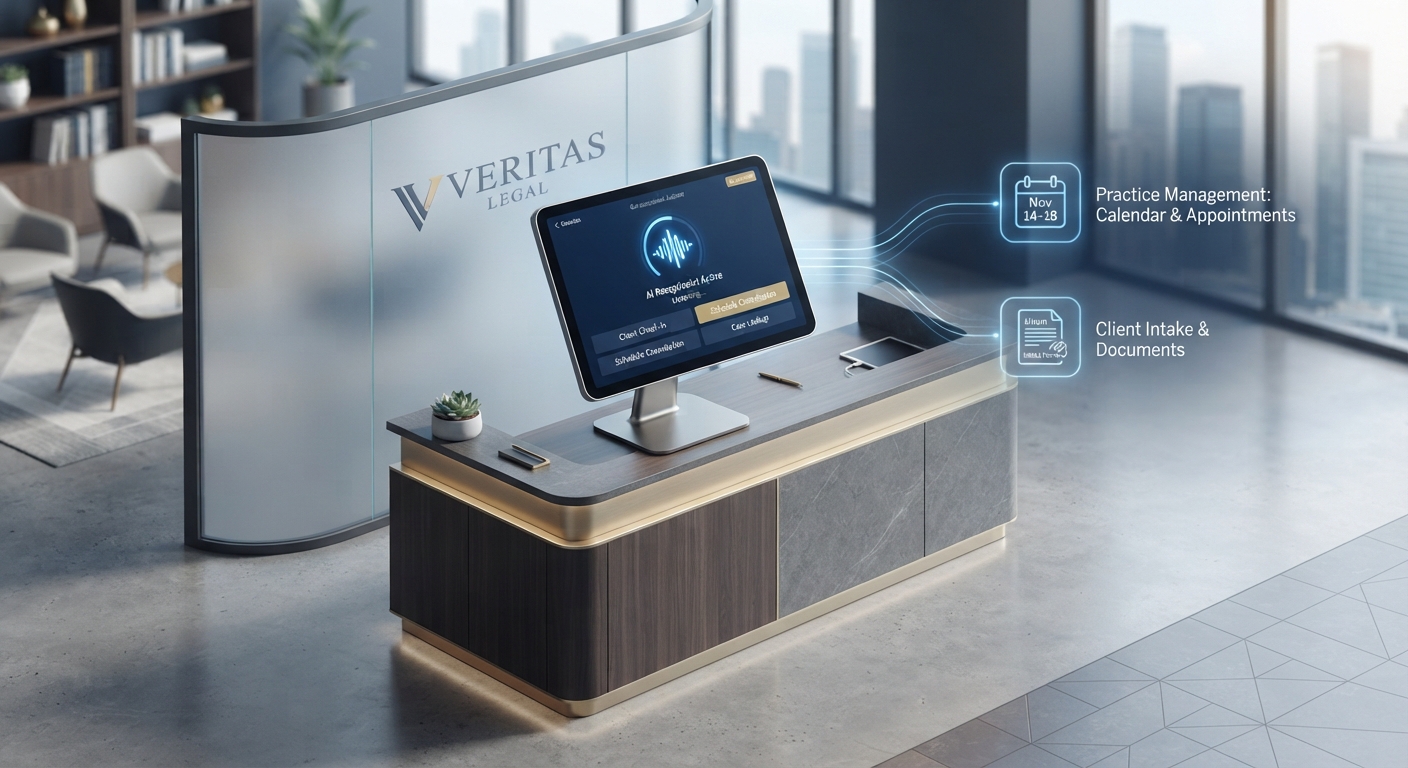
Diagram 5 breaks down how different industries utilize these features to capture more leads.

As previously discussed, the administrative burden is a universal problem. You didn't go to law school or beauty school to play secretary. According to Retail Tech Innovation Hub, virtual receptionists are already fixing the "customer experience" gap by giving people the instant answers they crave.
Wrapping it up: The 2026 Outlook
At the end of the day, the goal isn't to replace humans, but to stop humans from doing robot work. Whether you're a doctor, a lawyer, or a stylist, your time is better spent on the actual "work" rather than playing phone tag. By 2026, if your business phone still goes to a generic "leave a message" box, you're basically giving your competitors a head start. Switching to an ai receptionist is a small move that pays off by keeping your calendar full and your staff sane. If you haven't looked into it yet, now is probably the time before the labor market gets even tighter.