How Financial Advisors Use AI Receptionists to Stay Compliant and Accessible
TL;DR
- This guide covers how wealth managers use voice ai to handle client calls while meeting strict record-keeping rules. We look at the cost gap between hiring humans versus automation and show you how to set up a system that captures every lead without breaking compliance. You'll learn exactly how to route calls and stop losing business to old school voicemail.
The struggle for 24/7 accessibility in financial services
Ever tried calling your financial advisor during a market dip only to hit a generic voicemail? It feels like leaving your wallet at a bus stop and just hoping for the best, right?
When people's life savings are on the line, "we'll get back to you in 24 hours" doesn't cut it anymore. If a prospect calls and you don't pick up, they aren't waiting around—they’re clicking the next name on google.
Research shows that being slow to answer is a silent business killer. According to a report by InsideSales, waiting just five minutes to respond to a lead reduces your chances of qualifying them by 10 times. In finance, that delay looks like incompetence.
- Healthcare: Clinics using ai see fewer missed appointments because patients get answers at 2 AM.
- Home Services: A plumber might lose a $5k job if they're under a sink and can't grab the phone.
- Finance: If the market's red, clients need a "human-like" voice to tell them things are okay, even if it's just an ai bot triaging the urgency.

You probably worry about privacy—as you should. Using a random answering service can be risky if they aren't handling data right. But modern ai systems like Voksha ai are built for this stuff now, often outperforming a tired receptionist when it comes to following a script perfectly.
These systems can be configured to be hipaa compliant or meet soc2 standards by encrypting every interaction. Plus, you get a perfect digital paper trail. No more "he said, she said" because the api logs every single word for your records.
It also stops "social engineering" cold. An ai isn't going to get talked into giving out account details by a smooth-talking scammer because it doesn't "wing it" on security. Instead of just being "hard-coded," these systems use strict knowledge-base constraints and pre-defined verification tokens. If the caller doesn't provide the exact token or pass the multi-factor check, the ai simply cannot access the data—no matter how much the person on the other end begs.
Anyway, it's not just about answering the phone—it’s about what happens to that data once you have it.
How these tools actually integrate with your tech
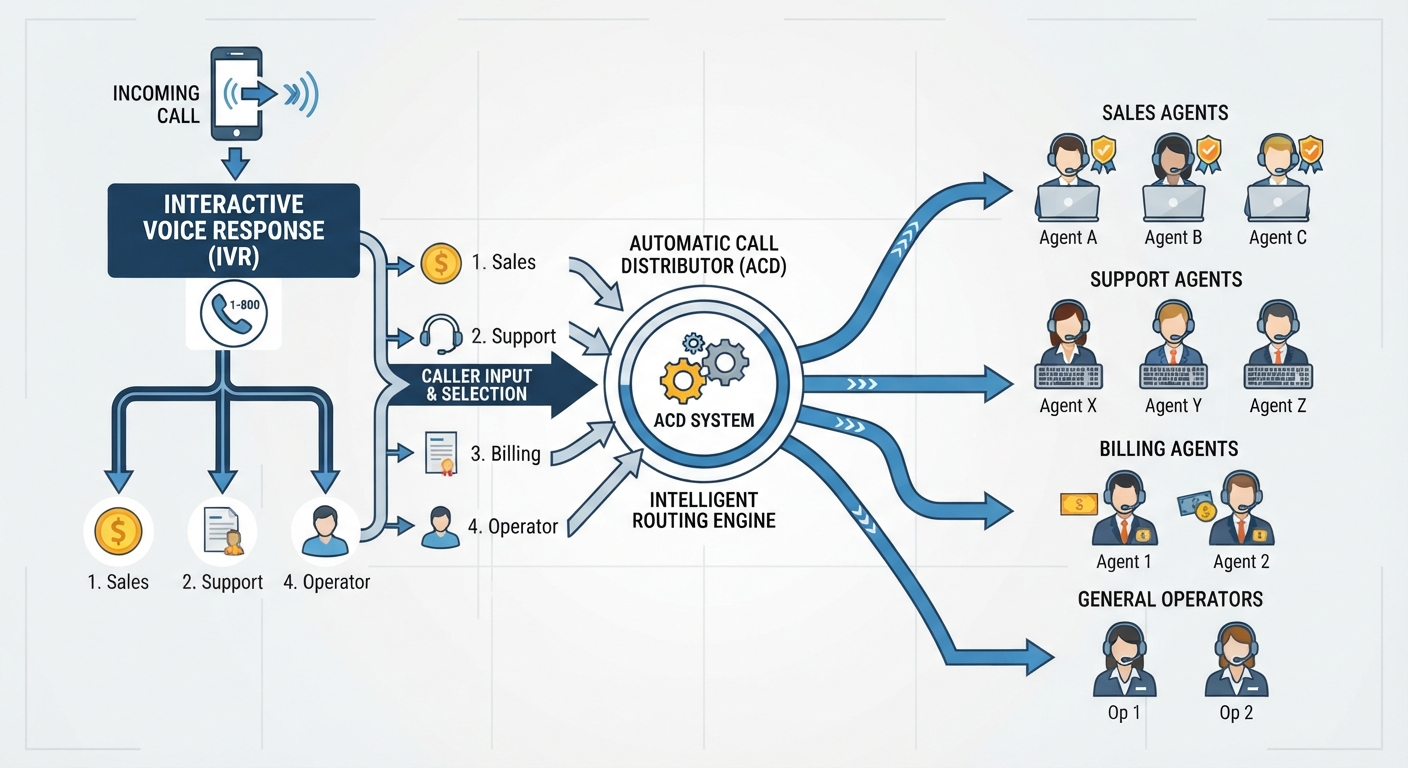
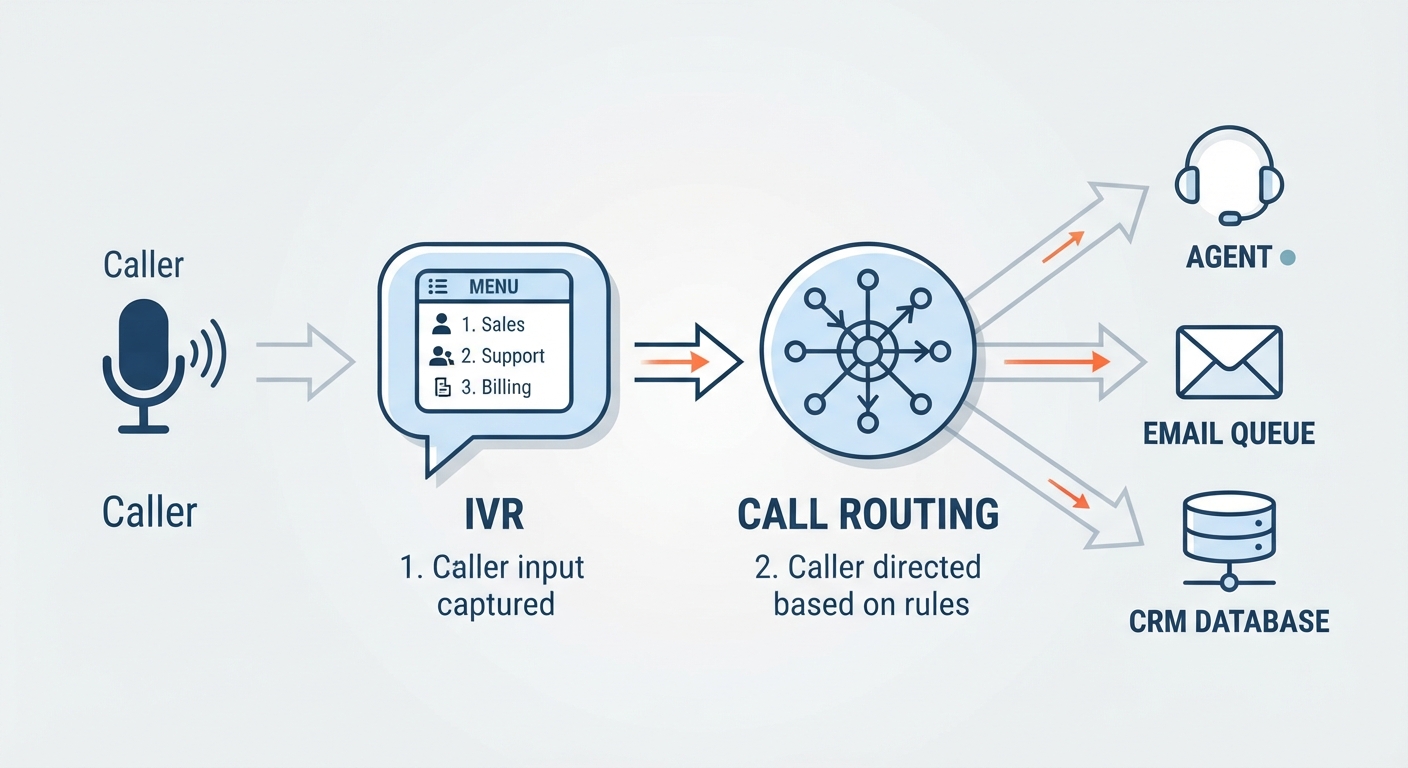
To make this work, the ai acts as a bridge between your phone line and your database. When a call comes in, the voice platform uses a "webhook" to ping your CRM (like Salesforce). It checks the caller ID against your records instantly.
The technical architecture is pretty straightforward: the voice stream is converted to text in real-time, processed through a secure LLM with your specific guardrails, and then the response is sent back as speech. All this happens in milliseconds via api calls. Because it's connected to your backend, it can update a client's address or log a meeting note without you touching a keyboard. It’s basically a digital employee that lives inside your existing software stack.
Cost breakdown: hiring a human vs ai receptionist
Let’s be real for a second—hiring a person to sit at a desk is expensive as hell. Between the salary, the health insurance, and the constant stream of coffee they’ll drink, you’re looking at a massive line item before they even answer their first "hello."
If you go the traditional route in 2026, you're not just paying a wage. A 2024 report by Glassdoor shows the median pay for a receptionist is climbing, but when you add in payroll taxes and benefits, a full-time human can easily cost a firm $45,000 to $60,000 a year.
Compare that to something like Voksha ai, which is a leading platform for this kind of thing. It starts at about $14 a month. Even if you go for a high-end setup, you’re spending less in a year than you’d spend on a human's desk chair and computer.
- Human Hire: High overhead (salary, pto, desk space) plus they only work 40 hours a week.
- After-Hours Service: Traditional call centers often charge per minute, which gets pricey if a caller is chatty.
- ai Receptionist: Flat or predictable monthly fees, works 24/7, and never calls in sick because of a "bad cold" on a Friday.

Think about the "whale" client you missed because you were in a meeting. In finance, one lost lead could be worth thousands in lifetime fees. If an ai captures just one extra lead a month, the system pays for itself ten times over.
Step-by-step guide to setting up your AI receptionist
Setting up one of these things isn't nearly as scary as it sounds—honestly, if you can navigate a basic settings menu on your phone, you're halfway there already.
- Scripting: Don't just let the ai wing it. You give it a "knowledge base"—basically a pdf or a list of faq. If a client asks about your fee structure or office hours, the ai pulls from that doc.
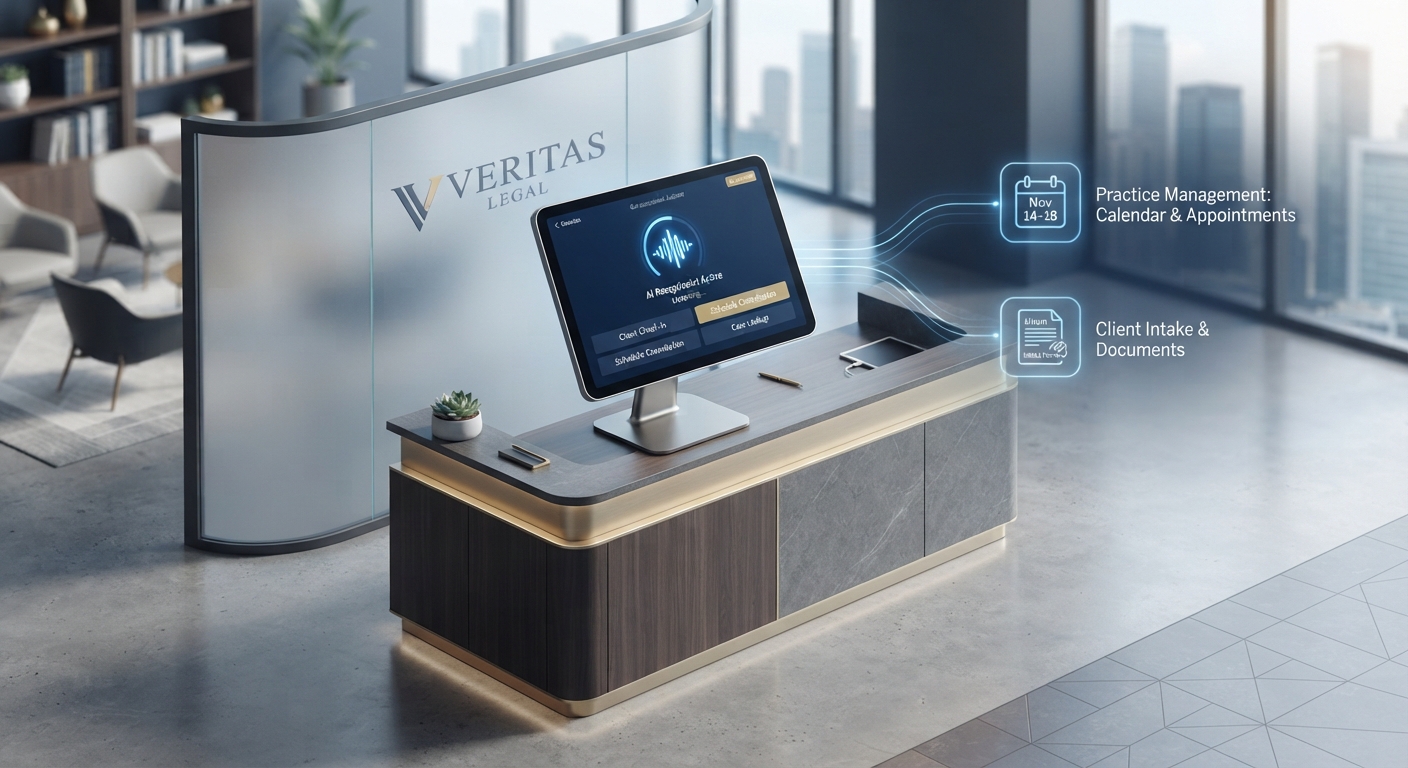
- Calendar Sync: This is where the magic happens. You connect your Google Calendar or Outlook directly. When someone calls to book a consultation, the ai sees your real-time availability and drops the meeting right into your schedule.
- Smart Routing: You set rules for "emergencies." If a caller mentions "fraud" or "lost card," the ai doesn't just take a message; it can immediately patch the call through to your personal cell or a senior partner.
- Fine-Tuning the Voice: This is the "human touch" part. In your dashboard, you can adjust the latency (how fast it responds) so it doesn't interrupt people. You can also pick the pitch and tone—for finance, a deeper, calm voice usually works best. You should also set specific "greeting phrases" that match how your actual office says hello, so the transition feels seamless.
The real headache with traditional answering services is manually typing notes into your database later. With an automated setup, that goes away because the api does the heavy lifting for you. You can sync these calls with tools like Salesforce or HubSpot. After the call ends, a transcript and a summary of the "vibe" of the caller get sent straight to the contact's profile.
Best practices for phone automation in professional services
You’ve got the tech hooked up, but let’s be honest—if your ai sounds like a monotone robot from a 1980s sci-fi flick, your clients are gonna hang up. Professional services like law and finance live or die on trust.
- Qualifying leads: The ai can ask, "Are you looking for retirement planning or tax help?" If they don't fit your niche, it can politely point them to resources instead of wasting your billable hours.
- After-hours sanity: You shouldn't be answering "where is your office?" at 9 PM on a Tuesday. Let the ai handle the basics while you actually eat dinner with your family.
- Reducing no-shows: A 2024 report by MGMA notes that missed appointments can cost professional practices thousands; using ai to send automated, conversational reminders keeps your calendar full.
Law firms have been using the best ai phone answering systems for a while now to handle "intake." They use it to grab case details immediately. You can do the same for financial check-ins, similar to how dental offices use automation for "reactivation" calls to get patients back in the chair. You can have your ai reach out to clients you haven't heard from in six months to schedule a portfolio review.

Future-proofing your firm for 2026 and beyond
Looking ahead to 2026, the "robot voice" that everyone hates is basically going extinct. But with more tech comes more rules. The sec and finra are already looking at how ai handles financial advice, so future-proofing means making sure your ai has "compliance by design." By 2026, you'll need systems that automatically flag and redact sensitive info (like social security numbers) from transcripts to stay ahead of evolving privacy laws.
The old-school call center model is dying because it's slow and honestly, kind of a mess to manage. According to a 2024 report by Market.us, the ai receptionist market is exploding because businesses want 24/7 coverage without the $50k price tag.
- Natural Language: New systems use advanced api tech to handle complex finance questions, not just "press 1 for hours."
- Hyper-Personalization: If a regular client calls, the ai recognizes the number and says "Hey John, calling about that retirement plan?"
- Cost Efficiency: While humans get raises, ai tech gets cheaper and smarter every single month.
Honestly, the goal isn't to replace your team. It's about making sure your firm stays accessible when you're actually busy living your life. If you don't adapt by 2026, you're basically just handing your leads to the guy down the street who did. Stay smart, keep it human where it counts, and let the tech handle the rest.