How AI Receptionists Handle After-Hours Calls Without Missing a Beat
TL;DR
- This article covers the shift from traditional voicemail to 24/7 ai call handling. It includes a detailed cost comparison between hiring a receptionist versus using automated systems, a step-by-step setup guide for small businesses, and industry-specific strategies for law firms and salons to recover missed leads and reduce no-shows through intelligent after-hours automation.
The true cost of a silent phone after five pm
Ever felt that tiny jolt of anxiety when you're at dinner and see a business call pop up on your cell? You know if you don't pick up, they’re just gonna call the next guy on Google. Honestly, it's exhausting.
Most people just won't leave a message anymore. (Voicemail is Dead. Long live the Phone. – OpenCall AI Blog) They want answers right now, not a "we'll get back to you" recording from 1998. According to Gary Archer on LinkedIn, service businesses actually miss about 20% to 40% of their inbound calls—and those folks rarely ever try calling back.
- The Bounce Effect: If a law firm or plumber doesn't answer, the caller clicks the next search result in seconds.
- Ghost Leads: You spend money on ads just to let the lead vanish into a silent mailbox.
- Brand Damage: It makes a small shop look, well, too small to handle the work.

I've seen salons lose three bookings in one Sunday night just because nobody was there to say "yes, we have an opening." It's basically leaving money on the sidewalk.
Anyway, let's look at how these new ai systems actually talk to people so you can finally eat dinner in peace.
Comparing your options: ai vs virtual vs human receptionists
So you are looking at the bill and wondering if you really need a human sitting at that desk or if a bot can do it. It's a tough call because we’ve all been burned by those "press 1 for frustration" menus from ten years ago.
Hiring a full-time person in the US usually means a salary plus benefits, which adds up fast. (How Does Salary Work? (Plus Hourly vs Salary Pay) | Indeed.com) Traditional virtual answering services seem cheaper at first, but they often hit you with "per-minute" billing that gets crazy if you have a busy month. According to TeleCloud, ai receptionists are becoming the go-to because they offer 24/7 availability without the overhead of extra headcount.

The big difference is consistency and speed. A human call center needs training time, and if they have a high turnover, you're constantly re-explaining how your dental office handles emergency extractions. Thanks to huge jumps in Natural Language Processing (nlp), these systems now sound way more human and less like a robot from a 70s movie. An ai doesn't get tired or have a "bad day" where they sound grumpy to your best clients.
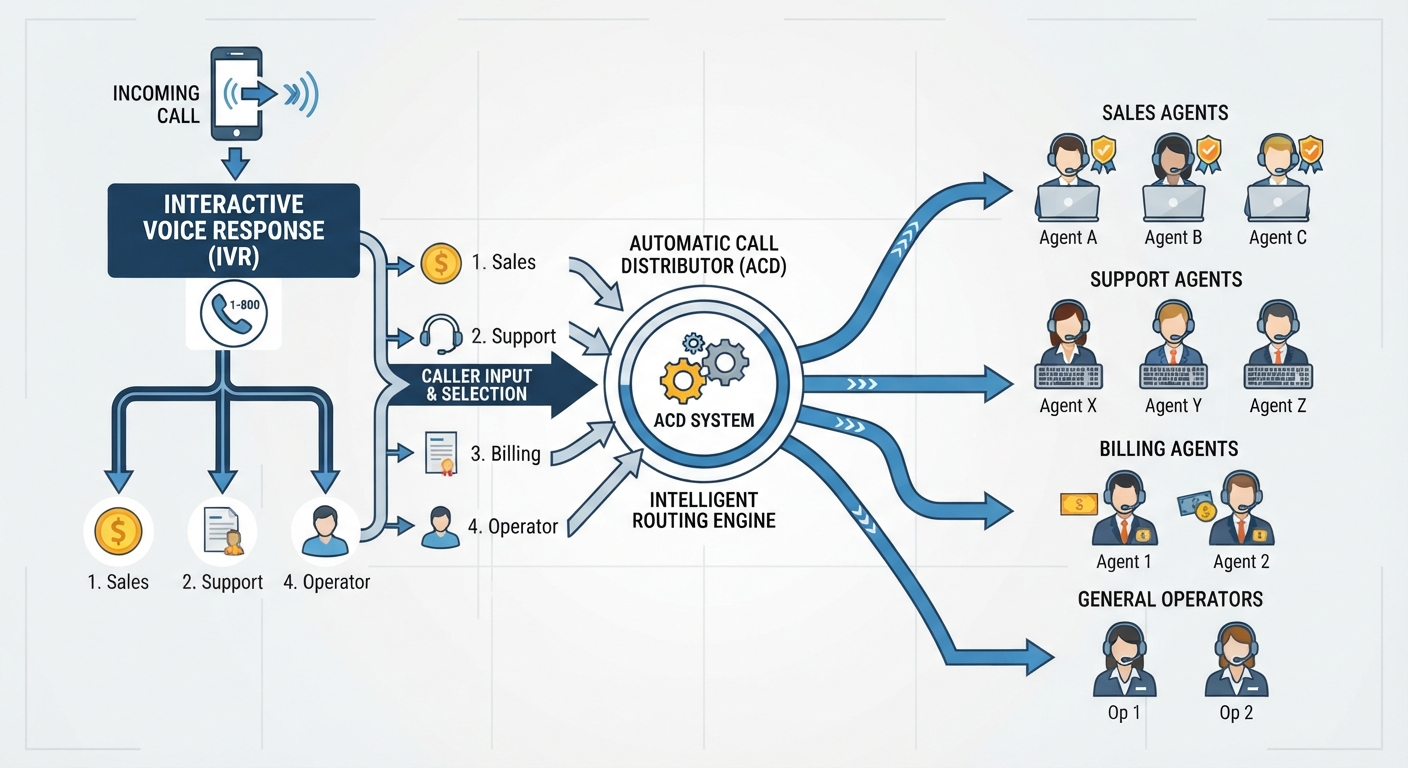
- Instant Scaling: If five people call at 5:01 PM, the ai answers all of them at once. A virtual assistant puts four on hold.
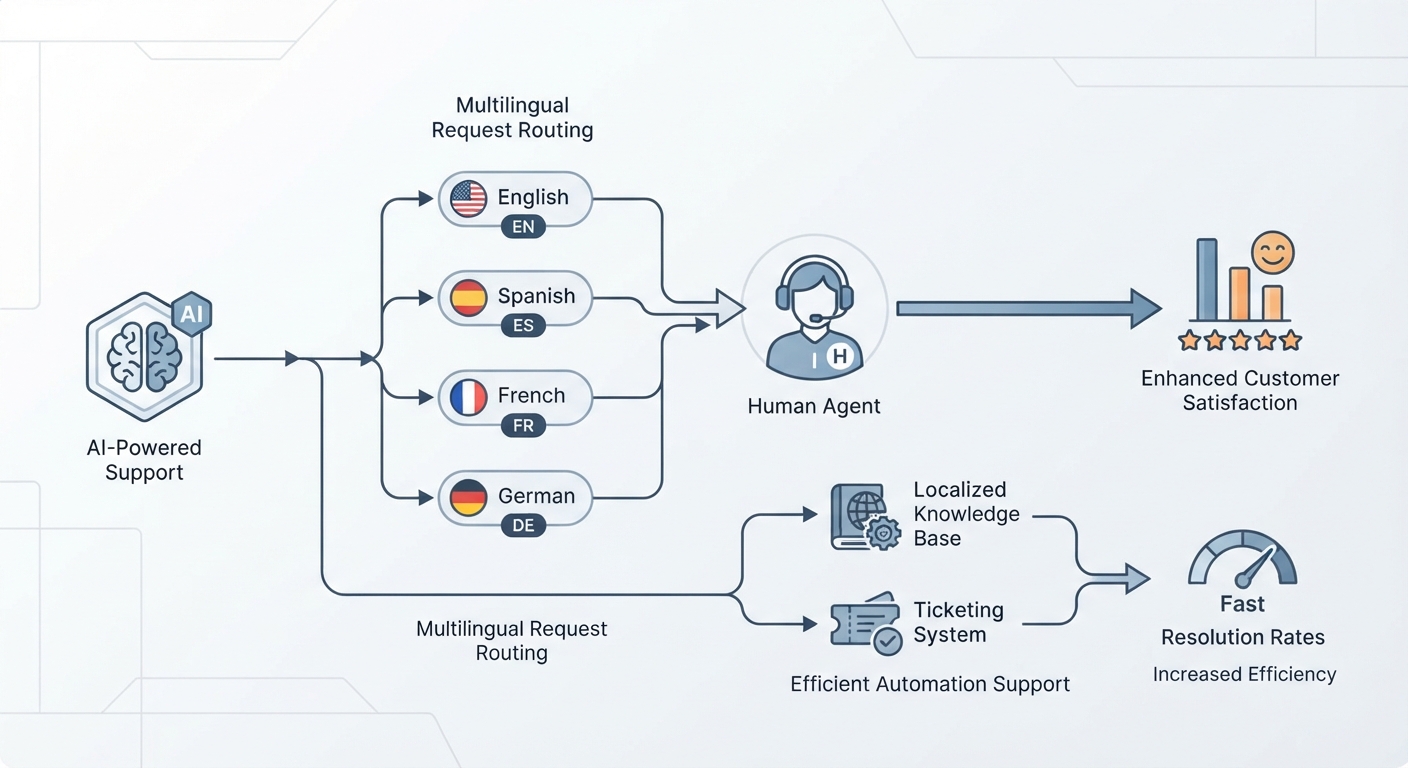
- CRM Syncing: Modern systems log everything to your google sheets or crm instantly. No more deciphering messy handwritten notes.
- Natural Conversations: These systems now sound friendly and can actually book the appointment, not just take a message.
According to TeleCloud, businesses often see a 70% drop in missed calls just by letting an ai handle the evening rush.
Next, let's talk about how to actually get one of these things running.
How to set up ai receptionist small business workflows
Setting up one of these things isn't nearly as scary as it sounds—honestly, if you can navigate a basic phone app, you can do this. You don't need a degree in computer science to get your front desk automated, just a clear idea of how you want your callers treated when you aren't there.
I've talked to folks who thought they’d be stuck in "tech hell" for weeks, but most modern systems can get live in a few minutes. Here is the basic flow for getting your ai receptionist off the ground:
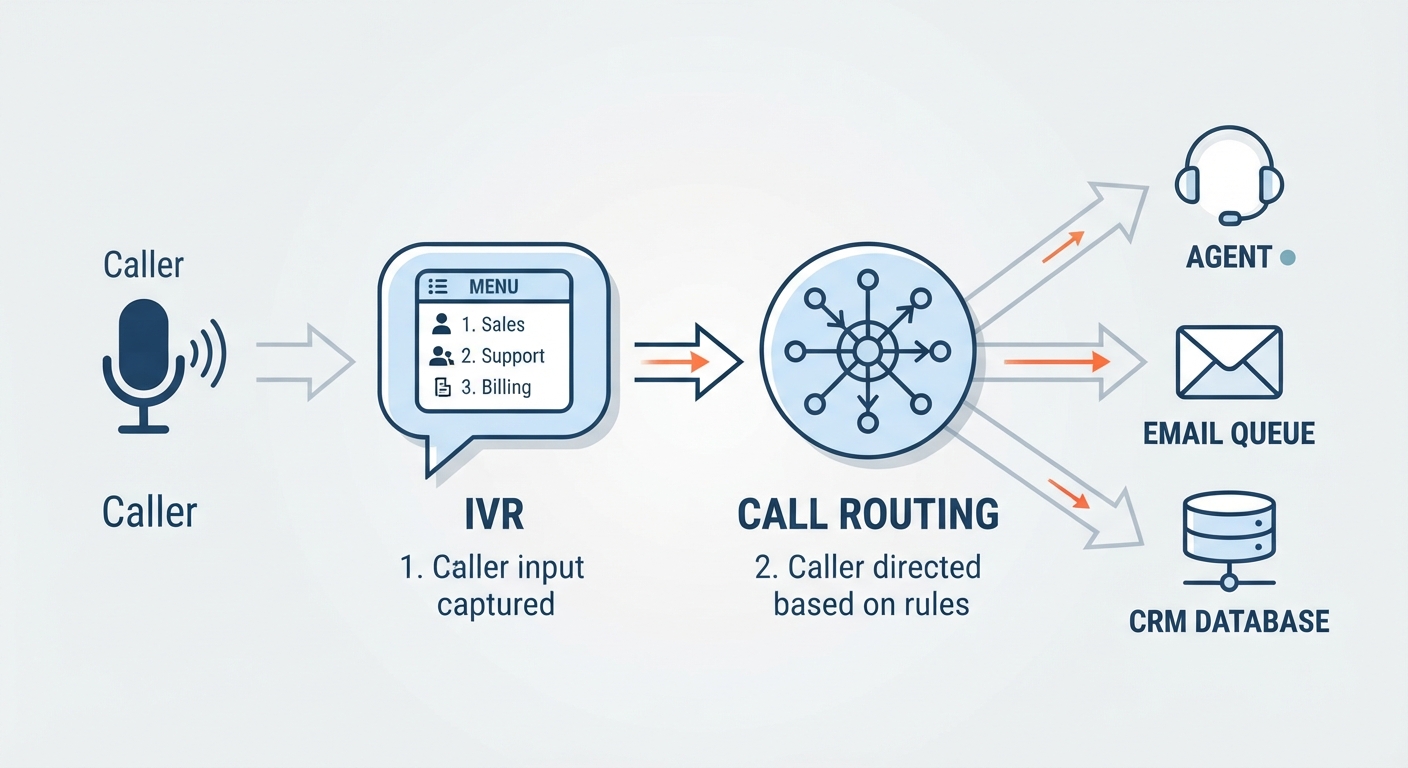
- Pick your "Hand-off" moments: Decide exactly when the bot takes over. Is it after the third ring? Only after 5 PM? Or maybe just when your receptionist is already on another line?
- Connect your brain (the crm): You gotta link the ai to the tools you already use, like Google Calendar for bookings or ServiceTitan for home service jobs. This way, it doesn't just take a message; it actually checks your real-time availability.
- Teach it your "Vibe": You can literally type out how you want it to say hello. If you're a law firm, maybe keep it formal; if you’re a salon, make it friendly and casual.

As mentioned earlier, starting simple is usually best. You don't have to automate your whole life on day one. Just letting it handle those late-night "what are your hours?" calls is a huge win.
Next, we're gonna dive into how different industries like healthcare and legal are using these tools to win.
Industry specific strategies for after hours success
Healthcare and legal pros know the drill—a call at 2 AM is rarely a "just checking in" situation. It's usually someone in pain or a person facing a massive legal crisis who needs to know they aren't shouting into a void.
For medical offices, staying hipaa compliant is the big hurdle. You can't just have any old bot taking down patient symptoms. To stay safe, you need to ask your vendor for a "Business Associate Agreement" (baa)—if they won't sign one, run the other way. Modern ai systems now use encrypted channels to handle intake, making sure sensitive data stays private while still booking that urgent consultation.
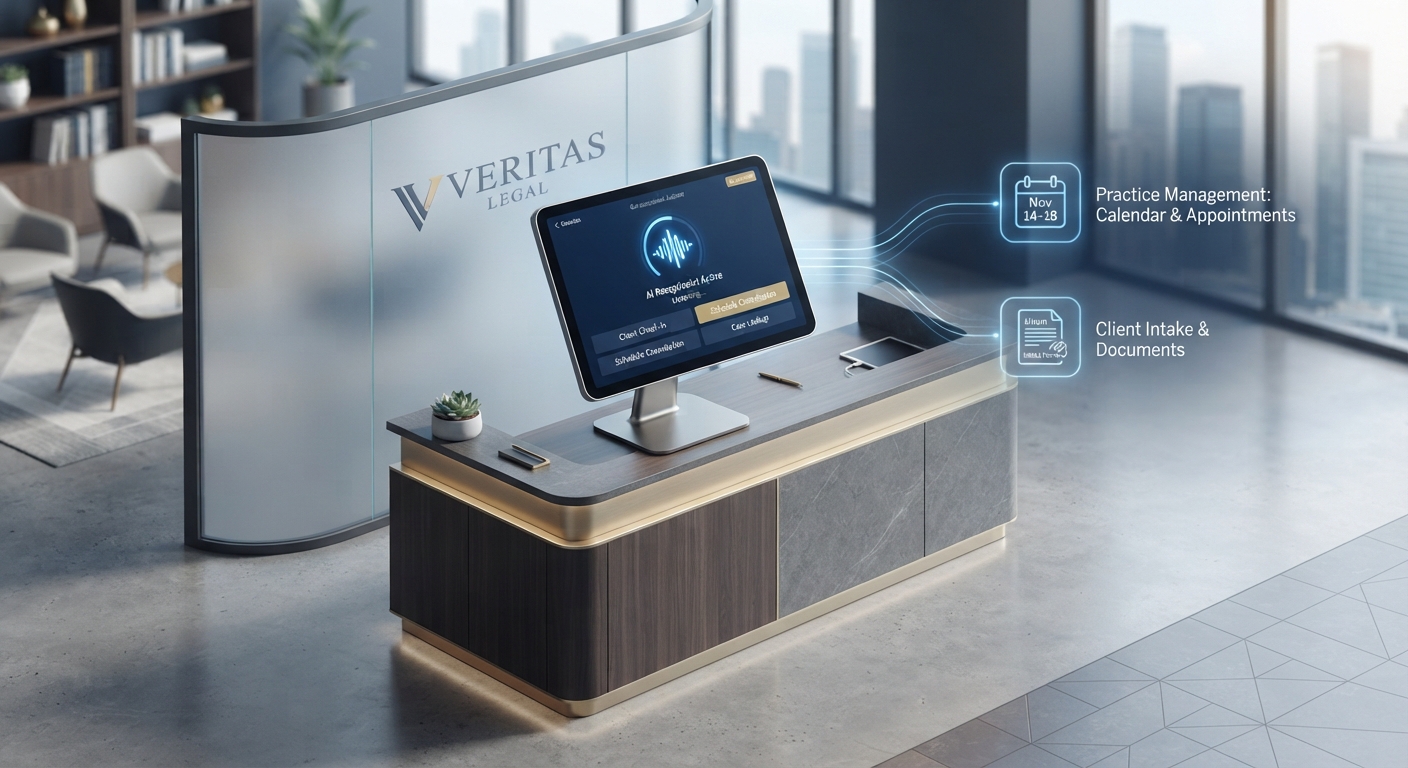
- Smart Intake: Law firms use these bots to qualify leads instantly. If it's a personal injury case, the ai asks the right questions before you even wake up.
- No-Show Killers: These systems send instant confirmations. Remember that stat from the intro about 20-40% missed calls? Catching these folks before they call the next lawyer is how you grow.
- Emergency Routing: In a clinic, the ai can tell the difference between a billing question and a medical emergency, routing the latter to your on-call team immediately.
Salons and plumbers live on their calendars. If a pipe bursts at midnight, that homeowner is calling the first person who answers.
- After-Hours Booking: I've seen stylists wake up to a full Monday morning schedule because the ai booked three haircuts while they were asleep.
- Dispatch Logic: For hvac or plumbing, the ai can collect the job address and severity, then ping the technician's phone.
As mentioned earlier, these tools don't just take notes; they act like a tireless employee. Next, let's talk about the actual dollars and cents of it all.
The ROI of never missing a beat
Ever wonder how much cash you're actually tossing in the trash every time a call goes to voicemail at 6 PM? It’s a lot more than just a missed message; it’s a lost relationship before it even starts.
To find your true roi, you gotta look at the math of Customer Lifetime Value (clv) versus the cost of the tech. If a new dental patient is worth $300 and you miss five calls a week, that’s $1,500 gone every single week. Compare that to an ai system that might cost $50 to $200 a month. The math is pretty simple—if the bot catches just one lead a month, it's already paid for itself five times over.
- The Math of clv: Instead of looking at one-off calls, look at what that customer spends over a year. Missing one "emergency" call could cost you thousands in long-term revenue.
- Labor Savings: A human receptionist costs $3k-$4k a month plus taxes. An ai handles the same volume of after-hours traffic for less than the cost of a nice dinner out.
- Burnout Defense: Your staff stops drowning in "what are your hours?" calls, letting them focus on actual patients or clients which saves you money on hiring and turnover.

Honestly, the peace of mind is the biggest win. No more checking your phone during family movies. Just set the workflow and let the tech do the heavy lifting.