Virtual Receptionist vs. AI Receptionist: Which One Never Sends a Caller to Voicemail?
TL;DR
- ✓ Traditional virtual receptionists struggle with high call volumes and capacity limits.
- ✓ AI receptionists provide infinite, tireless scale to handle thousands of calls simultaneously.
- ✓ A hybrid model combines AI efficiency with human empathy to eliminate voicemail forever.
- ✓ Intelligent call routing ensures routine queries are automated and complex issues get human attention.
If you’re still forcing your callers to listen to a "beep" followed by a hollow request to leave a message, you aren’t just running a business—you’re running a lead graveyard.
In 2026, the mandate is simple: if the phone rings, it gets answered. Period.
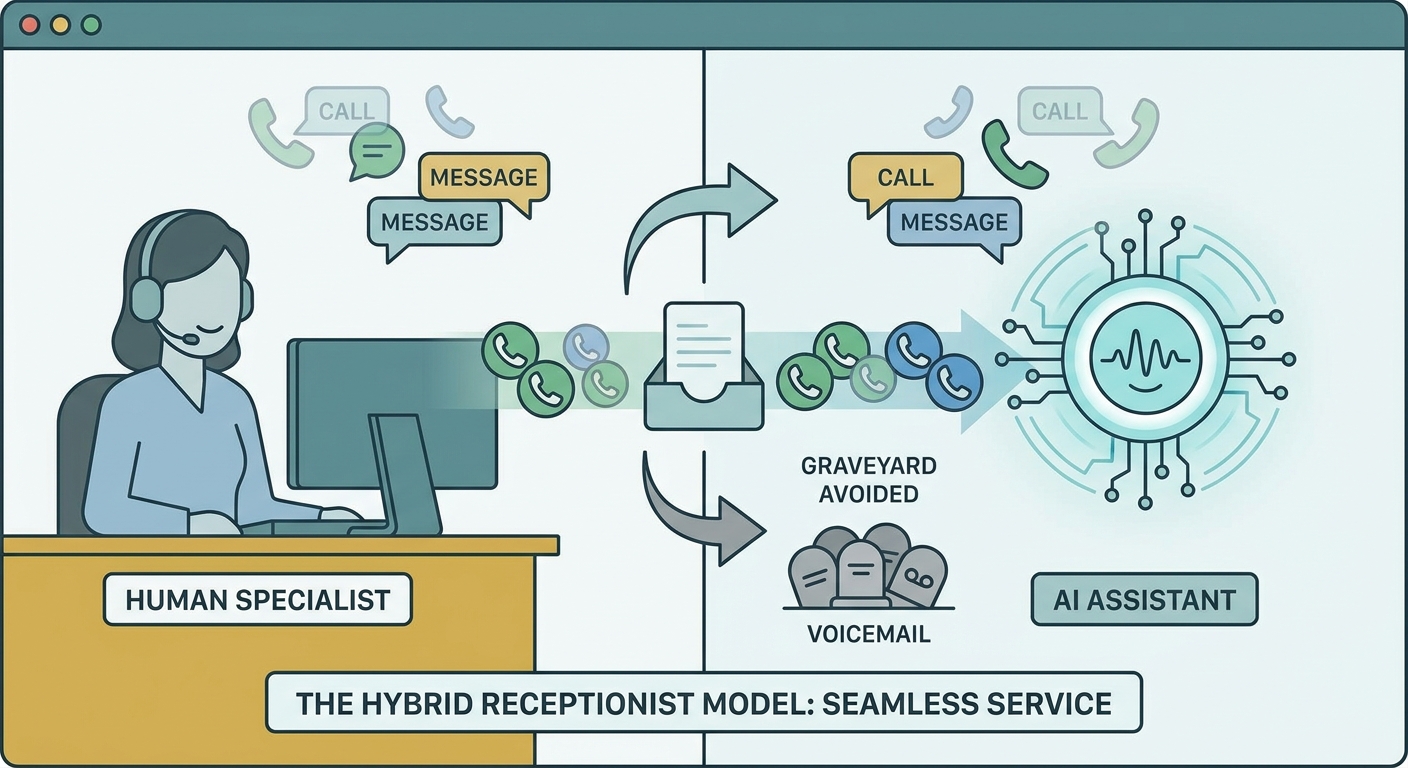
Relying solely on a human virtual receptionist leaves you vulnerable to capacity crunches. Relying solely on AI can leave a caller feeling like they’re shouting into a digital void. The only way to kill the voicemail for good is the hybrid model. It’s the perfect marriage of infinite, tireless scale and genuine human empathy. By deploying an intelligent, automated filter that knows exactly when to handle a query and when to pass the baton, you ensure that no caller ever hits a dead end.
Defining the Contenders: What’s the Real Difference?
To stop the voicemail plague, you need to understand the tools in your arsenal.
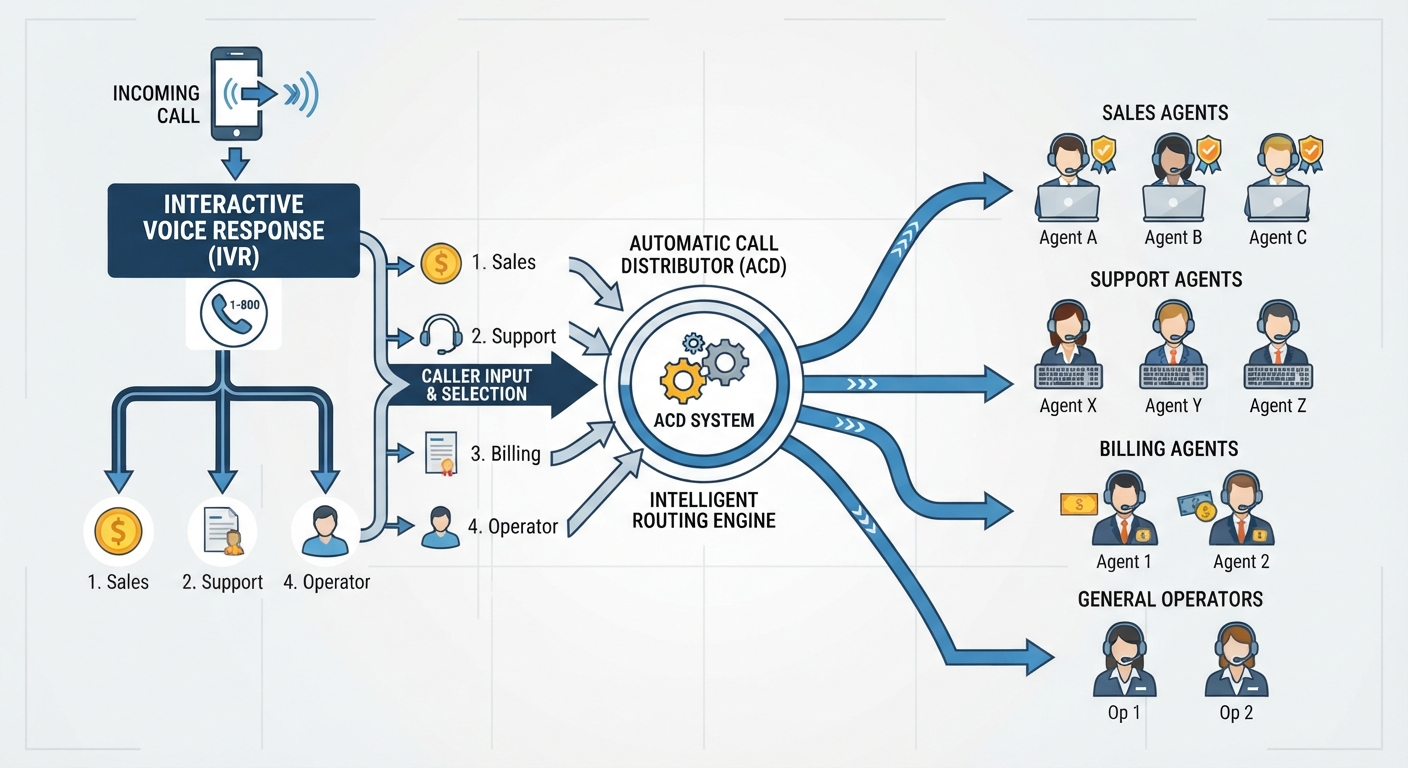
A virtual receptionist is a human-in-the-loop service. These are trained professionals who answer calls on your behalf, usually following a set script. They are the gold standard for high-touch, emotional, or complex situations where a caller needs to feel heard, not just processed.
An AI receptionist, on the other hand, is conversational software—a sophisticated, voice-enabled intelligence that handles thousands of concurrent calls without breaking a sweat. It doesn't take lunch breaks, it doesn't get sick, and it never has a bad day. For a deeper breakdown of the nuances, you can review this guide on AI Receptionist vs. Virtual Receptionist vs. Answering Service. Understanding these differences is critical because, as noted by Fits Small Business, the "human" element is often a premium service, while the "AI" element is a scalable utility.
Which One Truly Guarantees "No Voicemail"?
The Achilles' heel of the traditional virtual receptionist is capacity. Even the best teams have a limit. When a marketing campaign hits or your phone lines suddenly light up, the human queue overflows. When the lines are full, the only destination left is the voicemail.
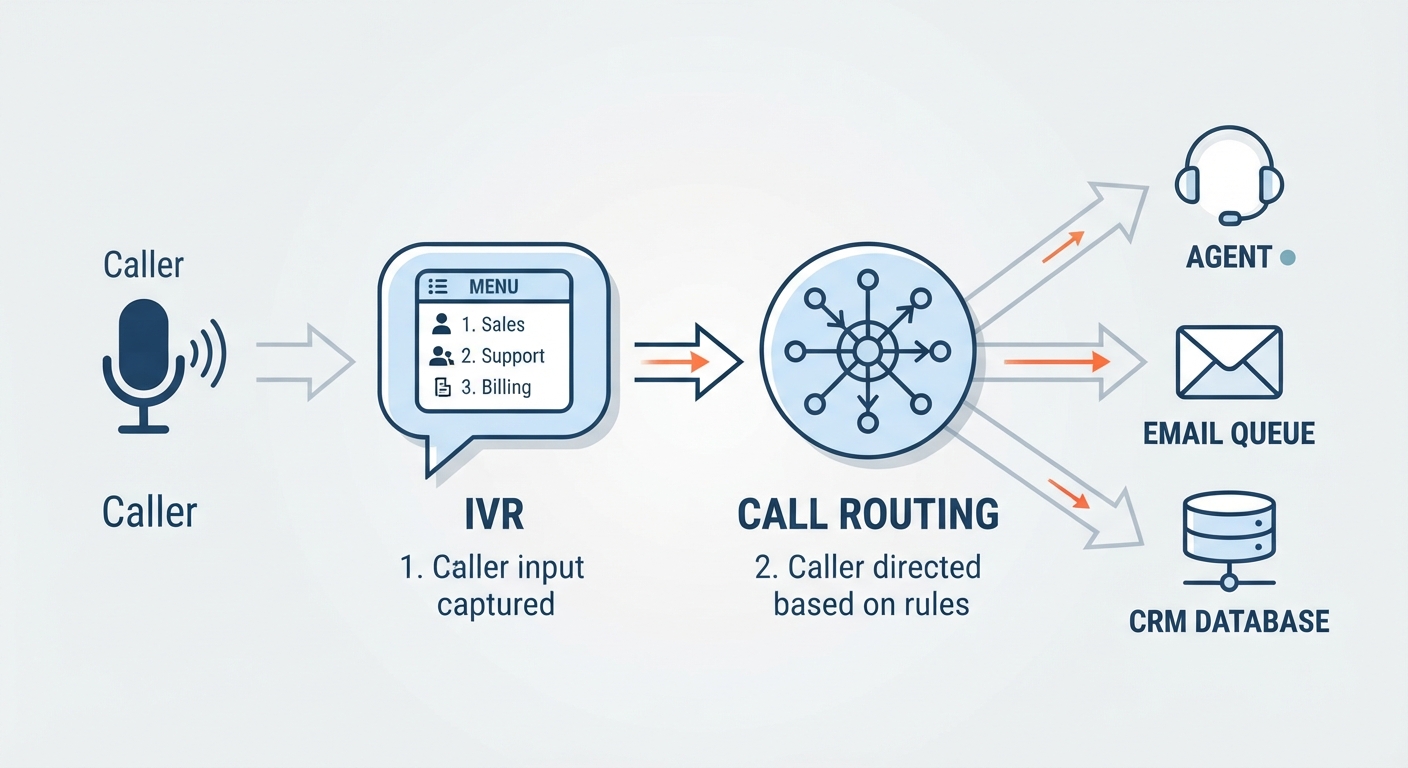
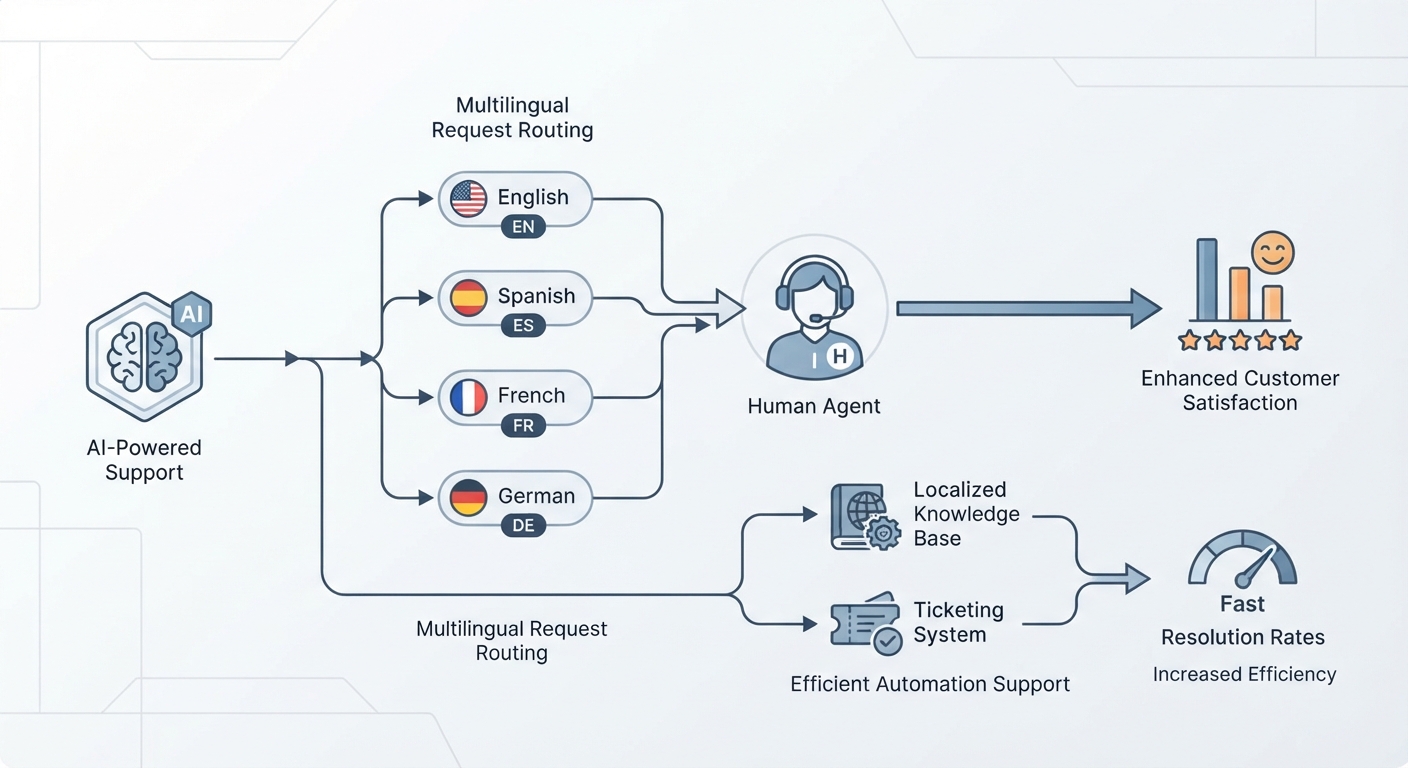
AI, however, is relentless. It doesn't "get busy." It can scale to handle ten calls or ten thousand calls with the exact same latency. To achieve a zero-percent voicemail environment, you must implement an intelligent hand-off. The AI acts as the primary gatekeeper, addressing routine scheduling, FAQs, and data intake, while reserving human intervention for high-value moments that require genuine nuance.
As the flowchart above shows, the "No Voicemail" mandate is a structural design choice, not just a service level. By routing through an AI filter first, you resolve simple requests instantly, which sky-rockets your conversion metrics. According to research on the impact of response time on lead conversion, the speed of your response is the single most important factor in whether a lead actually becomes a client.
The ROI Battle: Cost vs. Value
Let’s talk money. In 2026, paying a human salary for tasks an AI can do perfectly is just bad business. AI receptionists are incredibly cost-effective, typically ranging from $20 to $50 per month. They are the undisputed kings of high-volume, routine lead capture. You can see how Voksha automates your front desk to understand how this shifts the financial burden away from manual labor.
However, human receptionists—costing anywhere from $300 to $1,000+ per month—bring brand prestige. In high-stakes industries like boutique law firms or concierge medical practices, that "human touch" is a revenue driver. The strategy isn't to choose one or the other; it’s to use the AI to protect your bottom line by automating the mundane, allowing you to reallocate your budget toward humans who can actually close high-value deals.
Can AI Actually Handle "Human" Situations?
The "Empathy Gap" remains the final frontier. If a client calls in a state of distress—a plumbing emergency at 3:00 AM or a sensitive legal matter—they need to feel heard by a person. An AI, even with the most advanced conversational logic, can occasionally miss the subtle emotional cues that a skilled human picks up instantly.
This is why the transparency trend is so vital. Being honest with your callers—"I am an AI assistant helping to route your call"—builds more trust than a failed attempt to trick them. As Gartner’s insights on the state of conversational AI in 2026 suggest, users are increasingly comfortable interacting with machines, provided the machine is competent and transparent about its role.
The Hybrid Strategy: The "Intelligent Hand-off"
Moving away from an "either/or" mentality to an "AI-first, Human-second" framework is the hallmark of a mature business. By configuring your phone system to prioritize the AI for immediate capture and seamless CRM integration, you ensure that no lead is ever left hanging.
| Feature | AI Receptionist | Virtual Receptionist | Hybrid Model |
|---|---|---|---|
| 24/7 Availability | Yes | No | Yes |
| Cost | Low | High | Medium |
| Empathy | Low | High | High |
| Complex Logic | Moderate | High | High |
| Data Integration | Seamless | Manual/Varied | Seamless |
This hybrid model ensures your human staff isn't bogged down by callers asking for office hours or trying to reschedule an appointment that could be handled by a bot in seconds.
Industry Deep Dive: Who Needs What?
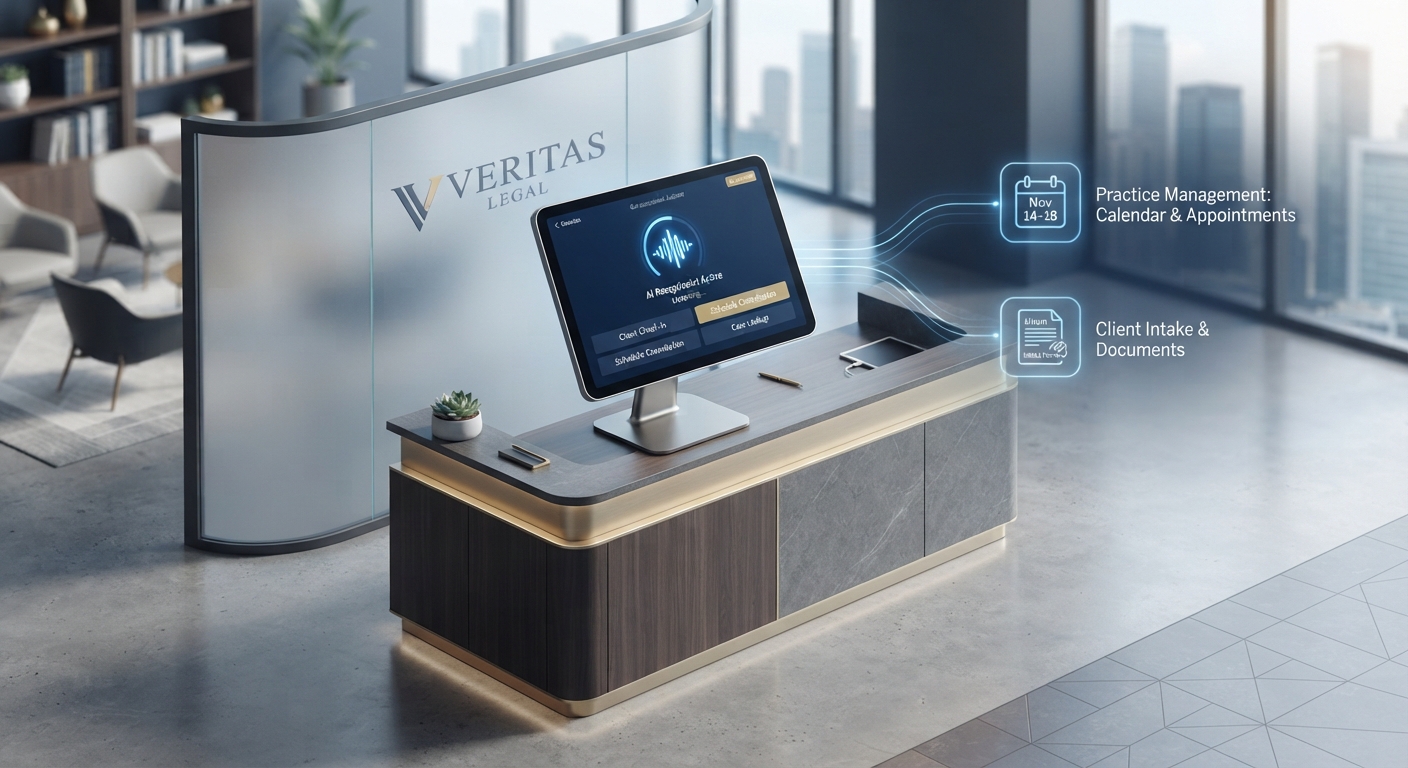
For industries like Medical and Law, where the stakes are high, a human-heavy hybrid model is non-negotiable. The AI handles the appointment intake, but the delicate, high-stress calls are routed to a human professional.
Conversely, Home Services and E-commerce businesses often lose 40% or more of their leads simply because they cannot answer the phone during peak service hours. In these sectors, the "No Voicemail" mandate is an existential necessity. An AI receptionist can capture the lead, verify the service area, and book the appointment into the CRM before the caller even considers hanging up.
Frequently Asked Questions
Can an AI receptionist handle complex questions, or just basic FAQs?
Modern AI receptionists have evolved beyond simple keyword matching. They can now handle complex, multi-turn conversations, look up information in your internal database, and execute multi-step workflows like booking appointments or updating customer profiles in real-time.
Will my customers realize they are talking to an AI, and does it matter?
Yes, most customers will realize it, and in 2026, it generally does not matter as long as the AI is efficient. Transparency actually builds trust; when a caller knows they are speaking to an AI, they often provide more concise information, which helps the bot solve their problem faster.
Which option is more cost-effective for a business with fluctuating call volumes?
An AI receptionist is significantly more cost-effective for fluctuating volumes. Because you aren't paying for "seats" or "minutes" in the same way you do with human services, the AI scales perfectly with your call spikes without increasing your overhead.
Can a hybrid model (AI + Human) be set up to ensure no call ever goes to voicemail?
Absolutely. By using the AI as a 24/7 front-line filter, you can configure your system so that if the AI is unable to resolve a query, it immediately alerts a human or adds the request to a priority queue for a callback, ensuring the chain of communication remains unbroken.