HIPAA-compliant RAG architectures for medical appointment scheduling
TL;DR
- This guide covers how to build secure rag systems for healthcare offices that need to automate phone calls without breaking hipaa rules. We look at combining vector databases with secure ai to handle patient data, reduce no-shows, and cut down on the high cost of hiring full-time medical receptionists while keeping everything private.
Understanding RAG in the medical office context
Ever feel like your office phone is a leaky bucket? You spend all this money on marketing just to have potential patients hang up because they’re put on hold or get a generic voicemail. Statistics show that about 67% of callers hang up if they don't reach a live person. In a medical office, that is a lost consultation or a procedure that never happens.
Honestly, it's a huge waste. That is where Retrieval-Augmented Generation—or rag—comes in to save your sanity. Think of it like giving a standard ai a "brain" filled specifically with your clinic's actual data.
Basically, generic ai models like ChatGPT are smart but they don't know your specific office hours or if Dr. Smith is out on Thursday. rag fixes this by pulling real info from your files before it answers a caller.
- Hyper-Specific Answers: Instead of saying "most clinics open at 9," the ai sees your calendar and says "we open at 8:30 today and have a slot at 2 pm."
- Reduced Hallucinations: Because it’s looking at a "source of truth" (your database), it stops making stuff up. The ai is strictly instructed to only answer based on the provided documents and to say "I don't know" if the info isn't there, which is huge for avoiding wrong medical advice.
- Better lead capture: It can actually book the appointment because it knows what's open, rather than just taking a message.

You can't just plug any bot into your phone system. If it’s touching patient names or health info, it has to be hipaa compliant. Most "off the shelf" bots fail here because they store data in ways that aren't encrypted right.
According to a 2023 report by compliancy group, healthcare data breaches cost an average of $10.93 million, making secure ai setups non-negotiable for even tiny practices.
You need a system that uses Business Associate Agreements (BAA) and keeps data encrypted while it's sitting there (at rest) and while it's moving (in transit).
So, how do we actually build this thing without breaking the law? Let's look at the tech stack.
The RAG Tech Stack: How it works
Before we talk about money, you gotta understand the pieces of the puzzle. A solid rag setup for a medical office usually has three main parts:
- The LLM (Large Language Model): This is the "voice" or the engine, like GPT-4. It handles the talking part but doesn't know your business yet.
- The Vector Database: This is where your clinic's specific info lives—like your scheduling rules, insurance lists, and faq. It stores data in a way the ai can "search" it in milliseconds.
- API Connectors: These are the bridges. They connect the ai to your actual phone line and your electronic health record (EHR) or calendar.
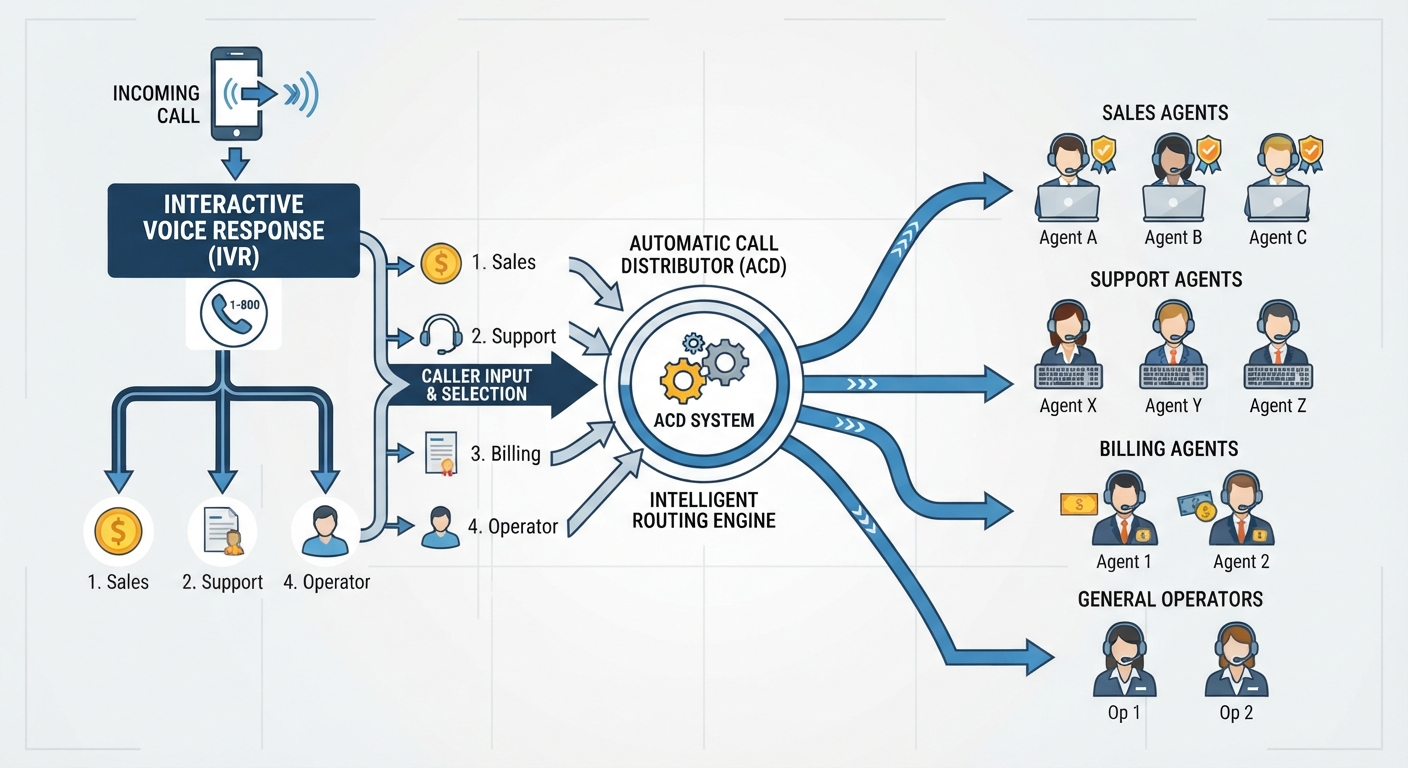
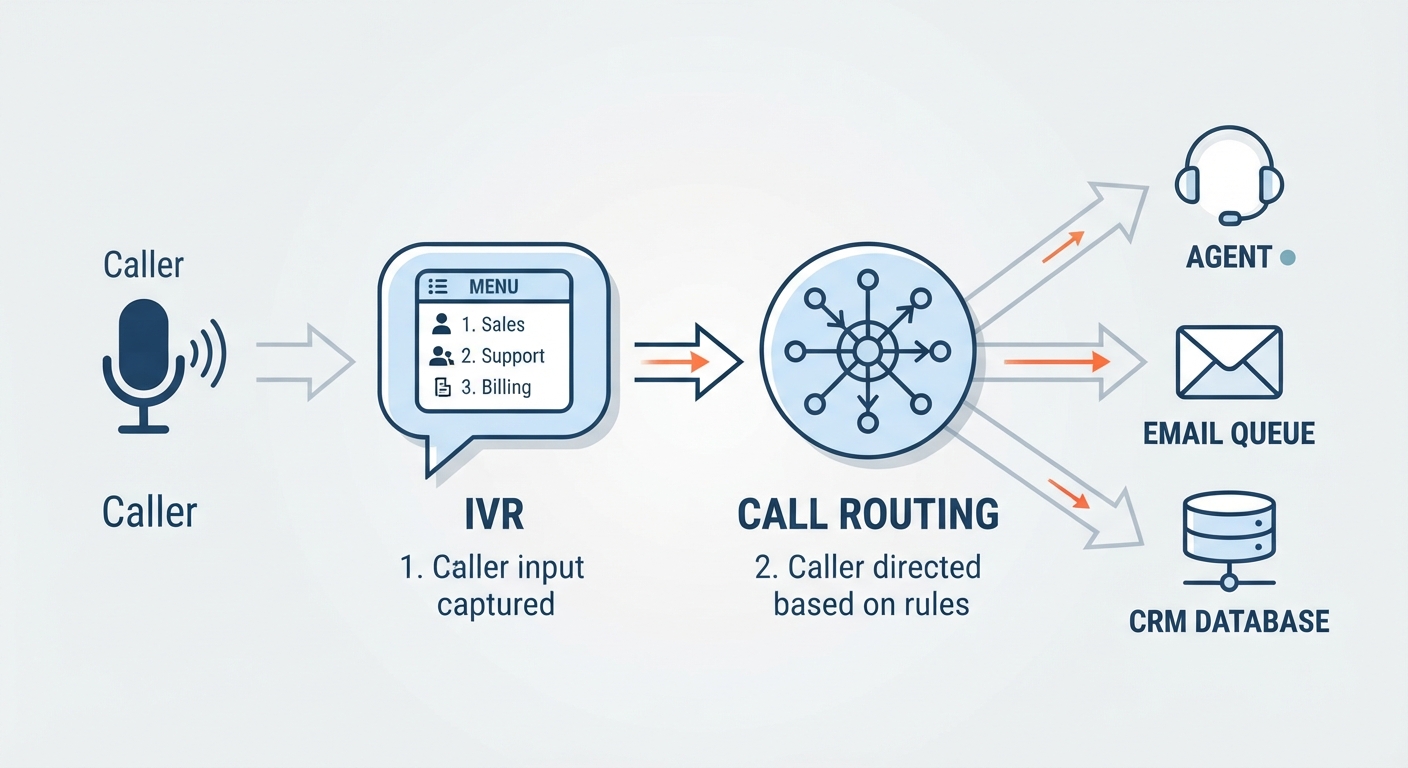
When a patient calls, the system uses an api to grab the audio, turns it to text, searches the vector database for the right answer, and then speaks back to the patient. It’s all happening in real-time.
Comparing costs: AI receptionist vs hiring a human
Let's be real—hiring a human for the front desk is getting insanely expensive. It’s not just the paycheck; it’s the taxes, the health insurance, and that one person who always calls out sick on your busiest Tuesday.
When you hire a person, you're paying way more than the hourly rate. You got training time (which usually takes weeks), workers' comp, and the messy cost of turnover. If a receptionist leaves after six months, you’re basically throwing thousands of dollars down the drain in lost productivity.
- Total Compensation: A $20/hour staffer actually costs closer to $30 when you add up benefits and payroll taxes. (That $20/hour roll? It's | Salt & Light Advisors - Facebook)
- Hidden Turnover: Replacing a medical worker can cost up to 20% of their annual salary just to find and train someone new. (The Real Costs of Healthcare Staff Turnover - Oracle)
- Answering Services: Traditional call centers are charging more because their own labor costs are spiking too.
According to a 2024 report by Glassdoor, the average base pay for medical receptionists keeps climbing, making it hard for small clinics to keep up without raising patient fees.
An ai receptionist doesn't need coffee breaks or a 401k. It answers on the first ring, every time.
- 24/7 Coverage: You capture leads at 9 PM on a Sunday without paying overtime.
- No-Show Reduction: The system can text patients to confirm, which cuts down on those annoying empty slots.
- Lead Capture: Instead of a "leave a message" beep, the ai actually books the appointment into your system.

Honestly, looking at the numbers, it's a no-brainer for a lean practice. But how do you actually build the tech side of this? Let's dive into the infrastructure.
Building the architecture for secure scheduling
So, you're sold on the idea but actually putting the pieces together feels like trying to build a rocket in your garage, right? It's honestly not that bad once you stop overthinking the "tech" part and focus on the workflow.
The infrastructure for a medical ai needs to be rock solid. You need a secure cloud environment where the data is siloed. This means your patient data isn't being used to train the general ai model—it stays in your private "vault."
When we talk about being soc2 and hipaa ready, it's about more than just encryption. soc2 is a framework that proves a service provider handles data securely at an organizational level—basically, it's proof they have strict internal controls to keep hackers out.
Setting this up usually involves:
- Data Ingestion: Feeding your office handbook and scheduling rules into the secure database.
- Prompt Engineering: Setting the "guardrails" so the ai knows it's a medical assistant, not a doctor.
- Integration: Using secure api calls to talk to your calendar (like Google or a medical CRM).
- Fail-safes: If someone calls with a medical emergency, the architecture must include a "hand-off" protocol to a human immediately.
A lot of folks use platforms like Voksha AI because they handle this infrastructure for you. It starts around $14/mo and they offer soc2 and hipaa ready setups right out of the box, so you aren't gambling with patient privacy.
Now that the infrastructure is explained, how do we make sure it actually converts callers into paying clients?
Best practices for phone automation in healthcare
Ever wonder how many patients you lose because they hate talking to machines? It’s a lot—people want answers now, but they don't want to feel like they are talking to a toaster.
The trick to good phone automation isn't just about the tech; it's about making the experience feel human while keeping the backend strictly professional.
- Instant gratification wins: Patients prefer booking a slot immediately over playing phone tag for three days. It's just easier for everyone.
- Reminders that stick: Automated texts are great, but ai can take it further by handling the "can I move my 2 pm to 4 pm?" reply without you lifting a finger.
A 2022 study by PatientPop found that over 60% of patients expect to be able to book or change appointments online or via automated systems without a phone call.

A lot of clinics use virtual receptionists—real people in a call center somewhere. But honestly, they can be a headache because they don't always have access to your live systems and they make mistakes.
Humans get tired or misspell a name, but an ai hooked into your database via rag is always "on" and always accurate. It syncs with your clinic software instantly, so there is no lag between a call and a calendar update.
And let's talk about after-hours. Hiring a service to pick up at 3 am is pricey. An ai system handles those midnight "I have a toothache" calls for pennies, and it can even triage whether it's a real emergency or just something for Monday morning.
When you implement this, just remember to be transparent. Tell callers they are talking to an ai assistant. Most people don't mind as long as their problem gets solved fast and their data stays safe. It’s all about building that trust while keeping your sanity intact.