Conversational AI vs Chatbots vs Voice Agents: What's the Difference
TL;DR
- This article breaks down the technical and practical differences between conversational ai, basic chatbots, and modern voice agents for business owners. We cover how these tools impact your bottom line, specifically comparing the roi of automated systems against traditional receptionist hiring. You will learn which technology actually helps with missed call recovery and how to set up an ai receptionist for your specific industry.
The basics of phone automation for small business
Ever feel like you're playing a high-stakes game of telephone where every missed call is basically throwing money in the trash? Honestly, for most small biz owners, the "phone system" is just a source of anxiety.
Before you go buying some fancy ai tool, you gotta know what you're actually paying for. Most people use "chatbot" and "voice agent" like they're the same thing, but picking the wrong one is a quick way to annoy your customers.
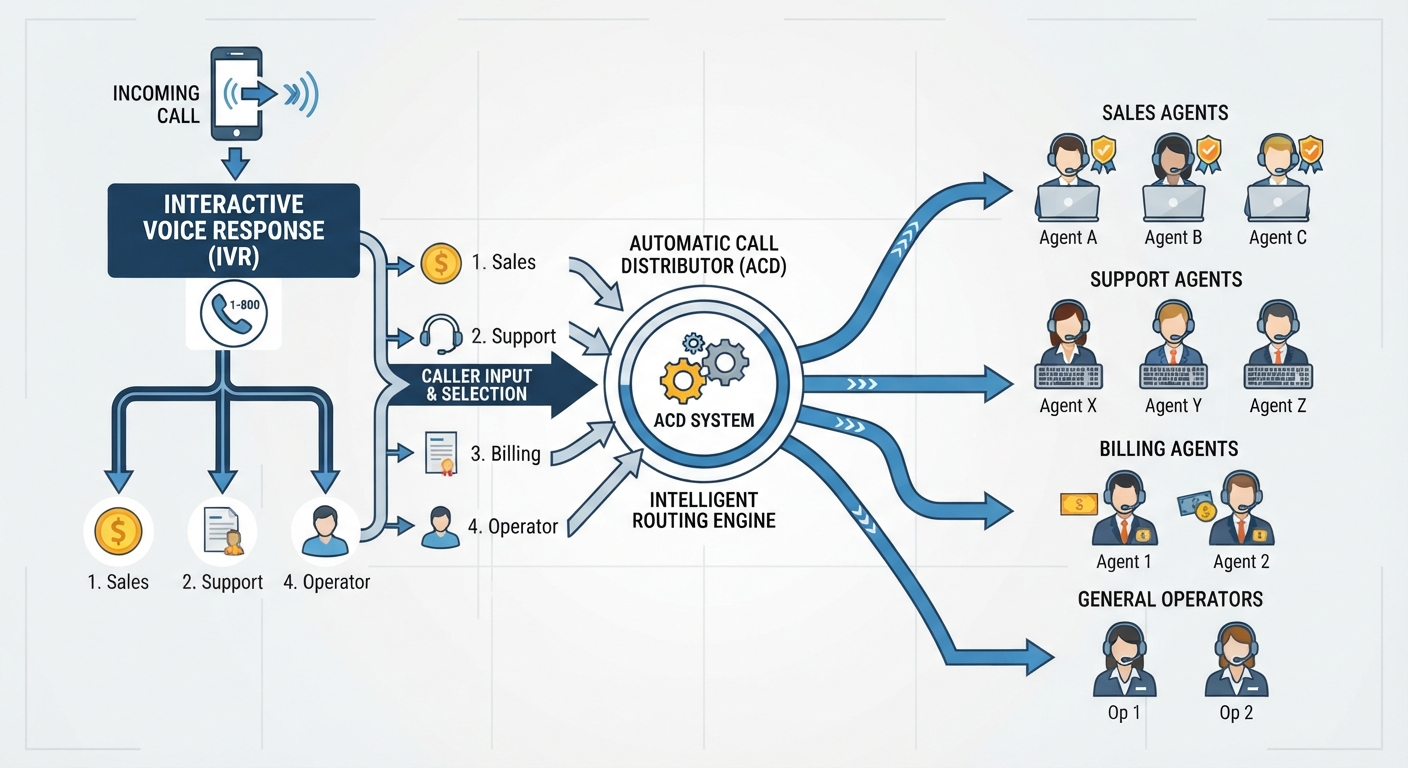
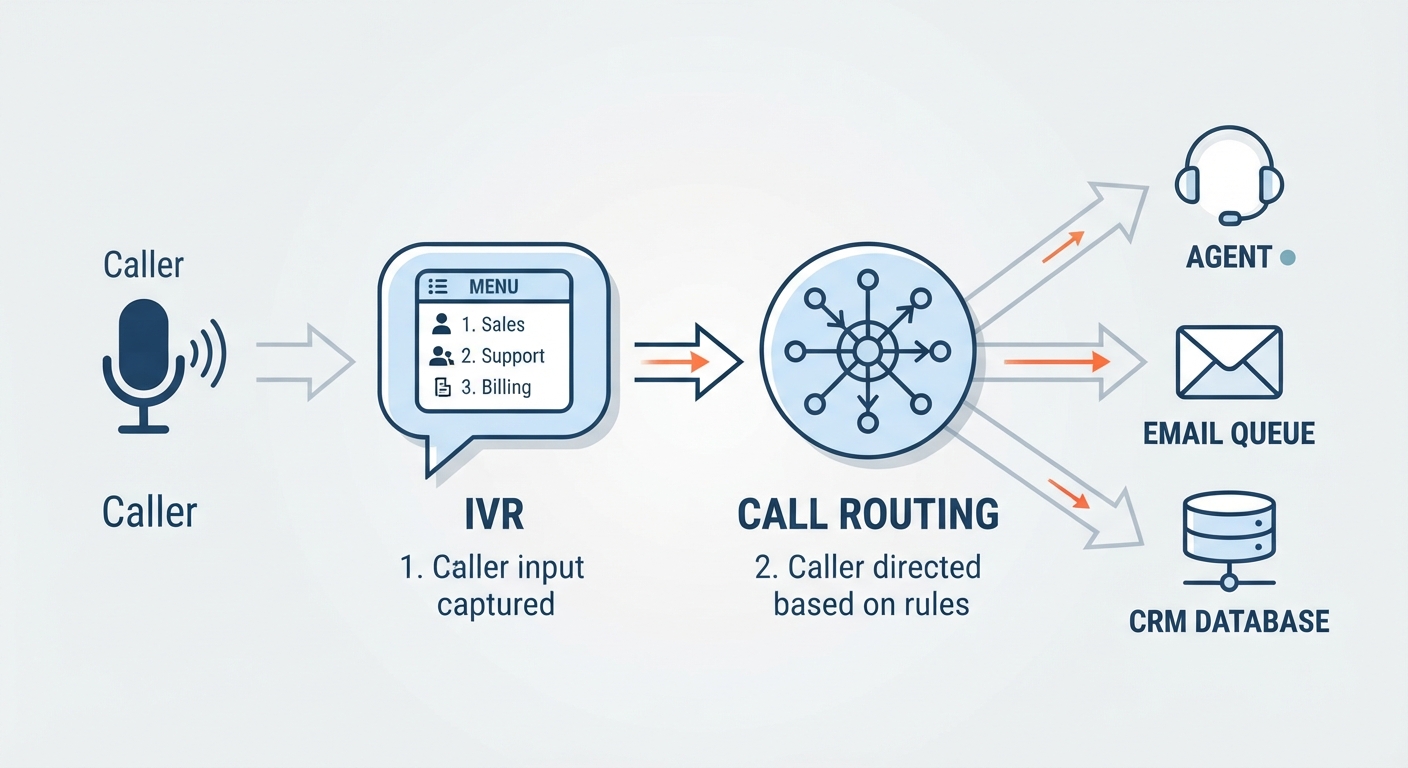
- The Basic IVR (Old School): You know the "press 1 for sales" menus? That's an IVR. It’s cheap, but it’s 2024 and people hate talking to robots that don't listen.
- Chatbots: These are usually text-based. Great for a retail site to track a package, but useless when a patient calls a dental office with a toothache.
- ai Voice Agents: This is the new stuff. It actually understands "hey, can I move my 3pm haircut to Tuesday?" without needing a specific button press.
A 2023 report by vapi highlights that voice ai can now handle complex scheduling tasks with under 2-second latency, making it feel almost like a real person.

I've seen law firms lose huge retainers just because they didn't have an after-hours solution. (Why do attorneys require retainers when other professional services ...) It’s not just about answering; it’s about the vibe you give off. If the tech feels clunky, your service feels clunky too.
Next, let's look at why a "smart" bot is usually better than the "scripted" ones we're used to.
What is a Chatbot anyway? (The Scripted Option)
So, you've probably seen those little bubbles on the bottom of websites that pop up saying "How can I help you?" That's your classic chatbot—the scripted option I mentioned earlier.
Honestly, they’re basically just digital flowcharts. If you ask something it doesn't know, it just breaks or gives you a generic "I don't understand" message. Not exactly the "future of tech" vibe most of us are looking for.
Most chatbots are rule-based. This means a human had to sit down and write out every single "if/then" scenario. If a customer types "pricing" it shows a link, but if they type "what's the damage to my wallet," the bot might just blink and do nothing.
- Website-locked: They usually live on a browser. If someone calls your law firm or dental clinic, a standard chatbot is totally useless.
- Scripted, not smart: They can't handle nuance. A salon client asking to "squeeze in a trim if someone cancels" is too complex for a basic bot that only understands fixed times.
- Data Silos: They often don't talk to your other apps. You end up with a lead in your chat history that never actually makes it into your CRM or calendar.
According to research from Intercom in 2024, about 60% of customers actually prefer waiting for a human than dealing with a bot that can't solve their specific problem. It shows that being "digital" isn't enough—you have to actually be helpful.

If you're running a medical office or a high-end service biz, these "dead-end" conversations are just a fast way to lose a patient. You need something that actually listens.
Next, let's dive into Conversational ai and see how the costs actually stack up against a human hire.
Voice Agents and Conversational AI: The new standard
If you've ever tried to "press 1 for service" while driving or juggling a toddler, you know how much those old menus suck. It feels like the company is actively trying to hide from you, which is a terrible way to run a business.
Modern voice agents are basically the opposite—they actually listen to what you're saying and do something about it. Instead of a digital dead-end, you get a system that feels like a real person who actually knows their job.
The biggest shift here isn't just the voice; it is the brain behind it. While a chatbot is stuck in a box on your website, a voice agent lives on your phone lines, handling the messy reality of human speech.
- Natural conversation: You don't have to talk like a robot. You can say "I need to cancel my root canal for tomorrow" and the ai gets it. It doesn't need a specific "trigger word" to understand you're in pain or just busy.
- Deep integrations: A good system doesn't just take a message. It connects to industry-specific management tools like ServiceTitan (for HVAC and plumbing) or Clio (for lawyers). It can actually check your calendar and book the appointment right then.
- 24/7 coverage for cheap: Hiring a night receptionist is expensive. A voice agent works at 3 am for basically the cost of a daily latte, making sure you never miss a high-value lead just because you were sleeping.
- Staying compliant: For my friends in healthcare, this is huge. Modern solutions are built with HIPAA compliance in mind, so you aren't accidentally leaking patient data while trying to be "techy."

I've seen dental offices cut their missed calls by 40% just by letting an ai handle the "is my insurance accepted?" questions. It frees up the real receptionist to actually talk to the people standing right in front of them.
According to a 2024 report by Cognizant, businesses using conversational ai have seen customer satisfaction scores jump because people get answers instantly instead of waiting on hold.
Now, let's look at the actual dollars and cents of ai versus a human staff member.
Cost breakdown: AI vs Hiring a Human Receptionist
Let's be real for a second—hiring a person is expensive. Like, "holy crap where did my profit go" expensive. When you factor in a $40k salary plus taxes and health insurance, you're looking at a massive overhead just to make sure the phone doesn't ring into the void.
Most owners just look at the hourly rate, but that's a trap. You gotta think about the "fully loaded" cost. Between payroll taxes, workers comp, and the weeks it takes to train someone on your specific scheduling software, that $20/hour receptionist actually costs you closer to $30 or $35.
- Benefits and overhead: Health insurance and 401k matches add up fast. Plus, you need a desk, a computer, and a license for your CRM.
- The Staff Reliability Issue: If your receptionist gets the flu or goes on vacation, who's answering the phone? This "staff no-show" means you're back to answering calls yourself, which means you aren't actually doing the work that pays the bills.
- ai price point: Most modern ai receptionists start around $50 to $150 a month. That is literally less than the cost of a single day of human labor.
A 2024 analysis by LegalJobs shows that the average legal receptionist salary is climbing, making it harder for solo firms to stay competitive without automation.

I've talked to hvac guys who were terrified of "replacing" people, but once they saw the ROI, they realized the ai isn't a replacement—it's a safety net. It catches the 6pm calls while the team is at home having dinner.
If you're missing just two $500 leads a month because your staff was "too busy" to pick up, that's $12,000 a year gone. The ai pays for itself by Tuesday.
Next, let's see how this actually works in different industries.
Industry specific use cases for Voice Agents
So, how does this actually look when the rubber meets the road? It’s one thing to talk about "automation," but it's another to see it save a chaotic Monday morning at a local clinic.
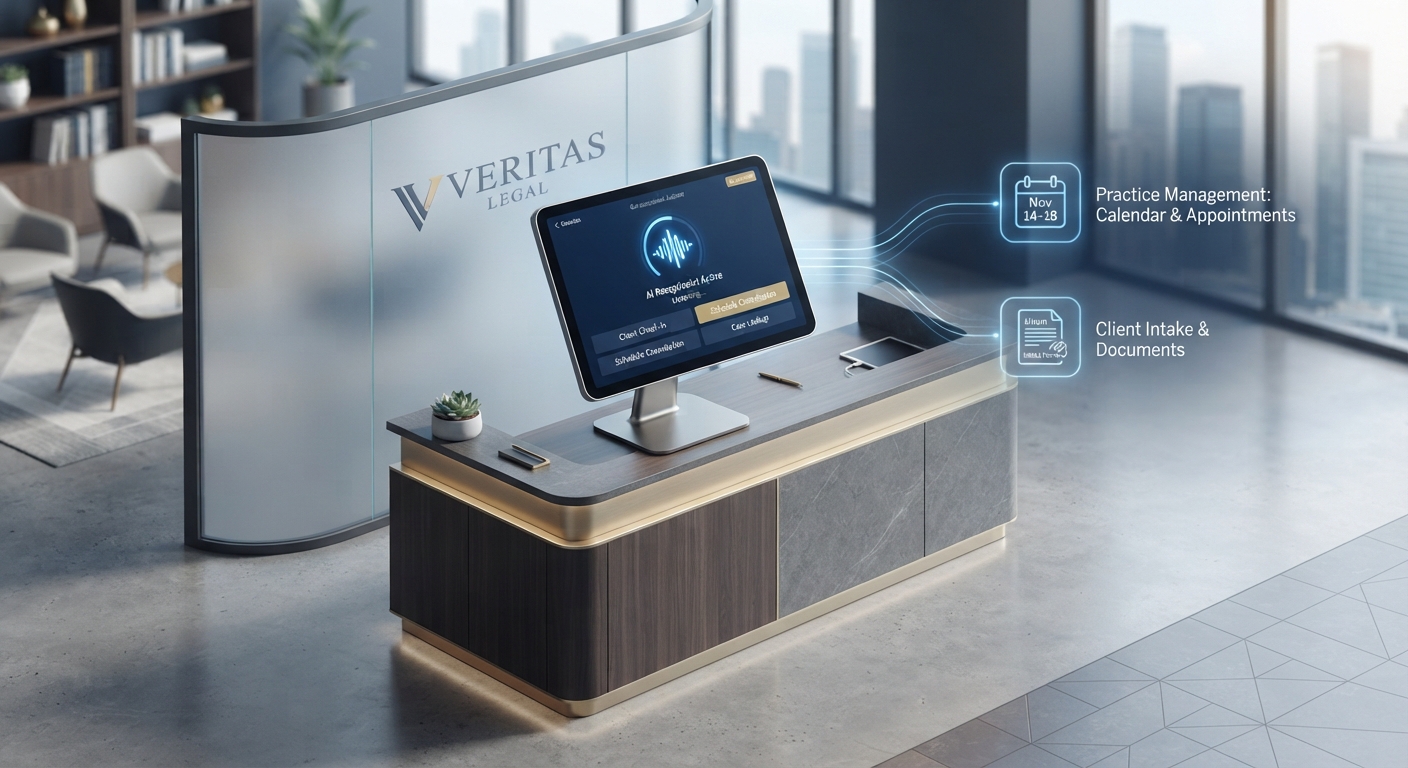
For law firms, every missed call is a missed retainer. I've seen solo attorneys use voice agents to screen for "urgent" vs "general" inquiries. If someone calls about a car accident at 2 am, the ai identifies the crisis and routes it to the lawyer's cell, while a basic "how much do you charge" gets a polite callback scheduled for Monday.
In the salon and beauty world, it's all about the "customer no-show" headache. A 2023 study by Phorest Salon Software found that the average salon loses a staggering amount of revenue to empty chairs every year. Voice agents fix this by sending natural-sounding confirmation calls that actually let people reschedule on the spot if they've got a conflict.
- Home Services (HVAC/Plumbing): Captures emergency leaks at midnight and books the tech immediately into industry-specific management tools like ServiceTitan.
- Dental Offices: Handles the "do you take my insurance?" loop so the front desk can focus on the patient standing right there.
- Retail: Manages inventory checks ("do you have those red boots in an 8?") without a human having to run to the back room.

Honestly, the goal isn't to be a "tech company." It's just about making sure your phone isn't a bottleneck for your growth. When you stop worrying about the ringer, you can finally focus on the actual work.
Next, I'll show you how to actually get this stuff running without needing a computer science degree.
How to Implement a Voice Agent
Setting one of these up isn't as scary as it sounds. You don't need to write code; you just need to know how your business flows. Here is the step-by-step on how to get started.
1. Choose your provider There are a few big players like Vapi, Retell, or Bland ai. If you want something "out of the box," look for companies that specialize in your niche (like ai receptionists specifically for dentists). Make sure they have a low latency—anything over 2 seconds feels like a robot.
2. Map your call flow Sit down with a piece of paper and draw out what happens when the phone rings.
- What are the top 5 questions people ask?
- When should the ai transfer to a human?
- What info do you need to collect (name, email, reason for call)? This is your "prompt" or the instructions the ai will follow.
3. Connect your tools (Integration) This is the "magic" part. You'll want to connect the voice agent to your calendar (like Google Calendar or Calendly) or your CRM (like Clio or ServiceTitan). Most platforms use a tool called Zapier or Make.com to "glue" these apps together. When the ai books a time, it should automatically show up on your schedule.
4. Test and Tweak Don't just turn it on and go to the beach. Call it yourself. Try to confuse it. See how it handles someone with a loud background or a thick accent. You can usually jump into the dashboard and update the instructions if it's getting something wrong.
5. Go Live Once you're happy, you just forward your business line to the new ai number. You can set it to ring only after-hours, or have it pick up immediately if your main line is busy.
It takes maybe an afternoon to get a basic version running, and it'll save you hundreds of hours a year.