Call Center vs AI Receptionist: Which Makes Sense for Businesses Under 50 Employees
TL;DR
- This article covers the critical differences between traditional call centers and modern ai receptionist technology for small teams. We dive into a direct cost breakdown, setup guides for dental and law firms, and strategies for reducing missed calls in salons. You will learn how to transition from old-school voicemail to automated systems that book appointments and qualify leads 24/7 without the high overhead of extra staff.
The hidden cost of missed calls in 2026
Honestly, if you're still relying on a basic voicemail box in 2026, you're basically handing your competitors a check. I've seen so many local shops—salons, hvac guys, even law firms—wonder why their marketing isn't working, only to find out they missed 15 calls while they were busy with a client. (Most businesses lose leads the second they close for the day.)
Looking ahead at the 2026 business landscape, most people just won't leave a message. (If you call me and don't leave a message, I am not calling you back…) They want answers now, not a "we'll call you back" promise that usually happens three days later. If you don't pick up, they just click the next business on google.
- The Hang-up Culture: A huge chunk of callers just drop the line the second they hear a recording. (Is the purpose of those robocalls where they just hang up after ...) People hate talking to machines that don't talk back.
- Lost Revenue Math: Think about it—missing just one dental implant lead or a plumbing emergency could cost you thousands in lifetime value.
- The 24/7 Expectation: Customers are browsing at 10 PM. If your phone just rings out, you're invisible.
According to Nextiva, about 79% of businesses now see customer experience as a direct revenue driver, meaning every missed "hello" is a hole in your pocket.
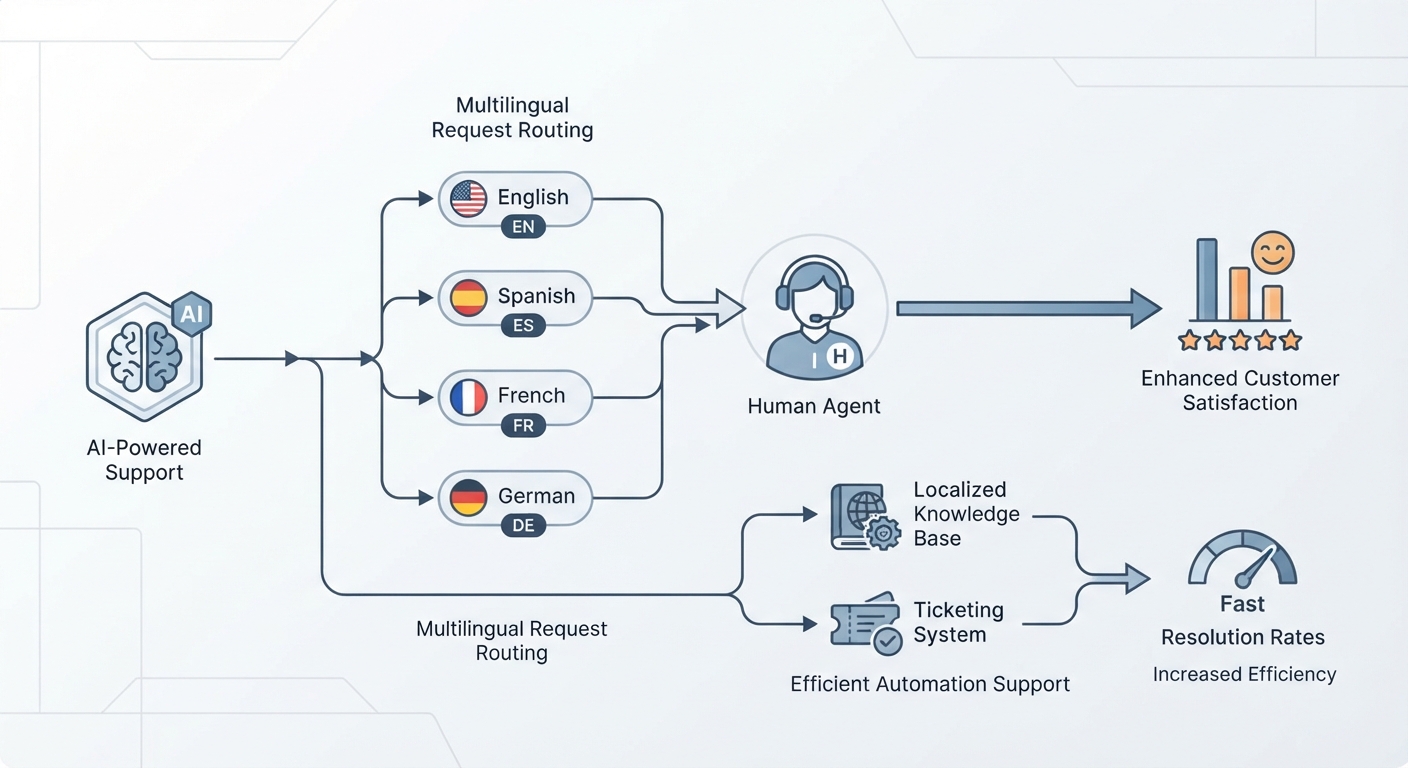
Speed is everything now. If you answer in two seconds, you win. If you wait ten minutes, the lead is already cold. Using something like an ai agent means the phone never actually "misses" a call.

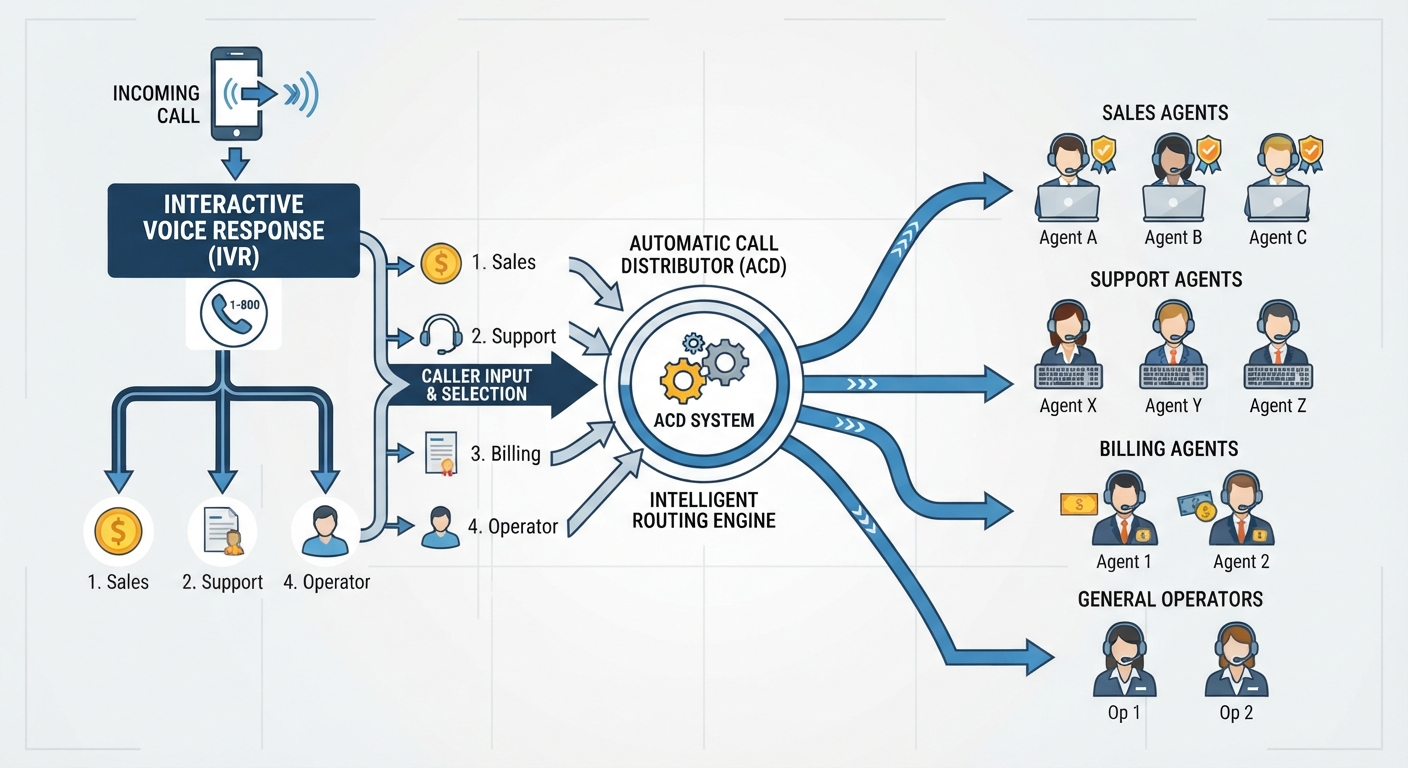
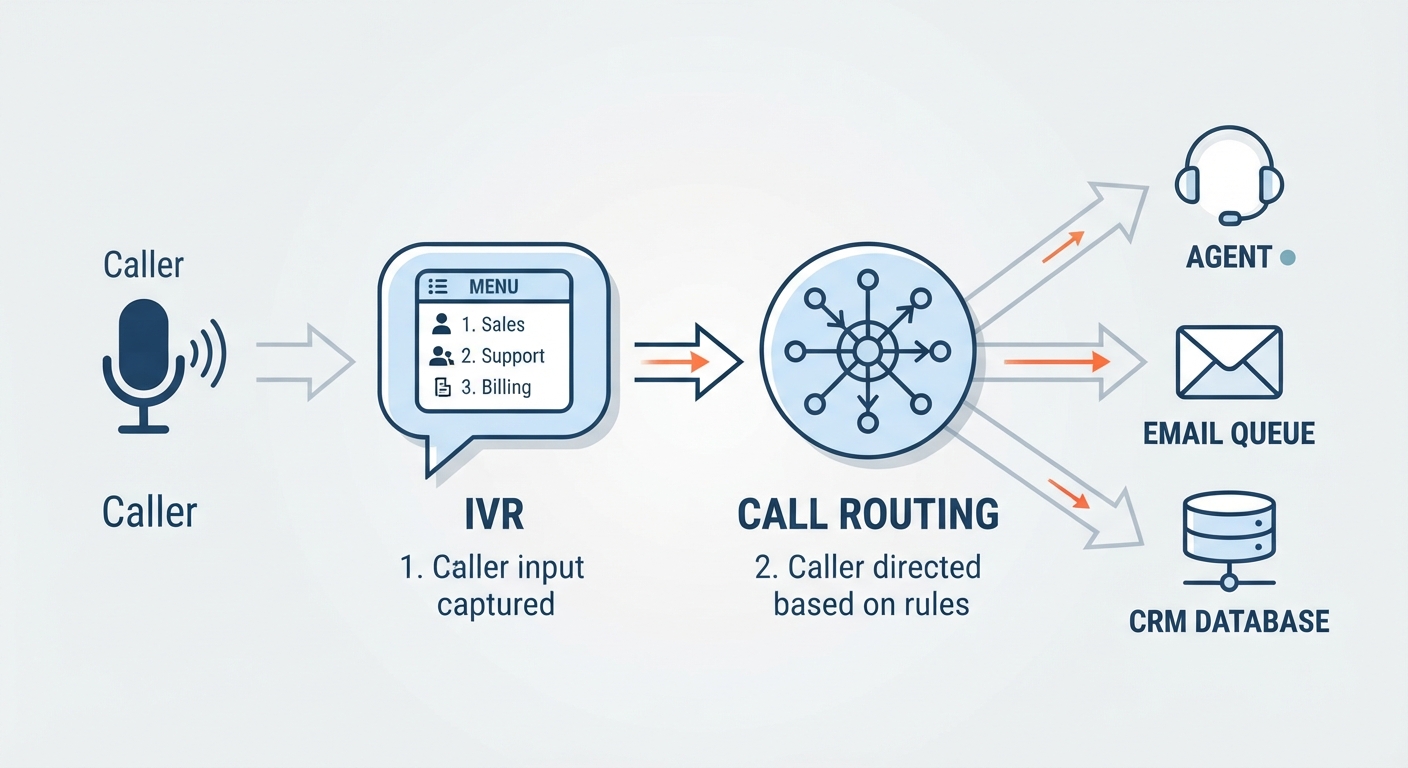
I've talked to office managers who say that switching from a "press 1 for sales" menu to a natural-sounding ai made their booking rates jump almost instantly. It feels less like a gatekeeper and more like a helpful assistant.
A 2026 report on centralization by My AI Front Desk suggests that AI can reduce missed calls by up to 40%, which is a massive deal for a small team.
Next, we're gonna dive into how these bots actually compare to hiring a real person or a call center.
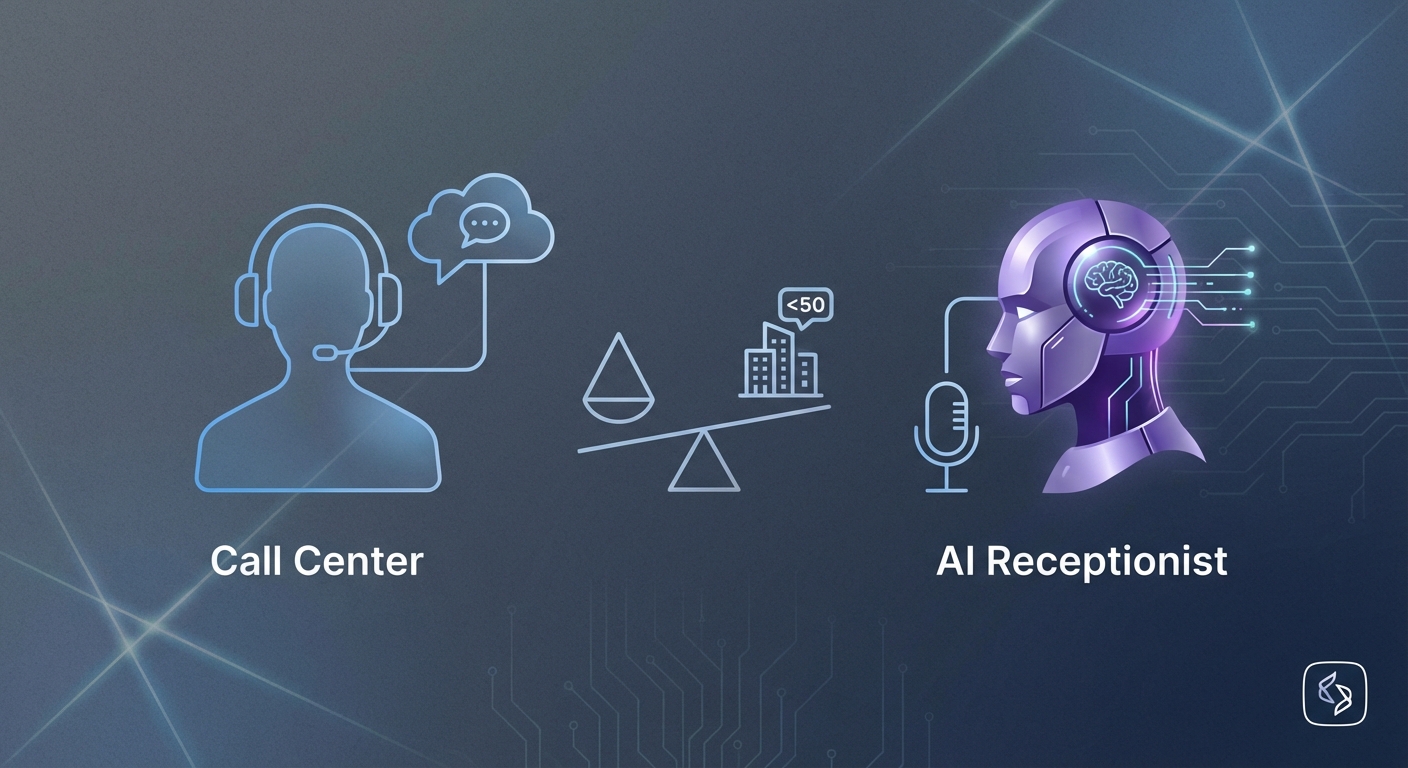
Call center vs AI receptionist: The core breakdown
Ever wondered why some small shops always seem to have their act together while others let the phone ring until it hits a dusty old voicemail? It usually comes down to how they handle the "front door" of their business, and honestly, the math on this has changed a lot lately.
If you’re looking at a traditional call center, you're usually signing up for a per-minute pricing model. This sounds okay until you realize they charge for hold time, transfers, and even those "wrong number" calls that go nowhere. For a team under 50 people, these costs can spiral out of control because you can't predict when a spike will happen.
- Flat Fees vs. Volatility: ai gives you a predictable monthly bill, whereas call centers hit you with overage fees if a marketing campaign actually works.
- The Training Tax: Every time a call center agent quits, you’re basically paying to train their replacement through higher service fees.
- Operational Differences: Call centers often struggle with deep technical knowledge of your business, whereas an ai can be fed your entire website data to answer specific questions instantly.

People often mix these up, but they're totally different beasts. A virtual receptionist is a real human (often in a different time zone) reading your script. They’re great for empathy—like if a law firm is taking a sensitive personal injury call—but they’re slow. They can't book an appointment in your calendar while simultaneously checking your inventory.
An ai receptionist, like the one Phil Pallen mentioned testing, is a voice-first agent that handles FAQs and routing instantly. It doesn't get "overwhelmed" if five people call at once. For a salon or a dental office, that speed is the difference between a booked chair and a lost lead.
The ROI of automating your front desk
If you're still paying a full-time salary just to have someone say "hello" and check a calendar, you're basically burning money in a backyard pit. It sounds harsh, but when you look at the overhead for a single front-desk hire, the math just doesn't add up for a small shop anymore.
Let’s talk real numbers. Hiring a human receptionist usually starts around $40,000 a year, and that is before you even touch health insurance, payroll taxes, or the cost of training them when they inevitably move on. According to a detailed comparison by My AI Front Desk, switching to ai can save you over 90% annually since subscriptions often sit between $50 and $200 a month.
- The "Ghost" Costs: You aren't just paying a salary; you're paying for desk space, a computer, and the 20% of the day they spend on lunch or coffee breaks.
- 24/7 Reality: To get 24-hour coverage with humans, you’d need three shifts. An ai agent does it for the price of a cheap gym membership.
- No-Show Protection: If your receptionist calls in sick, your phone goes to voicemail and you lose leads. The ai doesn't get the flu.

Honestly, the roi isn't just in the lower bill. It's in the fact that your "receptionist" is now qualifying leads and booking appointments while you sleep. If you're a HVAC guy or a solo lawyer, that's the difference between a side hustle and a real business.
Industry specific tips for phone automation
So, you're running a specialized shop and the phone just won't stop ringing while you’re actually trying to do the work. It’s a classic problem. But honestly, a lawyer handling a sensitive divorce case needs a way different setup than a plumber who just needs to know if a faucet is still leaking.
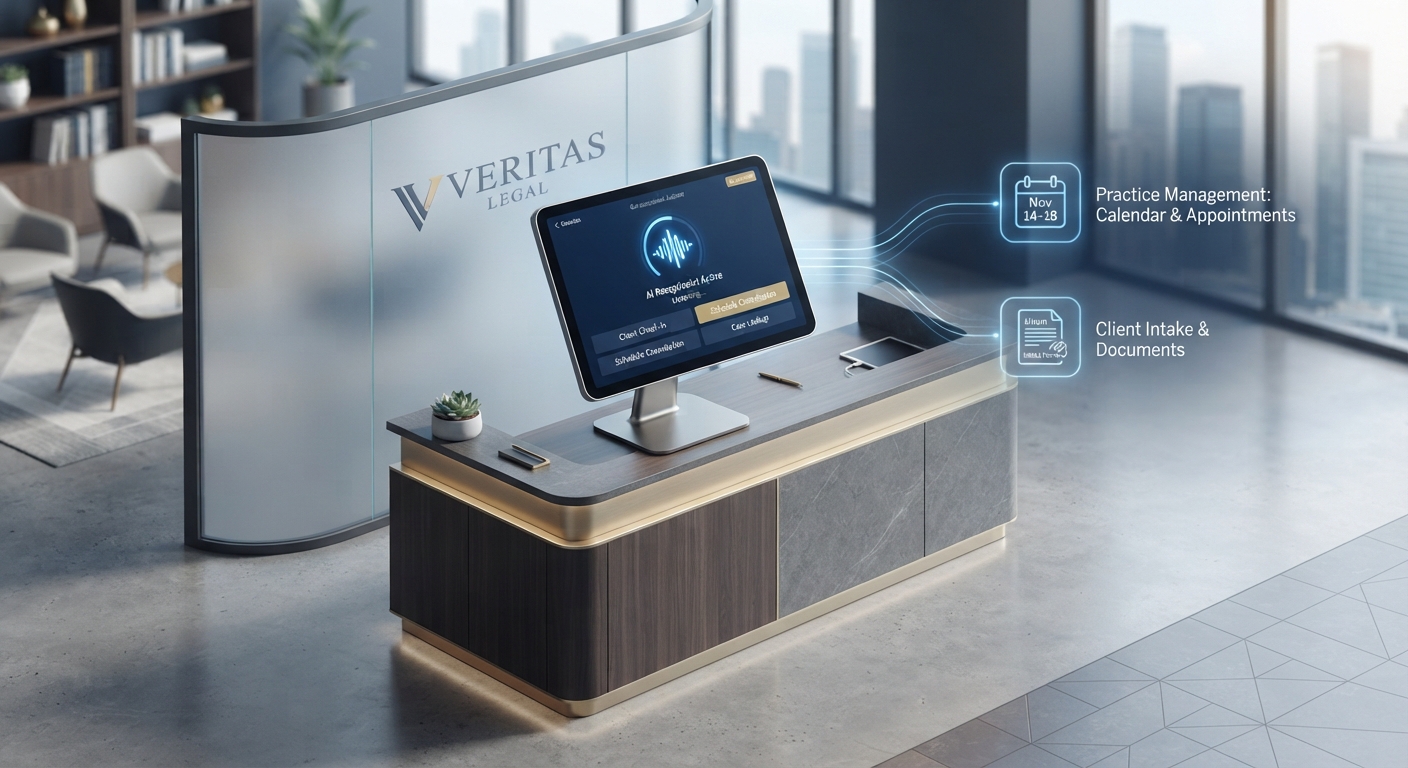
In the world of white coats and legal briefs, privacy is everything. You can't just use any random app because of things like HIPAA in healthcare or attorney-client privilege. nextiva mentions their platform is hipaa compliant, which is a huge weight off your shoulders for patient intake.
- Smart Routing for Emergencies: A good ai system can tell the difference between "I need a copy of my bill" and "I’m at the police station." You can set rules so the bot handles the bill but rings your personal cell for the emergency.
- Dental Intake Automation: For dentists, the bot can ask "is this a cleaning or a toothache?" and then check your specific calendar. It’s way better than a busy front desk person putting a new patient on hold for five minutes.

If you're a salon owner, a missed call is basically a "no-show" before the appointment even happens. People want their hair done now, and if you don't pick up, they’re calling the place two blocks over.
- Reducing Salon Missed Calls: I've seen stylists use ai to handle the "do you have an opening at 4?" questions. The bot checks the chair availability and sends a text confirmation while you're still finishing a blowout.
- Plumbing After-Hours: Most pipes burst at 2 AM. Instead of a boring voicemail, an ai agent like the one Phil Pallen talked about can actually qualify the lead. It asks "is water flooding the floor?" and if the answer is yes, it triggers an emergency alert to your technician.
How to set up an AI receptionist for small business
Setting up an ai receptionist—specifically using platforms like My AI Front Desk—isn't nearly as scary as it sounds, even if you still get confused by your tv remote. Most modern systems are designed for busy owners who don't have time to read a 50-page manual.
The first thing you gotta do is decide if you want a brand new number or if you want to keep your current business line. Most people just forward their existing number to the ai when they can't pick up.
- Claim your number: You either get a new local/toll-free digits or set up "conditional call forwarding" on your office phone.
- Upload your "brain" data: This is the cool part. You don't write code; you just give the ai your website link, a pdf of your price list, or a list of faqs.
- Select a Voice and Persona: This is where you make it "natural." You can choose between different voice profiles—like a professional "Executive Assistant" or a friendly "Local Shop" vibe—to match your brand's tone.
- Define the "hand-off": Tell the bot exactly when it should stop talking and ring your cell phone instead—like for emergencies or big-money leads.
- Connect your tools: Plug the ai into your calendar (like Google or Outlook) and your crm so it can actually book real appointments while you sleep.

Once the bot is live, you can't just forget about it. You gotta treat it like a new hire that needs a little coaching. I always tell people to check their call logs at least once a week to see if the ai got tripped up by a weird question.
Final Decision Checklist
Still not sure which way to go? Here is a quick breakdown to help you decide before you lose another lead to the "hang-up culture."
Choose a Human Receptionist if:
- You have a high-end boutique where "vibes" and personal relationships are 100% of the sale.
- You have a budget of $40k+ and need someone to also handle physical tasks like filing or making coffee.
- Your call volume is low enough that they won't get overwhelmed.
Choose a Call Center if:
- You need humans to handle very complex, emotional intake that requires deep empathy.
- You don't mind variable monthly bills and paying for hold times.
- You have a massive team (50+) and need a large-scale answering service.
Choose an AI Receptionist if:
- You want to save 90% on costs ($50-$200/mo vs $3,000+/mo).
- You need 24/7 coverage without paying for three shifts of staff.
- You want instant appointment booking and faq handling without any wait times.
- You're a small shop (under 50 people) looking to scale without adding more overhead.
Honestly, the roi is pretty clear when you look at the 24/7 coverage. Whether you're a solo plumber or a 40-person law firm, the goal is the same: stop losing money to the "hang-up culture" and start letting tech handle the boring stuff so you can do the actual work.