Best AI Receptionist for Restaurants: 6 Tools Ranked for 2026

TL;DR
- Compare the 6 best AI receptionists for restaurants in 2026, ranked on reservation booking, takeout orders, concurrent calls, integrations, and pricing.
About 85 percent of callers who reach a restaurant's voicemail hang up without leaving a message, according to figures compiled in Voksha's cost-of-missed-calls analysis, and during a Friday dinner rush those are booked tables and takeout orders walking straight to the restaurant down the street. An AI receptionist fixes that by answering every line at once, checking table availability, taking or routing orders, and covering the hours when your host stand is empty. This guide ranks six tools on the criteria that actually matter to a restaurant: reservation booking, takeout-order handling, concurrent call volume, integration with OpenTable, Resy, and Toast, after-hours coverage, and pricing you can predict.
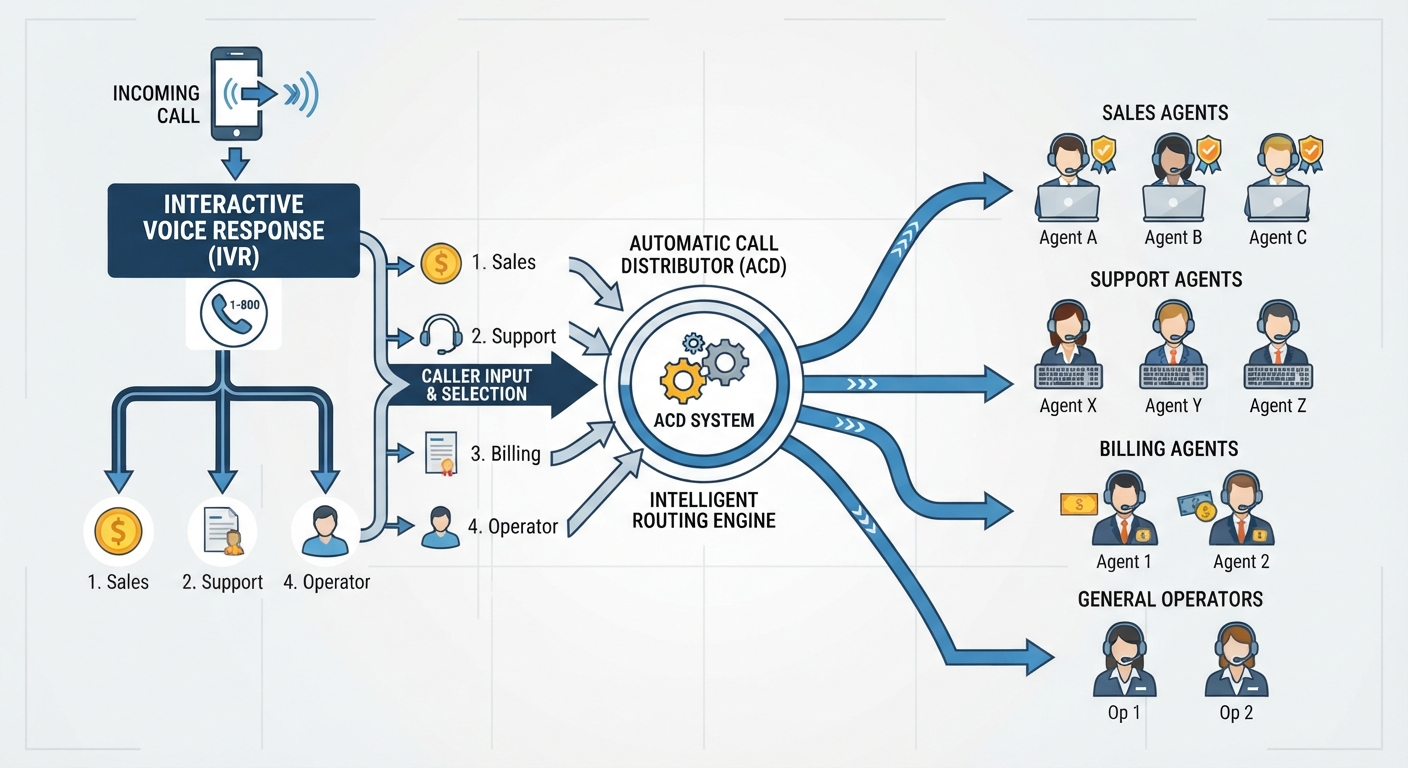
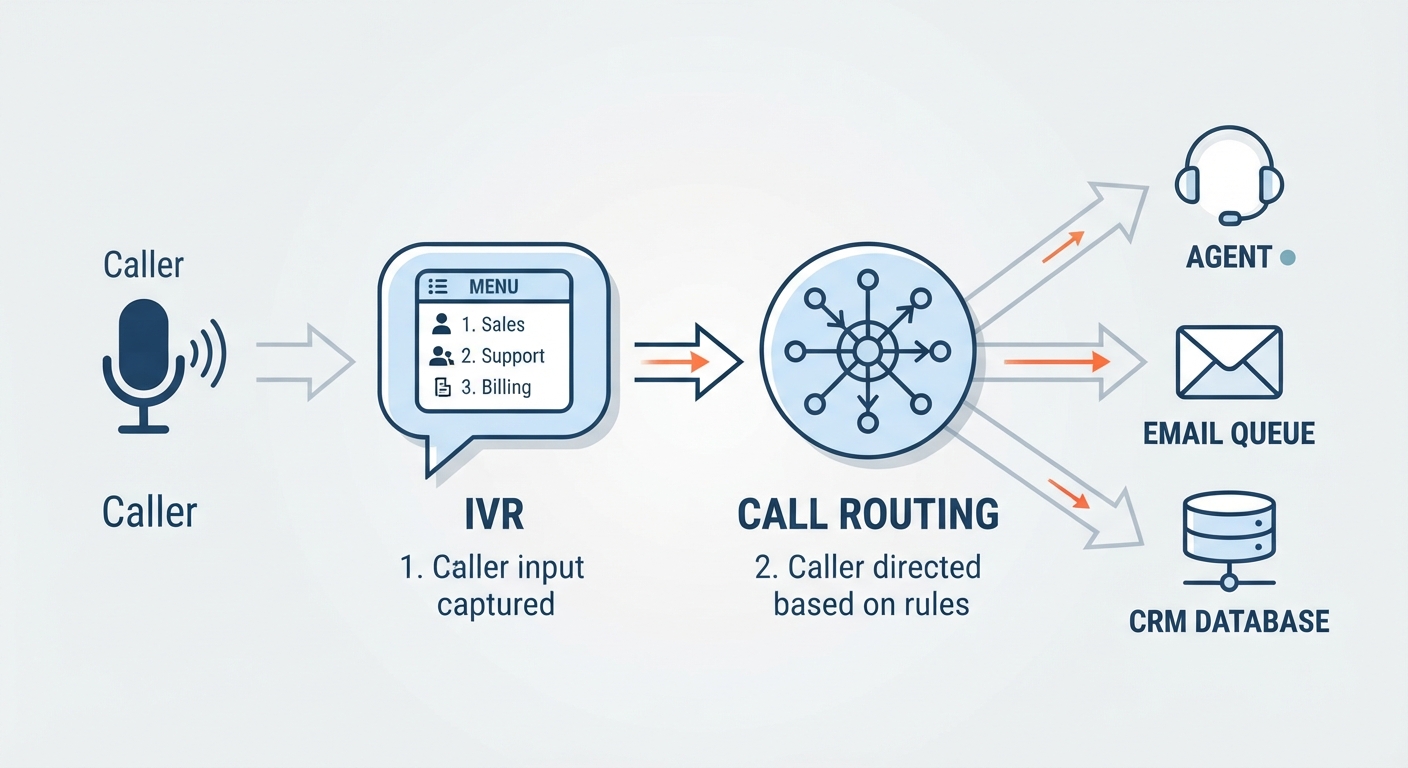
AI receptionist for restaurants: an AI voice agent that answers a restaurant's inbound phone calls around the clock, checks reservation availability and books tables, handles or routes takeout order requests, answers menu and hours questions, and captures every call as a lead, without a host or manager stopping service to pick up the phone.
Here is how the six tools compare at a glance. Every figure was verified against the vendor's public pricing on 2026-09-02.
Tool | Type | Best For | Starting Price | Standout |
|---|---|---|---|---|
Goodcall | AI voice | Restaurants on OpenTable/Resy/Toast | $79/mo | Native reservation and POS integrations |
Voksha | AI voice | Transparent flat pricing and lead capture | $14/mo | No per-caller fees, 99.9% uptime |
My AI Front Desk | AI voice | All-in-one voice plus chat and SMS | $99/mo | Bundled AI workforce |
Rosie | AI voice | Budget bilingual answering | $14/mo | English and Spanish on entry plan |
Dialzara | AI voice | Low-volume or seasonal spots | $29/mo | Lowest entry price, no contract |
Ruby | Human | White-glove live receptionists | $235/mo | US-based human answering |
About This Article
Researched and written: July 2026. Last fact-checked: 2026-09-02.
Evaluation basis: competitor rankings are drawn from public pricing pages, product documentation, and vendor materials reviewed on 2026-09-02. We did not run hands-on tests of every competitor. Voksha's own product facts (uptime, response time, integrations, pricing) come from first-party data.
AI assistance: used for drafting, reviewed and edited by the Voksha Content Team.
Conflicts of interest: Voksha publishes this article and is included in the list below at #2. Rankings are based on the stated criteria, not on who publishes.
Sponsorship: none. No vendor paid for placement.
Key Takeaways
About 85 percent of callers who reach voicemail hang up without leaving a message, so a missed reservation call is usually a lost table, not a delayed one (Voksha cost-of-missed-calls analysis, compiling Vonage and Invoca data).
32 percent of business calls now arrive outside standard 9-to-5 weekday hours and 23 percent land on weekends, the exact windows when a restaurant phone goes unanswered (Voksha After-Hours Economy Report, 2026).
Goodcall integrates natively with OpenTable, Resy, SevenRooms, and Toast and answers unlimited concurrent lines, which makes it the strongest reservation-integration fit at $79 per month (Goodcall pricing, verified 2026-09-02).
Voksha uses flat pricing from $14 per month with no per-caller overage, has answered more than 10,000 calls at 99.9 percent uptime, and forwards from your existing number (Voksha pricing, verified 2026-09-02).
Human services like Ruby start around $235 per month for 50 minutes and charge $4.70 per minute over the allowance, which climbs fast at restaurant call volume (Ruby pricing, verified 2026-09-02).
Booking and reservation features are often gated to higher tiers: Rosie requires its $149 Scale plan for appointment booking and transfers (Rosie pricing, verified 2026-09-02).
How Did We Evaluate These AI Receptionists for Restaurants?
We scored each tool against six restaurant-specific criteria, then ranked on how well it serves a working dining room rather than a generic office phone. The Voksha Content Team ran this review on 2026-09-02 using each vendor's public pricing page, documentation, and integration listings. We did not place live test calls to every provider, so competitor scores reflect published capabilities rather than measured performance. Where a capability was not clearly documented, we marked it down rather than assume it.
The six criteria:
Reservation booking: can the agent check availability and confirm a table, not just take a message?
Takeout-order handling: does it take orders, or route callers to online ordering, or hand off cleanly to staff?
High-volume concurrent calls: can it answer several lines at once during a rush without a busy signal?
POS and reservation integration: does it connect natively to OpenTable, Resy, SevenRooms, or Toast?
After-hours coverage: does it answer nights, weekends, and holidays when the host stand is empty?
Pricing transparency: is the price predictable, or do per-caller and per-minute overages hide the real cost?
We considered but did not include three tools. Slang.ai is purpose-built for restaurants and integrates deeply with OpenTable and Resy, but it starts around $399 per month for full-service venues and sits outside the general AI-receptionist pool this cluster covers, so evaluate it separately if reservation depth is your only priority. Synthflow is a developer-oriented voice-AI builder that expects you to construct and maintain your own agent, which most restaurant owners will not want to do. Smith.ai is a capable human and hybrid answering service, but it overlaps heavily with Ruby, which we already include as the live-human option, and its per-call pricing lands in the same premium range.
What Are the Best AI Receptionists for Restaurants in 2026?
Ranked on the six criteria above, weighted toward reservation integration and predictable pricing, here are the six tools.
1. Goodcall
Goodcall is the strongest fit for restaurants that already run OpenTable, Resy, or SevenRooms and want the phone line wired directly into the reservation book.
Best for: Full-service and high-volume restaurants on OpenTable, Resy, SevenRooms, or Toast
Starting price: $79/mo Starter, $129/mo Growth, $249/mo Scale (Goodcall pricing, verified 2026-09-02)
Key differentiator: Native two-way integration with the major reservation and POS platforms, plus unlimited concurrent call handling
Goodcall answers every line at once, so no caller hits a busy signal during a Friday rush, and it syncs with OpenTable, Resy, SevenRooms, Toast, and TripleSeat for real-time availability, instant booking, and waitlist management. It also fields order questions and routes callers who want to place a takeout order. Three things stood out during the review:
Reservation integration is native and two-way, not a Zapier workaround, for the platforms most restaurants already use.
It handles unlimited simultaneous calls, which directly answers the concurrent-call criterion that a human service cannot meet.
Setup covers reservations, orders, and FAQs in one flow rather than a single narrow task.
The honest limitation is cost at volume. Goodcall meters unique callers, roughly 100 on Starter and 250 on Growth, and charges about $0.50 per unique caller over the cap, so a busy restaurant taking dozens of calls a day can push well past the listed plan price. Model your real call count before you sign up.
2. Voksha
Voksha is the best AI-native pick for restaurants that want flat, predictable pricing and booking that flows into the calendar and CRM tools they already run.
Best for: Independent restaurants and small groups that want transparent pricing and combined reservation-plus-lead capture without per-caller fees
Starting price: $14/mo Starter, $99/mo Premium, custom Enterprise (Voksha pricing, verified 2026-09-02)
Key differentiator: Flat monthly pricing with no per-caller overage, 99.9 percent uptime, sub-200ms response, and no phone-number change
Voksha has answered more than 10,000 calls at 99.9 percent uptime and responds in under 200 milliseconds, and it forwards from your existing restaurant line so nothing on your menus, signage, or listings changes. It books through appointment booking that syncs with Google Calendar, Outlook, Calendly, HubSpot, and Salesforce, captures every call as a lead with a transcript, and covers nights and weekends through after-hours answering. Casa Maria Restaurant reported reservations up 40 percent after switching to Voksha. To be clear about the trade-off:
When to choose Voksha: you want one flat, predictable bill, you already run a calendar or CRM for bookings, and you value lead capture and after-hours coverage as much as raw reservation depth.
When to avoid it: your reservations live entirely inside OpenTable or Resy and you need the agent to write directly into that platform's inventory, in which case confirm the workflow first or pair Voksha with your existing reservation system. Voksha books through calendar and CRM sync and call routing rather than a native OpenTable or Resy integration. See the restaurant AI receptionist overview for the full workflow.
3. My AI Front Desk
My AI Front Desk suits restaurants that want more than voice, bundling web chat, SMS, and email into a single subscription.
Best for: Restaurants that also want web chat, SMS, and email drafting handled alongside the phone
Starting price: Free plan (20 minutes), $99/mo Business-in-a-Box (200 minutes, or $79/mo billed annually), custom Partner tier (My AI Front Desk pricing, verified 2026-09-02)
Key differentiator: Bundles voice, chat, SMS, email, CRM, and automations into one AI workforce rather than a phone-only agent
The platform moved from per-agent receptionist pricing to a bundled model, and voice beyond the included minutes runs about $0.25 per minute. That breadth is genuinely useful for a restaurant that fields questions across phone, website chat, and text. The honest limitation is specialization: it is a general business receptionist, so reservation-platform integration is not a documented native feature the way it is with Goodcall. You configure the booking workflow yourself, which takes more setup time than a restaurant-tuned tool.
4. Rosie
Rosie is a clean budget option for a small restaurant that wants 24/7 answering with Spanish support without a big monthly commitment.
Best for: Small restaurants wanting a low-cost, always-on answer with English and Spanish included
Starting price: $49/mo Professional (250 minutes), $149/mo Scale, $299/mo Growth, overage $0.25/minute (Rosie pricing, verified 2026-09-02)
Key differentiator: Bilingual English and Spanish on the entry plan, with every call summarized, transcribed, and recorded
Rosie is trained on your business, blocks robocalls and screens sales calls, and texts you the details of every call, which keeps the front of house informed without stopping service. The honest limitation matters for restaurants: appointment booking and call transfers require the $149 per month Scale plan, so the $14 Professional tier is closer to a smart answering-and-message service than a true table-booking agent. If booking is your main goal, price it at the Scale tier, not the entry tier.
5. Dialzara
Dialzara is the lowest-commitment way to try AI answering, which fits a very small or seasonal restaurant testing the waters.
Best for: Very small or seasonal restaurants with low call volume testing AI answering
Starting price: From $29/mo (60 minutes) up to $349/mo (1,000 minutes), overage $0.35 to $0.48/minute, with a 7-day trial and no contract (Dialzara pricing, verified 2026-09-02)
Key differentiator: Lowest entry price in this list with no long-term contract
Dialzara handles inbound calls, captures caller details, and offers SMS and website-chat add-ons, and the no-contract structure lowers the risk of trying it. The honest limitation is fit and headroom: the 60-minute entry plan is thin for anything but a quiet phone, and Dialzara is a general answering tool rather than a restaurant-specialized agent, so reservation-platform integration and order-taking are not its focus. It is a starting point, not a rush-hour reservation engine.
6. Ruby
Ruby is the pick for a restaurant that specifically wants a live human voice on every call rather than an AI agent.
Best for: Restaurants that want US-based human receptionists for a white-glove phone experience
Starting price: Call Ruby 50 at $235/mo (50 minutes), Call Ruby 100 at about $385/mo (100 minutes), up to $705 and beyond, overage $4.70/minute (Ruby pricing, verified 2026-09-02)
Key differentiator: Real US-based human receptionists rather than an AI voice agent
Ruby's people are polished, and for a fine-dining room where the phone voice is part of the brand, that human touch has real value. The honest limitations are concurrency and cost. A human answers one call at a time, so a rush can still overflow, and the per-minute model burns quickly: at $4.70 per overage minute, a handful of long reservation calls can blow past the allowance in a single busy night. Ruby's receptionists also relay and message rather than writing directly into your OpenTable or Resy inventory.
How Do You Choose the Right AI Receptionist for Your Restaurant?
Start with where your reservations live. If your bookings run entirely through OpenTable, Resy, or SevenRooms and you want the phone to write straight into that system, Goodcall is the most direct fit because its integrations are native and two-way. If you want the phone handled but you manage bookings through a calendar or CRM, or you care as much about lead capture and after-hours coverage as raw reservation depth, Voksha gives you flat pricing with no per-caller surprises.
Weigh call volume next, because it changes the math more than the sticker price. A tool that looks cheap at $79 per month can cost far more once per-caller or per-minute overages stack up on a busy Friday, so a restaurant taking dozens of calls a day should favor flat pricing or model the overages honestly before signing. If your phone is quiet and you mostly want a safety net for missed calls, Dialzara's $29 entry or Rosie's $49 plan lowers the risk of trying AI at all.
Finally, decide how much you value a human voice. If a live person on every call is part of your brand and your volume is low enough to absorb the per-minute cost, Ruby delivers that. For most restaurants weighing reservation booking, takeout handling, and rush-hour concurrency against a predictable bill, an AI-native option wins on both coverage and cost. If you are still comparing categories, the complete answering service guide and a breakdown of what an answering service plan includes are useful next reads.
Frequently Asked Questions
What is the best AI receptionist for a restaurant?
It depends on how you manage reservations. Goodcall ranks first for restaurants that run OpenTable, Resy, or SevenRooms because it integrates natively and handles unlimited concurrent calls, starting at $79 per month. Voksha ranks second and is the better fit if you want flat pricing with no per-caller fees and you book through a calendar or CRM, starting at $14 per month. Both verified 2026-09-02.
Can an AI receptionist take reservations and sync them to OpenTable or Resy?
Some can. Goodcall integrates natively with OpenTable, Resy, and SevenRooms to check availability and book tables directly in your reservation system. Slang.ai also integrates deeply with OpenTable and Resy. Other tools, including Voksha, book through calendar and CRM sync or route the caller to your reservation system rather than writing directly into OpenTable's inventory, so confirm the exact workflow with the vendor before you commit.
How much does an AI receptionist for a restaurant cost?
AI-native tools in this list start between $29 and $99 per month: Dialzara from $29, Voksha from $14, Rosie from $49, Goodcall from $79, and My AI Front Desk from $99. Watch for per-caller and per-minute overages that can raise the real cost during busy periods. Human services like Ruby start around $235 per month for 50 minutes and charge $4.70 per minute beyond the allowance. All figures verified 2026-09-02.
Can an AI receptionist handle takeout orders?
Most handle order calls in one of two ways. Some, like Goodcall, take order questions and route callers into your ordering flow, while restaurant-specialized tools often text the caller a link to your online ordering page rather than reading back a full order. Confirm whether a given tool takes the order end to end or hands off to staff or an ordering link, because that distinction changes how much labor it actually saves.
Will an AI receptionist handle a Friday-night rush without a busy signal?
An AI voice agent can answer many lines at the same time, so callers do not hit a busy signal during a rush, which is one of the clearest advantages over a human receptionist who takes one call at a time. Goodcall and Voksha both answer concurrent calls, unlike a human service such as Ruby, where simultaneous callers can still overflow. This matters most for high-volume restaurants during peak service.
Final Thoughts
The best AI receptionist for your restaurant comes down to two questions: where your reservations live, and how predictable you need the bill to be. Goodcall wins on native reservation integration, while Voksha wins on flat, transparent pricing, after-hours coverage, and lead capture without per-caller fees. Both beat sending a Friday-night caller to voicemail. Ready to try? Sign up for Voksha.