Answering Service for Small Business: What You Get, What It Costs, What to Avoid

TL;DR
- A plain-English guide to answering services for small business: what a typical plan includes, honest 2026 cost ranges, billing models, and the fees to avoid.
According to Nextiva's 2026 answering service cost analysis, a live answering service for a small business typically runs between $100 and $1,000 or more per month, while AI answering options fall between $50 and $500 (Nextiva, 2026), a spread wide enough that two owners buying what looks like the same service can end up with very different bills. An answering service is an outside team, software, or a blend of both that picks up your calls when you cannot, greets callers in your business name, and either takes a message, answers a routine question, or books the job. What you actually pay for, and what you actually get, varies far more than the headline price suggests, so this guide walks through the typical inclusions, honest cost ranges, and the contract traps worth avoiding before you sign anything.
Answering service for small business: a service, staffed by live agents, AI voice software, or a blend of the two, that answers inbound calls on a company's behalf, greets callers in the business name, handles or routes each call according to the owner's instructions, and delivers messages, booked appointments, or qualified leads back to the team, usually for a monthly fee or a per-call rate.
Here is how the main options compare on price and coverage before we get into the details:
| Option | Typical Monthly Cost | How You Are Billed | 24/7 Coverage | Best For |
|---|---|---|---|---|
| Voicemail | Included with phone line | Not billed separately | No live answer | Owners who accept some lost calls |
| Live answering service | $100 to $1,000+ | Per minute, per call, or bundled plan | Add-on or premium tier | Complex intake, callers who expect a human |
| AI answering service | $50 to $500 | Flat monthly plan | Yes, standard | 24/7 pickup, booking, predictable billing |
| In-house receptionist | $2,500 to $4,500+ | Salary plus benefits | Business hours only | High-touch daytime front desk |
About This Article
- Researched and written: July 2026. Last fact-checked: 2026-07-10.
- This is an editorial buyer's guide, not a hands-on product review. Pricing ranges are drawn from named public sources and dated.
- AI assistance: used for drafting, reviewed and edited by the Voksha Content Team.
- Conflicts of interest: this guide is published by Voksha, which offers an AI receptionist; recommendations reflect the stated criteria.
- Sponsorship: none.
- All pricing and product claims were verified on 2026-07-10 against the linked sources and Voksha's public pricing.
Key Takeaways
- A live answering service for a small business typically costs between $100 and $1,000 or more per month, while AI answering services run $50 to $500 (Nextiva, 2026).
- Live services usually bill per minute at roughly $0.75 to $1.50, per call at $2.50 to $12, or through a bundled plan, and overage rates can run 2 to 3 times the base per-minute rate (Housecall Pro, 2026).
- Setup fees, holiday surcharges, and per-feature add-ons like appointment scheduling ($20 to $50) or call recording ($10 to $30) can add 30 to 50 percent to an advertised price (Nextiva, 2026).
- About 85 percent of callers who reach voicemail hang up without leaving a message, and roughly 62 percent of unanswered callers dial a competitor, according to figures compiled by Voksha.
- The average small business loses about $126,000 a year to missed calls, so the cost of no answering service is often higher than the cost of one (Voksha cost-of-missed-calls analysis).
- Voksha's AI answering plans are flat: Pro at $14 per month and Premium at $99 per month, with a custom Enterprise tier (Voksha pricing, verified 2026-09-02).
What Is an Answering Service for a Small Business?
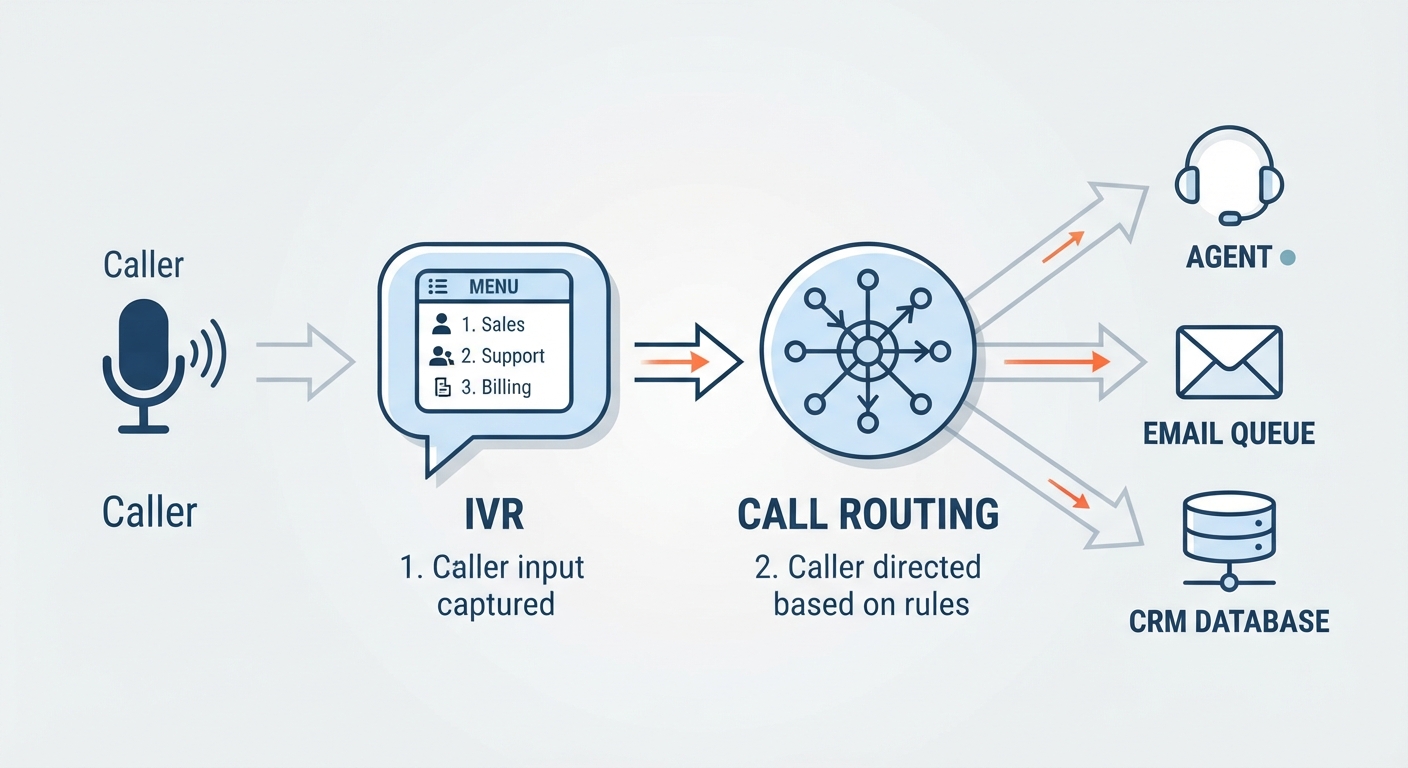
An answering service for a small business is a way to make sure a live pickup, human or AI, greets every caller when you or your staff cannot get to the phone. Instead of the call rolling to voicemail, it reaches a trained agent or a voice agent who answers in your company name, follows your instructions, and passes the result back to you as a message, a booked appointment, or a qualified lead.
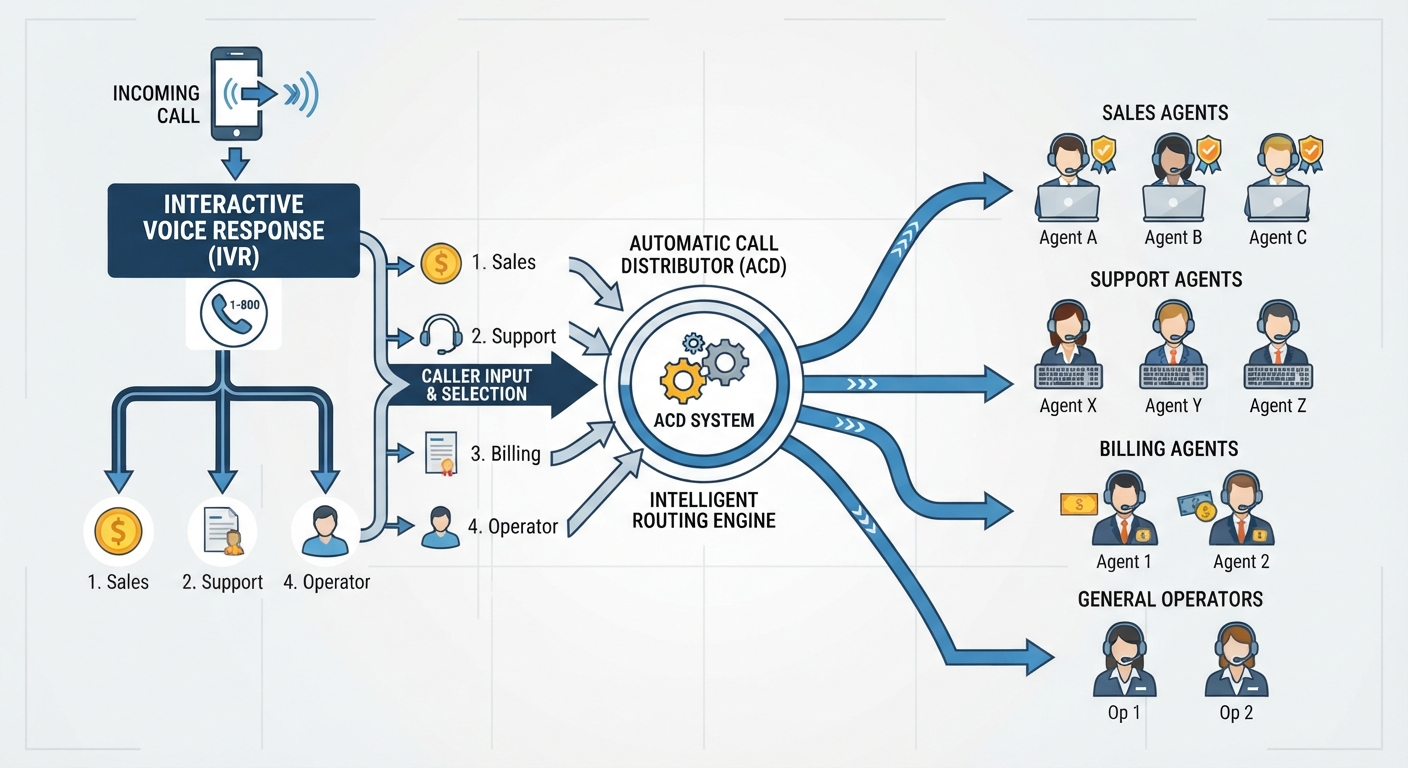
The category covers a wide range. At one end sits the classic call center, where live operators answer overflow and after-hours calls for dozens of businesses at once. At the other end sits AI answering software that handles the same calls with a natural-sounding voice agent. In between are hybrid providers that route simple calls to software and escalate complex ones to a person. For a fuller map of how these fit together, the answering service complete guide lays out the whole landscape, and the guide comparing an AI receptionist, a virtual receptionist, and an answering service explains where the labels overlap and where they genuinely differ.
The reason small businesses buy one is simple math. About 85 percent of callers who reach voicemail hang up without leaving a message, and roughly 62 percent of people whose call goes unanswered simply dial the next business on their list, according to figures compiled in Voksha's cost-of-missed-calls analysis. A missed call is rarely a delayed sale. It is usually a lost one that walks straight to a competitor.
What Do You Actually Get in a Small-Business Answering Service Plan?
A typical plan is more than someone picking up the phone. The core deliverable is call answering in your business name, but the value lives in what happens after the greeting. A standard small-business plan usually bundles several of the following, and it pays to confirm which ones are included versus billed as extras.
- Live or AI call answering in your company name, following a script you approve.
- Message taking and delivery by text, email, or a portal, with the caller's name, number, and reason for calling.
- Call routing and escalation, so urgent calls reach an on-call person while routine ones get a message.
- Appointment booking into your calendar, offered by many providers as a paid add-on rather than a default.
- Lead capture with a transcript or summary, so a sales inquiry is not reduced to a scribbled note.
- Bilingual or after-hours coverage, often priced as a premium tier or a percentage uplift.
The gap between a bare message-taking plan and a full front-office plan is where most of the price difference and most of the buyer confusion live. A deeper breakdown of line items is in the companion guide on what is included in an answering service plan, which is worth reading before you compare quotes, because two providers can advertise the same monthly price while including very different things. If appointment booking is central to your business, confirm it is native and syncs with your calendar rather than being a manual step the agent handles off to the side; Voksha treats appointment booking as a core function rather than an upsell.
How Much Does an Answering Service Cost for a Small Business?
Pricing depends almost entirely on the billing model, so read the model before you read the number. There are three common structures for live services, plus the flat-rate model that AI providers use.
Per-minute billing charges for connected talk time. Live operators typically run $0.75 to $1.50 per minute, and a plan might bundle 100 minutes for around $150 with an extra-minute rate of roughly $1.75 to $2.50 beyond the cap (Housecall Pro, 2026). This model punishes long calls and chatty callers, and overage rates can climb to 2 to 3 times the base per-minute rate once you exceed the plan.
Per-call billing charges a flat fee for each answered call regardless of length, commonly $2.50 for simple message taking and $5 to $12 for calls with scheduling or intake (Nextiva, 2026). It is predictable per call but adds up fast in a high-volume month.
Bundled monthly plans are the most common structure. Entry plans run roughly $75 to $200 per month, mid-range plans $200 to $600, and premium or 24/7 plans $600 to $1,000 or more, with many small-business plans landing in the $135 to $450 band (Nextiva, 2026; Housecall Pro, 2026). As a concrete example from the market, one national provider starts around $350 per month for 200 minutes with a $14.99 setup fee and $2.50 per extra minute (Nextiva, 2026).
Flat-rate AI plans are the newest structure and the reason AI answering runs $50 to $500 per month against the $100 to $1,000 or more of live services (Nextiva, 2026). Voksha sits at the transparent end of that range: Pro is $14 per month and Premium is $99 per month, with a custom Enterprise tier, and there is no per-minute meter running in the background (Voksha pricing, verified 2026-09-02). For a fuller cost comparison across models, Voksha's guide to the cost of missed calls frames the spend against the revenue an unanswered phone quietly loses.
What Should You Avoid When Choosing an Answering Service?
The advertised price is rarely the bill. The single biggest mistake small-business owners make is comparing headline rates without reading the fee schedule underneath, where 30 to 50 percent can be added by charges the quote never mentioned (Nextiva, 2026). Watch for these in particular.
- Setup fees of $50 to $500 for script building and account configuration, sometimes waved in the demo and reappearing on the first invoice.
- Overage rates at 2 to 3 times the base per-minute rate, which turn one busy month into a bill shock.
- Per-feature add-ons: appointment scheduling ($20 to $50 per month), call recording ($10 to $30), intelligent routing ($25 to $50), and multilingual support at a 10 to 20 percent uplift (Nextiva, 2026).
- Holiday and after-hours surcharges at 1.5 to 2 times the standard rate, which matters because a large share of calls arrive exactly then. Roughly 32 percent of business calls now come outside 9-to-5 weekday hours and 23 percent land on weekends (Voksha After-Hours Economy Report, 2026).
- Long contracts with early-termination fees, sometimes $100 to $500, that lock you in before you know whether the service fits.
- Generic scripts and no escalation logic, so an operator who does not know your business takes a message on a call that needed an urgent handoff.
Beyond fees, avoid any service that forces you to publish a new phone number. You should be able to keep your existing line and forward calls, so your website, signage, and Google listing never change. Look for missed call recovery that texts back the callers you still drop, because even the best service occasionally misses one, and a fast automated follow-up saves the lead.
Live, AI, or Hybrid: Which Answering Service Fits a Small Business?
The right choice depends on call complexity, volume, and how much predictability you want in your bill. Live services shine on genuinely complex or emotional calls, such as a medical intake or a distressed customer, where a trained human reading nuance is worth the per-minute rate. Their weakness is cost and consistency: quality varies by operator, and the meter runs on every call.
AI answering services shine on volume, availability, and predictable pricing. A voice agent answers on the first ring at 2 a.m. as reliably as at 2 p.m., never puts a caller on hold, and books straight into your calendar for a flat monthly fee. Voksha's agent answers in under 200 milliseconds, has handled more than 10,000 calls at 99.9 percent uptime, and holds a 4.9 out of 5 rating across 89 reviews (verified 2026-07-10 at voksha.com/pricing). The honest limitation is that a voice agent is best on structured, repeatable calls, not open-ended counseling.
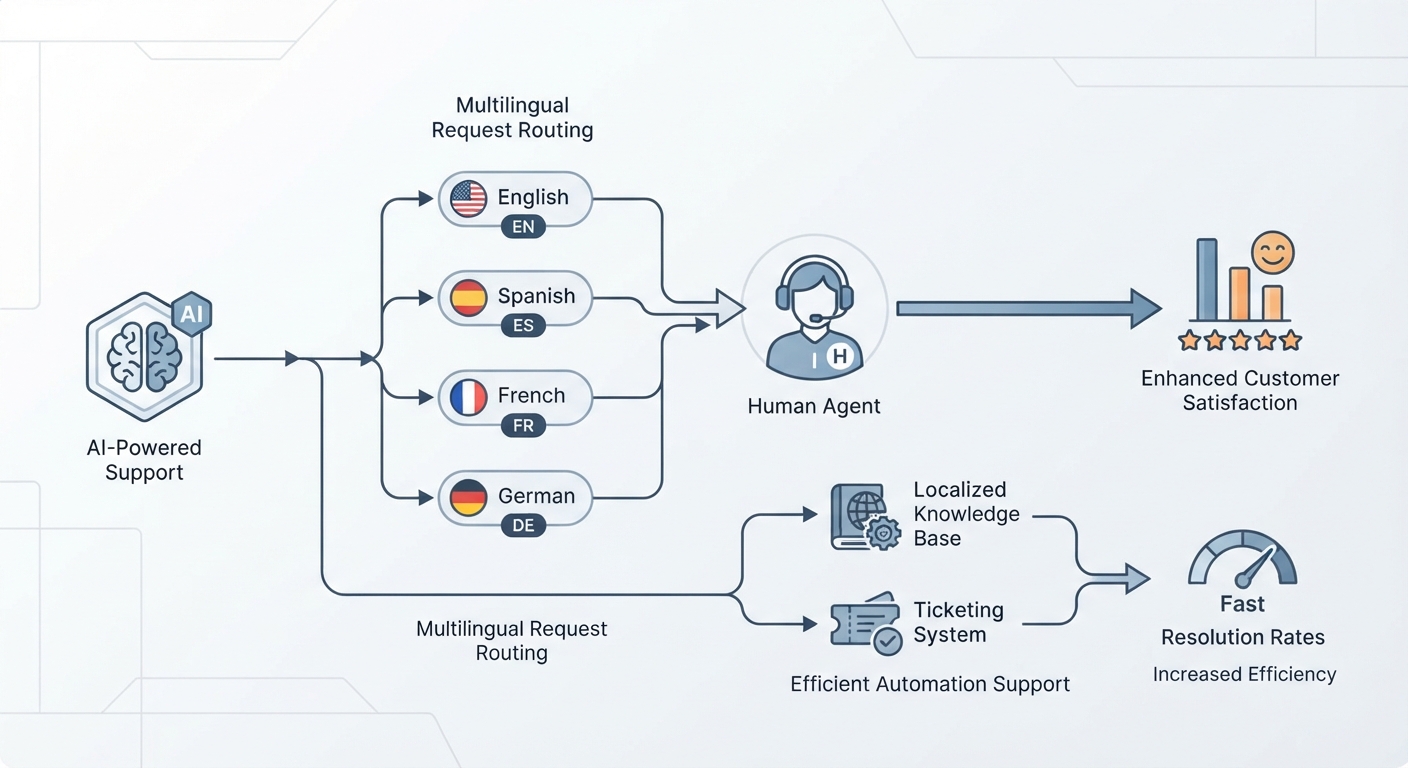
Hybrid setups try to get both, routing routine calls to software and escalating the rest to a person, though they inherit the pricing complexity of the live side. For most small businesses whose calls are appointments, quotes, and routine questions, an AI service with strong booking and clean escalation covers the large majority of volume at a fraction of live-service cost, with a human backup only where it earns its rate. If after-hours coverage is your real pain, after-hours answering is where an AI service pays for itself fastest, since it removes the surcharges live providers attach to exactly those hours.
How Do You Set Up an Answering Service Without Changing Your Number?
You keep your existing business number and forward calls to the service, so nothing on your website, trucks, or Google listing has to change. Setup is a configuration task, not an installation: you point your line at the provider, approve a greeting and script, set your routing and escalation rules, and connect your calendar or CRM if the plan includes booking.
With a live service, expect a script-building and training period, which is often what the setup fee covers. With an AI service like Voksha, the same steps are mostly self-serve and take minutes rather than days, because the agent is configured rather than staffed. Most small businesses start with after-hours and overflow coverage first, confirm the messages and bookings land correctly, then expand to full-day answering once they trust it. The goal either way is the same: every caller reaches a real answer and a real next step, not a voicemail box that 85 percent of them will abandon.
Frequently Asked Questions
How much does an answering service cost for a small business?
Live answering services for small businesses typically cost between $100 and $1,000 or more per month, with many plans landing in the $135 to $450 range, while AI answering services run $50 to $500 per month (Nextiva, 2026; Housecall Pro, 2026). The final bill depends heavily on your billing model and add-on fees. Voksha's flat AI plans are $14 per month for Starter and $99 for Premium, verified 2026-09-02.
What is the difference between a live and an AI answering service?
A live answering service uses human operators who answer, take messages, and route calls, usually billed per minute or per call. An AI answering service uses a voice agent that answers, qualifies, and often books appointments for a flat monthly fee. Live services handle complex or emotional calls better, while AI services offer 24/7 coverage, faster pickup, and more predictable pricing for routine calls.
Do I have to change my phone number to use an answering service?
No. A good answering service works through call forwarding from your existing business line, so your number stays the same on your website, signage, and listings. You choose whether it answers only after-hours and overflow calls or every call during the day too.
What hidden fees should I watch for in an answering service contract?
Watch for setup fees of $50 to $500, overage rates of 2 to 3 times the base per-minute rate, per-feature charges for scheduling ($20 to $50) or call recording ($10 to $30), holiday surcharges at 1.5 to 2 times the standard rate, and early-termination fees. These can add 30 to 50 percent to an advertised price (Nextiva, 2026).
Is an answering service worth it for a very small business?
Usually yes, because the cost of missing calls is often higher than the service. The average small business loses about $126,000 a year to missed calls, and roughly 62 percent of unanswered callers dial a competitor instead of leaving a voicemail (Voksha cost-of-missed-calls analysis). A flat-rate AI plan starting at $14 per month often pays for itself by capturing a single job that would otherwise have been lost.
Final Thoughts
An answering service for a small business is worth buying when it captures more revenue than it costs, and for most owners that bar is low, because an unanswered phone quietly hands jobs to competitors. Read the billing model before the price, confirm what a plan actually includes, and avoid the setup fees, overage traps, and surcharges that inflate an advertised rate. If you want 24/7 coverage, native appointment booking, and a flat, predictable bill without changing your number, an AI answering service is usually the cleanest fit. Ready to try? Sign up for Voksha.