AI Receptionist vs Virtual Receptionist vs Answering Service: Which Is Right for You
TL;DR
- This guide covers the big differences between ai receptionists, virtual assistants, and traditional answering services. We look at real costs for 2026, setup steps for small business, and how to stop losing leads to voicemail. You'll find out which one works best for law firms, dental offices, or salons trying to cut down on no-shows and handle those annoying after hours calls without breaking the bank.
The hidden cost of missed calls in 2026
Ever feel like your phone is a tiny, vibrating thief stealing your sanity and your money at the same time? It's 2026 and honestly, if you’re still letting calls go to a generic voicemail, you might as well be throwing cash out the window of your shop.
People just don't leave messages anymore, they just don't. A study mentioned by 411 Locals shows that a staggering 62% of calls to small businesses go totally unanswered. When that happens, the caller doesn't wait for a beep; they just click the next link on google.
- The "Instant Gratification" Trap: If a salon or law firm doesn't pick up, the lead is gone in seconds. According to Zenoti, about 52% of potential customers will hang up after being on hold for just 3 minutes.
- First Impressions are Brutal: For local services, the first person (or ai) to answer usually wins the job. If you miss that call, you aren't just losing a booking, you're losing the "lifetime value" of that client.
- The Follow-up Failure: Most busy owners think they’ll call back in ten minutes. But by then, the client has already booked with the guy down the street who actually picked up.
Statistics from Simbo.ai show that dental offices using automated scheduling saw no-shows drop by 25% to 57%. That is a massive chunk of revenue recovered just by being "available."
Hiring a human is great for empathy, sure, but the math is getting scary for small shops. Between taxes, benefits, and the fact that humans need to, you know, sleep and eat—the overhead is a lot.
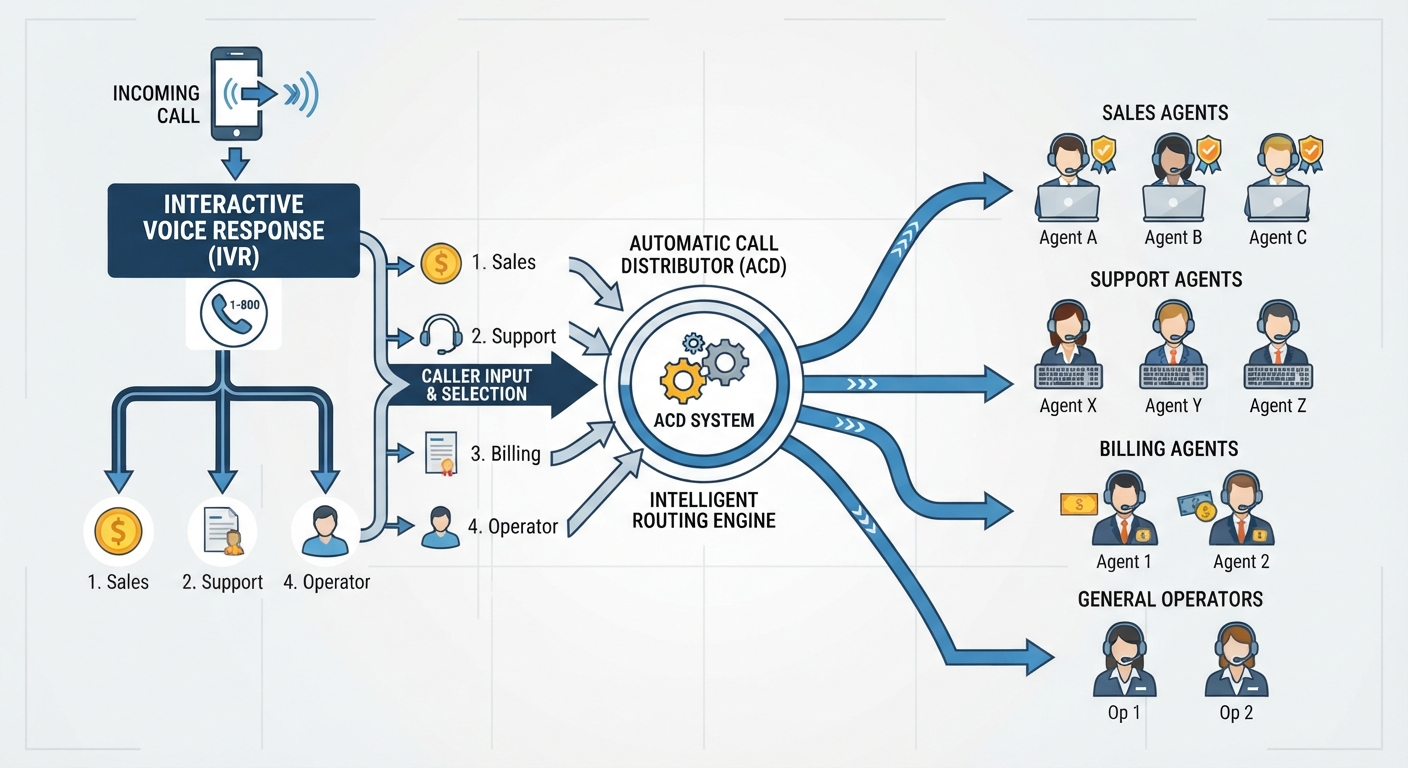
Diagram 1: The path of a customer call and where the money leaks out.
This year's reports from Nextiva points out that an ai receptionist can handle unlimited calls at once for a predictable, low cost. Compare that to a $40k salary plus $15k in benefits for a front-desk person who can only talk to one person at a time.
If you're a plumber or a solo lawyer, you can't afford a $55k "gatekeeper" just to route calls. But you also can't afford to miss the $2,000 lead that calls while you're in a meeting or under a sink.
Anyway, it's not just about saving money on a salary. It's about the "hidden" cost—the revenue you never even saw because your phone was silent. Next, we're gonna look at how these different services actually stack up when things get busy.
Understanding the three contenders: AI vs Virtual vs Answering Service
So, you’re looking at your phone and wondering why it’s such a hassle to just talk to people, right? Choosing between an ai, a virtual assistant, or an old-school answering service feels like picking a lane on a highway where everyone is speeding.
Let's actually look at what these things are. Because honestly, the marketing speak makes them all sound the same, but they definitely aren't.
- AI Receptionists: These are the new kids on the block, using natural language processing (nlp) to actually talk back and forth.
- Virtual Receptionists: Real humans sitting in an office somewhere, pretending they’re in your office.
- Answering Services: Usually the "bare bones" option where someone just takes a message and emails it to you.
Think of an ai receptionist not as a robot voice from a 90s movie, but as a smart layer of software that actually "lives" inside your phone system. It isn't just a press-one-for-sales menu. It’s more like a digital team member that has read your entire business manual.
According to My AI Front Desk, these systems can handle unlimited parallel calls. That means if ten people call your plumbing shop at 10:00 AM on a Monday, all ten get a "person" to talk to. No busy signals, ever.
One of the coolest parts is how they hook into your other stuff. If you use google calendar or a crm like hubspot, the ai can literally see when you're free. It doesn't just take a note; it actually puts the appointment on the books while you're busy doing actual work.
Now, I know what you're thinking—"but people want to talk to a human!" And you're right, sometimes they do. If you’re a law firm dealing with a really sensitive criminal case, a bot might feel a bit cold.
Virtual receptionists are great for empathy. They can hear the "vibe" of a caller. But they have limits. They can usually only handle one call at a time. If two people call, one goes to hold. Building on the dental office stats we saw, people really hate being on hold.
Then you have the traditional answering services. These are usually the cheapest human option. They’re fine for after-hours "emergency" routing, but they rarely know your business. They usually just say, "I'll have him call you back," which honestly, kind of feels like a dead end for the caller.
Look, hiring is tough right now. A human receptionist isn't just their salary. You've got taxes, health insurance, and the fact that they need a lunch break. This year's guide by Bookipi notes that small businesses are moving to ai because it’s often a fraction of the cost of a live person.
If a virtual receptionist service charges you $3.00 per minute, a 10-minute discovery call just cost you thirty bucks. Do that twenty times a day and your bill is gonna be huge. AI usually works on a flat monthly fee or a much lower per-minute rate, which makes your overhead way more predictable.
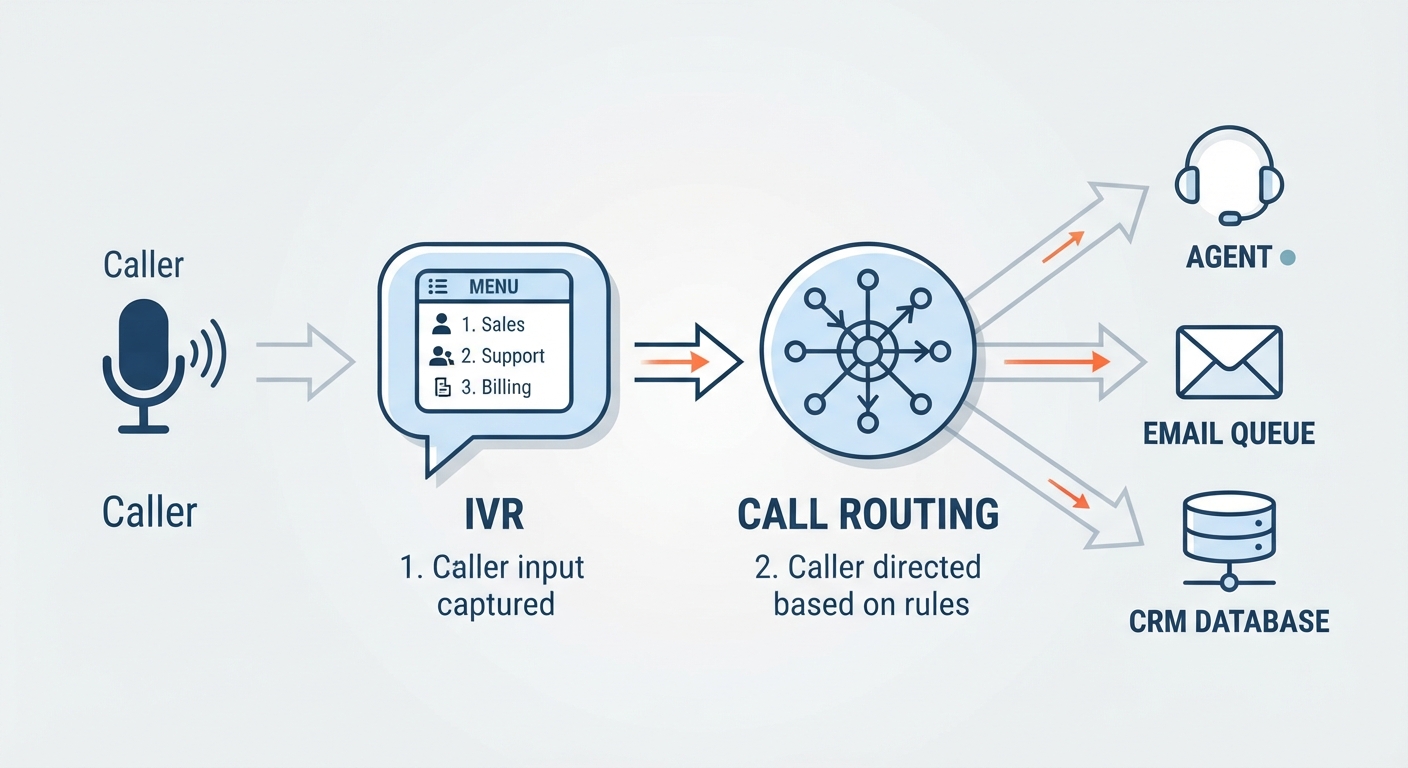
Diagram 2: Comparing the monthly "drain" on your bank account for each service.
I put together this little breakdown because seeing it side-by-side usually makes the "lightbulb" go off for most owners.
| Feature | AI Receptionist | Virtual Receptionist | Answering Service |
|---|---|---|---|
| Availability | 24/7/365 | Usually Business Hours | After-Hours / 24/7 |
| Simultaneous Calls | Unlimited | One per person | Limited by staff |
| Appointment Booking | Direct Calendar Sync | Manual Entry | Rare / Basic |
| Cost (Monthly) | Low ($50-$150) | High ($500-$2,000+) | Moderate ($150-$400) |
| Lead Capture | Instant CRM update | Email/Text notification | Basic message |
Let's talk about how this actually looks on the ground. I was talking to a buddy who runs a mid-sized hvac company. He used to have a human answering service for night calls. The problem? They kept getting the addresses wrong.
He switched to an ai system that was trained on his specific service area. Now, the ai asks for the zip code, checks it against his service map, and tells the customer exactly when a tech can be there. No more "we'll call you back in the morning" and losing the lead to the guy who answers his cell.
In healthcare, it's even bigger. A recent study by Zenoti found that about 50% of salon and spa regulars actually prefer calling after-hours to manage their appointments. If you only have a human during the day, you're missing half your booking window.
"A deeply integrated phone system with an AI receptionist delivers real value by completing tasks end-to-end using live customer and appointment data," says Siddharth Rao, a product leader at Zenoti.
I'd be remiss if I didn't mention the "creepy" factor. Some people don't like talking to bots. The best way to handle this is just being honest. Have your ai say, "Hi, I'm the digital assistant for [Business Name], how can I help you?"
Also, if you're in medical or legal, you gotta make sure the tech is hipaa compliant. Most of the top-tier ai tools are now, but always check the fine print before you start feeding it patient data. You don't want a data leak because you picked a cheap bot from a random website.
Honestly, you don't always have to pick just one. A lot of smart offices are going "hybrid."
- Use the ai receptionist to filter the "junk" calls (like people asking for your address or if you're open).
- Let the ai handle the easy bookings and reschedules.
- Have the ai transfer the "hot leads" or complex problems to a human in the office.
This keeps your staff from burning out on the phone and ensures that when they do pick up, it's for a call that actually makes the business money. Anyway, next we're gonna dive into the actual steps to get one of these things set up without losing your mind.
Industry-specific solutions: Which one fits your business?
Ever feel like your business is just a collection of missed opportunities ringing in your pocket? Honestly, a law firm doesn't handle calls the same way a hair salon does, and pretending one "automated" solution fits everyone is just a lie.
If you’re running a law practice, you know that every call is potentially a five-figure retainer or a total waste of time. You can’t just have a "press one for appointments" menu because legal intake is sensitive.
Modern ai systems are actually getting good at the "screening" part. Instead of just taking a name, they can ask specific questions like "is there a court date already set?" or "was anyone injured?" This lets you prioritize the actual emergencies without spending your whole morning on the phone with tire-kickers.
According to the legal industry insights from Nextiva, ai can act as a "first line of defense," ensuring that when a call finally reaches a human lawyer, it’s actually a case worth taking. It’s about moving the "noise" out of the way so you can focus on billable hours.
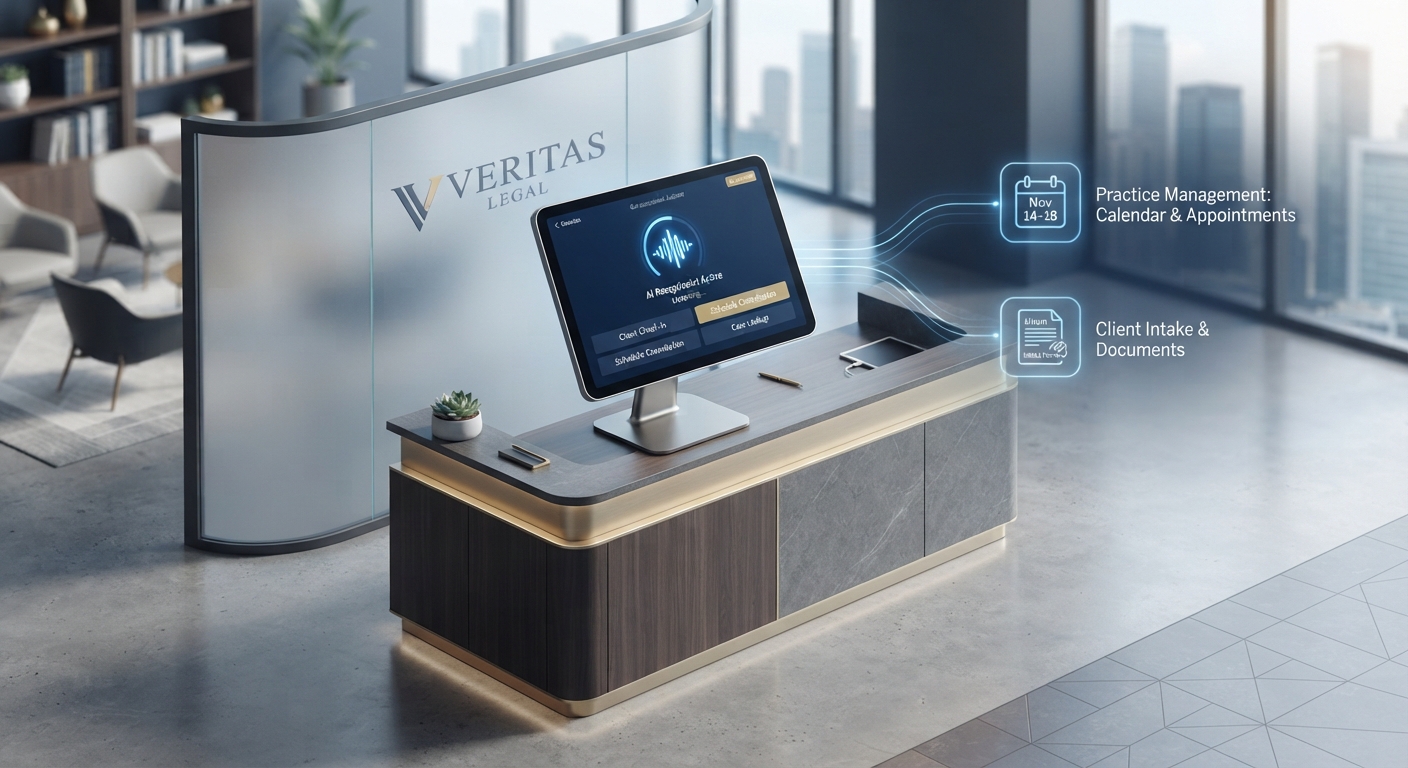
Also, nobody wants to type notes twice. The best setup for a firm is connecting the ai directly to your practice management software. If you use tools like Clio or MyCase, the ai can automatically log the transcript and create a new contact record.
- Automated Screening: The ai asks the "deal-breaker" questions before you ever pick up.
- 24/7 Intake: Prospective clients often call at 9 PM after an accident; ai captures them while your competitors’ offices are dark.
- Professional Tone: You can script the ai to sound empathetic but formal, which is huge for a firm's reputation.
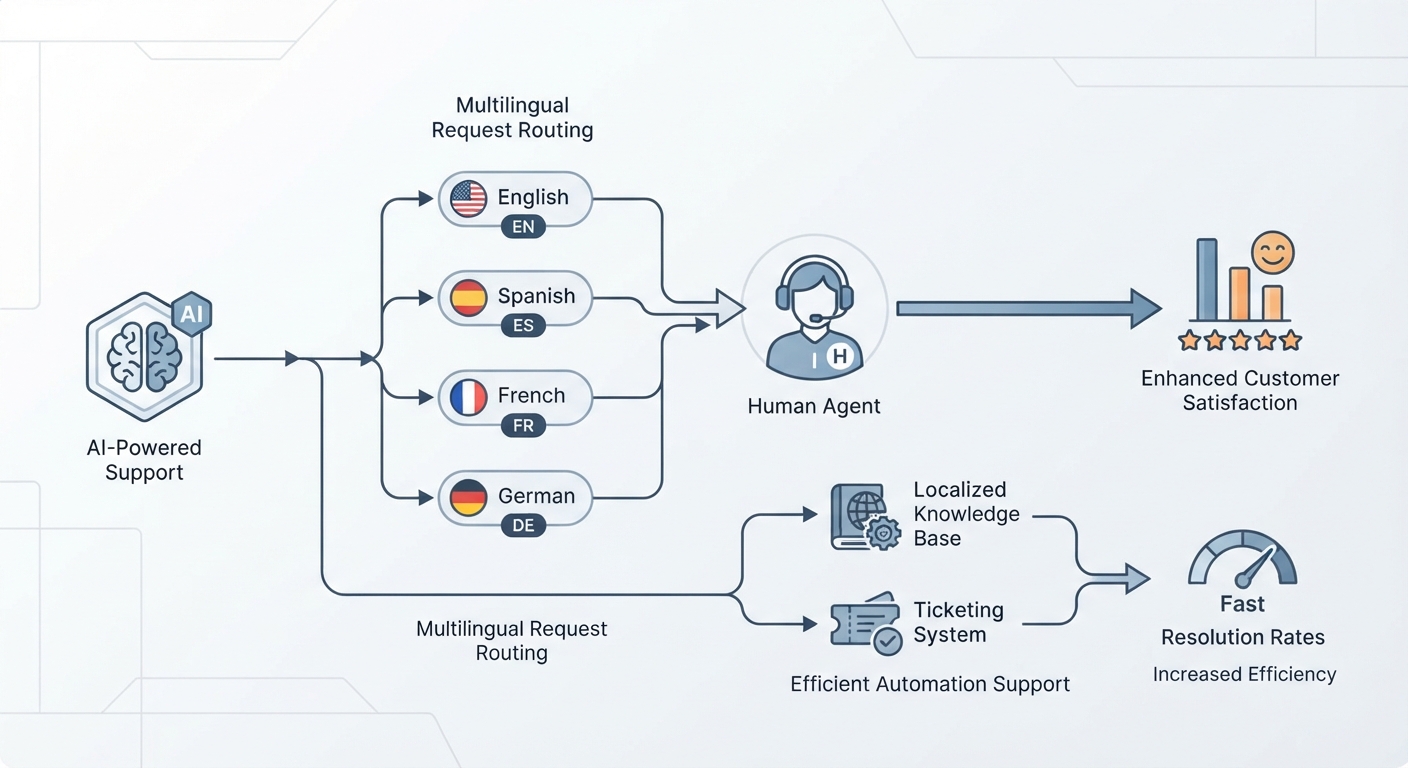
Diagram 3: A typical Law Firm workflow where AI acts as the gatekeeper for high-value cases.
Salons are a totally different beast. You’ve got stylists with hair dye on their hands and a front desk person who is also trying to sell shampoo and check someone out. Calls get missed constantly.
The "hidden" cost here is the no-show. Recall that no-shows drop significantly with automation, and salons are seeing the same. If someone calls to cancel at 8 PM on a Sunday, a human won't answer, but an ai can process that cancellation and instantly text your "waitlist" to fill the spot.
A recent consumer survey by Zenoti found that 52% of regulars actually think calling is the easiest way to manage their hair or spa appointments. If you don't have someone—or some thing—answering those calls, you're basically telling half your customers to go somewhere else.
- Waitlist Automation: When someone cancels via the ai, the system automatically offers the spot to the next person in line.
- Stylist Focus: Your team stays on the floor making money instead of running to the phone every time it rings.
- Direct Booking: The ai doesn't just "take a message"; it looks at your actual chair availability and puts the appointment on the books.
Anyway, I’ve seen salons go from "stressed out" to "fully booked" just by letting the ai handle the "when are you open?" and "can I move my 2 PM?" calls. It lets the humans do the actual art.
Dental offices have the hardest job because they have to be efficient but also stay strictly within the law. You can't just have any old bot handling patient names and tooth pain descriptions.
Your ai has to be hipaa compliant. Period. This means the data is encrypted and the company providing the bot is willing to sign a Business Associate Agreement (BAA). Don't just grab a cheap bot off a random site and start feeding it patient records; that's a one-way ticket to a massive fine.
The Simbo.ai study really hits home here—automated scheduling can cut no-shows by more than half. In a dental office, a missed 90-minute root canal slot is a disaster for the daily revenue.
- Emergency Routing: The ai can distinguish between a routine cleaning request and someone with a "throbbing abscess" who needs to be transferred to the dentist's cell immediately.
- Insurance Verification: Some advanced ai can even ask for insurance details upfront, so your staff doesn't have to spend 10 minutes on the phone doing data entry.
- Reduced Burnout: Front-desk dental assistants are notoriously overworked; letting ai handle the "where are you located?" calls saves their sanity.
Diagram 4: How AI handles the high-stress environment of a dental office triage.
Honestly, whether you're pulling teeth or filing lawsuits, the goal is the same: stay human where it matters and let the machine handle the rest. It's 2026, and your customers expect an answer, not a voicemail.
Next up, we're going to get into the nitty-gritty of the actual setup. I'll show you exactly how to get one of these systems running in an afternoon without needing a degree in computer science.
How to set up ai receptionist for small business: A step-by-step guide
So, you've decided to pull the trigger on an ai receptionist. Honestly, good for you. It beats letting 60% of your leads rot in a voicemail box that nobody checks anyway.
Setting this up isn't like installing a new server in a basement; it's more like teaching a new hire exactly how you want your phones handled. Most people overthink this part, but if you have a clear plan for your call flow, you can actually get this live before your coffee gets cold.
Step 1: Map your call flow
The first thing you gotta do is map out the "logic" of your business. When someone calls at 2 PM on a Tuesday, where should they go versus 2 AM on a Sunday? You need to set your business hours and decide if the ai is your "first responder" or just your "backup" for when the front desk is slammed.
Step 2: Create your Knowledge Base
According to this year's guide by My AI Front Desk, setting up a system like this takes less than five minutes because you're basically just filling out a profile. You tell it your hours, your faq, and your routing rules. Think of every question a customer asks—pricing, parking, what brands you carry—and type it in.
Step 3: Connect your Calendar and CRM
This is where the magic happens. Your ai shouldn't be an island. It needs to talk to your crm (like hubspot or salesforce) and your calendar.
Note for the tech-savvy: If you want to get fancy, you can use webhooks to send call data to your crm. For most owners, you'll just use a no-code tool like Zapier. You just click "When AI finishes call" -> "Create lead in HubSpot." It's all drag-and-drop.
Diagram 5: The "Brain" of your setup—connecting the phone to your actual business tools.
Step 4: Choose your Voice and Tone
One thing to watch out for is the "robotic" feel. You can usually choose the mood or accent of the voice. I've seen shops use a "calm and professional" tone for law firms, while a "friendly and energetic" vibe works better for gyms.
Step 5: The "Confuse the Bot" Test
Don't just "set it and forget it." Call the system yourself. Try to confuse it. See how it handles a weird question about your pricing or location. If it fails, just add that answer to the knowledge base and try again.
I saw a local hvac company set their ai to specifically ask for zip codes. If the caller was outside their service area, the ai politely told them and saved the owner a 10-minute "no" call. Another dental office used their ai to collect insurance info upfront, which saved the front desk about 40 hours of data entry a month.
Anyway, once you've got the routing and the tech connected, you're 90% there. The last part is just monitoring the logs to see where the ai might be struggling and tweaking the faq. Next, we're gonna look at the actual math—how much this is gonna cost you versus hiring another human.
Maximizing lead capture and follow-up automation
Ever feel like your phone is a leaky bucket, and every missed call is just another gallon of profit hitting the floor? It’s a total headache, but honestly, just answering the phone isn't enough anymore in 2026—you gotta actually do something with that lead before they wander off to your competitor.
If you miss a call, the clock starts ticking immediately. Most people wont wait more than a few minutes for a callback before they try the next business on their screen. That is why immediate text-back automation is basically a requirement now.
- Instant Gratification: An ai can send a text the second a call is missed, saying something like, "Hey, sorry we missed you! Want to book a slot or have a quick question?"
- Lead Qualification: Instead of you calling back a robot or a telemarketer, the ai can ask a few screening questions via text. If they're a "hot lead," it pings your phone; if they’re just asking for directions, the ai handles it.
- Data Centralization: You gotta make sure every single one of these "chats" gets logged. This year's report by My AI Front Desk emphasizes that centralizing these interactions prevents leads from falling through the cracks of a messy inbox.
For the folks in home services—like plumbers or hvac techs—a missed call usually means an emergency. If a basement is flooding, that customer isn't leaving a voicemail. They need a human, or at least a bot that can dispatch help.
An ai receptionist can be trained to recognize "emergency" keywords. If it hears "burst pipe" or "no heat," it can automatically route the call to your lead tech's mobile, while handling the routine "quote request" calls on its own.
Restaurants are also seeing a big shift. While online booking is great, a ton of people still prefer to call for a table. According to a recent consumer survey by Zenoti, a huge chunk of customers find calling to be the easiest way to manage their plans.
- Smart Reservations: The ai can check your actual floor plan and book the table without you ever touching the phone.
- LSA Conversion: If you're paying for local service ads on google, every missed call is literally wasted ad spend. AI ensures those clicks actually turn into customers by answering on the first ring.
Diagram 6: The "Safety Net" workflow that catches customers even when you can't talk.
I've seen a local hvac company use this to filter out the "do you repair [random brand]" calls. The ai answers those, and the owner only picks up when it's a confirmed service call. It saves him about two hours of "phone tag" every single day.
One thing to keep in mind is the crm note api. As mentioned by Nextiva, having your phone system automatically push notes into your crm means your sales team actually knows what happened on the call before they even pick up the headset.
Anyway, it's not just about being "available"—it’s about being smart with the data you catch. Next, we're going to wrap all this up and look at the actual ROI of these systems so you can decide if the investment makes sense for your specific shop.
Final Verdict: Choosing your path for 2026
So, we’ve looked at the tech, the costs, and the way these things actually talk to your customers. Now comes the part where you actually have to decide what to do with your phone lines for 2026.
Honestly, there isn't a one-size-fits-all answer, but the "vibe" of your business usually points you in the right direction. If you’re a solo plumber, your needs are worlds apart from a high-end law firm.
If your business is built on handling people during their worst moments—like a criminal defense firm or a high-stakes medical specialist—you probably still need that human touch. As we talked about with the law firm examples, people want empathy when they're stressed.
But for almost everyone else, the math is just getting too hard to ignore. If you're a salon or a dental office, a huge chunk of your calls are just people trying to move a Tuesday appointment to a Thursday.
- The high-value split: Let the ai handle the "boring" stuff (booking, directions, basic FAQs) and save your humans for the "big fish" calls that require actual negotiation or emotional support.
- 24/7 is the new standard: As noted earlier, more than half of salon regulars actually prefer calling after-hours. If you don't have an automated way to answer at 10 PM, you're literally leaving money on the table.
- Scale without the stress: You can't just "hire half a person" when you get 20% busier. AI lets you scale instantly without the overhead of benefits, taxes, or desk space.
Diagram 7: A simple logic map to help you choose your 2026 phone strategy.
Looking toward 2026, the goal isn't just "answering the phone"—it's about what happens to that data. The real power comes when your phone system actually talks to your crm and your calendar.
You don't want to be the owner who has to listen to ten voicemails every morning. You want to walk in and see three new appointments already on the books.
Anyway, if you're worried about the "bot" feeling, remember what we said about the hybrid approach. You can have the ai screen the call, take the basic info, and then do a "warm handoff" to your staff if things get complicated.
If you're still on the fence, look at your phone bill and your missed call log from last month. This year's study by Nextiva points out that while human agents are great for rapport, they're physically limited to one call at a time.
"AI receptionists are significantly less expensive than hiring, training, and retaining a full-time employee... they handle unlimited calls at once," says the report.
For most small shops, the "Answering Service" of the past is dead. It's either a high-quality virtual receptionist for that premium human feel, or a smart ai receptionist for 24/7 efficiency and low costs.
Whatever you pick, just make sure someone—or something—is actually picking up the phone. In 2026, a silent phone is just a slow way to go out of business. Good luck with the setup, it's easier than it looks!