AI Receptionist vs. Scheduling App: Why Booking Software Alone Won't Stop Missed Calls

TL;DR
- The best scheduling app for small business handles self-serve online booking, but it cannot answer the phone. Here is where an AI receptionist closes the gap.
AI Receptionist vs. Scheduling App: Why Booking Software Alone Won't Stop Missed Calls
$126,000 a year is the average amount a small business loses to missed phone calls, according to figures compiled by Voksha from BIA/Kelsey and Invoca data. A scheduling app does nothing to recover that money, because a scheduling app cannot pick up a ringing phone. It is very good at one thing: letting a customer who is already on your website or booking link put themselves into an open slot without talking to anyone. The moment a customer calls instead of clicking, your booking software goes silent, and a large share of service-business demand still arrives as a phone call. That gap is exactly where an AI receptionist fits, which is why the two tools work best together rather than as an either-or choice.
Best scheduling app for small business: software that lets your customers self-book, reschedule, and cancel appointments online through a link or website widget, syncing every booking to your calendar automatically. It handles inbound demand from people who choose to book themselves, but it has no way to answer, qualify, or book a caller who reaches you by phone.
Here is how the two tools compare on the jobs that actually decide whether a lead turns into a booking:
| Capability | Scheduling App | AI Receptionist |
|---|---|---|
| Self-serve online booking | Yes, its core strength | Complementary, not the focus |
| Answers inbound phone calls | No | Yes, on the first ring |
| Captures phone leads | No | Yes, with transcript and summary |
| Books an appointment by voice on a live call | No | Yes |
| After-hours and weekend coverage | Only self-serve clicks | Yes, live answering 24/7 |
| Call routing and emergency triage | No | Yes |
About This Article
- Researched and written: July 2026. Last fact-checked: 2026-09-02.
- This is an educational comparison guide, not a hands-on product test, so no first-hand testing or scoring methodology applies.
- AI assistance: used for drafting, reviewed and edited by the Voksha Content Team.
- Conflicts of interest: this guide is published by Voksha, which offers an AI receptionist; the comparison reflects the stated criteria and presents scheduling apps and human options fairly.
- Sponsorship: none.
- All pricing and product claims were verified on 2026-09-02 against public pricing and documentation.
Key Takeaways
- The average small business loses roughly $126,000 a year to missed calls, and a scheduling app recovers none of it because it cannot answer a phone (BIA/Kelsey and Invoca, compiled by Voksha).
- Phone booking is far from dead: 77% of salon and spa regulars still say calling is the easiest way to change an existing appointment (Zenoti 2025 salon and spa survey).
- Scheduling apps deliver real value on the self-serve side: 94% of surveyed customers said they would be more likely to choose a provider that offers online booking (GetApp, 2021).
- About 85% of callers who reach voicemail hang up without leaving a message, and roughly 62% of unanswered callers call a competitor (Voksha cost-of-missed-calls analysis).
- 32% of business calls arrive outside 9-to-5 weekday hours and 23% land on weekends, when a booking widget is the only thing working and every phone caller is on their own (Voksha After-Hours Economy Report, 2026).
- Voksha plans start at $14 per month for Starter and $99 per month for Premium, so pairing an AI receptionist with your existing scheduling app costs far less than a full-time front desk (Voksha pricing, verified 2026-09-02).
What Can a Scheduling App Do, and Where Does It Stop?
A scheduling app is a self-service tool. It gives your customers a link or an on-site widget where they can see your real availability, pick a time, and book it, and it writes that booking straight to your calendar so you never double-book. For businesses whose customers are comfortable booking online, this is genuinely valuable. In one survey, 94% of respondents said they would be more likely to choose a provider that offered online booking, and practices that offered both online and phone options were booked more often than phone-only ones (GetApp, 2021). The best scheduling app for a small business removes friction for the customer who already wants to book and would rather not wait on hold.
The boundary is just as clear. A scheduling app is passive. It waits for a customer to arrive at the link and do the work themselves. It cannot reach out, it cannot answer a question the customer has before they commit, and above all it cannot answer the phone. If a prospective client calls because they are driving, because their situation is complicated, or simply because calling is their habit, the scheduling app is not part of that conversation at all. Nobody is. That is the moment where booking software stops and revenue starts leaking.
Why Do Scheduling Apps Still Leave You With Missed Calls?
Because a large and stubborn share of buying intent still arrives by phone, and phone callers convert at a higher rate than form-fillers. Phone leads tend to be people with immediate intent: they want an answer now, not after an email exchange. When that call goes unanswered, it rarely turns into a self-serve online booking later. Roughly 85% of callers who hit voicemail hang up without leaving a message, and about 62% of unanswered callers simply call a competitor instead, according to the figures in Voksha's cost-of-missed-calls analysis. A booking widget cannot save a caller who has already dialed the next business on their list.
The preference for phone is not nostalgia, and it is not confined to older customers. A 2025 salon and spa survey found that 77% of regulars still believe calling is the easiest way to change an existing appointment (Zenoti, 2025). In home services, plumbing, and other trades, the phone is often the default because the job is urgent or needs to be explained. Add the timing problem on top: 32% of business calls now arrive outside standard weekday hours and 23% land on weekends (Voksha After-Hours Economy Report, 2026). During those hours your scheduling app is technically open, but only for the fraction of customers willing to self-serve. Every phone caller after 6 p.m. hits a dead line. This is the exact leak that missed call recovery is built to close.
What Does an AI Receptionist Do That a Booking App Cannot?
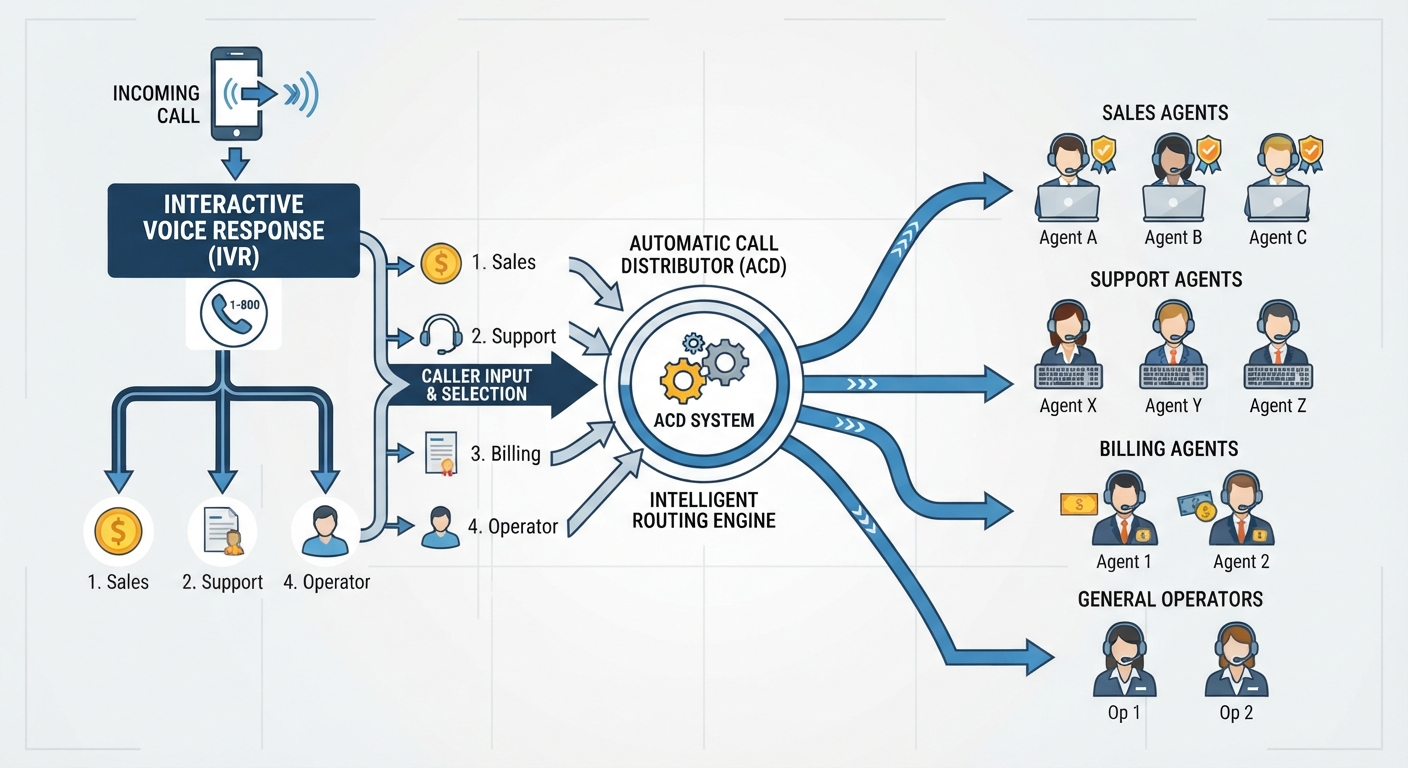
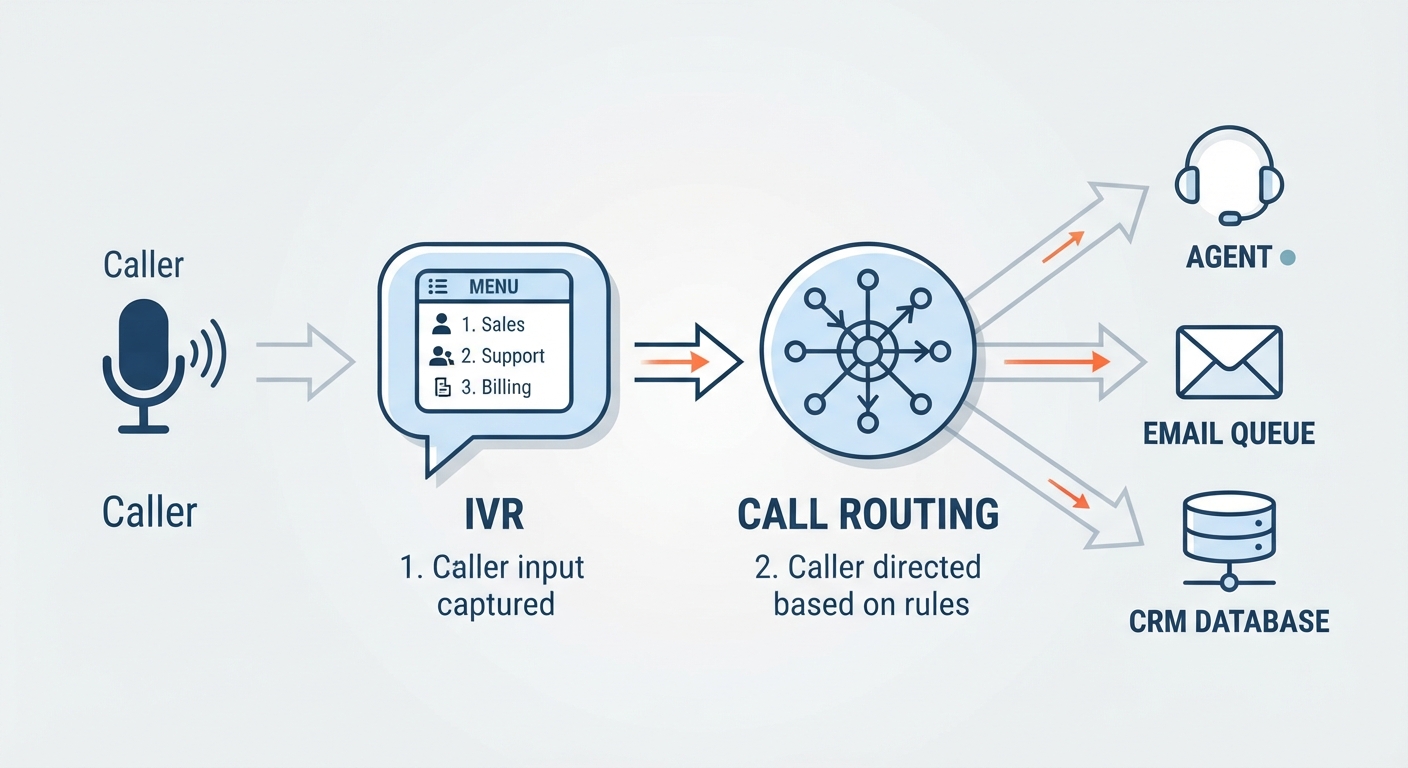
An AI receptionist answers the phone. It is a voice agent that picks up an inbound call on the first ring, speaks naturally with the caller, understands what they need, and completes the task, whether that is answering a question, qualifying a lead, or booking the appointment on the spot. Where a scheduling app waits for a click, the AI receptionist handles a live human conversation and turns it into a confirmed booking or a captured lead.
The practical difference shows up on the calls a widget can never touch. An AI receptionist answers at 2 a.m. on a holiday as reliably as at 2 p.m. on a Tuesday, so the roughly quarter of demand that lands after hours no longer goes to voicemail. It runs lead qualification by asking the same questions a trained receptionist would, so an urgent job gets routed to the right person while a routine request gets booked. And it books directly, using appointment booking that plugs into the same calendar your scheduling app already writes to. Voksha's agent answers in under 200 milliseconds and has handled more than 10,000 calls at 99.9% uptime, so callers get a real answer and a real next step instead of a recording. For the full picture of the category, the virtual receptionist complete guide and the answering service complete guide walk through how live human, AI, and hybrid coverage compare.
Do You Have to Choose Between a Scheduling App and an AI Receptionist?
No, and framing it as a choice is the mistake that costs money. A scheduling app and an AI receptionist solve two different halves of the same problem. The scheduling app captures the customer who wants to book themselves online. The AI receptionist captures the customer who picks up the phone. Run both and you cover both doors into your calendar instead of leaving one wide open.
They also do not fight each other, because a well-integrated AI receptionist writes to the same calendar your scheduling app reads from. When both tools sync to Google Calendar, Outlook, or Calendly, a voice booking and a self-serve booking land in the same place, so there is no double-booking and no separate system to reconcile. The scheduling app keeps doing what it is best at, self-serve online booking, and the AI receptionist adds live answering, after-hours coverage, and phone capture on top. A salon that already lets clients rebook online, for example, can add phone coverage without changing its front-desk software, as laid out in the guide to the best AI receptionists for salons and spas. You keep your existing number and forward calls, so nothing on your website, cards, or listings has to change, and Voksha covers the after-hours and overflow window through after-hours answering.
How Much Do a Scheduling App and an AI Receptionist Cost Together?
Less than most owners expect, and far less than the front-desk hire the pair replaces. Scheduling apps for small businesses commonly run from free tiers up to roughly $20 to $50 per user each month for paid plans, depending on the vendor and features, so verify the current price on your provider's own pricing page before you budget. On the phone side, Voksha starts at $14 per month for the Starter plan and $99 per month for Premium, with a custom Enterprise tier for high-volume operators (Voksha pricing, verified 2026-09-02).
Stack those together and you are typically under $150 a month for both self-serve online booking and 24/7 live phone answering. Compare that to $3,000 to $4,500 a month for a full-time in-house receptionist, or per-call charges from a traditional answering service, and the math is straightforward. Put it against the downside it prevents: if a single captured phone job is worth a few hundred dollars, and answering the phone recovers even a handful of otherwise-missed calls a month, the AI receptionist pays for the whole stack many times over. That is before counting the repeat business a well-handled first call tends to bring.
How Do You Decide What Your Business Actually Needs?
Start by looking at where your bookings come from now. If almost every customer books through your link and your phone barely rings, a strong scheduling app may be most of what you need. If your phone rings often, if callers describe urgent or complicated jobs, or if you catch yourself missing calls during busy stretches and after close, then a scheduling app alone is leaving money on the table and an AI receptionist is the missing half.
For most service businesses the honest answer is both. Keep the scheduling app your online customers already like, and add an AI receptionist to answer the calls that a widget will never catch. Check that the two share a calendar so bookings never collide, confirm the AI receptionist can forward from your existing number, and decide whether it should cover only after-hours and overflow or every call all day. That is the setup that closes the phone gap without disrupting the self-serve flow you have already built.
Frequently Asked Questions
Can a scheduling app answer phone calls?
No. A scheduling app is a self-service booking tool. It lets customers book, reschedule, or cancel online and syncs those bookings to your calendar, but it has no ability to answer a ringing phone, talk to a caller, or capture a phone lead. Answering calls is the job an AI receptionist does, which is why the two tools are complementary rather than interchangeable.
Do I still need a scheduling app if I have an AI receptionist?
Usually yes. An AI receptionist handles callers, but plenty of customers still prefer to book themselves online without talking to anyone, and 94% of surveyed customers said they would be more likely to choose a provider that offered online booking (GetApp, 2021). Keeping your scheduling app for self-serve bookings and adding an AI receptionist for phone bookings covers both types of customer.
Will an AI receptionist double-book against my scheduling app?
No, as long as both tools sync to the same calendar. Voksha's appointment booking plugs into calendars like Google Calendar, Outlook, and Calendly, which is where scheduling apps write their bookings too. Because both read and write the same live availability, a voice booking and a self-serve online booking cannot collide.
Which is better for a salon, spa, or home-service business?
Both, working together. These businesses see heavy phone demand: 77% of salon and spa regulars still say calling is the easiest way to change an appointment (Zenoti, 2025), and trades callers often need to explain an urgent job. A scheduling app captures the self-serve online bookings, and an AI receptionist captures the callers, including nights and weekends when 32% of calls arrive outside business hours.
How much does it cost to run both a scheduling app and an AI receptionist?
Typically under $150 a month for a small business. Paid scheduling app plans commonly run in the tens of dollars per user each month, and Voksha's AI receptionist starts at $14 per month for Starter and $99 per month for Premium (verified 2026-09-02). Together that is a fraction of the $3,000 to $4,500 monthly cost of a full-time receptionist.
Final Thoughts
A scheduling app and an AI receptionist are not rivals, they are the two halves of a complete booking system. The scheduling app captures customers who book themselves online, and it does that job well. The AI receptionist captures the callers a widget can never reach, including the after-hours and weekend calls that carry the highest intent. Rely on booking software alone and you keep leaking phone leads to voicemail and to competitors. Add live answering on top and you close the gap without changing your number or your existing tools. Ready to try? Sign up for Voksha.