AI Receptionist for SaaS Companies: Qualify Inbound Leads on the First Ring
TL;DR
- We are covering how saas companies and service businesses can stop losing money from missed calls. This article looks at the real cost of hiring a human vs using an ai receptionist to qualify leads instantly. You'll learn the step-by-step setup to automate your phone system, reduce no-shows, and ensure every inbound caller gets a professional response on the first ring without the high overhead of a traditional front desk.
The high cost of the missed call in 2026
Ever wonder why your phone rings and then just... silence? In 2026, a missed call isn't just a bummer, it's basically throwing cash in the trash because customers have zero patience now.
Most people won't even bother leaving a message anymore. (do people not do voicemail anymore? : r/Millennials - Reddit) If you don't pick up, they’re already googling your competitor before your greeting even finishes. (Stop handing your leads to the competition on a silver platter. 🍽️ If ...)
- The Speed Trap: The first business to actually answer the phone usually wins the contract. (The contractor who answers first usually wins. - Facebook) it's that simple.
- Ghosting is Real: Statistics from a RingCentral demo suggest missed calls are often a business's most expensive problem because of lost lifetime value.
- Industry Nuance: While the tech is the same, the stakes differ. For a saas startup, speed means booking a demo before the lead cools off. For a dental office, it’s about snagging that emergency appointment before they call the clinic down the street.

Honestly, watching a lead vanish because you were busy with another client is brutal. Next, let’s look at why hiring a human to solve this is no longer the most cost-effective move.
AI receptionist cost vs hiring receptionist: A real breakdown
Let’s be real, paying a human to sit at a desk just to say "hello" is getting crazy expensive. When you add up a $40k salary plus health insurance and those random "I’m sick" days, you’re looking at a massive overhead for a saas startup.
Most ai setups—like the one from Intellagents which shows how to build a voice agent in 10 minutes—cost a fraction of that.
- The Price Gap: A human costs roughly $3,500+ per month. An ai receptionist usually runs between $50 to $200 for a monthly subscription, or about $0.15 to $0.25 per minute of talk time. Even a busy office rarely spends more than $500 a month on api fees.
- Zero Benefits: ai doesn't need dental insurance or 401k matching.
- Infinite Scale: A human can't answer five calls at once during a product launch, but an api-driven bot can.

Honestly, for a small dental office or a fast-moving saas team, the roi is just too big to ignore. It’s not about firing people, it’s about not wasting your best talent on simple scheduling.
Next, let's look at how you actually get this thing running without a tech degree.
Qualifying leads on the first ring with Voksha AI
Ever feel like your "contact us" form is just a black hole where good leads go to die? Honestly, if you're running a saas and waiting four hours to email a prospect back, you've already lost them to someone faster.
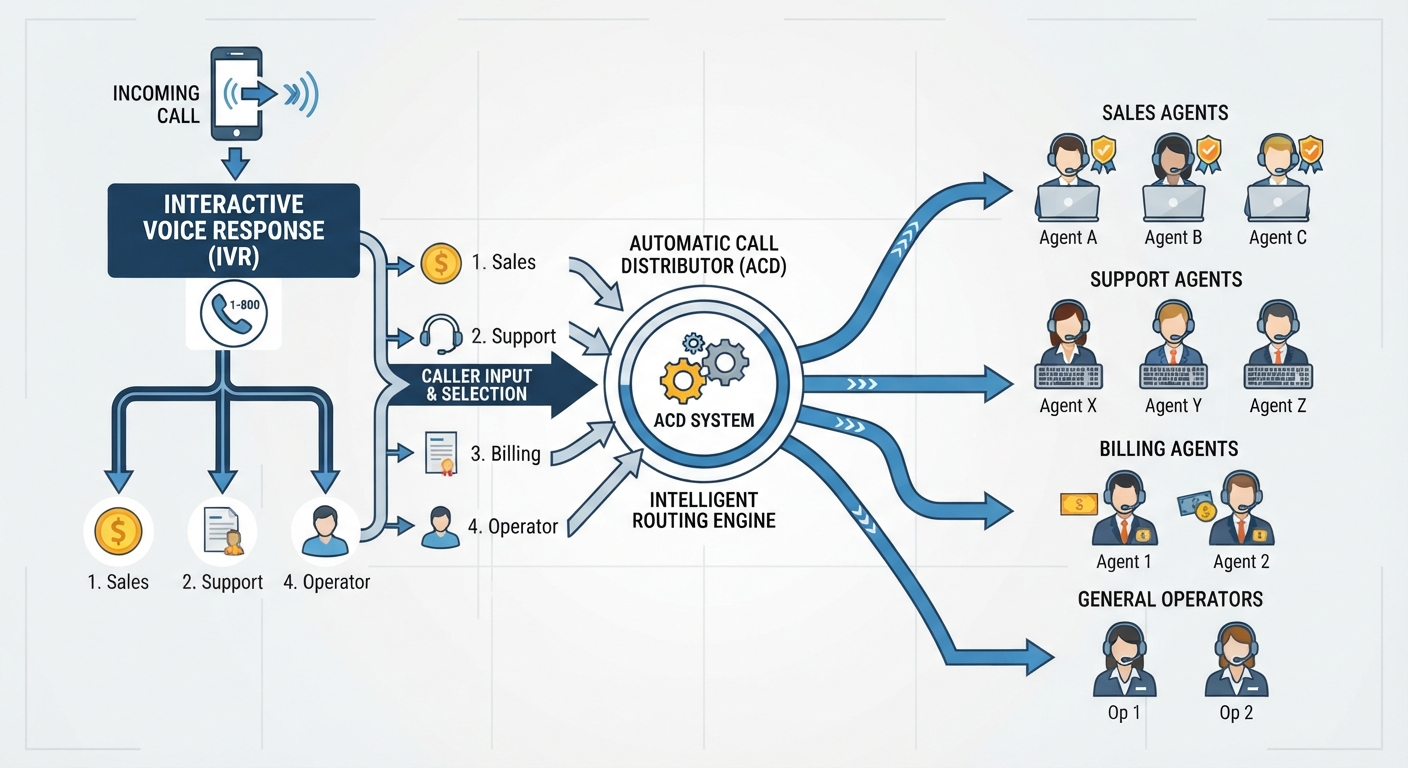
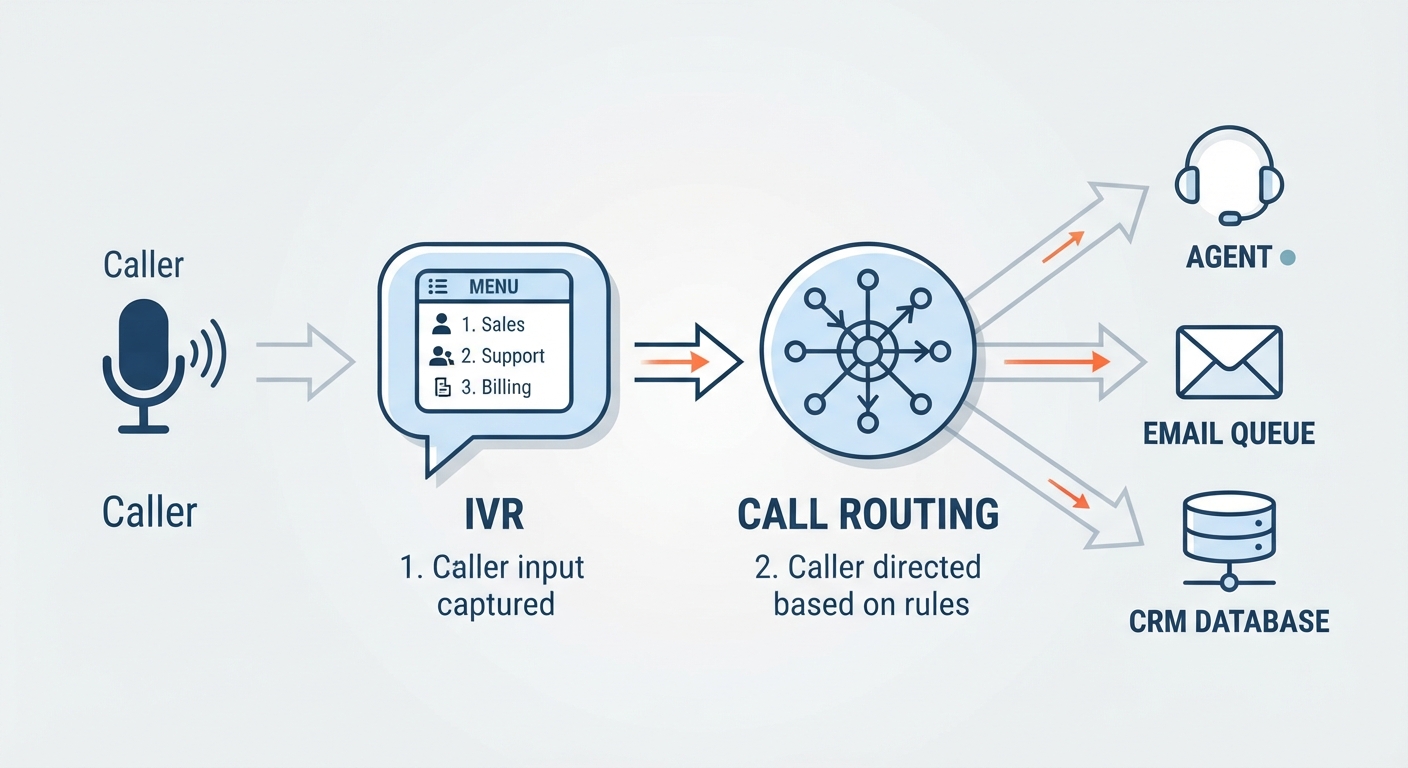
Voksha AI changes that by answering on the first ring. It doesn't just say hello; it actually interviews the caller to see if they're a fit for your high-ticket plans or just someone looking for a freebie.
- Smart Filtering: The bot can ask about team size or budget. if they don't meet your criteria, it politely points them to your docs instead of wasting a salesperson's time.
- CRM Sync: It pushes every detail straight into HubSpot or Salesforce. No more manual data entry or "who was that guy again?" moments.
- Instant Booking: If the lead is hot, the ai checks your calendar and snags a spot right then.

According to brand strategist Phil Pallen, who specializes in building digital presence, you can actually get an ai receptionist handling calls and bookings in about 15 minutes. It’s wild how fast you can stop the "leaky bucket" problem.
Next, we'll dive into making sure your ai doesn't go rogue and start giving out weird advice.
Guardrails and testing: Keeping your AI on track
The biggest fear people have is their ai bot promising a free car or telling a customer to go jump in a lake. To stop this, you need "Guardrails." This is basically just setting boundaries in the prompt engineering phase.
- System Instructions: You tell the bot, "You are a receptionist for a dental office. You only discuss scheduling and basic pricing. Do not give medical advice."
- Knowledge Base Lock: You upload your specific FAQ. If a customer asks something not in the file, the ai is trained to say, "I'm not sure about that, let me transfer you to a human."
- Testing Phase: Before going live, you should do "Red Teaming"—which is just a fancy way of saying you call the bot and try to trick it into saying something dumb.

I've seen office managers get this running while eating lunch—it's that fast. Just make sure you test it by calling yourself first so you don't have any awkward "i don't know that" moments with real customers.
Next, we'll look at how different industries actually use this stuff.
Industry specific benefits: From law firms to salons
Whether you're running a boutique law firm or a busy hair salon, those missed calls are basically just money walking out the door. It’s wild how much a simple ai bot can change things for a small team that's stretched thin.
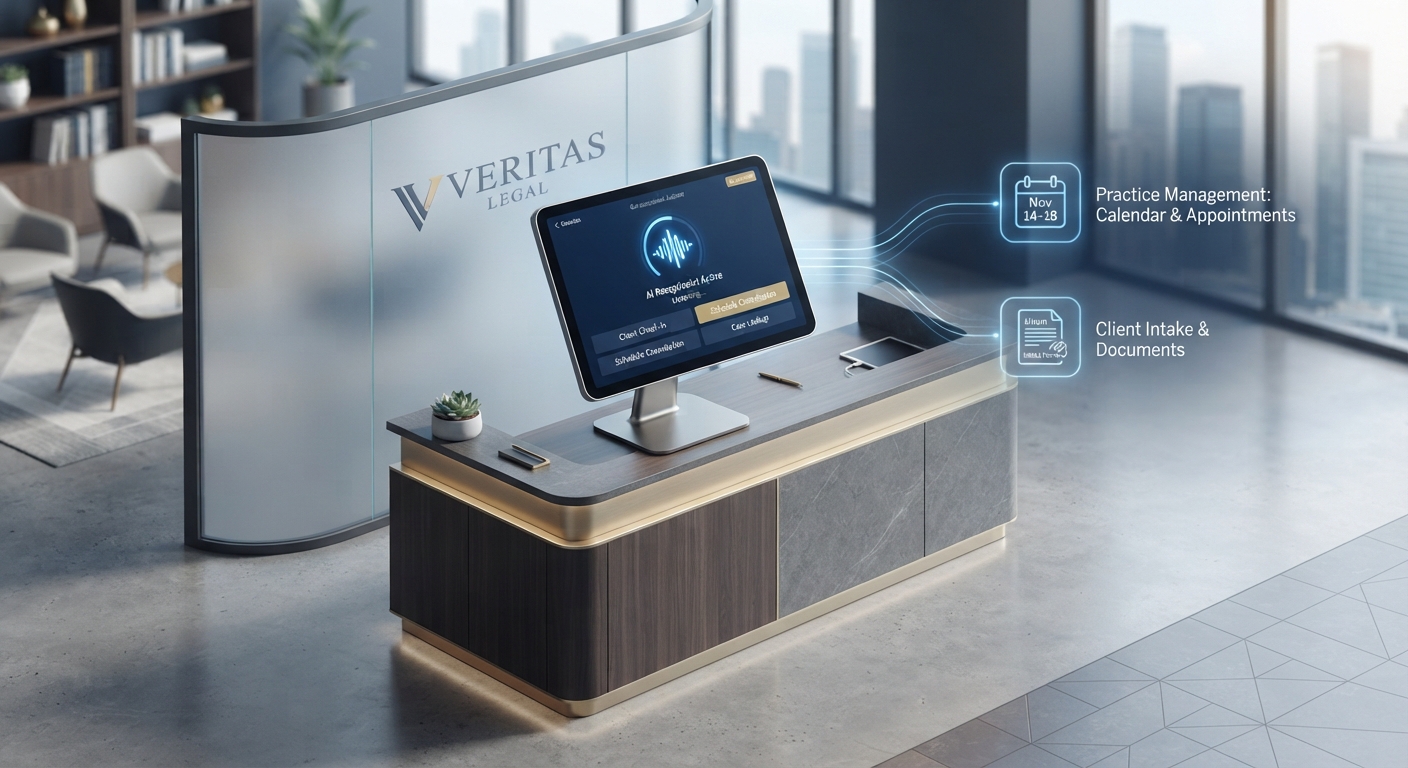
- Law Firms: The bot handles initial intake, screening for "personal injury" vs "family law" before a lawyer ever touches the phone.
- Salons/Clinics: It cuts down no-shows by sending instant text confirmations and handling rescheduling 24/7.
- Home Services: Provides a solid alternative to expensive after-hours services by answering basic pricing questions at 2 AM.
Honestly, most clients just want an answer right now. If you give them that, you win. It's time to stop playing phone tag and let the tech do the heavy lifting.