AI Receptionist Pricing Guide 2026: What to Expect and How to Compare

TL;DR
- This guide covers the latest ai receptionist pricing models for 2026, comparing flat-rate, per-minute, and per-call structures. You will find a detailed cost breakdown against human staff and virtual answering services, plus industry-specific ROI math for law firms, dental offices, and salons. We also include a step-by-step setup guide to help you capture more leads and reduce missed calls without the high overhead of a traditional front desk.
The Real Cost of Answering the Phone in 2026
Ever feel like your phone is a tiny monster eating your profits? You're not alone. In 2026, the cost of answering—or failing to answer—that ringing phone is higher than most of us realize.
Honestly, if you're still relying on a "leave a message" greeting, you're basically handing your customers to the competition. People just don't have the patience anymore.
- The Drop-off is Real: Most callers won't even wait for the beep. According to ai-receptionist.com, about 85% of people who don't get a live answer just hang up and never call back.
- First to Answer Wins: In industries like plumbing or law, the first person to pick up gets the job. If you're under the sink or in court, you're losing money every second that phone rings.
- SEO Hits: Missed calls can actually hurt your local rankings. This happens because google tracks "Call History" and click-to-call data through your google Business Profile. If they see calls are constantly short or hitting a voicemail system, their algorithm might think your business is closed or just unreliable, which drops you in search results.
Let's look at the math, because it's kind of wild. Hiring a person isn't just about the hourly wage. You’ve got taxes, benefits, and the fact they (fairly!) need lunch breaks and sleep.

A 2026 guide from NextPhone points out that a human receptionist can run you $3,000 to $4,000 a month. Compare that to an ai system that usually costs between $50 and $200. You're looking at a 95% savings while getting 24/7 coverage.
It's not just about replacing people, though. It’s about making sure you never miss a $500 hair color appointment or a $2,000 emergency pipe repair just because you were busy.
Next, we'll dive into the specific pricing models. While navigating these costs can be frustrating, the following three models have become the industry standard for 2026.
Decoding the 2026 AI Receptionist Pricing Models
So you've decided to ditch the old-school voicemail, but now you're staring at a pricing page that looks like a math textbook. It’s frustrating, right? Most of the time, you just want to know if you're going to get hit with a $500 bill because your salon had a busy week.
In 2026, most companies are moving toward three main ways of taking your money. Understanding these is the difference between a bargain and a budget-killer.
- The Subscription Model: This is the "Netflix" of ai receptionists. You pay a set fee—usually ranging from $150 to $500 per month in 2026—and get a bucket of minutes or features. As discussed by Trillet, this is usually the safest bet for predictable budgeting.
- Pay-Per-Minute: You only pay for what you use. It sounds fair until you realize that 2026 rates usually hover between $0.20 and $0.50 per minute. Great for a quiet law firm, terrible for a chatty retail shop.
- Per-Call Pricing: Some places charge a flat fee every time the phone rings, no matter if the call lasts ten seconds or ten minutes. Expect to pay between $1.00 and $3.00 per call depending on the complexity. GetVoIP notes that this works well for long intake calls but gets pricey if you get a lot of "are you open?" queries.

Watch out for the "onboarding" fee. Some providers still try to charge $500+ just to turn the system on. According to a 2025 guide from My AI Front Desk, these fees can actually climb as high as $4,999 for complex enterprise setups!
Also, ask about compliance surcharges. If you're in a field like healthcare, you'll often see a "hipaa Compliance Fee" added to your monthly bill because the provider has to use extra-secure servers to protect patient data.
Next, we're going to look at how to actually pick the right plan without losing your mind.
Industry-Specific ROI: Law, Dental, and Salons
Ever wonder why some law firms or dental offices always seem to have their act together while others sound like a chaotic mess when you call? Honestly, it usually comes down to who—or what—is picking up the phone when things get busy.
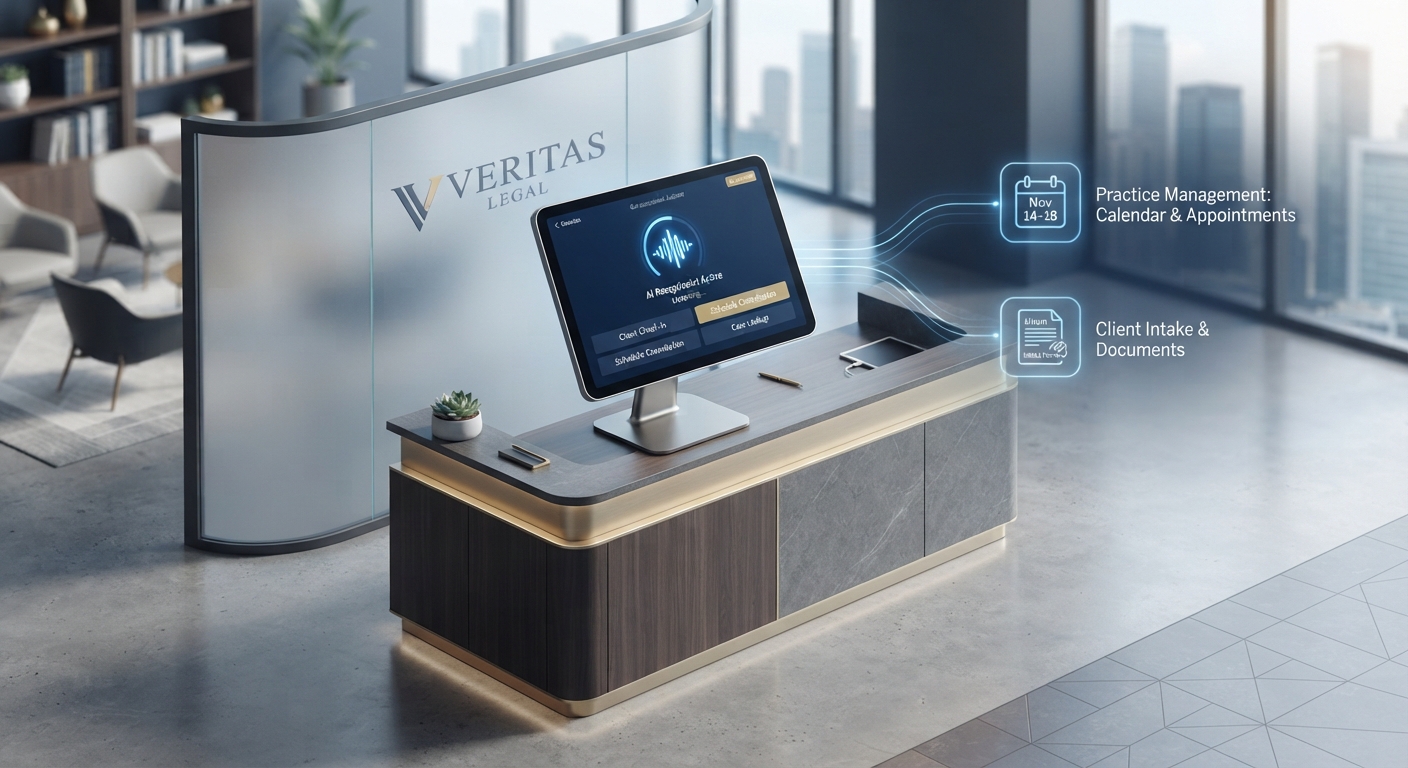
For a law firm, missing a call isn't just annoying; it's a lost retainer. But you can't just let anyone answer legal questions. Modern ai systems are now being built with legal-specific scripts to handle that initial "do you even have a case?" intake.
- Intake on autopilot: According to Voksha AI, legal-specific ai receptionists can start around $14/mo, handling complex scripts that qualify leads before they ever touch a lawyer's desk.
- hipaa is a big deal: If you're in medical or dental, you can't just use any bot. You need something that won't leak patient data. Many premium providers charge extra for this specialized security, but it's cheaper than a massive fine.
- No more "please hold": A dental office can lose 25% of appointments to no-shows, but ai can sync with calendars to send reminders or reschedule people at 2 AM.

Salons live and die by their schedule. If someone forgets their 3 PM highlight, that’s money you never get back.
- Instant SMS: If you're mid-haircut and can't answer, the ai doesn't just take a message. It can text the caller a booking link immediately.
- Reducing Ghosting: Automated reminders are huge. A 2026 report by Prospyrmed suggests these automated nudges can cut no-shows by 30-40%.
So yeah, whether it's a $5,000 legal case or a $200 balayage, the roi is basically "one saved lead pays for the year."
Next, let's look at how to actually set this stuff up without needing a computer science degree.
Virtual Receptionist vs AI Receptionist Comparison
So, you’re trying to decide between a virtual receptionist—you know, the actual humans working in a call center—and an ai system. Honestly, it's like comparing a traditional mail service to email; both get the job done, but the real difference is in how they handle the "vibe" of your business.
The biggest headache with human answering services is the "one call at a time" rule. If three people call your plumbing business at once, two are going to wait on hold. According to GetVoIP, ai can handle unlimited simultaneous calls, so nobody ever hears a busy signal.
- Empathy vs. Accuracy: Humans are great for "hand-holding" through a crisis, but they make mistakes. ai is less "warm" but it never forgets to ask for an email address or misspell a name because they had a rough morning.
- Multitasking: One ai agent handles 10+ calls at once during a morning rush. A human service would need 10 different people to do that, which gets expensive fast.
- Training: You have to train every new human hire. With ai, you train the "brain" once and it stays perfect forever.

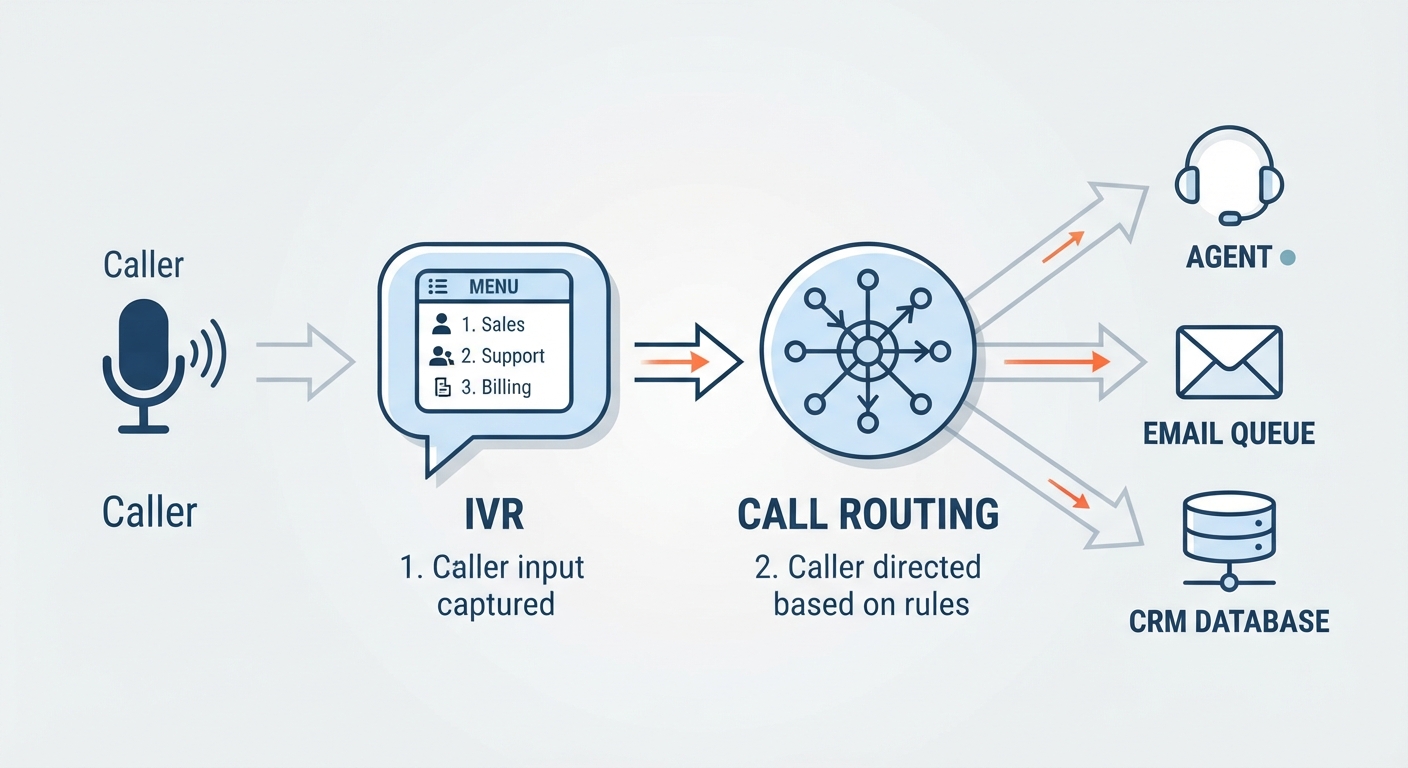
It isn't just about taking a message, either. These systems can route emergency calls to your cell while texting a booking link to the non-emergencies. You get to sleep, but your business stays open.
Next, we’ll walk through the actual steps to get one of these bots live on your phone lines.
Step-by-Step AI Receptionist Setup Guide
Setting up an ai receptionist isn't nearly as scary as it sounds, honestly. You don't need to be a coder or hire some expensive consultant to get your phone lines working for you while you sleep.
First, you gotta decide what happens when that phone rings. Do you want it to book an appointment immediately, or just answer basic questions about your pricing? Most people start by mapping out a simple flow.
- The Greeting: Keep it short. "Hi, thanks for calling [Your Business], how can I help?"
- Training the Brain: You’ll upload your faq or paste your website url. This is how the ai learns your specific services—like knowing the difference between a deep clean and a standard tidy.
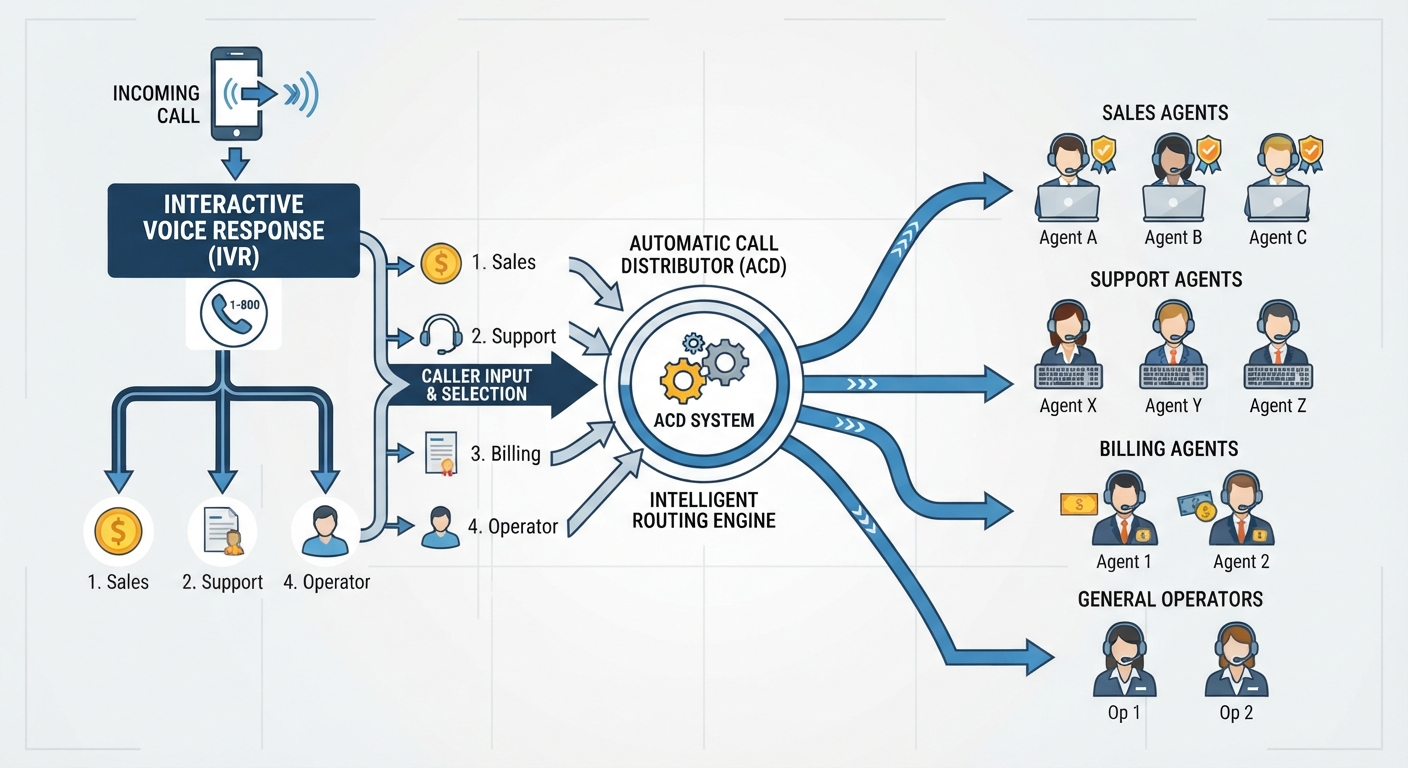
- The Telephony Step: This is the "magic" part. You either port your existing number to the ai provider, or more commonly, you set up "Conditional Call Forwarding" on your current phone. This tells your phone: "If I don't answer in 3 rings, send this call to the ai."

Once the "brain" is trained and the lines are connected, you need to plug it into your tools. Most systems plug right into google calendar or crm platforms like hubspot. According to My AI Front Desk, these integrations are what turn a basic bot into a revenue machine.
- Text-back: If a lead hangs up, have the system send an automatic sms with a booking link.
- Qualifying: Let the ai ask, "What's your budget?" or "When do you need this done?" before it even hits your inbox.
- Review: Check your transcripts once a week. It’s the best way to see what customers are actually asking.
Honestly, once it's live, you'll wonder why you spent years letting calls go to voicemail. It’s about working smarter, not harder.