AI Receptionist for Law Firms: Capture Every Legal Intake Call 24/7

TL;DR
- This guide covers how law firms can use ai to handle intake calls and stop losing money on missed leads. We look at the cost of hiring vs automation, how to set up intelligent call routing, and ways to integrate with legal crims like Clio. You will learn how to provide 24/7 coverage without the high overhead of a traditional answering service.
The High Cost of Missed Legal Intake Calls
Ever wonder why some law firms seem to grow effortlessly while others struggle despite spending a fortune on ads? It usually comes down to who actually picks up the phone when a panicked lead calls at 9:00 PM.
If you’re letting potential clients hit a machine, you’re basically handing money to your competitors. In the legal world, "later" might as well be "never." Most people calling a lawyer are in a crisis—a car wreck, an arrest, or a messy divorce—and they won't wait for a callback.
According to a report by clio, 67% of legal consumers say that responsiveness is the most important factor when choosing an attorney. (3 Ways Law Firms Can Respond to Potential Clients Faster | Clio)
- The "First to Answer" Rule: In personal injury or criminal defense, the first firm to pick up usually wins the retainer. People in stress need immediate validation.
- The Voicemail Myth: While some think callers just hang up, many actually leave messages but then immediately call the next firm anyway. You haven't "captured" them just because they left a recording; you've only captured them when they stop searching.
- SEO and Reputation: Missed calls often lead to "no-show" frustrations that end up as one-star reviews, dragging down your local rankings.
Think about your average case value. If a single personal injury lead is worth $10k, missing just one call a month is a $120,000 mistake. (The offer I got seems low. How can a personal injury attorney tell ...) Meanwhile, an ai receptionist costs a fraction of a human salary and never sleeps.

A law firm using ai intake can handle five calls at once while the main receptionist is at lunch. It’s not just about saving money on staff; it’s about plugging the leaks in your bucket.
So, how do we actually bridge that gap without hiring three more people? Let’s look at how these automated systems actually talk to your clients.
Comparing the Costs: Receptionist Salary vs AI Receptionist
Let’s be real for a second—hiring a person to sit at a desk isn't just about the hourly wage you see on a job posting. By the time you add up the "hidden" stuff like health insurance, payroll taxes, and that expensive espresso machine they insisted on, you’re looking at a massive chunk of your overhead.
When you hire a living, breathing human for your law firm, you aren't just paying for 40 hours of work. You're paying for their desk space, their software licenses, and the time it takes to train them on your specific intake process. Plus, humans need sleep and vacations.
- The Salary Floor: According to data from Glassdoor - a leading job market insights platform - the total pay for a legal receptionist can easily exceed $45,000 to $60,000 depending on your city. And that’s before benefits.
- The 9-to-5 Blind Spot: Most legal emergencies don't happen during business hours. If your receptionist leaves at 5:00 PM, you're essentially "closed" to any new leads until the next morning.
- Turnover Headaches: The legal industry has high burnout. Every time a receptionist leaves, you spend thousands on recruiters and weeks retraining a new person while calls go unanswered.

A lot of lawyers get confused between a "virtual" receptionist (a remote human at a call center) and an ai system. A virtual receptionist service usually charges you "per minute." If a caller puts them on hold or rambles about their cat for ten minutes, you’re the one paying for it.
- Consistency is King: An ai doesn't have "off days" or get grumpy because they skipped lunch. It follows your intake script perfectly every single time, ensuring you get the right data for every case.
- Instant Scaling: If you run a big tv ad campaign and get 50 calls at once, a human service will put people on hold. An ai handles all 50 calls simultaneously without breaking a sweat.
- Flat Rate Predictability: Most ai phone systems charge a flat monthly fee or a very low per-call rate, making your marketing ROI much easier to calculate.
Honestly, it's about being available when the lead is ready to talk. If you’re a solo practitioner or a small firm, trying to compete with the "big guys" means you can't afford to have a silent phone.
But how do these robots actually sound? You might be worried they'll scare off clients with a "computer voice." The secret is Natural Language Processing (nlp) and modern voice synthesis. nlp allows the system to actually understand the intent behind a caller's messy explanation, while synthesis tech uses human-sampled speech to mimic natural inflections and pauses. It doesn't just read a script; it reacts to the conversation in real-time, which is why they sound surprisingly human now.
How to Set Up AI Receptionist for Small Law Firms
Setting up an ai receptionist isn't nearly as scary as it sounds, and honestly, you can probably get the bones of it done over a long lunch. It's mostly about teaching the bot how your firm actually works so it doesn't sound like a generic robot from a 90s movie.
First thing you gotta do is look at your different practice areas. A person calling about a fender bender needs to be asked different questions than someone calling about a messy divorce. You need to map out these "decision trees" so the ai knows exactly what info to grab before it pings you.
- Identify Key Data: Decide what’s "must-have" info (like date of incident or opposing party names) versus "nice-to-have."
- Categorize Urgency: Define what constitutes a "legal emergency" versus a general inquiry that can wait until Monday morning.
- Tone Check: Make sure the bot uses the right language—compassionate for family law, but maybe more direct for business litigation.
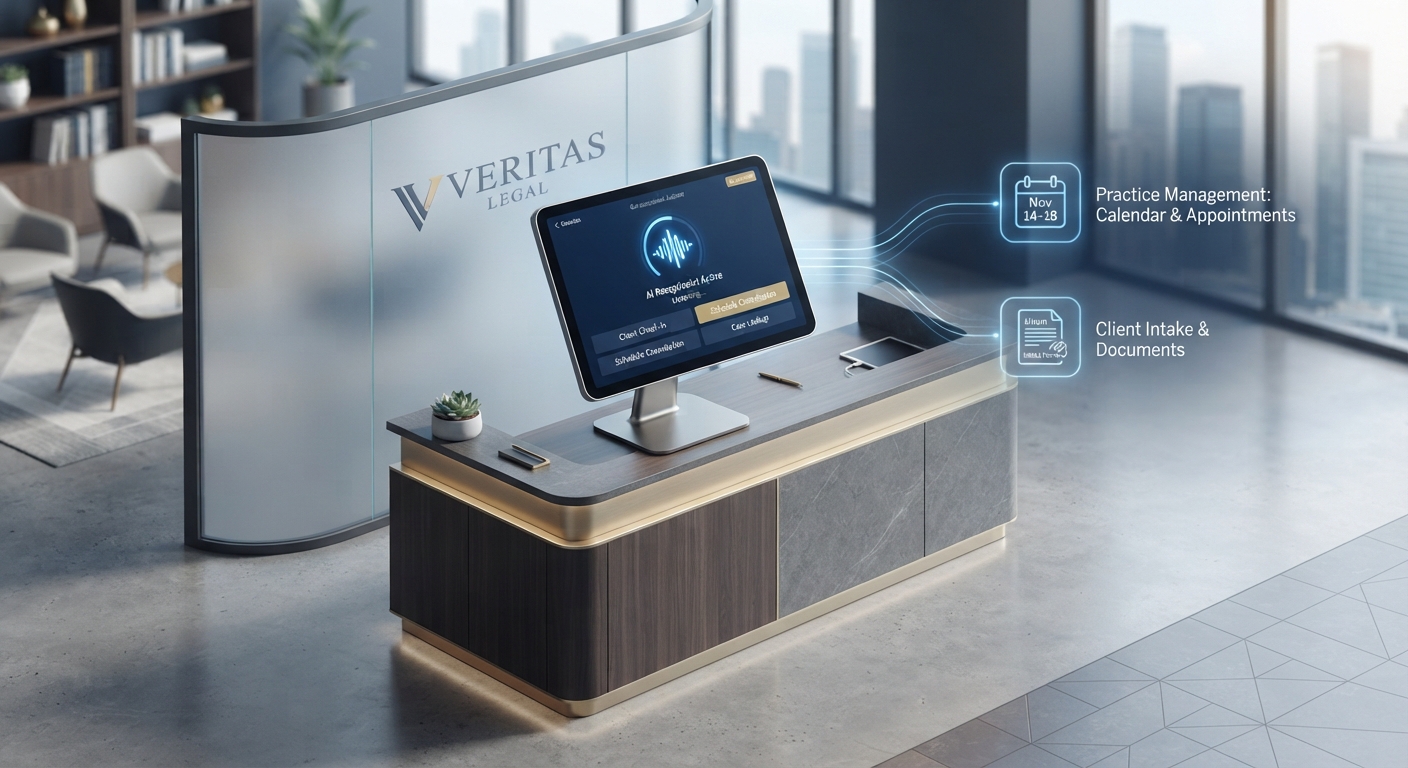
The real magic happens when you hook the ai into the tools you already use, like clio or salesforce. You don't want to be manually typing notes from a call log into your CRM; that’s exactly the kind of busywork we’re trying to kill here.
Most modern ai systems use an api to "talk" to your software. According to a 2023 report by LawNext — a site that tracks legal technology trends — firms that automate their intake process see significantly higher conversion rates because the data moves instantly from the phone call to the attorney's dashboard.

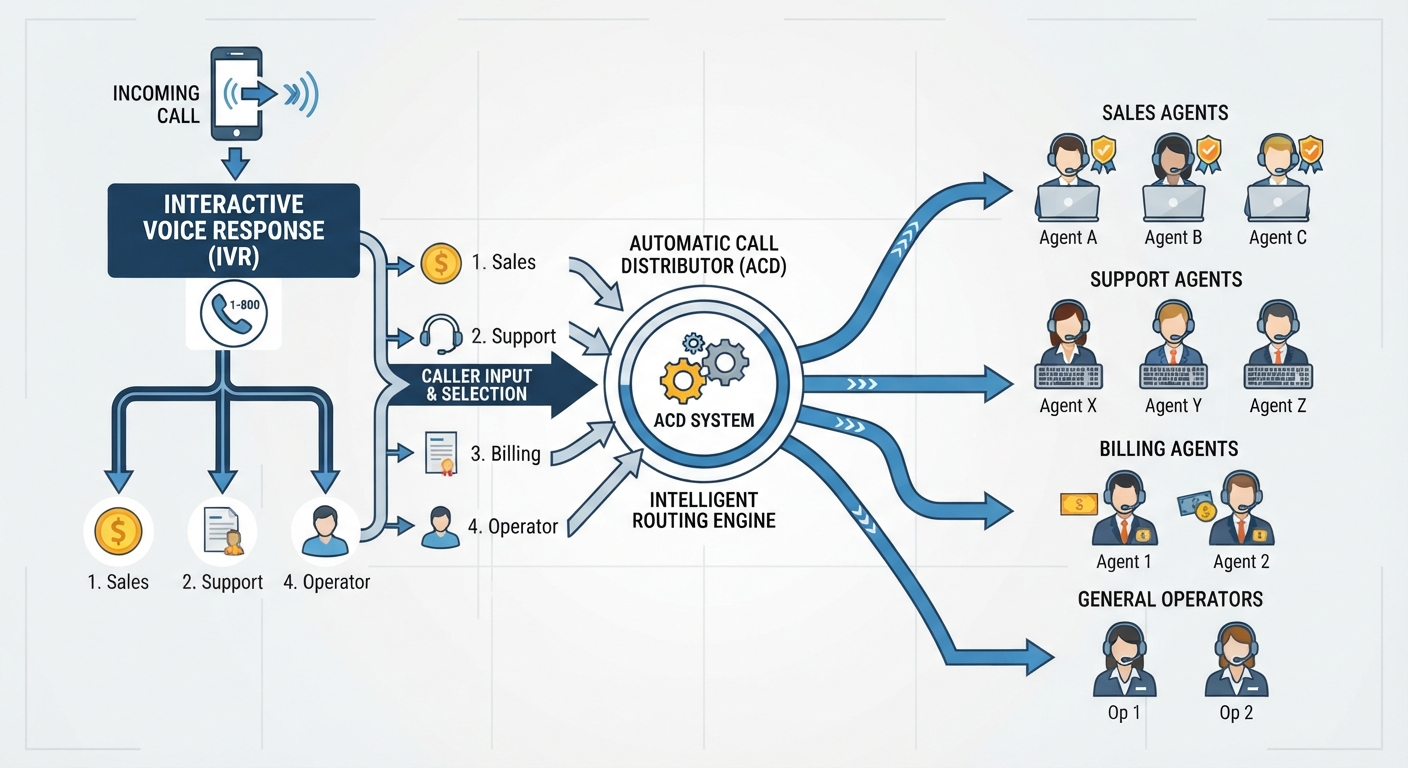
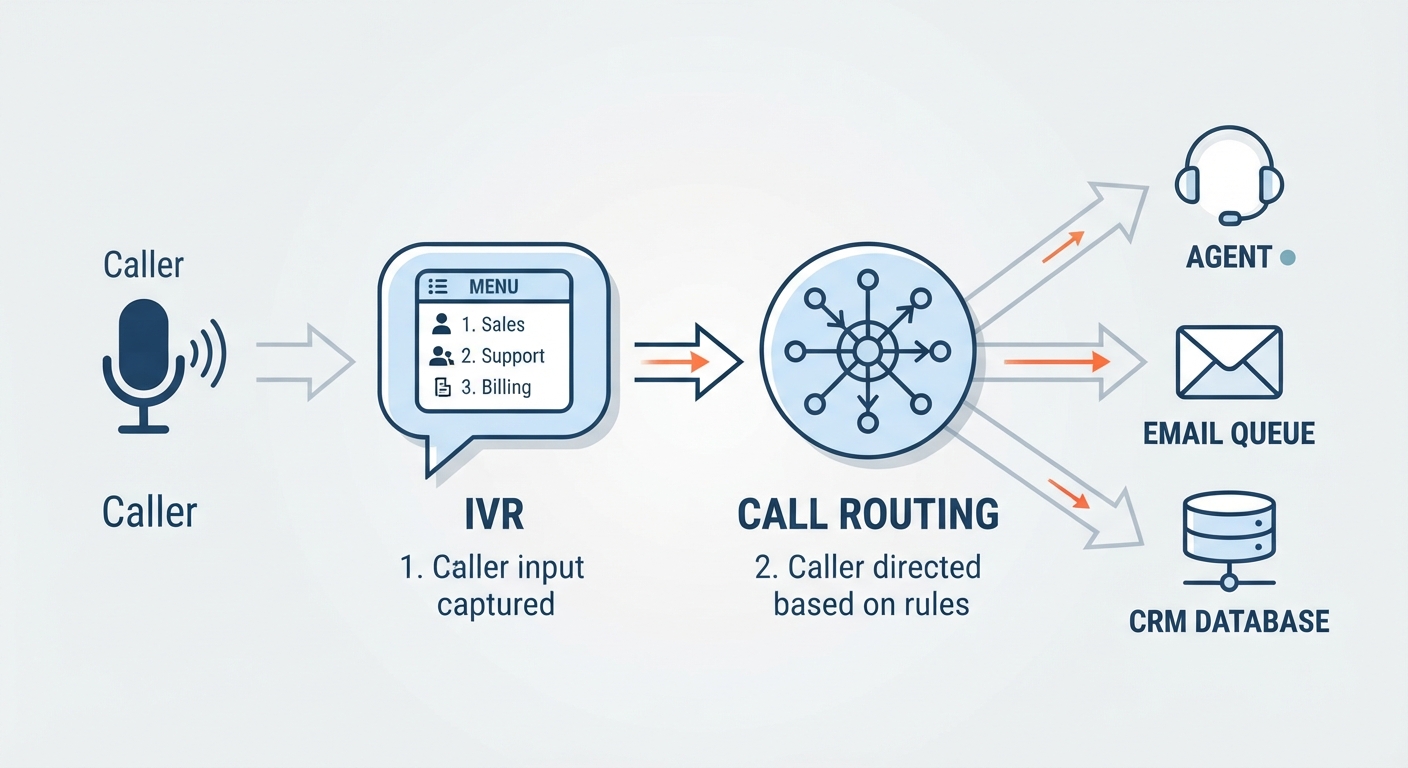
You also need to think about where the call goes if things get complicated. You can set up "intelligent routing" so that if a high-value lead mentions "wrongful death," the ai immediately transfers them to your cell, but if it's just someone asking for directions, it handles it solo.
And yeah, we have to talk about the "boring" stuff: security. Since you’re handling sensitive client info, you gotta ensure the system is hipaa compliant (if you do med-mal) and follows general data privacy rules. Most reputable ai providers encrypt everything by default now, but it's always worth double-checking the settings.
- Upload your fee schedule—but be careful here. Best Practice: Don't have the ai give firm quotes. Instead, have it provide "general fee ranges" or explain your billing structure (like hourly vs. contingency). This avoids the unauthorized practice of law and prevents you from being bound to an incorrect price before you've even seen the case.
- Set up a "fail-safe" where the bot offers to schedule a Zoom consult if it gets stuck on a weird question.
- Test it yourself. Call your own office from a burner phone and try to trip the bot up. It’s actually kind of fun to see how it handles a "difficult" caller.
Honestly, once the plumbing is connected, the system just runs in the background while you focus on actually practicing law. But how do you know if it’s actually working? You gotta track the numbers that actually move the needle.
Best Practices and ROI Metrics
Getting a lead to call your firm is the hard part, but keeping them on the line without sounding like a cold machine? That's where the real money is made.
To see if your ai is actually paying for itself, you need to watch these specific KPIs:
- Lead Response Time (LRT): This should drop to near-zero with an ai.
- Cost Per Acquisition (CPA): Compare what you pay for the ai vs. what you were paying for human intake or missed leads.
- Conversion Rate: Are more callers booking consultations than before?
If you want to actually close more deals, you gotta treat every call like a high-stakes interview where the ai is your best recruiter. It isn't just about answering; it’s about what happens in those first 60 seconds.
- Selective Screening: Have the ai politely "disqualify" callers that don't fit your practice—like a criminal defense lawyer getting a call for a dog bite—so your team doesn't waste time.
- Instant Calendar Sync: If the lead is a "gold nugget," the ai should drop a calendar link or book the consult right then. No "we'll call you back to schedule" nonsense.
- The "Safety Net" Text: As soon as the call ends, the ai sends a text. "Hey, it was great chatting. Here’s the link to that document we discussed." It keeps your firm top-of-mind.
A 2024 study by LSA (Local Search Association) found that 60% of customers prefer to schedule appointments or get info via a mix of phone and text rather than waiting for a manual callback.

I've seen other industries like medical clinics or high-end consultants use this too. If someone calls for an appointment but they're fully booked, the ai offers a slot for Tuesday and sends a map link. It’s all about reducing the "work" the customer has to do.
But look, we gotta be ethical about this. You should always have the ai disclose it's an assistant—transparency builds trust. Plus, make sure your data logs are wiped regularly to stay compliant with privacy laws.
Modern After-Hours Answering Service Alternatives
So, you’re finally ready to stop being tethered to your phone on a Saturday night while trying to eat dinner with your family? Honestly, the old way of handling after-hours calls—paying a massive premium for a sleepy answering service—is basically dead in 2024.
Most law firms think they need a human breathing on the other end of the line to show "empathy," but let's be real. A lead calling at 2:00 AM just wants to know someone heard them and that they have an appointment booked.
- Weekend Freedom: You can finally go off-grid. The ai handles the "Is this a real case?" screening and puts the good ones right on your calendar for Monday morning.
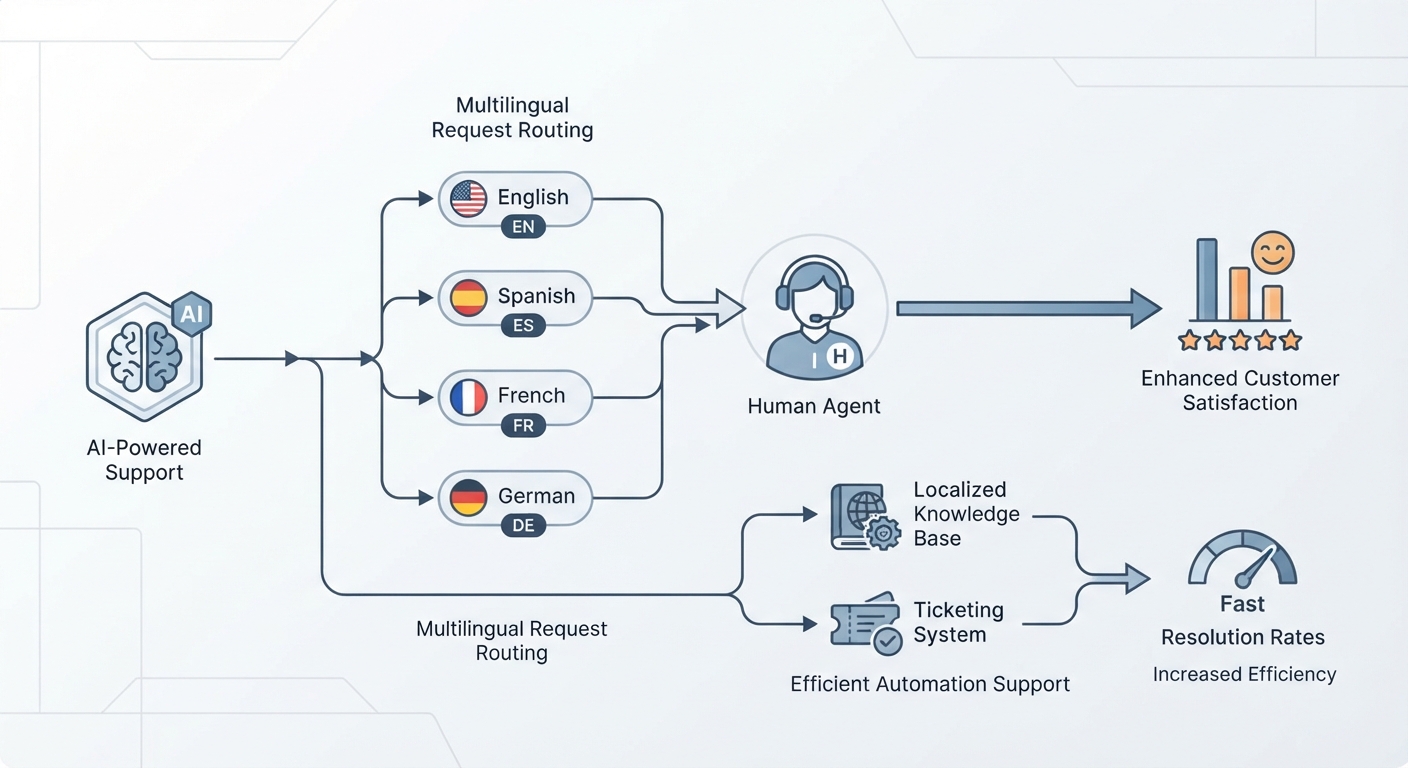
- Multilingual Support: If your firm is in a city like Miami or LA, you're probably losing leads because your night staff doesn't speak Spanish or Mandarin. Modern ai systems switch languages mid-sentence without skipping a beat.
- Killing the No-Show: It’s not just about the first call. According to a report by mgma (Medical Group Management Association), automated reminders can cut no-show rates by up to 50% in professional service settings. This applies to legal consults just as much as doctor appointments.
I’ve seen this work for other professional services too. If a client has an emergency at midnight, the ai doesn't just take a message; it looks at the firm's schedule and says, "We can talk at 8:00 AM." It’s about solving the problem, not just "answering" the phone.
At the end of the day, modern practice is about being fast. If you aren't using these tools, you're just paying for the privilege of being slower than your competition. Time to plug the leaks.