AI Receptionist for Dental Practices: Automate Patient Scheduling and Reminders
TL;DR
- This article covers how dental offices can stop missing patient calls by switching from old-school voicemails to smart ai systems. We look at the real costs of hiring a human versus using automation, how to handle after-hours emergencies, and the best way to sync your scheduling with tools like Dentrix or Google Calendar to finally reduce those annoying no-shows.
The hidden cost of missed calls in your dental clinic
Ever wonder how many thousands of dollars are just... floating away because your front desk was busy with a patient in the chair when the phone rang? It's a total gut punch when you realize that one missed call from a new patient isn't just a "whoops," it's a lost relationship that could've lasted a decade.
Honestly, nobody likes leaving voicemails anymore. In a world of instant gratification, if a potential patient gets your machine, they're probably already clicking the next dentist on Google Maps before your greeting even finishes.
- The "Hang-Up" Culture: Most people seeking a new provider won't leave a message. They want a human—or at least a response—right now. If they don't get it, they move on.
- First Impressions Matter: Your phone handling is the "digital handshake" of your practice. A missed call or a long hold time sends a signal that you're too busy to care, even if that's not true.
- The Real Math: If a single new patient is worth $1,000 in their first year (between cleanings, X-rays, and maybe a filling), missing just three calls a week is like flushing $150,000 down the drain annually.
According to research from My AI Front Desk, 24/7 availability is a massive factor in patient retention because it allows people to handle their business when they have time, not just during your 9-to-5.
"The AI receptionist acts as a constant point of contact, ensuring that patient inquiries are addressed promptly and efficiently, regardless of the time of day."
Most clinics have "rush hours"—usually right when you open, over lunch, and at 4:30 PM. Your staff is human; they can't check out a patient, hand over a goody bag, and answer three ringing lines all at once. It's just physically impossible.
When things get crazy, calls go to "hold purgatory." We've all been there, listening to that crackly elevator music while we wait for someone to acknowledge us. It’s frustrating for the patient and stressful for your team.

Using an ai receptionist lets you handle "overflow." If your front desk is busy, the ai picks up on the second ring. It doesn't replace your staff; it just catches the balls they’re forced to drop. It can even text the patient a link to your intake forms while they're still on the phone.
And since these systems can handle unlimited calls at once, you never have to worry about a "busy signal" again. It's about being there for your patients without burning out your office manager.
It's clear that missed calls are a huge drain on the wallet. Next up, we're going to compare the costs of a human virtual receptionist versus an ai system to see which one actually makes sense for the budget.
Receptionist salary vs AI receptionist cost breakdown
Let’s be real for a second—hiring a great dental receptionist is basically like trying to find a unicorn that also knows how to use insurance billing software. You aren't just paying for someone to sit at a desk; you're investing in the entire "vibe" of your practice, but man, that investment gets expensive fast in today's labor market.
When you sit down to do the math, the "hourly wage" is really just the tip of the iceberg. By the time you add in payroll taxes, health insurance, 401k matching, and workers' comp, that $22-an-hour rockstar is actually costing your practice closer to $35 or $40. And that’s assuming they never get sick or need a vacation.
Training is the silent killer of your margins, honestly. Every time a front desk person leaves, you’re looking at weeks of "shadowing" where two people are doing the job of one, plus the thousands of dollars spent on job boards just to find a replacement. For a small dental office or other professional industries, that turnover cycle is a constant drain on the bank account.
Then there’s the "human" limitation—your staff needs to eat, sleep, and go home. If a patient calls at 7:00 PM with a cracked tooth, a human receptionist isn't there to answer. You're either paying an expensive after-hours answering service (who usually just takes a messy message anyway) or you’re just... losing that patient to the guy down the street.
Switching gears to an ai receptionist feels a bit weird at first, but the financial breakdown is pretty hard to argue with. Instead of a $4,000+ monthly overhead for one person, most ai systems run on a flat subscription that’s less than a couple days' worth of human wages.
Current projections for dental clinic technology trends show that these systems don't just save on salary—they actually "earn" money by catching the calls that usually go to voicemail during the lunch hour rush.

The break-even point for dental automation is usually ridiculously fast. If your ai catches just one new patient for a cleaning and a few fillings, it’s basically paid for its entire yearly subscription in a single afternoon.
In a medical or dental setting, the roi is even sharper because of the high "per-patient" value. You aren't just saving on the receptionist's salary; you're eliminating the "leaky bucket" problem where potential revenue disappears because nobody picked up the phone.
- Subscription vs. Hourly: You move from a variable, high-cost labor model to a predictable, low-cost software expense.
- No "Ramp-up" Time: Unlike a new hire who takes months to learn your quirks, you can program an api or a knowledge base into an ai in about thirty minutes.
- Zero Benefits Cost: ai doesn't need dental insurance (ironic, right?) or paid time off.
It’s not about firing your favorite office manager, though. It’s about letting that manager actually talk to the people standing in front of them while the ai handles the "busy work" of scheduling and FAQs.
Moving on from the money side of things, you’re probably wondering how you actually get one of these things running without needing a computer science degree. Next, we're diving into the actual setup process.
How to set up AI receptionist small business step by step
Setting up a phone system for a dental practice used to be a nightmare of wiring and hardware, but honestly, it's way easier now. If you can fill out a profile on social media, you can probably get an ai receptionist running before your next patient finishes their cleaning.
I've seen office managers spend weeks trying to train a new hire on how to handle "the phones," but with Voksha AI—which is a specialized voice platform that automates your front desk—you're looking at a setup that's faster than a lunch break. It provides a 24/7 automated voice that sounds surprisingly natural—not like those old robotic "press 1 for sales" menus that everyone hates.
The first thing you’ll do is upload your practice's "brain." This is basically just a document or a list of your most common FAQs (Frequently Asked Questions). Think about the stuff people ask every single day: "where do I park?", "do you take Cigna?", or "how long does a whitening take?" You just paste those in, and the ai learns them instantly.
- Integration is key: You don't want your data floating in a void. Most of these systems connect directly to your crm (Customer Relationship Management), like HubSpot or other professional tools.
- HIPAA is a big deal: Since we're talking about dental offices, privacy isn't optional. You need to ensure you're using HIPAA-compliant (Health Insurance Portability and Accountability Act) voice ai workflows. This means the data is encrypted and the system doesn't just "leak" PHI (Protected Health Information) like patient names or procedures into the wrong hands.
- Natural scripts: Instead of rigid "if/then" logic, you just give the ai a general script. It can handle the conversation flow naturally, even if the patient goes off on a tangent about their dog before getting back to their toothache.
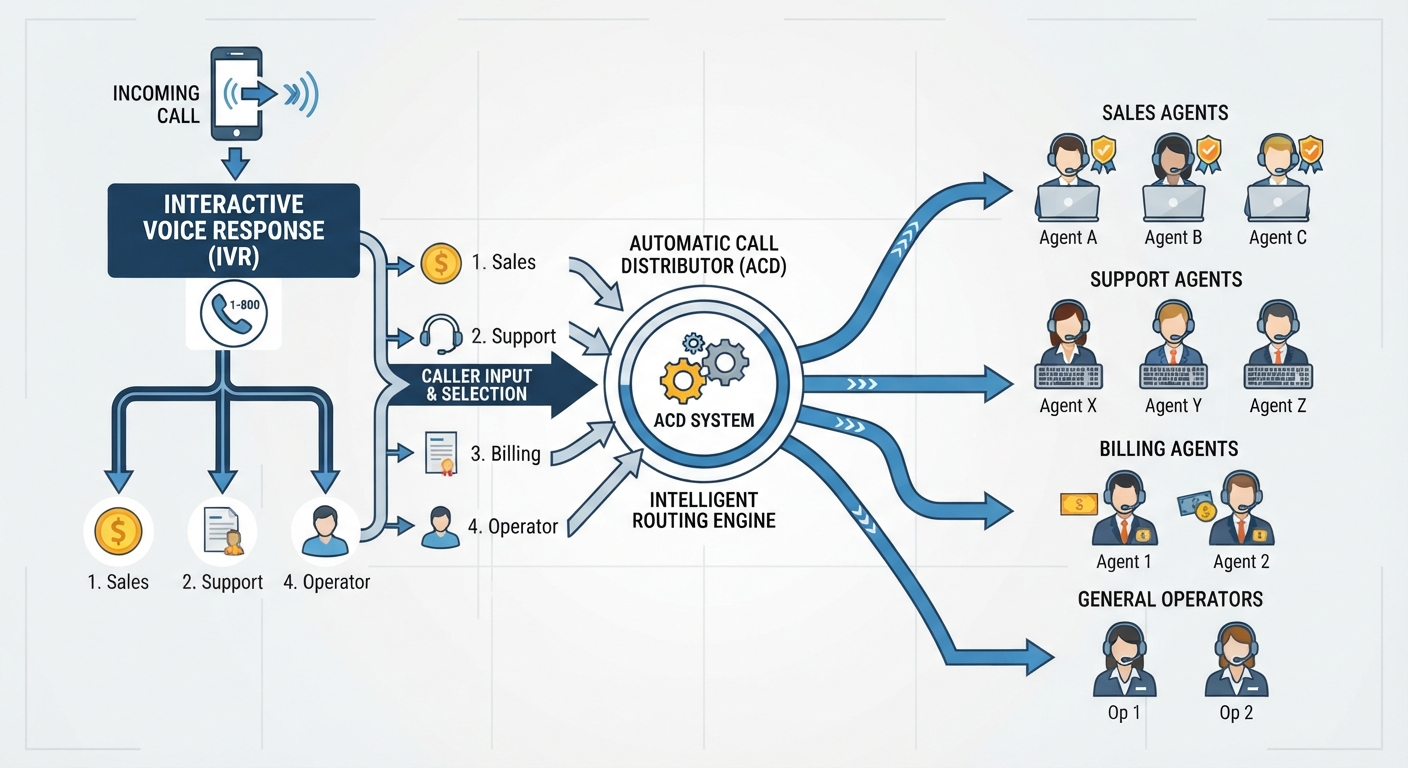
One of the coolest parts of setting this up is the "sorting" logic. Not every call is created equal—a routine cleaning for six months from now doesn't need to interrupt your lead assistant, but a patient with a knocked-out front tooth definitely does.
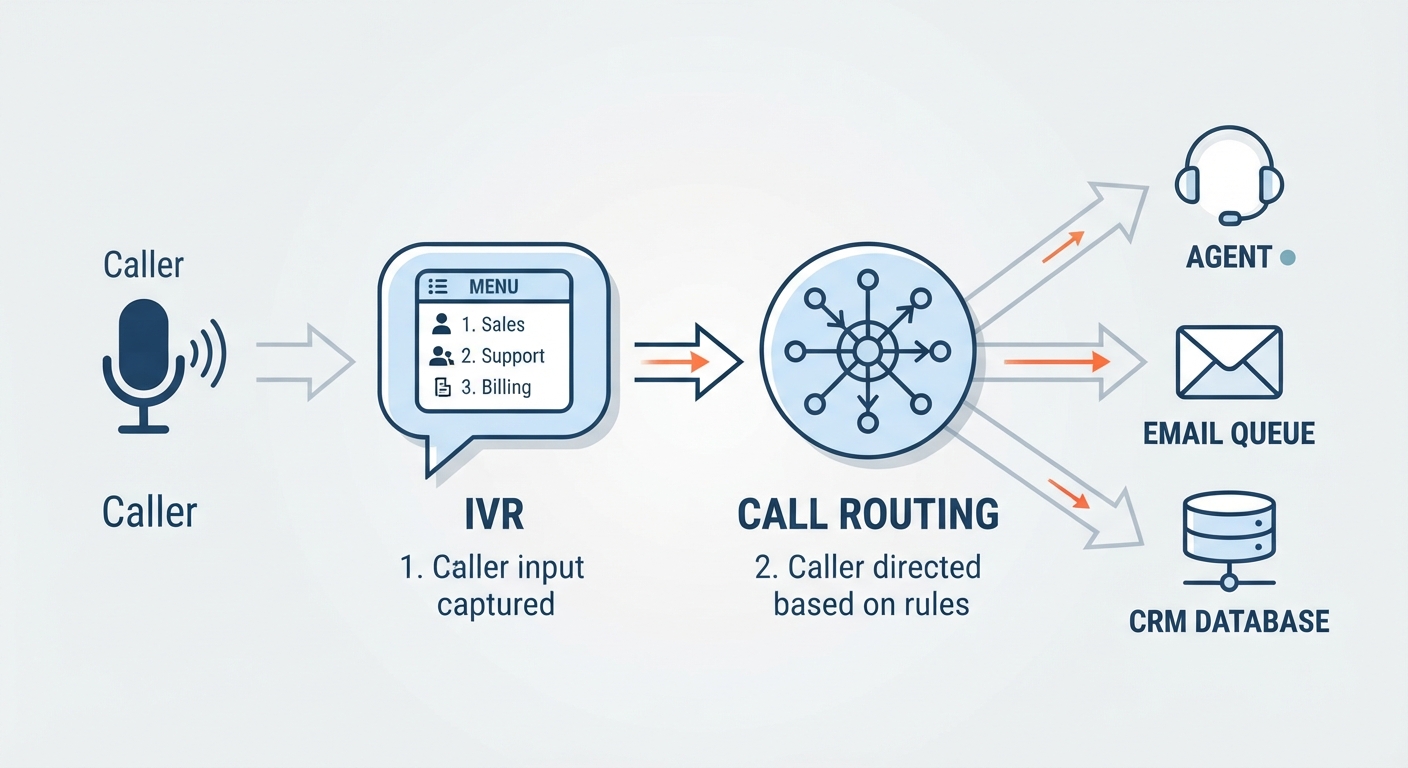
You can set up "intelligent routing" so the ai knows when to handle the call itself and when to "hand off" to a human. For example, if someone mentions "pain" or "emergency," the ai can immediately transfer the call to your emergency line or a specific staff member’s cell phone.

This acts as a perfect after hours answering service alternative. Instead of a call center in another country taking a vague message, the ai can actually check your calendar and book the slot. If it's something it can't handle, it just records a detailed transcript so you aren't walking into a mystery on Monday morning.
As we discussed earlier, the 24/7 availability provided by systems like My AI Front Desk is what keeps patients from jumping to the competitor's website. You're basically building a safety net that catches every single lead.
Another thing to consider is that once you've got your routing and your FAQs in place, the next big hurdle is making sure people actually show up for those appointments. In the next part, we're going to look at how to use these tools to absolutely crush your no-show rates.
Appointment no-show reduction strategies that actually work
It’s a Tuesday morning and your lead hygienist just called in sick, the waiting room is packed, and—of course—three different people are calling at the exact same time. This is usually when appointments start slipping through the cracks because nobody can get to the phone to confirm that 2:00 PM root canal.
Honestly, no-shows are the silent killer of dental margins, but fixing them isn't about calling people more often; it's about being smarter with how you do it.
The psychology behind a 24-hour reminder is pretty simple—life happens, and people forget stuff that isn't right in front of them. If you send a reminder too early, they forget again; too late, and they can't clear their schedule.
- The "Frictionless" Reschedule: One of the best things about using an ai receptionist is how it handles the "I can't make it" reply. Instead of the patient hanging up and never calling back, the ai can immediately ask, "No problem, would you like to move that to Thursday at 10:00 AM instead?"
- Voice vs. SMS: While younger patients live on their texting apps, recent reports on dental clinic technology trends suggests that seniors often prefer a voice call. An ai can do both—texting the busy professional and calling the retiree who prefers a verbal confirmation.
- Instant Sync: When a patient confirms via an automated call, it should instantly turn green in your PMS (Practice Management Software). No manual data entry for your tired office manager.

Every missed call is a "leaky bucket" moment where money just pours out of your practice. If someone calls to ask about the price of a crown and gets a voicemail, they're calling the next dentist on the list before your phone even stops ringing.
- Qualifying on the Fly: You can program your ai to ask for insurance info right away. This saves your staff from spending ten minutes on the phone with someone who has a provider you don't even accept.
- Handling Price Shoppers: Instead of just giving a flat number, the ai can explain the value—mentioning your high-tech imaging or comfort amenities—before booking the consultation. It turns a "how much?" into a "when can I come in?"
- The "Invisible" Follow-up: If a call does drop or someone hangs up before booking, the system can automatically send a polite text: "Sorry we missed you! Was there a specific time you were looking to book?"
I saw a professional office do this recently where they were losing leads because their staff were always busy. They set up an ai to do initial intake. It's the same for a dental office; you want to grab the info while the person is still interested.
To wrap up this section, once you start catching these leads and actually getting them through the door, you'll notice the atmosphere in the office changes. Your staff isn't frantic, and the "no-show" gap in your afternoon disappears.
Next up, we’re going to look at how to actually route these calls so the "emergency" toothaches get to you and the "where are you located" questions stay with the bot.
Virtual receptionist vs AI receptionist comparison
So you're looking at the difference between a virtual receptionist—basically a remote human in a call center—and a full-blown ai system. It’s a classic "human touch" vs. "digital speed" debate, but honestly, the lines are getting real blurry lately.
Virtual receptionists were the go-to for years because, well, they're people. But if you’ve ever used one for a dental office, you know the "latency" is a killer. Sometimes the call bounces through three different routing stations before a human picks up, and by then, the patient has already hung up.
Then there is the "script" problem. Most call centers juggle fifty different businesses. One minute they're answering for a plumber, the next they're trying to explain your complex root canal pricing. They trip over words, get your office hours wrong, and let’s be real—the "per-minute" billing is starting to look like a highway robbery.
- The Cost Trap: You pay for every "um" and "ah." If a caller is chatty, your bill skyrockets.
- Inconsistency: You might get "Sarah" on Monday who is great, and "Mike" on Tuesday who sounds like he just woke up.
- Data Lag: Usually, they just email you a messy note, and then your staff has to call the person back anyway.
Dental offices are switching to voice ai because milliseconds actually matter. When a patient calls with a cracked tooth, they don't want to wait 15 seconds for a remote operator to find their script. An ai responds in less than a second, and it actually knows your live calendar.
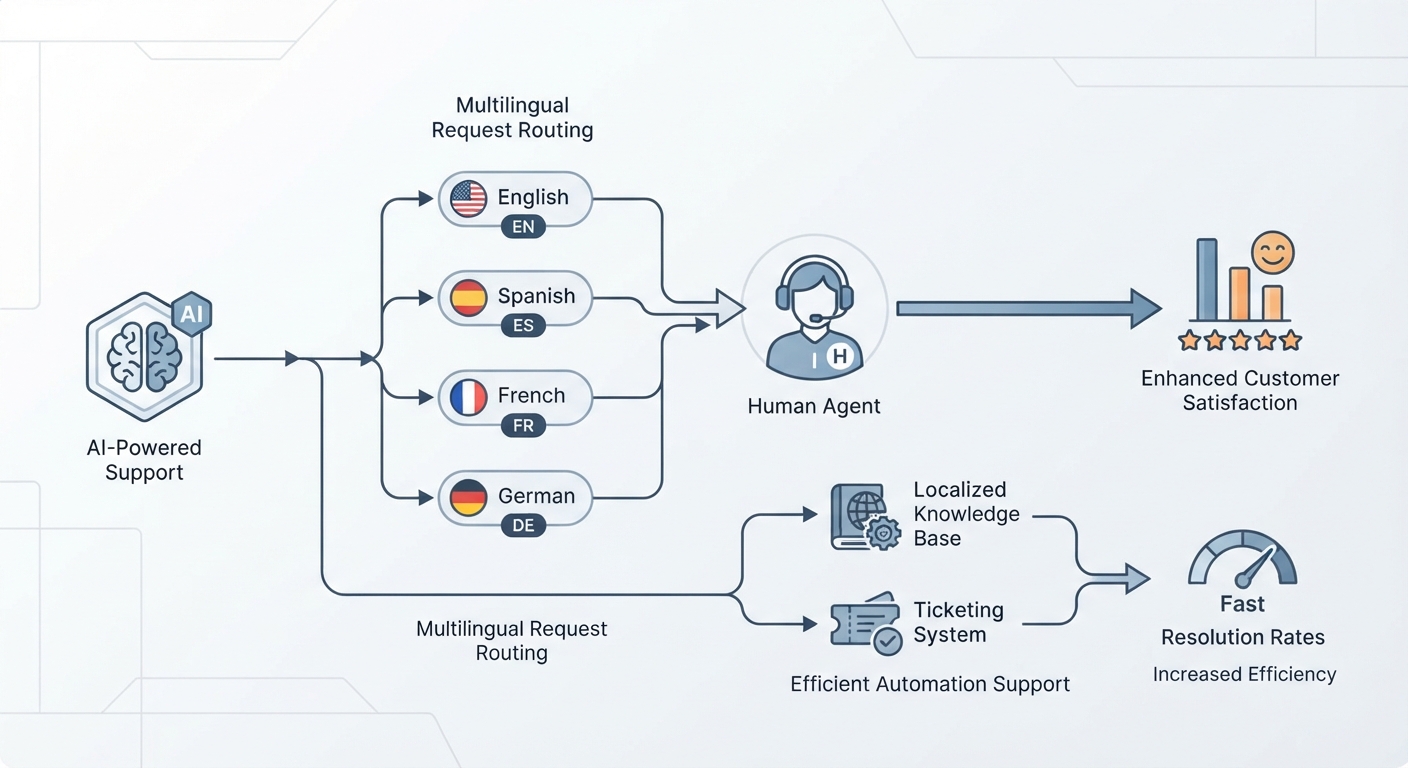
One of the biggest wins is the multilingual support. If you have a diverse patient base, hiring a bilingual receptionist is expensive and hard to find. An ai can flip from English to Spanish or Mandarin instantly without you paying a "specialist" premium.

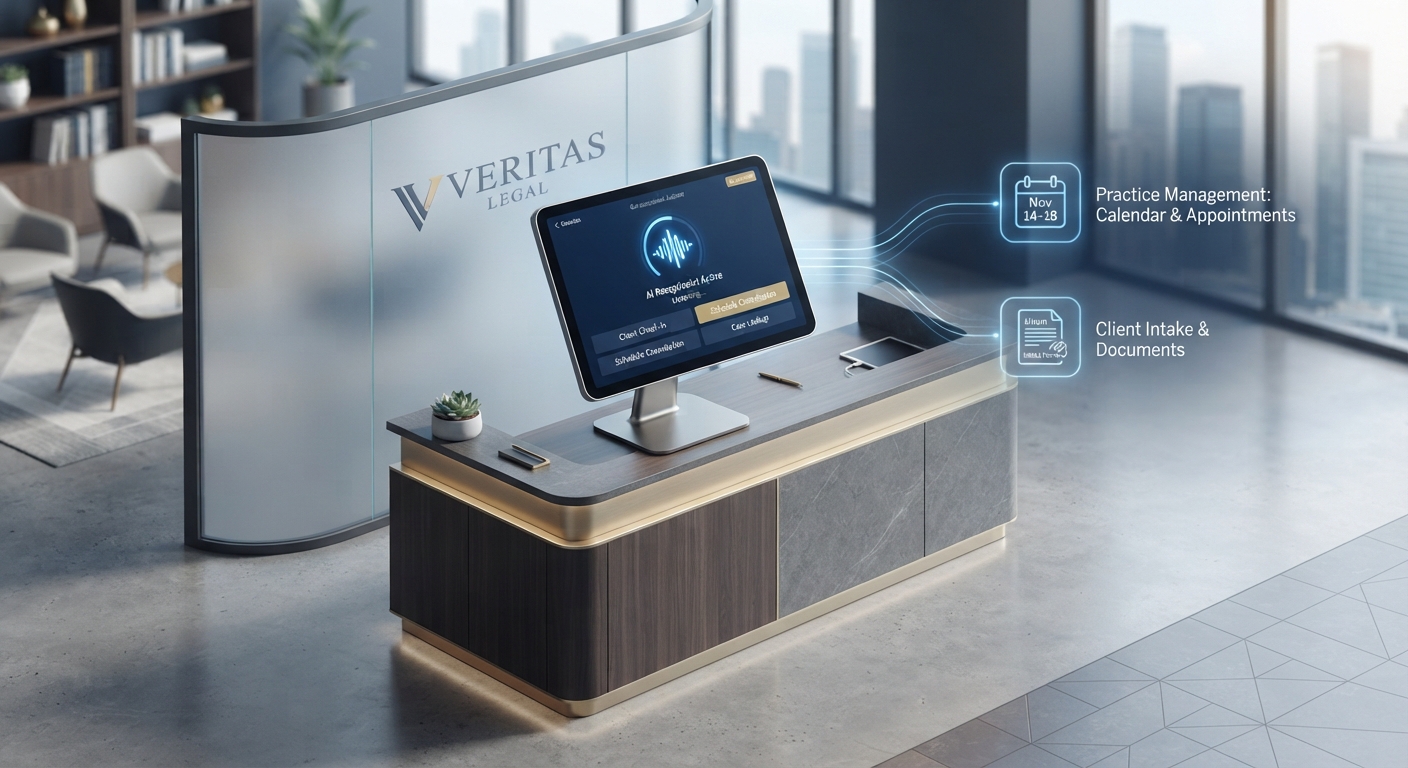
As mentioned earlier in our look at dental technology trends, the direct integration with practice management software (PMS) is the real game changer. The ai doesn't just take a message; it looks at Dentrix or Open Dental and says, "Yep, we have a 2:00 PM open."
With an ai, the "vibe" never changes. It doesn't have a bad day, it doesn't get "hangry" at 11:45 AM, and it follows your office's specific medical protocols every single time. It’s about that predictable, high-quality "digital handshake" we talked about in the first section.
It's just less stress overall. You aren't managing a remote team of strangers; you're managing a single "brain" that you have total control over. It’s a way to scale your front desk without scaling your headache.
Now that we've looked at the "who" picks up the phone, we need to talk about the rules of the game. Next, we’re gonna look at the actual legal side and how this tech stays compliant.
Legal and technical considerations for dental phone systems
Look, I know talking about "legal stuff" is about as exciting as a dry piece of toast, but when you're handling patient data over the phone, you can't just wing it. If your ai is recording calls or taking down names, you're officially in the land of HIPAA and data privacy.
The biggest hurdle for dental clinics isn't just answering the phone—it's making sure that "Jane Doe’s" root canal details don't end up on a random server in a country you can't pronounce. Most basic ai tools or generic chatbots aren't built for healthcare because they don't encrypt data at rest or in transit.
- PHI in Transcripts: Your ai needs to automatically redact or securely store Protected Health Information (PHI). If the bot writes down a credit card number or a Social Security digit, that file better be behind a 256-bit encryption wall.
- Social Engineering: Hackers are getting sneaky, sometimes calling clinics to "verify" info. A good ai system should have safeguards so it doesn't just blurt out patient addresses or appointment times to anyone who asks nicely.
- BAAs are Mandatory: You absolutely must have a BAA (Business Associate Agreement) with your ai provider. If they won't sign one, run away. It's the only thing protecting you if a data breach actually happens.
Honestly, a lot of office managers forget that even "temporary" data is a risk. You want a system that purges sensitive info after it's been synced to your crm or practice management software.
Setting up the tech is one thing, but making it feel "human" is where the magic happens. Nobody wants to talk to a robot that sounds like a 1990s microwave. You need to give your ai a "persona" that matches your office—maybe a bit cheerful but professional.
- The Human Handoff: You gotta know when to pull the plug on the automation. If a patient is crying because of a dental emergency or getting frustrated with a billing error, the ai should be programmed to say, "Let me get my office manager, Sarah, on the line for you right now."
- Natural Scripts over Robots: Avoid "Press 1 for X." Instead, let the ai ask, "How can I help you today?" and let the patient talk. As mentioned earlier, modern systems can handle natural conversation in milliseconds, so it doesn't feel clunky.
When you've got your legal ducks in a row and your bot sounds like a person, you'll start seeing those missed calls turn into real revenue. Next, we’re wrapping this whole thing up with a look at the future of the "ai-powered" dental office.
Conclusion and Future Outlook
So, we’ve covered a lot of ground, from the gut-punch of missed revenue to the nitty-gritty of HIPAA compliance. It’s pretty clear that the old way of handling phones—relying on a single, stressed-out person to catch every vibration of the air—is just dying out.
Looking ahead, automation isn't going to be a "luxury" for the big fancy clinics anymore. It’s becoming the baseline for staying alive in a world where patients have zero patience for voicemails.
Honestly, the roi is just too sharp to ignore. When you compare a flat subscription to the $4,000+ monthly cost of a human hire (plus benefits and the inevitable "I'm calling out sick" mornings), the math does the talking for you. As we saw in the dental clinic technology trends reports, these systems are "earning" their keep by catching the lunch-hour rush that usually just vanishes.
If you’re ready to start this journey, don't overthink it. You don't need a massive tech overhaul. Here is a quick "cheat sheet" for getting started:
- Audit your missed calls: Look at your logs from the last month. If you’re missing more than 5 calls a week, you're already losing thousands.
- Pick a "brain": Start with your top 20 most annoying FAQs. If the ai can answer those, your staff gets 2 hours of their day back.
- Test the hand-off: Make sure your "emergency" routing works so you never miss a real tooth-ache while the bot handles a cleaning.
The future of dentistry—and really any service business—is about being "always on" without being "always exhausted." By letting an ai handle the digital handshake, you’re actually making your practice more human, because your team can finally look the patient in the eye instead of staring at a ringing phone.
Anyway, it's a wild time to be running a business. The tools are finally catching up to the workload. Good luck out there.